
1 Michelin Star
Our verdict
A Michelin-starred restaurant within Hotel Acquapetra Resort and Spa in Telese, La Locanda del Borgo earns its 2024 star through a disciplined focus on Sannio region produce and recognisably Campanian cooking. Two tasting menus, Aqua (fish) and Petra (meat), frame the experience. At €€€€, this is the most serious dining proposition in the area, open nightly from 8 PM.

Pearl is the En Primeur Club membership app — saves, bookings, and concierge access live there. Same editors, same standards.
- Address
- SS372, 1, 82037 Telese BN, Italy
- Phone
- +39 0824 941878
- Hours
- Daily 8 PM–1 AM
- Website
- aquapetra.com
- Directions
- Get directions
The menu
What to order
- Tortelli with aubergine
- Squid tagliatelle
Where the Sannio Table Meets the Resort Setting
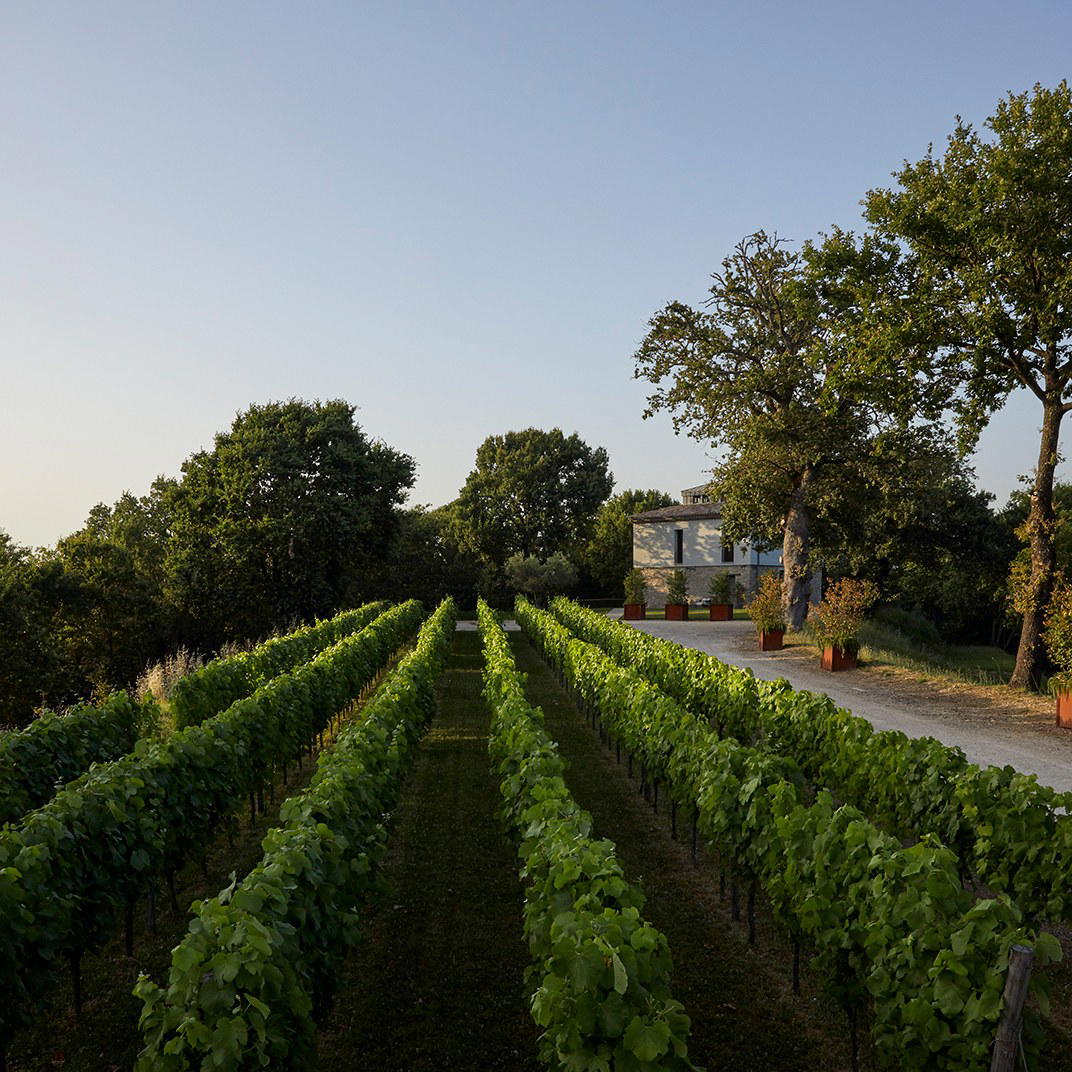
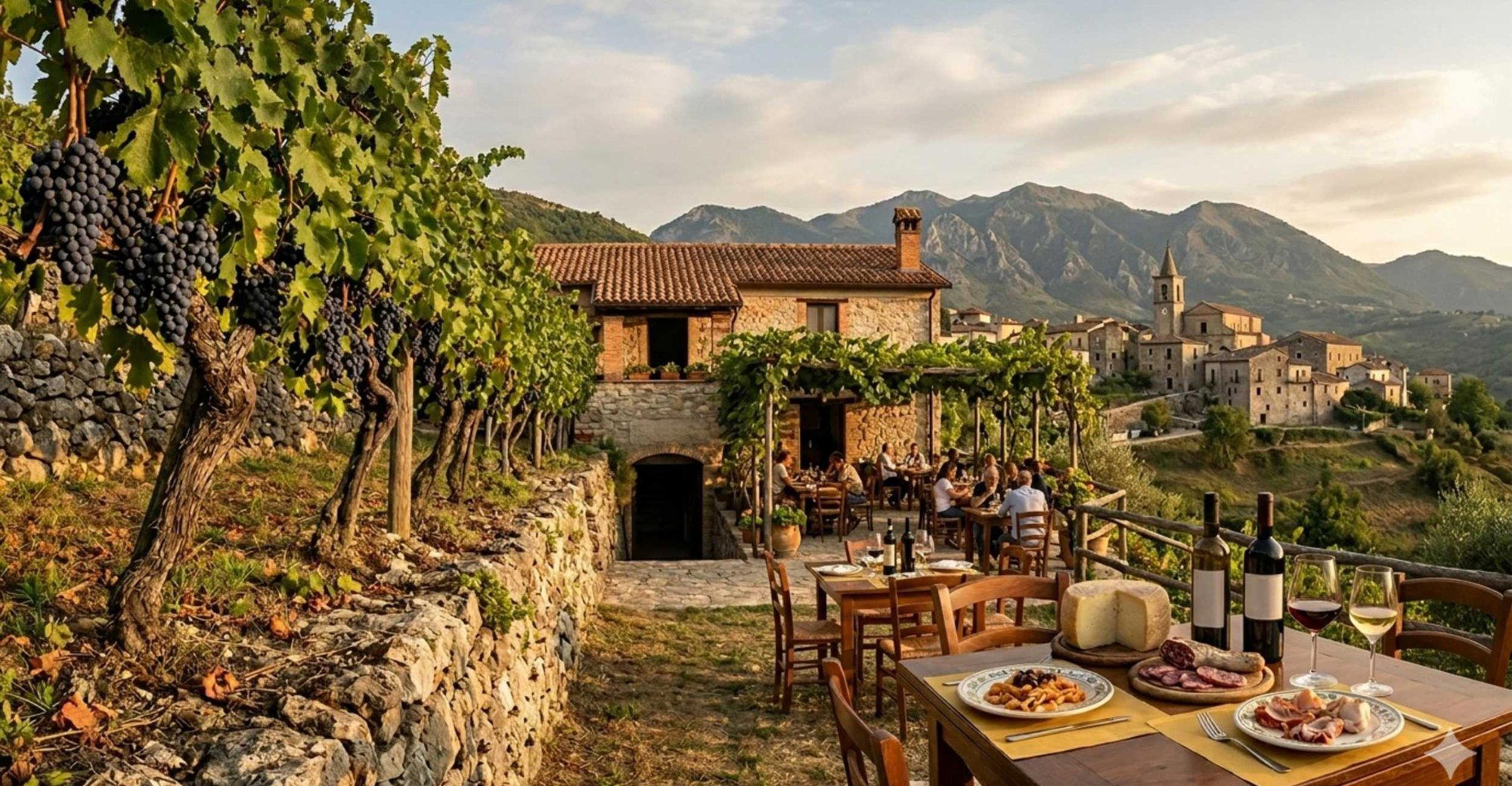
The road into Telese Terme cuts through the kind of southern Italian interior that the country's culinary reputation rarely credits. The Sannio territory, spreading across Benevento province in inland Campania, has been producing wine, grain, and livestock for centuries without attracting the same attention as the Amalfi coast or the Neapolitan hinterland. That oversight is part of what makes dining here carry a different weight. When a restaurant in this setting earns a Michelin star, as La Locanda del Borgo did in 2024, it signals something more pointed than the usual fine-dining credential: that serious regional cooking can anchor itself in a place the broader market has largely ignored.
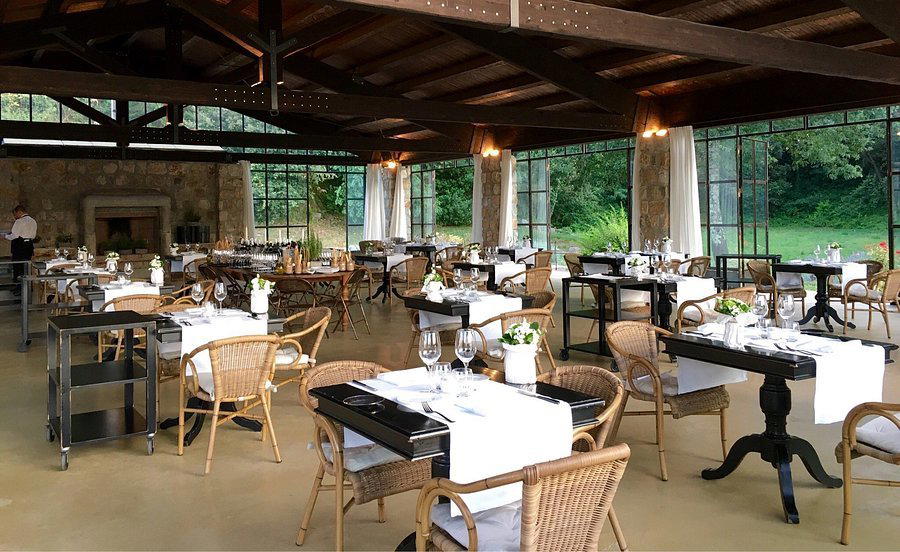
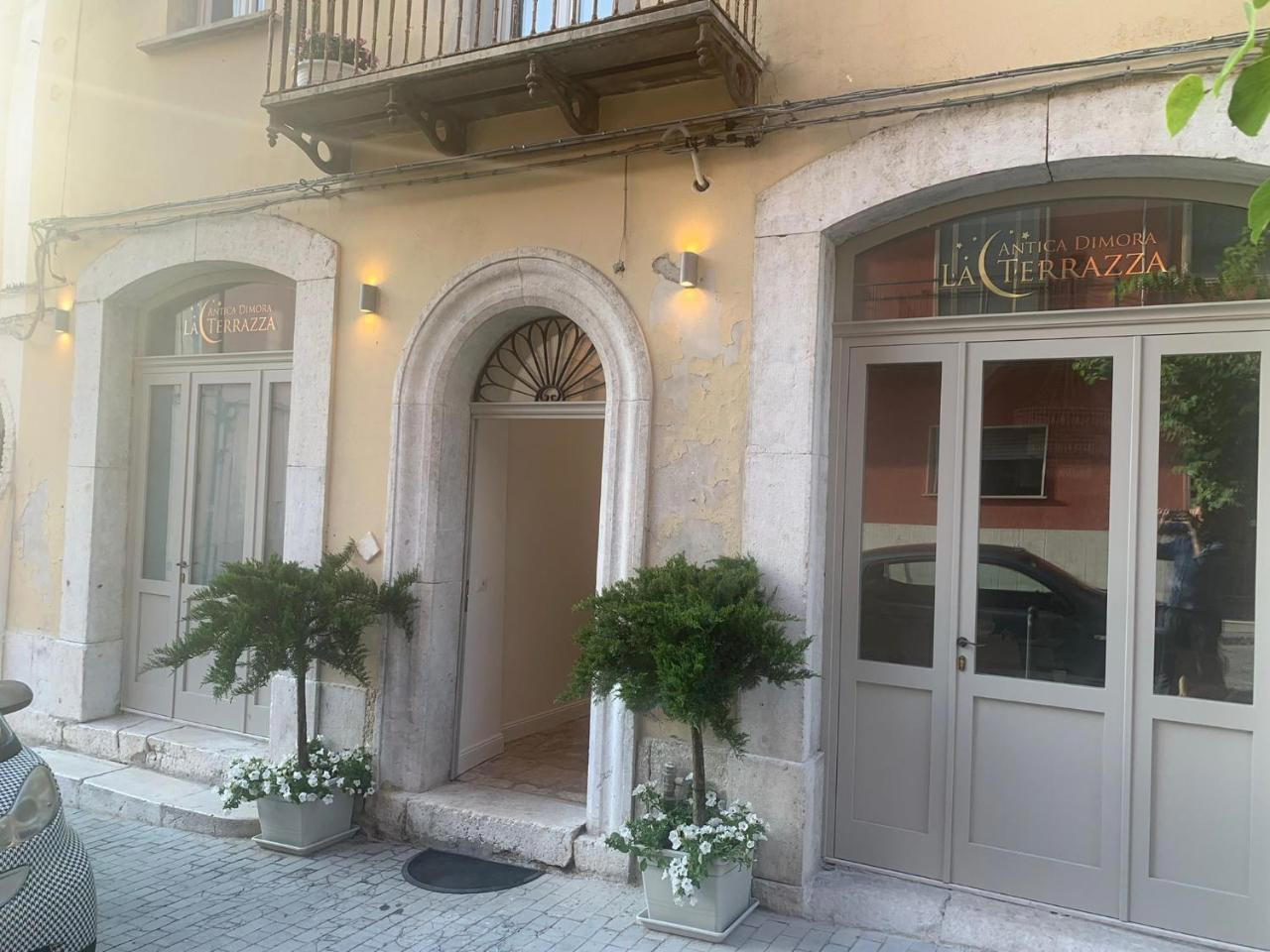
The restaurant sits within Hotel Acquapetra Resort and Spa, a former farmhouse complex that has been reshaped into a small luxury hamlet on the SS372. Antique furnishings coexist with contemporary facilities throughout the property, a combination that positions it closer to the agriturismo-with-ambition model than to the international resort template. For visitors using our full Telese hotels guide, Acquapetra represents the area's most considered hospitality offering, and La Locanda del Borgo is the reason most non-local guests make the trip in the first place.
The Logic of Campanian Country Cooking
Italy's regional cooking tradition is often discussed in terms of its famous centres: the ragù of Naples, the simplicity of Rome's trattorie, the dairy wealth of the Po Valley. The inland south operates on a different register. Sannio cooking draws on a larder shaped by altitude, terrain, and centuries of self-sufficiency rather than port trade or courtly influence. Legumes, foraged greens, cured pork, and freshwater fish from the Calore river have historically defined what appears on tables in Benevento province, and the leading kitchens in the area treat those materials as a point of departure rather than a limitation.
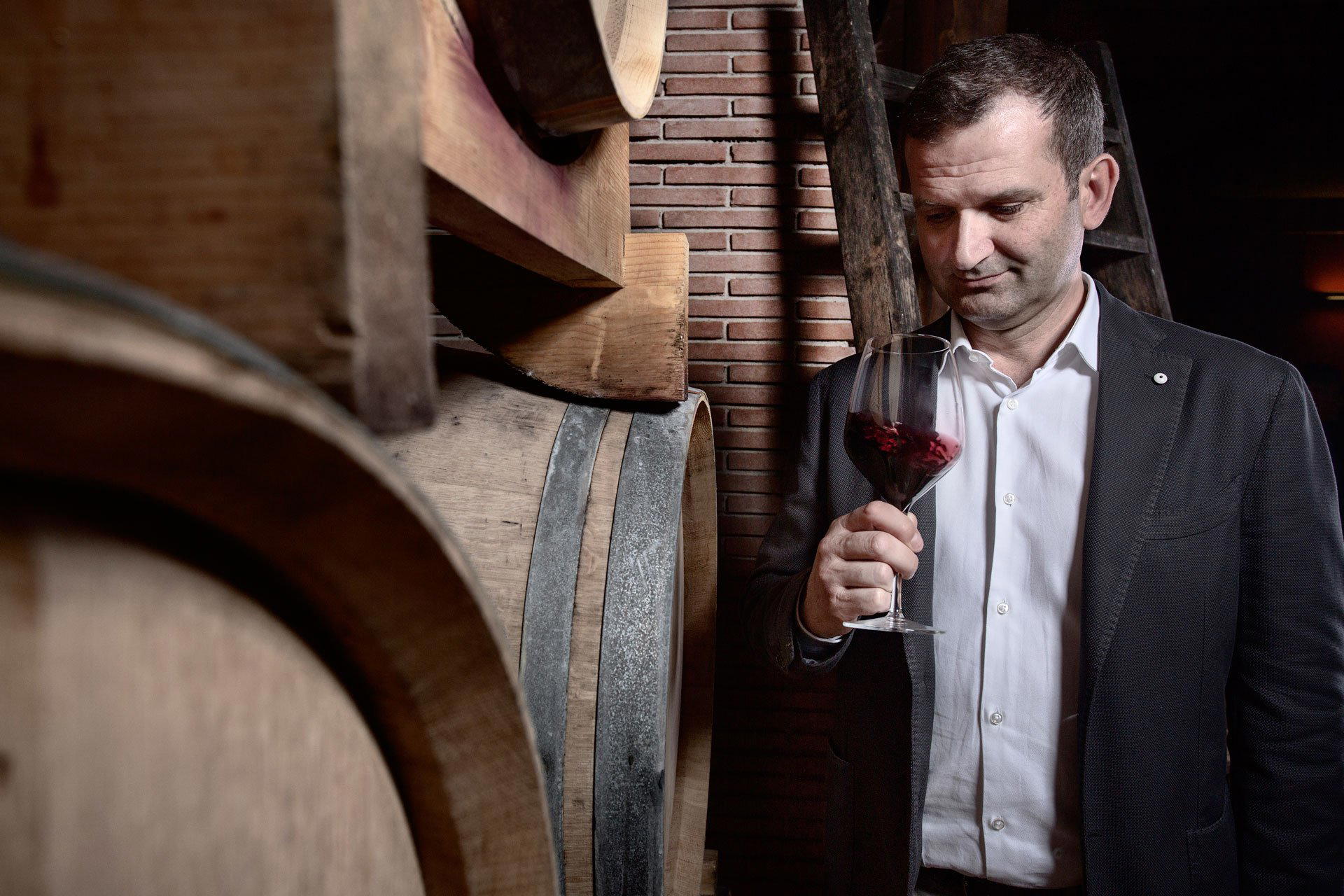
Chef Luciano Villani's approach at La Locanda del Borgo works within this tradition without being constrained by nostalgia. The menus focus on organic produce sourced from the Sannio region, and the cooking philosophy centres on simplicity without being reductive about it. The occasional influence from outside the region appears, but the overall register remains recognisably Campanian. In this sense, the restaurant belongs to a pattern visible across Italy's interior fine-dining rooms: a commitment to territorial specificity that treats local agriculture as the primary creative material rather than a secondary consideration. For comparison, Reale in Castel di Sangro has pursued a similar approach in Abruzzo's interior, and Atelier Moessmer Norbert Niederkofler in Brunico has built its three-star reputation on an equally territorial Alpine framework. The logic is consistent: when a kitchen commits to a specific geography at this level, the cuisine acquires a legibility that general sourcing cannot replicate.
Two Menus, Two Directions
The structure of the dining experience at La Locanda del Borgo is built around two tasting menus that function as distinct editorial positions rather than variations on the same theme. Aqua covers fish dishes exclusively, drawing on the freshwater traditions of inland Campania and, given the restaurant's position within a resort context, likely extending to coastal Campanian seafood sourcing. Petra is dedicated to meat, and in Sannio terms that means engaging with a larder that includes the region's sheep breeds, heritage pork traditions, and game from the surrounding hills.
The binary format is a deliberate choice that forces the kitchen to go deeper into each category rather than producing a compromise menu that samples both. Guests arriving for a single meal face a genuine decision that reflects the seriousness of both programs. This kind of structural commitment is more common in northern Italian fine dining, where single-product focus (as at Dal Pescatore in Runate with its river and lake traditions) has a longer institutional history. Applying it to a southern Italian context, where the table is traditionally more inclusive, gives La Locanda del Borgo a format that reads as a considered editorial stance.
Aperitifs and drinks are served in the bar adjacent to the restaurant, which creates a separation between the pre-dinner and dining phases that most tasting-menu contexts benefit from. It also allows the resort's wider hospitality to integrate naturally with the restaurant experience rather than the two running in parallel.
Where La Locanda del Borgo Sits in the Italian Fine-Dining Picture
Italy's Michelin-starred dining is heavily weighted toward the north and the major cities. The three-star tier, which includes Osteria Francescana in Modena, Enoteca Pinchiorri in Florence, Enrico Bartolini in Milan, Le Calandre in Rubano, and Piazza Duomo in Alba, is concentrated in regions with established culinary reputations and international visitor traffic. One-star restaurants in less-travelled southern Italian provinces occupy a different position in the hierarchy: they carry their recognition further, in the sense that the star functions both as quality validation and as a signal that the location merits a detour.
In Telese, La Locanda del Borgo operates without direct fine-dining competition at the same tier. Krèsios, the progressive creative restaurant in the same town, has built its own distinct reputation, but the two restaurants occupy different positions on the formality and format spectrum. Within the country-cooking category specifically, La Locanda del Borgo can be compared to 21.9 in Piobesi d'Alba and Andrea Monesi at Locanda di Orta in Orta San Giulio, both of which apply serious technique to rural Italian ingredients in similarly low-profile locations. The pattern across these restaurants suggests that the country-cooking category in Italy is producing some of its most coherent work in precisely the places that fall outside the established destination-dining circuit.
Among Campanian fine dining, the coastal reference point is Quattro Passi in Marina del Cantone, and separately Uliassi in Senigallia represents what serious Italian seafood cooking looks like when built around a specific coastal tradition. La Locanda del Borgo's Aqua menu enters into a different version of that conversation from an inland position, which gives it a distinct angle on what Italian fish cooking can be when the reference point is river and lake rather than open sea.
Visiting: What to Know Before You Go
La Locanda del Borgo opens nightly from 8 PM to 1 AM, every day of the week, which is a broader schedule than many comparable resort restaurants maintain and suggests genuine commitment to being the area's primary dining destination rather than an amenity for overnight guests only. The price bracket is €€€€, consistent with the Michelin star and the tasting-menu format. Visitors should expect an experience calibrated to the pace of a full evening rather than a quick dinner.
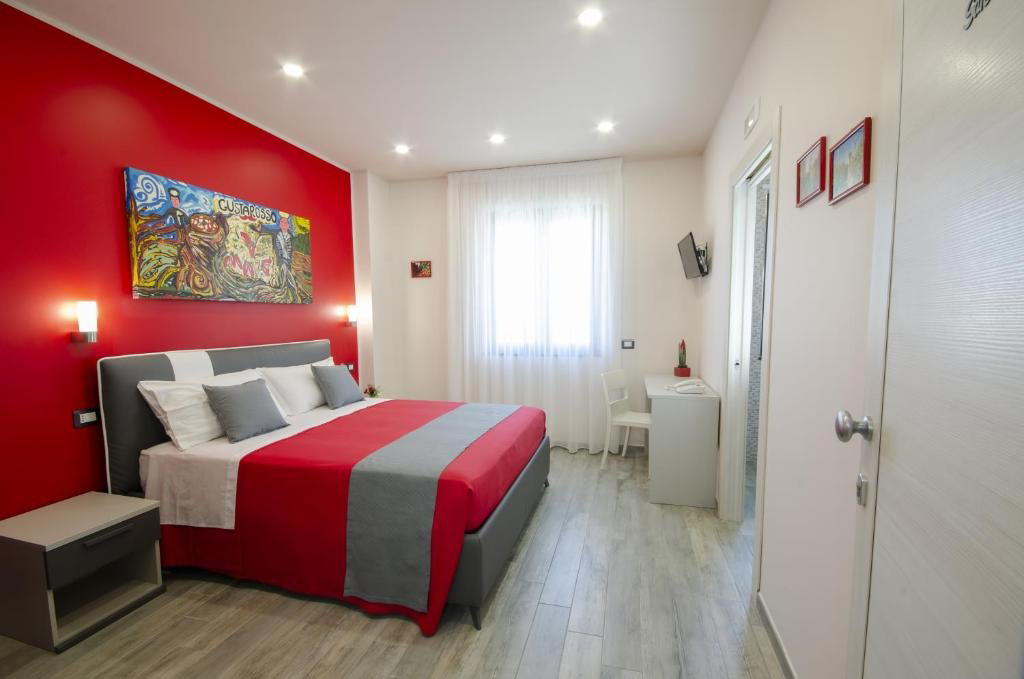
For those travelling specifically to eat here, the resort setting means overnight accommodation is available on site, which removes the question of transport after a multi-course dinner with wine. The broader area repays a stay of two or three nights: Telese Terme has its own thermal history, and the surrounding Sannio wine country, accessible through our full Telese wineries guide, adds a compelling parallel itinerary. The town's bars and the local drinking scene are covered in our full Telese bars guide, and the wider range of what the destination offers appears in our full Telese experiences guide. For those planning the full dining picture in the area, our full Telese restaurants guide maps the complete picture.
Frequently asked questions
Does La Locanda del Borgo work for a family meal?
The restaurant's two structured tasting menus — Aqua for fish and Petra for meat — set a formal pace that suits couples or small adult groups more naturally than large family gatherings. At the €€€€ price point, the format is built around a deliberate, course-by-course progression inside Hotel Acquapetra Resort & Spa. Families staying at the resort will find it a considered dinner option for adults, though younger children are likely better served by the hotel's other facilities.
What's the overall feel of La Locanda del Borgo?
Dinner here unfolds inside a converted farmhouse — antique furnishings alongside modern fittings — on the grounds of Hotel Acquapetra Resort & Spa in Telese. The tone is quiet and deliberate: aperitifs are served in the adjacent bar before guests move into the restaurant proper, and the Michelin one-star kitchen (2024) reinforces the sense that the evening is structured rather than casual. It reads more like a destination dinner than a drop-in meal.
Is La Locanda del Borgo award-winning?
La Locanda del Borgo has received recognition including: Chef Luciano Villani creates menus that focus on simplicity, organic produce from the Sannio region and an uncompromising philosophy. The restaurant is situated within the Hotel Acquapetra Resort&Spa;, once an old farmhouse transformed into ….
What dish is La Locanda del Borgo famous for?
The kitchen doesn't trade on a single signature dish. Chef Luciano Villani's approach centres on organic produce from the Sannio region, with the entire menu rotating around two tasting formats: Aqua, built exclusively on fish, and Petra, focused on meat. The Michelin one-star recognition (2024) reflects the consistency of that regional philosophy across both menus rather than any single standout preparation.
Price and Positioning
| Venue | Cuisine | Price | Awards | Notes |
|---|---|---|---|---|
| La Locanda del BorgoThis venue — the venue you are viewing | Modern Italian Fine Dining | $150–200 | 1 Michelin Star | Not listed |
| Atelier Moessmer Norbert Niederkofler | Italian, Creative | Not listed | Michelin 3 Star | Not listed |
| Dal Pescatore | Italian, Italian Contemporary | Not listed | Michelin 3 Star | Not listed |
| Enoteca Pinchiorri | Contemporary Italian Fine Dining | $200–300 | 3 Michelin Stars · World's 50 Best #32 | Italian - French, Italian Contemporary |
| Enrico Bartolini | Creative | Not listed | Michelin 3 Star | Not listed |
| Osteria Francescana | Avant-Garde Italian Contemporary | $300–500 | 3 Michelin Stars · World's 50 Best #1 | Progressive Italian, Creative |
Recognition history
Dated appearances from independent guides and award organizations, with the underlying list record or original source where available.
Michelin 1 Star
Michelin
Full recognition history (3 entries)
Michelin 1 Star
Michelin
Michelin 1 Star
Michelin
Continue exploring
More in Telese
Restaurants in Telese
Browse all →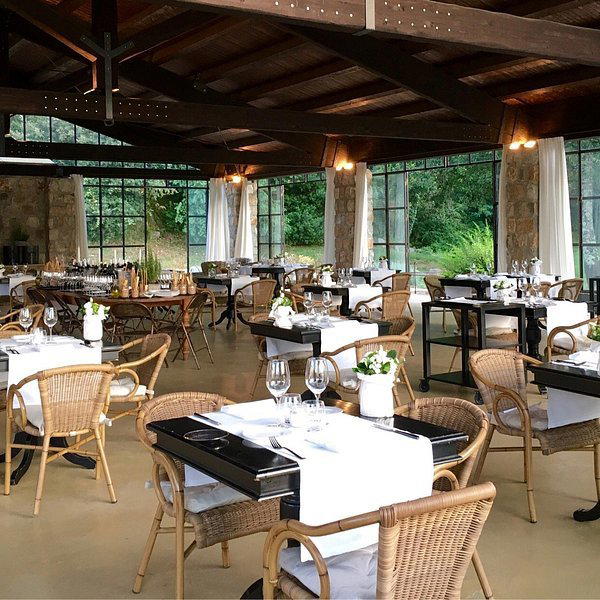
Bars in Telese
Browse all →
Hotels in Telese
Browse all →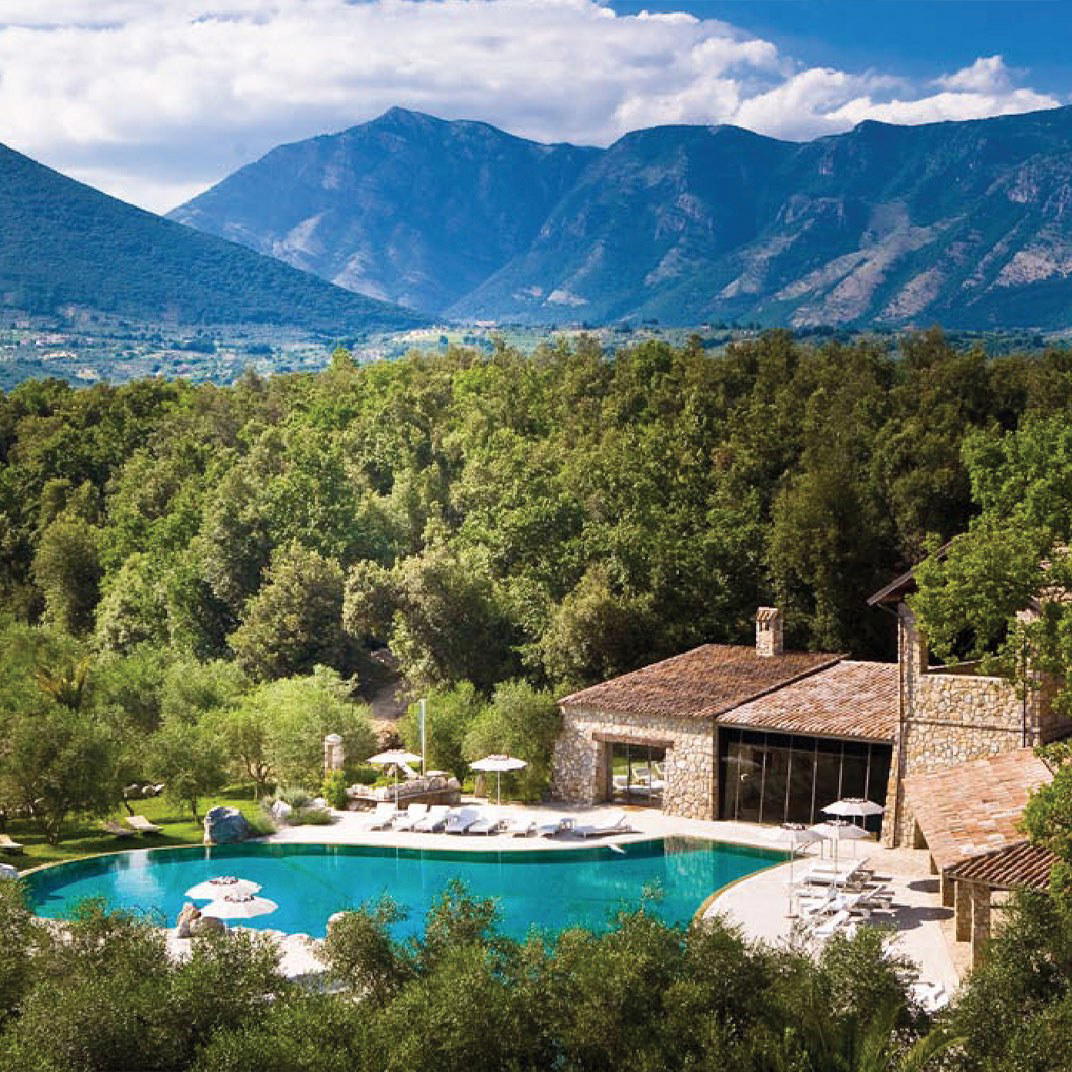
Details
- Elegant
- Cozy
- Rustic
- Sophisticated
- Date Night
- Special Occasion
- Business Dinner
- Hotel Restaurant
- Extensive Wine List
- Sommelier Led
- Local Sourcing
- Organic
- Tasting Menu
- Vegetarian Friendly
- Vegan Options
Current opening hours
- Monday
- 8 PM–1 AM
- Tuesday
- 8 PM–1 AM
- Wednesday
- 8 PM–1 AM
- Thursday
- 8 PM–1 AM
- Friday
- 8 PM–1 AM
- Saturday
- 8 PM–1 AM
- Sunday
- 8 PM–1 AM
Hours can change for holidays and private events. Last verified .
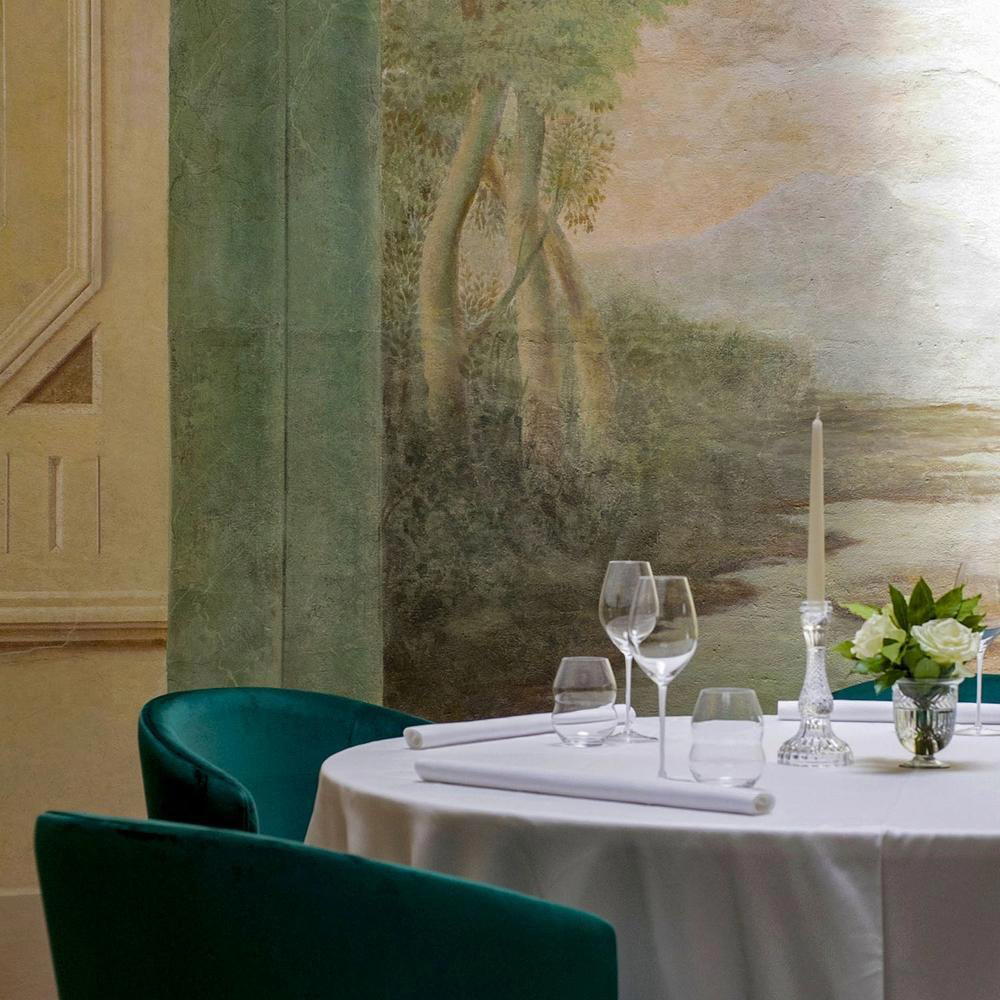
Elegant surroundings blending antique furnishings with modern facilities, offering a warm, modern yet personality-driven atmosphere.