





2 Michelin Stars · La Liste Top Restaurants · Falstaff Restaurant - 95 Falstaff Points
Our verdict
Housed in an ancient farmhouse in Campania's Sannio territory, Krèsios holds two Michelin stars and a La Liste score of 91 points (2026). Chef Giuseppe Iannotti presents a single blind tasting menu that draws on fermentation, maceration, and extraction to reframe regional ingredients through a global lens. The wine programme leans toward small, natural producers, in keeping with the restaurant's name, an epithet of Bacchus.

Pearl is the En Primeur Club membership app, where members save venues, book tables and use the concierge.
An Ancient Structure, an Engineering Mind
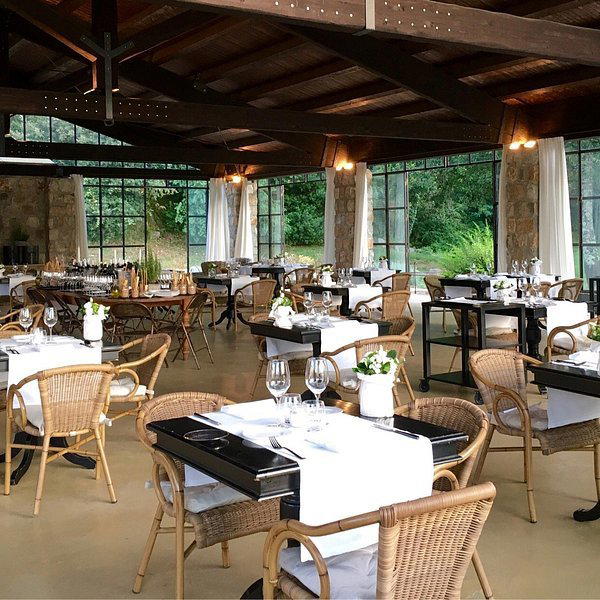
The approach to Krèsios sets the interpretive frame before the first course arrives. The restaurant occupies an ancient farmhouse on Via San Giovanni in Telese, a thermal spa town in the Sannio hills of Campania, roughly an hour northeast of Naples. The building's age is not decorative, it functions as a kind of counterpoint to what happens inside, where Chef Giuseppe Iannotti applies what critics have consistently described as an engineering sensibility to ingredients drawn from one of Italy's most historically overlooked agricultural regions. La Liste, which ranked the restaurant at 91 points in both 2025 and 2026, describes that approach with precision: dishes that look pure and simple on the plate, where appearances are deliberately deceiving and every element has been thought through in detail.
That gap between surface simplicity and underlying complexity is the defining quality of the kitchen here, and it places Krèsios in a specific tier of Italian progressive dining that has fewer representatives than the country's classical restaurant culture might suggest. Two Michelin stars, held through both 2024 and 2025, confirm the kitchen's technical consistency. Opinionated About Dining, which tracks fine dining across Europe with particular rigour, ranked Krèsios 98th in Europe in 2024 and 99th in 2025, having listed it among the leading new European restaurants as early as 2023.
The Format and What It Demands
Krèsios operates on a single, long tasting menu served blind. The diner does not select courses, does not see a printed list of what is coming, and does not negotiate a path through the meal. This format has become a marker of creative intent in progressive fine dining across Europe, Disfrutar in Barcelona and Azurmendi in Larrabetzu operate within related frameworks of narrative sequencing and technical ambition, and it signals that the kitchen intends to control the full arc of the experience rather than accommodate individual preferences course by course.
The menu's reference points are deliberately wide. There are traces of Campania throughout, the region's larder of preserved vegetables, legumes, cured meats, and volcanic-soil produce gives the kitchen its deepest material, but the cooking moves across geographies and culinary traditions without apology. Asian techniques and flavour logics appear alongside fermentations, macerations, and extractions developed in-house. The result, as La Liste's assessors put it, is a programme that combines the DNA of the region with an international technical vocabulary, arriving at dishes that reinterpret familiar recipes through personal creativity rather than regional convention.
This is a meaningful distinction within Italian fine dining, where the question of how much local identity a creative kitchen should carry is actively debated. The most-decorated end of the Italian restaurant spectrum, Enoteca Pinchiorri in Florence, Dal Pescatore in Runate, Le Calandre in Rubano, tends to honour regional foundations while pursuing technical refinement. Iannotti's kitchen sits closer to the pole of free creative interpretation, where regional references function as orienting signals rather than structural constraints.
Chef Giuseppe Iannotti: Engineering as Culinary Framework
Within the editorial discipline of this platform, chef backgrounds serve as context for broader patterns rather than the story in themselves. In Iannotti's case, however, one credential is worth stating directly because it explains a great deal about the kitchen's method: he trained as an engineer before committing to cooking, and that formation is legible in the work. The emphasis on extraction, fermentation, and maceration as systematic techniques, rather than as fashionable flourishes, reflects a cook who thinks in terms of process, variable, and outcome. La Liste's assessors noted this explicitly, describing a kitchen that looks for the extra dimension through technical knowledge of raw ingredients, and where what arrives on the plate has been thought through at every level.
That engineering lens also shapes how Campanian identity enters the food. The region's ingredients are not simply sourced and presented; they are subjected to processes that reveal different facets of the same raw material, a fermented pulse reading differently from a fresh one, a macerated element carrying a longer flavour trail than a direct preparation. The technique is the argument, and the argument is that southern Italian ingredients can sustain this level of manipulation without losing their identity. Italy's other south-focused progressive kitchens, such as Quattro Passi in Marina del Cantone, make adjacent cases through different methods.
The Wine Programme
The restaurant's name carries its own logic here. Krèsios was an epithet of Bacchus, the deity associated with wine, and the wine programme is not an afterthought. The selection is drawn from small producers, often working with natural or minimal-intervention methods, a curatorial position that aligns with the kitchen's broader interest in process and provenance. This is a programme assembled with the same attention to intellectual coherence that the food demonstrates, rather than a conventional fine dining cellar built on classified names and vertical depth.
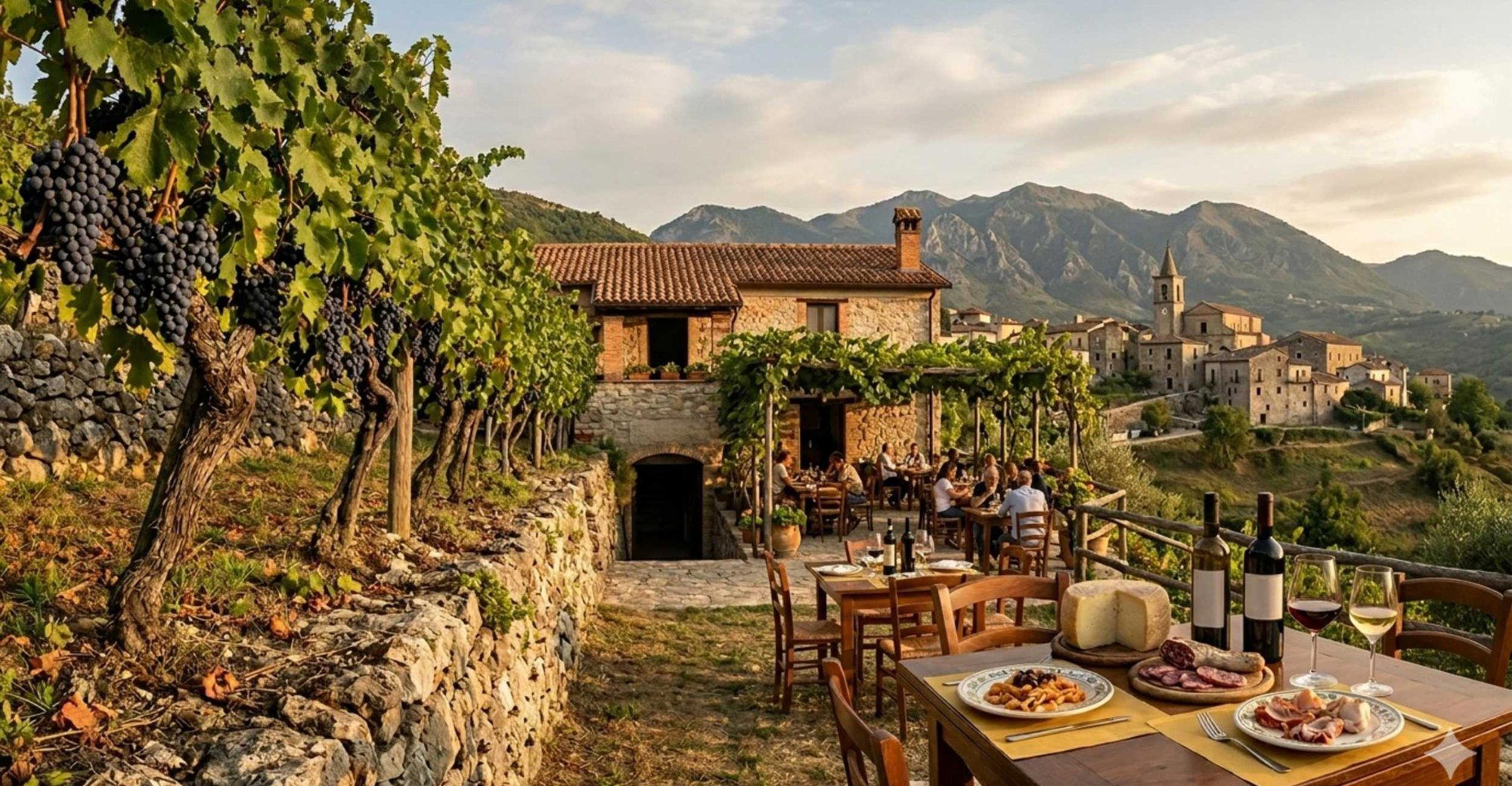
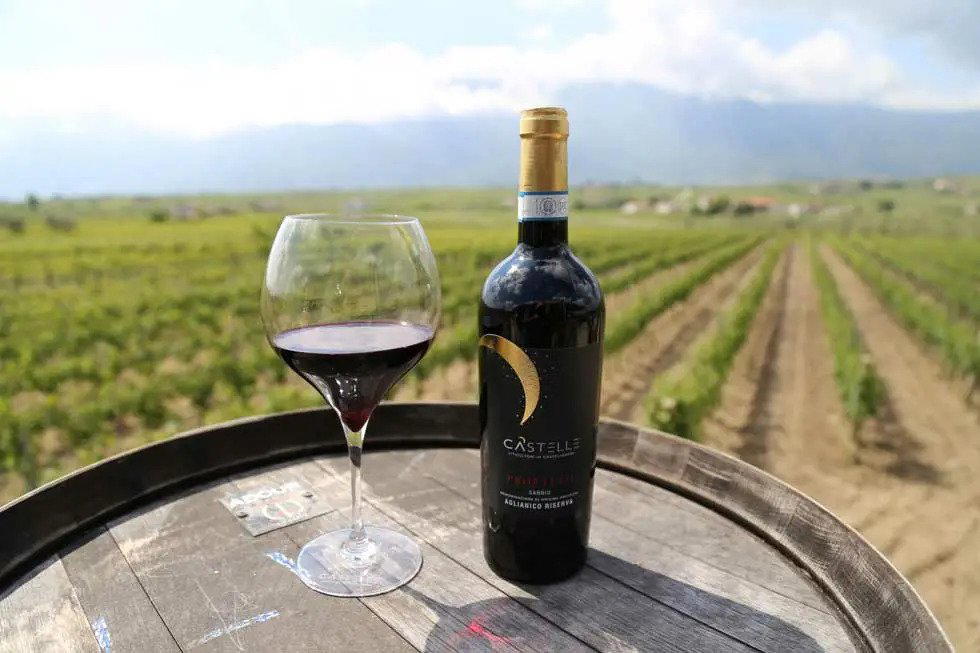
For visitors interested in the wider Sannio wine territory, which produces Falanghina, Aglianico, and Greco di Tufo among other varieties, our full Telese wineries guide maps the local production landscape in detail.
Placing Krèsios in Its Region
Telese is not a typical fine dining destination. It is a small thermal spa town in the Benevento province, without the culinary infrastructure of Naples to the southwest or the international profile of the Amalfi Coast. That context is part of what makes the restaurant's sustained critical recognition notable. The Opinionated About Dining rankings, which draw on assessments from food professionals globally, do not apply regional adjustment. Krèsios competes on European terms from a base that most visiting diners will need to seek out specifically, without the surrounding gastronomic density that frames, say, Enrico Bartolini in Milan or Atelier Moessmer Norbert Niederkofler in Brunico.
The town does offer a different dining register for those spending more than one meal in the area. La Locanda del Borgo represents the country cooking tradition of the Sannio interior, a useful complement to Krèsios's technical ambition for anyone constructing a two-day visit. For broader orientation, our full Telese restaurants guide, hotels guide, bars guide, and experiences guide cover what the area offers across categories.
Planning the Visit
Krèsios is located at Via San Giovanni, 59, Telese. The kitchen operates Tuesday evenings only (7:30 to 10:30 pm), with lunch and dinner service Wednesday through Saturday (12:30 to 4:30 pm and 7:30 to 10:30 pm) and lunch and dinner on Sunday at the same hours. Monday is closed. Given the blind tasting menu format and the kitchen's critical profile, two Michelin stars and a consistent European ranking in the 98-99 range, advance reservation is advisable, particularly for Friday and Saturday evening slots. The price range sits at the top tier of Italian restaurant pricing (€€€€).
What to Order at Krèsios
The format removes that question from the diner's hands by design. A single blind tasting menu is the only option, and the kitchen does not publish its current sequence in advance. What the accumulated award record and critical commentary establish is that the menu will anchor itself in Campanian ingredients while drawing on fermentation, maceration, and extraction techniques, with reference points that move between southern Italian tradition and Asian flavour logic. For diners whose expectations are shaped by Italy's more classical two-star kitchens, the format and the food will require recalibration, this is closer in spirit to the European progressive restaurants listed alongside it than to the regional fine dining tradition of Campania itself.
Frequently asked questions
What should I budget for a meal at Krèsios?
Pricing at Krèsios is listed as €€€€.
Comparison Snapshot
| Venue | Cuisine | Price | Awards | Notes |
|---|---|---|---|---|
| KrèsiosThis venue (the venue you are viewing) | Modern Italian Fine Dining | $200–300 | 2 Michelin Stars · La Liste Top Restaurants | Not listed |
| Atelier Moessmer Norbert Niederkofler | Modern Alpine Fine Dining | $300–500 | 3 Michelin Stars · World's 50 Best #20 | Italian, Creative |
| Dal Pescatore | Classic Italian Fine Dining | $200–300 | 3 Michelin Stars · World's 50 Best #38 | Italian, Italian Contemporary |
| Enoteca Pinchiorri | Contemporary Italian Fine Dining | $200–300 | 3 Michelin Stars · World's 50 Best #32 | Italian - French, Italian Contemporary |
| Enrico Bartolini | Modern Italian Fine Dining | $300–500 | 3 Michelin Stars · World's 50 Best #85 | Creative |
| Osteria Francescana | Avant-Garde Italian Contemporary | $300–500 | 3 Michelin Stars · World's 50 Best #1 | Progressive Italian, Creative |
Recognition history
Dated appearances from independent guides and award organizations, with the underlying list record or original source where available.
Michelin 2 Stars
Michelin
La Liste Top Restaurants
La Liste
Falstaff Restaurant - 95 Falstaff Points
Falstaff
Opinionated About Dining Top Restaurants in Europe Ranked #99
Opinionated About Dining
The Best Chef One Knife
The Best Chef
Full recognition history (11 entries)
La Liste Top Restaurants
La Liste
Michelin 2 Stars
Michelin
We're Smart World 4 Radishes
We're Smart World
Michelin 2 Stars
Michelin
Opinionated About Dining Top Restaurants in Europe Ranked #98
Opinionated About Dining
Opinionated About Dining Top New Restaurants in Europe Ranked #92
Opinionated About Dining
Continue exploring
More in Telese
Restaurants in Telese
All restaurants in Telese →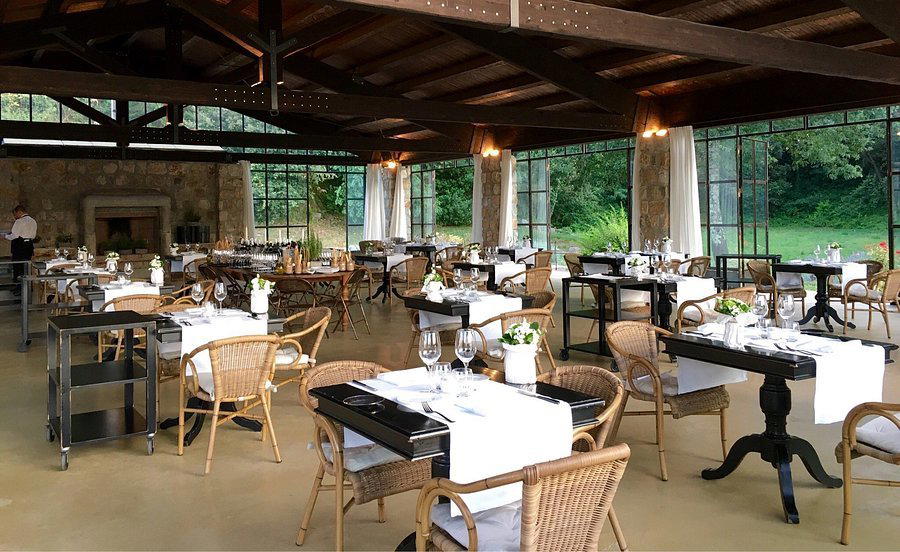
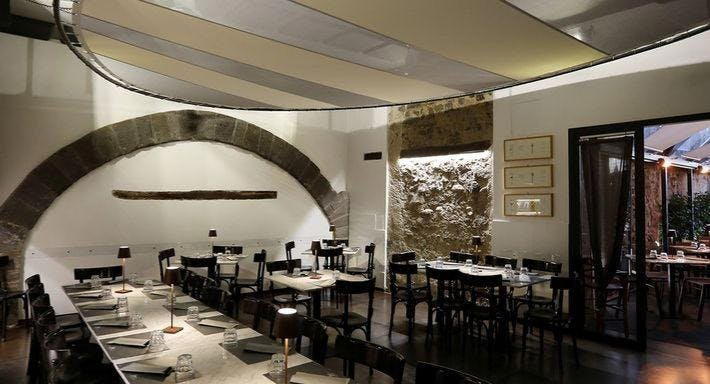
Bars in Telese
Browse all →

Details
- Elegant
- Sophisticated
- Intimate
- Minimalist
- Special Occasion
- Date Night
- Celebration
- Historic Building
- Wine Cellar
- Extensive Wine List
- Sommelier Led
- Garden
- Tasting Menu
- Vegetarian Friendly
- Vegan Options
Current opening hours
- Monday
- Closed
- Tuesday
- 7:30–10:30 PM
- Wednesday
- 12:30–4:30 PM, 7:30–10:30 PM
- Thursday
- 12:30–4:30 PM, 7:30–10:30 PM
- Friday
- 12:30–4:30 PM, 7:30–10:30 PM
- Saturday
- 12:30–4:30 PM, 7:30–10:30 PM
- Sunday
- 12:30–4:30 PM
Hours can change for holidays and private events. Hours as of .
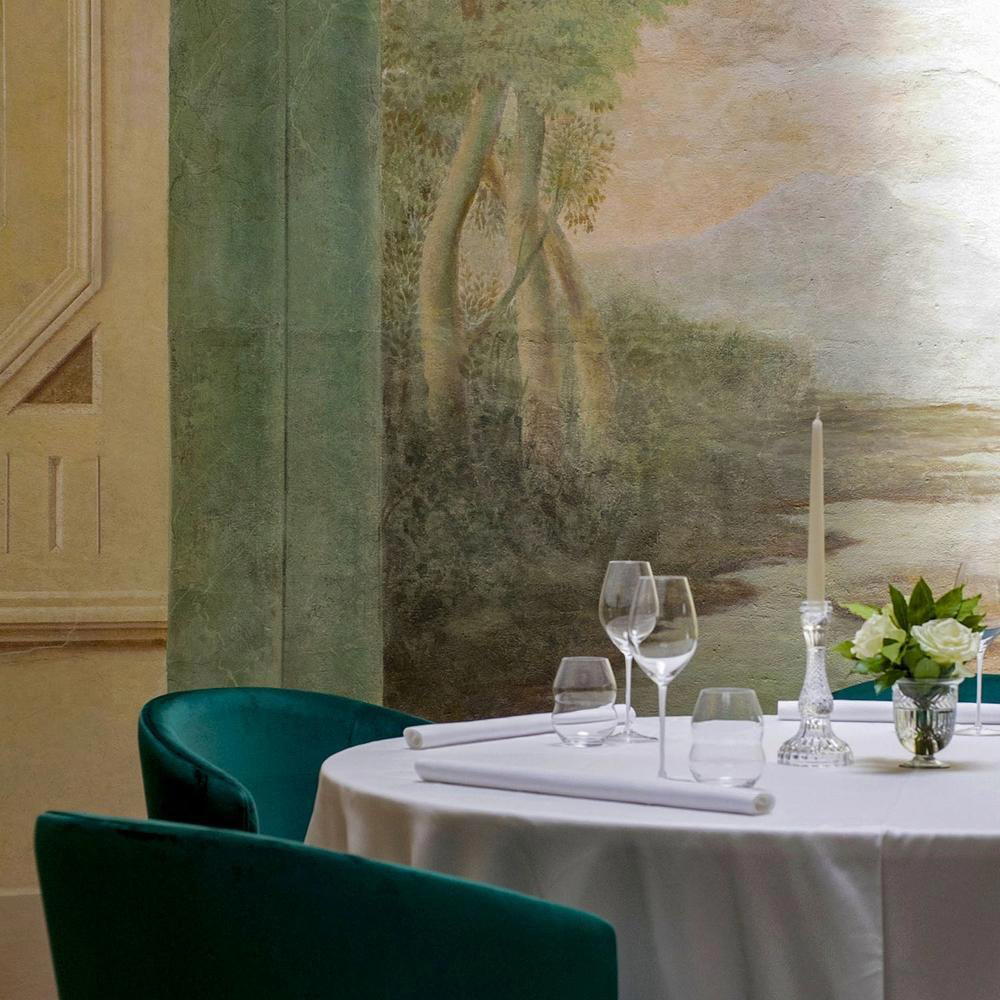
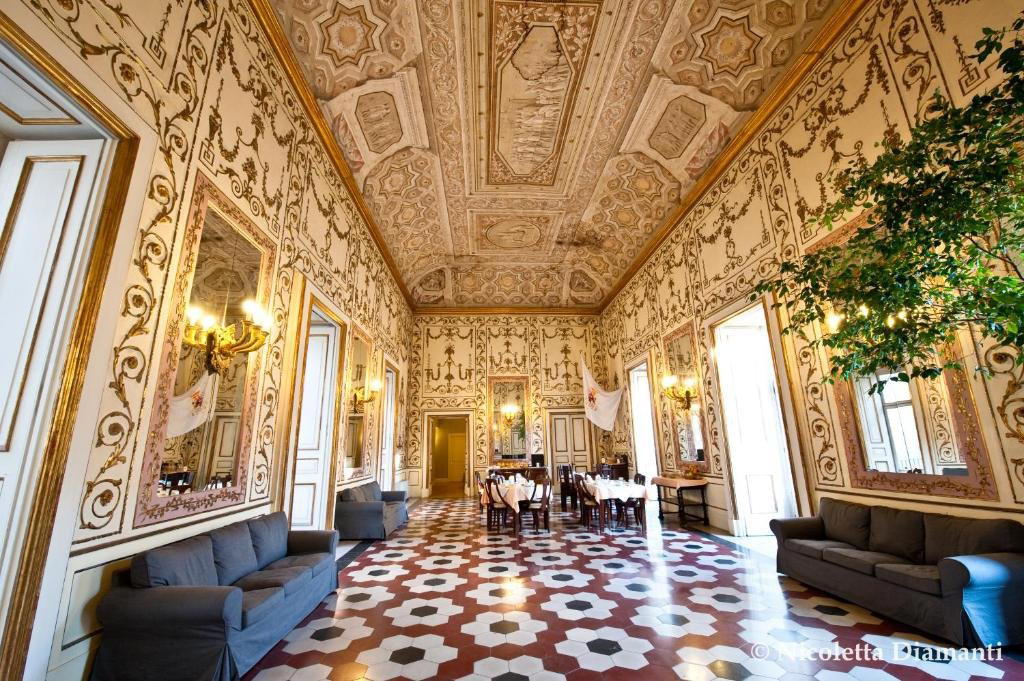
Minimalist and slightly cold interior in a historic farmhouse with relaxed, professional service and playful plating elements.