

1 Michelin Star · Tabelog 100 #100
Our verdict
A Michelin-starred French restaurant in Roppongi operating under the philosophy of wakon yosai, or 'Japanese spirit with Western learning', Mētis Roppongi builds its menus around Japanese seasonal ingredients and wood-fire cooking, all within a French culinary framework. Auspicious kumiko woodwork and lacquered trays set the register. Rated 4.8 on Google across 93 reviews, it occupies a distinct position in Tokyo's Franco-Japanese dining tier.

Pearl is the En Primeur Club membership app, where members save venues, book tables and use the concierge.
The menu
What to order
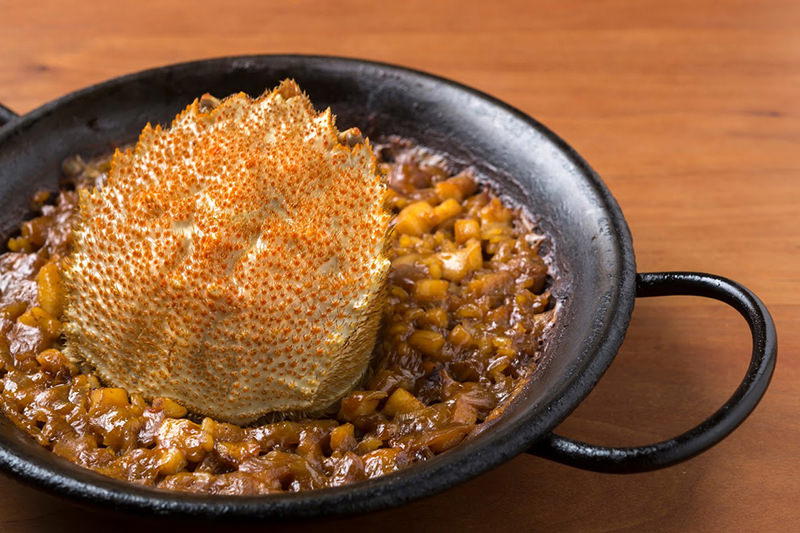
- Steamed bun with foie gras
- A5 grilled wagyu
The Franco-Japanese Kitchen as Intellectual Project
Tokyo's French restaurant scene has long divided into two camps: houses that import French identity wholesale, and those that treat French technique as a framework to be filled with Japanese material. The latter category has grown in ambition and recognition over the past decade, producing some of the city's most considered dining. Mētis Roppongi, which earned a Michelin star in 2024, belongs clearly to the second tradition, working under the philosophy of wakon yosai, a Meiji-era concept meaning 'Japanese spirit with Western learning' that was applied to education and governance before kitchens adopted it as an organising principle.
That conceptual framing matters because it tells you what the cooking is actually trying to do. Where a restaurant like Château Restaurant Joël Robuchon maintains French identity with Japanese precision layered on leading, Mētis inverts the ratio: the seasonal logic, the ingredients, and the spiritual register are Japanese, while the technical vocabulary, the saucing tradition, and the structural architecture of the meal are French. It is a less common configuration, and a more demanding one to execute.
Wood Fire as the Central Technique
Within the broader category of French restaurants using Japanese ingredients, the choice of heat source is a meaningful differentiator. Mētis Roppongi builds its cooking around wood flame rather than the controlled, clean heat of induction or conventional gas kitchens. This is not a decorative gesture. Wood fire introduces variables that require constant reading: inconsistent temperature, directional radiant heat, and smoke that becomes part of the flavour architecture of every dish.
The practice connects Mētis to a wider movement across European and Japanese fine dining that has moved toward live-fire cooking over the past fifteen years, from the wood-burning hearths of Basque restaurants to the binchotan-grilled sequences at kaiseki counters. At Mētis, smoke is described in the venue's own framing as something that 'wreathes' the food rather than dominates it, implying a calibrated application rather than an open-hearth aesthetic. The result is a French menu that carries a sensory register you would not encounter in Paris or Lyon.
For context within Tokyo's Franco-Japanese tier, compare L'Effervescence and ESqUISSE, both of which work with Japanese seasonal produce inside French structures but favour more classical kitchen environments. Florilège and Sézanne operate in a similarly refined register. Mētis's wood-fire commitment gives it a distinct technical signature within this peer group.
The Décor as Extension of the Concept
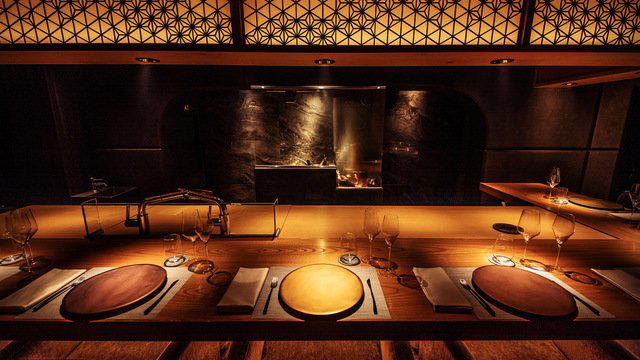
The interior at Mētis Roppongi is not incidental to the culinary argument. Kumiko woodwork, the Japanese craft of interlocking geometric lattices without nails or adhesive, appears throughout the space alongside lacquered trays at the counter. Both are forms with deep cultural weight: kumiko carries associations with patience, mathematical precision, and traditional architecture, while lacquerware is one of Japan's oldest applied arts, with origins stretching back over a millennium.
Using these elements in a French restaurant context does what the cooking does: it places Japanese material inside a frame that would otherwise be European. The physical environment reinforces rather than decorates the wakon yosai thesis. This alignment between room and plate is harder to achieve than it sounds. Many fusion-adjacent restaurants fall into visual incoherence, mixing references arbitrarily. At Mētis, the auspicious patterns of the kumiko and the structure of the counter setting operate as a single argument.
Seasonal Japanese Ingredients in a French Structure
The Japanese culinary calendar runs on a precision that French cuisine respects but rarely matches. Japanese chefs track micro-seasons within seasons, sourcing specific fish at their peak spawning weight, vegetables at the precise week of maturity, and mountain ingredients at the narrow window between emergence and bitterness. When that seasonal intelligence is applied inside a French technical structure, which brings with it classical sauce-making, protein cookery, and course architecture, the resulting menu has access to a wider range of tools than either tradition alone provides.
This is the productive tension at the centre of the Franco-Japanese genre. Restaurants like HAJIME in Osaka and Gion Sasaki in Kyoto approach similar questions from different starting points. HAJIME applies French haute cuisine logic to a deeply personal ecological project. Gion Sasaki works primarily within kaiseki tradition but with an openness to outside influence. Mētis Roppongi positions itself at a different coordinate: French in form, Japanese in spirit and source material.
The concept's name adds another layer. Mētis in classical Greek mythology is a Titaness associated with wisdom, counsel, and skilled craft. As the first wife of Zeus and mother of Athena, she represents practical intelligence, the kind that combines knowledge and technique to produce something beyond either alone. Applied to a kitchen that combines French method with Japanese ingredient wisdom, the name functions as a philosophical statement of intent rather than mere branding.
Roppongi's Place in Tokyo's Fine Dining Geography
Roppongi's dining reputation has historically been complicated by its nightlife identity, but the neighbourhood has hosted serious fine dining for decades. Its central Minato location and concentration of international residents and visitors make it a natural setting for a restaurant that speaks across culinary traditions. The address on Roppongi's 5-chome puts Mētis in proximity to the gallery district around Mori Art Museum and the national museums of Suntory and Mori, a neighbourhood context that suits a restaurant interested in craft and cultural exchange.
Within the broader Tokyo fine dining map, Roppongi sits alongside Minami-Aoyama and Azabu-Juban as neighbourhoods where French-influenced restaurants have historically operated at high price points. Mētis's ¥¥¥ positioning places it at a more accessible tier than the ¥¥¥¥ counters of peers like L'Effervescence or the kaiseki houses at equivalent Michelin levels, which makes the star recognition particularly notable. For travellers building a Japan itinerary that extends beyond the capital, akordu in Nara, Goh in Fukuoka, 1000 in Yokohama, and 6 in Okinawa offer comparable levels of technical ambition in different regional and stylistic registers.
Internationally, the wakon yosai model of French cooking has precedent in other cities where French-trained chefs engage seriously with local ingredient traditions. Les Amis in Singapore and Hotel de Ville Crissier represent different points on the spectrum, the former adapting French formalism to a Southeast Asian context, the latter maintaining European classical rigour. Mētis sits at the more integrative end: a restaurant where the Japanese material is not an accent but the structural content.
Planning Your Visit
Mētis Roppongi is located at 5 Chome-18-22 Force Building 1F in Roppongi, Minato City, a neighbourhood served by the Roppongi stations on both the Hibiya Line and the Toei Oedo Line. Pricing sits at the ¥¥¥ tier, which positions it below the leading bracket of Tokyo French dining while remaining firmly within the fine dining category. Reservations are advisable; the combination of Michelin recognition and a modest physical footprint means availability is limited. For further planning across the city, see our full Tokyo restaurants guide, our full Tokyo hotels guide, our full Tokyo bars guide, our full Tokyo wineries guide, and our full Tokyo experiences guide.
Frequently asked questions
What do people recommend at Mētis Roppongi?
The consistent points of praise across the restaurant's award recognition and guest response centre on three things: the wood-fire cooking, the seasonal Japanese ingredients framed within French technique, and the coherence of the overall experience. The Michelin 2024 star affirms the kitchen's command of the wakon yosai Guests interested in the cuisine should expect a tasting-format experience built around whatever the Japanese calendar is producing at the time of visit, carried by the smoky register of the open fire and structured by classical French course logic. The décor, the counter format, and the kumiko woodwork all reinforce the same argument the food is making.
At-a-Glance Comparison
| Venue | Cuisine | Price | Awards | Notes |
|---|---|---|---|---|
| Mētis RoppongiThis venue (the venue you are viewing) | Wood-Fired French Fusion | $200–300 | 1 Michelin Star · Tabelog 100 #100 | Not listed |
| Harutaka | Edo-Style Omakase Sushi | $200–300 | 3 Michelin Stars · World's 50 Best #76 | Sushi |
| RyuGin | Modern Kaiseki | $500+ | 3 Michelin Stars · World's 50 Best #41 | Kaiseki, Japanese |
| L'Effervescence | Modern French with Japanese Influences | $200–300 | 3 Michelin Stars · World's 50 Best #69 | French |
| HOMMAGE | Modern French with Japanese Influences | $150–200 | 2 Michelin Stars · World's 50 Best #78 | Innovtive French, French |
| MAZ | Innovative Peruvian-Japanese Fusion | $150–200 | 2 Michelin Stars · World's 50 Best #28 | Innovative |
Recognition history
Dated appearances from independent guides and award organizations, with the underlying list record or original source where available.
Michelin 1 Star
Michelin
Tabelog 100 #100 · No. 100
Tabelog · Tabelog 100 - Innovative / Creative cuisine - 2025
Full recognition history (3 entries)
Michelin 1 Star
Michelin
Continue exploring
More in Tokyo
Restaurants in Tokyo
All restaurants in Tokyo →

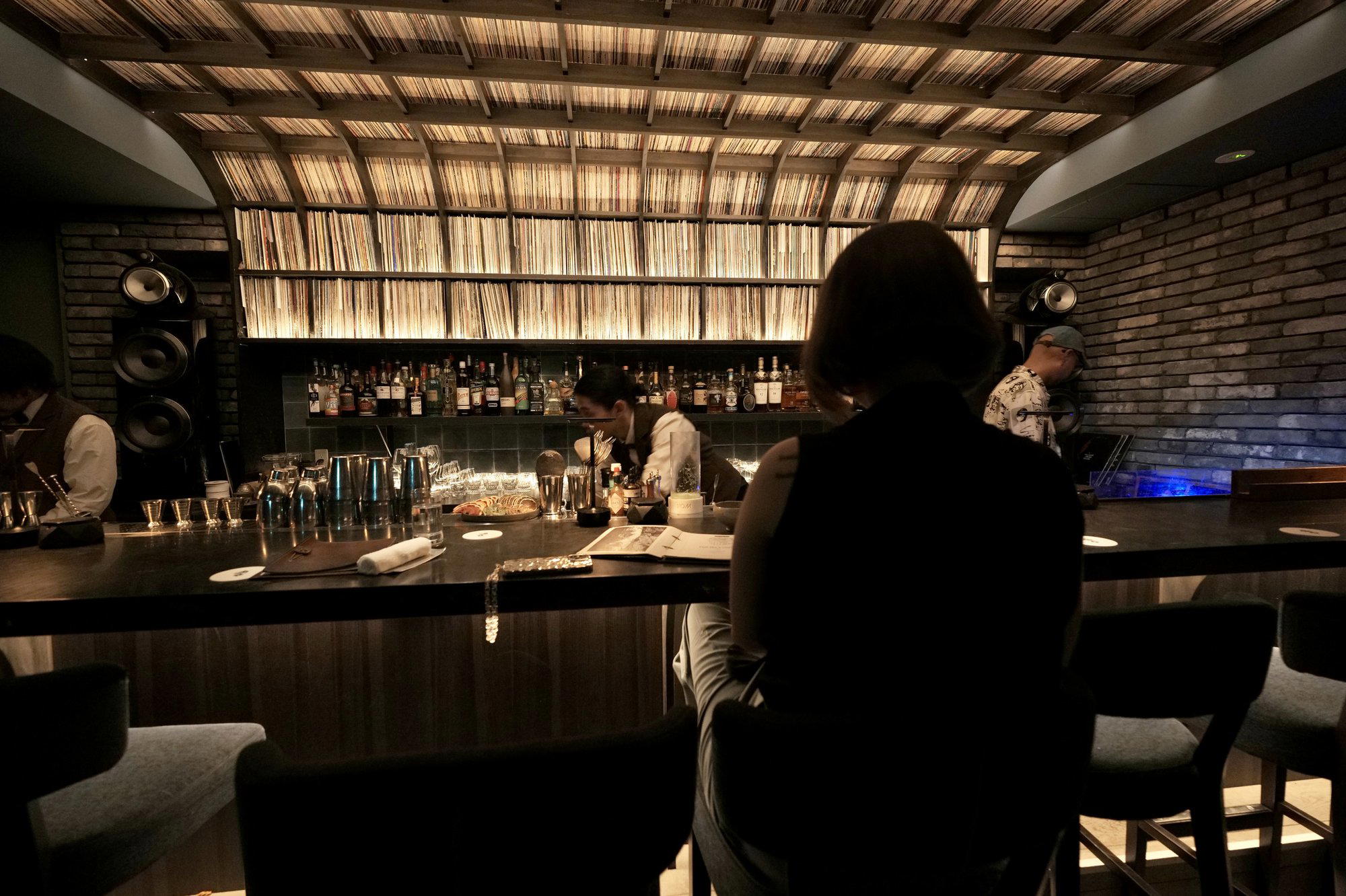
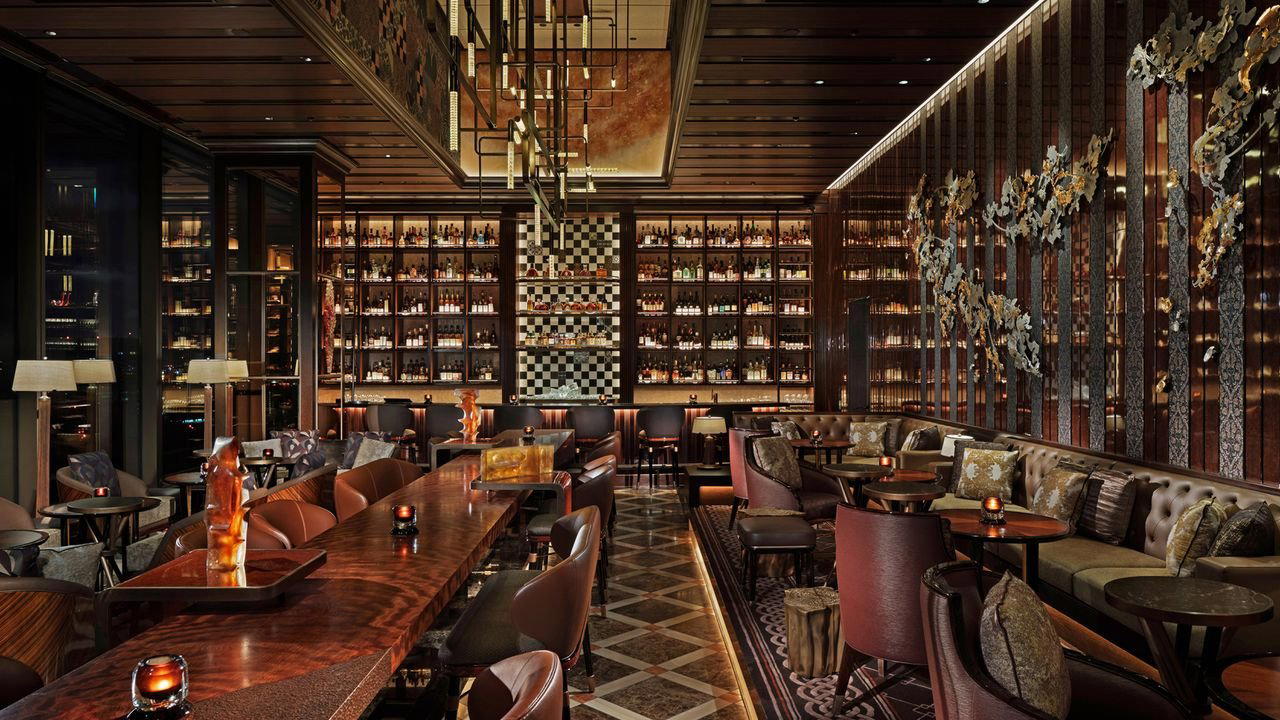
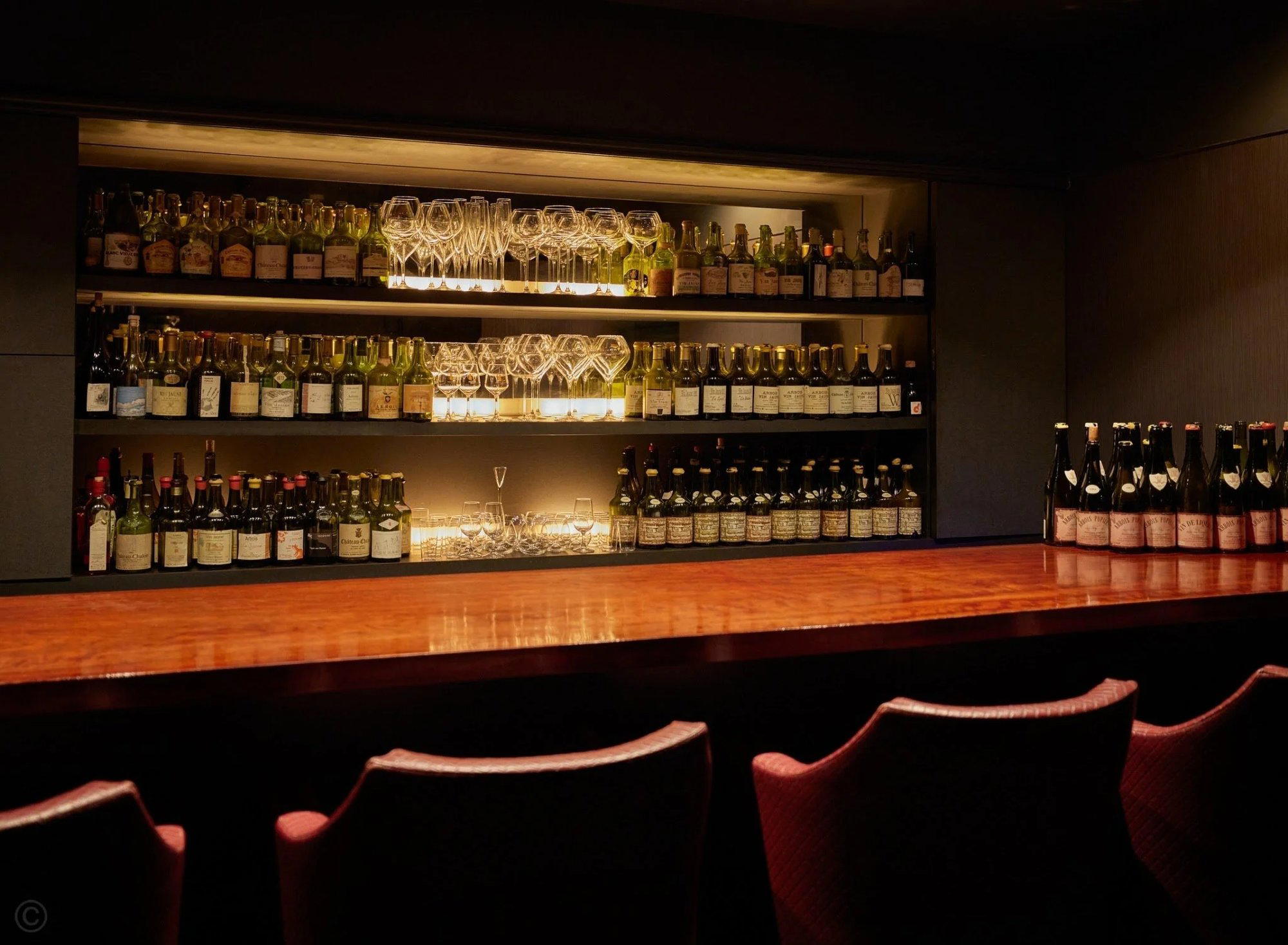
Bars in Tokyo
All bars in Tokyo →



Details
- Modern
- Elegant
- Intimate
- Sophisticated
- Date Night
- Special Occasion
- Chefs Counter
- Open Kitchen
- Extensive Wine List
- Sake Program
- Sommelier Led
- Omakase
- Counter Dining
- Wine
- Sake
Current opening hours
- Monday
- 5:30–11 PM
- Tuesday
- 5:30–11 PM
- Wednesday
- 5:30–11 PM
- Thursday
- 5:30–11 PM
- Friday
- 5:30–11 PM
- Saturday
- 12:30–3 PM, 5:30–11 PM
- Sunday
- Closed
Hours can change for holidays and private events. Last verified .
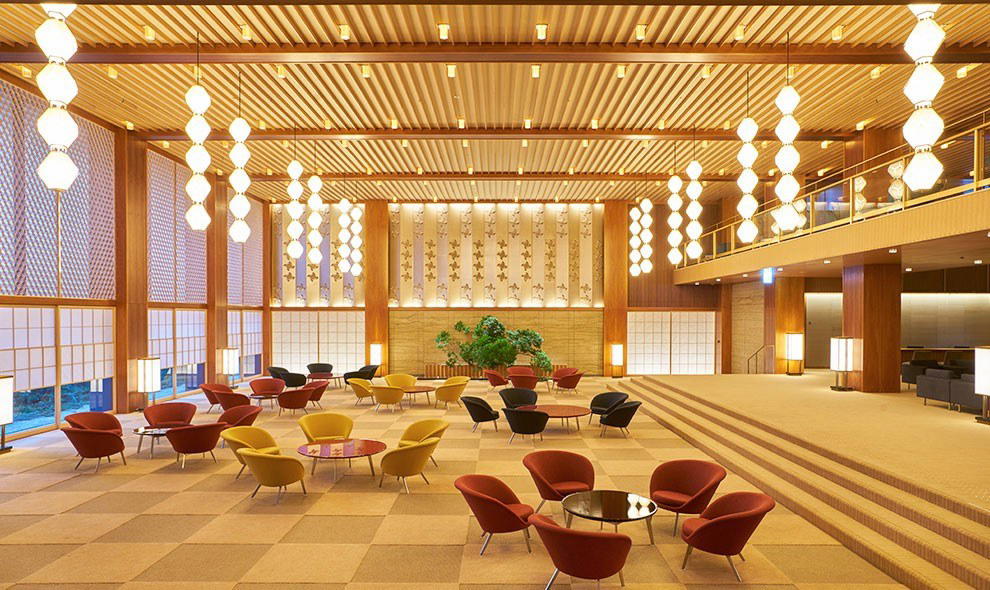
Cozy modern Japanese decor with kumiko woodwork, warm glow from wood-fired cooking, and immersive kitchen view.