





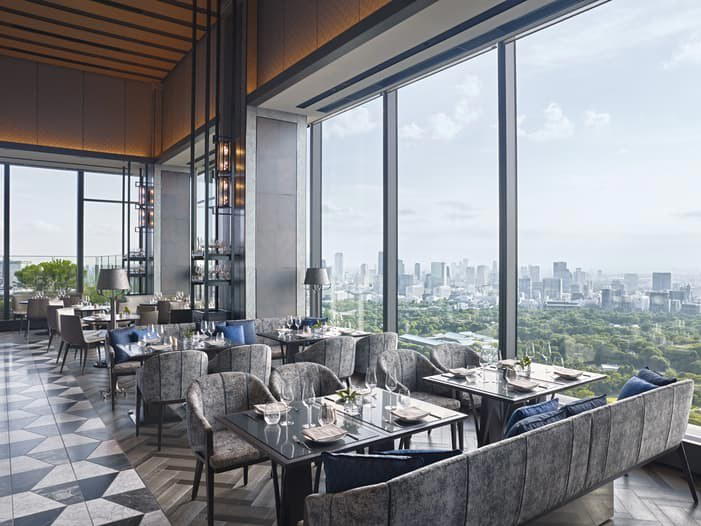
On the sixth floor of the Palace Hotel Tokyo, ESTERRE by Alain Ducasse frames the gardens of the Imperial Palace through floor-to-ceiling glass while putting Japanese terroir at the centre of a French fine dining format. Michelin-starred since 2024 and positioned at 78 points on the 2026 La Liste ranking, it is one of the few Tokyo addresses where Kamakura vegetables and Japanese-sourced ingredients drive the logic of a classically structured French kitchen.
Pearl is the En Primeur Club membership app — saves, bookings, and concierge access live there. Same editors, same standards.
- Address
- Japan, 〒100-0005 Tokyo, Chiyoda City, Marunouchi, 1 Chome−1−1 パレスホテル東京 6階
- Phone
- +81 3-3211-5317
- Website
- palacehoteltokyo.com
- Directions
- Get directions
 Saves & bookings on Pearl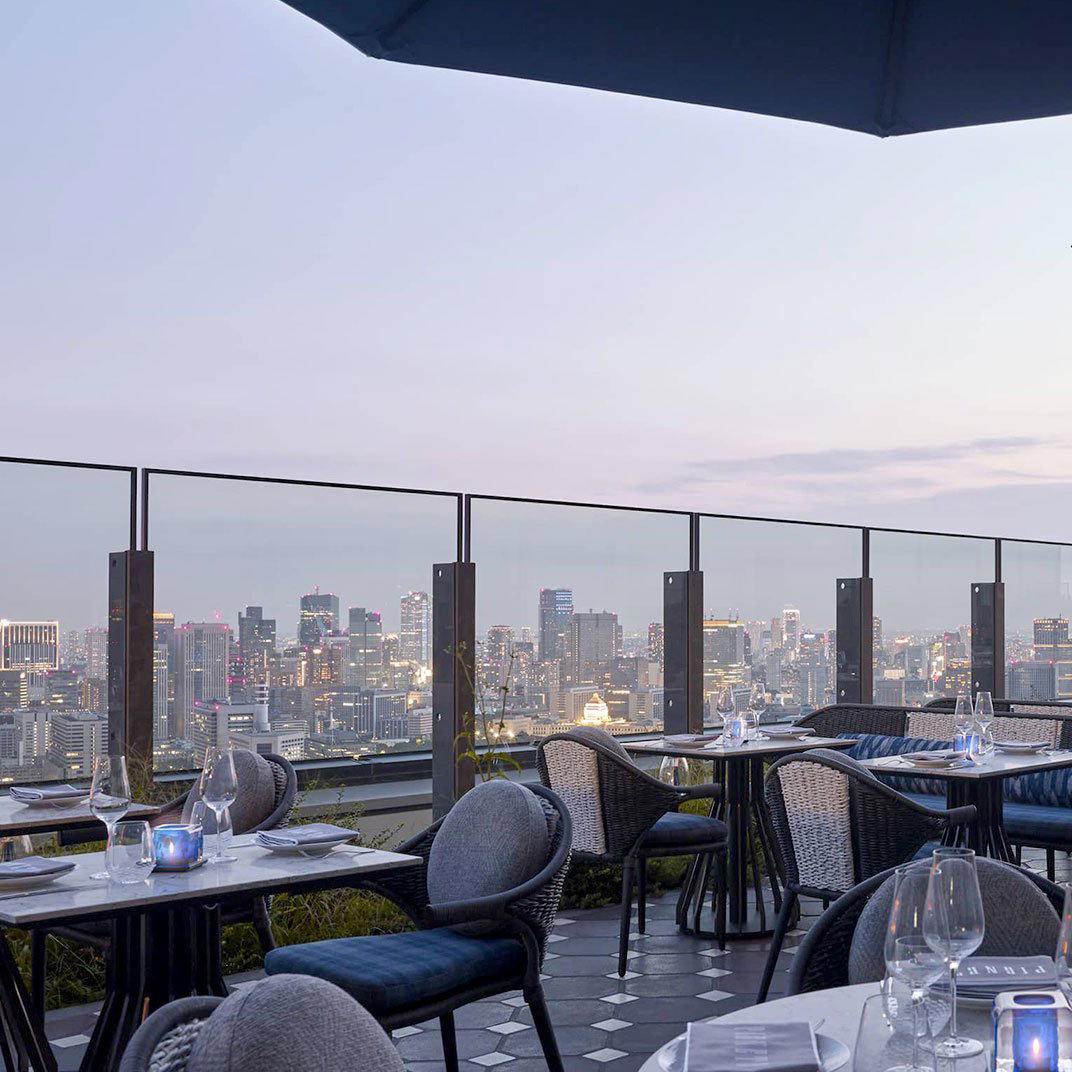
French Fine Dining, Japanese Terroir, Imperial Address
The view from the sixth floor of the Palace Hotel Tokyo is one of the more arresting in the city's dining scene: the moat and tree canopy of the Imperial Palace gardens spreading westward while the Marunouchi towers rise behind you. That tension between deep-rooted nature and dense urban development defines what happens on the plate at ESTERRE by Alain Ducasse. This is a French kitchen drawing its identity from Japanese soil rather than from the Loire Valley or the Rhône, and the distinction matters.
In Tokyo's French fine dining category, the prevailing model has shifted over the past decade. The city now sustains a recognisable tier of French-trained chefs who treat Japan as a primary larder rather than a host country whose ingredients politely supplement imported technique. L'Effervescence, Sézanne, and ESqUISSE each occupy this space in distinct ways. ESTERRE occupies it under the formal structure of the Ducasse group, which brings both the credibility of a globally recognised culinary operation and the discipline of a kitchen system built on sourcing rigour.
Where the Ingredients Come From and Why That Drives Everything
ESTERRE's concept is an encounter between earth and sea. That framing is not decorative. It points directly to a sourcing philosophy in which Japanese terroir, regional produce, coastal ingredients, local agricultural character, provides the architecture of the menu, while French technique provides the grammar used to express it.
Kamakura, roughly an hour south of Tokyo by train, supplies vegetables that appear consistently in the kitchen's produce sourcing. The area is known among Tokyo's high-end restaurant community for its small-scale farming, mild Pacific-facing climate, and the willingness of its growers to work with demanding fine dining buyers. Vegetables arriving from Kamakura markets tend to carry the kind of structural integrity and concentrated flavour that reward minimal intervention, a quality that aligns with a kitchen whose stated emphasis is on healthful, flavour-forward cooking. When produce is this deliberately sourced, the preparation logic tends toward restraint: charcoal and heat applied to bring out what is already there rather than to transform it into something else.
The use of charcoal flame at ESTERRE is noted in the kitchen's own positioning as a specifically Japanese approach. This connects the cooking to a broader tradition in Japanese cuisine where fire management is a craft discipline in itself, and where the particular aromatics of binchō-tan or similar hardwood charcoals are treated as a flavour component rather than merely a heat source. Applying that logic inside a French fine dining format represents a deliberate convergence of two cooking philosophies that rarely share the same conceptual space at this price point.
Among Tokyo's French addresses, Florilège pursues a comparably produce-forward approach rooted in Japanese agriculture, while Château Restaurant Joël Robuchon operates at the same top tier but leans into classical French richness rather than Japanese ingredient primacy. ESTERRE sits closer to the ingredient-first camp, with its sourcing logic visible enough to function as an argument about where French cooking can go when it fully commits to a different terroir.
Critical Position and Peer Context
ESTERRE holds a Michelin one star awarded in 2024 and scored 81 points on the La Liste ranking in 2025, falling to 78 points in the 2026 edition. La Liste aggregates scores from guides and critics across multiple countries, so the point difference between years reflects shifting critical weight rather than a simple quality decline. At 78 points in the 2026 ranking, the restaurant sits in a competitive bracket alongside other Michelin-recognised French and contemporary Japanese kitchens in Tokyo.
The Google aggregate of 4.3 across 153 reviews is a solid signal for a restaurant at this formality level. High-end hotel restaurants in Tokyo often attract a significant proportion of international guests alongside the domestic fine dining base, which can diversify the review sample and pull scores in both directions.
One observation from published critical accounts: the consensus centres on a kitchen that reads as recognisably Parisian in technique and classical structure, with the Marunouchi skyline serving as the reminder that the ingredients and setting are distinctly Japanese. That combination is both the restaurant's thesis and its primary critical selling point.
The Palace Hotel Setting and What It Means for the Experience
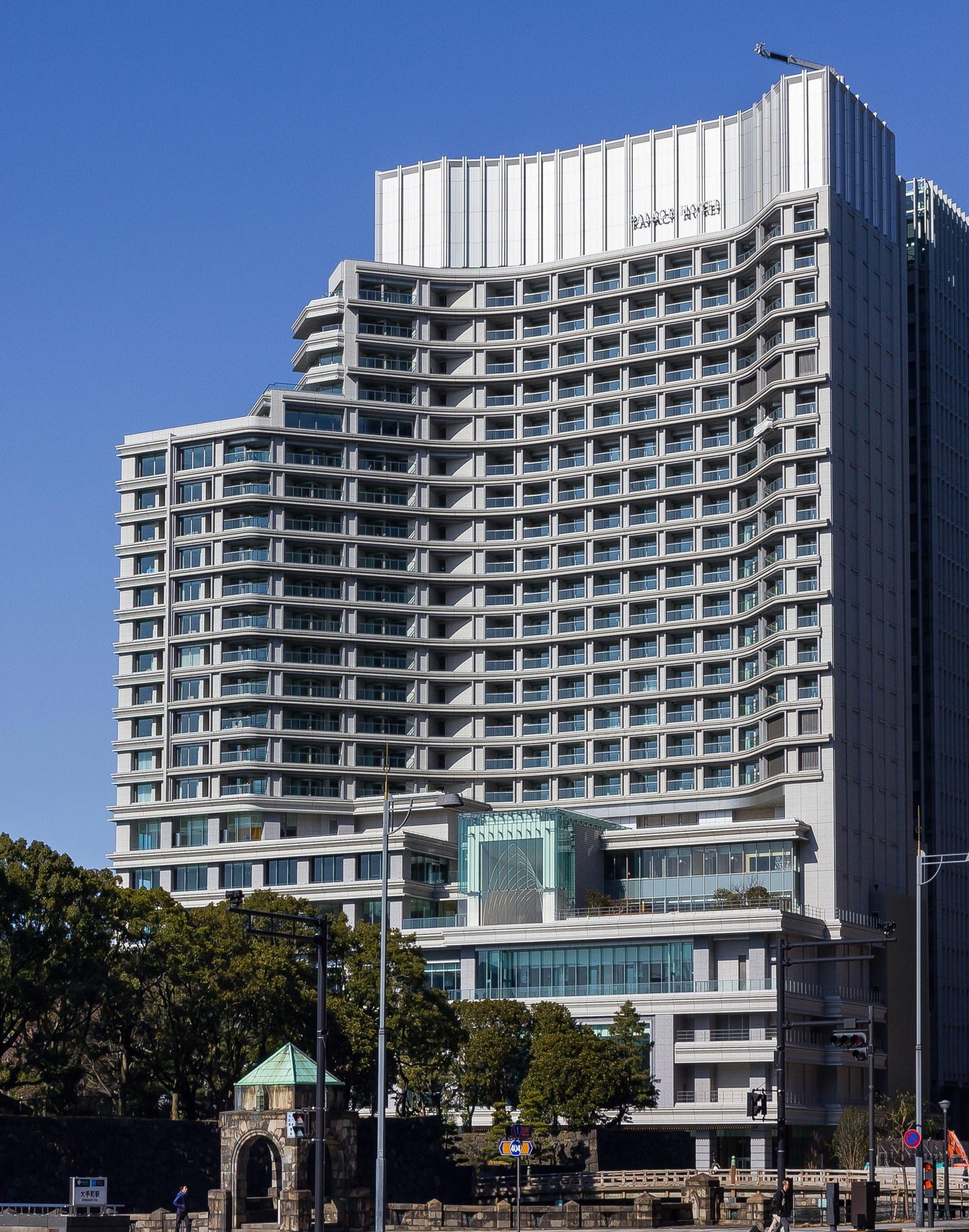
Fine dining inside a luxury hotel operates under different conventions than standalone restaurants. The Palace Hotel Tokyo, a property with a long history in the Marunouchi district, positions ESTERRE as its flagship dining statement. Hotel-based fine dining in Tokyo at this tier tends toward higher service-to-table ratios, more formal front-of-house training, and a physical environment calibrated for occasion dining. The sixth-floor position and the direct sightline to the Imperial Palace gardens give ESTERRE an environmental context that no standalone address in the same neighbourhood could replicate.
Placing ESTERRE in Japan's Wider French Dining Circuit
Tokyo sustains the densest concentration of French fine dining addresses in Asia, but the tradition extends through Japan's other major cities in ways worth acknowledging. HAJIME in Osaka takes a markedly different approach to French cooking's relationship with Japanese nature, while Kyoto's dining culture produces addresses like Gion Sasaki that blur the line between Japanese and Western fine dining formats. Akordu in Nara, Goh in Fukuoka, 1000 in Yokohama, and 6 in Okinawa each represent regional variations on how contemporary Japanese restaurants handle the French tradition. For those tracking where the Ducasse group approach sits in global French dining, Hotel de Ville Crissier in Crissier and Les Amis in Singapore offer useful comparative reference points outside Japan.
Planning Your Visit
| Venue | Cuisine | Price Tier | Michelin | Setting |
|---|---|---|---|---|
| ESTERRE by Alain Ducasse | French (Japanese terroir) | ¥¥¥ | 1 Star (2024) | Hotel, 6th floor, Palace Hotel Tokyo |
| L'Effervescence | French | ¥¥¥¥ | Multi-star | Standalone, Nishi-Azabu |
| Sézanne | French | ¥¥¥¥ | Starred | Hotel, Four Seasons |
| Château Joël Robuchon | French (classical) | ¥¥¥¥ | Multi-star | Standalone, Yebisu Garden |
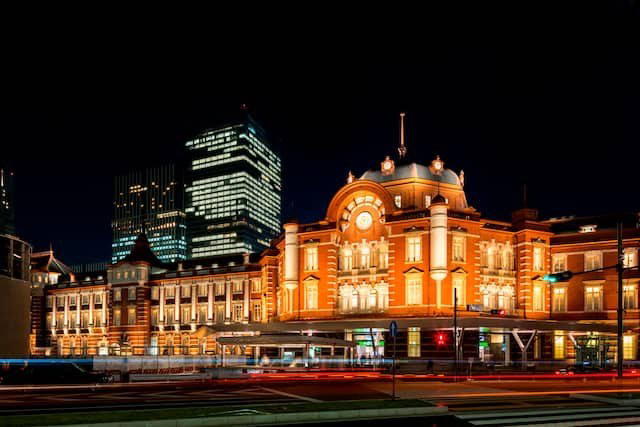
ESTERRE is located at the Palace Hotel Tokyo in Marunouchi, Chiyoda. The Marunouchi address is well-served by Tokyo Station and Otemachi Station on multiple metro lines, making it accessible from most central Tokyo hotels without requiring a taxi. Formal dress is expected.
Accolades, Compared
Comparable venues nearby, for context on price, style, and recognition.
| Venue | Cuisine | Price | Awards | Notes |
|---|---|---|---|---|
| ESTERRE by Alain DucasseThis venue — the venue you are viewing | Contemporary French with Japanese Terroir | $$$$ | Michelin 1 Star | Not listed |
| L'aube | Contemporary French with Japanese Influences | $$$$ | Michelin 1 Star | Minato |
| Tour D'argent Tokyo | Classic French Fine Dining | $$$$ | Michelin 1 Star | Chiyoda |
| Sincère | Modern French Fine Dining | $$$$ | Michelin 1 Star | Shibuya |
| Héritage by Kei Kobayashi | Modern French Fine Dining | $$$$ | Michelin 1 Star | Minato |
| CYCLE by Mauro Colagreco | Modern French Biodynamic Tasting Menu | $$$$ | Michelin 1 Star | Chiyoda |
Recognition history
Dated appearances from independent guides and award organizations, with the underlying list record or original source where available.
La Liste Top Restaurants
La Liste
Michelin 1 Star
Michelin
Star Wine List
Star Wine List
La Liste Top Restaurants
La Liste
Tabelog 100 #66 · No. 66
Tabelog · Tabelog 100 - French - TOKYO - 2025
We're Smart World 3 Radishes
We're Smart World
World Culinary Awards Japan's Best Hotel Restaurant 2025 #1
World Culinary Awards
Michelin 1 Star
Michelin









At a Glance
- Elegant
- Sophisticated
- Modern
- Intimate
- Special Occasion
- Business Dinner
- Date Night
- Hotel Restaurant
- Private Dining
- Panoramic View
- Extensive Wine List
- Sommelier Led
- Local Sourcing
- Skyline
- Garden
Current opening hours
- Monday
- Closed
- Tuesday
- Closed
- Wednesday
- 11:30 AM–2 PM, 6–10 PM
- Thursday
- 11:30 AM–2 PM, 6–10 PM
- Friday
- 11:30 AM–2 PM, 6–10 PM
- Saturday
- 11:30 AM–2 PM, 6–10 PM
- Sunday
- 11:30 AM–2 PM, 6–10 PM
Hours can change for holidays and private events. Last verified .
Warm lighting from built-in gold leaf ceiling accents complementing panoramic night views of the Imperial Palace gardens in a minimalist, nature-inspired interior.