La Gelateria
La Gelateria on Cedar Street sits inside Honolulu's broader movement toward ingredient-conscious frozen desserts, where local sourcing and reduced-waste production matter as much as the scoop itself. Hawaii's agricultural richness gives gelato producers a sourcing story that mainland shops rarely match. For visitors working through the city's dessert scene, this address offers a grounding point in that conversation.
 Discover on Pearl
Pearl is the En Primeur Club membership app — saves, bookings, and concierge access live there. Same editors, same standards.
- Address
- 819 Cedar St, Honolulu, HI 96814
- Phone
- +18085911133
- Website
- lg2go.menu
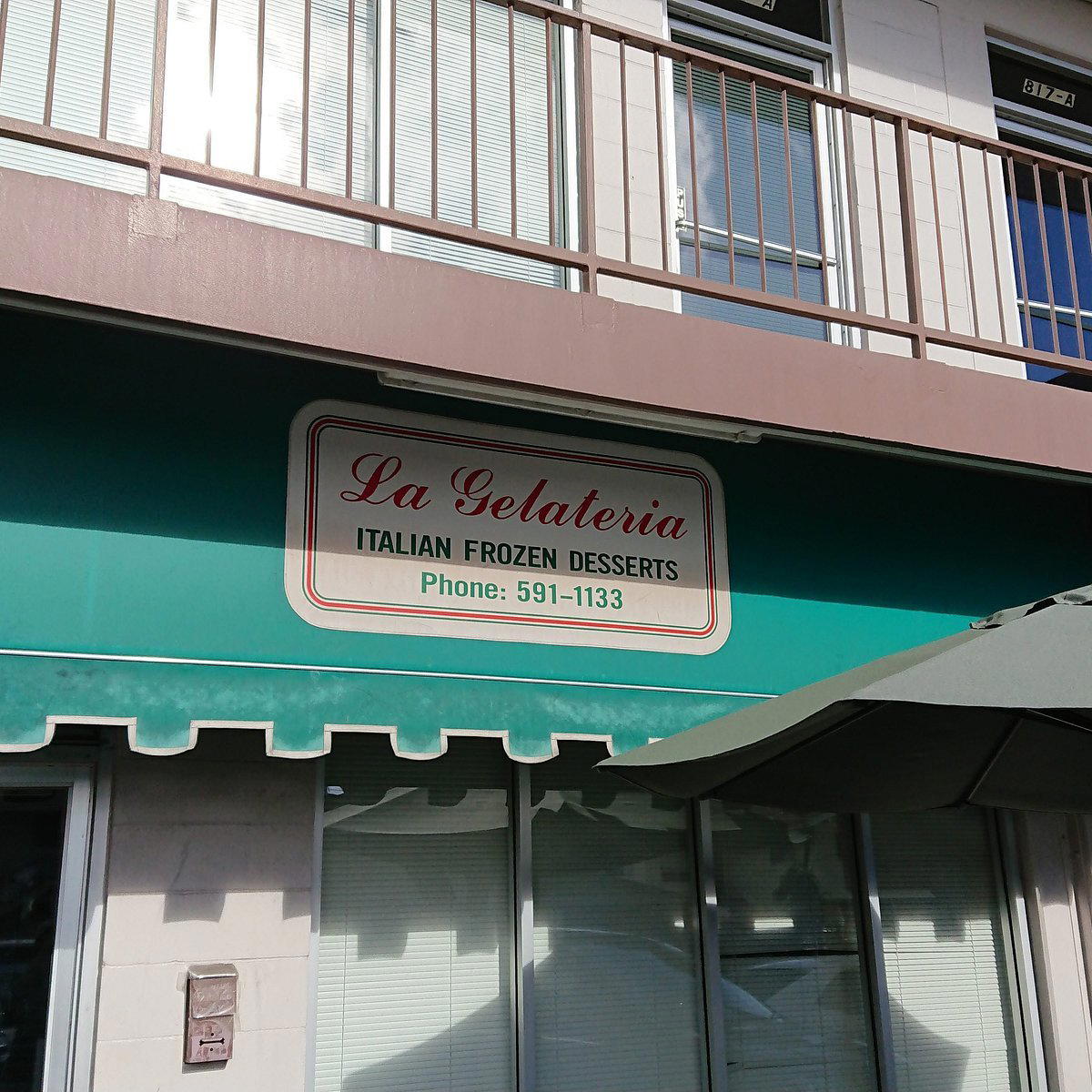
Gelato in a Place That Grows Its Own Ingredients
There is a particular logic to making gelato in Hawaii. The archipelago sits in the middle of the Pacific with year-round growing seasons, soil conditions that support tropical fruit cultivation at commercial scale, and a food culture shaped by decades of cross-Pacific exchange. That context matters when thinking about what a gelato shop on Cedar Street in Honolulu can do that its counterparts in Chicago or New York cannot: draw on a living agricultural system rather than importing flavor from elsewhere. La Gelateria on Cedar Street is a useful point of reference for understanding how frozen dessert culture in the city connects to the island's sourcing story.
Across American fine dining, the sourcing question has become central. Restaurants like Blue Hill at Stone Barns in Tarrytown and Single Thread Farm in Healdsburg have built entire identities around the relationship between the land and the plate. At the dessert tier, a similar pressure applies: transparency about where dairy comes from, how fruit is processed, and what happens to byproduct and waste has become a signal of seriousness. Hawaii's gelato producers operate inside that shift, with an additional layer of geographic specificity, the islands are either a sourcing advantage or a logistical constraint, depending on what a producer chooses to prioritize.
The Sustainability Frame in Frozen Desserts
Gelato's production profile differs from ice cream in ways that have environmental implications. Lower fat content means less cream per batch; the denser, less aerated texture means more fruit or flavoring per scoop rather than volume built on air. These are structural characteristics of the format, not marketing claims. In a sourcing-conscious context, they matter because they change the math on how much raw ingredient is needed and where waste accumulates in the process.
The challenge for any gelato producer in Hawaii is managing the tension between local sourcing and shelf stability. Tropical fruits at peak ripeness have short windows. A shop committed to working with local farms rather than shelf-stable imported concentrates operates on tighter production cycles, smaller batch volumes, and more frequent changeovers. That approach favors walk-in volume and daily sell-through over freezer storage, a model more aligned with reducing waste than the bulk-production alternative. Honolulu's dessert scene, anchored by spots like 3660 On the Rise and 53 By The Sea in the broader dining category, has created a population of diners accustomed to quality-forward thinking about what they eat and where it originates.
Cedar Street as a Neighborhood Context
The address at 819 Cedar St places La Gelateria within a Honolulu neighborhood corridor that connects residential density with food-and-retail traffic. Cedar Street itself is not a destination dining strip on the level of some of the city's more prominent food corridors, which works in the shop's favor as a neighborhood-anchored operation: the customer base skews local rather than purely tourist, and that dynamic tends to produce a more honest feedback loop between what a producer makes and what the community wants to eat.
That local orientation has practical consequences for sustainability commitments. A shop serving regular neighborhood customers rather than one-time visitors has more reason to communicate sourcing choices, seasonal availability, and what changes week to week. The relationship between repeat customer and local producer is a more durable system than one built on novelty and turnover. Comparable conversations about neighborhood anchoring and community food identity play out across Honolulu's restaurant scene at spots like Fête (New American) and 855-ALOHA, where the relationship to place is part of the editorial identity.
How This Fits the Broader American Gelato Conversation
Across the country, a smaller cohort of gelato producers has worked to reposition the format away from the carnival-color tourist aesthetic and toward something more closely aligned with the sourcing values that define serious food culture. This mirrors shifts visible at the restaurant level: the same transparency demanded of kitchens at places like Providence in Los Angeles or Addison in San Diego is beginning to reach dessert specialists operating at smaller scale. The argument is that format and price point don't exempt a producer from accountability on sourcing and waste.
Hawaii provides an unusually strong case study for this argument. The islands grow taro, passion fruit, lychee, macadamia, Kona coffee, and numerous other cultivars with distinct regional character. A gelato producer in Honolulu that works directly with these agricultural streams is doing something that a producer in a continental city importing tropical flavors cannot replicate. The question is always whether that sourcing advantage is being used deliberately or treated as a marketing footnote.
In the wider context of Pacific-facing food culture, where influences from Japan, the Philippines, Korea, and across Polynesia layer into everyday eating, there is also room for gelato producers to work with flavors that push beyond the standard Italian-American repertoire. The Ahaaina Luau tradition reflects how deeply local ingredients are embedded in celebratory Hawaiian food culture; that same depth of ingredient identity is available to dessert producers willing to use it.
Planning Your Visit
La Gelateria is located at 819 Cedar Street in Honolulu. La Gelateria is open Monday through Friday from 12 to 5 PM and closed Saturday and Sunday.
Internationally, the approach to sourcing-first dessert culture visible in Honolulu has parallels at the restaurant level in cities like Hong Kong, where 8 1/2 Otto e Mezzo Bombana demonstrates how Italian culinary heritage translates into Pacific-facing dining contexts with strong local identity.
What It’s Closest To
Comparable venues nearby, for context on price, style, and recognition.
| Venue | Cuisine | Price | Awards | Notes |
|---|---|---|---|---|
| La GelateriaThis venue — the venue you are viewing | Italian Gelato & Sorbetto | $$ | , | |
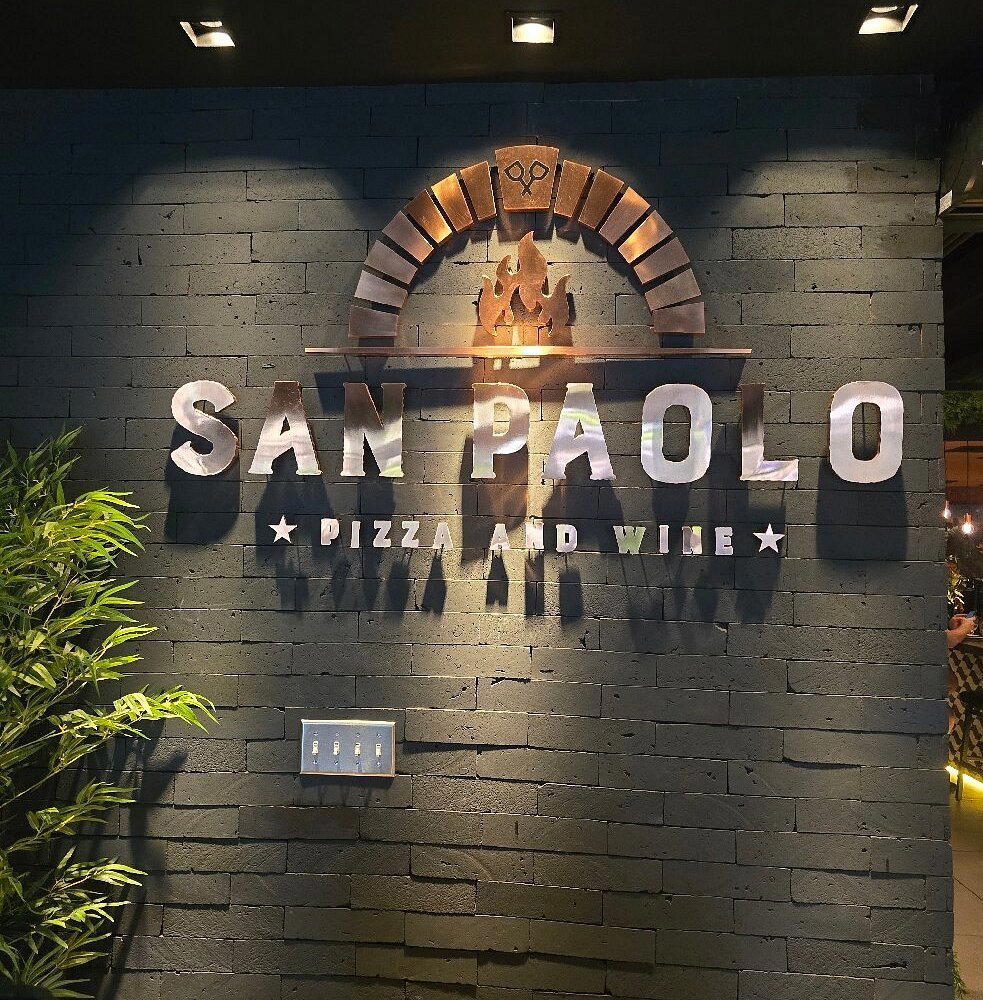
| San Paolo Pizzeria | Brazilian-Italian Fusion Pizza | $$ | , | Waikiki |
| La Cucina Ristorante Italiano | Homestyle Italian Trattoria | $$ | , | Capitol District |
| Brick Fire Tavern | Authentic Neapolitan Pizza | $$ | , | Kaimuki |
| La Pizza Rina | Authentic Italian Pizza & Pasta | $ | , | Makiki Ako |
| Taormina | Authentic Sicilian Cuisine | $$$ | , | Waikiki |
At a Glance
- Cozy
- Hidden Gem
- Casual Hangout
- Family
- Local Sourcing
Cozy casual spot tucked away on a side street offering a welcoming atmosphere for enjoying premium frozen treats.