Taormina
Our verdict
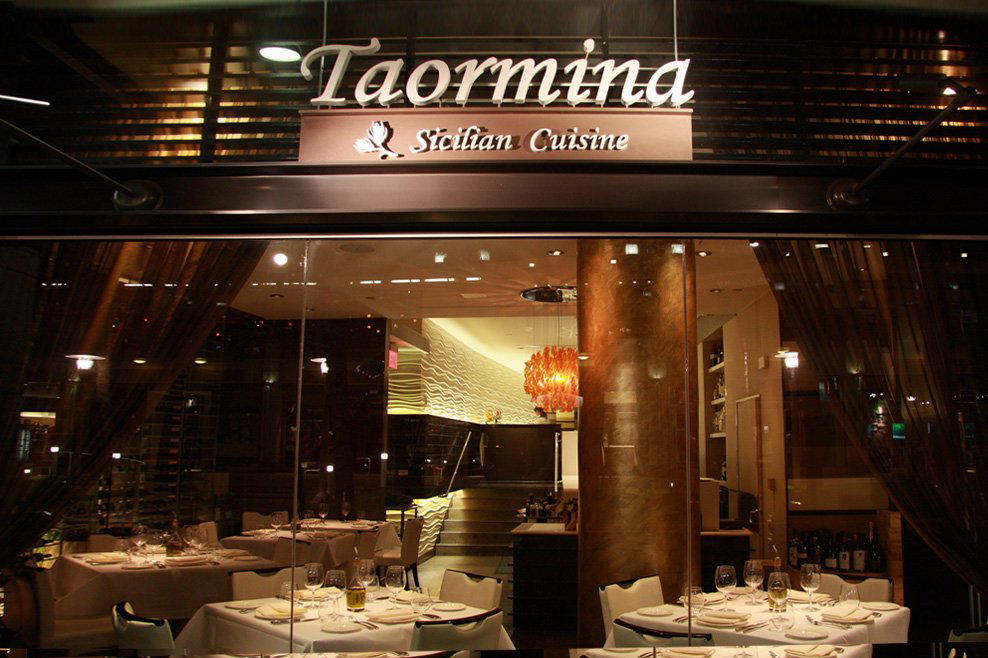
On Lewers Street in Waikiki, Taormina brings a Sicilian frame to one of the Pacific's most ingredient-rich environments. The name references the clifftop town on Sicily's eastern coast, signalling a kitchen orientation toward the Mediterranean — and the question worth asking is how that tradition translates when the raw materials arriving from Hawaii's farms and waters are this good.

Pearl is the En Primeur Club membership app — saves, bookings, and concierge access live there. Same editors, same standards.
- Address
- 227 Lewers St, Honolulu, HI 96815
- Phone
- (808) 926-5050
- Hours
- Daily 11 AM–2 PM, 5–8:30 PM
- Website
- taorminarestaurant.com
- Directions
- Get directions
- Booking
- Book on OpenTable
The menu
What to order
- Truffle Carbonara
- Uni Pasta
- Grilled Lamb Chops Palermo
Where the Mediterranean Meets the Pacific Pantry
Lewers Street runs perpendicular to Kalakaua Avenue in the heart of Waikiki, a block that functions as Honolulu's most concentrated strip of sit-down dining. The address puts Taormina in direct competition with places drawing on Japanese, New American, and pan-Pacific frameworks — a context worth noting, because a restaurant orienting itself around Sicily here is making a deliberate editorial statement about how European technique can coexist with, and arguably amplify, what Hawaii's producers actually grow and catch. The name itself, drawn from the clifftop town on Sicily's eastern coast, signals a kitchen orientation that leans into coastal Mediterranean tradition: seafood-forward, olive-oil-anchored, and built around the kind of produce that ripens hard in volcanic soil.
That framing matters more in Honolulu than it might in a mainland American city. Hawaii's agricultural infrastructure — its taro, its tropical greens, its deepwater fish from the Pacific, creates a pantry that European technique handles particularly well. The same logic plays out at places like Blue Hill at Stone Barns in Tarrytown, where classical discipline becomes the delivery mechanism for hyper-local sourcing, or at Single Thread Farm in Healdsburg, where Japanese precision serves California's farm output. The intersection of imported method and indigenous product is a legitimate creative space, and Honolulu's dining scene is increasingly populated by kitchens that understand this.
The Sicilian Framework in a Pacific Context
Sicilian cooking carries a specific culinary inheritance, Arab-influenced spicing layered over Greek and Norman foundations, with a coastal emphasis that prioritizes fish over meat and agrodolce balancing over direct richness. It is a cuisine of contrasts: sweet raisins against briny capers, citrus against anchovy, fried textures against raw tomato acid. Applied to Hawaii's raw materials, those contrasts gain extra traction. The sweetness of local lobster or weke (goatfish) against Sicilian caponata logic, for instance, is a combination that makes geographic sense precisely because both traditions share a respect for clean fish and assertive accompaniment.
Honolulu has room for this kind of conceptual positioning. The city's restaurant market is largely segmented between Japanese and Japanese-adjacent dining (well-represented across Waikiki and downtown), New American formats like Fête, and the broader Pacific Rim category. Italian and specifically Sicilian kitchens occupy a smaller niche, which means Taormina's competitive set is narrower than its address might suggest. The more relevant comparison is with places like Arancino at The Kahala, which similarly applies Italian culinary logic to a Hawaii context, though from a northern Italian rather than southern starting point.
Internationally, the premise connects to a broader tradition of Italian technique applied to non-Italian ingredient environments. 8 1/2 Otto e Mezzo Bombana in Hong Kong is the clearest high-end example of that model working at Michelin three-star level, demonstrating that Italian cooking's structural discipline travels well when the kitchen commits to local sourcing rather than importing everything from the source country.
Reading the Waikiki Dining Context
Waikiki remains the geographic anchor for Honolulu's visitor-facing dining, but the neighborhood's restaurant quality has risen measurably over the past decade. The strip around Lewers Street and Kalakaua Avenue now holds a genuinely competitive range of options, including destination-level dining that would hold its own in any American city. 53 By The Sea handles the formal occasion market with its ocean-facing setting, while 855-ALOHA approaches the experiential end of Honolulu dining from a different angle.
For context on how Honolulu's dining scene sits within the broader American fine-dining framework, the comparison points are instructive. Restaurants like Providence in Los Angeles or Le Bernardin in New York City demonstrate how coastal American fine dining can build serious critical reputations around seafood-first menus using European technique. Hawaii, with arguably better access to Pacific fish than either California or the Northeast, has the raw material advantage, the question is always whether the kitchen approach matches the ingredient quality. At places like 3660 On the Rise, that match has been maintained over years of consistent operation, establishing a benchmark for what Honolulu fine dining can sustain.
The broader American fine-dining conversation around technique-meets-local-sourcing also includes Addison in San Diego, The French Laundry in Napa, and at the most technically ambitious end, Alinea in Chicago, each representing a different resolution to the question of how classical training interacts with a specific American ingredient environment.
The Case for Sicilian Tradition in a Volcanic Island Setting
Sicily and Hawaii share more environmental common ground than the geographic distance suggests. Both are volcanic island cultures with fishing traditions that predate written record. Both produce fruit and vegetables with an intensity of flavor that cooler continental climates rarely match. Both have layered culinary histories shaped by successive waves of outside influence. The differences are significant, Hawaii's Pacific Rim inheritance, its Japanese-American culinary fusion, its taro-centered indigenous food culture, but the structural similarities mean that Sicilian cooking's logic is not as foreign to Hawaii as, say, a French Norman kitchen's emphasis on cream and butter would be.
That editorial framing is what makes Taormina's positioning coherent rather than arbitrary. A kitchen working within Sicilian parameters in Honolulu is not simply transplanting a European restaurant into a tourist district; it is working from a culinary tradition that has its own coastal, volcanic, and ingredient-driven logic, one that finds natural counterparts in the Pacific context. The restaurants that execute this kind of cross-cultural technique-and-ingredient conversation most effectively, whether it is Atomix in New York City bringing Korean fine-dining discipline to American produce, or Lazy Bear in San Francisco applying modernist American technique to Northern California ingredients, share a commitment to the conversation being substantive rather than cosmetic. The question for any kitchen in Taormina's position is whether the Sicilian frame is doing real structural work on the plate, or serving primarily as a theme.
For a full map of Honolulu dining across neighborhoods and price tiers, see our full Honolulu restaurants guide. Visitors with an interest in Hawaiian ceremony dining should also consider Ahaaina Luau as a contrasting cultural format, useful context for understanding the full range of Honolulu's food traditions alongside European-influenced restaurants like Taormina. For those curious about how similarly ambitious chefs handle the American fine-dining space, Emeril's in New Orleans and The Inn at Little Washington in Washington offer instructive points of reference for how regional identity and classical European technique have been reconciled at the highest levels of American hospitality.
Know Before You Go
- Address: 227 Lewers St, Honolulu, HI 96815
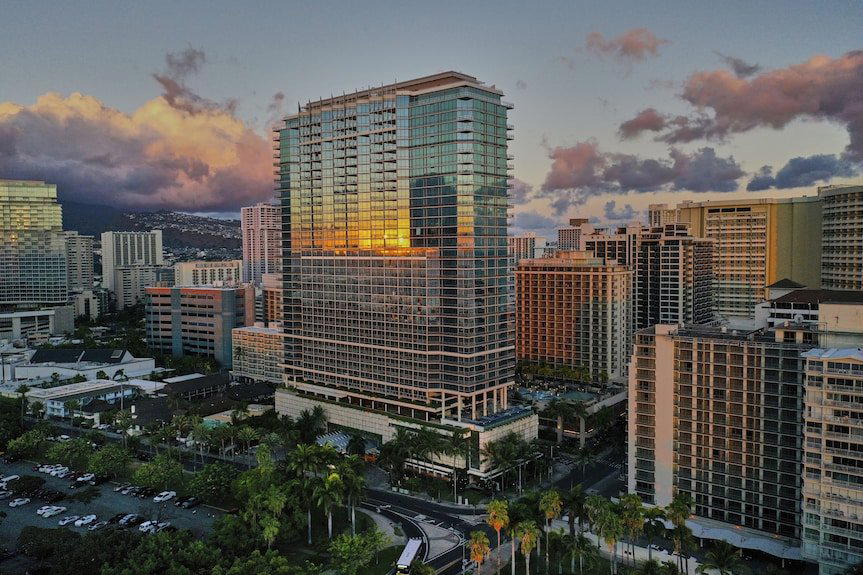
- Neighbourhood: Waikiki, one block from Kalakaua Avenue
- Cuisine orientation: Sicilian Italian, coastal Mediterranean
- Practical note: Lewers Street parking is limited; most guests arriving from Waikiki hotels walk or use rideshare
Frequently asked questions
Is Taormina okay with children?
A sit-down Italian restaurant at Waikiki pricing is a reasonable choice for older children who are comfortable in a more formal dining setting; it is not a casual family-casual environment.
What is the atmosphere like at Taormina?
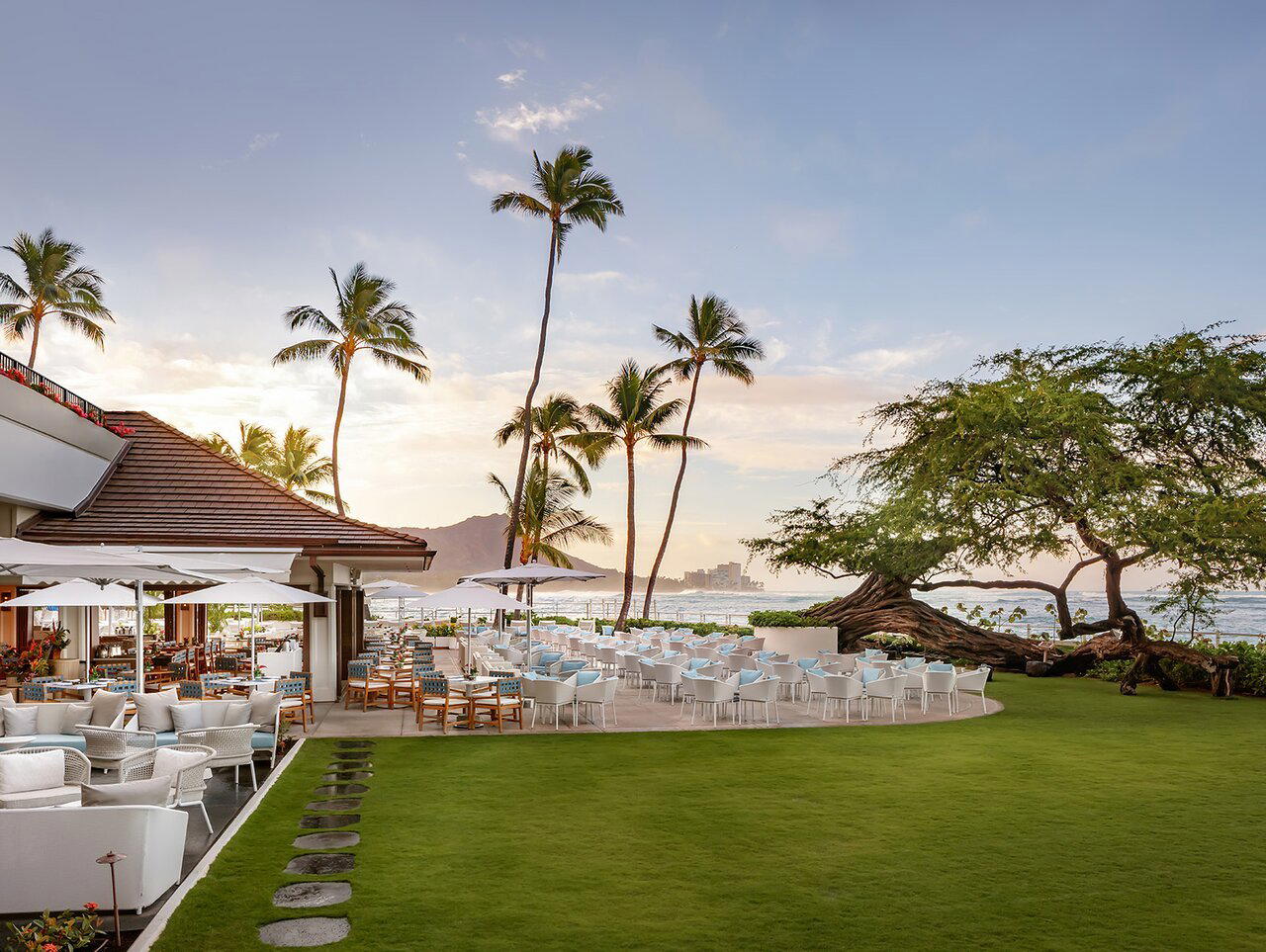
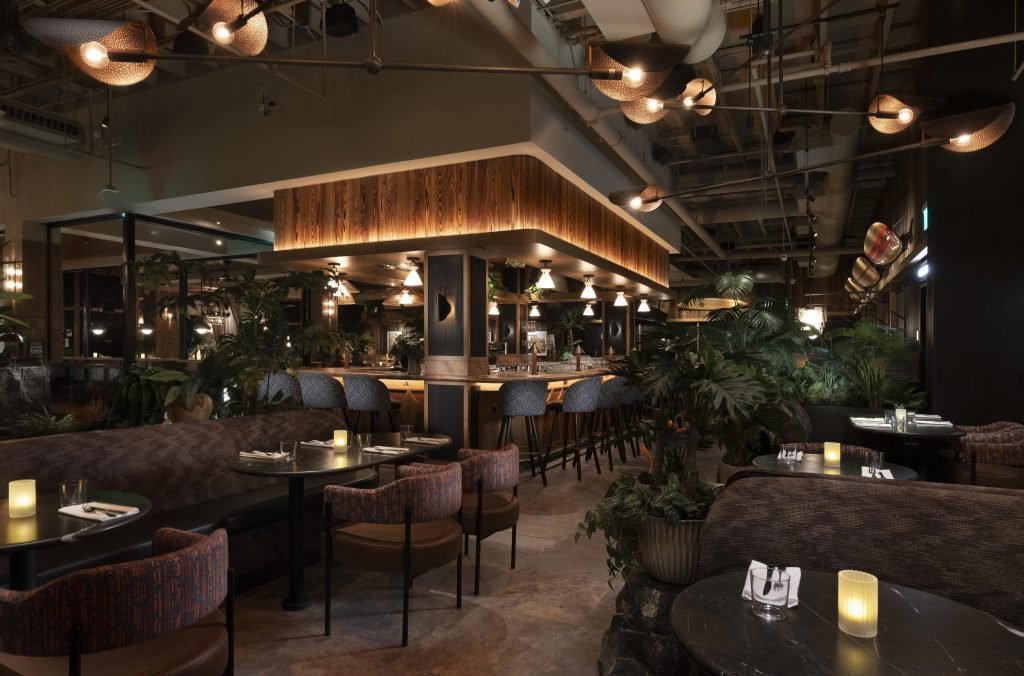
If you are looking for a formal, European-inflected dining room in Waikiki, this is the register Taormina occupies. If your priority is award-validated fine dining or a high-energy bar scene, Honolulu's broader restaurant spread, including venues with documented critical recognition, may better fit that brief.
What should I order at Taormina?
The Sicilian culinary tradition the restaurant references prioritizes seafood, agrodolce preparations, and pasta formats like pasta alla Norma or pasta con le sarde. Given Hawaii's Pacific fish supply, seafood preparations that bridge those two traditions are likely where the kitchen's proposition is most coherent, though specific current menu details should be confirmed directly with the venue.
How far ahead should I plan for Taormina?
In Waikiki's competitive dining market, weekend reservations at mid-to-upper price points typically require advance booking of at least several days, and longer during peak visitor seasons (December through February and June through August). Specific availability patterns for Taormina should be checked directly, as booking lead times vary by venue and season.
What is Taormina leading at?
The restaurant's stated orientation around Sicilian culinary tradition suggests its clearest strength lies in coastal Mediterranean cooking, seafood, regional pasta formats, and the agrodolce flavor logic that defines southern Italian cuisine. That framework, applied to Hawaii's Pacific ingredients, is the editorial proposition worth testing on a visit.
Does Taormina draw on Hawaii's local ingredients alongside its Sicilian menu framework?
The intersection of Sicilian technique with Hawaii's Pacific pantry is the most intellectually interesting dimension of a restaurant at this address. Honolulu's proximity to some of the Pacific's most prized fish species, ahi, opah, mahi-mahi, means a kitchen working within a coastal Mediterranean framework has access to raw materials that map naturally onto Sicilian seafood traditions. Whether the kitchen actively sources from local farms and fisheries, or operates primarily as a regional Italian restaurant with standard imported ingredients, is a distinction worth asking about directly before booking.
How It Stacks Up
Comparable venues nearby, for context on price, style, and recognition.
| Venue | Cuisine | Price | Notes |
|---|---|---|---|
| TaorminaThis venue — the venue you are viewing | Authentic Sicilian Cuisine | $50–100 | Not listed |
| Fresco Italian Restaurant | Italian with Hawaiian Fusion | $30–50 | Waikiki |
| The Dotted Line | Global Fusion with Hawaiian Influences | Not listed | Downtown Honolulu |
| Búho Cocina y Cantina | Modern Mexican Rooftop | $30–50 | Waikiki |
| San Paolo Pizzeria | Brazilian-Italian Fusion Pizza | $30–50 | Waikiki |
| Dean & Deluca Hawaii, The Artisan Loft | Contemporary French Bistro with Hawaiian Influences | $50–100 | Waikiki |
Details
- Romantic
- Elegant
- Sophisticated
- Date Night
- Special Occasion
- Business Dinner
- Hotel Restaurant
- Extensive Wine List
- A La Carte
Current opening hours
- Monday
- 11 AM–2 PM, 5–8:30 PM
- Tuesday
- 11 AM–2 PM, 5–8:30 PM
- Wednesday
- 11 AM–2 PM, 5–8:30 PM
- Thursday
- 11 AM–2 PM, 5–8:30 PM
- Friday
- 11 AM–2 PM, 5–8:30 PM
- Saturday
- 11 AM–2 PM, 5–8:30 PM
- Sunday
- 11 AM–2 PM, 5–8:30 PM
Hours can change for holidays and private events. Last verified .
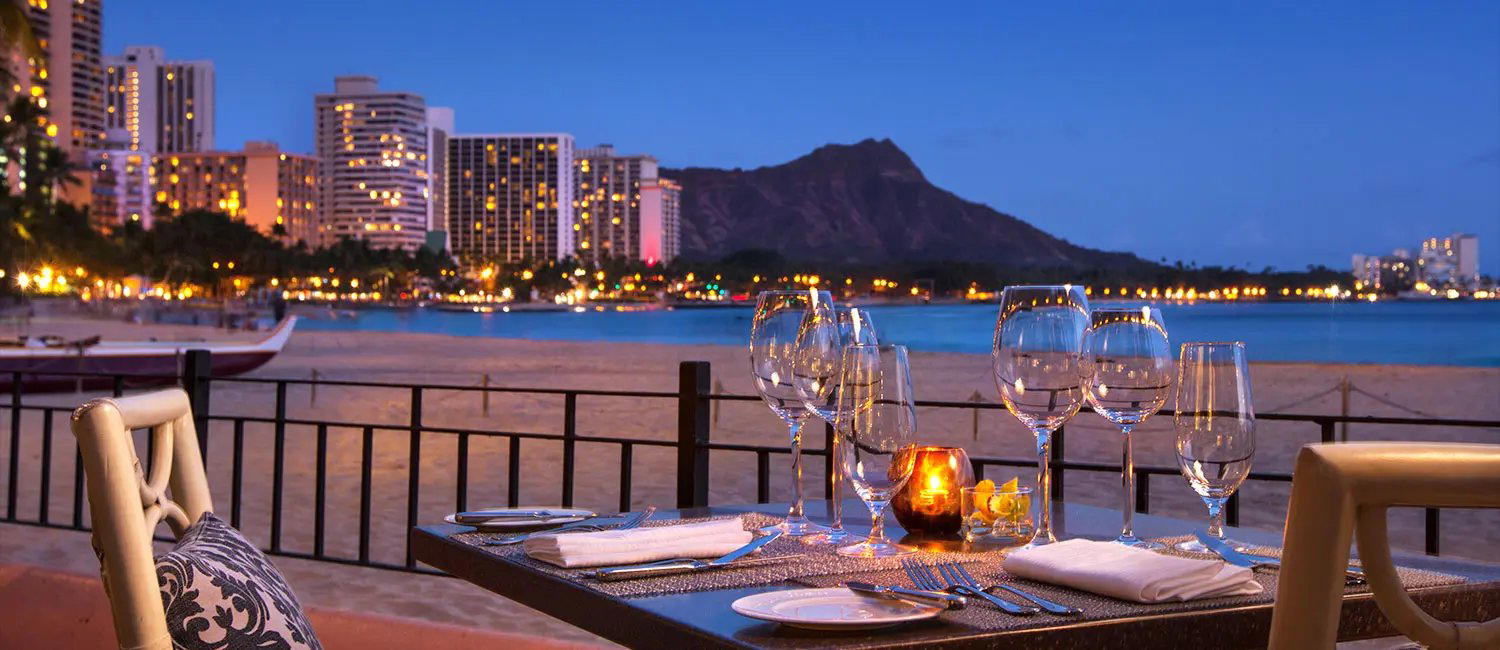
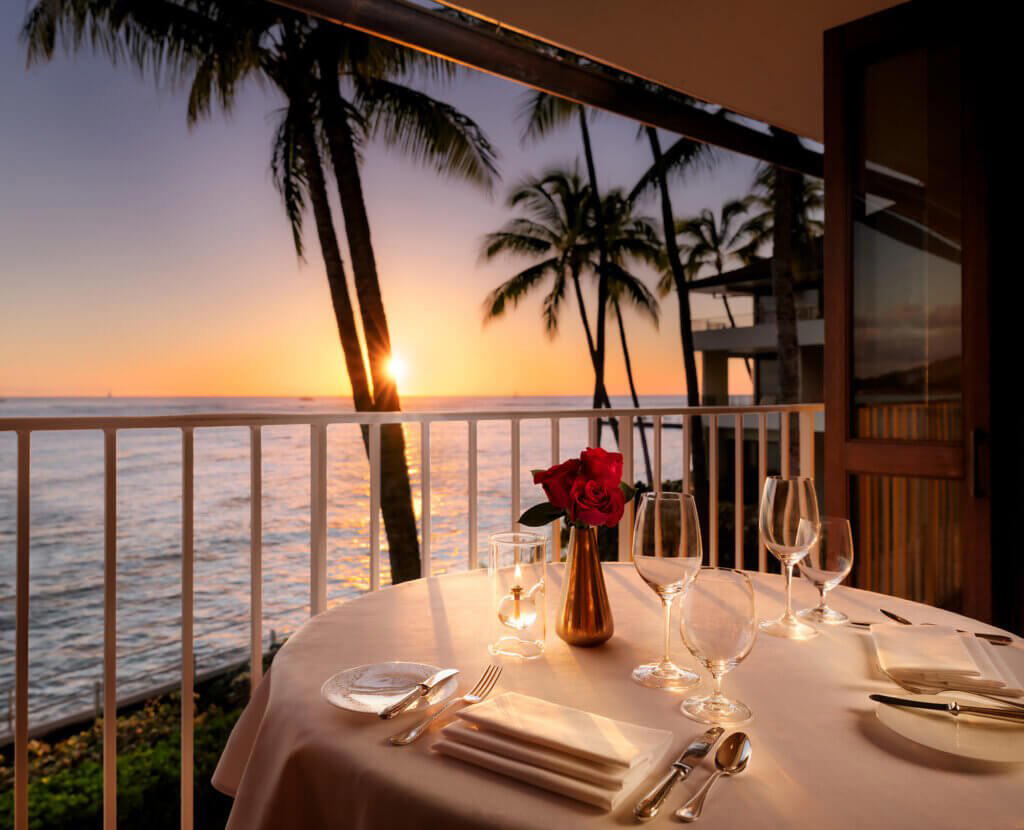
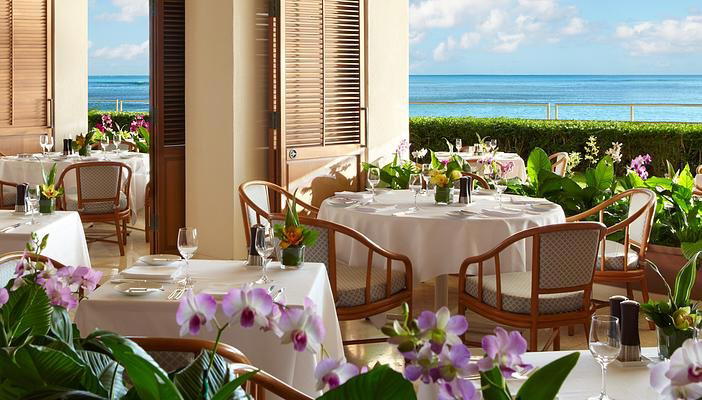
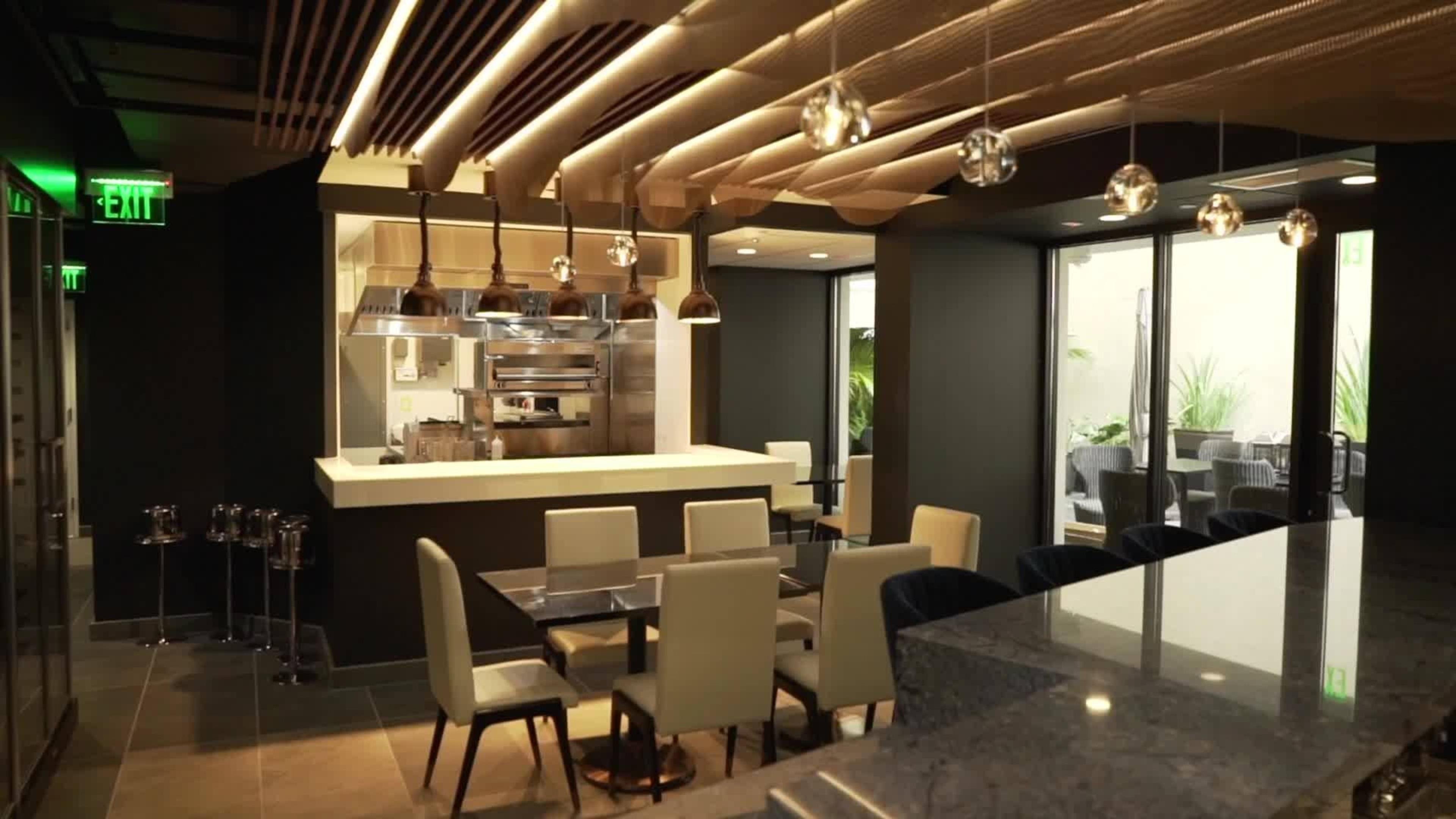
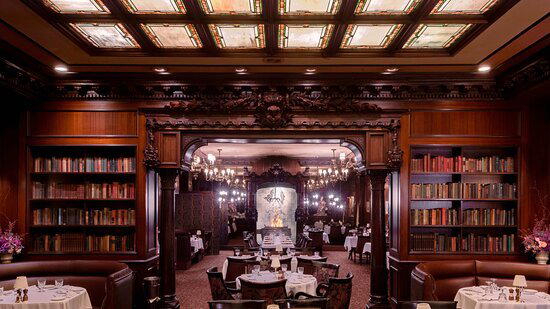
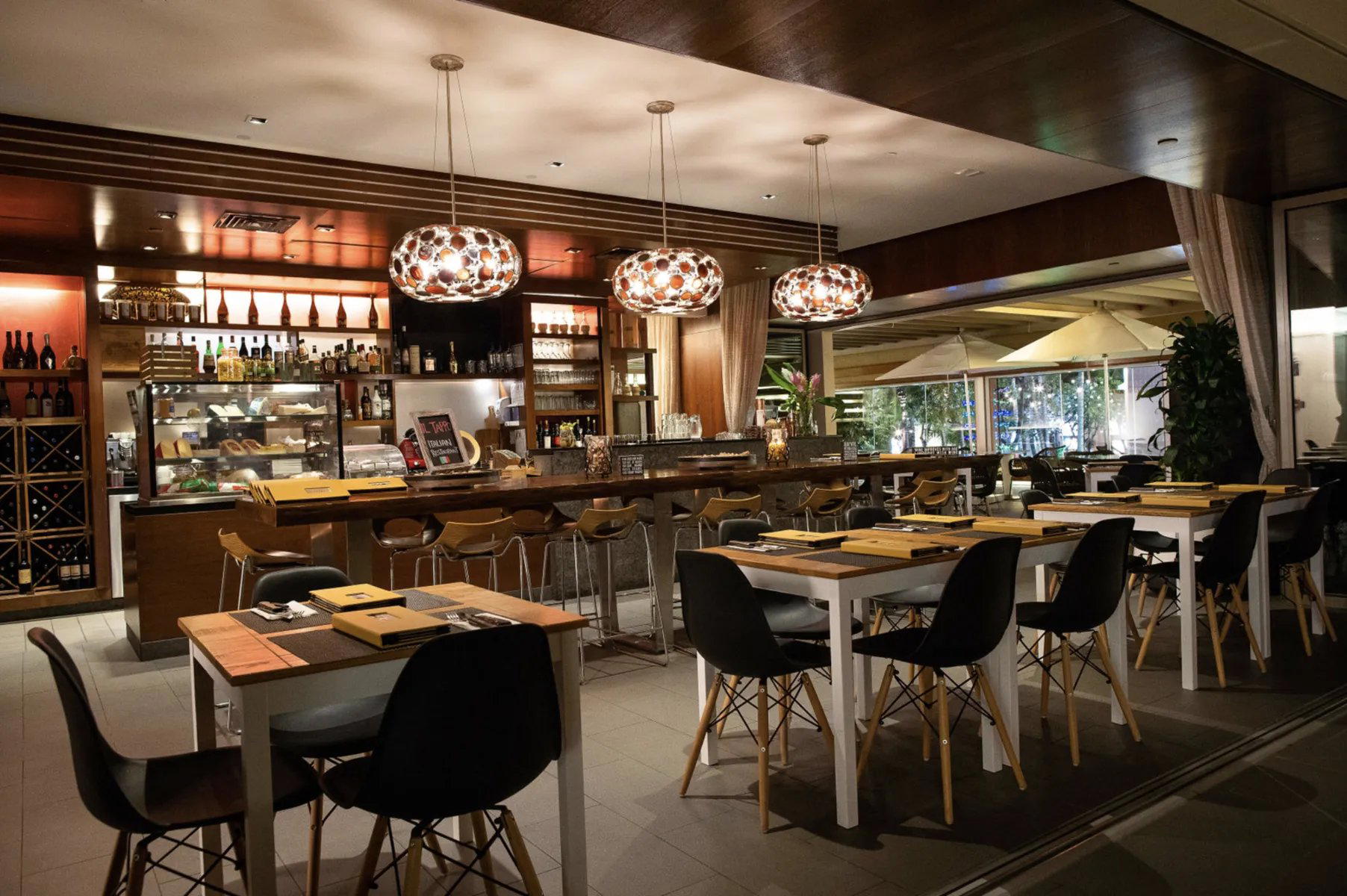
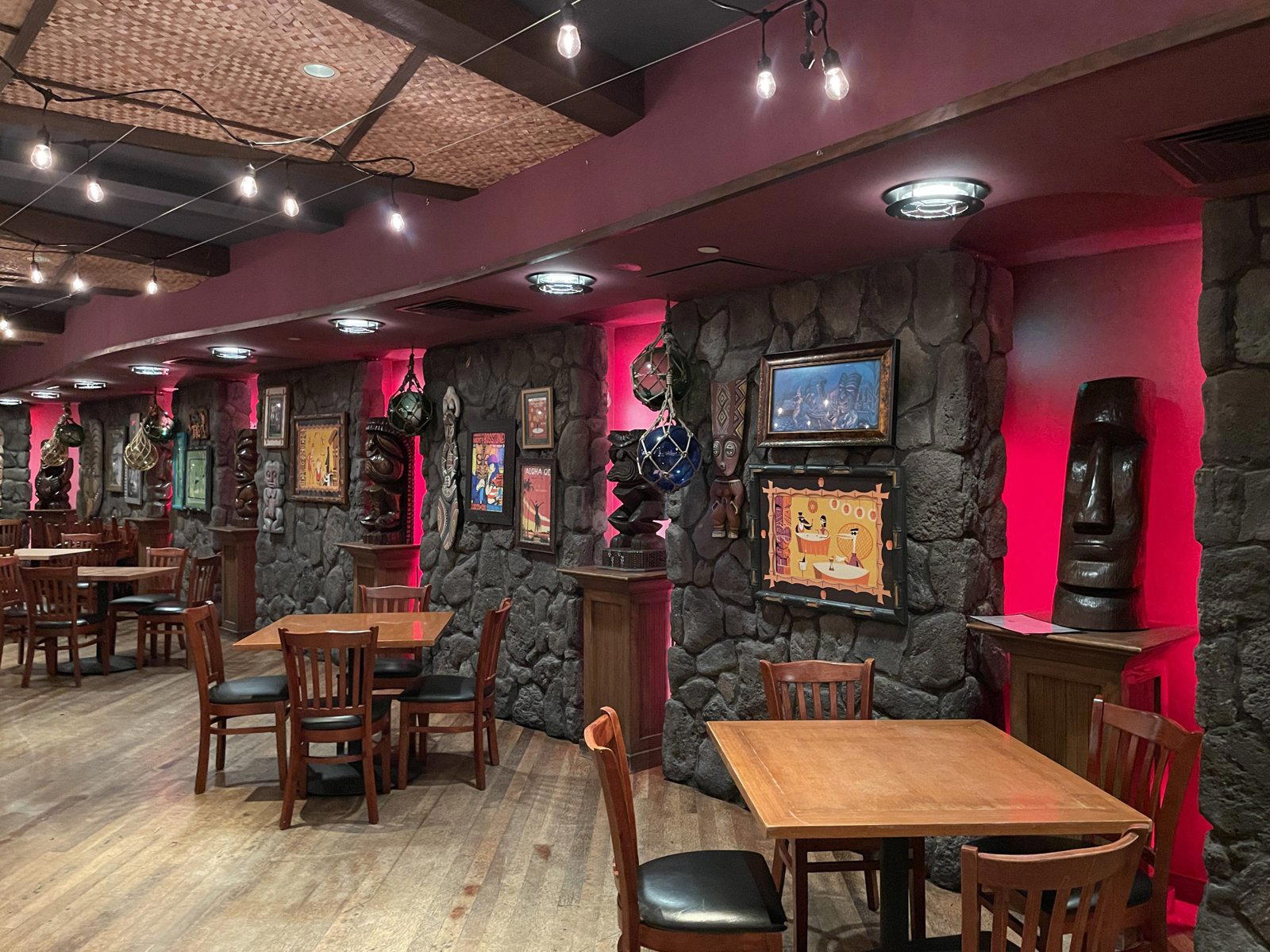
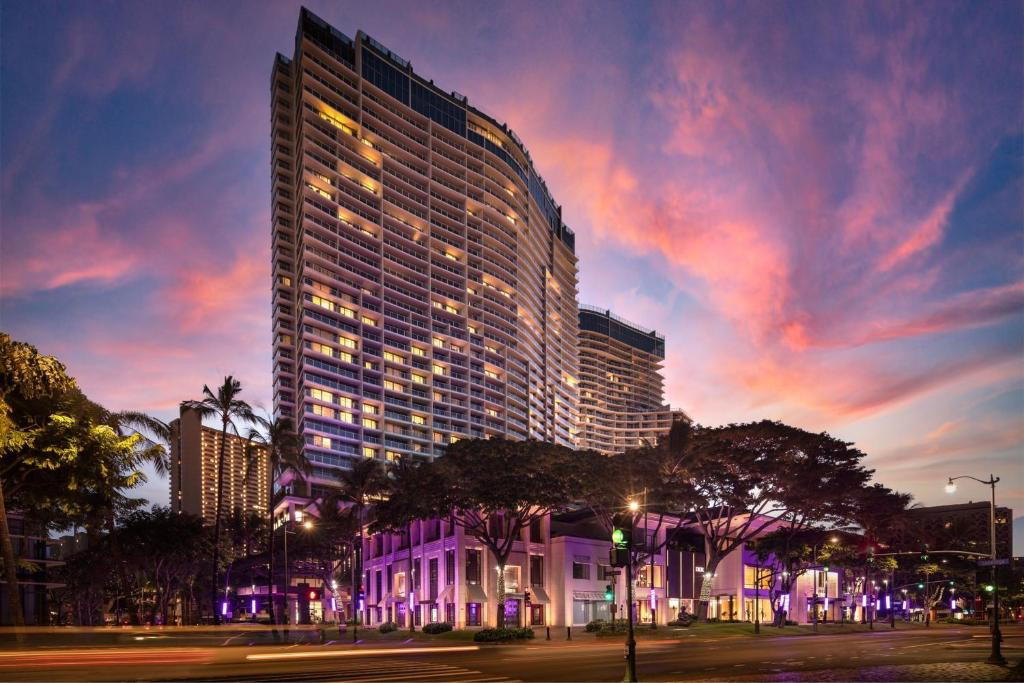
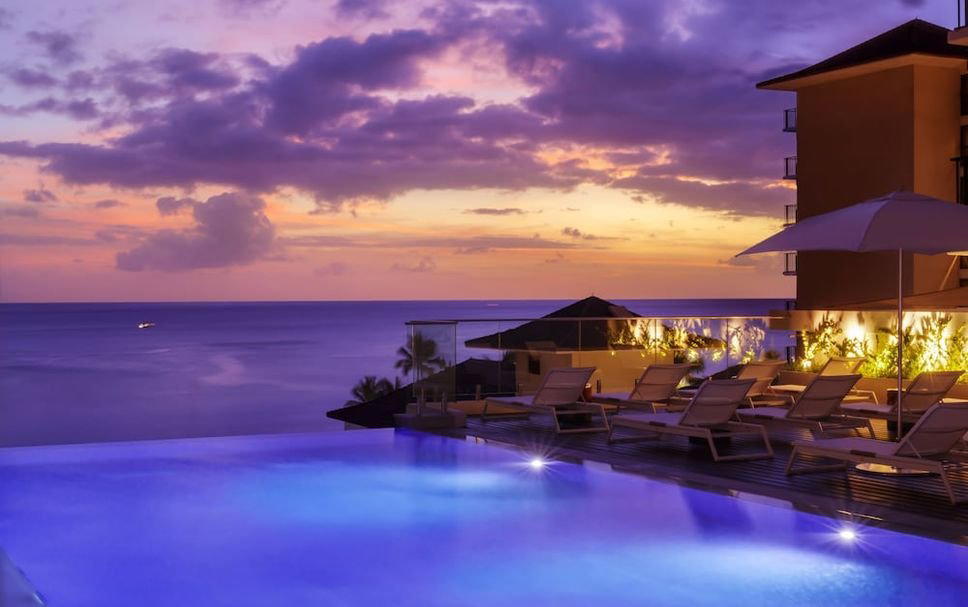
Warm, inviting, and romantic atmosphere with refined Italian elegance in the heart of Waikiki.