La Pizza Rina
A neighborhood pizza counter on South King Street, La Pizza Rina occupies a modest but telling position in Honolulu's Italian dining scene, where casual formats have grown increasingly serious about sourcing and technique. Set against a city where Japanese and Pacific Rim traditions dominate, its presence signals the slow but steady broadening of Honolulu's everyday dining range.
Pearl is the En Primeur Club membership app — saves, bookings, and concierge access live there. Same editors, same standards.
- Address
- 1425 S King St, Honolulu, HI 96814
- Phone
- +18089416634
- Website
- lapizzarina.net
- Directions
- Get directions
 Saves & bookings on Pearl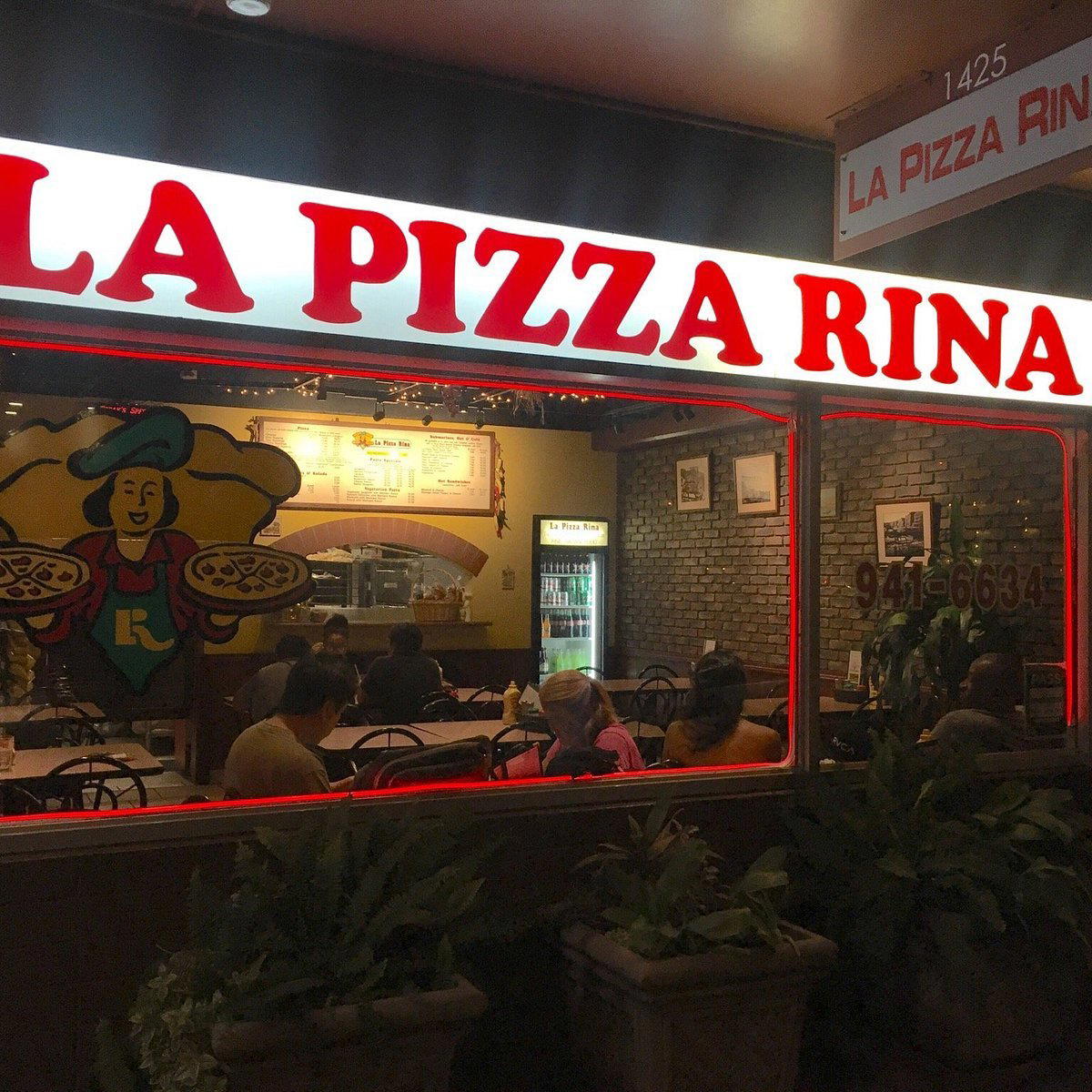
South King Street and the Slow Broadening of Honolulu's Everyday Dining
For most of Honolulu's restaurant history, the city's serious dining energy concentrated around two poles: the resort corridor along Waikiki and a handful of destination restaurants drawing on Japanese technique and Pacific Rim produce. Places like 53 By The Sea and 3660 On the Rise built their reputations at that tier, while the city's more casual dining scene remained relatively thin by mainland standards. What has shifted in recent years is the middle register, where neighborhood-scale spots have started taking the kind of care with ingredients and technique that was once reserved for special-occasion dining. La Pizza Rina at 1425 S King St sits inside that broader shift.
South King Street runs through a residential stretch of Honolulu that sits apart from the tourist concentration near the waterfront. Dining on this corridor has historically served the local population rather than visitors, which tends to produce a different set of pressures on a kitchen: regulars who return weekly rather than once, price sensitivity shaped by everyday budgets rather than vacation spending, and a demand for consistency over spectacle. That context matters when reading what a pizza counter means here, because the format must work harder to justify itself than it would in a city where Italian casual dining is deeply embedded in the local food culture.
Pizza in the Pacific: A Format Finding Its Footing
Across the United States, the last decade produced a significant reassessment of pizza as a serious culinary format. What had been treated as fast food or chain territory attracted investment from trained cooks, wood-fired equipment, and ingredient sourcing practices that previously belonged to fine dining. Cities like New York, San Francisco, and Chicago refined their distinct regional styles while simultaneously absorbing Neapolitan influence from Italy. Honolulu came to this conversation later than the mainland, partly because its restaurant economy is shaped by tourism and Japanese culinary dominance, and partly because the isolation of island supply chains makes ingredient sourcing more expensive and logistically complicated.
That isolation has not prevented ambition from arriving. The same city that hosts the modern American ambition of Fête (New American) and the cultural programming of Ahaaina Luau has developed enough dining range to support formats that might once have seemed like a reach for the market. A pizza counter making serious product on South King Street is now plausible in Honolulu in a way it might not have been fifteen years ago.
The Evolution Question: How a Neighborhood Counter Stays Relevant
The editorial angle that makes neighborhood pizza operations worth tracking is not the opening, but the staying. Casual dining formats in mid-range urban neighborhoods tend to follow a recognizable arc: an enthusiastic launch, an initial period of community adoption, and then a longer test of whether the kitchen can maintain quality and identity as the novelty fades. Some operators respond to that pressure by drifting toward safer, more generic product. Others sharpen their focus, tightening the menu and leaning harder into whatever made them worth visiting in the first place.
The comparison set in Honolulu's Italian segment includes Arancino at The Kahala, which operates at a higher price point in a hotel context, and places like Fujiyama Texas and Ginza Bairin, which occupy adjacent casual-dining positions with Japanese rather than Italian culinary roots. Against that set, a standalone pizza counter occupies a specific niche: lower in ceremony than the hotel Italian rooms, more culinarily specific than the multi-format Japanese casual spots. Whether La Pizza Rina has used that niche to build a durable identity is the question that the current sparse data record does not fully answer. What the address alone tells you is that it is operating in a neighborhood where repeat local business, not tourist traffic, drives survival.
Reading the Honolulu Casual Scene Through Its Pizza Counters
Honolulu's casual dining has been developing a more cosmopolitan range without abandoning its Pacific character. The city now sits in a tier of American markets where ambitious casual formats can find an audience, even if that audience is smaller and more price-conscious than in San Francisco or New York. For context on what serious casual dining ambition looks like at the upper end of the US spectrum, operations like Lazy Bear in San Francisco and Providence in Los Angeles represent the destination tier; closer in format and geography, spots like 855-ALOHA show how Honolulu operators are building local identity at a more accessible price register.
Pizza, specifically, functions as a useful diagnostic for a city's broader casual dining maturity. When a market has developed enough that it can support a standalone counter doing serious pizza, that signals a resident population with enough dining literacy and enough disposable income to choose quality over convenience on a regular basis. South King Street pizza traffic is not tourist traffic; it is local traffic choosing to return. That is a more demanding test of quality than a one-time visitor ordering based on a hotel recommendation.
For readers planning a Honolulu itinerary across the dining spectrum, the full range of what the city offers is documented in our full Honolulu restaurants guide, which maps the city's dining from destination fine dining through neighborhood casual. La Pizza Rina sits in the neighborhood casual tier, positioned for locals and visitors staying outside the resort corridor who want something specific and purposeful rather than another hotel restaurant.
At the broader end of the reference set, the kind of culinary seriousness that trickles down into casual dining culture gets established by operations like The French Laundry in Napa, Alinea in Chicago, and Le Bernardin in New York City. Those restaurants set the culinary standards that eventually reshape expectations even at the casual end of the market. Similarly, internationally, operations like 8 1/2 Otto e Mezzo Bombana in Hong Kong demonstrate how Italian culinary tradition translates across Pacific contexts, which is a relevant frame for any Italian operator working in Honolulu's Pacific-inflected market.
Know Before You Go
Address: 1425 S King St, Honolulu, HI 96814
Neighbourhood: Mid-block South King Street, residential Honolulu corridor away from Waikiki
Cuisine: Pizza / Italian casual
Price range: Not confirmed; format suggests mid-range casual pricing
Reservations: Not confirmed; walk-in format typical for neighborhood pizza counters at this address tier
Dress code: Casual
Parking / Access: South King Street has street parking; accessible by city bus from central Honolulu
How La Pizza Rina Honolulu compares with similar nearby venues.
| Venue | Cuisine |
|---|---|
| Sushi Izakaya Gaku | Izakaya |
| Midtown Eats | Food hall |
At a Glance
- Cozy
- Intimate
- Casual Hangout
- Standalone
Current opening hours
- Monday
- 11 AM–2:30 PM, 5–9:30 PM
- Tuesday
- 11 AM–2:30 PM, 5–9:30 PM
- Wednesday
- 11 AM–2:30 PM, 5–9:30 PM
- Thursday
- 11 AM–2:30 PM, 5–9:30 PM
- Friday
- 11 AM–2:30 PM, 5–9:30 PM
- Saturday
- 11 AM–2:30 PM, 5–9:30 PM
- Sunday
- 5–8:30 PM
Hours can change for holidays and private events. Last verified .
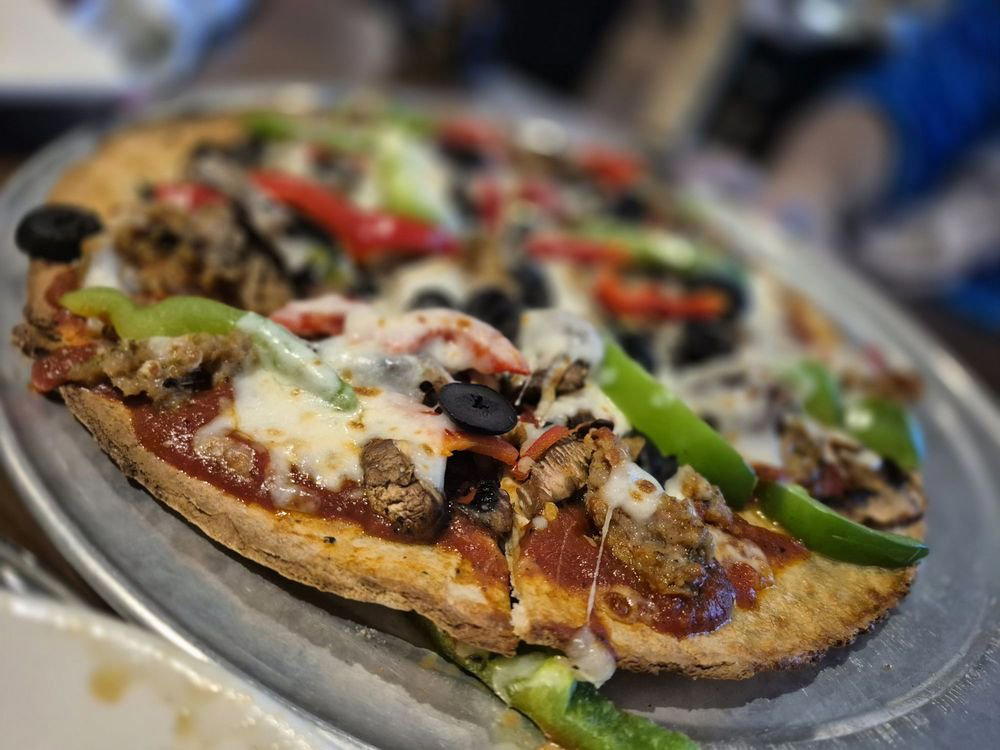
Homey and welcoming with a comfortable, casual atmosphere.
Know Before You Go
- Getting there
- 1425 S King St, Honolulu, HI 96814