MW Restaurant

MW Restaurant has appeared on Opinionated About Dining's North America rankings three consecutive years, reaching #294 in 2025, placing it among a small group of Hawaii restaurants that compete on a continental scale. Chef Wade Ueoka channels modern Hawaiian cuisine through a format that suits occasion dining as much as any white-tablecloth room on the island. Located on Kapiolani Boulevard, it is the kind of address serious diners plan around.
Pearl is the En Primeur Club membership app — saves, bookings, and concierge access live there. Same editors, same standards.
- Address
- 888 Kapiolani Blvd, Commercial Unit, Suite 201, Honolulu, HI 96813
- Phone
- (808) 955-6505
- Website
- mwrestaurant.com
 Saves & bookings on Pearl
Where Modern Hawaiian Cuisine Earns a Continental Reference Point
The stretch of Kapiolani Boulevard that runs south toward Ala Moana carries a different energy from the resort corridor of Waikiki a few blocks west. The dining rooms here are not built around ocean views or hotel foot traffic; they are built around food. MW Restaurant sits at 888 Kapiolani, on the second floor of a commercial block, and the approach tells you something useful: this is a place where the audience arrives with intent. There are no walk-in tourists, no beachside terraces designed to soften the bill. What you find instead is a room that frames a meal as the event itself, which is exactly what occasion dining requires.
A Ranking That Places Hawaii on the Continental Map
Honolulu's fine dining scene has long operated in a curious middle position: geographically remote from the US mainland's critical establishment, yet host to a cuisine tradition, modern Hawaiian, that draws on one of the most layered ingredient cultures in the Pacific. The restaurants that break through to continental recognition tend to do so through consistency and culinary clarity rather than buzz or novelty. MW Restaurant has appeared on Opinionated About Dining's Leading Restaurants in North America list three years running, ranked #324 in 2024 and climbing to #294 in 2025, after a recommended status in 2023. That trajectory places it in a peer group that includes Lazy Bear in San Francisco, Atomix in New York City, and Alinea in Chicago on the same ranking system, giving a calibration point that local accolades alone cannot provide. The Google rating of 4.5 across 760 reviews confirms that the room performs consistently at scale, not just on marquee nights.
For comparison, the continental American fine dining scene that MW is measured against includes rooms like Le Bernardin in New York City, The French Laundry in Napa, and Single Thread Farm in Healdsburg. That MW competes in the same ranking framework as those addresses is the most direct evidence of its standing.
The Occasion Dining Calculus in Honolulu
Honolulu's occasion dining tier is a smaller field than the city's total restaurant count would suggest. The options that satisfy the specific requirements of a milestone meal, format discipline, room composure, cooking at a level that justifies the occasion, and a kitchen with a defined culinary point of view, are fewer than visitors assume. MW sits at that intersection. Chef Wade Ueoka's modern Hawaiian format means the menu reads from the islands outward: local proteins, Pacific-rim technique, and a kitchen vocabulary that does not reach for European classicism as its default. That distinction matters when you are choosing a room for a birthday, an anniversary, or a celebratory dinner that should feel specific to place rather than generically formal.
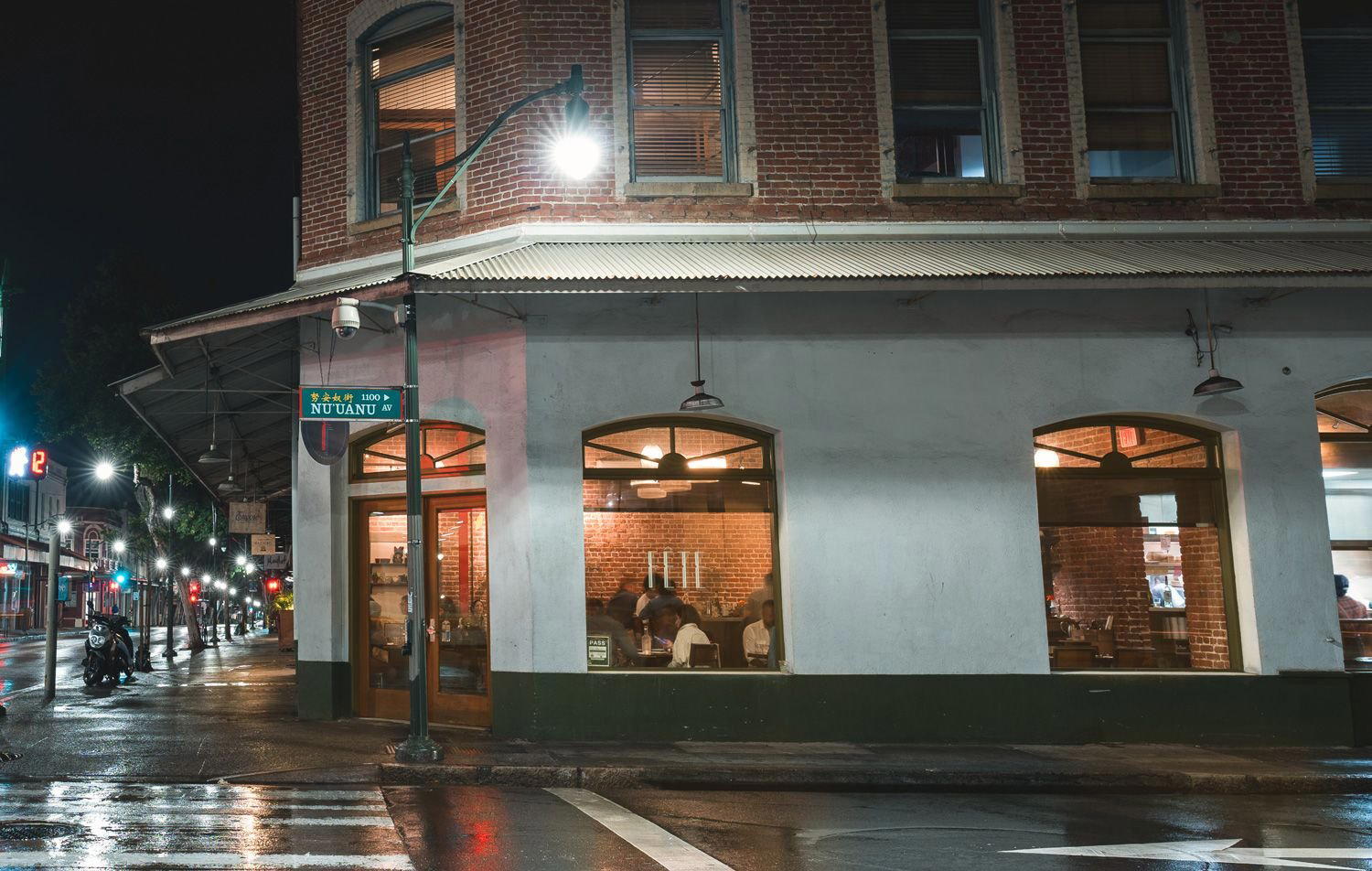
Within Honolulu, the occasion dining options each occupy a different quadrant. Arancino at The Kahala offers Italian formality within the Kahala Hotel setting. Fête brings a New American sensibility to the same tier. MW's position is distinct: it is the room where the cuisine itself is Hawaiian in origin and ambition, not imported and translated for the island context. For a meal that should register as belonging to this particular place, that specificity carries weight.
Modern Hawaiian as a Culinary Tradition
The modern Hawaiian kitchen draws on a convergence that has few parallels on the US mainland. Indigenous Hawaiian ingredients, Japanese technique brought by generations of plantation-era migration, Portuguese influences, Chinese cooking traditions, and the produce culture of a subtropical Pacific island all sit within the same culinary frame. The result, when executed with precision, is a cuisine that has its own logic rather than being a fusion exercise. MW operates from within that tradition, using it as a starting point rather than a marketing category.
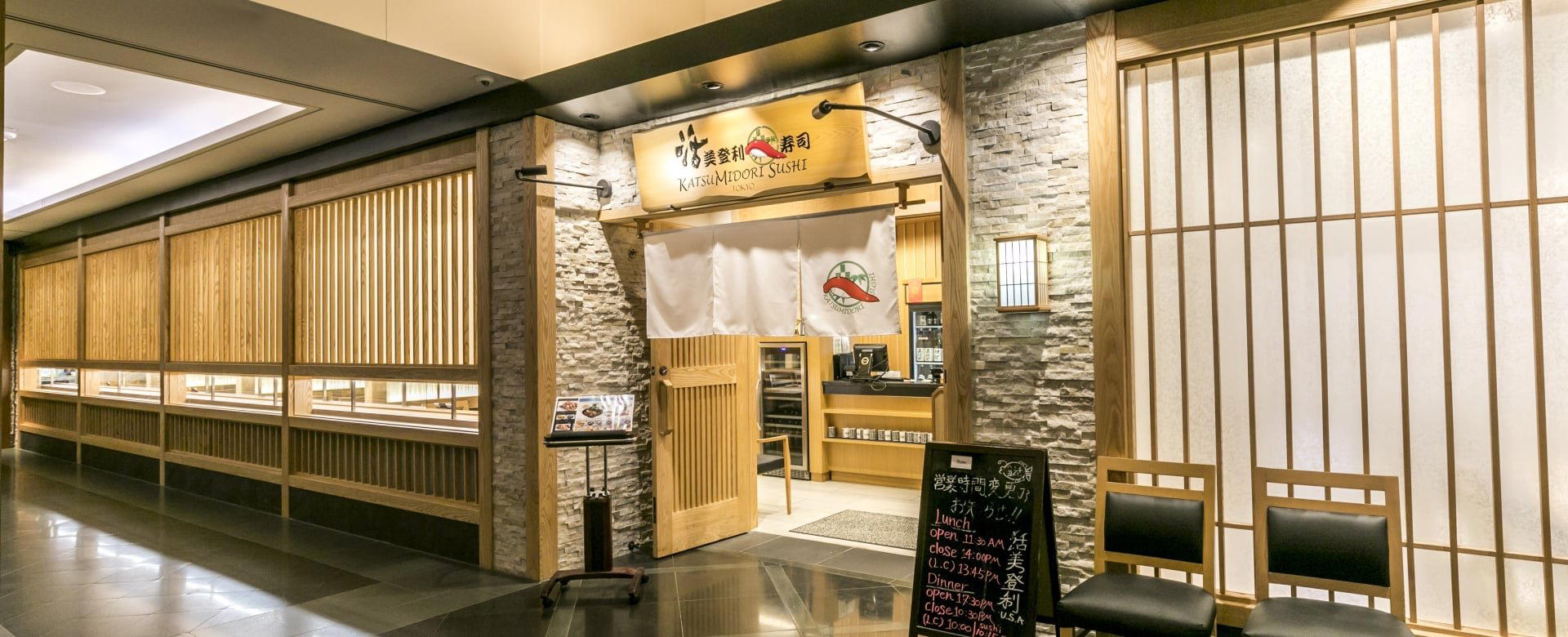
That approach places it in a different competitive conversation from Honolulu's Japanese specialists, including Fujiyama Texas and Ginza Bairin, which draw on Japan's own culinary lineage rather than Hawaii's synthesized one. The distinction is not a hierarchy; it is a question of what kind of story a meal tells. For international visitors who have already encountered Japanese fine dining at addresses like 8 1/2 Otto e Mezzo Bombana in Hong Kong, MW offers something that cannot be replicated elsewhere: a cuisine that is the direct product of this archipelago's specific history.
Planning a Meal at MW
MW Restaurant is located at 888 Kapiolani Blvd, Suite 201, Honolulu, HI 96813, in a commercial building that places it a short distance from both Ala Moana Center and the western edge of Kakaako. For visitors staying in Waikiki, the address is accessible by car or rideshare in under ten minutes. Reservations should be pursued directly through the restaurant's own channels or OpenTable, where availability for popular dates tends to move quickly given the room's occasion-dining demand.
What Should I Order at MW Restaurant?
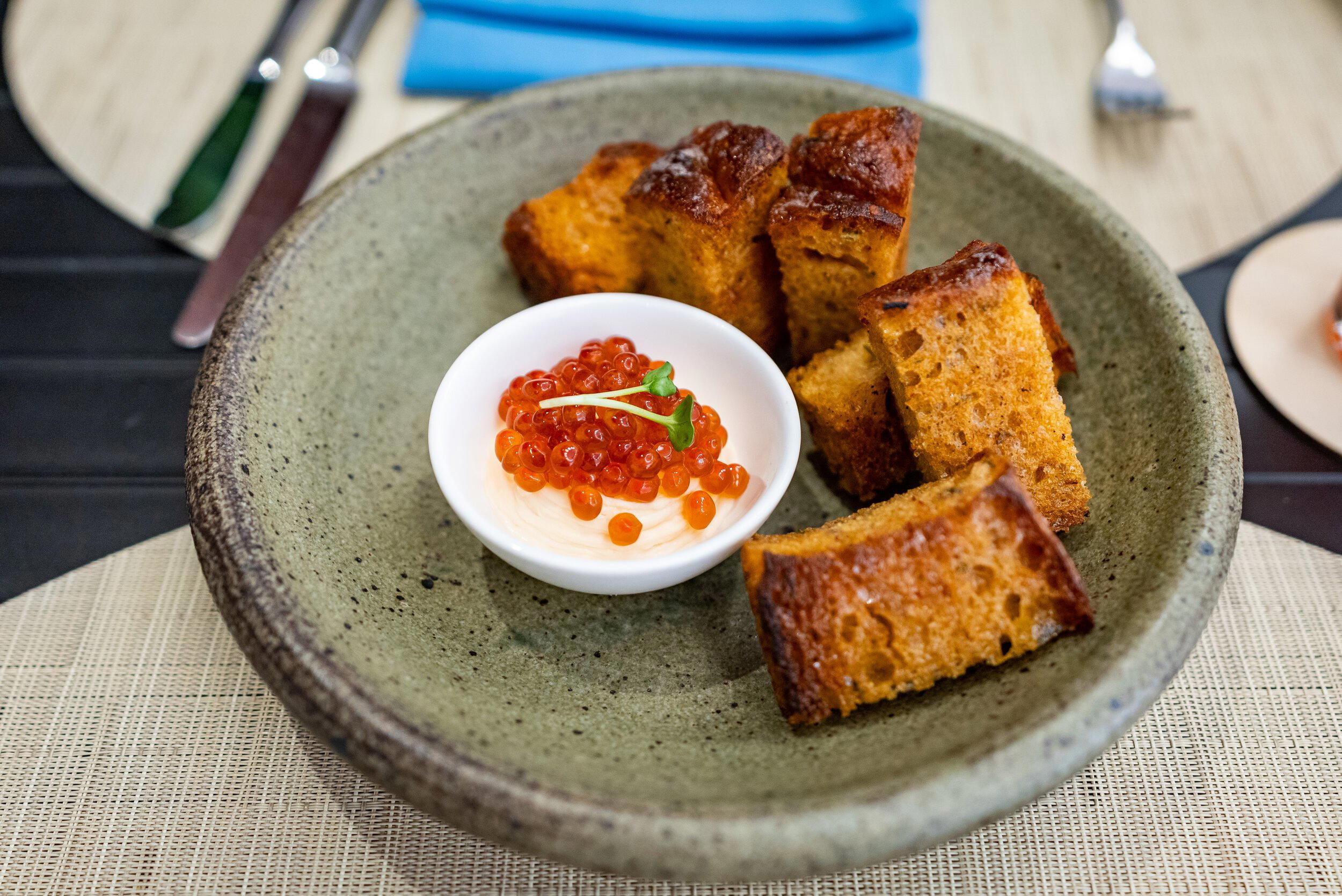
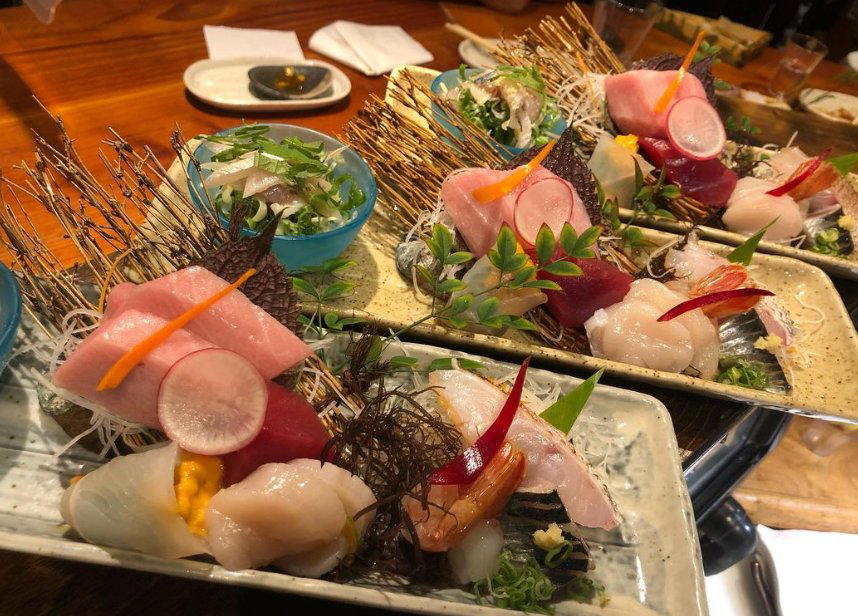
MW Restaurant's menu is rooted in modern Hawaiian cuisine, meaning dishes draw on local proteins, Pacific-sourced produce, and a technique vocabulary shaped by the island's Japanese, Chinese, and Portuguese culinary inheritances. The kitchen's offering evolves with season and availability. The restaurant's three-year consecutive presence on Opinionated About Dining's North America rankings, with a ranking of #294 in 2025, suggests that the menu represents the kitchen at its most considered. Chef Wade Ueoka's background in this tradition means the menu rewards guests who let the kitchen lead rather than building the meal around a single targeted dish.
The Essentials
Comparable venues nearby, for context on price, style, and recognition.
| Venue | Cuisine | Price | Notes |
|---|---|---|---|
| MW RestaurantThis venue — the venue you are viewing | Ala Moana, Modern Hawaiian Fusion | $$$$ | |
| Koko Head Cafe | Kihei, Modern Hawaiian Fusion Brunch | $$$$ | |
| Senia | $$$$ | Chinatown, Contemporary Hawaiian with Global Influences | |
| natuRe waikiki | Kapahulu, Sustainable Island French | $$$ | |
| Hy’s Steak House | Kapahulu, Classic Steakhouse | $$$$ | |
| Duc's Bistro | $$$ | Chinatown, Vietnamese-French Fusion Bistro |
At a Glance
- Modern
- Elegant
- Intimate
- Sophisticated
- Date Night
- Special Occasion
- Celebration
- Open Kitchen
- Hotel Restaurant
- Craft Cocktails
- Sake Program
- Local Sourcing
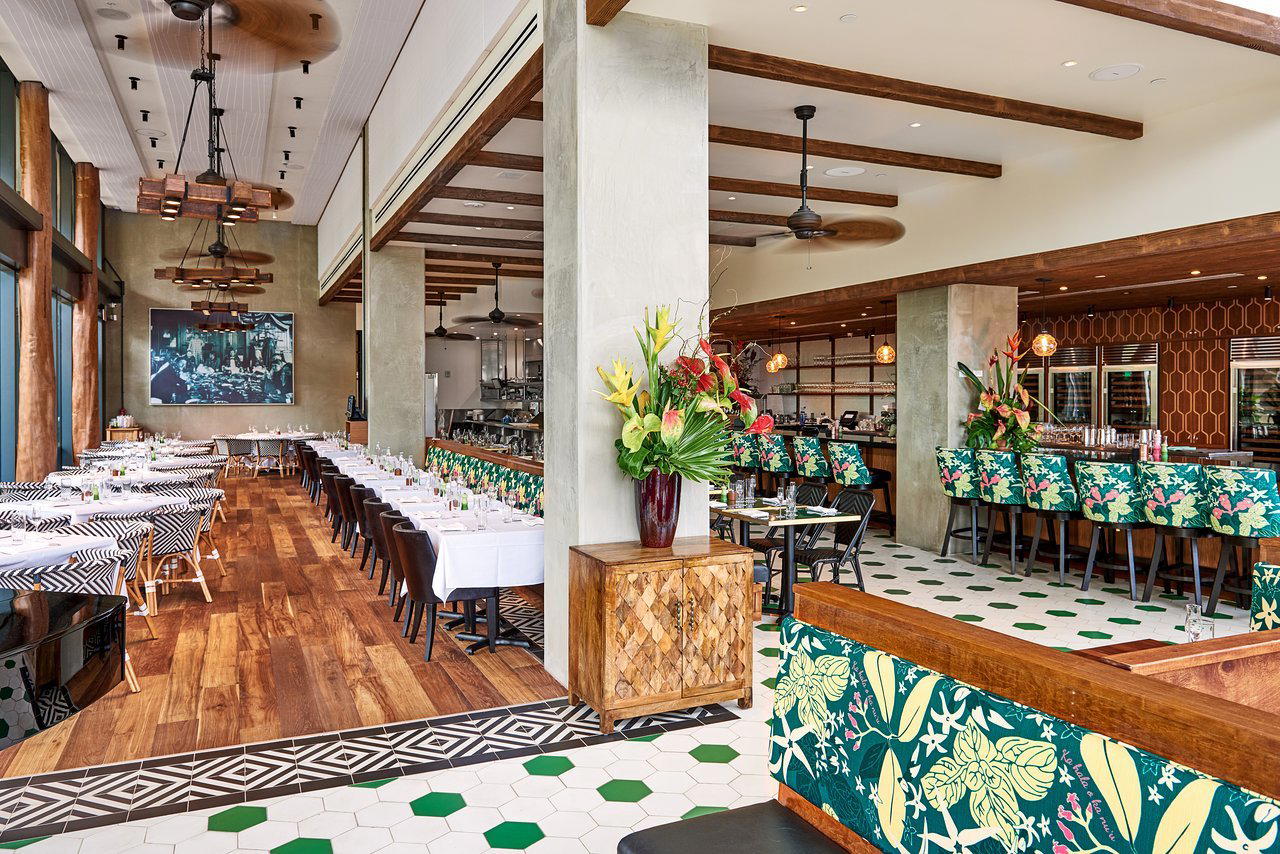
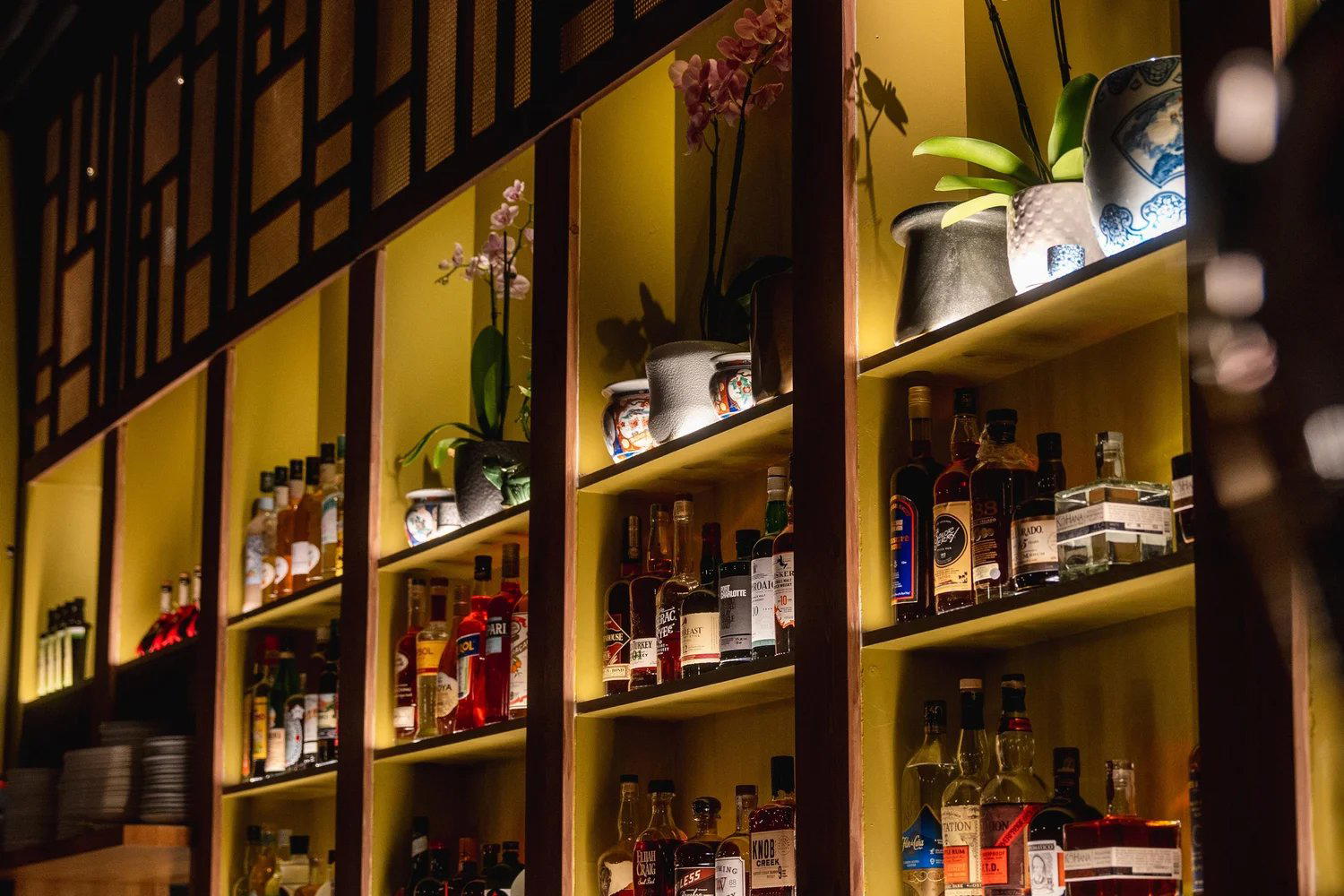
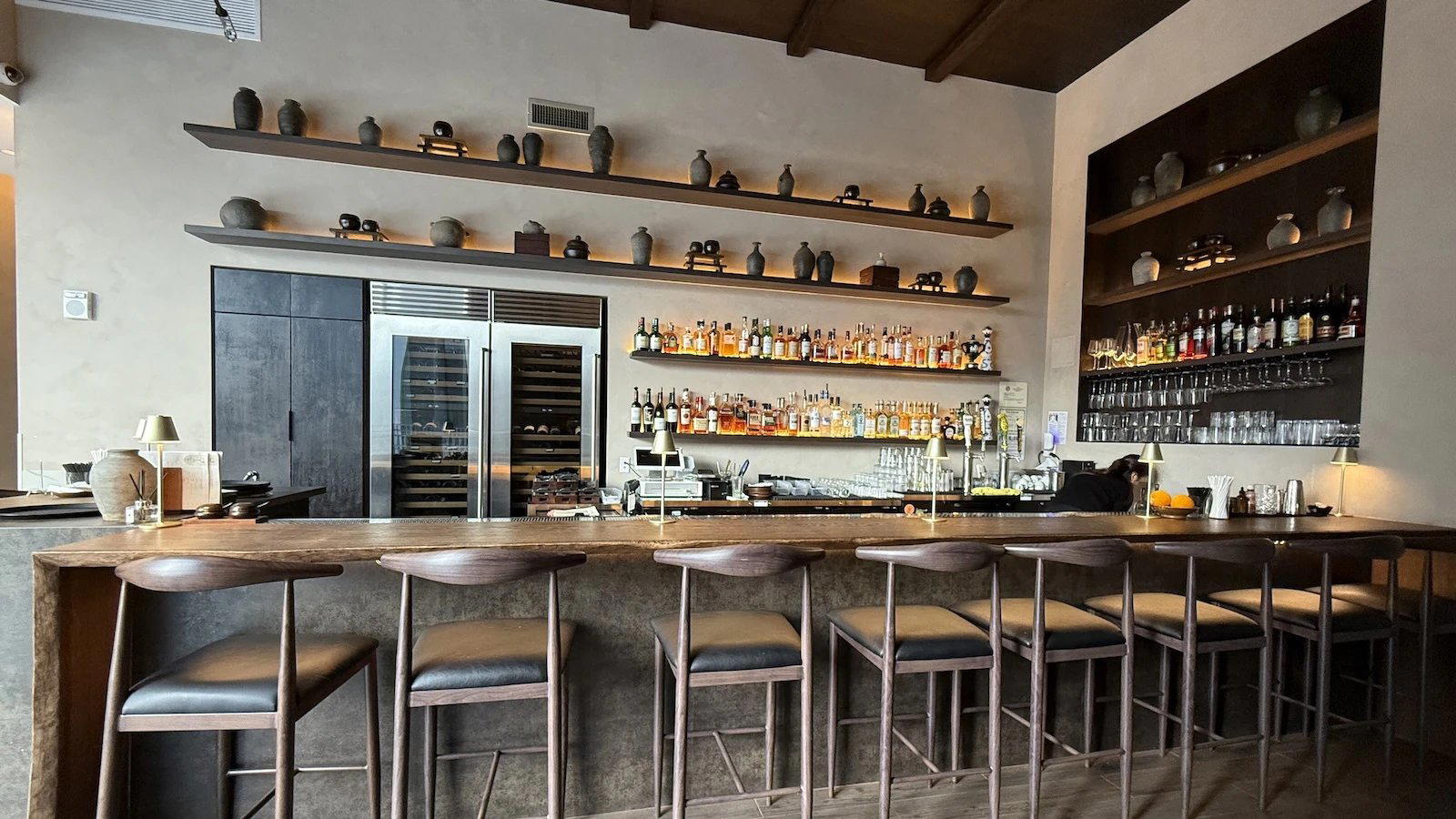
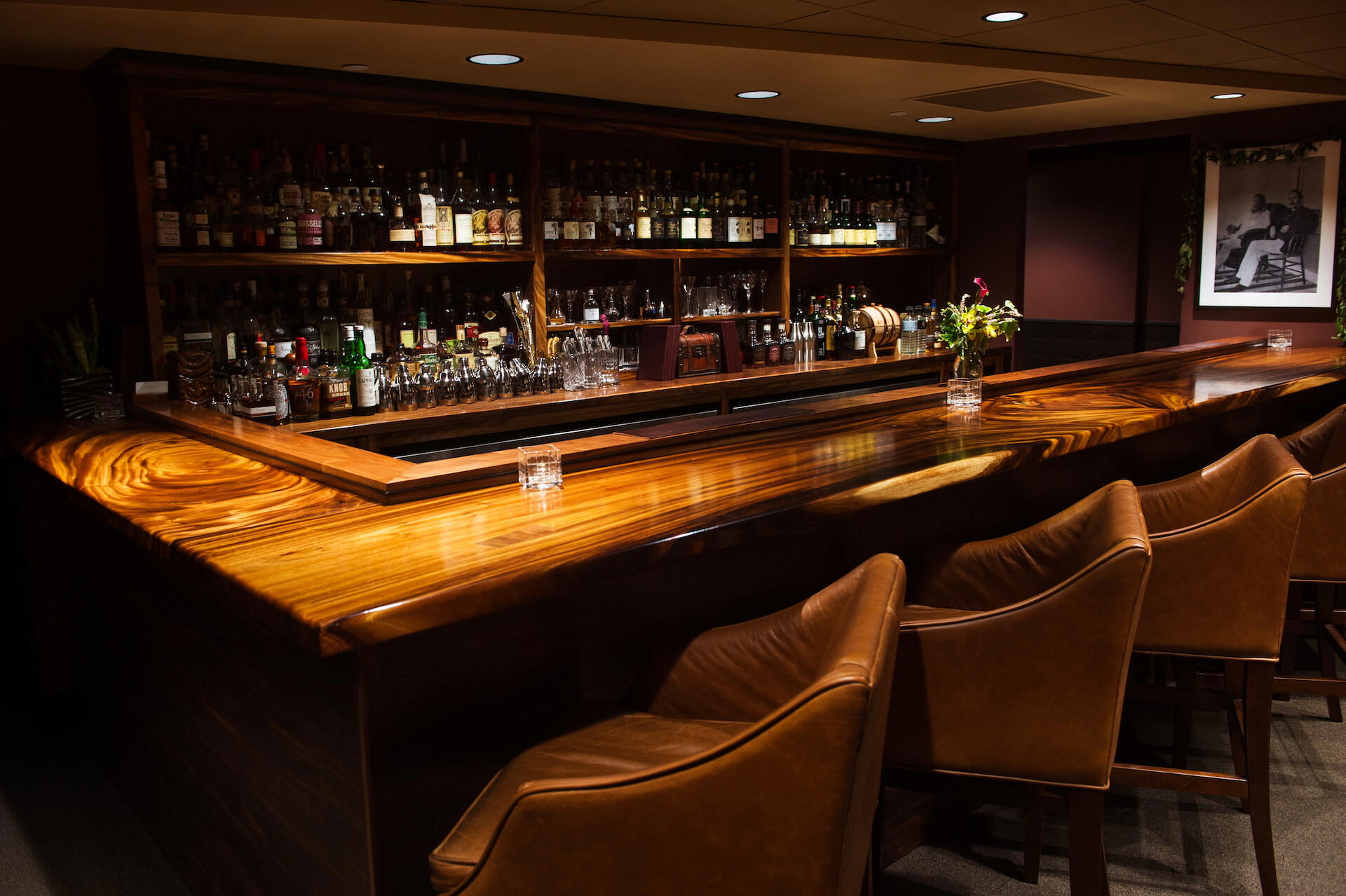
Inviting and warm with contemporary setting, open kitchen, and bright overhead lighting that could be dimmed for more upscale feel.