La Cucina Ristorante Italiano
Italian dining in Honolulu occupies a narrower lane than the city's dominant Pacific Rim and Japanese categories, and La Cucina Ristorante Italiano on Kapiolani Boulevard holds a position within that more focused niche. The address places it away from the tourist corridors of Waikiki, angling instead toward a local-facing clientele for whom Italian comfort food is a deliberate rather than default choice.
Pearl is the En Primeur Club membership app — saves, bookings, and concierge access live there. Same editors, same standards.
- Address
- 725 Kapiolani Blvd, Honolulu, HI 96813
- Phone
- +18085932626
- Website
- lacucinahawaii.com
- Directions
- Get directions
 Saves & bookings on Pearl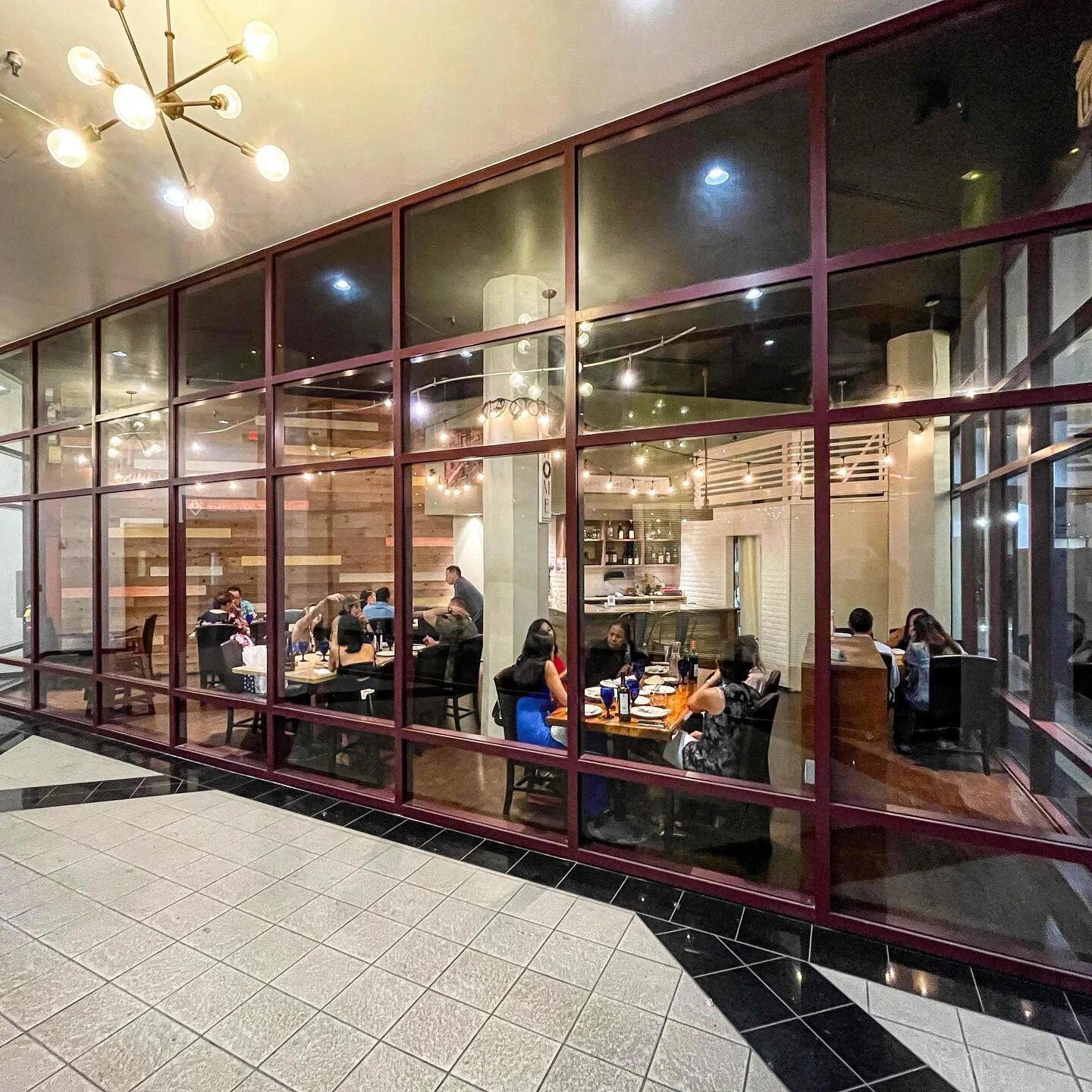
Italian Dining in Honolulu: Where La Cucina Sits in the City's Restaurant Map
Honolulu's restaurant scene is built predominantly around two gravitational pulls: the Pacific Rim traditions that chefs here have refined over several decades, and the Japanese culinary culture that arrived with waves of immigration and never left. Italian restaurants operate in a smaller, quieter corridor within that broader map. They compete less on novelty and more on consistency, and they earn loyalty through the kind of repetition that only works when a kitchen has its fundamentals in order. La Cucina Ristorante Italiano, at 725 Kapiolani Boulevard, occupies that corridor. The address itself signals something: Kapiolani runs parallel to Waikiki but draws a different crowd, one that tends toward longer-term residence in the city rather than hotel check-in and check-out rhythms.
The comparison venues active in Honolulu's Italian category include Fête (New American) and Arancino at The Kahala, the latter of which has carved a recognizable footprint through multiple outposts and a more polished hotel-adjacent positioning. La Cucina operates without that hotel affiliation, which shapes the expectations a diner brings through the door. Where hotel Italian restaurants often function as a safe default for guests unwilling to venture out, standalone Italian addresses have to earn their repeat visits through kitchen coherence and front-of-house reliability rather than captured foot traffic.
The Service Architecture: How a Room Runs When the Team Is Aligned
In any mid-to-upper Italian restaurant, the difference between a satisfying meal and a forgettable one is rarely the pasta itself. It is, more often, the coordination between the kitchen's pacing, the floor team's reading of the table, and whoever is steering the drinks program. These three roles, when aligned, produce a rhythm that feels effortless to the diner and is anything but effortless to execute. When they are misaligned, the result is the familiar experience of food arriving before the bread is finished, or a wine recommendation that misses the table's mood by some distance.
Italian cuisine is a useful stress test for this kind of team dynamic precisely because the food itself rarely disguises execution gaps. A risotto either has the right pull or it does not. A braise is either rested or it is tight. The kitchen's timing and the floor's ability to pace the room in response to it are visible in ways that more forgiving cuisines can sometimes obscure. This is one reason that Italian restaurants, across most price tiers, tend to either build a loyal base quickly or struggle to establish one at all. The margin for inconsistency is narrower than the menu's simplicity might suggest.
For a point of contrast, consider how this dynamic plays out at the highest tier of the American dining scene. Operations like The French Laundry in Napa or Le Bernardin in New York City have made the choreography between kitchen and floor an explicit part of what the guest is paying for. At Alinea in Chicago or Atomix in New York City, the service architecture is as deliberate as the menu composition. These are not directly comparable to a neighborhood Italian restaurant in Honolulu, but they illustrate the principle that service alignment is not a luxury concern reserved for tasting-menu formats. It matters at every price point, and Italian food in particular exposes when it is absent.
Kapiolani Boulevard and the Logic of the Location
The stretch of Kapiolani Boulevard where La Cucina sits belongs to a part of Honolulu that functions more as a working district than a destination one. It is not the resort corridor, and it is not the concentrated dining density of Chinatown or the Kaka'ako blocks where newer openings have clustered in recent years. That positioning is neither advantage nor disadvantage in any absolute sense; it simply determines the primary audience. Restaurants in this zone tend to draw office lunch traffic, nearby residents, and the kind of visitor who has done enough research to leave the hotel block entirely.
Honolulu's Italian options in this area operate without the same ambient foot traffic that benefits venues closer to Kalakaua Avenue. That changes the calculus of how a restaurant builds its audience. It also tends to produce a more consistent room: fewer first-timers, more repeat guests, and a service team that recognizes faces. For diners assessing the city's full spread, our full Honolulu restaurants guide maps the key categories and neighborhoods in more detail.
Italian in Hawaii: A Broader Context
Hawaii's food culture is genuinely plural in a way that few American states match. The plantation-era labor history brought Japanese, Filipino, Korean, Portuguese, and Chinese culinary traditions into sustained proximity, and the resulting local food culture is its own category. Italian has always sat at a slight remove from that core tradition, absorbed but not central. The restaurants that have built lasting Italian programs here tend to do so by finding a specific register and staying in it, whether that is the hotel-polished version that Arancino has pursued, or the neighborhood-facing model that a Kapiolani address suggests.
For diners interested in how Italian cuisine translates across different geographic and cultural contexts, there are instructive parallels elsewhere. 8 1/2 Otto e Mezzo Bombana in Hong Kong has demonstrated how Italian technique can hold its authority in a market with no native Italian dining tradition, earning Michelin recognition in the process. Closer to home, Providence in Los Angeles and Addison in San Diego show what happens when serious kitchens operate in Pacific-facing markets with diverse culinary competition. The question for any Italian restaurant in Honolulu is where it positions on that spectrum between comfort-focused neighborhood anchor and more ambitious program.
Other Honolulu restaurants that define the city's range include 3660 On the Rise, one of the longer-established fine dining addresses, and 53 By The Sea, which draws on its harbor setting. For a different register entirely, Ahaaina Luau and 855-ALOHA represent the cultural experience formats the city does well. Internationally, the operational ambition at places like Single Thread Farm in Healdsburg, Blue Hill at Stone Barns in Tarrytown, Lazy Bear in San Francisco, Emeril's in New Orleans, and The Inn at Little Washington illustrates the range of what serious American dining programs can look like when kitchen, service, and wine all pull in the same direction.
Planning Your Visit
La Cucina Ristorante Italiano is located at 725 Kapiolani Boulevard in Honolulu. Current hours, booking details, and menu pricing are best confirmed directly with the restaurant before visiting, as this information can shift seasonally. The Kapiolani address is accessible by car with parking available in the surrounding area, and it sits within reasonable distance of downtown Honolulu for anyone coming from that direction. For visitors staying in Waikiki, it is worth the short drive to reach a part of the city that operates on a less tourist-oriented rhythm.

At a Glance
- Intimate
- Cozy
- Classic
- Date Night
- Group Dining
- Special Occasion
- Open Kitchen
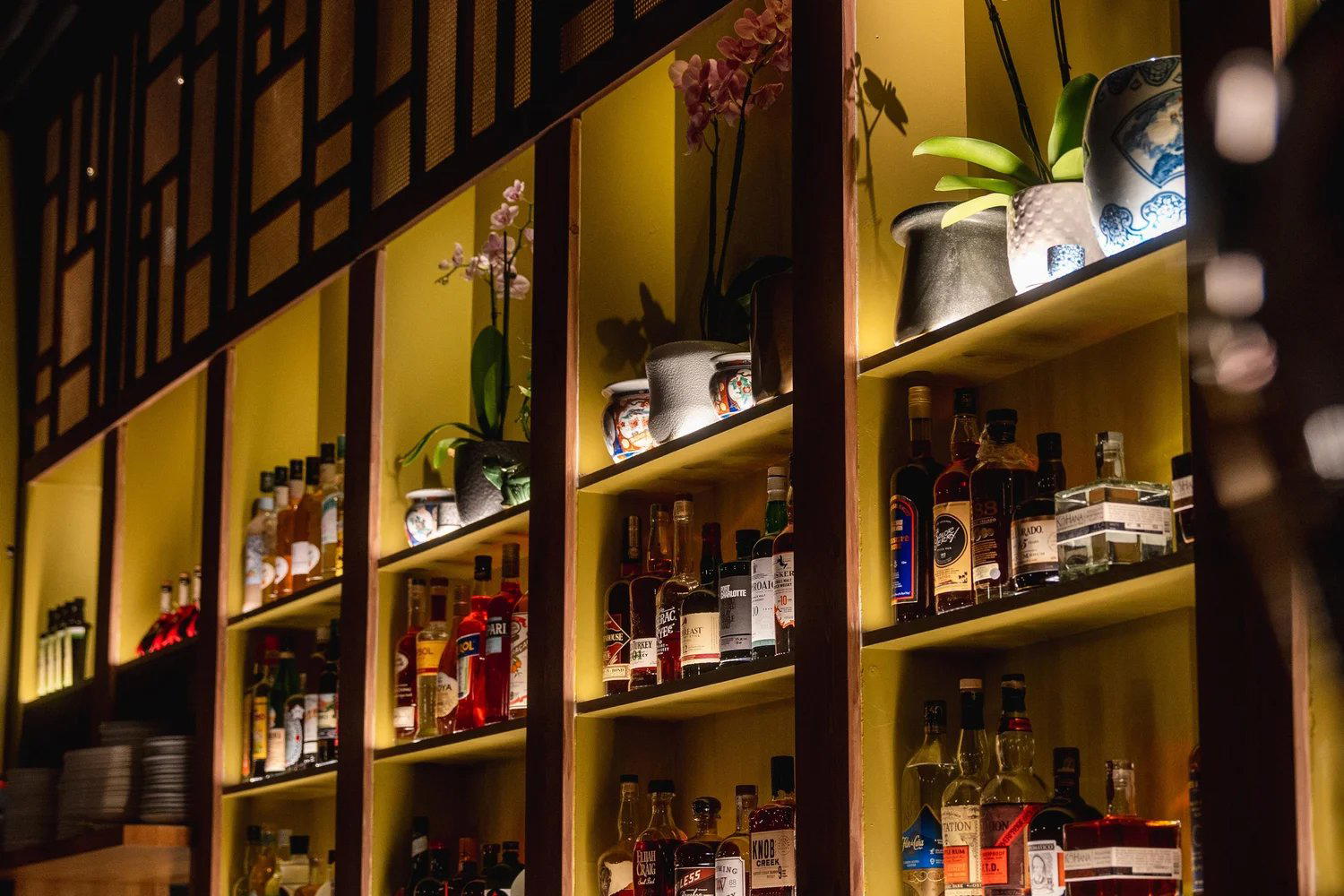
- Extensive Wine List
Current opening hours
- Monday
- Closed
- Tuesday
- 5:30–10 PM
- Wednesday
- 5:30–10 PM
- Thursday
- 5:45–10 PM
- Friday
- 5:30–10 PM
- Saturday
- 5:30–10 PM
- Sunday
- Closed
Hours can change for holidays and private events. Last verified .
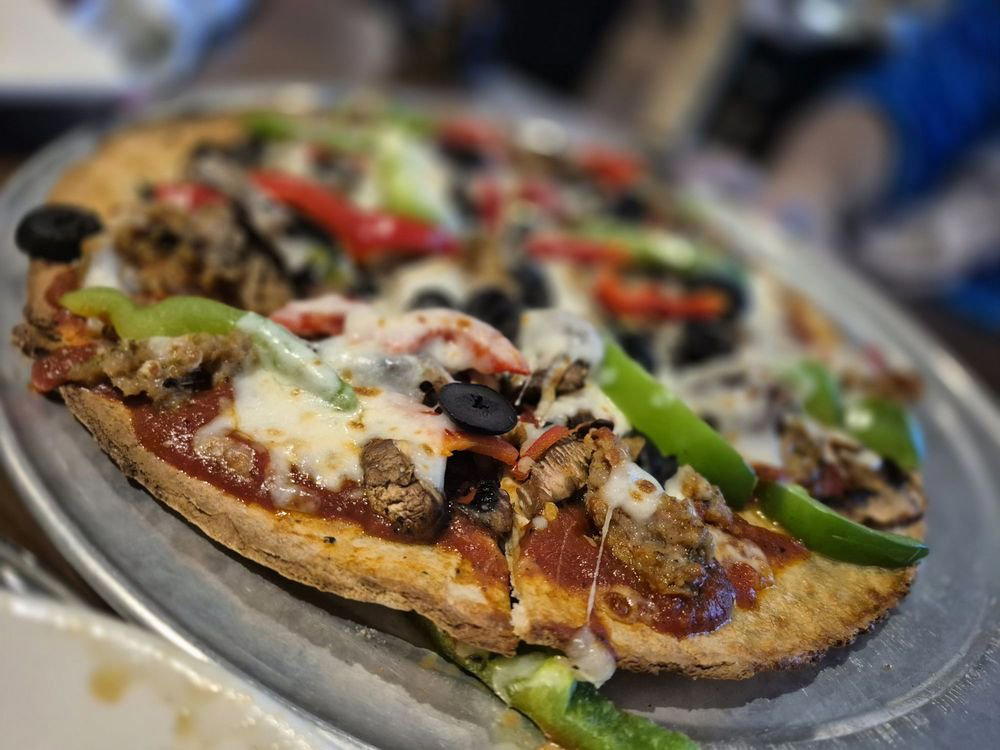
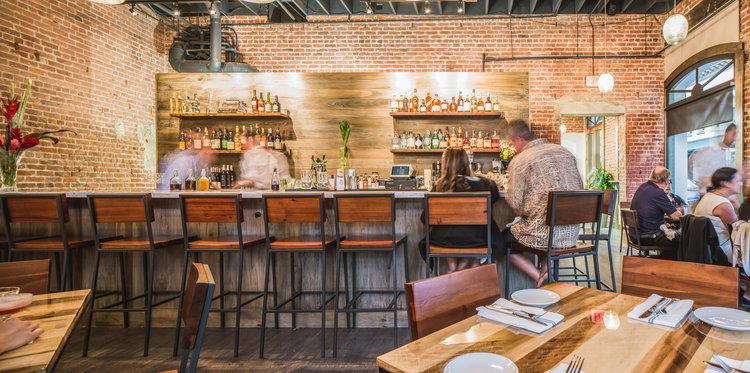
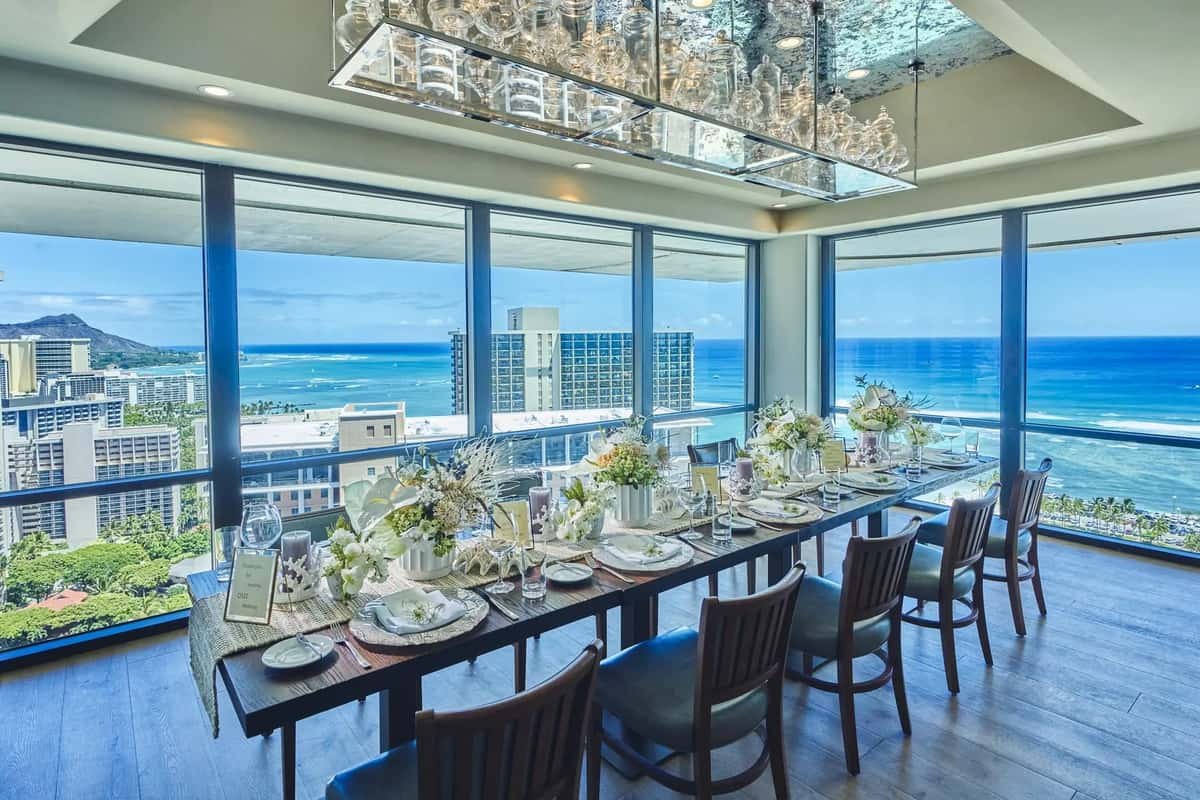
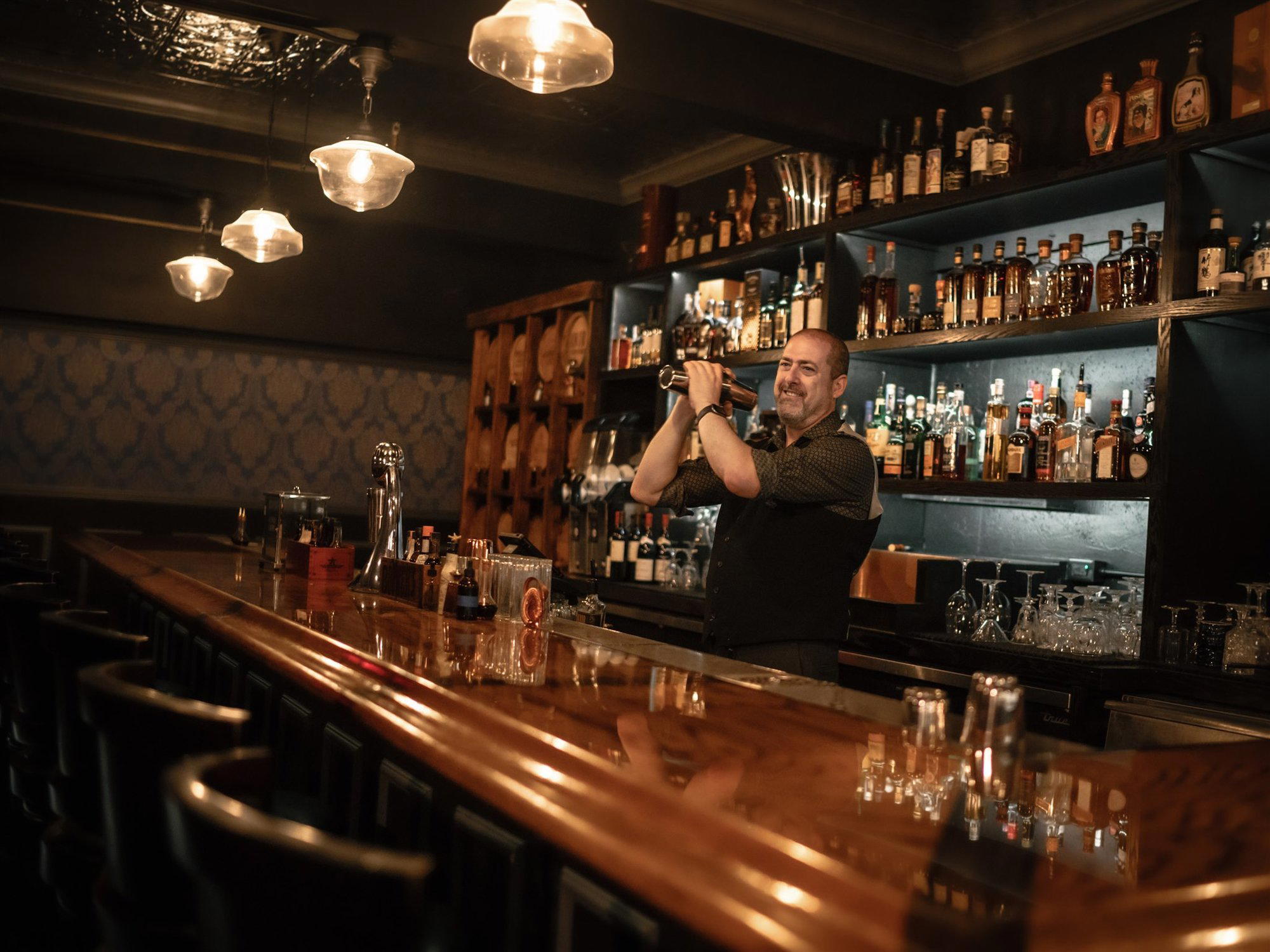
Intimate and crowded with warm, homestyle Italian atmosphere; lively when busy with groups.
Know Before You Go
- Getting there
- 725 Kapiolani Blvd, Honolulu, HI 96813