Vivendum


Vivendum occupies a quiet address on Vissersstraat in Dilsen-Stokkem, a small municipality in Belgium's Limburg province where the Maas valley sets the agricultural tone for what arrives on the plate. The kitchen draws on the sourcing traditions that define serious Flemish cooking at this level, placing it among the more considered dining options in the region. Booking ahead is advisable for this type of destination restaurant.
Pearl is the En Primeur Club membership app — saves, bookings, and concierge access live there. Same editors, same standards.
- Address
- Vissersstraat 2, 3650 Dilsen-Stokkem, Belgium
- Phone
- +3289572860
- Website
- restaurant-vivendum.com
- Directions
- Get directions
 Saves & bookings on Pearl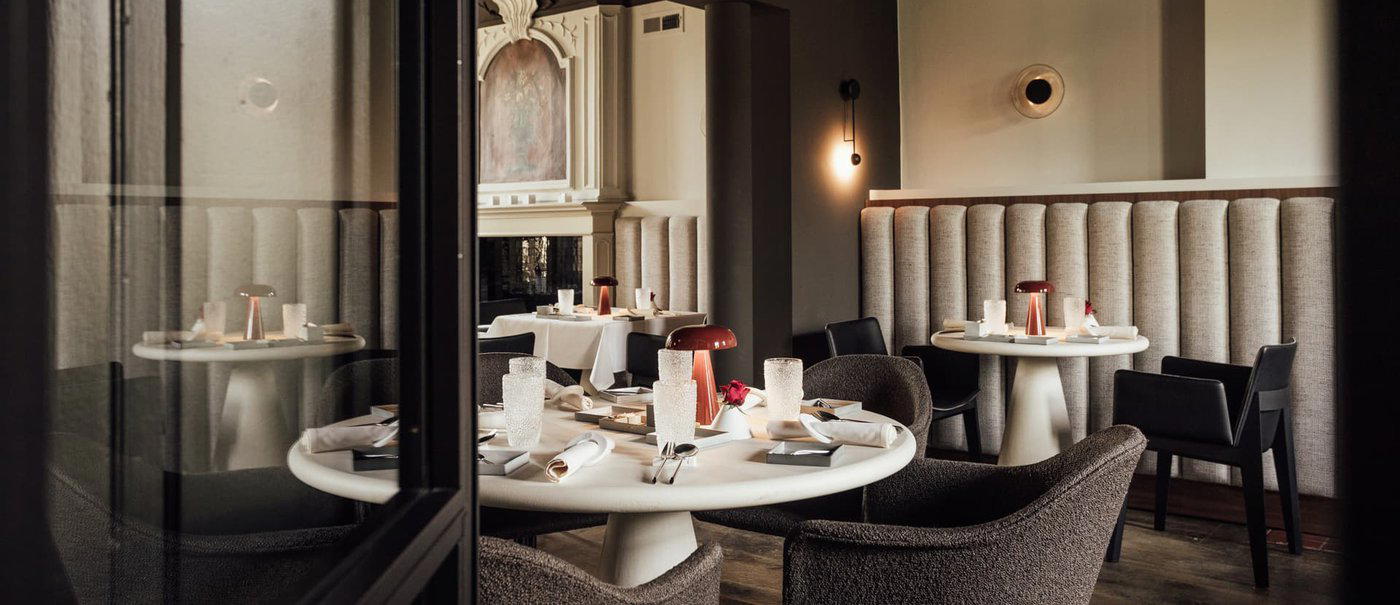
Where the Maas Valley Sets the Table
Dilsen-Stokkem sits in the eastern corner of Belgian Limburg, pressed against the Dutch border where the Maas river flattens the land into polders and market gardens. The town is not a dining destination in the way Antwerp or Ghent are, but that is partly the point. Restaurants that establish themselves in smaller Flemish municipalities at a serious level tend to do so because the sourcing conditions justify the location, not despite it. The surrounding countryside here produces the kind of primary ingredients — waterland vegetables, river-adjacent herbs, regional livestock — that kitchens in cities often have to import. Vivendum, at Vissersstraat 2, occupies that logic directly.
Arriving in this part of Limburg, the shift from urban restaurant culture is immediate. There is no neighbourhood foot traffic, no strip of competing tables to contextualise the choice. The address functions as a destination in itself, which places particular pressure on what happens once you sit down. That dynamic is familiar across Belgian fine dining outside the major cities: venues like Willem Hiele in Oudenburg and Bartholomeus in Heist have built reputations precisely by treating their rural or coastal removal as an asset rather than a limitation, anchoring menus to what the immediate environment produces.
Ingredient Sourcing as Editorial Position
Belgian serious cooking at the €€€€ tier has increasingly split between two sourcing philosophies. One imports freely from European luxury suppliers, Breton langoustines, Alba truffle, Spanish Joselito, and assembles them through technical precision. The other uses proximity as a constraint and a discipline, building menus around what the regional landscape produces and treating substitution as a failure of creativity. The distinction matters because it shapes not just what appears on the plate but why the kitchen exists where it does.
Limburg's agricultural character gives a kitchen in Dilsen-Stokkem access to ingredients that most Belgian restaurants further west or in urban centres would treat as specialty sourcing. The Maas corridor is known for asparagus cultivation, stone fruit orchards, and the kind of small-scale livestock farming that has largely disappeared from more intensively developed provinces. A kitchen anchored to that supply chain is making a statement about place that goes beyond local-menu marketing. It is committing to a seasonal rhythm that cannot be easily adjusted when a supplier has a poor harvest or a species is out of season. That commitment is what separates genuine sourcing-led kitchens from those that mention the farm name in the menu copy without altering their procurement model when the farm underperforms.
This sourcing approach connects Vivendum to a broader tradition in Flemish cooking. Venues such as De Jonkman in Sint-Kruis, Castor in Beveren, and La Durée in Izegem have built their identities around the tension between regional raw material and contemporary kitchen technique. In each case, the location is not incidental: it is the argument.
The Competitive Context in Flemish Fine Dining
Belgium punches well above its size in serious restaurant culture. The concentration of Michelin-starred kitchens per capita is among the highest in Europe, and the Flemish tradition in particular has produced a cluster of technically rigorous, ingredient-focused restaurants that benchmark against the leading in France and Scandinavia. Hof van Cleve in Kruishoutem and Boury in Roeselare sit at the upper tier of that tradition, while Zilte in Antwerp represents the urban pole. A restaurant in Dilsen-Stokkem operating at this level enters that conversation whether it intends to or not.
The broader Belgian scene also includes notable addresses in Wallonia and Brussels, Bozar Restaurant in Brussels, L'air du temps in Liernu, d'Eugénie à Emilie in Baudour, and La Table de Maxime in Our, that reflect the French-inflected culinary tradition of the south. Flemish kitchens in Limburg occupy a different register: closer to Dutch agricultural pragmatism in their sourcing relationships, but with the technical ambition of the broader Belgian fine dining culture. Internationally, that discipline finds parallels in kitchens like Le Bernardin in New York City and Atomix in New York City, where sourcing rigour and technical execution operate as co-equal commitments rather than one serving the other.
Dining in Dilsen-Stokkem: What to Expect
For visitors approaching from Hasselt or Maastricht, Dilsen-Stokkem requires a deliberate drive through increasingly rural Limburg. The municipality has a population under twenty thousand, and Vissersstraat is a quiet residential address. The physical experience of arriving here is not the preamble of a city restaurant, where the walk from the taxi or the energy of a neighbourhood prepares you. It is quieter and more self-contained, which rewards guests who have made the trip with intent rather than those filling a casual evening.
Within Dilsen-Stokkem itself, 't Pure Genot and De Poorterij represent the local dining context, and the full picture of what the town offers is mapped in our full Dilsen-Stokkem restaurants guide. Vivendum sits within that local scene but operates at a different register of ambition, more aligned with the destination-dining tier than the neighbourhood bistro category.
Practical planning for a visit here follows the standard logic for serious Belgian restaurants outside the cities: book in advance, confirm by phone or email as most smaller venues in this tier do not maintain live online reservation systems, and treat the evening as a full commitment rather than one stop in a broader itinerary. Driving is the realistic access mode from most Belgian cities; the E314 motorway connects Hasselt to Dilsen-Stokkem in under thirty minutes.
Planning Your Visit
Given the venue's location and the regional sourcing model that defines this type of Limburg kitchen, seasonal timing matters more here than at city restaurants with broader supplier networks. Spring and early summer align with the Maas corridor's strongest produce season, including the white asparagus cultivation for which Limburg is known across Belgium. Autumn brings a different set of regional materials. Arriving with that seasonal context in mind will calibrate expectations for what the kitchen is working with at any given time.
Side-by-Side Snapshot
| Venue | Cuisine | Price | Awards |
|---|---|---|---|
| VivendumThis venue — the venue you are viewing | This venue | €€€ | Not listed |
| Boury | Modern Frlemish, Creative French | €€€€ | Michelin 3 Star |
| Comme chez Soi | French - Belgian, Classic Cuisine | €€€€ | Michelin 1 Star |
| Castor | Modern European, Modern French | €€€€ | Michelin 2 Star |
| De Jonkman | Modern Flemish, Creative | €€€€ | Michelin 2 Star |
| L'air du temps | French - Asian, Creative | €€€€ | Michelin 2 Star |
Recognition history
Dated appearances from independent guides and award organizations, with the underlying list record or original source where available.
Michelin 1 Star
Michelin
Michelin 1 Star
Michelin
We're Smart World 4 Radishes
We're Smart World
Michelin 1 Star
Michelin
Continue exploring
More in Dilsen-Stokkem
Restaurants in Dilsen-Stokkem
Browse all →
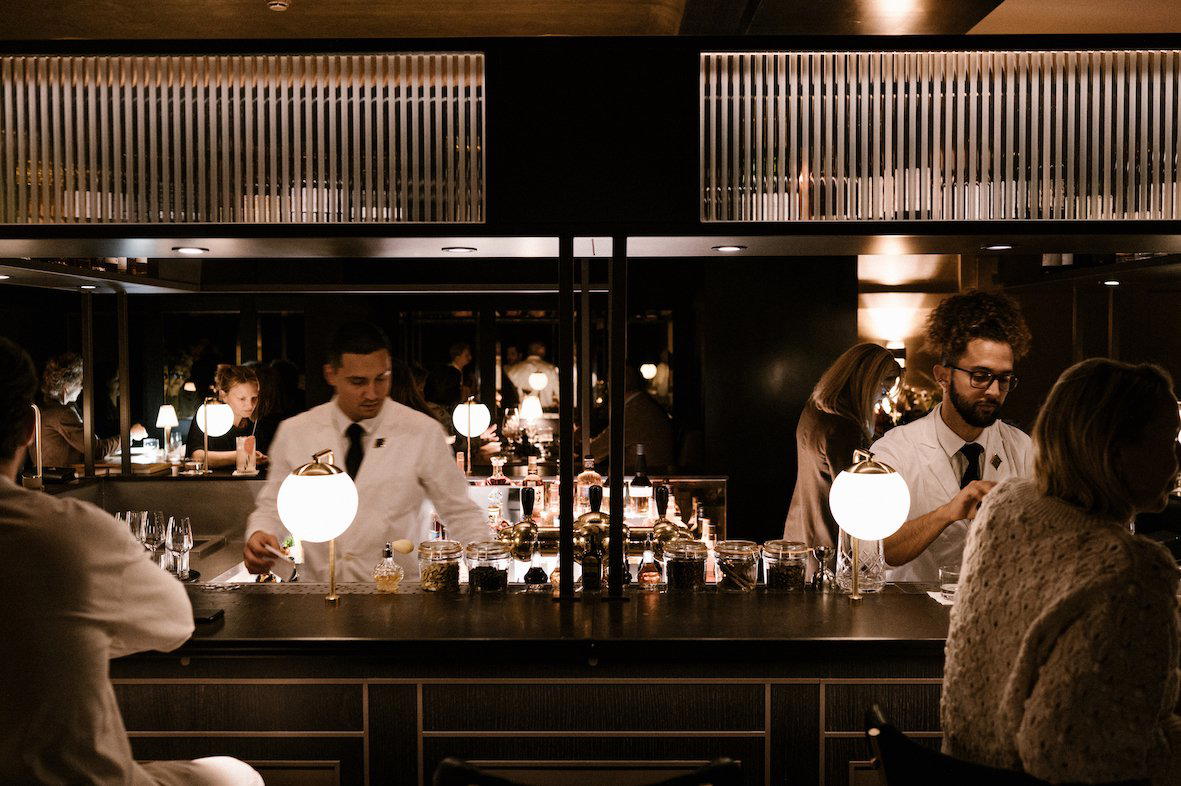
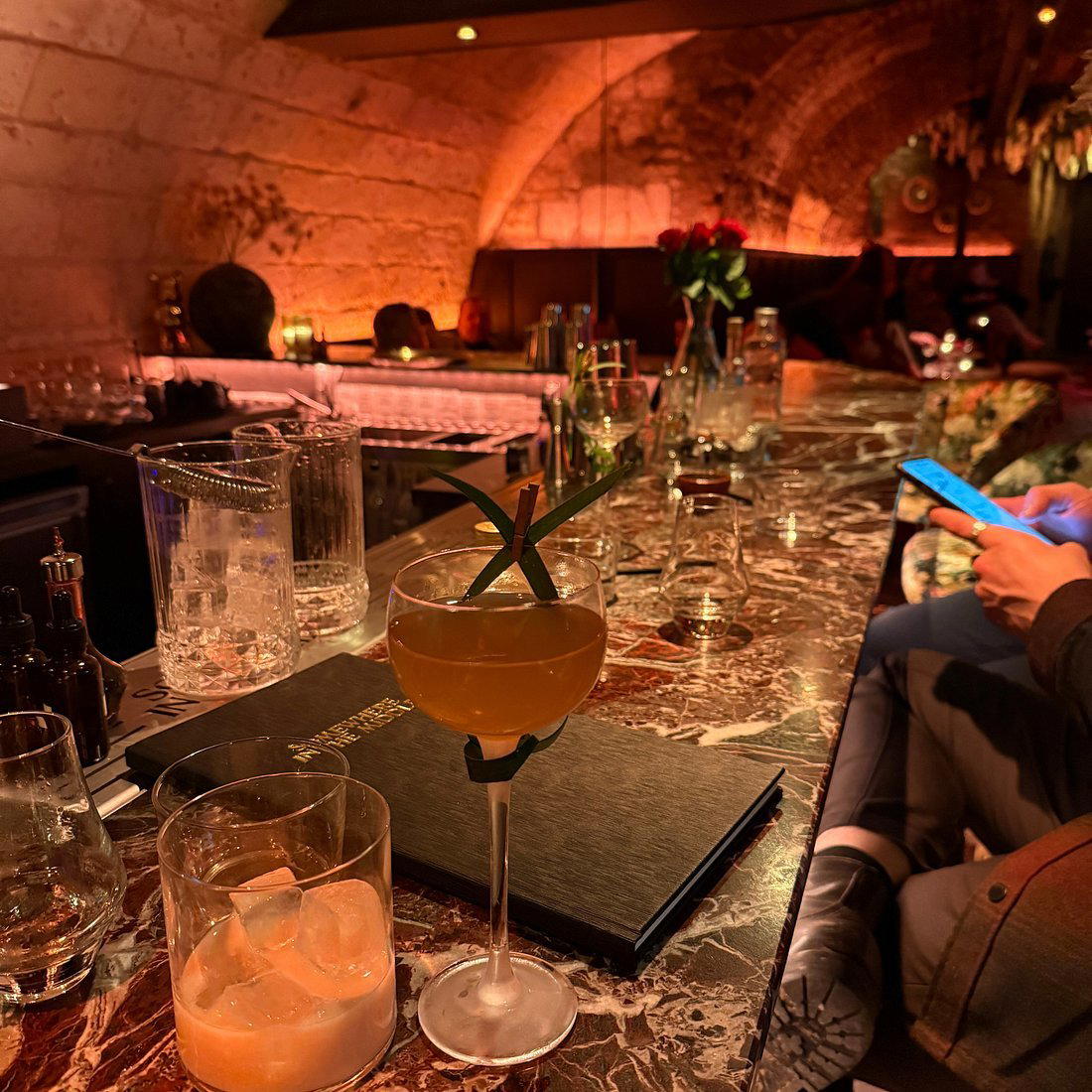
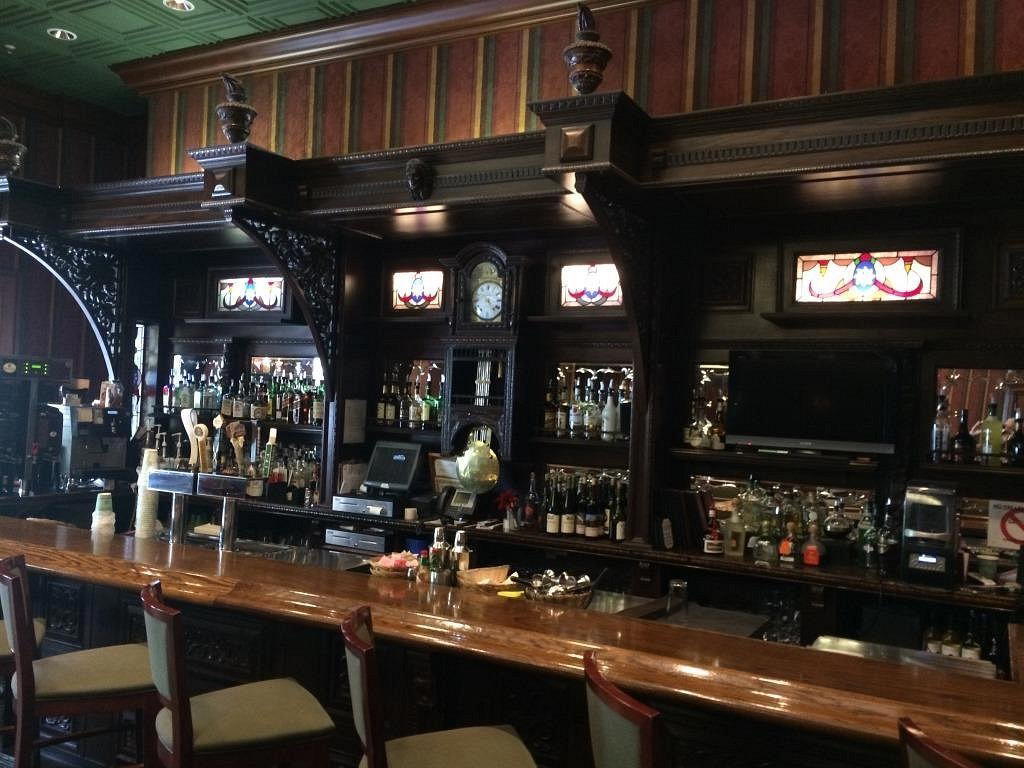
Bars in Dilsen-Stokkem
Browse all →
Hotels in Dilsen-Stokkem
Browse all →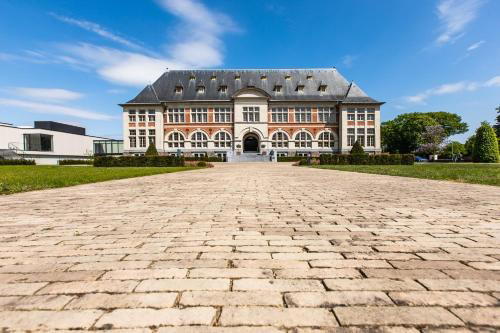
Wineries in Dilsen-Stokkem
Browse all →
At a Glance
- Elegant
- Cozy
- Intimate
- Sophisticated
- Date Night
- Special Occasion
- Business Dinner
- Private Dining
- Terrace
- Historic Building
- Extensive Wine List
- Sommelier Led
- Waterfront
- Garden
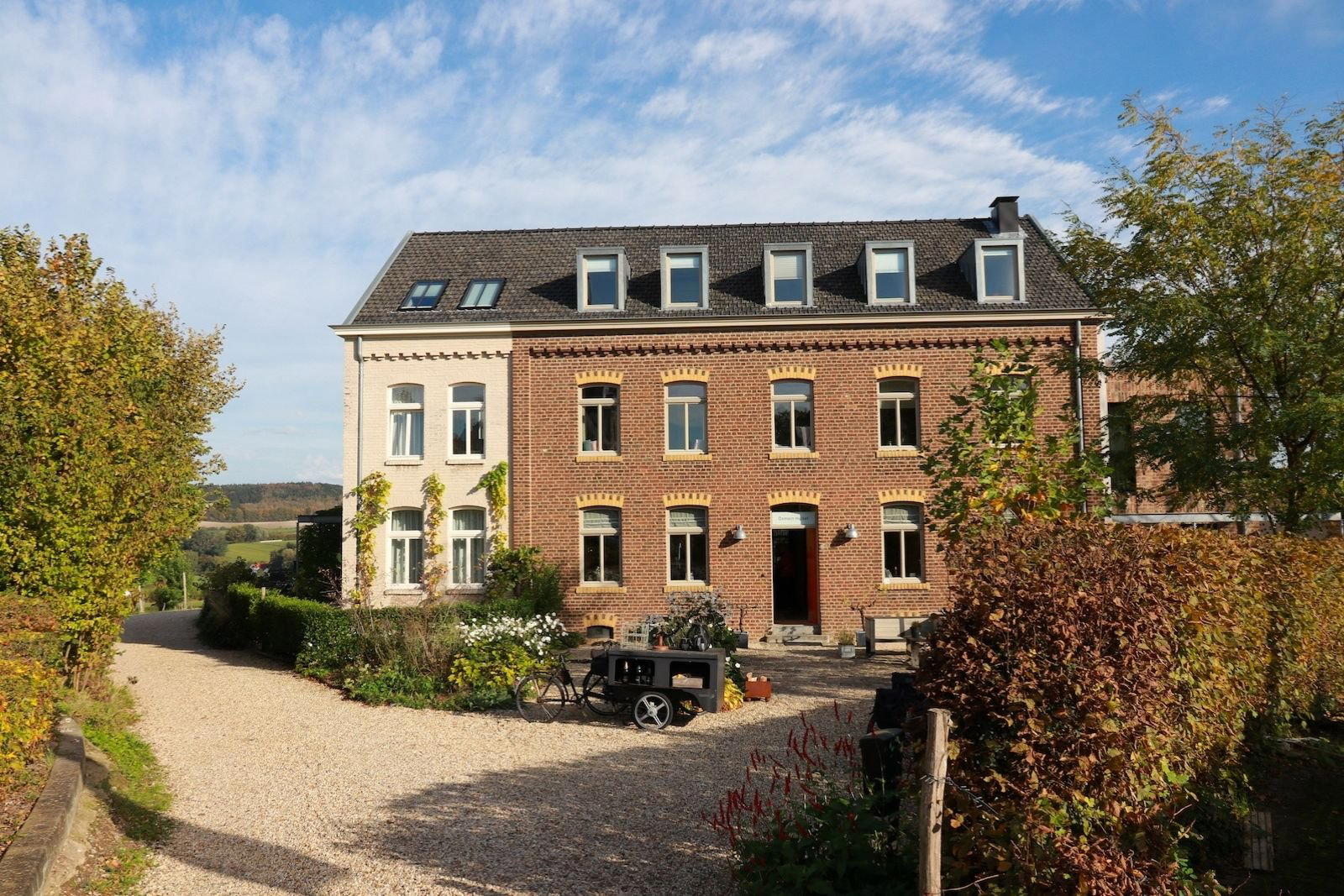
Warm and elegant atmosphere in a modernized historic building with cozy interiors and peaceful rural setting.
Know Before You Go
- Getting there
- Vissersstraat 2, 3650 Dilsen-Stokkem, Belgium