La Esquina Peruana sits in Madrid's Arganzuela district, where a steady wave of South American cooking has found an audience willing to look beyond the city's Castilian defaults. The kitchen works within the Peruvian tradition — ceviche, causas, tiraditos — at a price point that positions it well below the capital's fine-dining tier, making it one of the more accessible entry points into the city's growing Latin American dining scene.
Pearl is the En Primeur Club membership app — saves, bookings, and concierge access live there. Same editors, same standards.
- Address
- C. de Manzanares, 2A, Arganzuela, 28005 Madrid, Spain
- Phone
- +34674427445
- Website
- laesquinaperuana.es
- Directions
- Get directions
 Saves & bookings on Pearl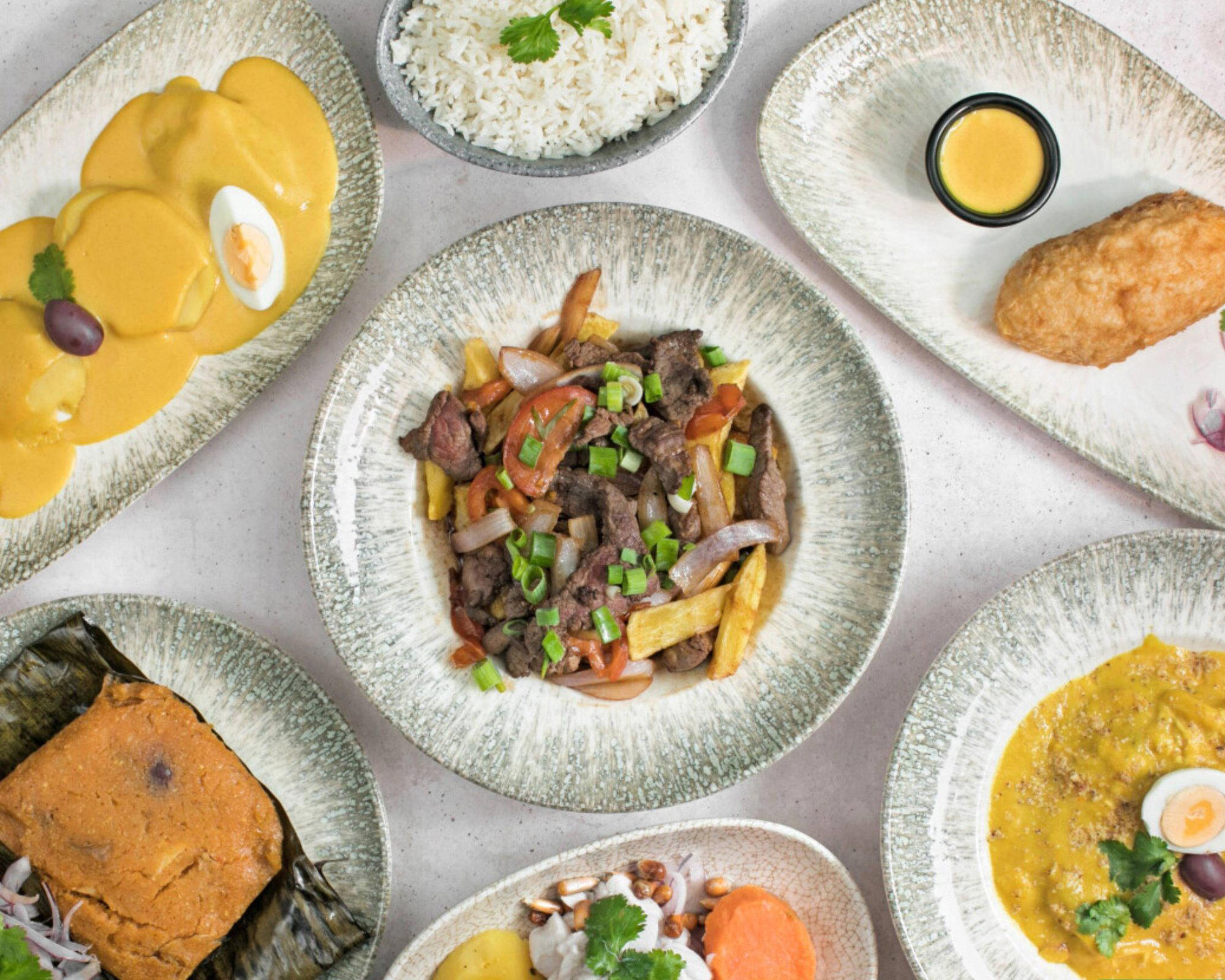
Arganzuela's Quiet Bet on South American Cooking
Madrid's relationship with Peruvian food has deepened steadily over the past decade, tracking a broader European shift in which Lima's culinary export — ceviche, leche de tigre, tiradito, causa — has moved from specialty niche to mainstream dining category. That shift is most visible not in the city's high-design restaurant corridors around Salamanca or Justicia, but in neighbourhoods like Arganzuela, a largely residential district south of the Manzanares river where the cooking tends to run more direct and the rooms less curated. La Esquina Peruana, at Calle de Manzanares 2A, sits exactly in that register.
The address puts it close to the Puente de Toledo and within reach of the Legazpi metro stop, a location that works against the instincts of visitors who route their dining entirely through the tourist centre. That relative remove from the Huertas-to-Gran Vía corridor is part of what defines the experience here. The clientele skews local, the room functions at neighbourhood pace, and the kitchen operates without the pressure to perform for international food media. In a city where the leading tables, DiverXO, Coque, Deessa, compete on an entirely different axis of ambition and price, places like La Esquina Peruana serve a different function: they anchor a neighbourhood's day-to-day dining culture and provide an accessible point of entry into a cuisine that rewards familiarity.
What Peruvian Cooking Looks Like at Street Level in Madrid
Lima's cuisine has attracted more international attention than almost any other South American culinary tradition over the past fifteen years, driven partly by the global press around restaurants like Central and Maido, and partly by the cuisine's inherent versatility, raw fish preparations that suit European palates, potato-based dishes with deep pre-Columbian roots, and a Chinese-Peruvian hybrid strand (chifa) that adds further range. Madrid's Peruvian restaurants sit across a wide quality spectrum, from large-format operations with full ceviche bars to smaller neighbourhood spots that concentrate on a tighter set of dishes. La Esquina Peruana falls into the latter category.
At this level of the market, the kitchen's value is in its consistency with the core preparations. Ceviche depends on acid balance and the quality of the fish; tiradito on knife technique and the freshness of the leche de tigre base; causa on the temperature and texture of the potato. These are not technically complex dishes by the standards of the Michelin-starred tier, DSTAgE or Paco Roncero operate in a different register entirely, but they are dishes that punish inattention. The cuisine's apparent simplicity is the discipline.
For context on how Peruvian cooking fits into Spain's broader dining culture: Spain has its own powerful regional traditions, the Basque country's Arzak and Mugaritz, Catalonia's El Celler de Can Roca and Cocina Hermanos Torres, Andalusia's Aponiente, that dominate the country's fine-dining conversation. Peruvian cooking enters that ecosystem not by competing at the top of the prestige ladder but by carving out a distinct identity rooted in diaspora, in Lima's own culinary confidence, and in a set of flavour profiles that Spanish palates have embraced more readily than most European markets. Madrid, with one of the largest South American communities in Europe, has been the natural home for that crossover.
The Arganzuela Context
Understanding where La Esquina Peruana sits geographically matters for setting expectations. Arganzuela is not a dining destination in the way Malasaña or Lavapiés are. It does not attract the same concentration of food press attention or weekend-evening visitor traffic. What it does offer is a functioning neighbourhood restaurant culture: spots that open for lunch service, keep reasonable hours, price against the local wage rather than tourist spending power, and prioritise repeat custom over first-impression theatre.
That context shapes the experience at La Esquina Peruana more than any individual dish or room detail. Visitors making the trip from the centre should expect a room that reads as local rather than destination, service calibrated to regulars, and food that fits within the everyday Peruvian-Madrileño register rather than the premium interpretation. For comparison, the refined end of Lima-influenced cooking in European capitals, think London's Coya or similar, operates at a price and presentation tier that La Esquina Peruana does not attempt to occupy. This is neighbourhood Peruvian, and that framing is what makes it function well on its own terms.
Madrid's broader dining map extends well beyond the capital. Travellers with time to move around Spain should consider Azurmendi in Larrabetzu, Martin Berasategui in Lasarte-Oria, Quique Dacosta in Dénia, Ricard Camarena in València, and Atrio in Cáceres as part of a wider itinerary. For international comparison on how immigrant-rooted cooking operates at the prestige end of the market, Atomix in New York City and Le Bernardin in New York City represent how different cuisine traditions can achieve critical standing in a foreign city, a trajectory that Peruvian cooking in Madrid has not yet replicated at the top tier, though the groundwork is clearly in place. See our full Madrid restaurants guide for a complete picture of the capital's dining range.
Planning Your Visit
Address: C. de Manzanares, 2A, Arganzuela, 28005 Madrid, Spain. Getting There: Legazpi metro station (Line 3 and Line 6) is the nearest stop; the walk is short and direct. Dress: Casual; this is a neighbourhood room and dress expectations reflect that. Ideal time to visit: Peruvian kitchens in Madrid tend to be busiest at weekend lunch service; a weekday visit offers a more settled pace.
How La Esquina Peruana Madrid compares with similar nearby venues.
| Venue | Cuisine | Price |
|---|---|---|
| Corral de la Morería | Modern Spanish | €€€ |
Continue exploring
More in Madrid
Restaurants in Madrid
Browse all →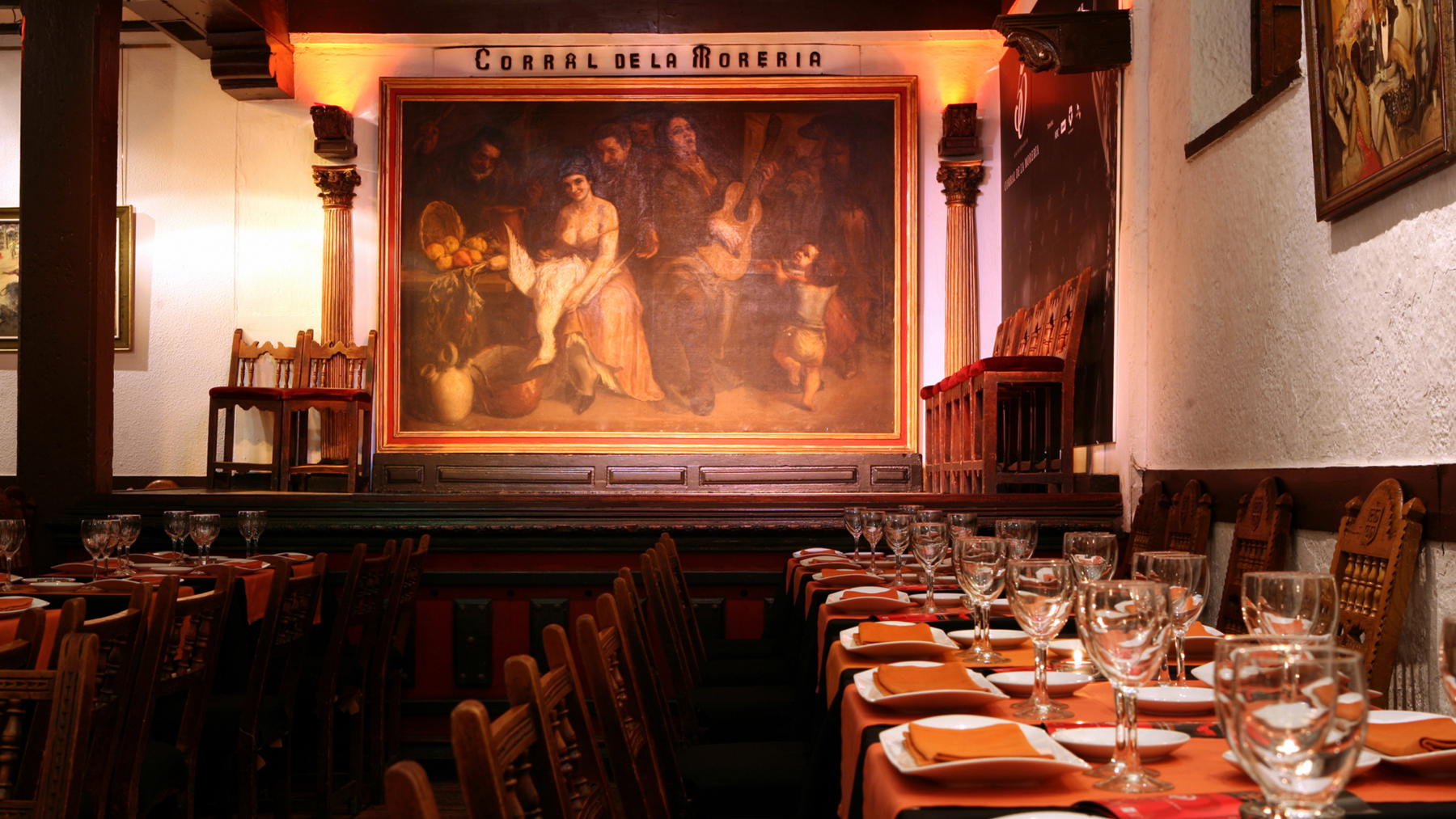
Bars in Madrid
Browse all →
Hotels in Madrid
Browse all →


At a Glance
- Cozy
- Casual Hangout
- Date Night
- Open Kitchen
- Craft Cocktails
Current opening hours
- Monday
- 8 AM–12 AM
- Tuesday
- 8 AM–12 AM
- Wednesday
- 8 AM–12 AM
- Thursday
- 8 AM–12 AM
- Friday
- 8 AM–12 AM
- Saturday
- 9:30 AM–12 AM
- Sunday
- 9:30 AM–12 AM
Hours can change for holidays and private events. Last verified .
Know Before You Go
- Getting there
- C. de Manzanares, 2A, Arganzuela, 28005 Madrid, Spain