Our verdict
On a side street off Madrid's Huertas quarter, Awki Nikkei works the culinary intersection that has defined Lima's restaurant scene for a century: Japanese technique applied to Peruvian ingredients and coastal traditions. The format sits closer to a focused tasting experience than a casual drop-in, and the address on Calle del Príncipe puts it within walking distance of the city's most concentrated stretch of serious dining.

Pearl is the En Primeur Club membership app — saves, bookings, and concierge access live there. Same editors, same standards.
- Address
- C. del Príncipe, 5, Centro, 28012 Madrid, Spain
- Phone
- +34600648475
- Hours
- Mon 1:30–10:30 PMTue ClosedWed–Thu 1–11:30 PMFri–Sat 1 PM–12 AMSun 1:30–11 PM
- Website
- awkimadrid.com
- Directions
- Get directions
- Booking
- Book on the venue's website
The menu
What to order
- Ceviche
- Leche de tigre
- Ají de gallina
- Tiraditos
Where Two Coastal Traditions Meet on Calle del Príncipe
Madrid's Centro district has spent the past decade absorbing formats that arrive fully formed from elsewhere: the omakase counter, the natural wine bar, the tasting menu built around a single protein. Nikkei cuisine, the fusion of Japanese technique with Peruvian ingredients that took root in Lima's Miraflores neighbourhood over a century ago, fits that pattern precisely. It did not originate here. It arrived with a set of rules, rituals, and reference points already intact, and the city's job is to provide an audience that knows how to receive it. On Calle del Príncipe 5, Awki Nikkei makes that case in the middle of one of Madrid's most walkable cultural corridors.
The address matters more than it might first appear. The Huertas area, stretching from the Paseo del Prado toward the Teatro Español, carries a concentration of independent restaurants that sits apart from the trophy-table circuit of Castellana and Salamanca. It is not a neighbourhood built around a single headliner. Madrid's three-Michelin-star bracket is represented across the city by addresses like DiverXO, Coque, Deessa, and DSTAgE, each in its own quarter, drawing destination diners with clear intent. Huertas draws a different kind of guest: someone already in the neighbourhood, curious about format, willing to sit at a focused counter or a small table and let the kitchen set the tempo.
The Logic of Nikkei as a Dining Ritual
To understand what Awki Nikkei is doing, it helps to understand what Nikkei cuisine is as a category. The term describes the cooking that evolved among Japanese immigrant communities in Peru from the late nineteenth century onward, particularly in Lima. Japanese knife work, the structural primacy of raw fish, and the habit of building flavour through restraint collided with Peruvian citrus, the heat of ají amarillo, the funk of leche de tigre, and the textural tradition of ceviche. The result was not fusion in the contemporary, hybridised sense. It was a new kitchen logic, with its own grammar.
That grammar has a specific effect on how a meal paces itself. Where a traditional Peruvian spread moves outward from ceviche to larger, warmer preparations, and where a Japanese omakase moves through a strict sequence of temperature and texture, Nikkei occupies a middle position: cold, acid-forward starters that share sashimi's precision, then warmer dishes where Peruvian spice and soy-based marinades accumulate. The meal at a well-run Nikkei table tends to build through umami rather than through richness, which makes it a format that rewards patience. You eat in stages, and the stages are meant to be read as a progression, not as a series of independent plates.
That pacing discipline is worth holding in mind before you sit down. Nikkei service at its most considered treats the sequence as fixed, or nearly so. Asking to rearrange the order of dishes or to rush a course does not match the format's underlying logic, in the same way that asking to skip the rice at an omakase counter disrupts the intended resolution of the meal. At a room like Awki Nikkei, the right posture is to follow the kitchen's arc.
Madrid's Place in Spain's Wider Dining Conversation
Madrid's restaurant conversation in the mid-2020s is complicated by geography. Spain's most decorated tables are distributed across the country in a way that makes the capital just one node among many. El Celler de Can Roca in Girona, Arzak in San Sebastián, Azurmendi in Larrabetzu, Martín Berasategui in Lasarte-Oria, Aponiente in El Puerto de Santa María, Mugaritz in Errenteria, Ricard Camarena in València, and Cocina Hermanos Torres in Barcelona all represent a country that has pushed its creative cooking outward from the capital rather than concentrating it there. Madrid's answer has been to diversify by format and by import: to become a city where you can find a serious Korean counter, a credible Nikkei table, a technically focused cocktail bar, alongside its own creative Spanish houses like Paco Roncero.
This makes Awki Nikkei's position in the city legible. It is not competing with Spain's destination restaurants. It is competing with the question of how Madrid fills its mid-tier creative slots, and Nikkei is a format with enough internal rigour to answer that question with some confidence. For context on how Nikkei performs at the top of that international register, the comparison that most often surfaces is Le Bernardin in New York City, not for its cuisine but for its demonstration that fish-forward kitchens can command serious critical attention. A more format-specific parallel is Lazy Bear in San Francisco, which operates a fixed-format communal table experience that shares Nikkei's commitment to sequence as the primary structural device. Closer to home, Atrio in Cáceres and Quique Dacosta in Dénia represent what happens when a Spanish kitchen commits fully to format discipline at a high level of ambition.
What to Expect from the Experience
The Calle del Príncipe address puts Awki Nikkei inside an easy walk of the Prado and Reina Sofía museums, which means the surrounding foot traffic skews toward culturally oriented visitors rather than the after-work crowd that fills Salamanca's steakhouses. The practical effect is that the room draws a mix of local regulars familiar with the Nikkei format and international guests who have encountered the cuisine in London, New York, or Lima and want a Madrid reference point.
The appropriate dress is smart casual, consistent with the neighbourhood's mid-serious restaurant register. The meal's format rewards arriving without plans immediately afterward: Nikkei pacing is not hurried, and the acid-to-umami progression that defines the genre's structure only lands properly when the table is not watching the clock. Booking in advance is advisable for evenings, particularly on weekends, given the room's scale and the neighbourhood's density of foot traffic.
For a fuller sense of where Awki Nikkei sits within Madrid's wider restaurant picture, including the city's tasting menu addresses, wine-focused rooms, and neighbourhood dining options, see our full Madrid restaurants guide.
Know Before You Go
- Address: C. del Príncipe, 5, Centro, 28012 Madrid, Spain
- Neighbourhood: Huertas, walking distance from the Paseo del Prado and Teatro Español
- Format: Nikkei (Japanese-Peruvian) cuisine; sequence-driven meal structure
- Booking: Advance reservations recommended, especially Thursday to Saturday evenings
- Dress code: Smart casual
- Phone: Not publicly listed; check venue directly for reservations
Frequently asked questions
Where exactly is Awki Nikkei?
Awki Nikkei is located at C. del Príncipe, 5, Centro, 28012 Madrid, Spain, Madrid.
Is Awki Nikkei in Madrid suitable for a group dinner?
Awki Nikkei's Calle del Príncipe address in Madrid's Centro district places it in a neighbourhood accustomed to varied group formats, from small gatherings to larger seated parties. Nikkei cuisine as a category — built around sharing cold starters and progression-based courses — translates reasonably well to group dining, since dishes are designed to be experienced across the table rather than as solitary plates. For groups of four or more, advance reservation is the practical standard across Huertas restaurants of this type.
What do regulars order at Awki Nikkei?
Nikkei menus are typically structured as a progression from cold, acid-forward dishes — tiraditos and ceviches built on Japanese knife precision and Peruvian citrus technique — through warmer, umami-driven courses that draw on both Japanese dashi logic and Andean ingredient traditions. At a Madrid address like Calle del Príncipe 5, the cold section tends to anchor the meal for returning diners: it is where the tension between the two culinary traditions is most legible. Cooked courses often bring in Japanese fermentation or miso alongside Latin American chilli heat.
Can I walk in to Awki Nikkei?
The Huertas neighbourhood and Calle del Príncipe in particular draw consistent foot traffic throughout the week, driven by proximity to the Prado and Reina Sofía museums and a dense concentration of local bars and restaurants in the Centro district. That context means walk-in availability is less predictable than in quieter Madrid neighbourhoods. Booking ahead — especially for dinner service or weekend visits — is the more reliable approach, given the area's baseline demand.
Comparable Venues
Comparable venues nearby, for context on price, style, and recognition.
| Venue | Cuisine | Price | Notes |
|---|---|---|---|
| Awki NikkeiThis venue — the venue you are viewing | Peruvian Nikkei Fusion | $30–50 | Not listed |
| Mikuna | Peruvian Fusion | $30–50 | Arapiles |
| SLVJ | Modern Japanese Fusion | $50–100 | Sol |
| CEVICHERIA SAN JOAQUIN | Authentic Peruvian Cevicheria | $30–50 | Chueca |
| Botania | Modern International Market Cuisine | $30–50 | Arguelles |
| PARSI | Authentic Persian (Iranian) | $20–30 | Arguelles |
Continue exploring
More in Madrid
Restaurants in Madrid
Browse all →
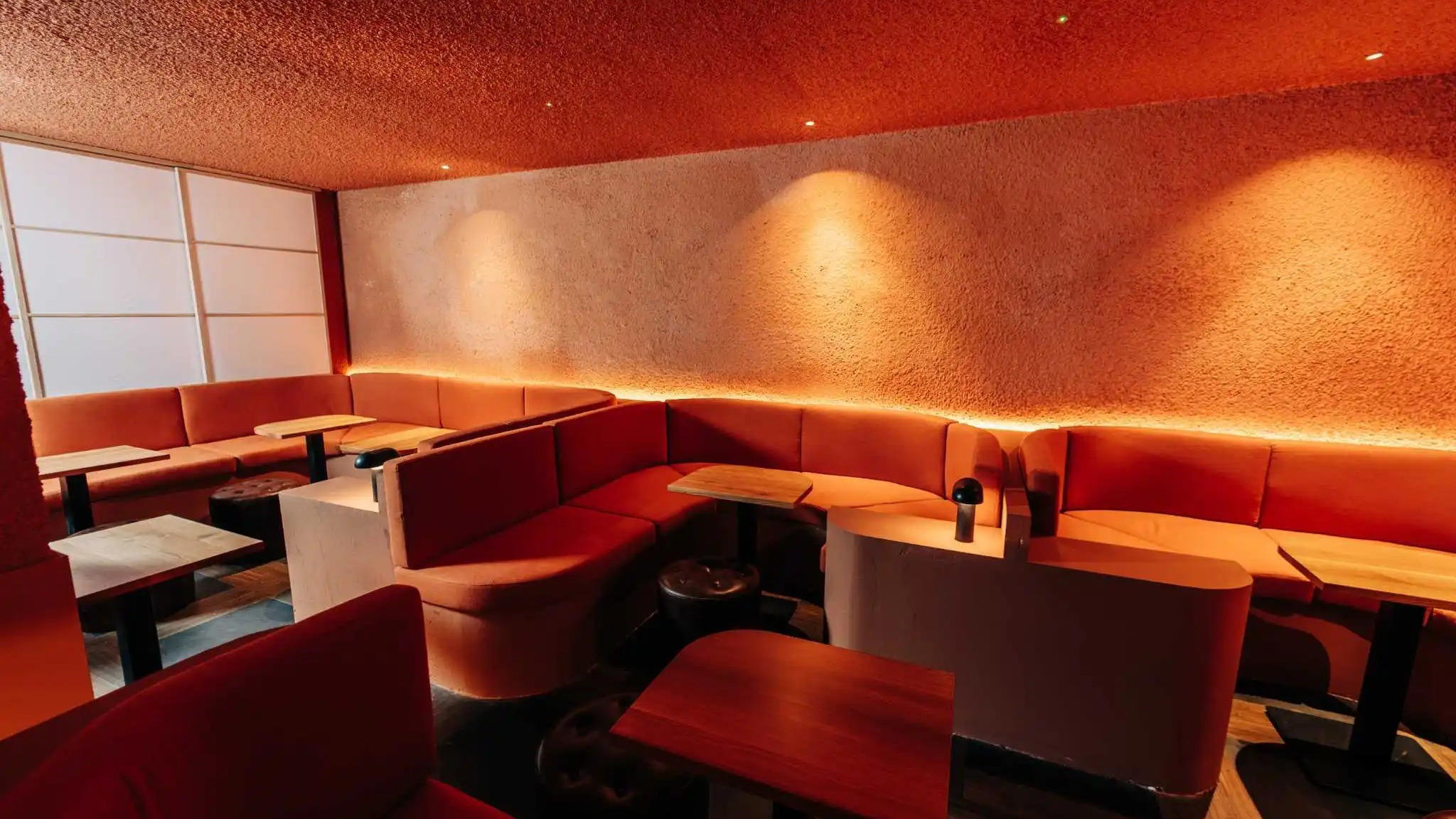
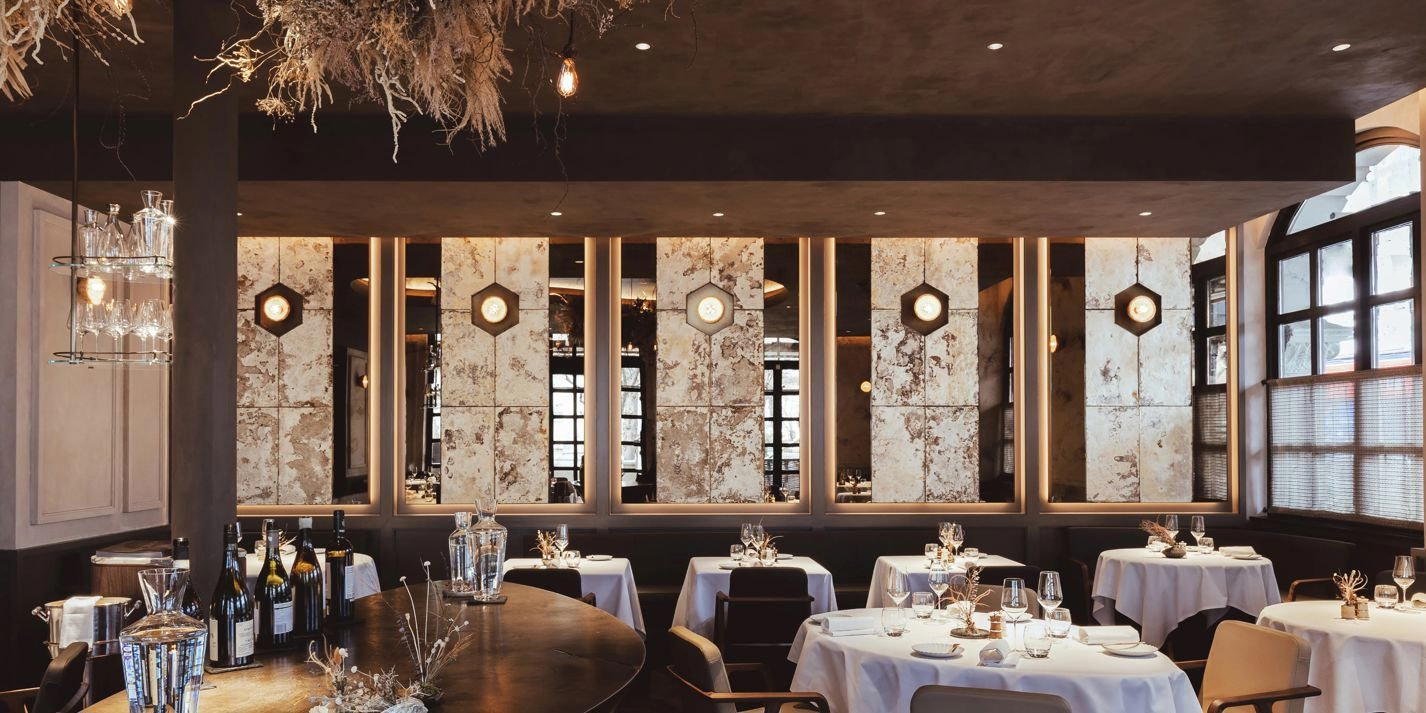
Bars in Madrid
Browse all →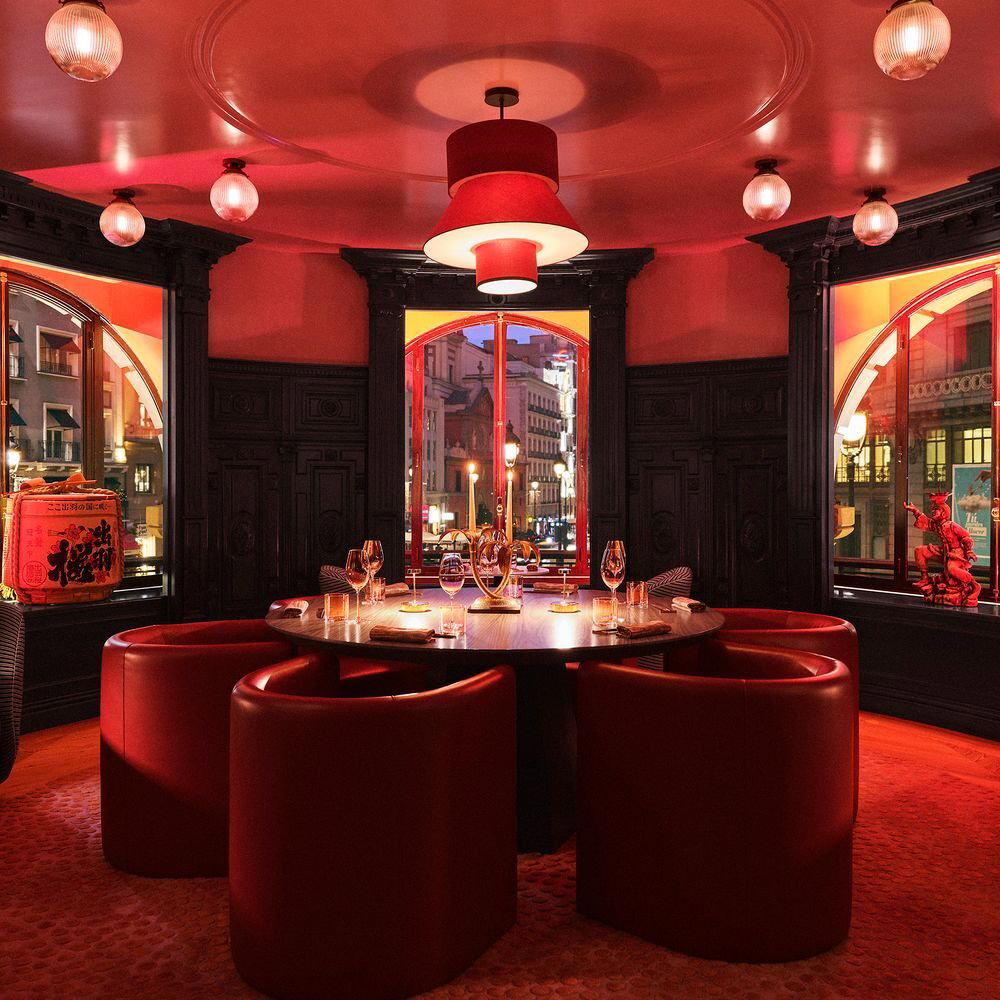
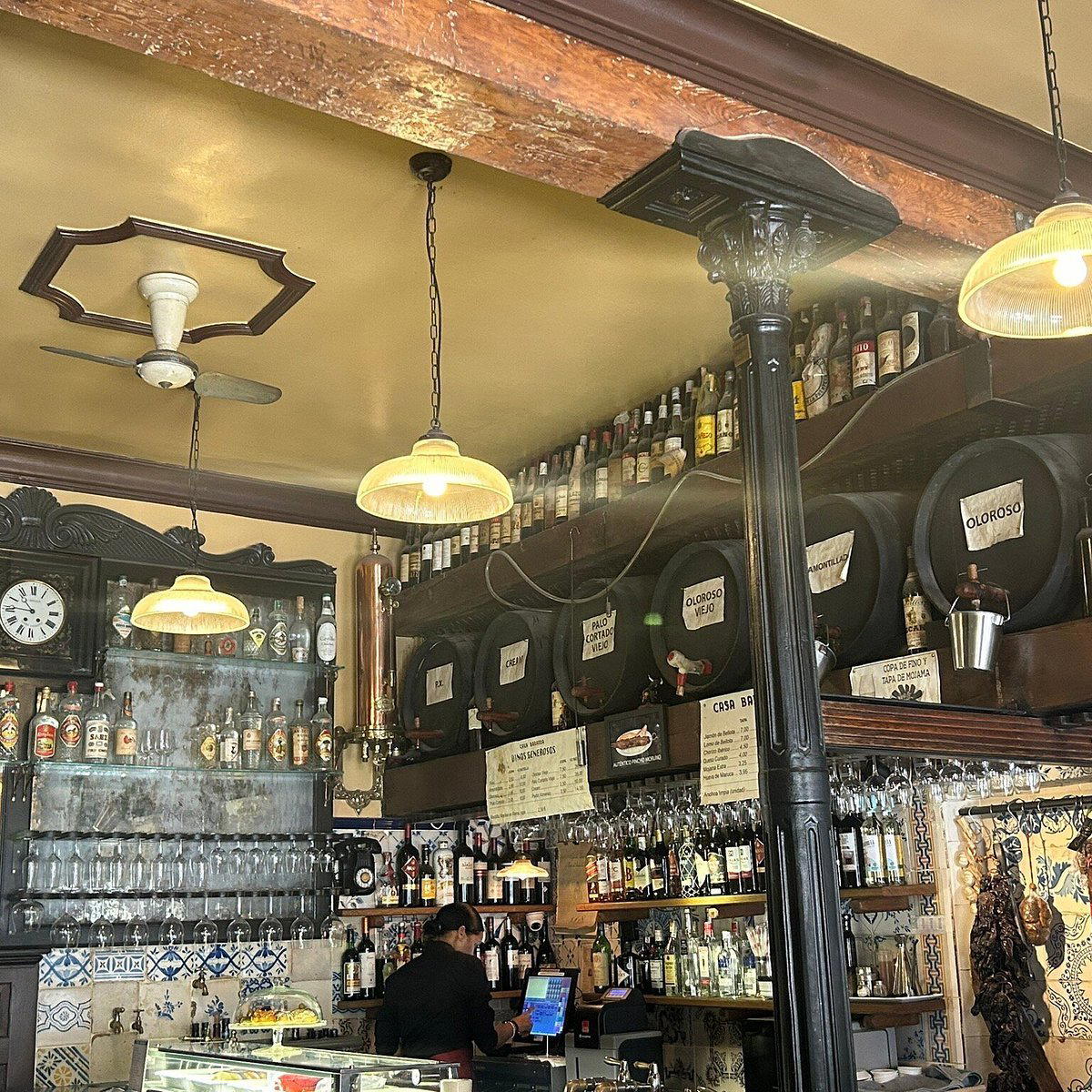
Hotels in Madrid
Browse all →

Awki Nikkei
The wine
- Wine program
- Curated wine list
- Sake program
- Craft cocktails
Details
- Cozy
- Trendy
- Intimate
- Modern
- Date Night
- Casual Hangout
- Family
- Open Kitchen
- Craft Cocktails
- Sake Program
- A La Carte
- Small Plates
- Pisco Sours
- Vegetarian Friendly
Current opening hours
- Monday
- 1:30–10:30 PM
- Tuesday
- Closed
- Wednesday
- 1–11:30 PM
- Thursday
- 1–11:30 PM
- Friday
- 1 PM–12 AM
- Saturday
- 1 PM–12 AM
- Sunday
- 1:30–11 PM
Hours can change for holidays and private events. Last verified .
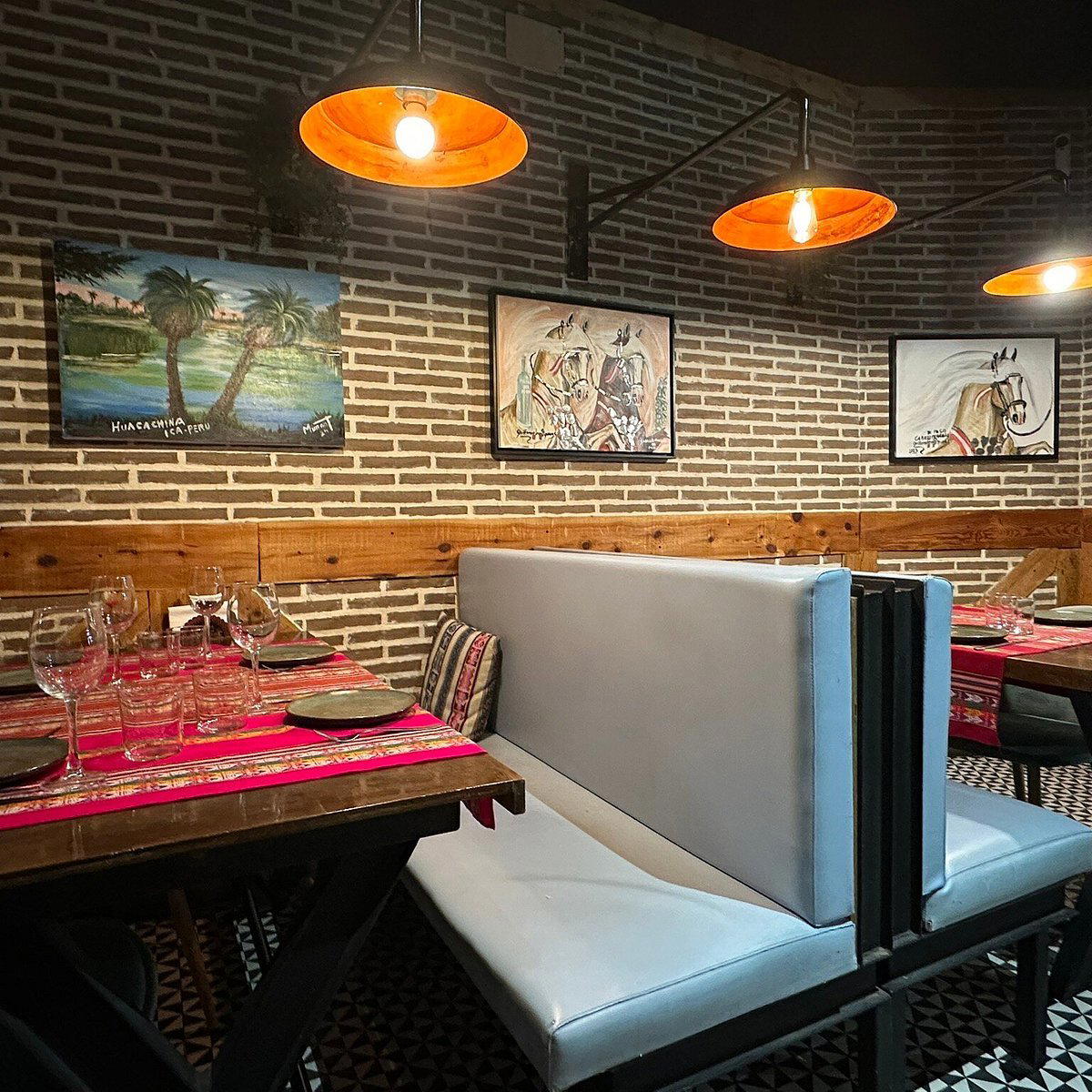
Cozy and intimate with typical Peruvian decor, sleek contemporary space, and a trendy vibe featuring colorful and beautifully presented dishes.