On Calle de Hermosilla in Madrid's Salamanca district, Humo Goya occupies a tier of the city's dining scene defined by fire, smoke, and the kind of precision cookery that sits between neighbourhood restaurant and destination address. The name signals its method: humo, smoke, is both technique and philosophy here, placing it in a growing cohort of Madrid restaurants where live-fire cooking has moved from rustic tradition into a more considered, contemporary format.
Pearl is the En Primeur Club membership app — saves, bookings, and concierge access live there. Same editors, same standards.
- Address
- C. de Hermosilla, 73, Salamanca, 28001 Madrid, Spain
- Phone
- +34915300422
- Website
- quierohumo.com
- Directions
- Get directions
 Saves & bookings on Pearl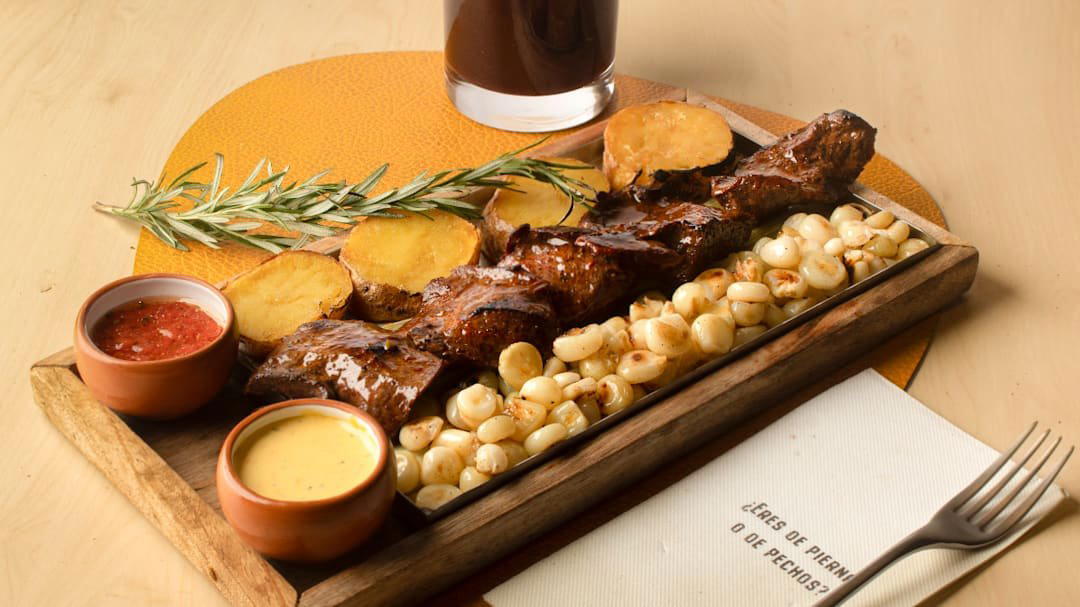
Fire as Framework: Madrid's Live-Fire Cooking Comes of Age
Walk along Calle de Hermosilla on any given evening and the Salamanca district announces itself through a particular kind of confidence: wide pavements, well-maintained facades, and a restaurant-going population that expects a certain level of execution without theatrical fanfare. It is, by Madrid standards, a neighbourhood where dining rooms earn their clientele through consistency rather than novelty. Humo Goya sits on this street, in a district that has seen progressive cooking concepts quietly sharpen their credentials over the last decade, and its very name frames the terms of engagement: humo, smoke, is both a declaration of technique and a signal of intent.
Live-fire and smoke-driven cooking has undergone a significant transformation across Spanish restaurants in recent years. What was once coded as rural, rough-edged, and deliberately informal — the asador tradition of the Basque country and Castile — has been reworked by a generation of cooks who trained in precision kitchens before returning to elemental heat. The result is a category that doesn't sit neatly inside the old taxonomies: not quite the white-tablecloth modernist restaurant, not quite the wood-fired grill house, but something that borrows from both. Madrid has been a particularly fertile city for this evolution, partly because it lacks the coastal ingredient identity of Barcelona or San Sebastián, and so its chefs have had to build their cuisine around technique rather than geography.
The Salamanca Context: Neighbourhood Pressure and the Premium Casual Register
Salamanca's dining scene operates under specific pressure. The district's residents and its visitor demographic expect polish, but the most interesting addresses here have moved away from the formal tasting-menu model that dominated Madrid's premium tier through the 2000s and early 2010s. The broader shift, towards what might be called the premium casual register, where the cooking is serious but the format is less ceremonial, has venues like Humo Goya to occupy a space that didn't clearly exist before. You can see the same pattern in other European cities: the move away from rigid tasting-menu structures towards shorter, more flexible formats built around a central ingredient logic or a single cooking method. Smoke, in Humo Goya's case, is that logic.
DiverXO, with its avant-garde Asian-inflected progression, and Coque, with its multi-room ceremonial format, operate in the city's highest-commitment, highest-price tier. Deessa and DSTAgE occupy a creative-Spanish register that foregrounds tasting menus with strong conceptual frameworks. Paco Roncero brings a long legacy of technical innovation. Humo Goya's orientation around fire and smoke rather than molecular technique or narrative tasting menus places it adjacent to these addresses without competing directly with them, a useful distinction in a city where the upper-middle dining tier has become increasingly crowded.
Smoke, Reinvention, and the Evolution of the Format
The live-fire idiom in Spain has a long lineage, but its current form in urban restaurants represents a clear departure from its origins. The asador tradition, lamb and suckling pig cooked in wood-fired ovens, served in large portions with minimal intervention, belongs to a different logic than what contemporary smoke-led restaurants are doing. The latter treat fire as a precision tool: temperature zones, specific woods, controlled char, smoke as a seasoning agent rather than a byproduct of cooking. This is closer in spirit to the approach you find at the higher end of Spain's regional restaurant scene, where live-fire technique has been absorbed into a more composed cooking vocabulary. Azurmendi in Larrabetzu and Mugaritz in Errenteria have both, at various points, incorporated elemental cooking methods into otherwise technically complex frameworks. Aponiente in El Puerto de Santa María has taken a different path, building its identity around marine ingredients with equal rigour.
The evolution at Humo Goya is, in a sense, the local Salamanca expression of this broader national trend. The name change from whatever preceded it, the Goya suffix anchoring it firmly to the neighbourhood identity of this stretch of the barrio, signals a deliberate repositioning rather than a simple continuation. Madrid's dining scene rewards this kind of legible reinvention: a clear signal of what you are, delivered through name, location, and format, allows a restaurant to build its audience without the confusion that comes from trying to be several things at once.
Where Humo Goya Sits in the Wider Spanish Restaurant Conversation
Spain's restaurant culture remains one of the most discussed in the world, and not only because of its Michelin count. The country's regional diversity means that any given culinary approach, Basque pintxos culture, Catalan product-led cooking, Levantine rice traditions, carries a distinct geographic identity. What makes Madrid different is that it is a city of synthesis rather than origin: it absorbs techniques and ingredients from across Spain and reframes them through an urban lens. Arzak in San Sebastián, El Celler de Can Roca in Girona, Martin Berasategui in Lasarte-Oria, Quique Dacosta in Dénia, Ricard Camarena in València, Cocina Hermanos Torres in Barcelona, and Atrio in Cáceres all carry strong regional signatures. Madrid restaurants, by contrast, tend to define themselves through technique or concept. Smoke, in that context, is a strong and legible identity.
Internationally, the live-fire approach has been institutionalised across a range of dining cultures. Le Bernardin in New York City represents the opposite end of the spectrum, precision without fire, technique expressed through subtraction. Atomix in New York City demonstrates how a single culinary tradition, rigorously applied, can generate a distinct and recognisable identity. The comparison is instructive: Humo Goya's smoke-led positioning does similar work in Madrid's Salamanca district, creating legibility in a market where concept clarity matters.
For readers planning a Madrid dining itinerary, the Hermosilla address makes Humo Goya logistically convenient: the street sits within easy reach of Velázquez and Serrano metro stations, and the surrounding blocks contain some of the district's better wine bars and late-evening options. The appropriate sequencing depends on whether you are working around the broader Salamanca dining circuit or anchoring an evening specifically around the fire-cooking register. Either way, booking ahead is advisable; Salamanca restaurants at this level rarely have walk-in availability at prime hours. Consult our full Madrid restaurants guide for a broader map of the city's dining tiers.
How Humo Goya Madrid compares with similar nearby venues.
| Venue | Cuisine | Price |
|---|---|---|
| Treze | Seasonal Cuisine | €€ |
| Santerra | Modern Spanish, Contemporary | €€€ |
Continue exploring
More in Madrid
Restaurants in Madrid
Browse all →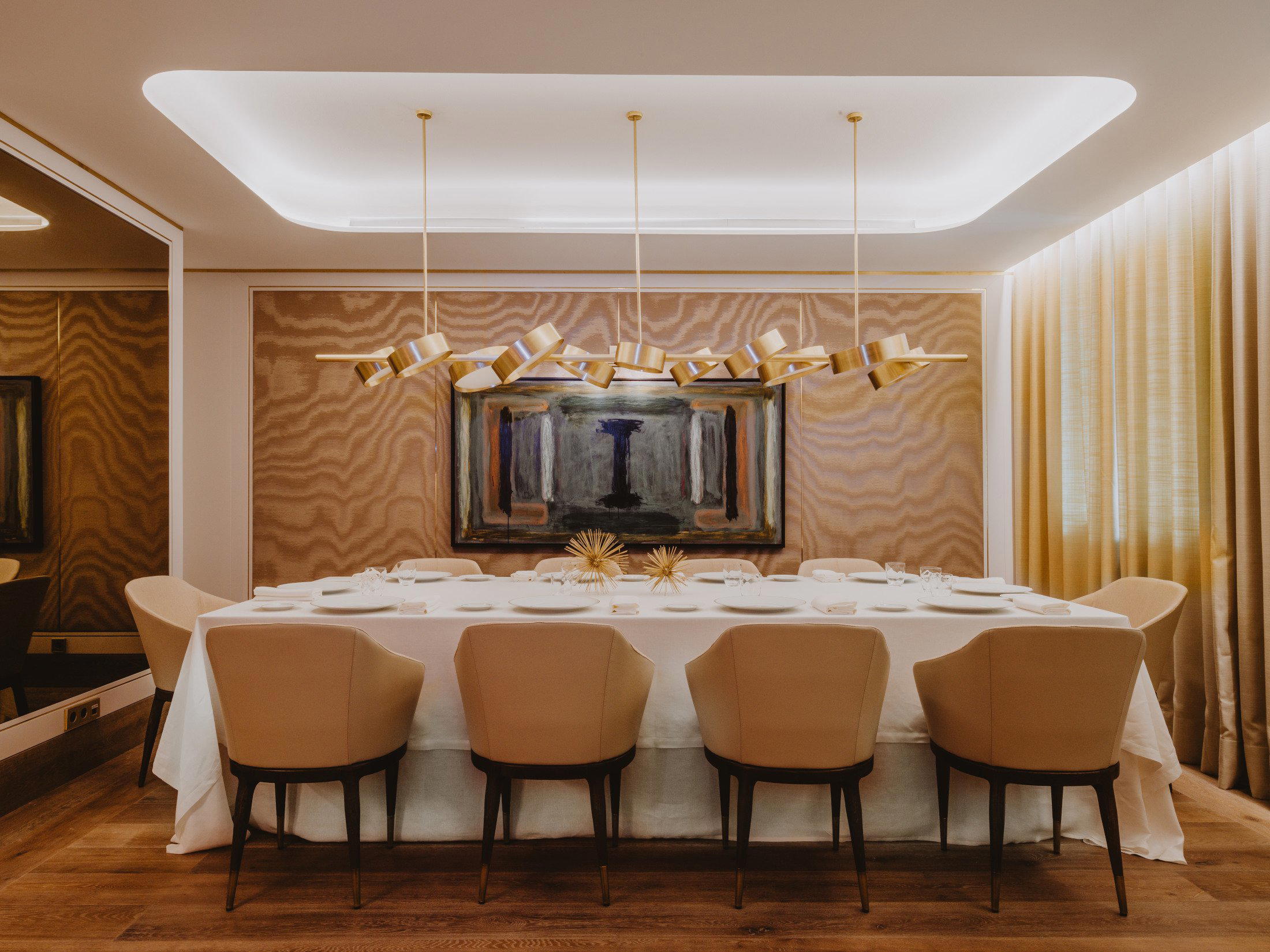
Bars in Madrid
Browse all →
Hotels in Madrid
Browse all →


At a Glance
- Lively
- Cozy
- Family
- Group Dining
- Casual Hangout
- Open Kitchen
Current opening hours
- Monday
- 1–10:30 PM
- Tuesday
- 1–10:30 PM
- Wednesday
- 1–10:30 PM
- Thursday
- 1–10:30 PM
- Friday
- 1–10:30 PM
- Saturday
- 1–10:30 PM
- Sunday
- 1–10:30 PM
Hours can change for holidays and private events. Last verified .
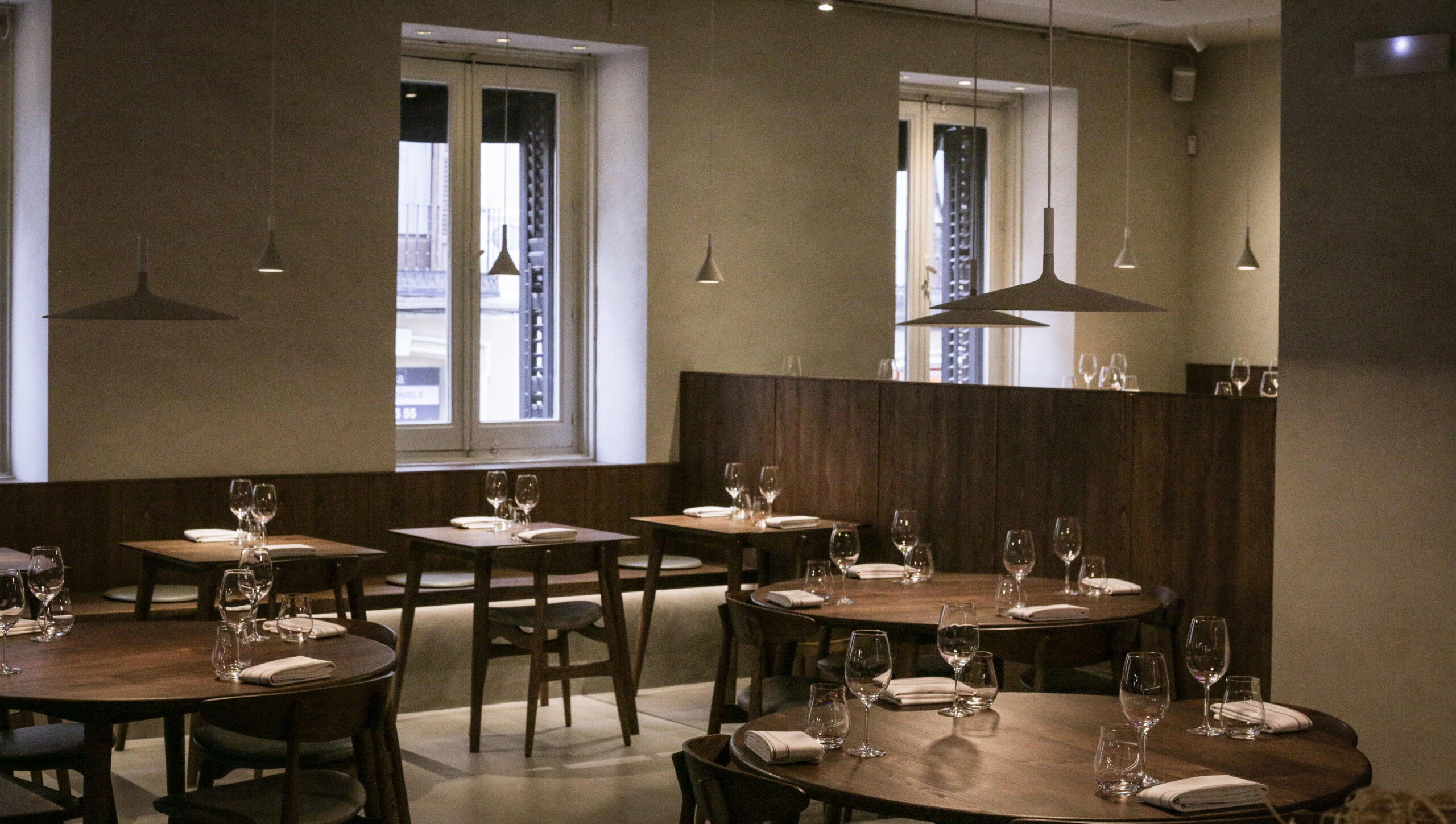
Informal and friendly atmosphere with attentive service, suitable for families and groups.
Know Before You Go
- Getting there
- C. de Hermosilla, 73, Salamanca, 28001 Madrid, Spain