

Michelin Plate · Relais Chateaux Award
Our verdict
La Cuisine d'Amélie holds a Michelin Plate for two consecutive years (2024 and 2025), with Michelin specifically citing creative cooking. Set along the Route de Roquefraiche in the Luberon village of Lauris, it delivers Mediterranean small-plates cooking at a mid-range price point, offering an accessible entry into the Provence dining scene without the formality of larger destination restaurants.

Pearl is the En Primeur Club membership app, where members save venues, book tables and use the concierge.
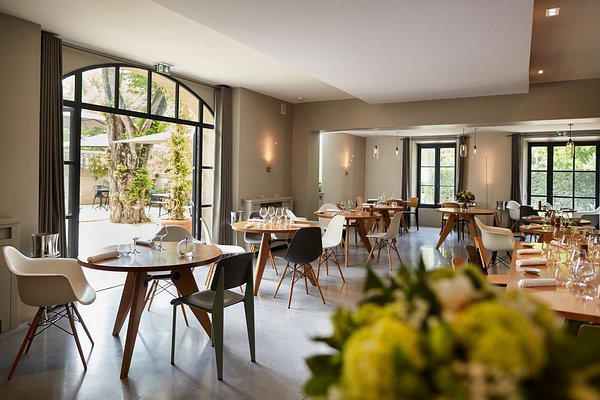
Where Luberon Informality Meets Considered Mediterranean Cooking
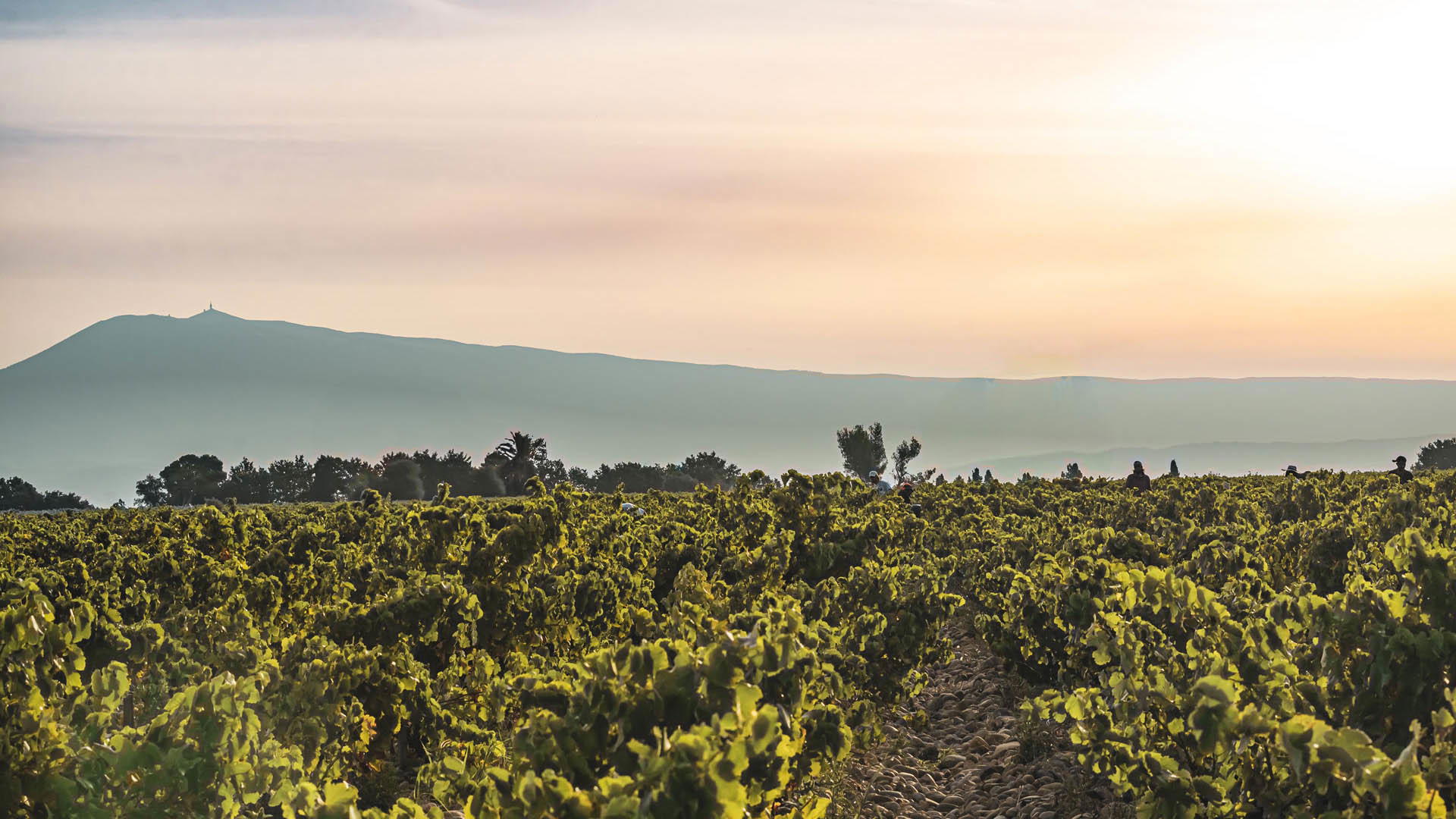
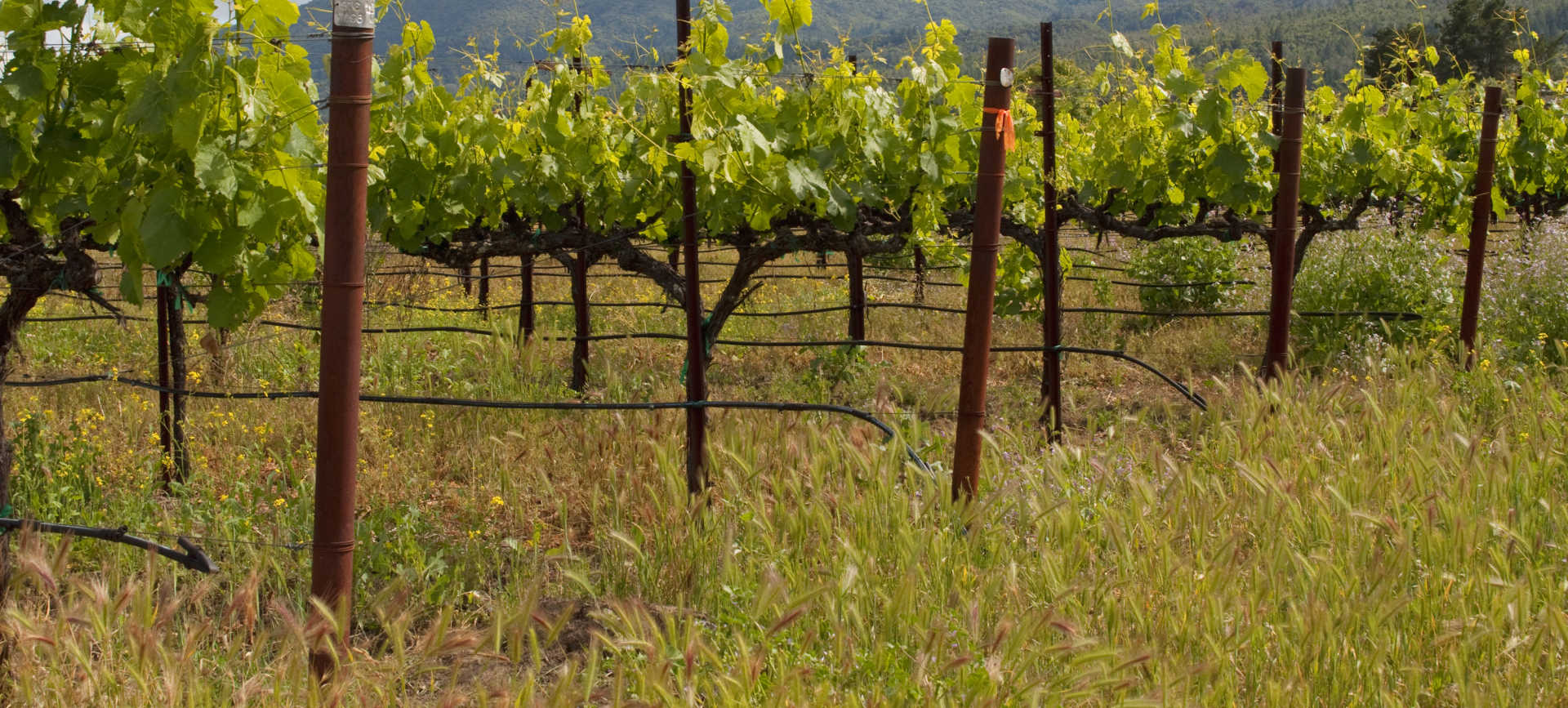
The southern approach to Lauris follows a ridge road that drops into vineyards and dry-stone walls before the village proper appears. Along the Route de Roquefraiche, the setting is characteristically Provençal: the light falls hard and flat in summer, the vegetation is low and aromatic, and the built environment makes no concessions to tourism. It is not the context in which you expect sustained Michelin recognition. Yet La Cuisine d'Amélie has held the Michelin Plate designation in both 2024 and 2025, with the guide specifically flagging creative cooking as the distinguishing quality. That combination of rural Luberon address and consecutive Michelin acknowledgement positions it within a particular current in French regional dining: smaller, independently run rooms applying genuine technique to Mediterranean produce, priced and formatted for locals and passing visitors rather than destination pilgrims.
The Communal Logic of Mediterranean Small Plates
Mediterranean table culture across southern France, the Ligurian coast, and into the western Mediterranean basin has always organised eating around the table rather than the individual plate. The Provençal variant of this tradition draws on olive oil, summer vegetables, preserved fish, and herbs as its structural vocabulary, but what distinguishes the more considered practitioners is the way small-format cooking becomes a compositional act rather than a convenience. Dishes arrive sequentially or in loose clusters, calibrated so that each element comments on the last. The table becomes the unit of experience. Mirazur in Menton, operating at the opposite end of the budget spectrum, has arguably done more than any other address on the French Mediterranean coastline to frame this produce-led, garden-to-plate Mediterranean approach as a serious fine-dining proposition. AM par Alexandre Mazzia in Marseille takes a more technically radical line from an urban base. La Cuisine d'Amélie occupies a different price tier entirely, at the €€ level, but the underlying logic of communal sharing and seasonal Mediterranean produce connects it to that broader regional current.
Chef James Gaag works within this tradition. Beyond the name and the Michelin creative-cooking citation, the public record does not offer granular detail on menu composition or specific dishes. What the Michelin designation does confirm is that the cooking registers as something beyond solid execution: the creative-cooking flag is a qualitative signal, not merely a hygiene marker. In a village of Lauris's scale, sustaining that level of recognition across two consecutive guide cycles points to consistent intent.
Lauris in the Luberon Dining Context
The Luberon sits between two gravitational pulls in Provençal dining. To the west, the Rhône corridor anchors a wine-driven restaurant culture with deep roots in traditional Provençal cooking. To the east, the Var and the Côte d'Azur pull toward international spending, prestige addresses, and a dining style shaped partly by tourism. The Luberon villages occupy a quieter middle ground: a destination for second-home France and informed visitors, but not a mass-market circuit. This creates the conditions for restaurants that can sustain quality without calibrating entirely to tourist expectations. Domaine de Fontenille, also in Lauris, represents the property-anchored, higher-price end of that local dining set. La Cuisine d'Amélie operates at a more accessible price point, making the Michelin recognition more legible as a local resource rather than a destination-dining proposition.
For context on what the Michelin Plate means within the broader French dining hierarchy: the plate sits below starred recognition but above unlisted establishments. In a national system that includes addresses like Alléno Paris au Pavillon Ledoyen in Paris, Flocons de Sel in Megève, Troisgros - Le Bois sans Feuilles in Ouches, Auberge de l'Ill in Illhaeusern, Bras in Laguiole, Paul Bocuse - L'Auberge du Pont de Collonges in Collonges-au-Mont-d'Or, Assiette Champenoise in Reims, and Au Crocodile in Strasbourg, the plate designation is a meaningful signal that the kitchen is doing something worth the detour, even if it does not approach the starred tier. Holding that recognition for two years running in a village location, at mid-range pricing, is not a minor achievement.
How La Cuisine d'Amélie Sits Against Mediterranean Peers
The Mediterranean creative-cooking category has expanded considerably across southern France and the wider basin. Addresses like La Brezza in Ascona and Arnaud Donckele and Maxime Frédéric at Louis Vuitton in Saint-Tropez operate at substantially higher price points and with a very different audience in view. The current at La Cuisine d'Amélie is something closer to what the French call cuisine de terroir with contemporary inflection: seasonal, regional, attentive to produce, but without the formality or the price architecture of destination fine dining.
Planning a Visit
La Cuisine d'Amélie is at 1681 Route de Roquefraiche, 84360 Lauris, on the southern edge of the Luberon. The €€ price positioning places it in the comfortable mid-range for southern France, where the same tier in Marseille or Aix-en-Provence would buy a competent but unremarkable bistro meal. In Lauris, at Michelin-Plate level, the value proposition is considerably sharper. For a broader orientation to what else Lauris offers, our full Lauris restaurants guide maps the dining options across the village. Visitors planning a longer stay can reference our full Lauris hotels guide, our full Lauris bars guide, our full Lauris wineries guide, and our full Lauris experiences guide for a complete picture of the area.
Frequently asked questions
How much does it cost to eat at La Cuisine d'Amélie?
Pricing at La Cuisine d'Amélie is listed as €€.
Where exactly is La Cuisine d'Amélie?
La Cuisine d'Amélie is located at 1681 Rte de Roquefraiche, 84360 Lauris, France, Lauris.
Cost Snapshot
| Venue | Cuisine | Price | Awards | Notes |
|---|---|---|---|---|
| La Cuisine d'AmélieThis venue (the venue you are viewing) | Provençal Mediterranean Farm-to-Table | $30–50 | Michelin Plate · Relais Chateaux Award | Not listed |
| Alléno Paris au Pavillon Ledoyen | Modern French Fine Dining | $150–200 | 3 Michelin Stars · World's 50 Best #79 | Creative |
| Kei | Contemporary French, Modern Cuisine | Not listed | Michelin 3 Star | Not listed |
| L'Ambroisie | Classic French Haute Cuisine | $300–500 | 2 Michelin Stars · World's 50 Best #23 | French, Classic Cuisine |
| Le Cinq - Four Seasons Hôtel George V | Modern French Fine Dining | $300–500 | 3 Michelin Stars · World's 50 Best #24 | French, Modern Cuisine |
| Plénitude | Modern French Sauce-Led Fine Dining | $300–500 | 3 Michelin Stars · World's 50 Best #14 | Contemporary French |
Recognition history
Dated appearances from independent guides and award organizations, with the underlying list record or original source where available.
Michelin Plate
Michelin
Relais Chateaux Award
Relais Chateaux
Full recognition history (4 entries)
Relais Chateaux Award
Relais Chateaux
Michelin Plate
Michelin
Continue exploring
More in Lauris
Restaurants in Lauris
All restaurants in Lauris →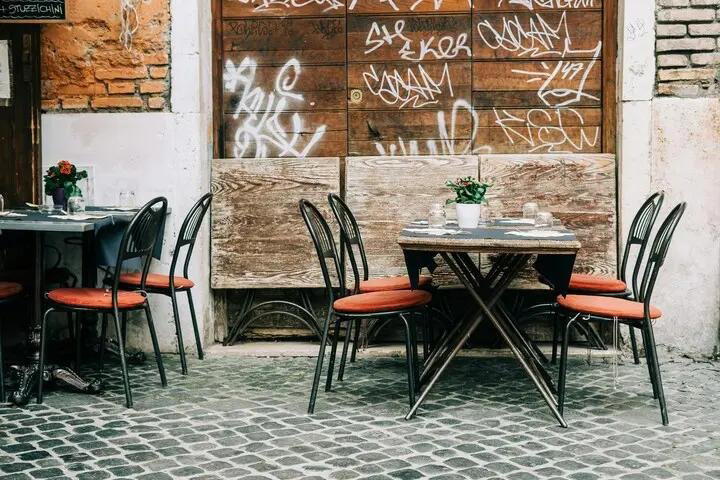
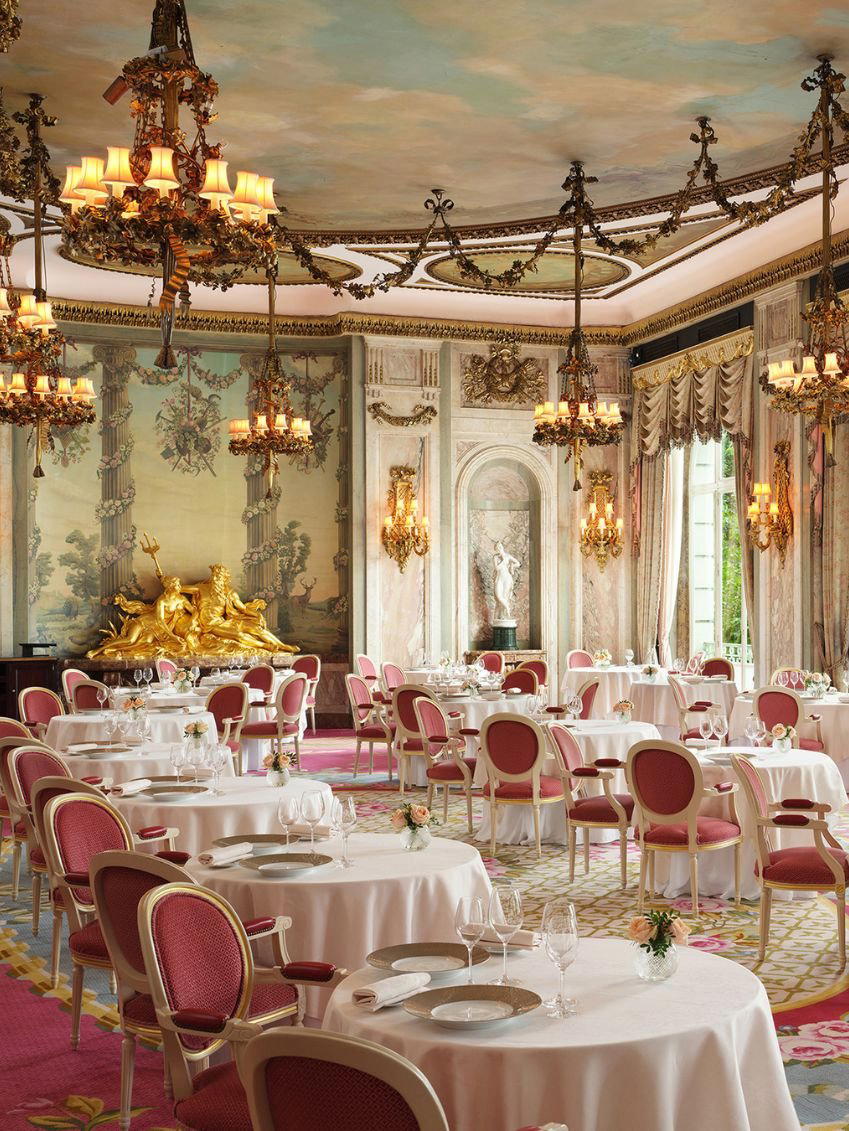
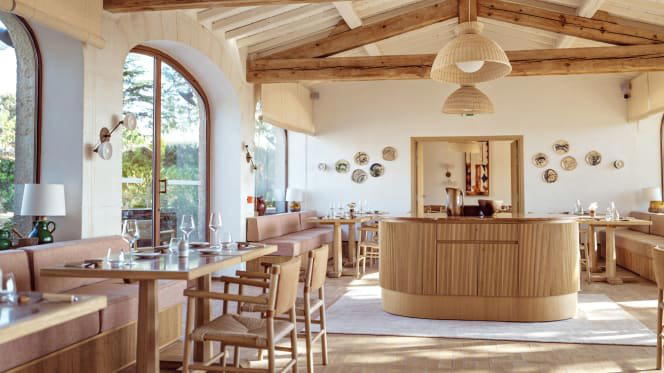
Bars in Lauris
Browse all →
Details
- Rustic
- Cozy
- Scenic
- Elegant
- Date Night
- Special Occasion
- Family
- Terrace
- Garden
- Extensive Wine List
- Farm To Table
- Local Sourcing
- Garden
- A La Carte
- Set Menu
- Gluten Free Options
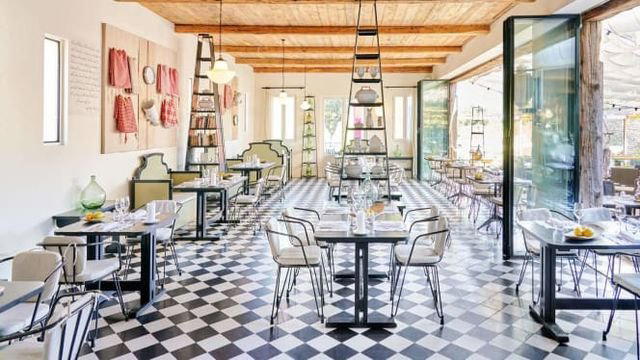
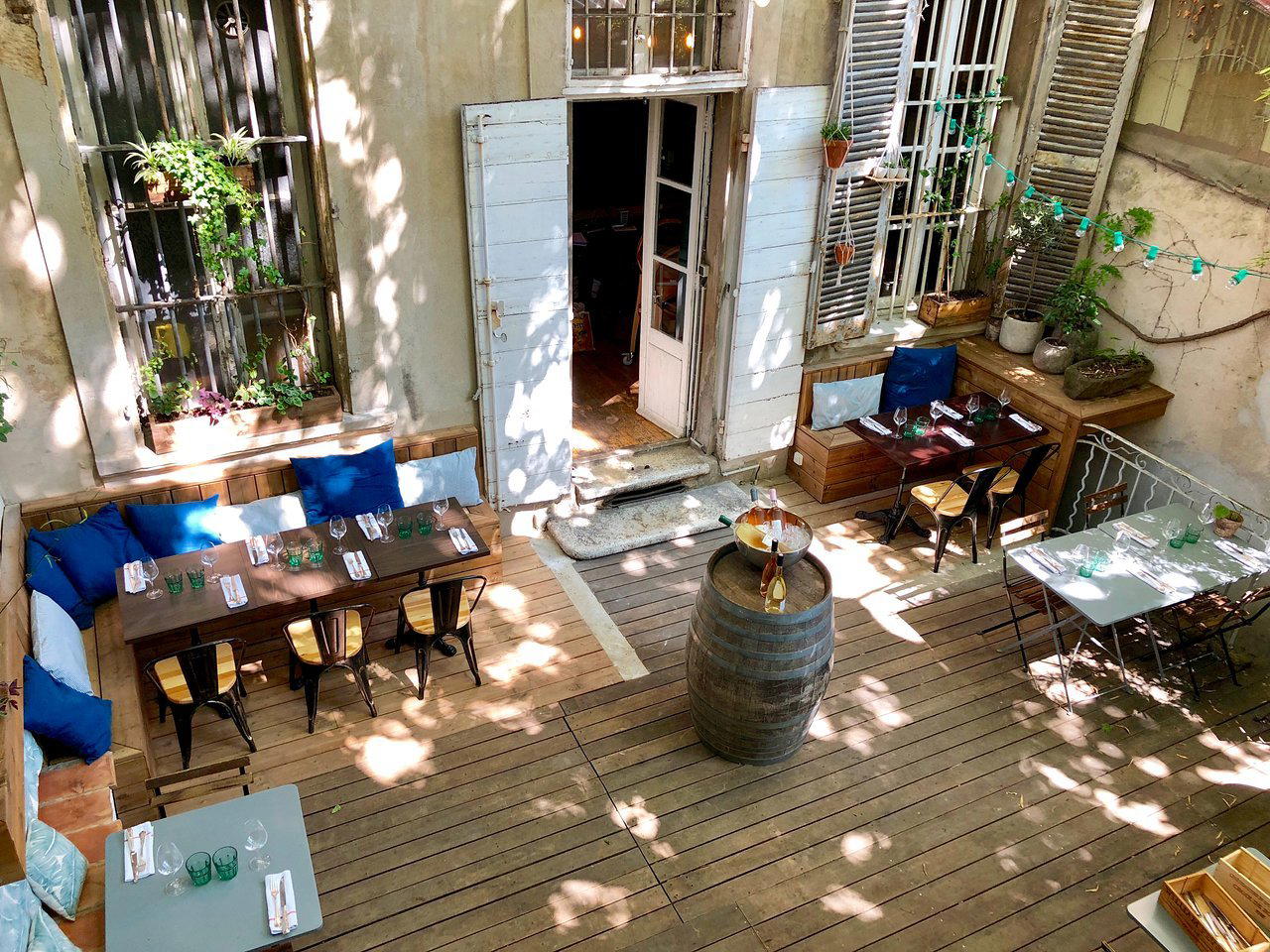
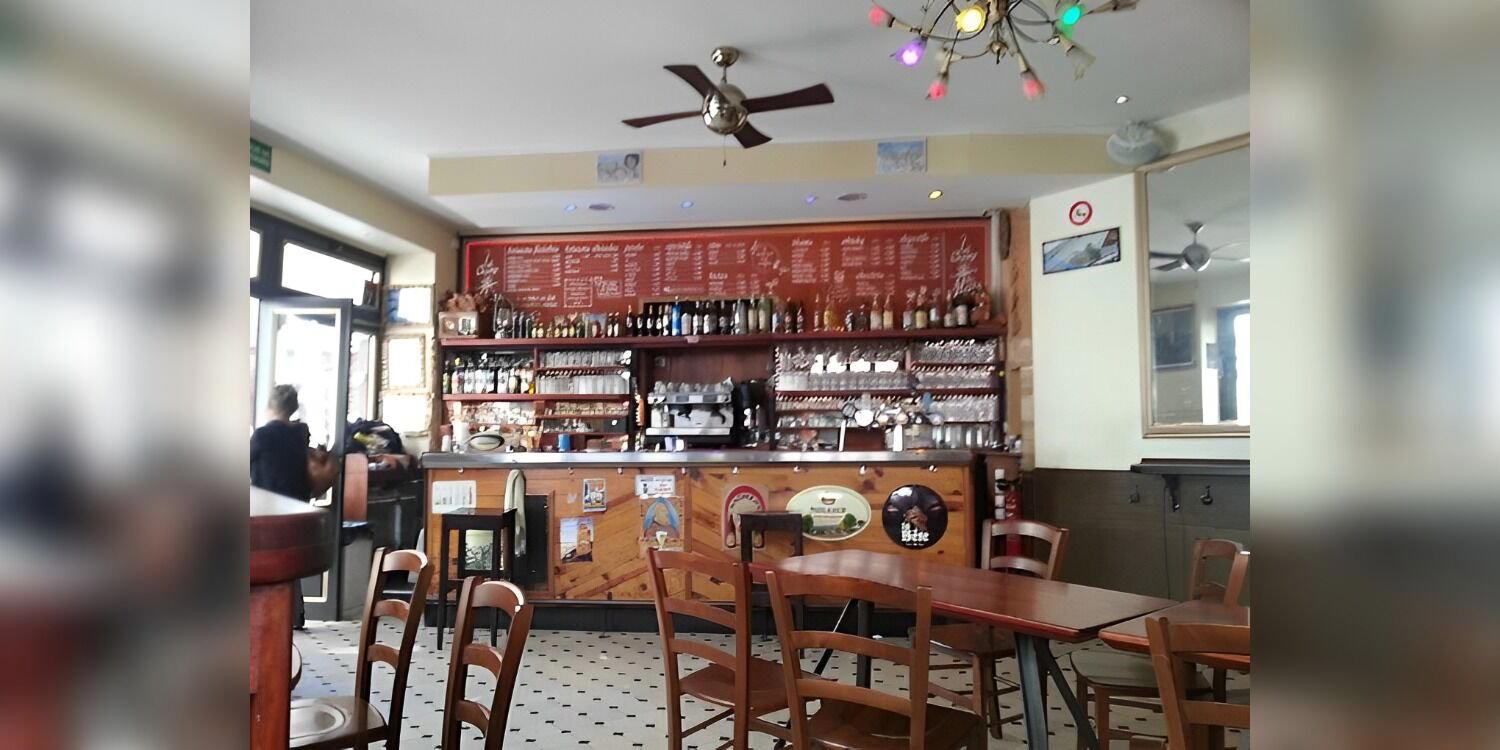
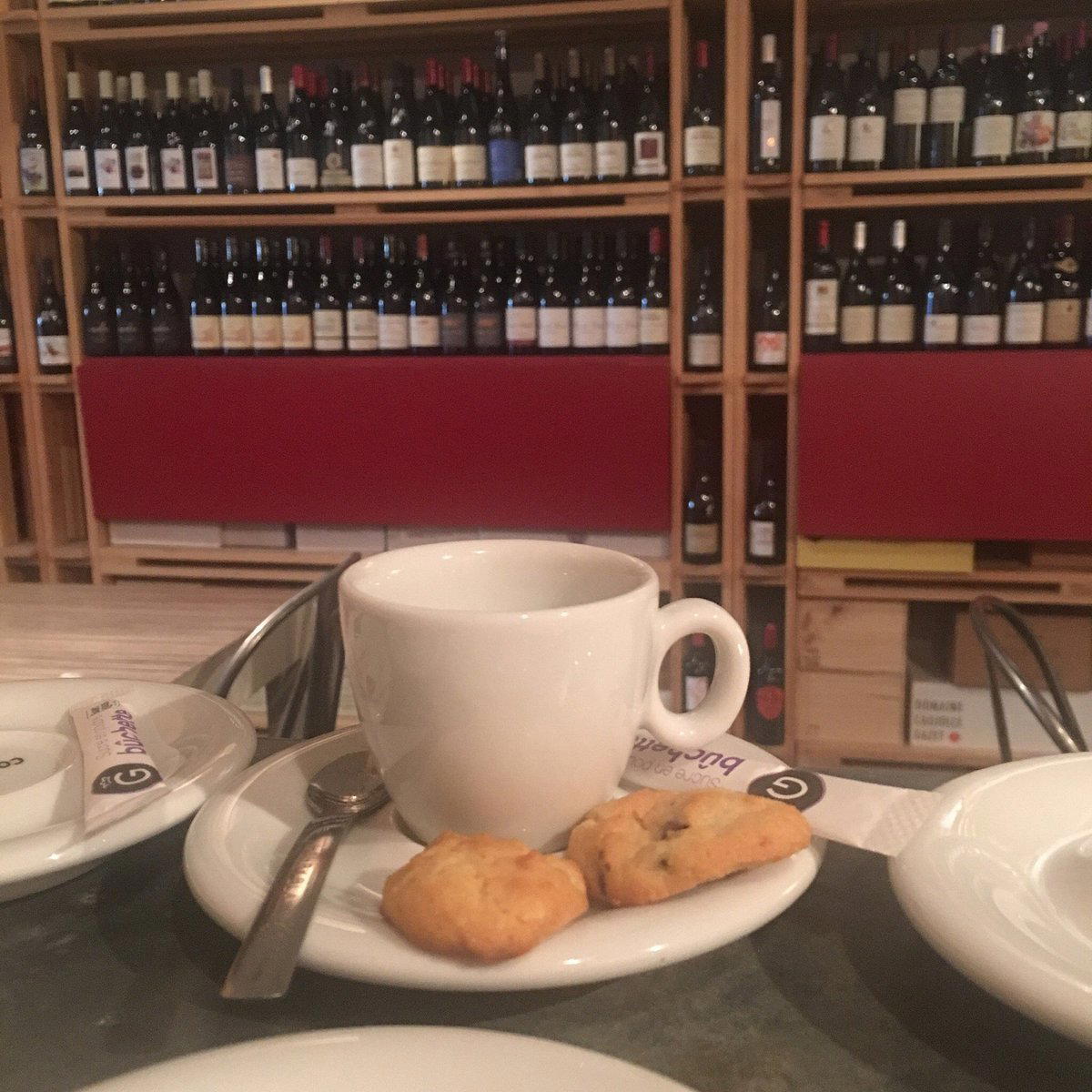
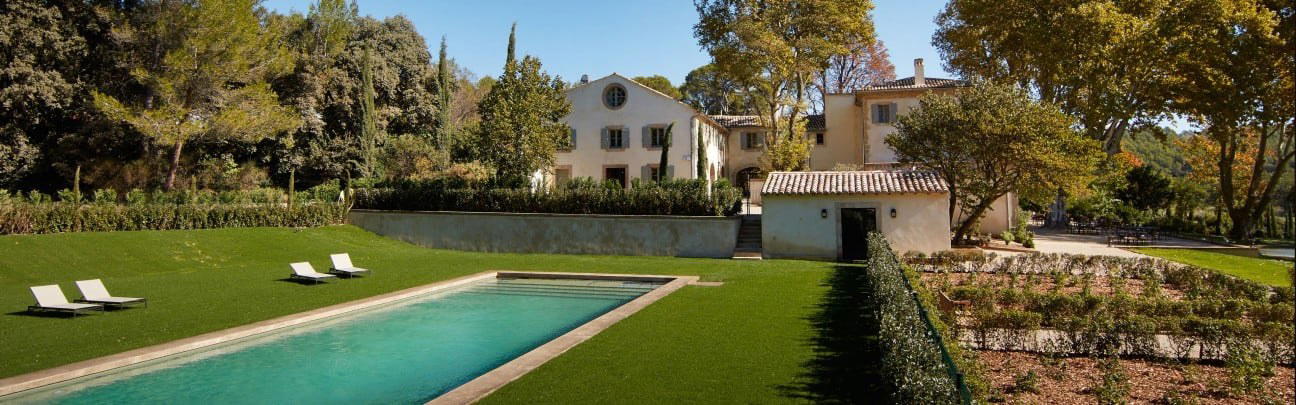
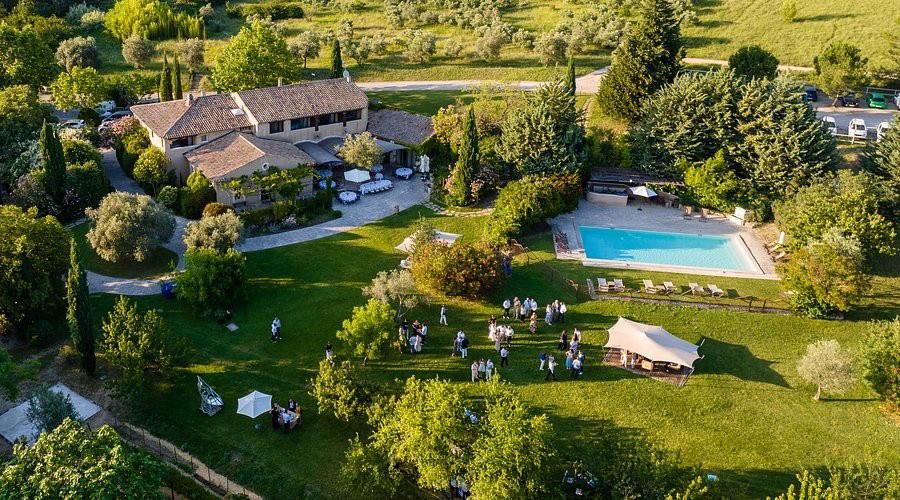
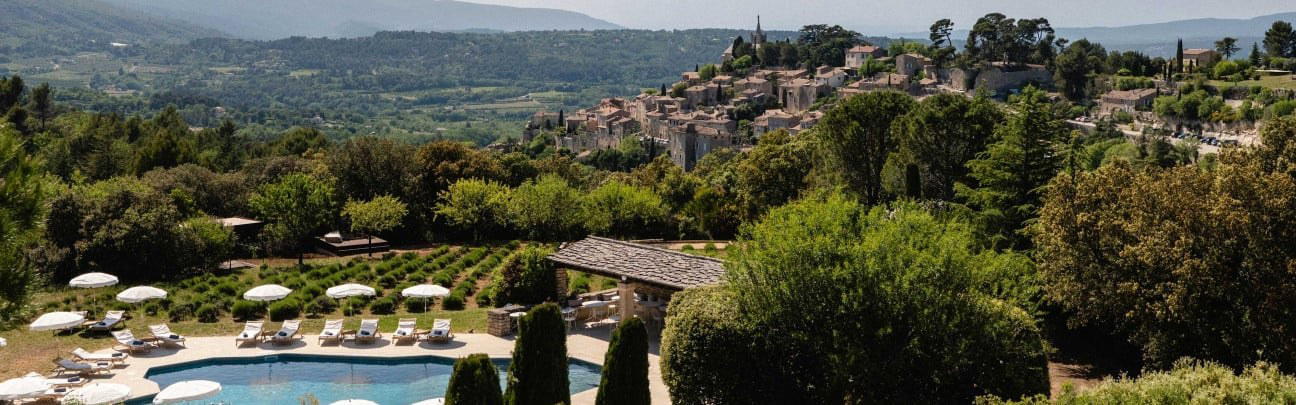
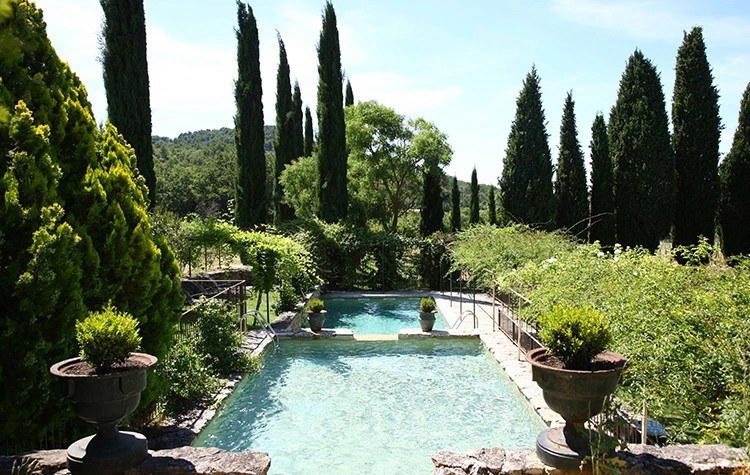
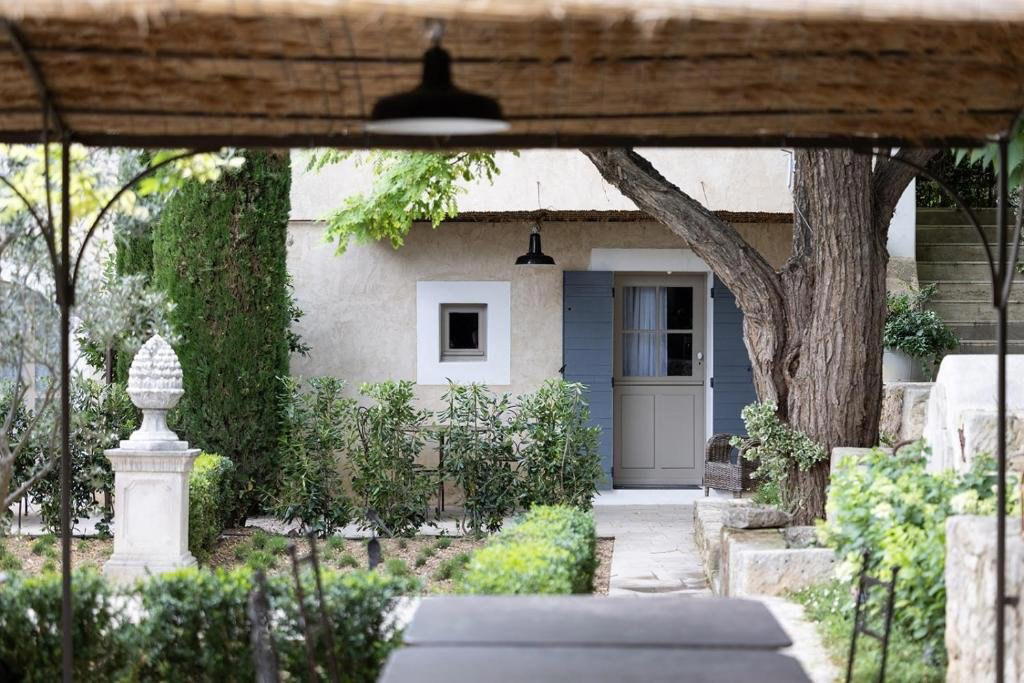
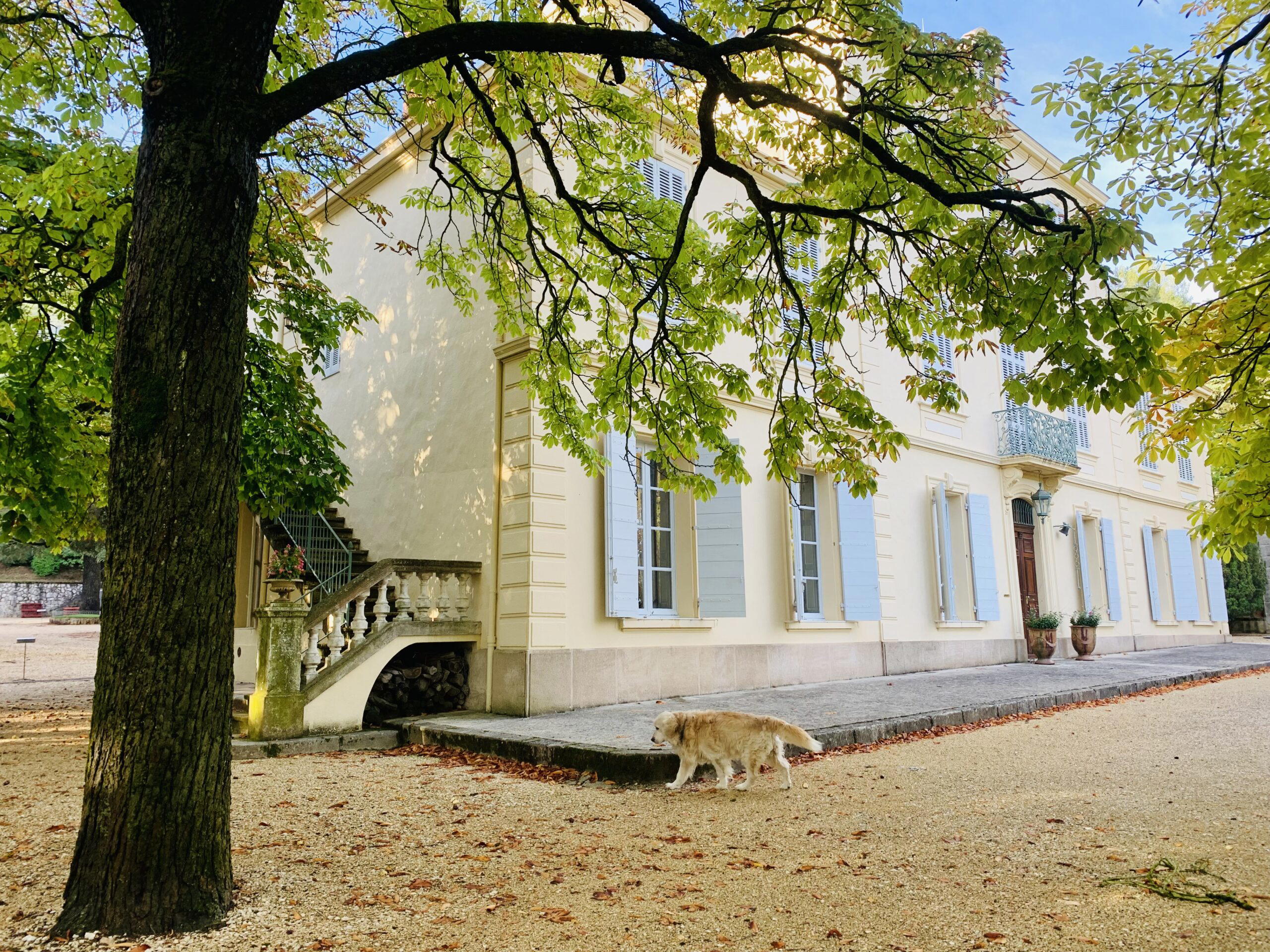
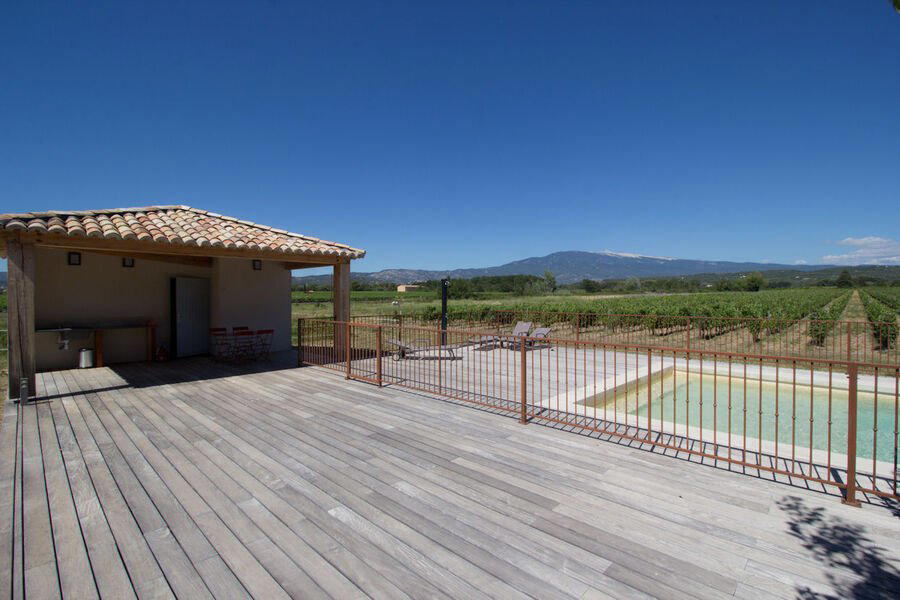
Relaxed Provençal atmosphere on shaded terraces under centenary plane trees, amidst gardens with a rustic yet elegant countryside charm.