
Relais Chateaux Award
Our verdict
A 17th-century estate in the Luberon, Domaine de Fontenille pairs French Provençal cooking from chef Guillaume Goupil with wine grown on its own land.

Pearl is the En Primeur Club membership app — saves, bookings, and concierge access live there. Same editors, same standards.
- Address
- 1681 Rte de Roquefraiche, 84360 Lauris, France
- Phone
- +33 4 13 98 00 00
- Directions
- Get directions
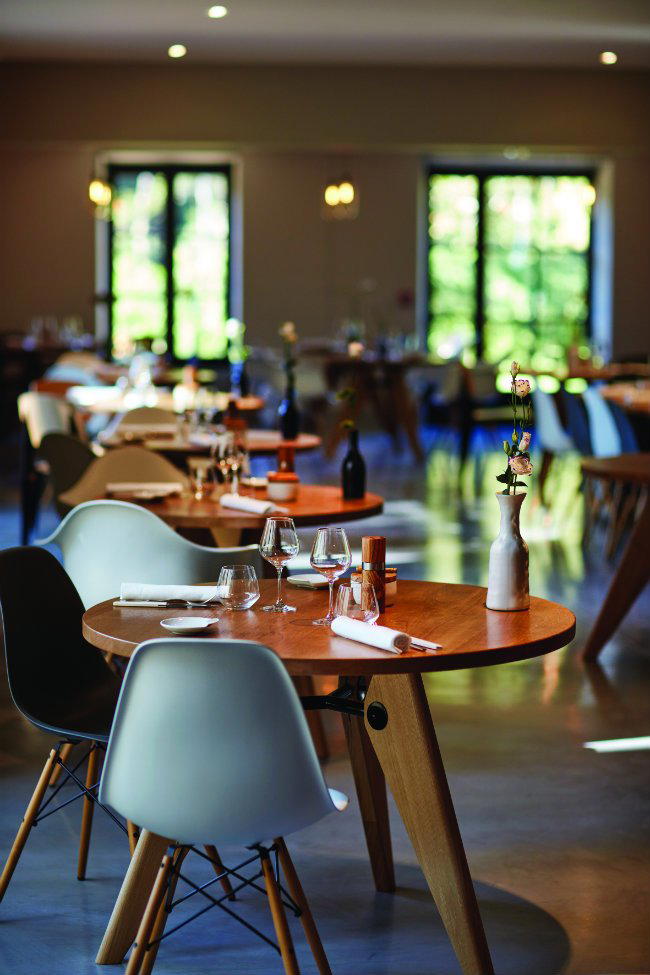
Where the Luberon Puts Land and Plate in the Same Sentence
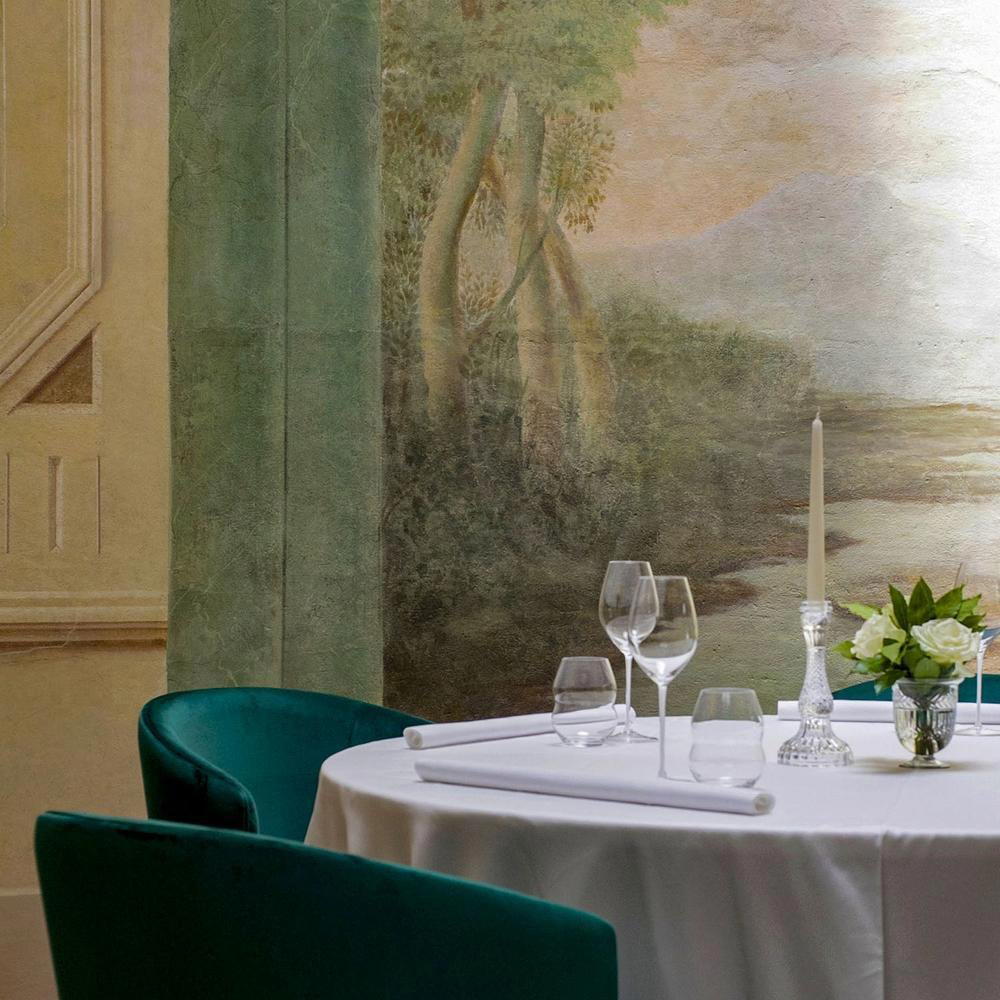
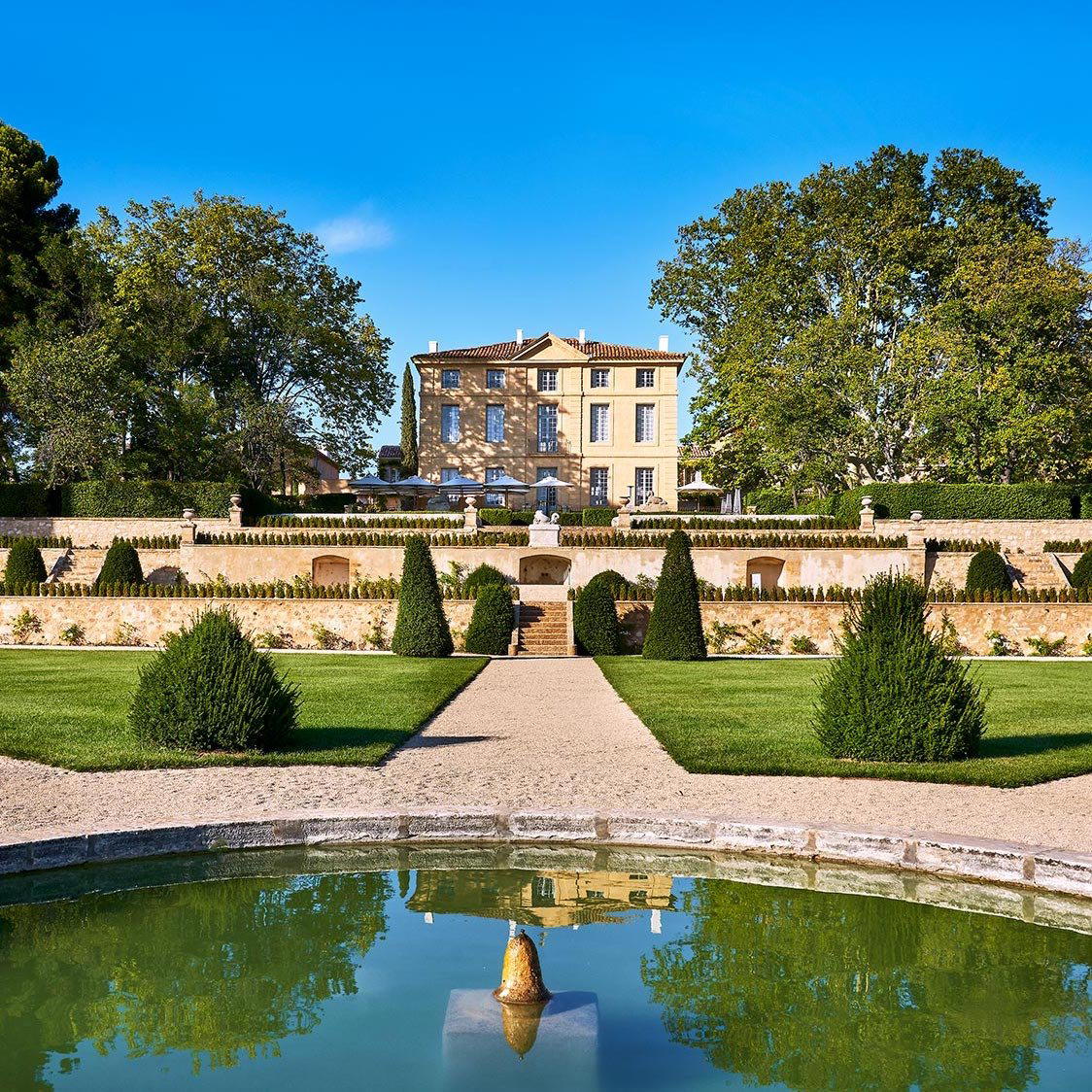
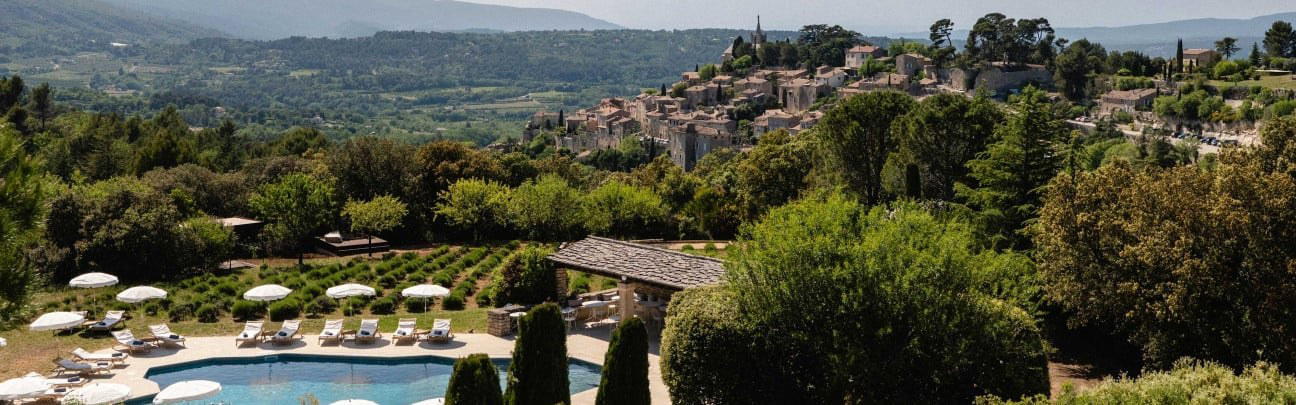
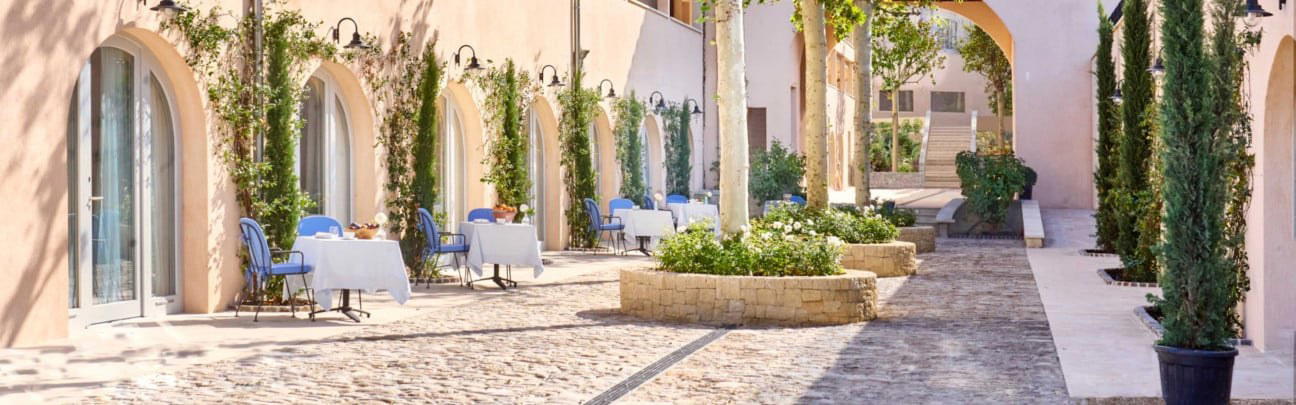
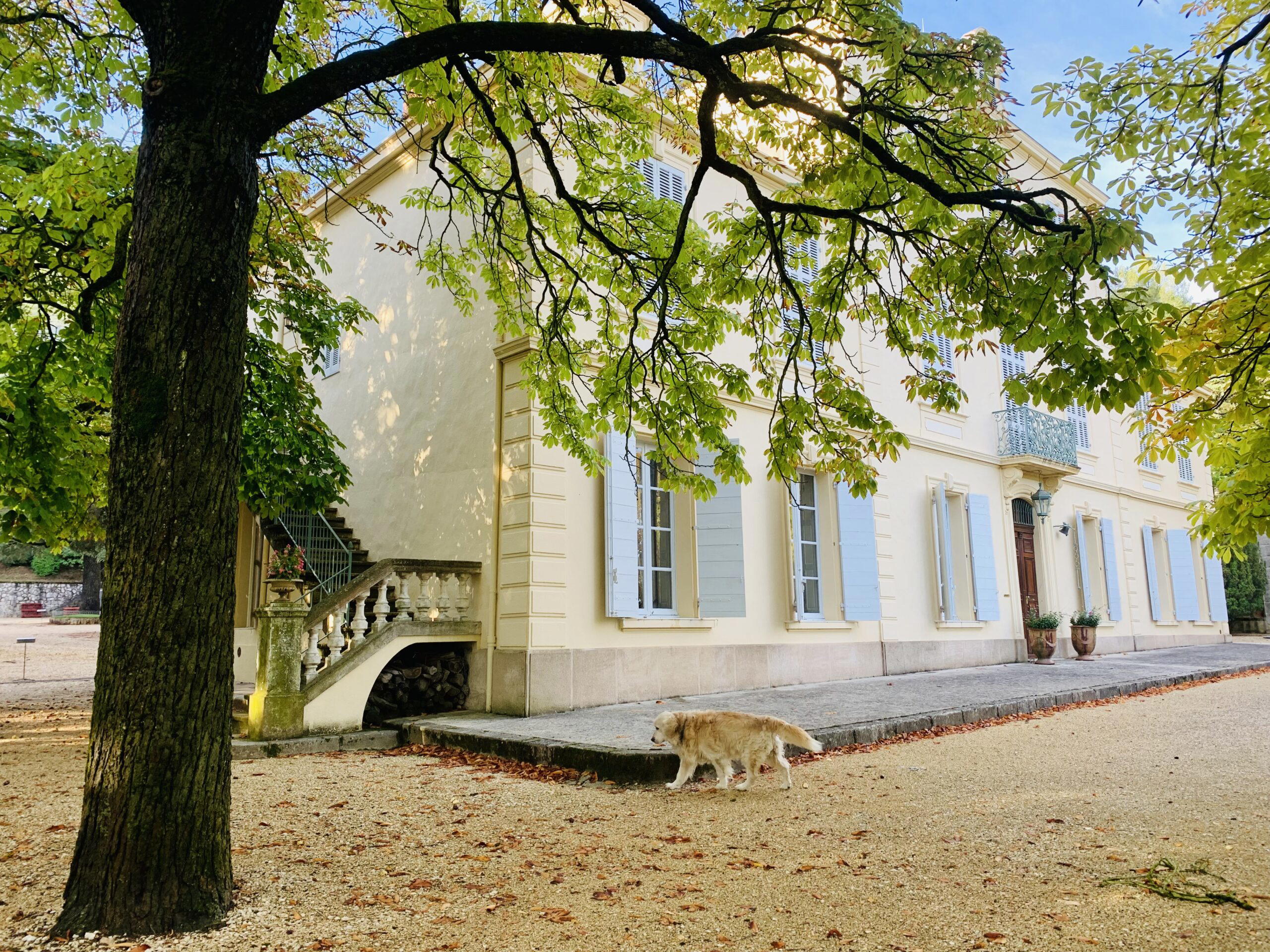
The drive up to Domaine de Fontenille from the village of Lauris runs through terraced vineyards and dry-stone walls that have defined this corner of the Luberon for centuries. The 17th-century mansion at the end of that road does not announce itself with grandeur so much as with proportion: thick limestone walls, shuttered windows, and a courtyard that filters afternoon light in the way old Provençal architecture tends to when the orientation has been right for four hundred years. What follows inside is a dining room with sleek, refined decor that sits deliberately in contrast to the building's age, and a collection of contemporary art that signals this is not a property coasting on period charm alone.
That tension between historical fabric and contemporary sensibility runs through the entire property, and it sets the register for the food. The Luberon sits in a broader tradition of Provençal cooking where the sourcing argument is built into the geography: lavender, thyme, garlic, courgettes, and stone fruits from the Durance valley floor; lamb from the garrigue-covered hillsides; olive oil pressed from groves that predate the current estate. At its more serious addresses, the region's cuisine is less about technique as spectacle and more about making that sourcing legible on the plate. Domaine de Fontenille belongs to that tradition.
A Wine-Producing Property, and What That Implies for the Table
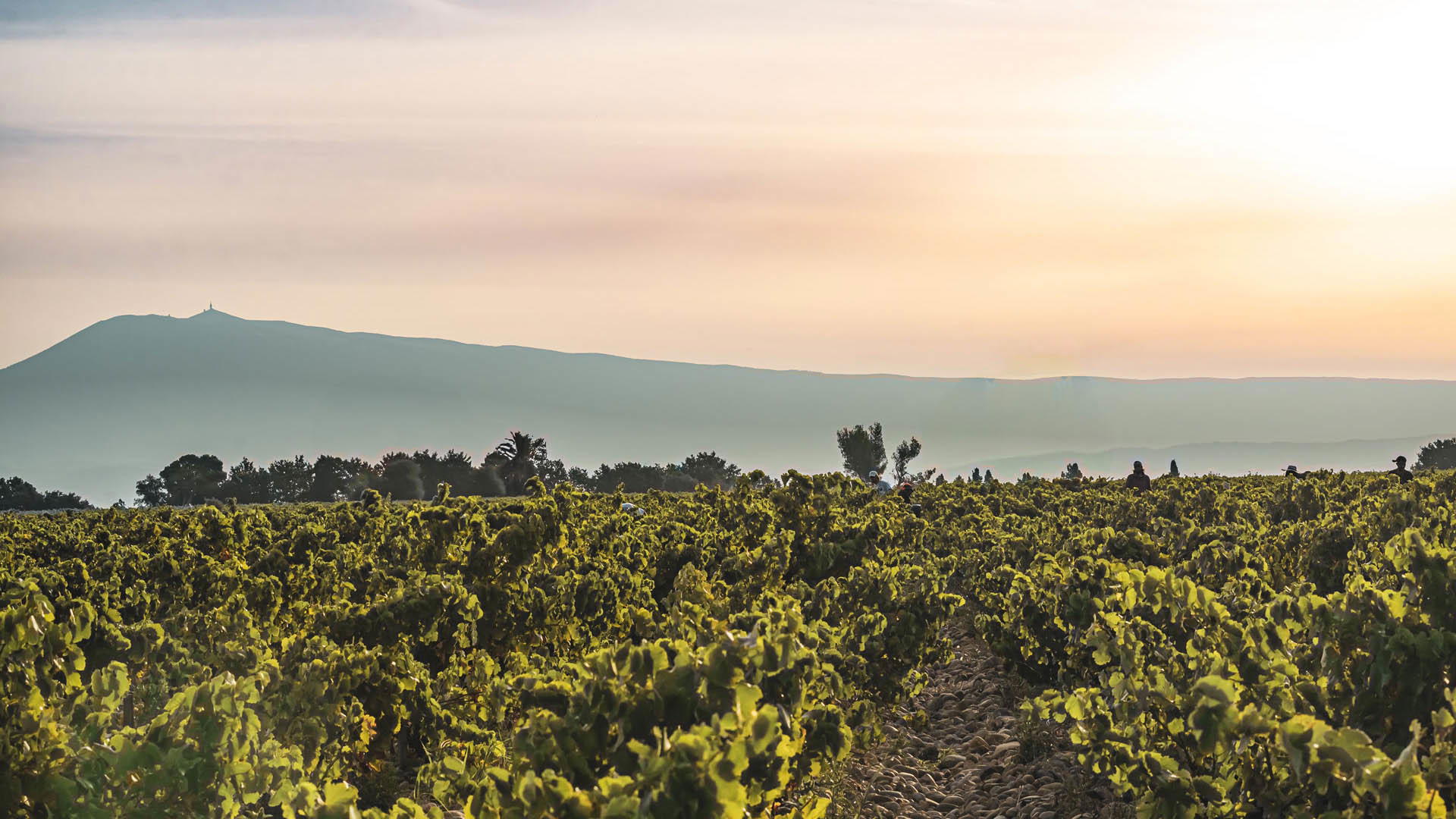
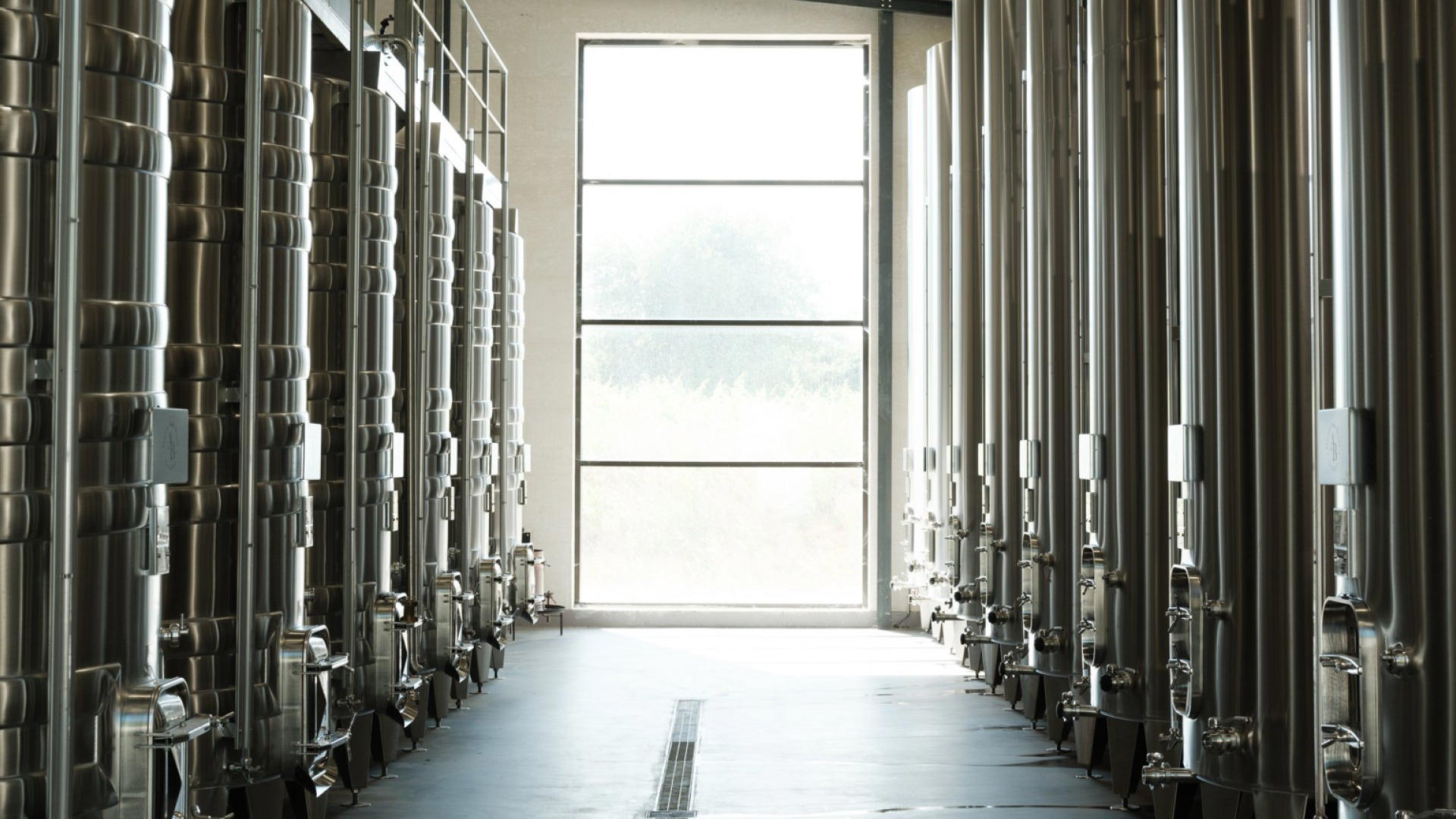
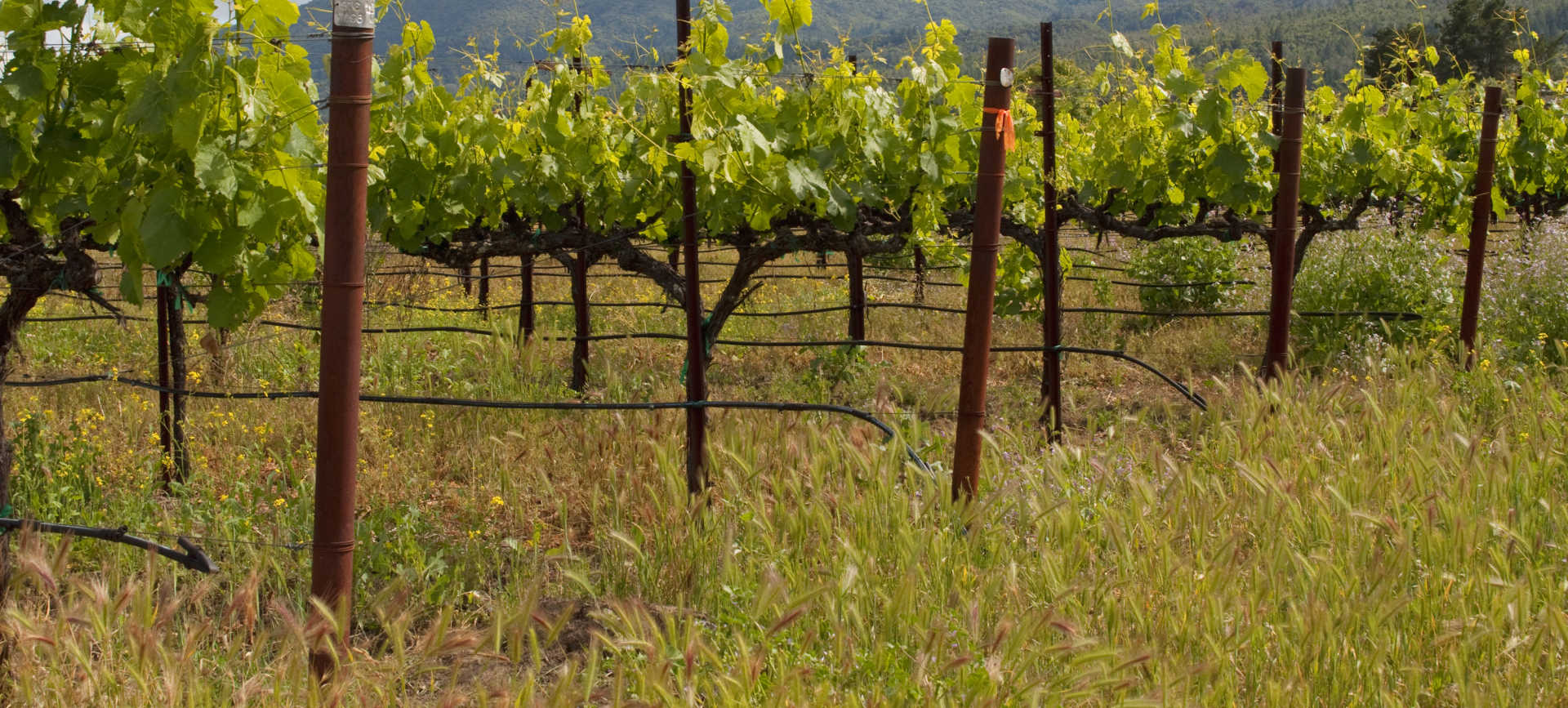
The estate produces its own wine, which changes the frame around the table in a way that matters beyond the list. When a kitchen and a winery share the same land, the pairing conversation starts before service does. The Luberon appellation draws on Grenache, Syrah, and Vermentino among others, producing wines with the kind of mineral restraint that suits a table running on olive oil, herbs, and slow-cooked proteins rather than heavy reductions. Chef Guillaume Goupil's French Provençal cooking operates within that register, and guests eating here have the option of tasting the property's own production alongside the food rather than reaching across the region for a match.
This positions Domaine de Fontenille inside a specific and relatively small category of French dining destinations where the agricultural context is not decorative. Compare it to Bras in Laguiole, where the Aubrac plateau shapes both the sourcing and the aesthetic, or to Mirazur in Menton, where the kitchen garden on the terraced hillside above the Mediterranean is not a marketing prop but a working ingredient source. At Fontenille, the vineyards serve the same structural role: they give the table a provenance argument that does not need to be explained from scratch at every course.
Reading the Room: Décor, Art, and Atmosphere
The dining room's contemporary art program is worth noting not as decoration but as a positioning signal. Estate-restaurant combinations in Provence frequently anchor their identity entirely in the historic fabric of the building, treating modernity as something to be apologised for or minimised. Fontenille moves in the opposite direction: the 17th-century envelope is acknowledged and preserved, while the interior language is alert and current. The address reads less like a traditional relais and more like the category of design-led estate properties that have emerged across the south of France as a distinct hospitality tier, where local materials and serious art collections replace the formula of antique furniture and regional watercolours.
For a broader map of where Fontenille sits in Lauris's hospitality offer, [our full Lauris hotels guide]() and [our full Lauris restaurants guide]() provide the context. The village is small, and the density of serious options rewards planning: La Cuisine d'Amélie offers a Mediterranean-focused alternative for those building a multi-day stay around the area's table.
Placing Fontenille in the French Regional Dining Conversation
The French Provençal category has two dominant reference points in the critical conversation: the grand addresses of the Riviera, running from Mirazur in Menton westward through Moulin de Mougins in Mougins and toward Baumanière in Les Baux, and the inland Luberon tradition where ingredients arrive from altitude and valley rather than sea. Fontenille sits squarely in the second group, operating at an elevation from the coast and with a culinary identity built on the plateau and hillside rather than the harbour.
Within the wider range of French regional cooking, it is useful to place addresses like Fontenille alongside the argument that serious French food does not require a Paris postcode or a Michelin constellation in the window. Flocons de Sel in Megève, Auberge de l'Ill in Illhaeusern, and Troisgros in Ouches all make the case from their respective regions that the kitchen's relationship to its local agricultural context is the deeper credential. At Fontenille, the estate's own viticulture functions as that credential: the wine-growing history of the land precedes and informs the cooking, not the other way around. Addresses like AM par Alexandre Mazzia in Marseille represent the alternative Provençal argument, where the chef's technical intervention is the central story. Fontenille belongs to the other camp, where land is the first argument.
Getting Here and Planning the Visit
Fontenille sits at GPS coordinates 43.7626, 5.2989 on the Route de Roquefraiche outside Lauris. The closest airport is Marseille-Provence International at roughly 67 kilometres, with Avignon airport at approximately 50 kilometres for those arriving by air. By rail, the Aix-en-Provence TGV station is around 54 kilometres distant, with Avignon at approximately 60 kilometres, both connecting cleanly to the high-speed network. A car is the practical choice from any of those arrival points: the estate sits on the edge of the village, and the Luberon's dispersed geography makes driving the natural mode of movement through the area. For those building a wider Luberon itinerary, [our full Lauris bars guide](), [wineries guide](), and experiences guide cover the surrounding offer.
Among French Provençal estate properties in this price tier, that consistency suggests the kitchen and the hospitality are aligned, rather than one outperforming the other.
Frequently asked questions
What's the address for Domaine de Fontenille?
Domaine de Fontenille is located at 1681 Rte de Roquefraiche, 84360 Lauris, France, Lauris.
A Quick Peer Check
Comparable venues nearby, for context on price, style, and recognition.
| Venue | Cuisine | Price | Awards | Notes |
|---|---|---|---|---|
| Domaine de FontenilleThis venue — the venue you are viewing | Contemporary Provençal | Not listed | Relais Chateaux Award | Not listed |
| Chez Lulu | French Bistro | $20–30 | Not listed | Lauris |
| La Cuisine d'Amélie | Provençal Mediterranean Farm-to-Table | $30–50 | Michelin Plate · Relais Chateaux Award | Lauris |
| Benvengudo | Modern Provençal French | Not listed | Not listed | Les Baux-de-Provence |
| Restaurant Skab | Modern French Gastronomique | $100–150 | 1 Michelin Star · Star Wine List | Near Arènes de Nîmes |
| Restaurant La Truffe Dans Tous Ses États | Truffle-Focused French Fine Dining | $50–100 | Not listed | Centre San Baquis |
Recognition history
Dated appearances from independent guides and award organizations, with the underlying list record or original source where available.
Relais Chateaux Award
Relais Chateaux
Continue exploring
More in Lauris
Restaurants in Lauris
Browse all →
Bars in Lauris
Browse all →
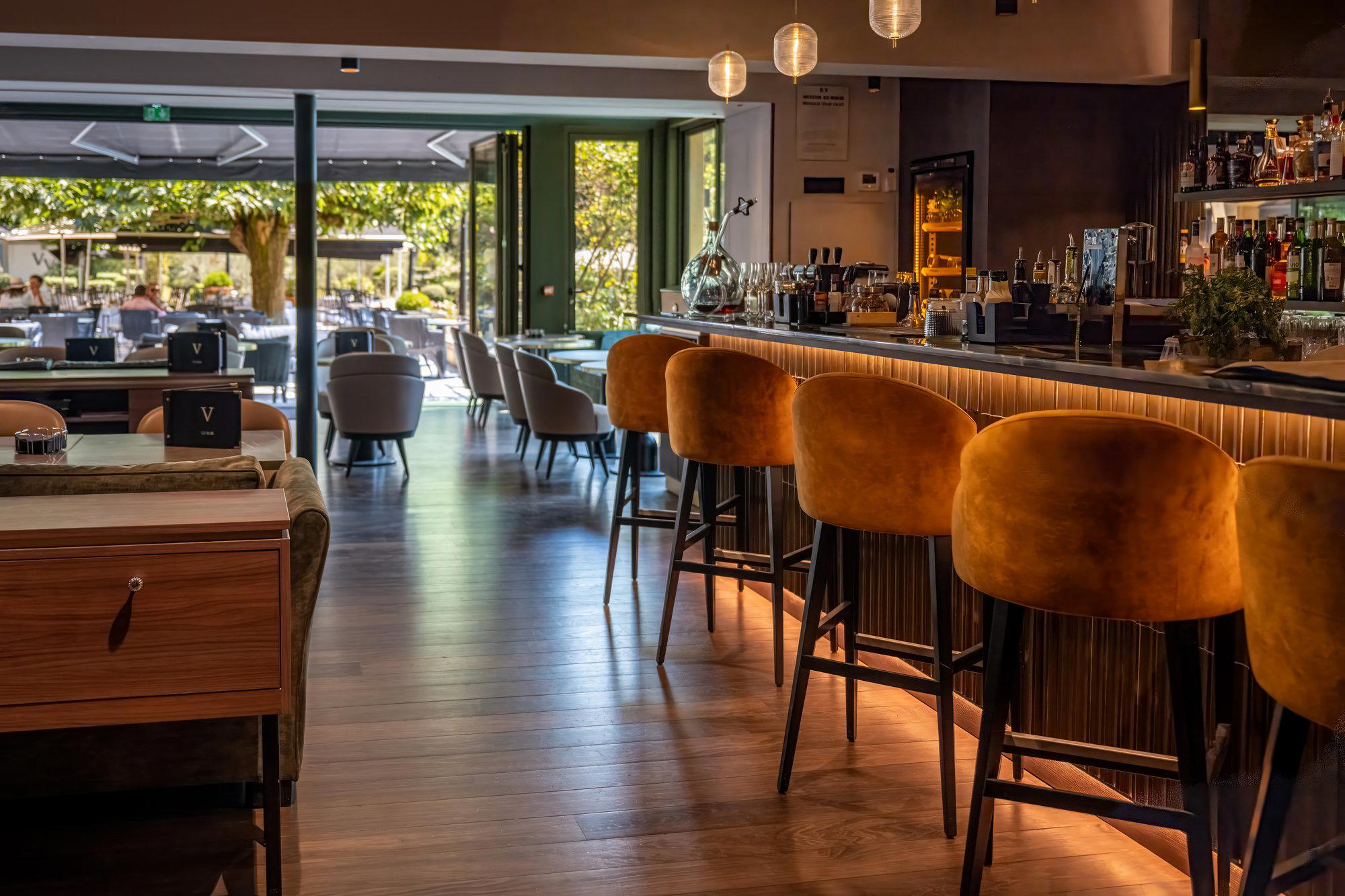
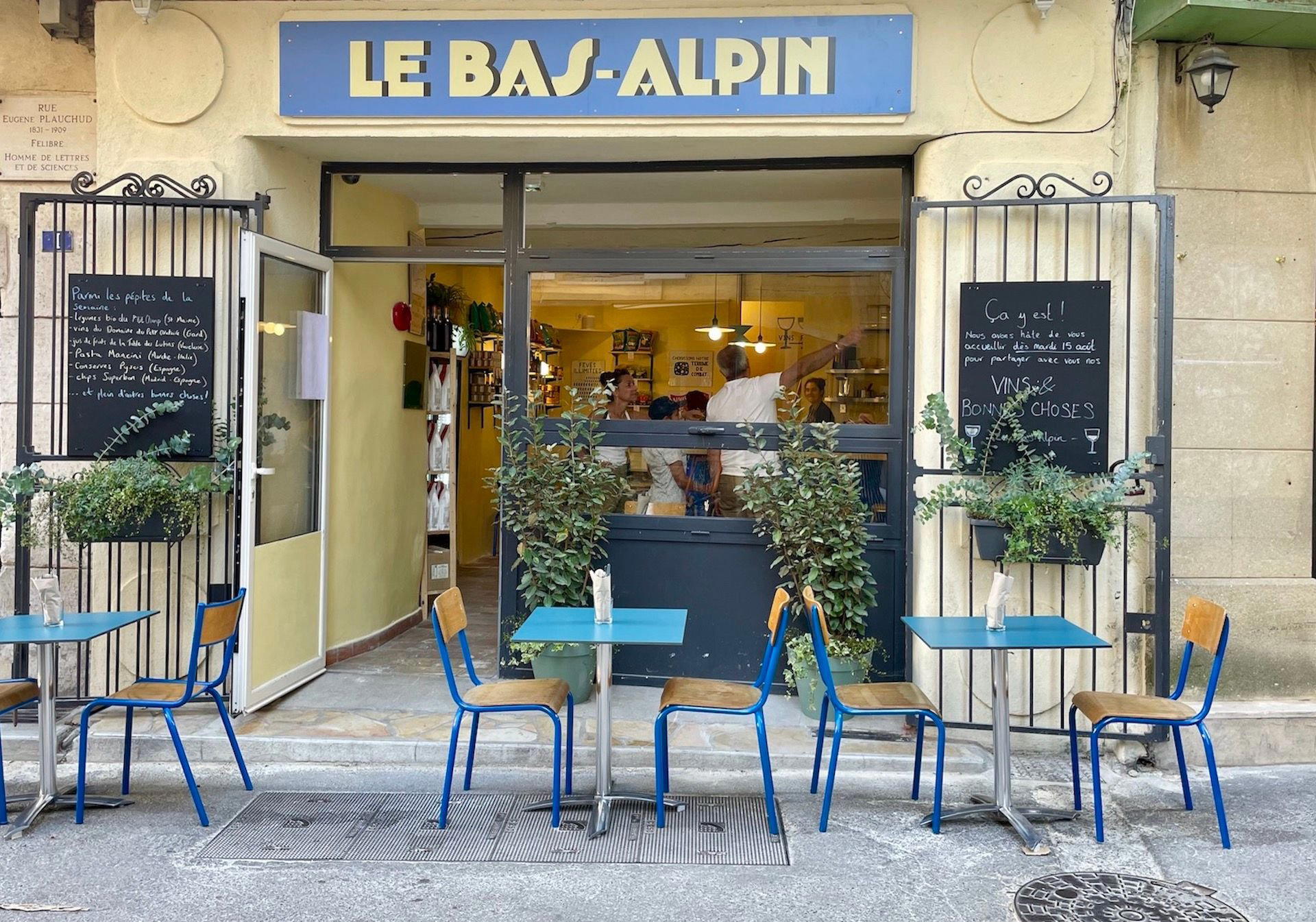
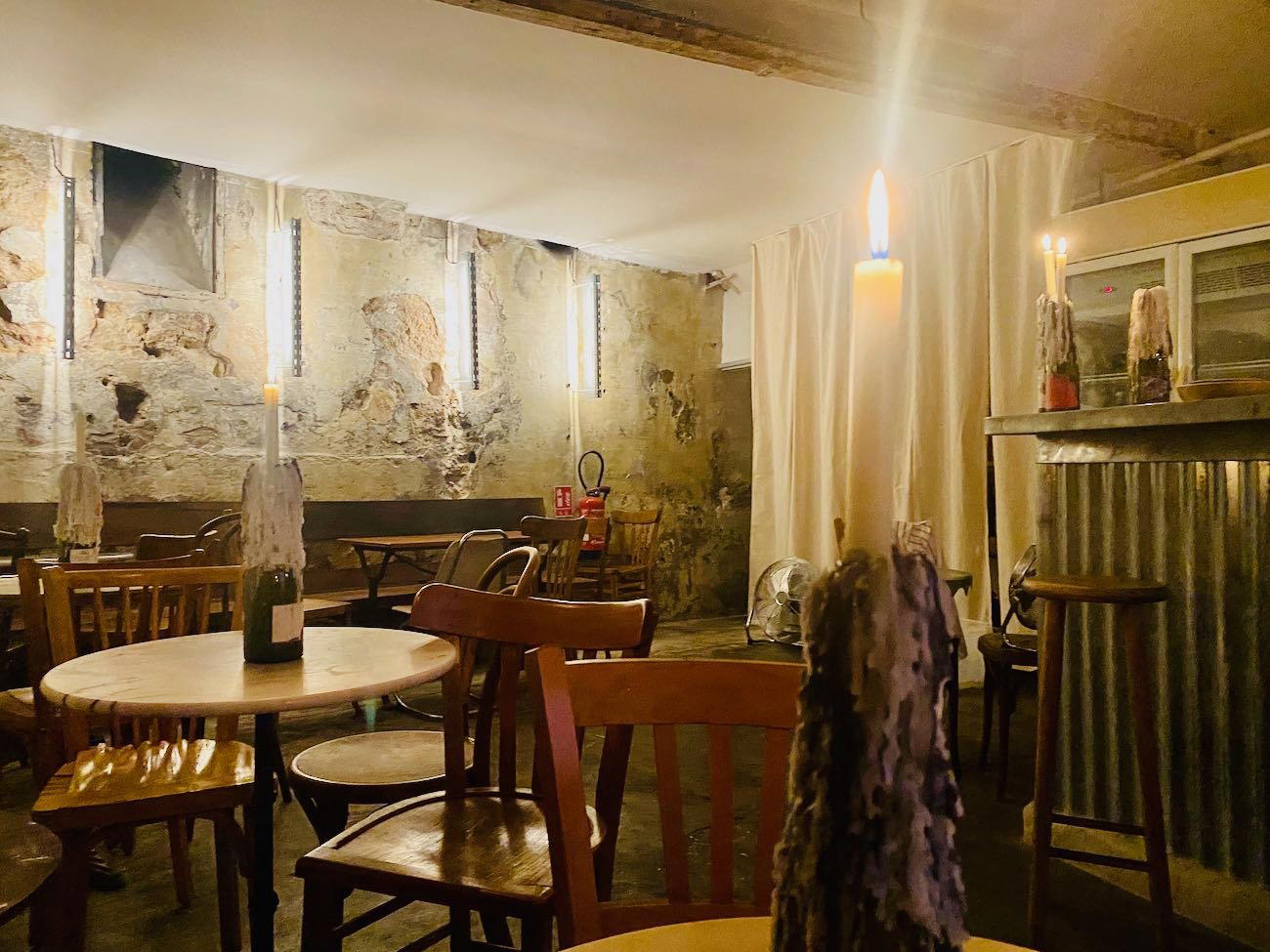
Hotels in Lauris
Browse all →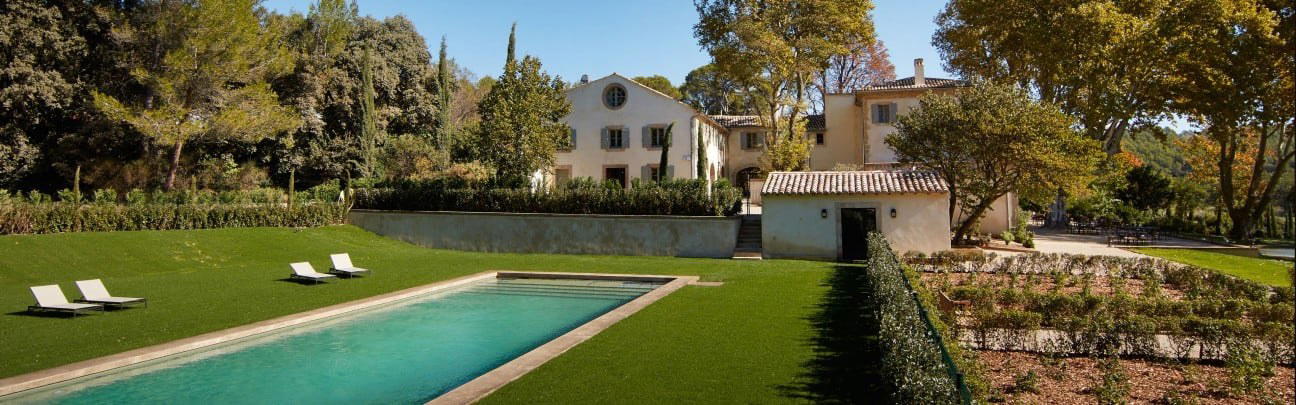
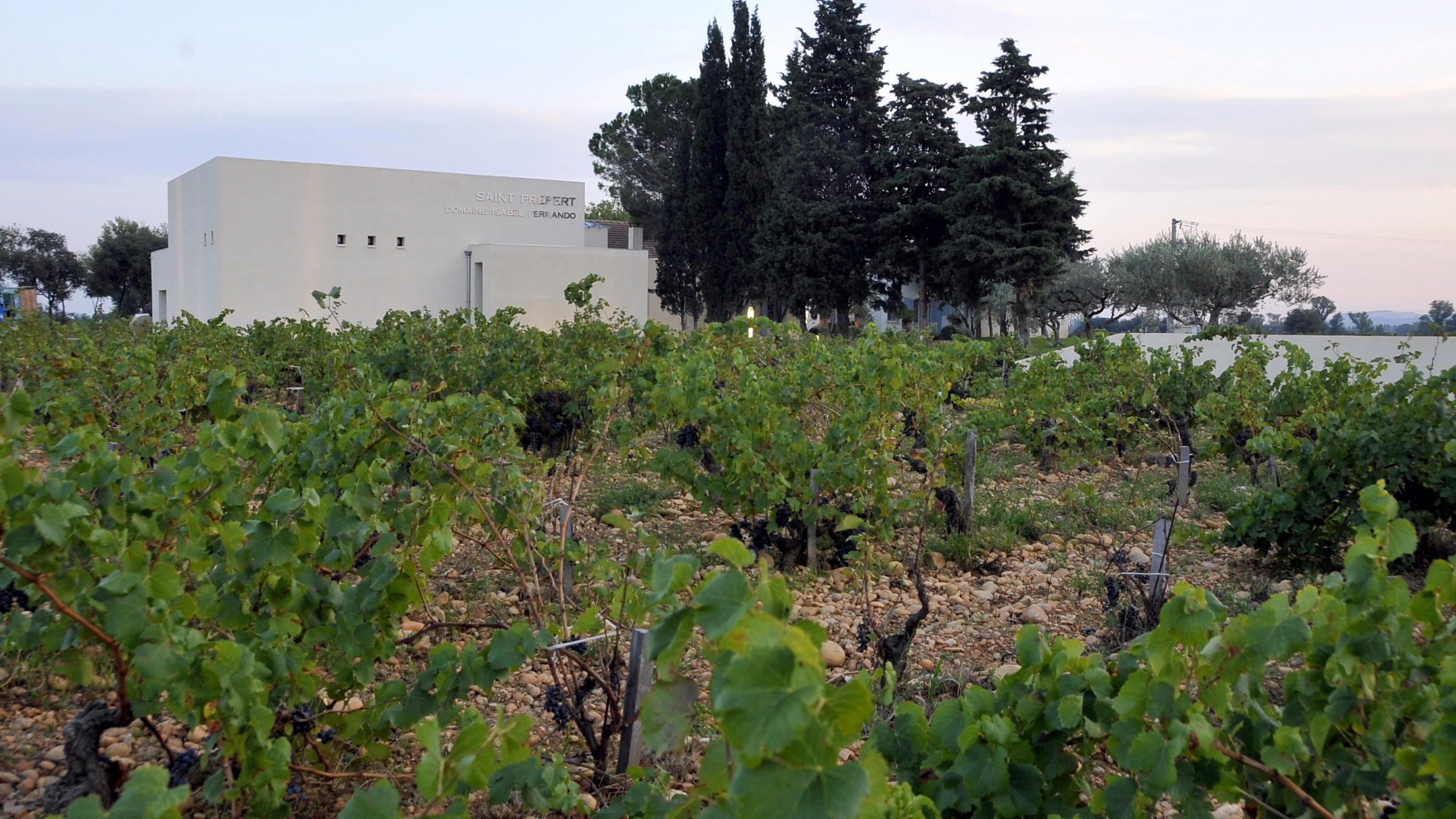
Domaine de Fontenille
The wine
- Wine program
- Curated wine list
- Extensive wine list
Details
- Romantic
- Elegant
- Rustic
- Scenic
- Sophisticated
- Date Night
- Special Occasion
- Garden
- Terrace
- Hotel Restaurant
- Extensive Wine List
- Farm To Table
- Local Sourcing
- Garden
- Vineyard
- A La Carte
- Set Menu
- Gluten Free Options
- Vegetarian Friendly
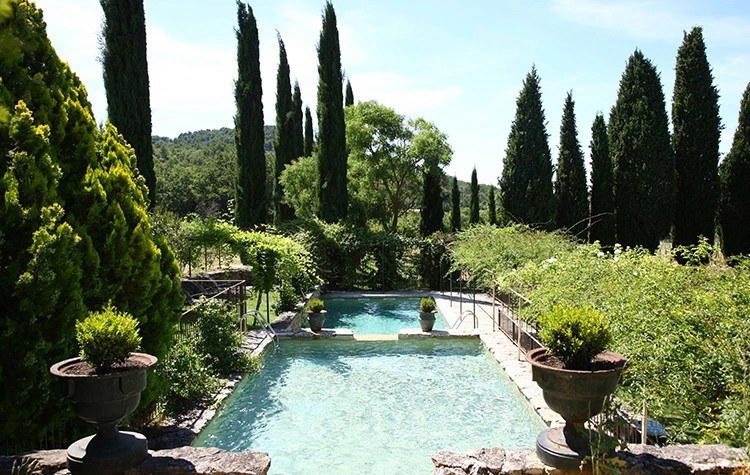
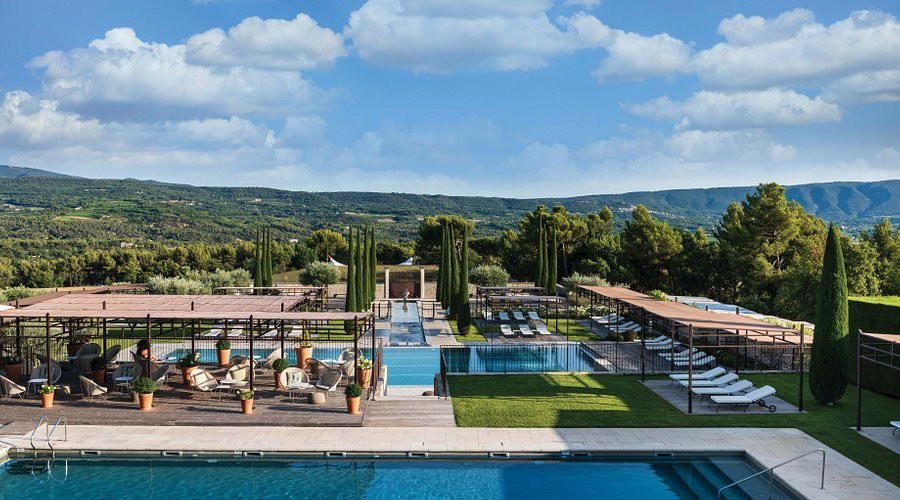
Relaxed and romantic terrace dining under century-old plane trees amid lush gardens and vineyards, with warm, attentive service.