

1 Michelin Star · We're Smart World 2 Radishes
Our verdict
A 17th-century farmhouse on the edge of Lodi, La Coldana holds a Michelin star and a sourcing philosophy that draws ingredients from within a 3km radius. Chef Alessandro Proietti Refrigeri's contemporary menu revolves around the Po Valley's agricultural calendar, with the San Massimo risotto and a seasonal vegetable dish that changes with the harvest standing as its clearest expressions.

Pearl is the En Primeur Club membership app — saves, bookings, and concierge access live there. Same editors, same standards.
- Address
- via del costino, Cascina Coldana, 26900 Lodi LO, Italy
- Phone
- +39 0371 431742
- Hours
- Mon 12:30–2:30 PM, 7:30–10 PMTue–Wed ClosedThu–Sun 12:30–2:30 PM, 7:30–10 PM
- Website
- ristorantelacoldana.it
- Directions
- Get directions
- Booking
- Book on TheFork
The menu
What to order
- San Massimo risotto with onion cream and roast eel
- Egg carbonara
A Farmhouse Kitchen at the Edge of the Po Valley
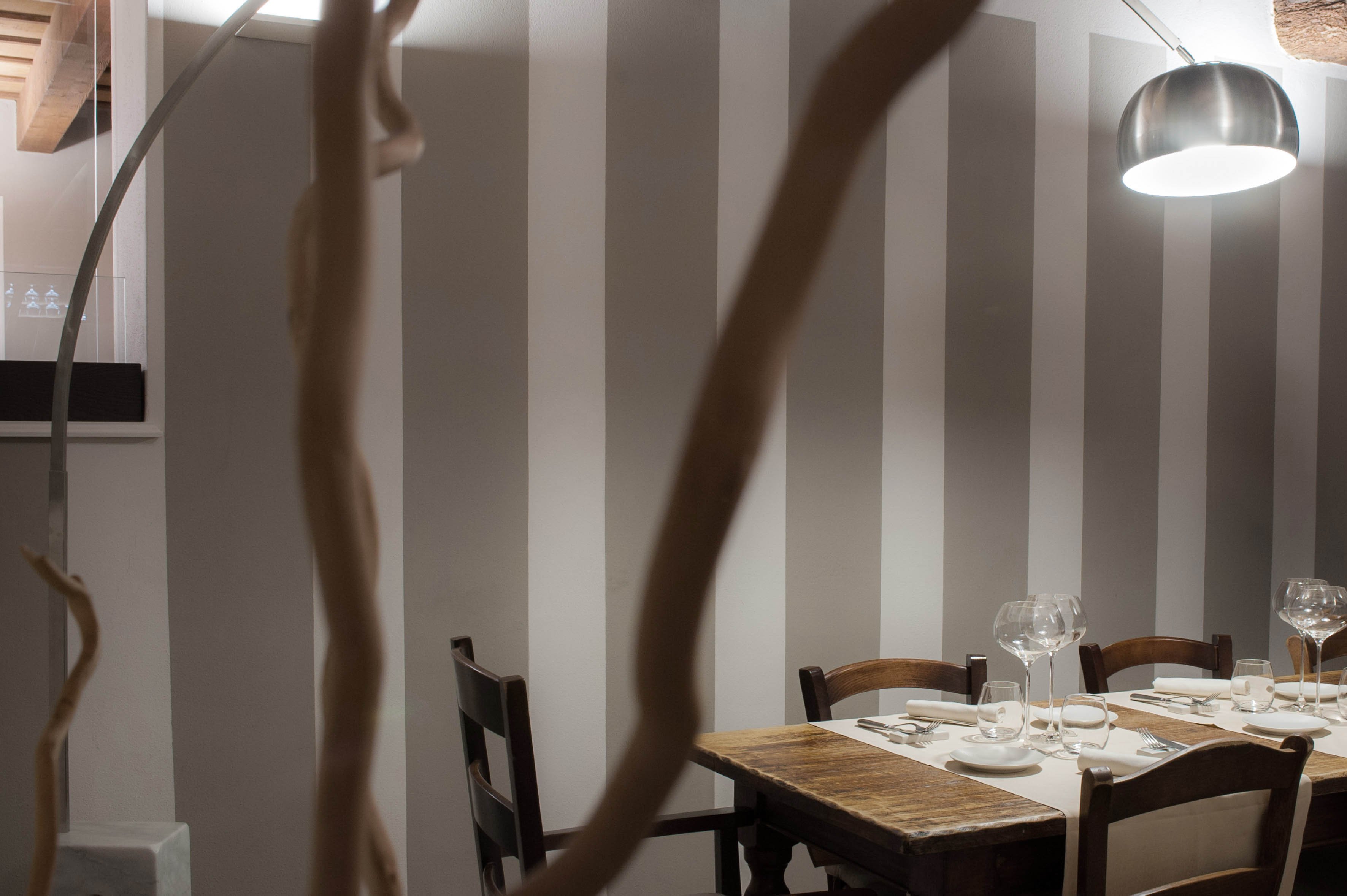
The building predates the restaurant by three centuries. Cascina Coldana was a working farm in the 17th century, and the fabric of that past survives in the heavy wooden beams spanning the low ceilings, in the stone walls, and in the proportions of rooms that were never designed for formal dining. What exists here now is a Michelin-starred contemporary restaurant that has grown into those spaces rather than reshaped them. The effect, common to several of northern Italy's most serious agrarian dining rooms, is a sense of continuity between what the land once produced and what arrives on the table.
Lodi sits in the middle of the Po Valley, a flat, fertile basin that has supplied Milan and the wider Lombardy region with rice, dairy, and freshwater fish for centuries. The city itself is often bypassed by travellers moving between Milan and Bologna, which means the dining scene here operates at a different register than the more competition-dense markets to the north. For a restaurant carrying a Michelin star in this setting, the competitive context is not the street-by-street density of a major urban food district but rather the wider tradition of serious, ingredient-led cooking in rural Lombardy. Venues such as Dal Pescatore in Runate have held that tradition to an international standard for decades; La Coldana occupies a similar space in the regional imagination, though at a different price tier and with a sharper local-sourcing frame.
Sourcing Inside a Three-Kilometre Circle
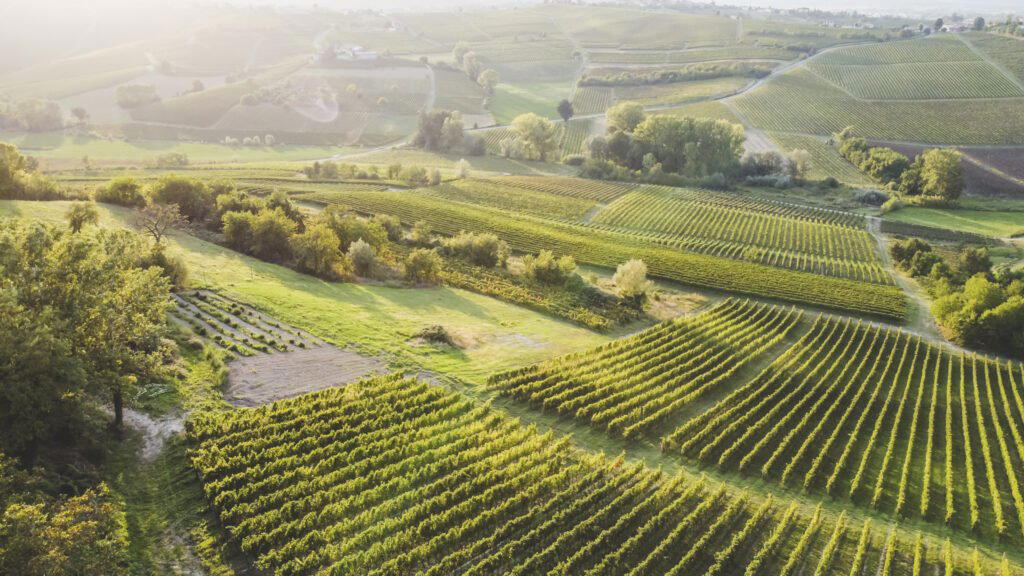
The supply philosophy at La Coldana is unusually tight. Most farm-to-table programs define their sourcing by region or even country; here, the working principle is a 3km radius. In the context of Lodi's agricultural surroundings — rice paddies, dairy farms, market gardens, and the tributary waterways of the Po — that constraint is not a marketing position so much as a structural fact. What grows close by is what gets cooked. In practice, this produces a menu that moves with the agricultural calendar more directly than kitchens sourcing from a wider net.
The vegetables are the most visible expression of this approach. A large seasonal vegetable dish, which changes with the harvest, gives the kitchen's garden sourcing its clearest platform. In a contemporary Italian context, this kind of produce-forward structure sits within a broader movement across northern Italian fine dining, where the chef's role has shifted from interpreter of classical technique to custodian of a specific territory. Atelier Moessmer Norbert Niederkofler in Brunico operates with a comparable terroir-first logic in the Alto Adige; the underlying argument is the same, even as the landscapes and produce differ sharply.
San Massimo risotto with onion cream and roast eel is the dish that recurs in assessments of La Coldana's kitchen. San Massimo is a protected Piedmontese rice variety grown without pesticides, and its use positions this risotto firmly within the premium northern Italian rice tradition. Roast eel is a classic preparation from the Po Delta, the waterway system that runs east of Lodi toward the Adriatic. The combination of a regionally specific grain with a fish that belongs to the same river system is exactly the kind of sourcing coherence that the 3km philosophy demands.
The Rooms and the Wine Cellar
Dining rooms are small, softly lit, and arranged around the original farmhouse structure. The atmosphere skews intimate rather than formal, which is a deliberate feature of restaurants that have preserved rather than renovated their agricultural buildings. Service is attentive and professional, occupying the register expected of a one-star venue without tipping into the stiffness that affects more ceremonial dining rooms.
Groups have the option to book the wine cellar as a private dining space, and it functions differently from the main rooms. The selection includes well-known labels alongside wines from smaller producers, which mirrors a broader tendency in serious Italian wine programs to position regional and artisan bottles alongside the classified names. In the Lombardy context, this means access to producers from the Oltrepò Pavese, Franciacorta, and the Valtellina, all within a short drive of Lodi and all frequently overlooked by cellars that prioritise Piedmont and Tuscany above the region's own output. For anyone building an evening around wine as much as food, the cellar room provides a better frame for that conversation than the main dining area. See our full Lodi wineries guide for context on what the region is producing.
Where La Coldana Sits in the Wider Italian Fine Dining Picture
Michelin's one-star tier in Italy covers an enormous range: from urban tasting-menu destinations in Milan and Florence to rural farmhouse kitchens like this one. The distinction matters for setting expectations. Those restaurants operate in a different economic and theatrical register. La Coldana sits closer to the tradition of serious rural cooking recognised for its sourcing integrity and technical execution rather than for spectacle or scale.
At the €€€ price point, it also occupies a different tier from the €€€€ destination restaurants that draw international travellers to Italy specifically for a table. Osteria Francescana in Modena, Le Calandre in Rubano, and Piazza Duomo in Alba benchmark against an international traveller market; La Coldana prices for a regional one, which aligns with its sourcing philosophy and its location in a city not yet on the international dining itinerary. That positioning makes it one of the more accessible entries into starred contemporary Italian cooking in Lombardy, a category where value relative to the urban alternatives is a legitimate editorial observation, not a polite qualification.
For comparison points outside Italy, the model of a tight-radius sourcing program inside a historic agricultural building has parallels at serious contemporary restaurants globally. César in New York City and Jungsik in Seoul represent how the contemporary category expresses itself in dense urban markets; La Coldana shows what the same ambition looks like rooted in a specific agricultural territory.
Planning a Visit
La Coldana opens for dinner Wednesday through Friday from 7:30 PM to 10 PM, with both lunch service (12:30 PM to 2:30 PM) and dinner on Saturday and Sunday. The restaurant is closed Monday and Tuesday. The lunch sessions on weekends make it a workable destination for a day trip from Milan, approximately 35 kilometres to the northwest, particularly for those who want a serious meal without committing to a full overnight stay. The address at via del Costino, Cascina Coldana, places it on the outskirts of Lodi, in the farmland that gives the sourcing program its physical grounding. Arriving by car makes more sense than public transport given the rural setting.
Michelin awarded it one star in 2024, which provides the formal recognition frame. Reservations should be made in advance, particularly for the wine cellar private dining option, which fills separately from the main room bookings. The kitchen's recommendation, passed through Michelin's own notes, is to ask staff for guidance rather than approaching the menu cold. The seasonal vegetable dish and the San Massimo risotto with onion cream and roast eel are the two preparations most consistently cited as the kitchen's strongest statements.
For those building a wider Lodi itinerary, see our full Lodi restaurants guide, our full Lodi hotels guide, our full Lodi bars guide, and our full Lodi experiences guide for further context on what the city offers beyond the table.
Frequently asked questions
What does dinner at La Coldana typically cost?
Pricing at La Coldana is listed as €€€.
At-a-Glance Comparison
| Venue | Cuisine | Price | Awards | Notes |
|---|---|---|---|---|
| La ColdanaThis venue — the venue you are viewing | Modern Italian Fine Dining | $50–100 | 1 Michelin Star · We're Smart World 2 Radishes | Not listed |
| Atelier Moessmer Norbert Niederkofler | Italian, Creative | Not listed | Michelin 3 Star | Not listed |
| Dal Pescatore | Italian, Italian Contemporary | Not listed | Michelin 3 Star | Not listed |
| Enoteca Pinchiorri | Contemporary Italian Fine Dining | $200–300 | 3 Michelin Stars · World's 50 Best #32 | Italian - French, Italian Contemporary |
| Enrico Bartolini | Creative | Not listed | Michelin 3 Star | Not listed |
| Osteria Francescana | Avant-Garde Italian Contemporary | $300–500 | 3 Michelin Stars · World's 50 Best #1 | Progressive Italian, Creative |
Recognition history
Dated appearances from independent guides and award organizations, with the underlying list record or original source where available.
Michelin 1 Star
Michelin
We're Smart World 2 Radishes
We're Smart World
Full recognition history (4 entries)
Michelin 1 Star
Michelin
Michelin 1 Star
Michelin
Continue exploring
More in Lodi
Restaurants in Lodi
Browse all →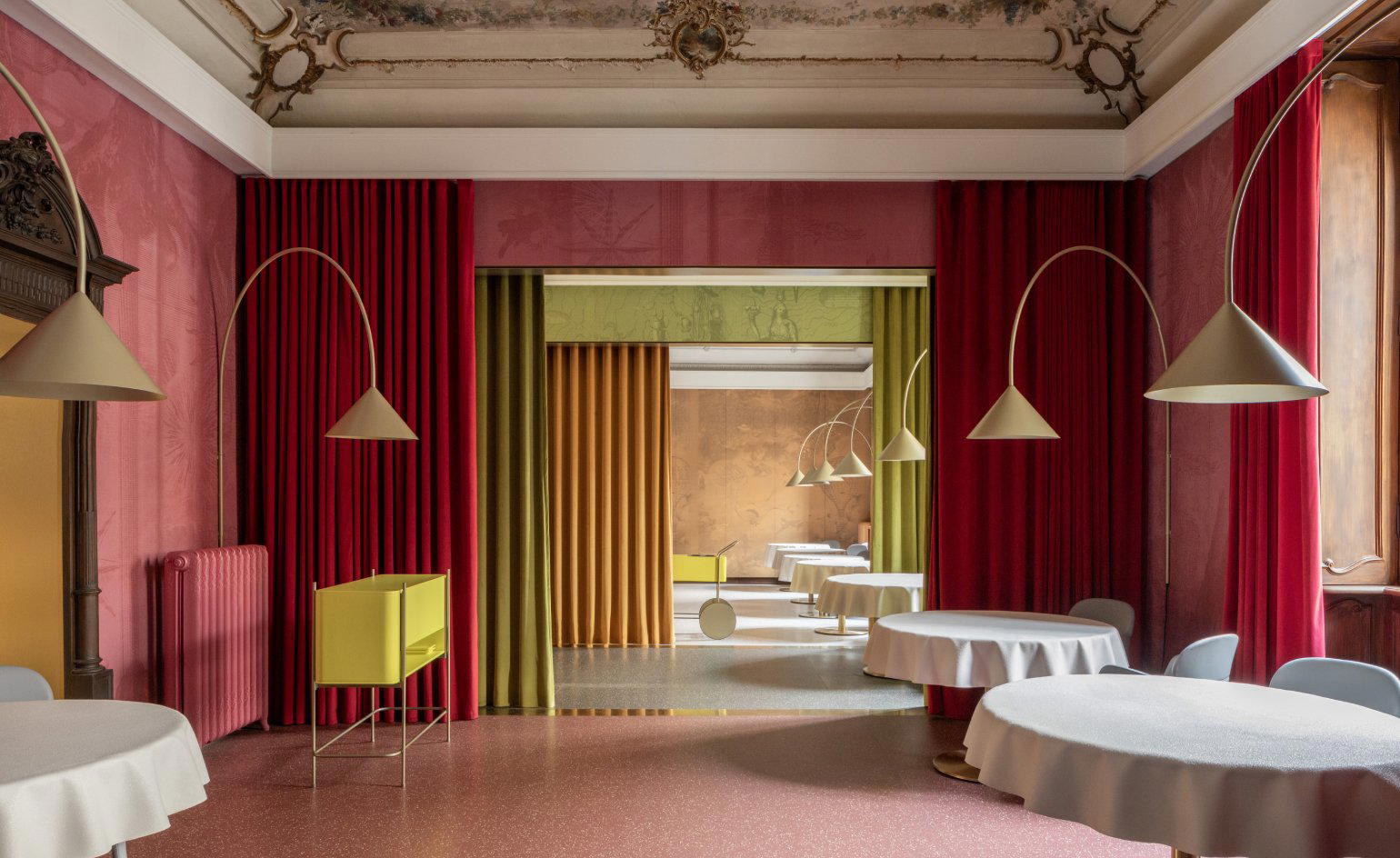
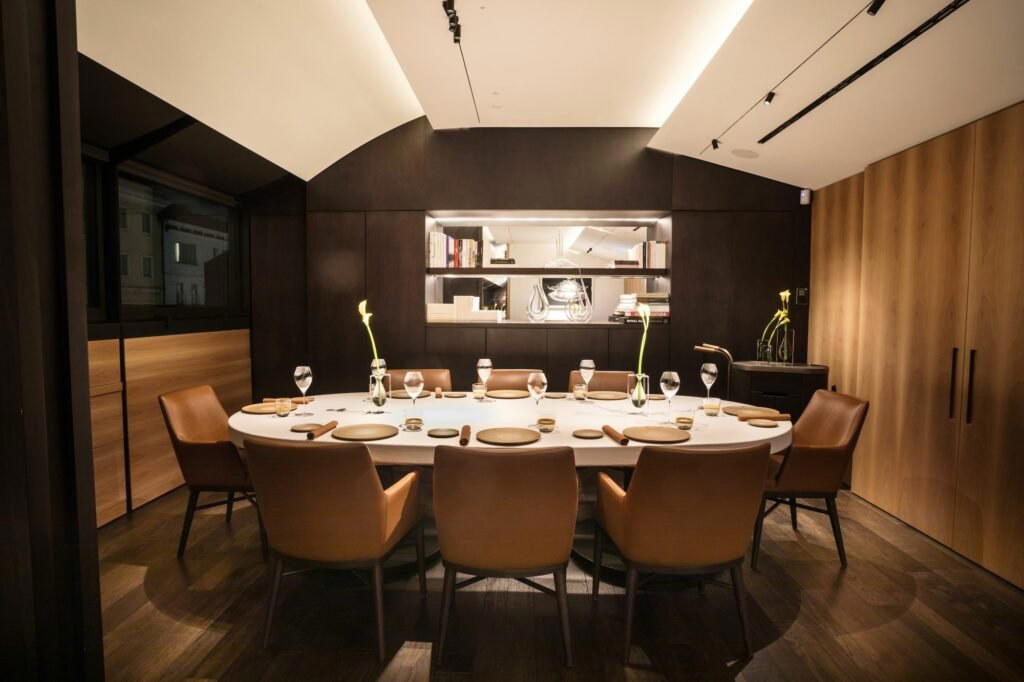
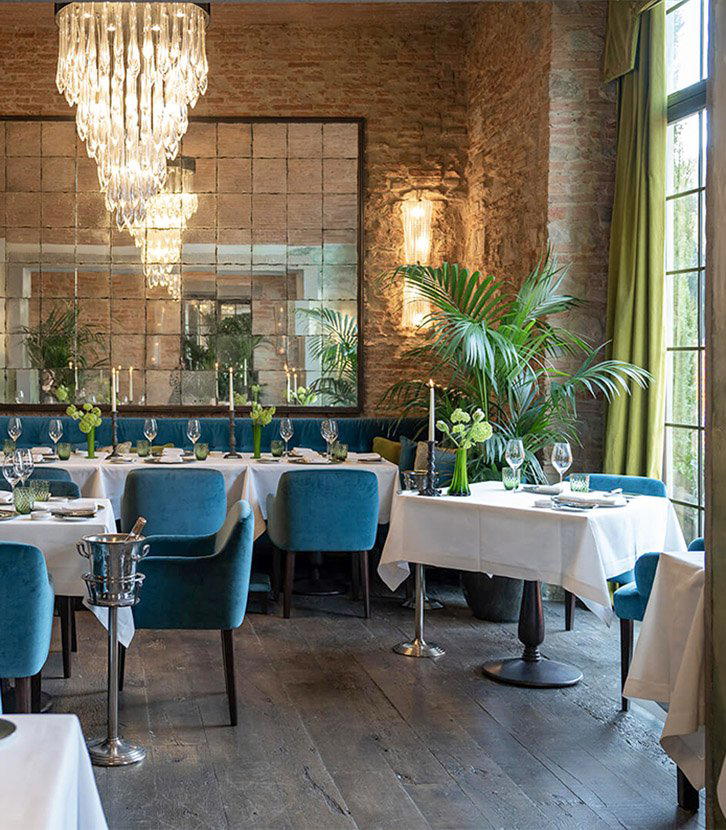
Bars in Lodi
Browse all →
Hotels in Lodi
Browse all →
Details
- Cozy
- Elegant
- Intimate
- Rustic
- Date Night
- Special Occasion
- Wine Cellar
- Private Dining
- Extensive Wine List
- Tasting Menu
- Vegetarian Friendly
Current opening hours
- Monday
- 12:30–2:30 PM, 7:30–10 PM
- Tuesday
- Closed
- Wednesday
- Closed
- Thursday
- 12:30–2:30 PM, 7:30–10 PM
- Friday
- 12:30–2:30 PM, 7:30–10 PM
- Saturday
- 12:30–2:30 PM, 7:30–10 PM
- Sunday
- 12:30–2:30 PM, 7:30–10 PM
Hours can change for holidays and private events. Last verified .
Cozy, elegant, and intimate atmosphere with characteristic interior rooms providing quiet and comfortable dining.