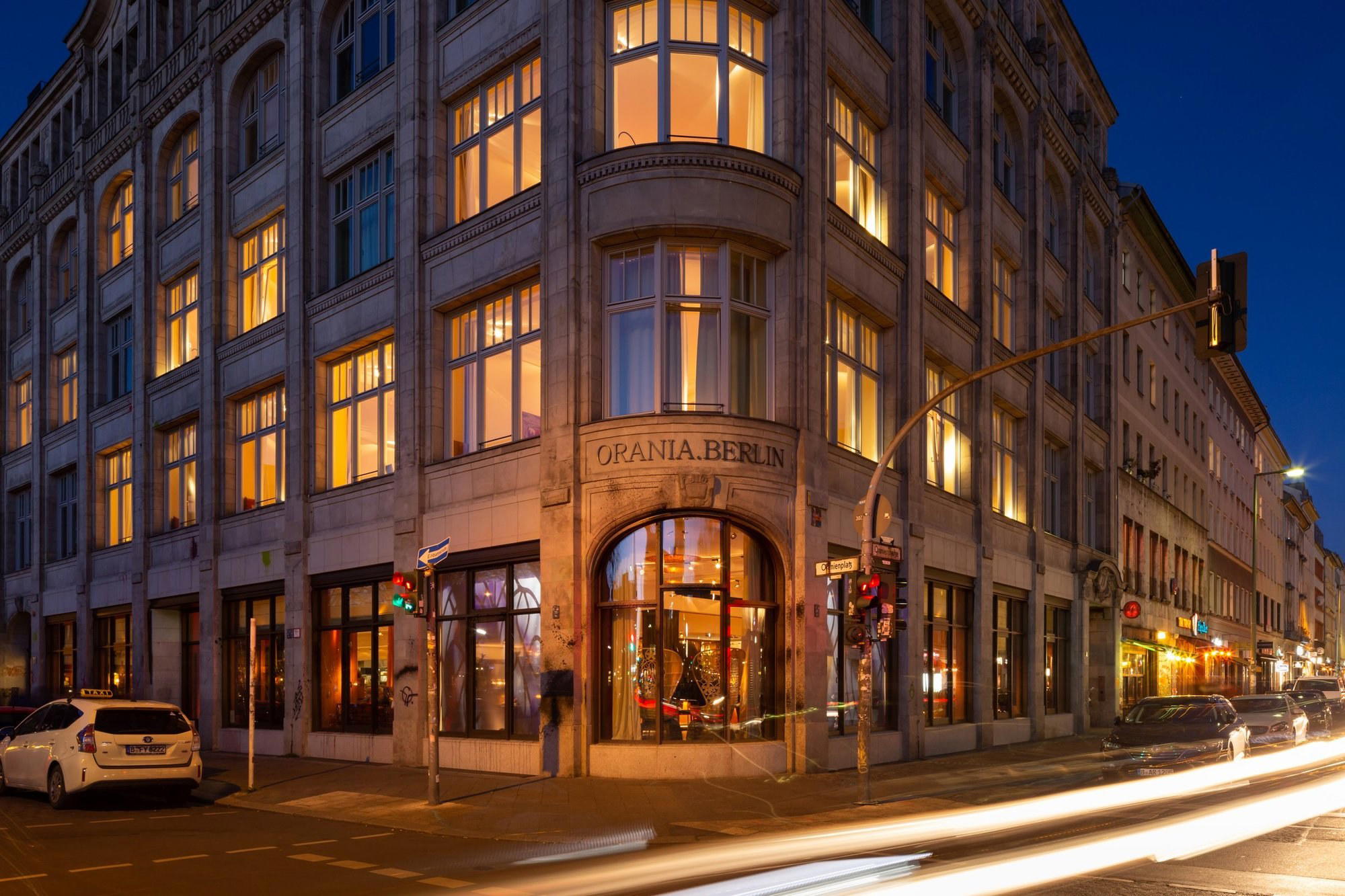
"Warschauer Strasse, Friedrichshain While living in Berlin, I stayed on Warschauer Strasse, on the end closest to the U-Bahn station of the same name. On an evening walk before dinner, I took a walk down the street to explore my new surroundings. This particular set of doors is the epitome of the neighborhood, to me. By Matt Opsahl"
Pearl is the En Primeur Club membership app — saves, bookings, and concierge access live there. Same editors, same standards.
- Address
- Berlin-Friedrichshain-Kreuzberg, Germany
- Directions
- Get directions
 Saves & bookings on Pearl
East Berlin's Dining Identity, Mapped Through Friedrichshain
There is a particular quality to the eastern districts of Berlin that no other European capital quite replicates. The streets around Friedrichshain carry the residue of the GDR, post-reunification chaos, and three decades of creative reinvention in equal measure. Warehouses that once stored industrial equipment now hold fermentation labs and natural wine bars. Concrete courtyards that sat abandoned through the 1990s have become some of the city's most argued-over dining destinations. Friedrichshain, the district straddling the eastern bank of the Spree, is where this transformation is most legible at the table.
Understanding where Friedrichshain sits in Berlin's broader restaurant geography requires a brief orientation. The city's Michelin-recognised fine dining is distributed unevenly: Mitte and Kreuzberg collect the bulk of the starred addresses, from Rutz and FACIL to Restaurant Tim Raue and Nobelhart & Schmutzig. Friedrichshain operates differently. Its dining identity has never been built around conventional fine dining recognition. Instead, the district has cultivated a scene that values format experimentation, informal tasting progressions, and a price-to-ambition ratio that Mitte's dining rooms rarely achieve. That distinction is not a consolation prize. For a specific kind of Berlin meal, it is the point.
The Tasting Progression in an Informal Register
The multi-course tasting format, long associated with white tablecloth restaurants and formal service rhythms, has been quietly renegotiated in Berlin's eastern districts. Friedrichshain sits at the centre of that renegotiation. Here, the idea of a meal that moves through distinct phases, from lighter, acidic openings through increasingly dense, fatty, or complex middle courses to a dessert resolution, has been adopted by restaurants that reject the ceremony typically attached to that structure. The result is a tasting progression in an informal register: serious food, relaxed room, no dress code signalling, and a guest relationship that treats the meal as an experience to share rather than a performance to receive.
This format has parallels elsewhere. Lazy Bear in San Francisco built its reputation on exactly this tension between tasting-menu ambition and communal dining informality. CODA Dessert Dining, just across the district boundary in Kreuzberg, has applied the same structural logic to an entirely dessert-led progression. Friedrichshain's kitchens have absorbed those influences without replicating them, producing menus that tend to emphasise fermentation, preserved vegetables, and slow-cooked proteins in sequences that reflect the pantry logic of the region rather than the plating language of French fine dining.
How the Neighbourhood Shapes the Plate
The sourcing habits of Friedrichshain's more serious restaurants reflect the district's character in a way that is difficult to manufacture. Brandenburg, the agricultural region surrounding Berlin, produces the pork, duck, game, and root vegetables that anchor particularly coherent menus here. The proximity of that larder, combined with a cultural preference for directness over decoration, produces food that tends to be assertively seasoned and structurally confident rather than refined into abstraction.
That regional specificity connects Friedrichshain's better dining rooms to a broader tradition of German cooking that the country's upper-end restaurants have been revisiting with renewed seriousness. Schwarzwaldstube in Baiersbronn and Waldhotel Sonnora in Dreis represent the classical strand of that tradition. Schanz in Piesport and ES:SENZ in Grassau push it toward contemporary precision. Friedrichshain occupies a different register entirely: less formal, more urban, and less interested in the trappings of traditional German restaurant culture, but no less engaged with the underlying ingredients and techniques.
The same regional rootedness can be found in restaurants such as Vendôme in Bergisch Gladbach and Victor's Fine Dining by Christian Bau in Perl, where the German fine dining canon is treated with technical seriousness. Friedrichshain's contribution is to show what happens when that same seriousness is applied without the canonical trappings.
Wine, Natural Fermentation, and the East Berlin Bar Counter
Any account of eating in Friedrichshain that omits the drinking culture is missing half the story. The district's bar and wine scene has developed in close symbiosis with its kitchen culture: the same aesthetic preferences that shaped its restaurants (raw concrete, exposed ducting, no background music calibrated for romance) have produced a bar counter culture that treats natural wine, low-intervention pours, and spontaneous fermentation with the same earnestness that a Michelin kitchen applies to its larder. This is not incidental atmosphere. It shapes how meals progress, what gets ordered to match, and how long tables stay occupied.
Visitors moving between Berlin's dining districts will notice the contrast quickly. The wine programs at Mitte-adjacent venues like Restaurant Haerlin (Hamburg's equivalent in hospitality register) or Aqua in Wolfsburg operate within a conventional fine-dining cellar logic: depth, classical regions, sommelier authority. Friedrichshain's leading venues invert that structure. The list may be shorter but the commitment to producers working without addition runs deeper, and the service style treats the guest as a collaborator in choosing rather than a recipient of expertise.
Placing Friedrichshain in Germany's Restaurant Conversation
Germany's most discussed restaurant addresses have historically clustered outside its major cities. JAN in Munich, Bagatelle in Trier, the starred country house restaurants of the Rhine and Black Forest regions: these are the addresses that dominate the national conversation. Berlin's contribution to that conversation has been growing, but it is concentrated in a handful of recognised addresses rather than distributed across neighbourhoods. Friedrichshain's role in that picture is as a proof of concept: serious food and considered drinking do not require the scaffolding of formal fine dining to sustain a scene worth seeking out.
For visitors already planning the established stops on Berlin's culinary circuit, Friedrichshain offers a different kind of evening. Not a lesser version of what Rutz or FACIL does, but a format that operates on different terms. In that peer group, the eastern Berlin style reads clearly and holds up.
A full evening in Friedrichshain tends to move through phases even without a formal tasting menu structure. Early drinks at a wine bar counter, a reservation that starts later than Mitte's typical 7pm slots (more commonly 8pm or 8:30pm), and a meal that extends well past midnight without anyone signalling that the table is needed: this is the district's native rhythm, and the better kitchens have built their progressions around it.
Recognition, Side-by-Side
Comparable venues nearby, for context on price, style, and recognition.
| Venue | Cuisine | Price | Notes |
|---|---|---|---|
| FriedrichshainThis venue — the venue you are viewing | other | $ | Not listed |
| La Cave Prenzlauer Berg | Wine Bar | $$ | Prenzlauer Berg |
| Lichtblick-Kino | Cinema snacks | $ | Prenzlauer Berg |
| Rüyam Gemüse Kebab | Turkish Döner Kebab | $ | Schöneberg |
| Superfoods | Superfood Organic Deli | $$ | Charlottenburg |
| Izmir Köftecisi | Authentic Turkish Köfte Grill | $ | Kreuzberg |
At a Glance
- Lively
- Trendy
- Rustic
- Casual Hangout
- Group Dining
- Open Kitchen
- Beer Program
- Local Sourcing
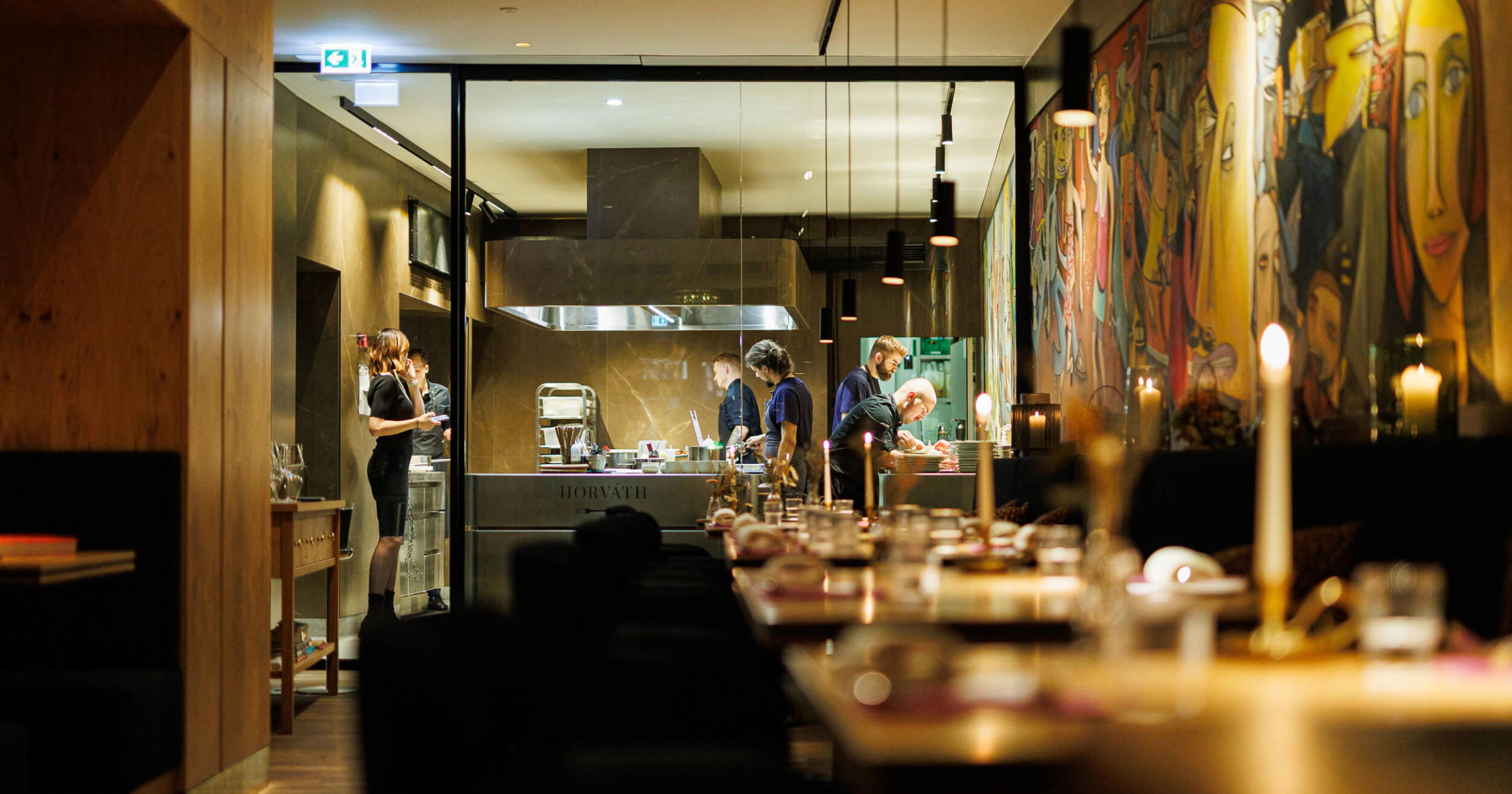
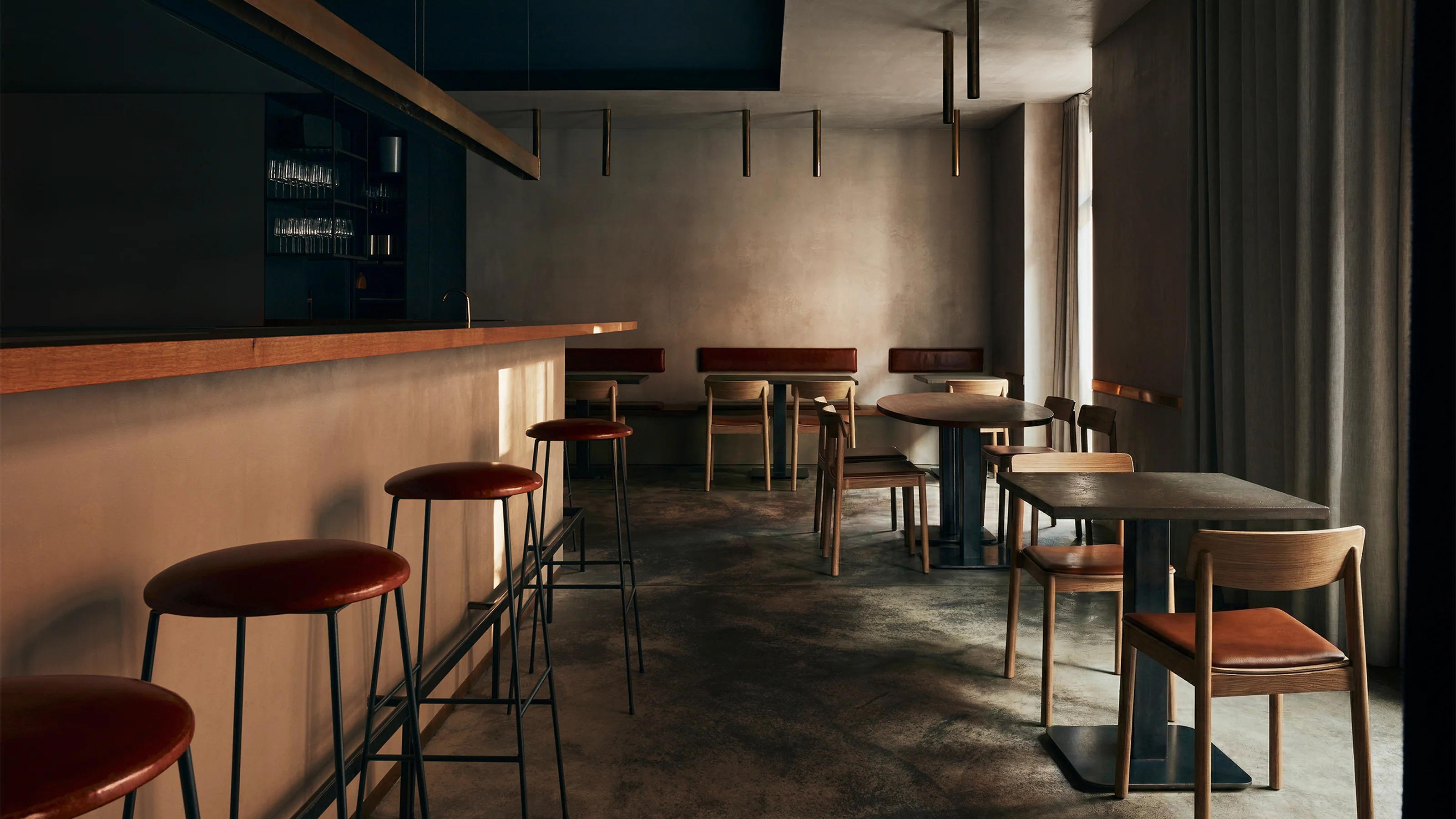
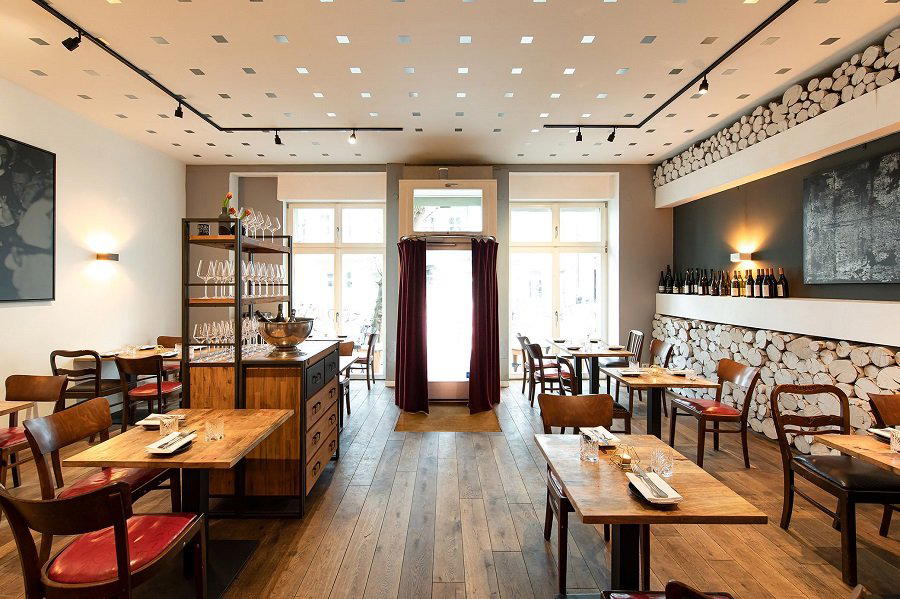
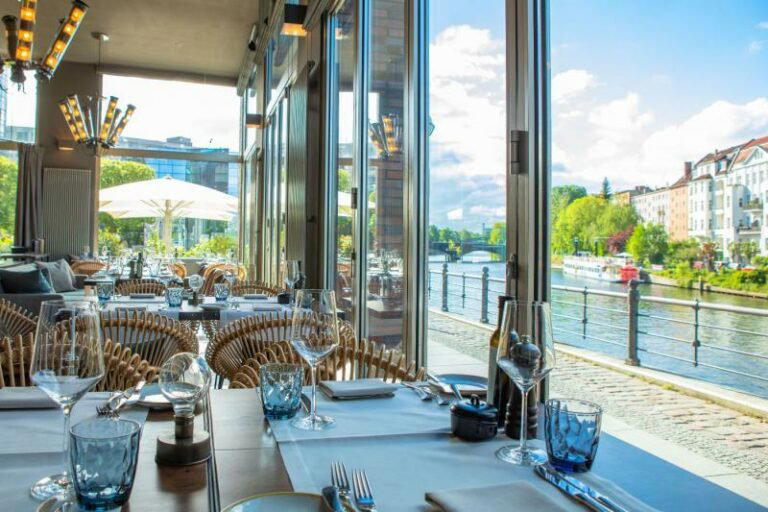
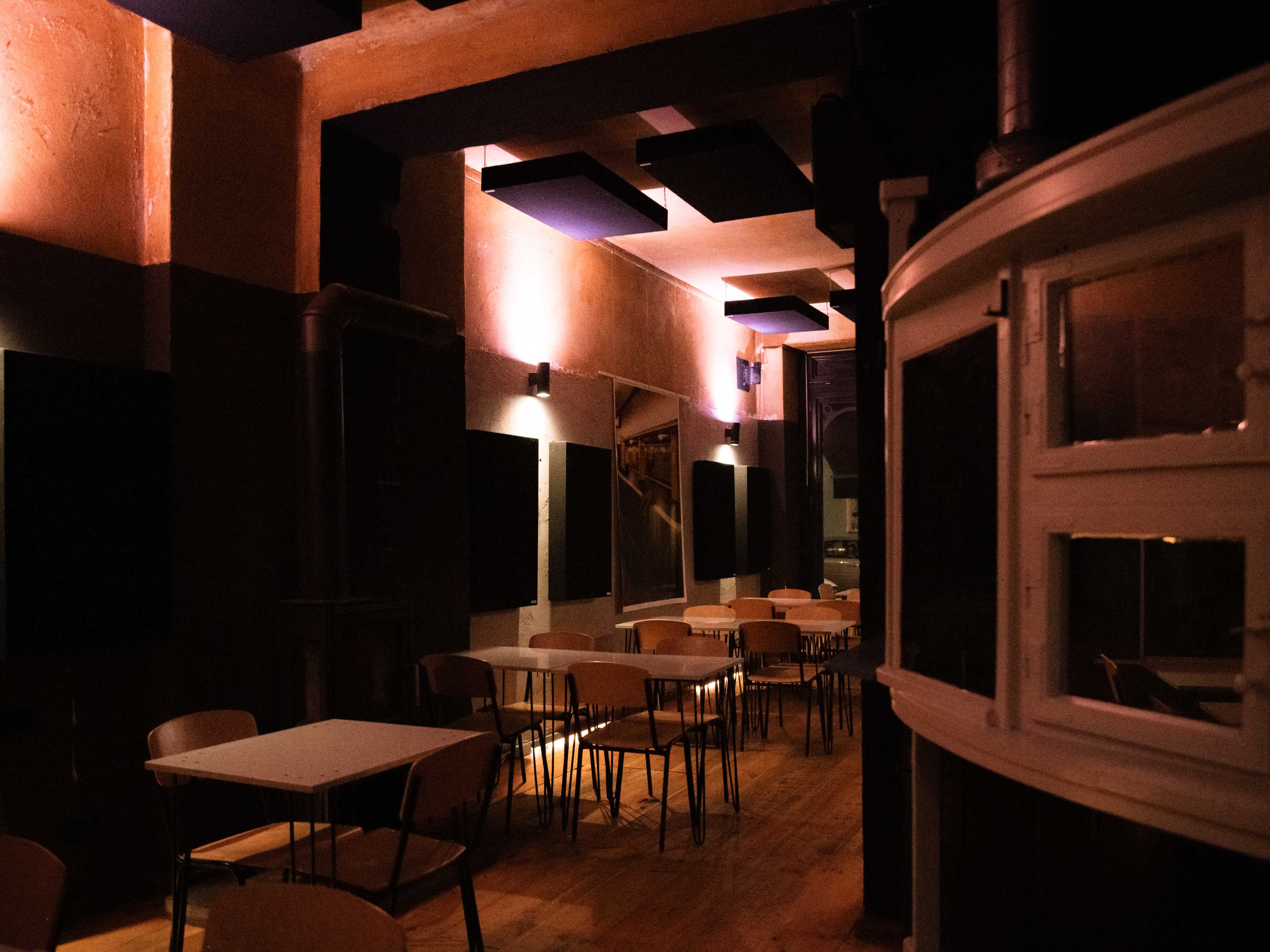
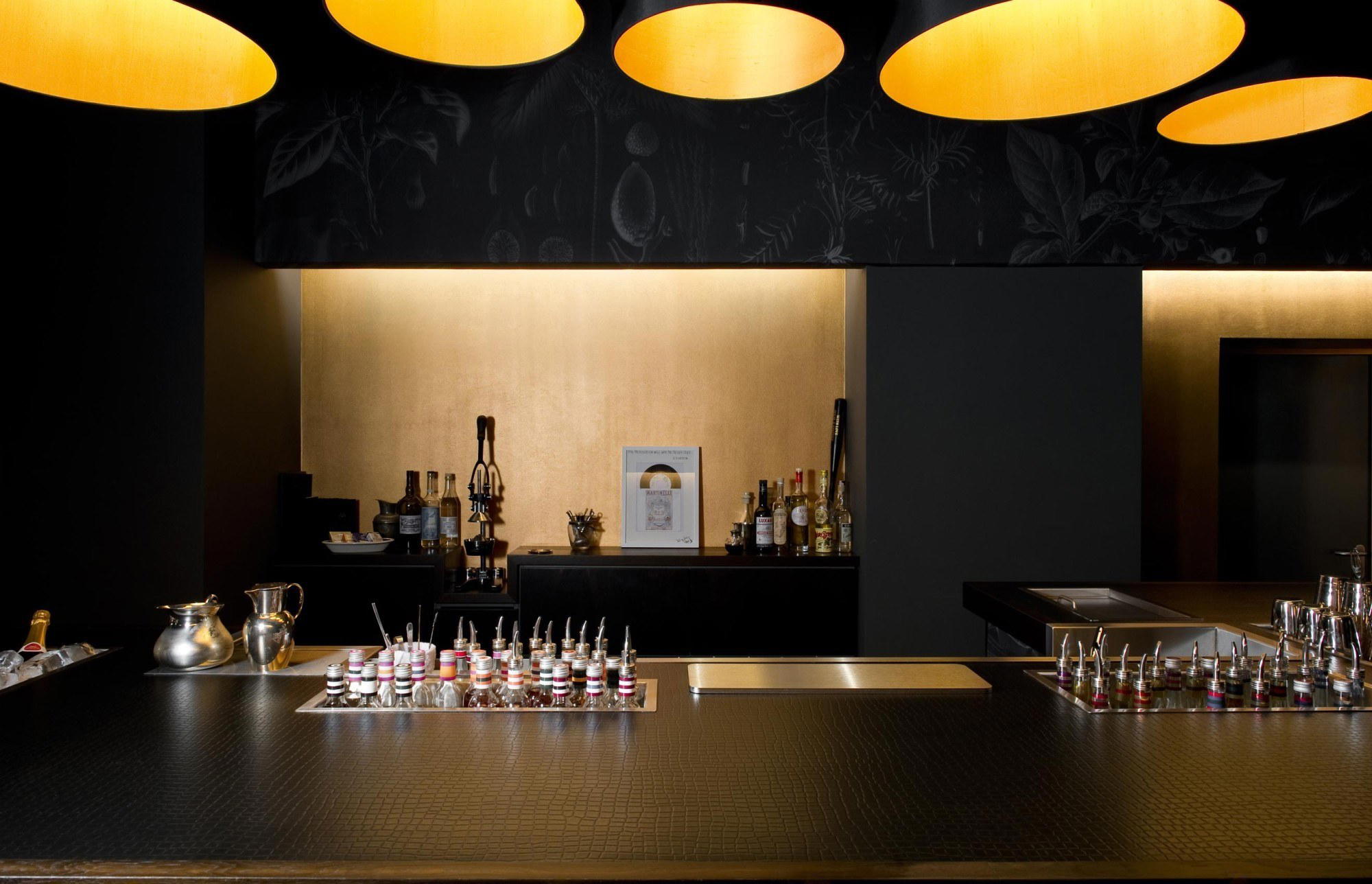
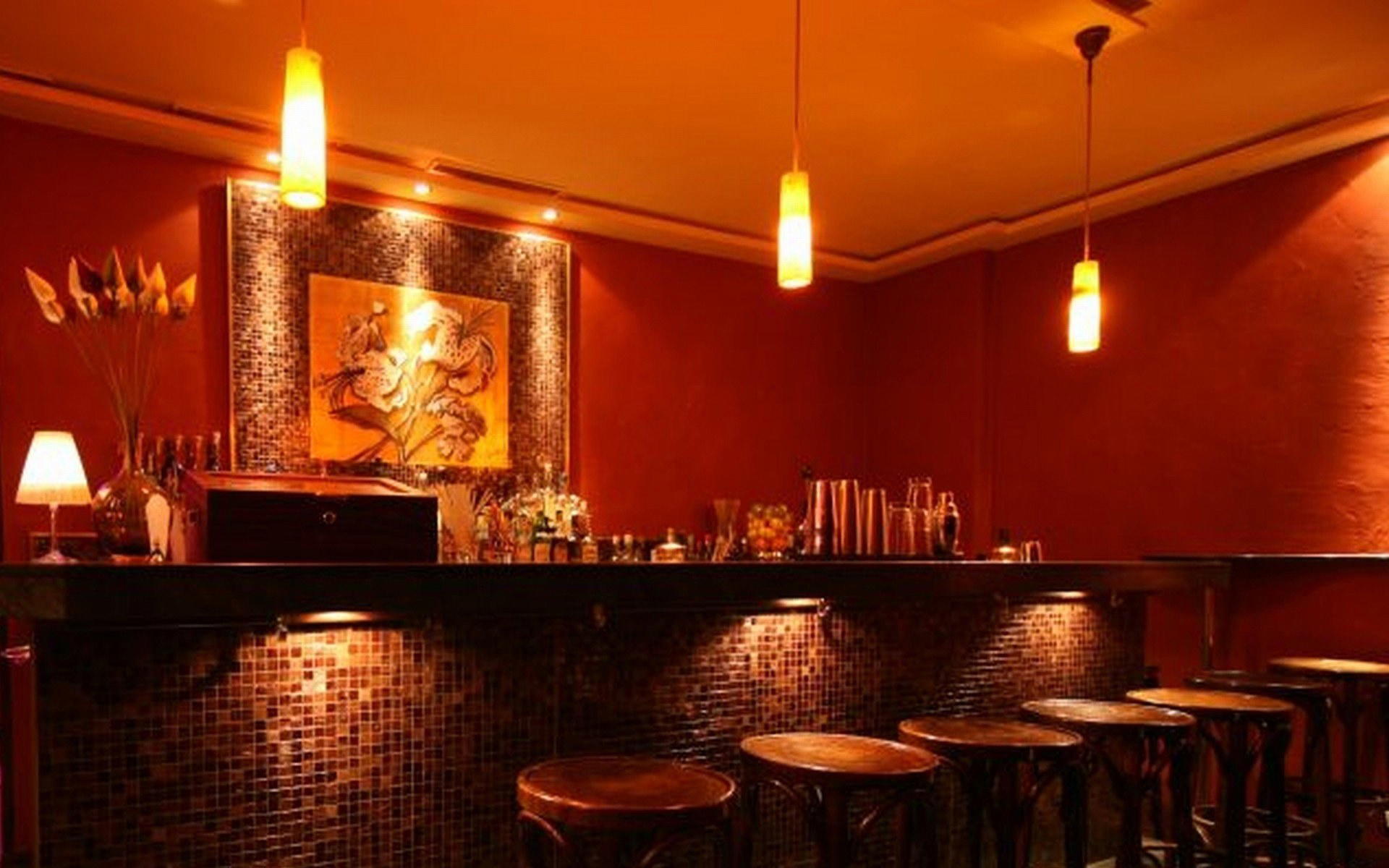
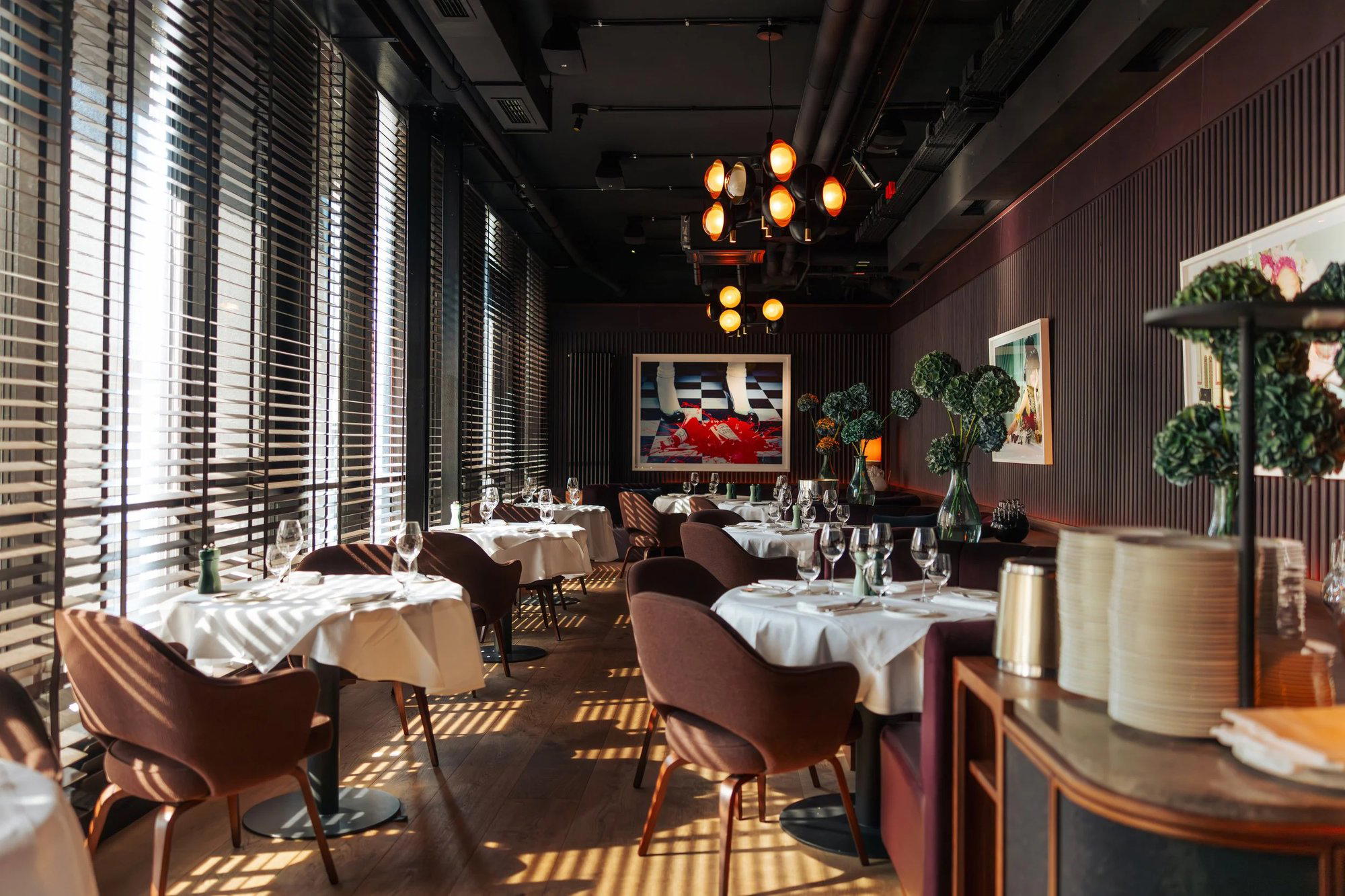
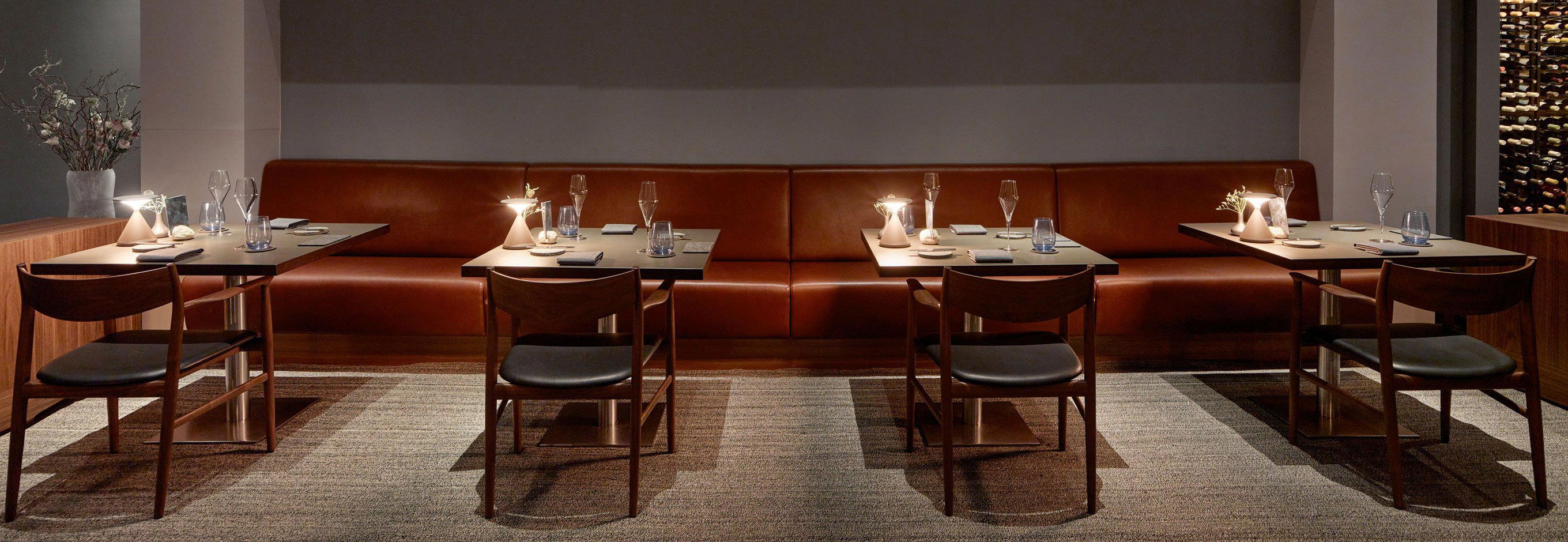
Trendy and industrial with rustic Italian exposed brick, minimalist decor, and lively beer gardens.