Tasca de la Plaza occupies a compact address on Montevideo 117 in central Mendoza, operating within a city that has become one of Argentina's most closely watched dining destinations. The address places it steps from the civic plazas that anchor Mendoza's pedestrian grid, making it a practical reference point for visitors working through the city's increasingly serious restaurant scene.
- Address
- Montevideo 117, M5500 Mendoza, Argentina
- Phone
- +54 261 423 1403
- Directions
- Get directions
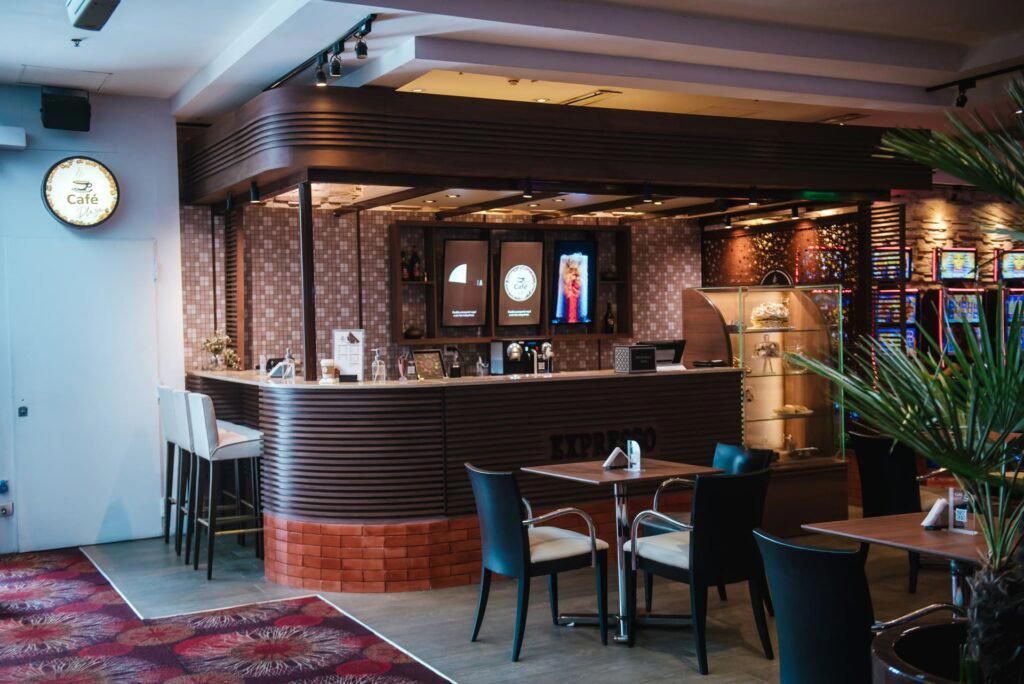
Where the Plaza Sets the Tone
Mendoza's central plazas have always organized the city more than its streets do. The broad shade trees, the afternoon light dropping behind the Andes, the foot traffic between government buildings and corner wine bars, all of it converges in the few blocks surrounding Plaza Independencia, where Montevideo 117 sits as a fixed point in a neighbourhood that has grown considerably more interesting over the last decade. Tasca de la Plaza is a Spanish tapas restaurant at Montevideo 117 in Mendoza, Argentina, with a smart casual dress code and reservations recommended. It draws its identity partly from that address: the kind of place that earns its reputation through proximity to the city's civic rhythm rather than through distance from it, as the vineyard-estate restaurants on the outskirts require.
That distinction matters in Mendoza more than in most Argentine cities. The wine-country dining circuit, built on estancias and bodega restaurants accessible only by car or arranged transfer, has pulled serious money and serious chefs toward the periphery. Properties like Cavas Wine Lodge in Alto Agrelo and Entre Cielos Luxury Wine Hotel and Spa in Lujan de Cuyo deliver the vineyard immersion that international visitors often seek first. But the city centre has its own dining logic, walkable, less ceremonial, and better suited to the kind of meal that rewards return visits rather than once-a-trip pilgrimages.
The Centre's Dining Tier
Mendoza's in-city restaurant scene has consolidated around a recognizable premium tier in the past several years. Azafrán and Angélica Cocina Maestra both operate at the leading price bracket, roughly equivalent to the $$$$ tier, and have drawn the international wine-travel press largely because they pair serious cooking with serious cellar access at a single address. Brindillas occupies the tier just below, at $$$, and represents a modern-cuisine approach that functions with slightly less ceremony. Casa Vigil operates on a different register entirely, a contemporary project tied to Ernesto Catena's winemaking operation, which signals its ambitions through the label rather than the city address.
Tasca de la Plaza positions itself within this geography. The name, tasca being the Iberian-inflected term for a modest, familiar eating house, signals a register that is deliberate rather than default. In Spanish wine culture, a tasca is not trying to be a restaurant gastronomique; it is trying to be the place you go more than once a week. Whether that framing holds under the pressure of Mendoza's increasingly sophisticated dining public is the more interesting question.
Front of House as the Story
At addresses where the kitchen is the visible protagonist, where chef names anchor the marketing and tasting menus anchor the experience, the front-of-house team and the sommelier function as support infrastructure. The more instructive model, and the one that smaller city-centre spots tend to require, reverses that hierarchy. When the room is compact and the wine list is the main event, the person managing the floor and the person managing the cellar carry the experience more directly than the kitchen does.
Mendoza's wine depth creates a specific opportunity here. The province accounts for roughly 70 percent of Argentina's wine production, and the Luján de Cuyo and Valle de Uco subregions within it have produced Malbec and Cabernet Sauvignon at price points that run from everyday to allocation-only. A sommelier working a central Mendoza room has access to a producer network that most international wine cities cannot replicate. The decision about what to pour alongside a given dish, and how to position a local bottle against the broader conversation about Argentine wine, is genuinely consequential in this setting, not a formality.
The floor team at a place like this carries equivalent weight. In a room that likely runs without the anonymous service infrastructure of a large hotel restaurant, the front-of-house relationship with regulars becomes a retention mechanism. Buenos Aires has made this dynamic visible at places like Don Julio, where the front-of-house memory for regulars and their preferences has become as discussed as the asado itself. Mendoza's central addresses operate at smaller scale, which makes the individual competence of each team member more exposed and more consequential.
What the Address Tells You
Montevideo 117 is a central Mendoza address, which means the surrounding blocks include both the pedestrian shopping corridors and the tree-lined residential streets that give the city its particular afternoon character. Arriving on foot from Plaza Independencia takes only a few minutes. That walkability situates Tasca de la Plaza differently from the bodega-estate restaurants that require a vehicle, places like Agrelo in Luján de Cuyo or Chacras de Coria in Las Heras, where the landscape and the label are part of the proposition. In the centre, the proposition is the room itself: the conversation, the list, the cooking.
For visitors building a Mendoza itinerary that extends beyond the vineyard circuit, the city centre addresses become more important. Riccitelli Bistró has shown that a winemaker-connected city address can hold its own against the estate restaurants. The pattern across Argentina's regional dining destinations, from Los Talas del Entrerriano in General San Martín to La Bamba de Areco in San Antonio de Areco, suggests that place-rooted identity is as powerful a signal as price tier or kitchen pedigree.
For readers planning a broader Argentina circuit, the full Mendoza restaurants guide provides neighbourhood-level context across both the city and the surrounding wine country. International comparisons are instructive too: the question of how a room's team dynamic shapes the experience above the kitchen's contribution is one that city-centre spots from Le Bernardin in New York to Lazy Bear in San Francisco have answered in different registers. In Mendoza, the answer tends to come through the wine list first.
Planning Your Visit
The restaurant is located at Montevideo 117 in central Mendoza, within walking distance of Plaza Independencia and the main pedestrian corridor. Reservations are recommended.
Budget and Context
Comparable venues nearby, for context on price, style, and recognition.
| Venue | Cuisine | Price | Notes |
|---|---|---|---|
| Tasca de la PlazaThis venue — the venue you are viewing | Guaymallén, Spanish Tapas | $$$ | Not listed |
| Cantina "La Rambla" | Mendoza Centro, Catalan Seafood Paella | $$ | Not listed |
| Auténtico | Centro, Modern Argentine Fusion | $$$ | Not listed |
| SushiClub Mendoza Centro | Centro, Innovative Sushi & Asian Fusion | $$$ | Not listed |
| Belgrano 1069 | Not listed | $$ | Ciudad (Downtown Mendoza), Contemporary Argentine Bistro with Mediterranean Influences |
| Zampa | downtown, Modern Argentine Tapas | $$$ | Not listed |
Continue exploring
More in Mendoza
Restaurants in Mendoza
Browse all →
Bars in Mendoza
Browse all →
Hotels in Mendoza
Browse all →
At a Glance
- Classic
- Rustic
- Casual Hangout
- Date Night
- Standalone
- Extensive Wine List
- Street Scene
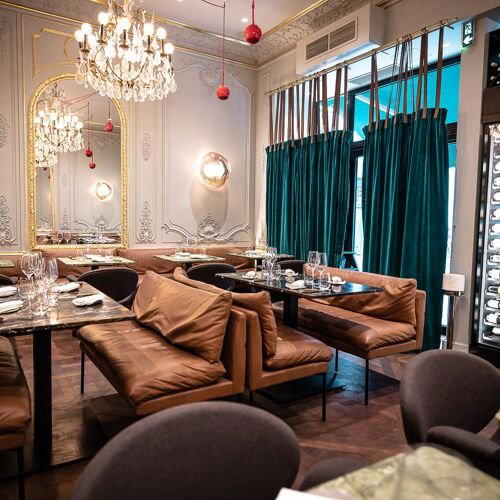
Classic Mediterranean dining atmosphere