Our verdict
Located on Av.

Pearl is the En Primeur Club membership app — saves, bookings, and concierge access live there. Same editors, same standards.
- Address
- Av. Belgrano 1069, M5500 Mendoza, Argentina
- Phone
- +542613397123
- Hours
- Mon–Fri 11 AM–12 AMSat 11 AM–11 PMSun 11 AM–12 AM
- Website
- fabricsushi.com.ar
- Directions
- Get directions
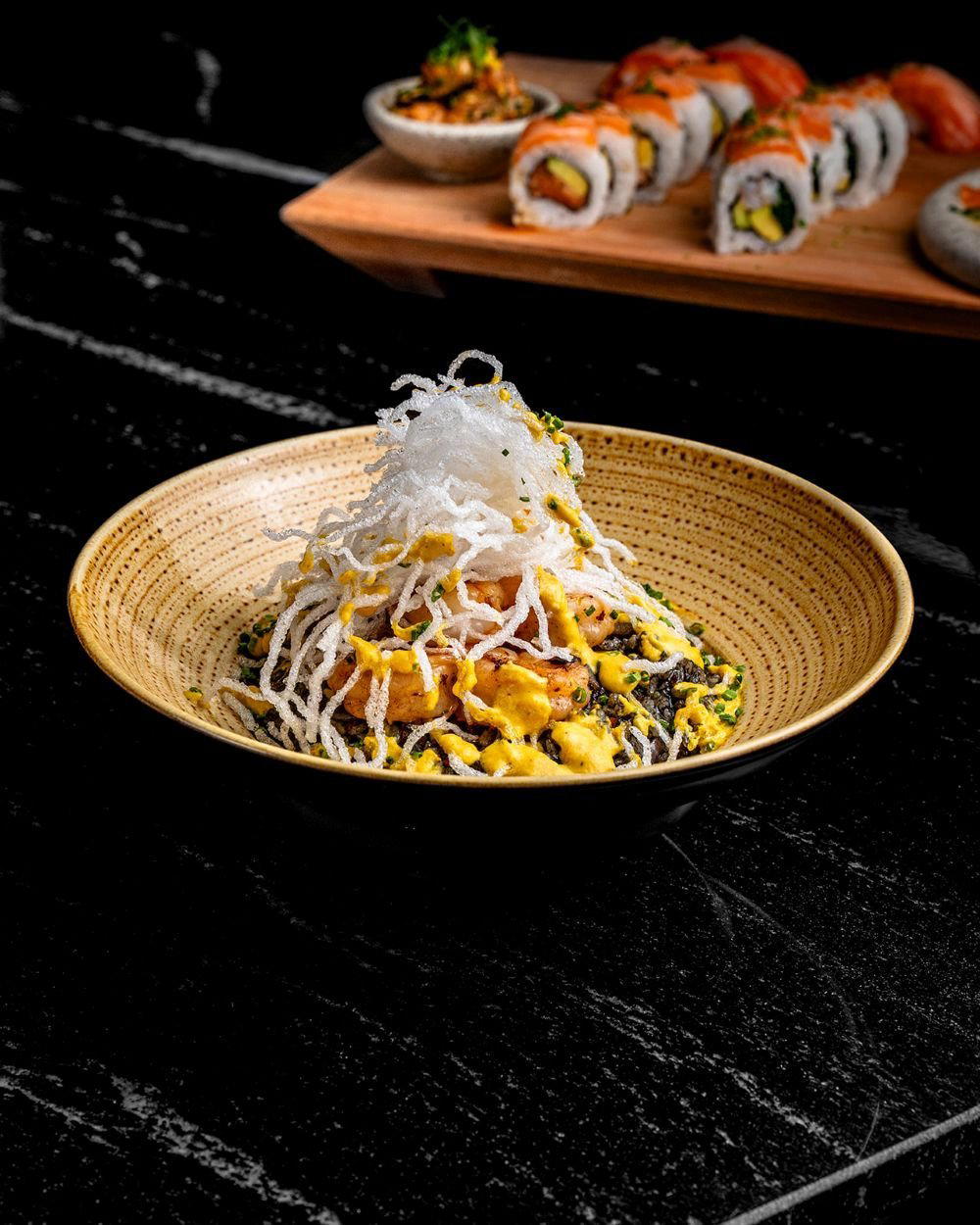
The menu
What to order
- Inca roll
- Fabric roll
- Chirashi Moriwase
That positional difference has practical implications for how it should be evaluated. The relevant comparison set is not Azafrán or Casa Vigil, those kitchens are doing something structurally different. The relevant questions are about execution quality within the sushi format: ingredient sourcing, rice preparation, balance of acid and fat, service pacing. These are format-specific criteria, and they are the same criteria applied at operations like Le Bernardin in New York or Lazy Bear in San Francisco, kitchens operating at a different scale and price point, but sharing the underlying discipline of ingredient-led cooking.enprimeurclub.com/restaurants/don-julio-buenos-aires-restaurant">Don Julio demonstrates how serious ingredient sourcing elevates what might otherwise be a conventional category. For context on other options across the city's wider dining scene, the Agrelo and Chacras de Coria. Los Talas del Entrerriano in General San Martín, La Table de House of Jasmines in La Merced Chica, and Awasi Iguazú and La Bamba de Areco. As a general principle in landlocked sushi operations with a regional sourcing approach, freshwater fish preparations and vegetable-forward rolls tend to reflect what the kitchen does most honestly, these are the items that express local terroir rather than imported convention. Checking the current menu directly with the venue will give the most accurate picture of what is seasonal and available. Restaurants in the city's more specialist categories, those offering something outside the standard Argentine grill or wine-estate format, tend to fill on weekends and during peak tourist months. Booking ahead, even by a day or two, is advisable during those windows. Japanese-influenced restaurants in wine regions internationally have found genuine pairing territory with lighter local whites and high-altitude rosés, a combination worth exploring if the wine list reflects regional production.
Frequently asked questions
Where is Fabric Sushi Mendoza in Mendoza?
Fabric Sushi Mendoza is located at Av. Belgrano 1069, M5500 Mendoza, Argentina, Mendoza.
How does Fabric Sushi Mendoza fit into Mendoza's dining scene as a Japanese restaurant in a wine-focused city?
Mendoza's restaurant identity is built around the Andes and the vine, which makes a Japanese-format venue at Av. Belgrano 1069 a structurally different proposition from the wine-estate dining experiences that dominate the city's upper tier. Japanese cuisine in this context has to engage with landlocked sourcing realities and a local dining culture oriented toward Argentine beef and Malbec pairings rather than sake or delicate fish. That positioning, inside a city with almost no peer venues in the same category, gives Fabric Sushi a clearly defined niche in Mendoza's dining architecture.
What's the must-try dish at Fabric Sushi Mendoza?
What is clear from the venue's position in Mendoza's dining scene is that Japanese kitchens operating in landlocked wine regions typically anchor their menus around locally sourced proteins and regional produce rather than imported seafood. Ask staff directly at Av. Belgrano 1069 what is coming in fresh that week — that question will tell you more than any fixed recommendation.
Should I book Fabric Sushi Mendoza in advance?
Mendoza's upper dining tier has consolidated around a small number of formats, and the city's central restaurant district — where Fabric Sushi sits at Av. Belgrano 1069 — draws a mix of hotel guests and local regulars. check the venue's official channels to confirm availability, particularly during the March harvest season when the city is at peak occupancy and tables across all price points fill faster than usual.
What do critics highlight about Fabric Sushi Mendoza?
No named critical reviews or award citations are currently documented for Fabric Sushi Mendoza. In a city where editorial attention concentrates heavily on wine-estate restaurants such as Casa Vigil and Azafrán, Japanese-format venues occupy a distinct and less frequently reviewed category. That gap in coverage does not reflect quality; it reflects where Mendoza's food press has historically directed its attention.
Just the Basics
| Venue | Cuisine | Price | Awards | Notes |
|---|---|---|---|---|
| Fabric Sushi MendozaThis venue — the venue you are viewing | Japanese Sushi Fusion | $20–30 | Not listed | Not listed |
| 1884 Francis Mallmann | Argentine Parrilla & Traditional Grilled Cuisine | $200–300 | Michelin Plate · World's 50 Best #45 | Argentinian Steakhouse, Traditional Cuisine |
| Azafrán | Modern Argentine Fine Dining | $50–100 | 1 Michelin Star · World's 50 Best #97 | Modern Cuisine |
| Angélica Cocina Maestra | Modern Argentine Fine Dining | Not listed | 1 Michelin Star · Wine Enthusiast Best Winery Restaurant 2026 | Creative |
| Brindillas | Modern Argentine Fine Dining | $50–100 | 1 Michelin Star | Modern Cuisine |
| Casa Vigil | Modern Argentinian Fine Dining | $150–200 | 1 Michelin Star · The Best Chef One Knife | Contemporary |
Continue exploring
More in Mendoza
Restaurants in Mendoza
Browse all →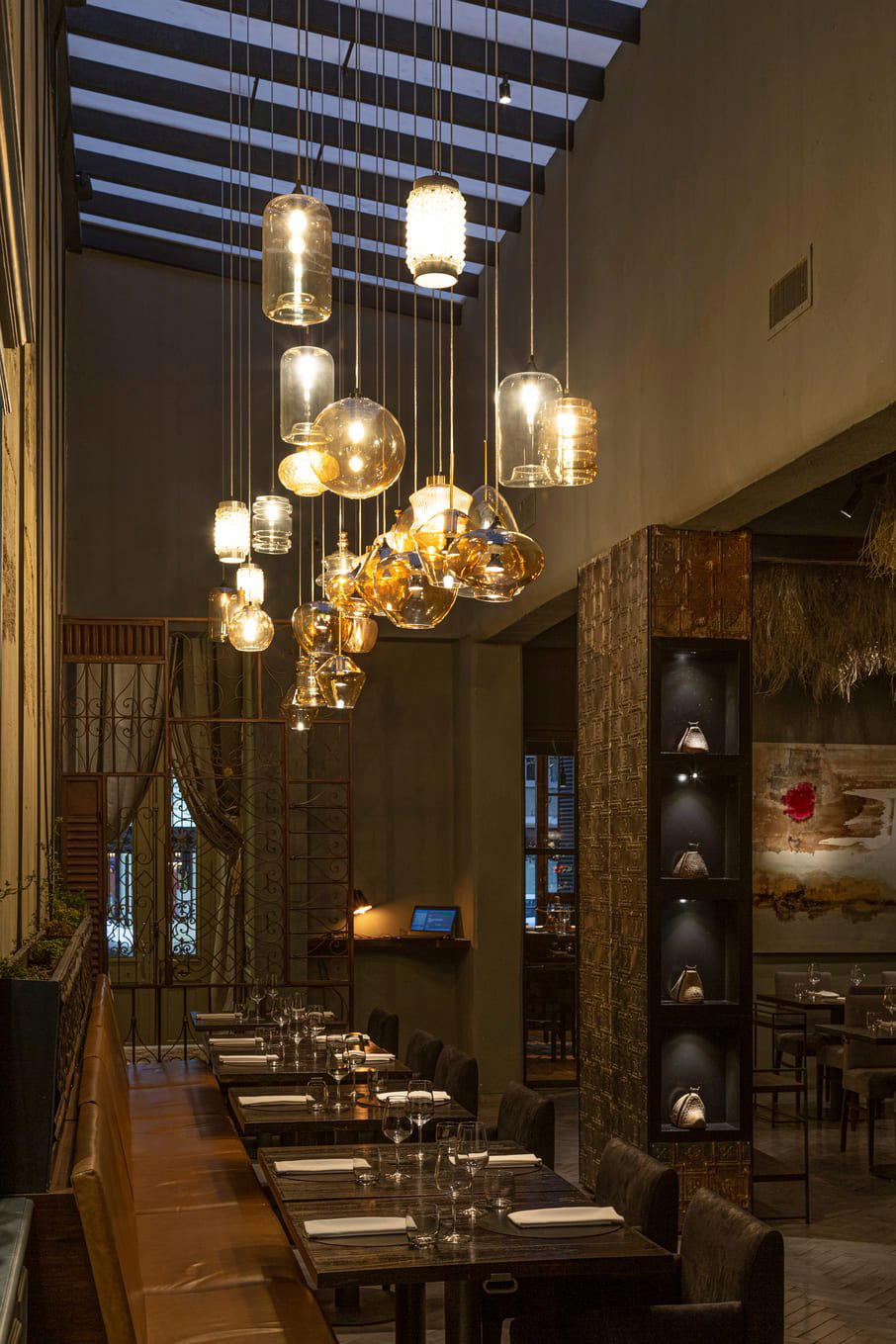
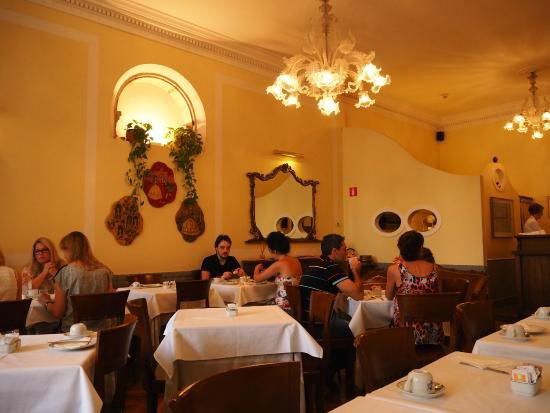
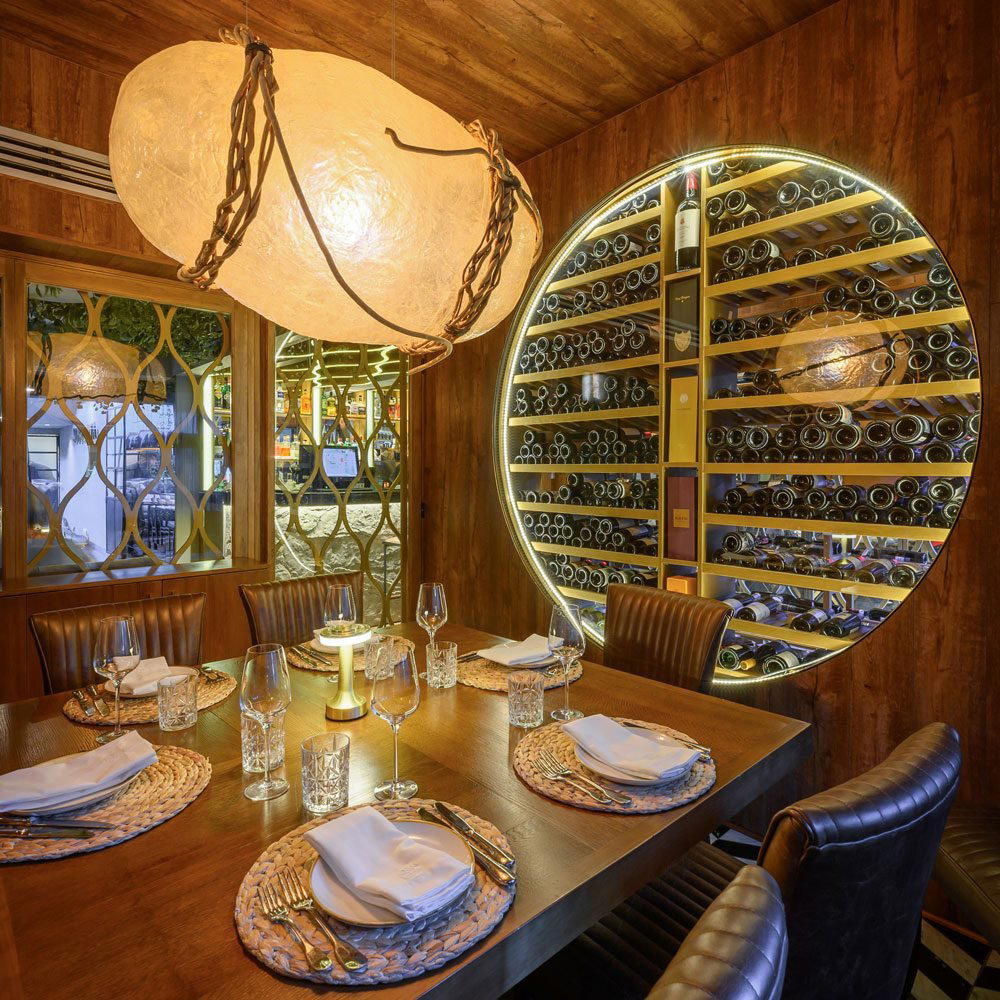
Bars in Mendoza
Browse all →
Hotels in Mendoza
Browse all →
Details
- Trendy
- Modern
- Date Night
- Casual Hangout
- Sake Program
- A La Carte
- Omakase
- Vegetarian Friendly
Current opening hours
- Monday
- 11 AM–12 AM
- Tuesday
- 11 AM–12 AM
- Wednesday
- 11 AM–12 AM
- Thursday
- 11 AM–12 AM
- Friday
- 11 AM–12 AM
- Saturday
- 11 AM–11 PM
- Sunday
- 11 AM–12 AM
Hours can change for holidays and private events. Last verified .
Lively and modern with a focus on design and good taste, creating an enjoyable spot for sushi enthusiasts.