L'Impératif d'Eole occupies a quiet address on the Grand Route in Quévy, a small Hainaut commune that sits closer to the French border than to Belgium's main dining centres. The restaurant places itself within a regional tradition where proximity to France shapes both technique and ingredient sourcing. For travellers crossing between Brussels and the Mons-Valenciennes corridor, it represents a considered stop in an area with few peers.
 Discover on Pearl
Pearl is the En Primeur Club membership app — saves, bookings, and concierge access live there. Same editors, same standards.
- Address
- Grand Route 58, 7040 Quévy, Belgium
- Phone
- +3265220500
- Website
- limperatifdeole.be
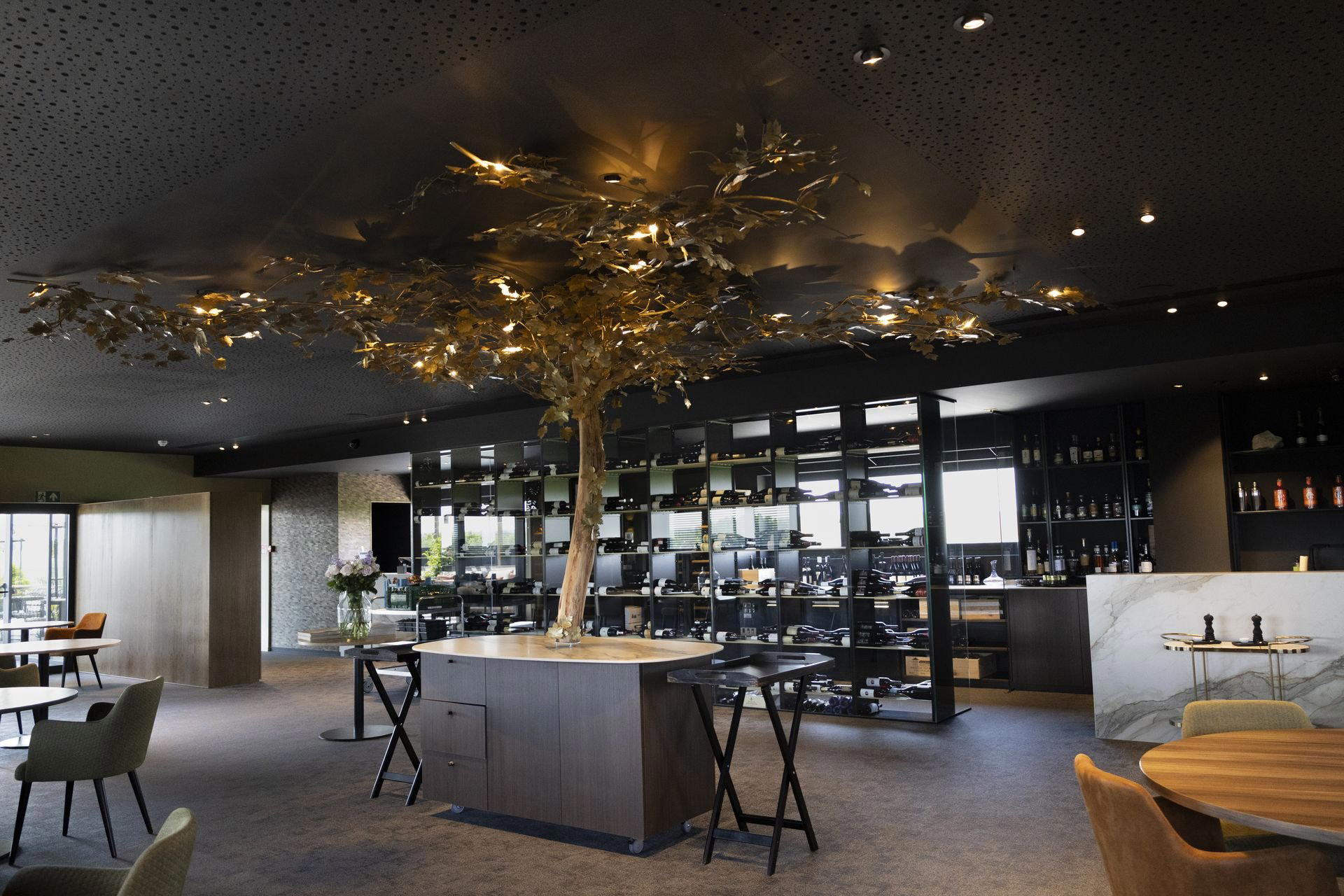
Dining on the Hainaut Margin
Belgium's most closely watched restaurant tables tend to cluster in Flemish cities or in Brussels, where critics and award bodies focus their attention. The Walloon countryside, and Hainaut in particular, operates differently: smaller populations, longer distances between towns, and a dining culture that leans toward French provincial rhythm rather than urban ambition. Along the Grand Route in Quévy, a commune that sits on the French border south of Mons, L'Impératif d'Eole occupies this quieter register. The address alone signals something about the intended audience: this is not a destination engineered for international press cycles, but a place that earns its reputation through the community it serves and the travellers passing between two countries.
That border position is not incidental. Hainaut's culinary character has always been shaped by its adjacency to French Flanders and the Nord-Pas-de-Calais tradition, a cooking culture built on slow-braised meats, root vegetables, and sauces that carry weight. The Belgian side of this border adds its own texture: a preference for local beer alongside wine, a willingness to mix rustic and refined on the same plate, and an approach to hospitality that tends toward warmth over formality. Restaurants in this zone, including L'Impératif d'Eole on the Grand Route, operate within that Franco-Belgian synthesis rather than against it.
The Regional Tradition Behind the Address
To understand a restaurant in Quévy, it helps to understand the cooking logic that defines the Mons basin. This is not the creative Flemish modernism you find at De Jonkman in Sint-Kruis or the technically ambitious French-Asian synthesis at L'air du temps in Liernu. Nor does it compete in the same register as the four-star urban dining of Zilte in Antwerp or the coastal precision of Bartholomeus in Heist. Rural Hainaut has a different contract with its diners: the expectation is honest execution of regional material, dishes that reflect what grows nearby and what has been cooked here for generations.
That tradition puts L'Impératif d'Eole in a local competitive set that includes La brasserie d'éole and L'Atelier des Alchemistes in Blaregnies, the latter sitting just a few kilometres away. In a commune with few restaurant options, these addresses form a small cluster that collectively makes Quévy a more deliberate dining stop than its size would otherwise suggest. Nearby in Baudour, d'Eugénie à Emilie represents a slightly more formal point on the same regional spectrum.
Franco-Belgian Cooking and Its Cultural Weight
The Franco-Belgian culinary synthesis is not a compromise between two traditions; it is a tradition in its own right. In Hainaut, this means dishes that carry the structural logic of French classical technique, including stock-built sauces, careful seasoning, and deliberate sequencing, combined with Belgian material instincts: game from Ardennes-adjacent forests, freshwater fish, endive in multiple preparations, and a tolerance for bitterness that distinguishes Belgian palates from their French neighbours. This is the context in which any restaurant on the Quévy Grand Route must be read.
Further afield in Belgium, this synthesis reaches its most refined expression at places like Hof van Cleve in Kruishoutem or Boury in Roeselare, where classical foundations support significant creative ambition. At the level of a rural Hainaut address, the same foundations manifest with less spectacle and more directness. The cultural argument for eating in places like Quévy rather than driving to Brussels or Ghent is precisely that directness: fewer intermediary layers between the cooking and the tradition it comes from.
For a sense of what Belgian dining looks like when it does enter the international comparison set, Bozar Restaurant in Brussels and Le Chalet de la Forêt in Uccle provide useful reference points. Both sit in a more urban, more internationally visible tier. The contrast with Quévy is instructive rather than hierarchical. Separately, for those tracing the French classical lineage that underpins much of Belgian fine dining, Le Bernardin in New York City demonstrates how that tradition travels, while Atomix in New York City shows what happens when a completely different cultural root produces its own fine-dining grammar.
Placing Quévy on the Map
Quévy sits roughly fifteen kilometres south of Mons along the N40, close enough to the French border that it functions as a crossing-point community. The road context matters: travellers between Brussels and the northern French cities of Valenciennes or Lille pass through this corridor, and a well-placed restaurant on the Grand Route can capture a different kind of diner than one buried inside a city centre. The logic resembles the country-house dining tradition found across the French-Belgian border zone, where the drive itself becomes part of the proposition.
Mons, the nearest city of scale, brings its own food culture: a market tradition, a medieval town layout that supports street-level café dining, and proximity to the wine distribution networks that supply the whole province. Restaurants in the Quévy commune draw on Mons for their broader catchment, while the border proximity extends that catchment into French Flanders. In a region where Castor in Beveren or La Durée in Izegem represent the more formally structured end of Belgian regional dining, Quévy operates at a more intimate scale with a different community relationship. La Table de Maxime in Our offers a comparable rural-Walloon dining reference further to the east, in the Ardennes approaches.
Planning Your Visit
L'Impératif d'Eole is located at Grand Route 58, 7040 Quévy. Reservations are essential, so call ahead before visiting. The restaurant's position on a main road through a small commune means parking is generally direct. It is open Wednesday 7 to 9 PM, Thursday and Friday 12 to 2:30 PM and 7 to 9 PM, Saturday 7 to 9 PM, and Sunday 12 to 2:30 PM. The dress code is smart casual.
Price Lens
Comparable venues nearby, for context on price, style, and recognition.
| Venue | Cuisine | Price | Awards |
|---|---|---|---|
| L'Impératif d'EoleThis venue — the venue you are viewing | |||
| Boury | Modern Frlemish, Creative French | €€€€ | Michelin 3 Star |
| Comme chez Soi | French - Belgian, Classic Cuisine | €€€€ | Michelin 1 Star |
| Castor | Modern European, Modern French | €€€€ | Michelin 2 Star |
| De Jonkman | Modern Flemish, Creative | €€€€ | Michelin 2 Star |
| L'air du temps | French - Asian, Creative | €€€€ | Michelin 2 Star |
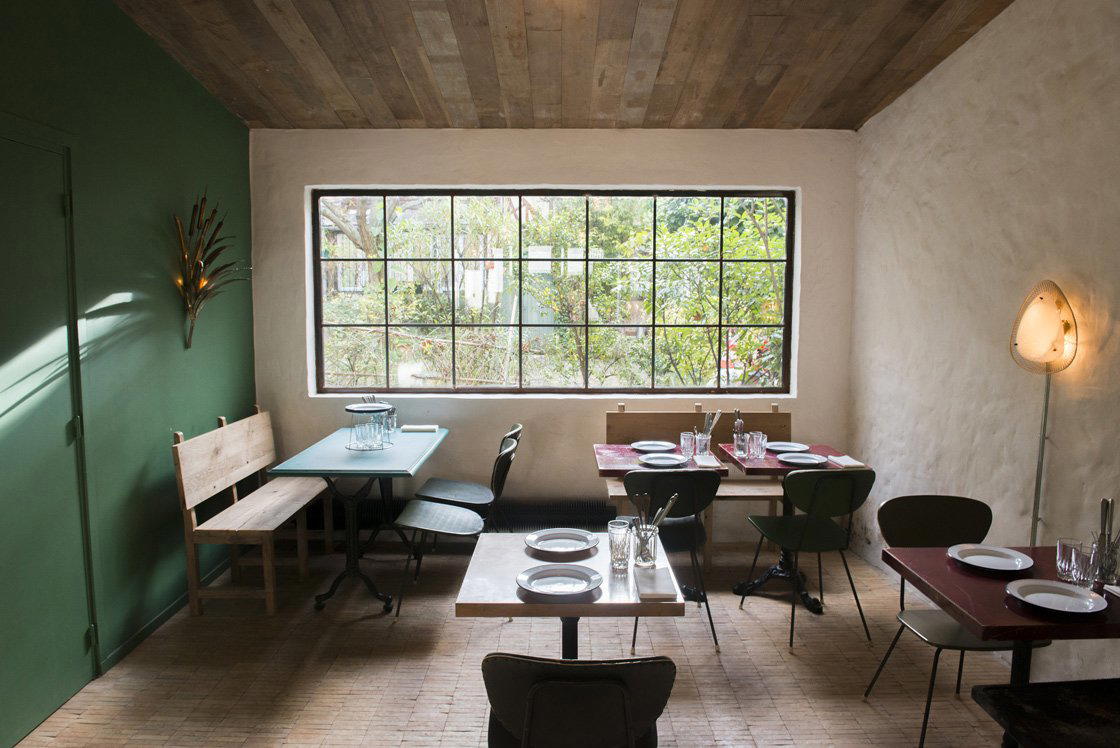
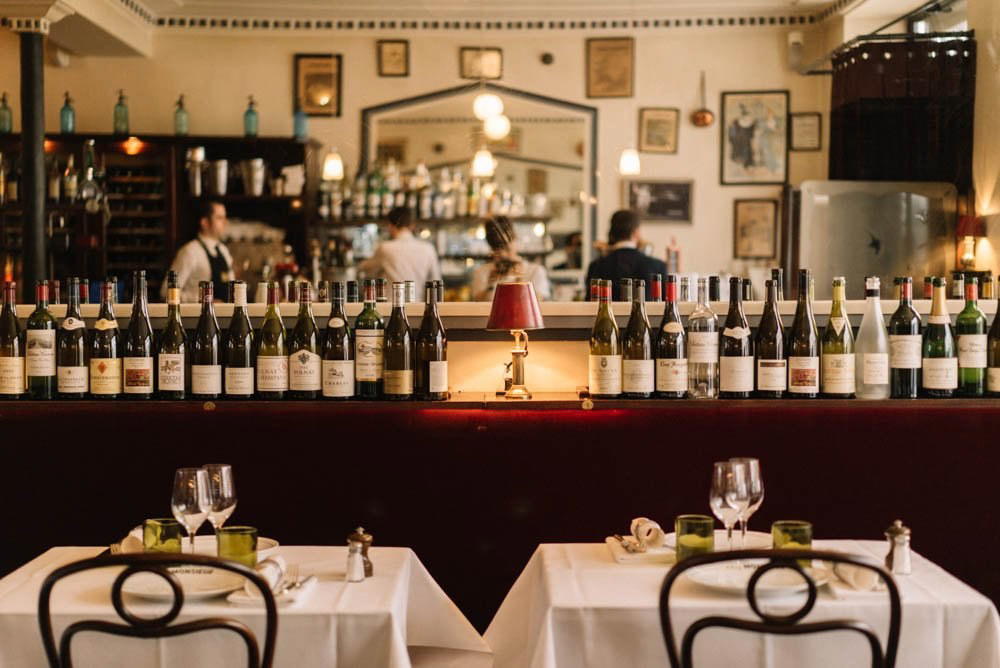
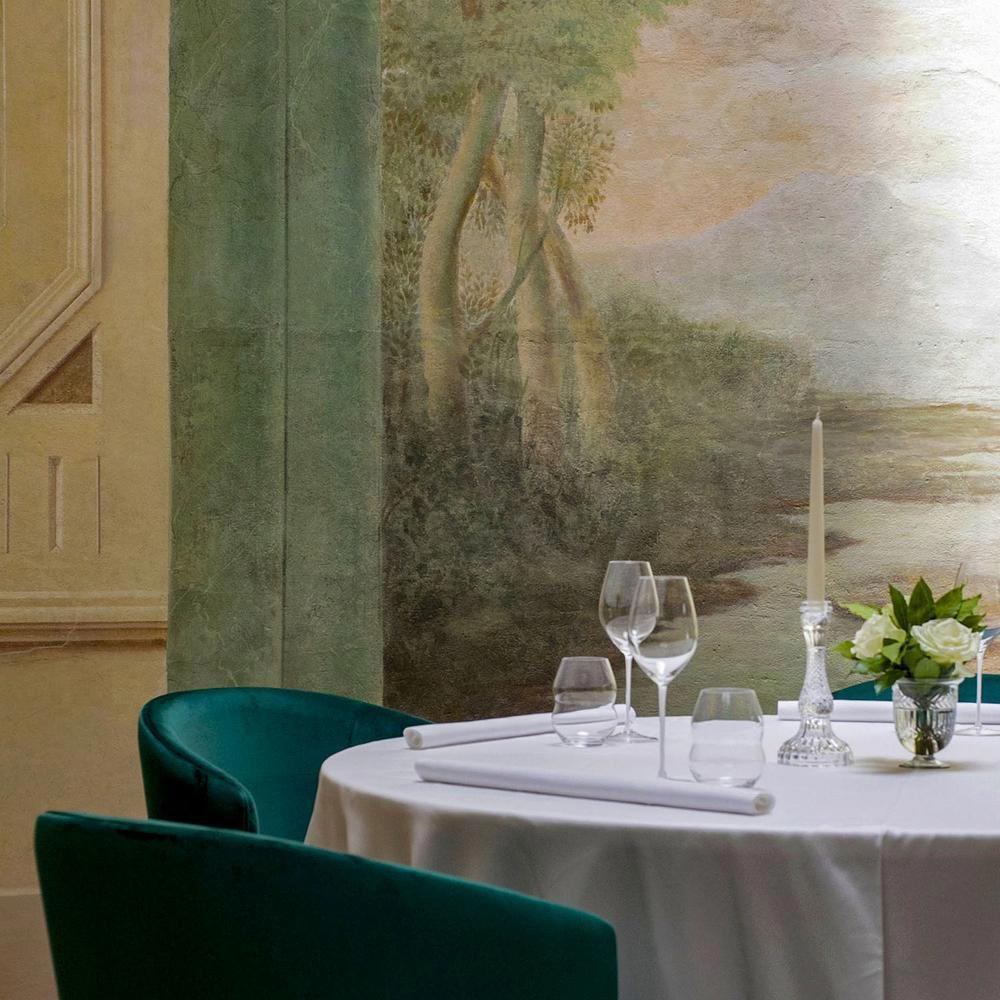
At a Glance
- Elegant
- Sophisticated
- Scenic
- Intimate
- Date Night
- Special Occasion
- Rooftop
- Wine Cellar
- Terrace
- Panoramic View
- Extensive Wine List
- Local Sourcing
- Vineyard
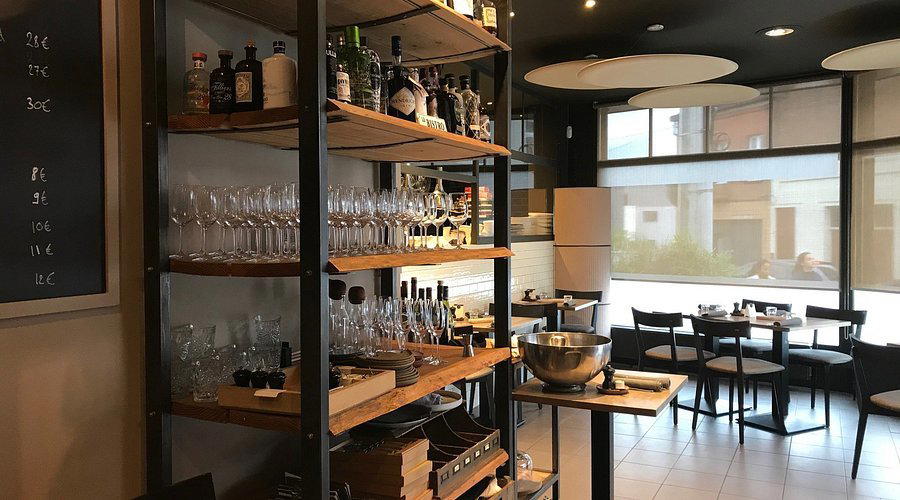
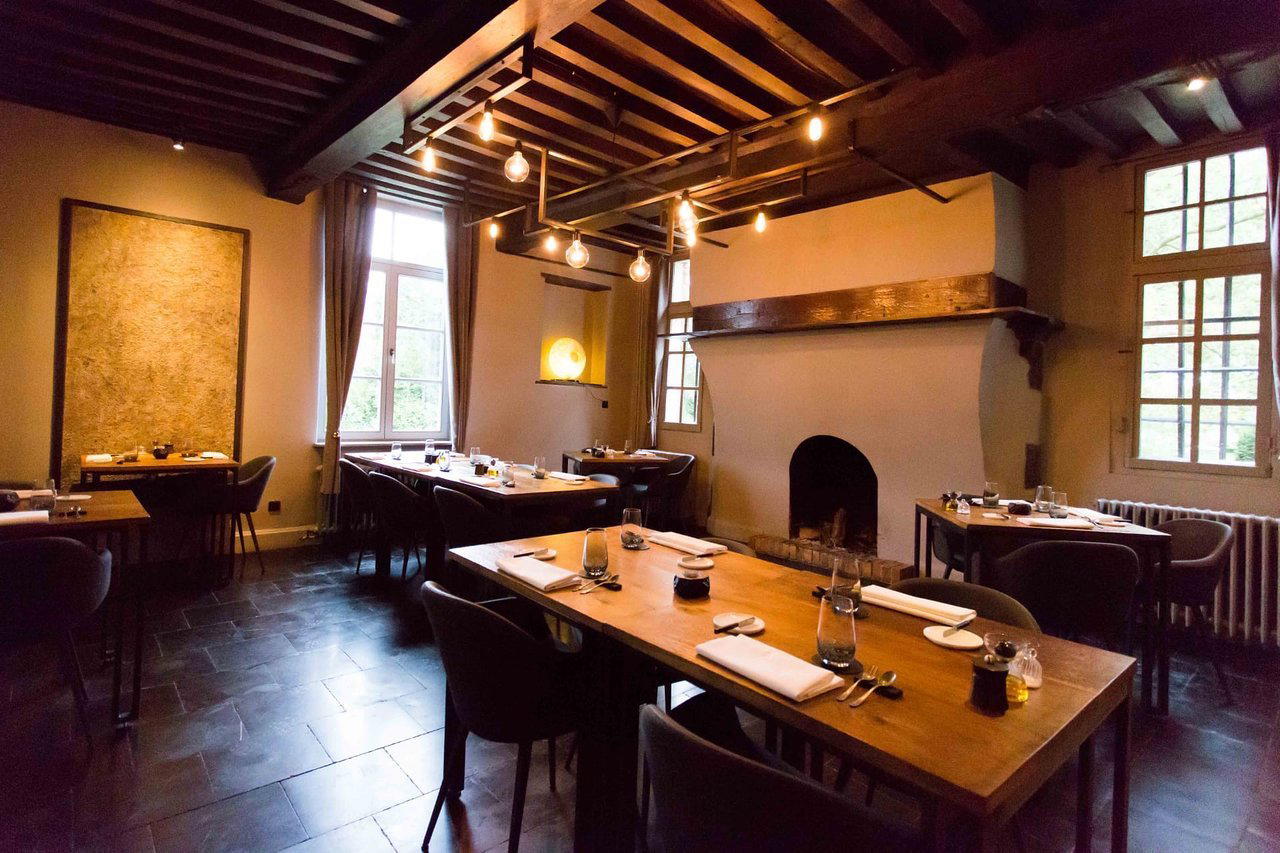
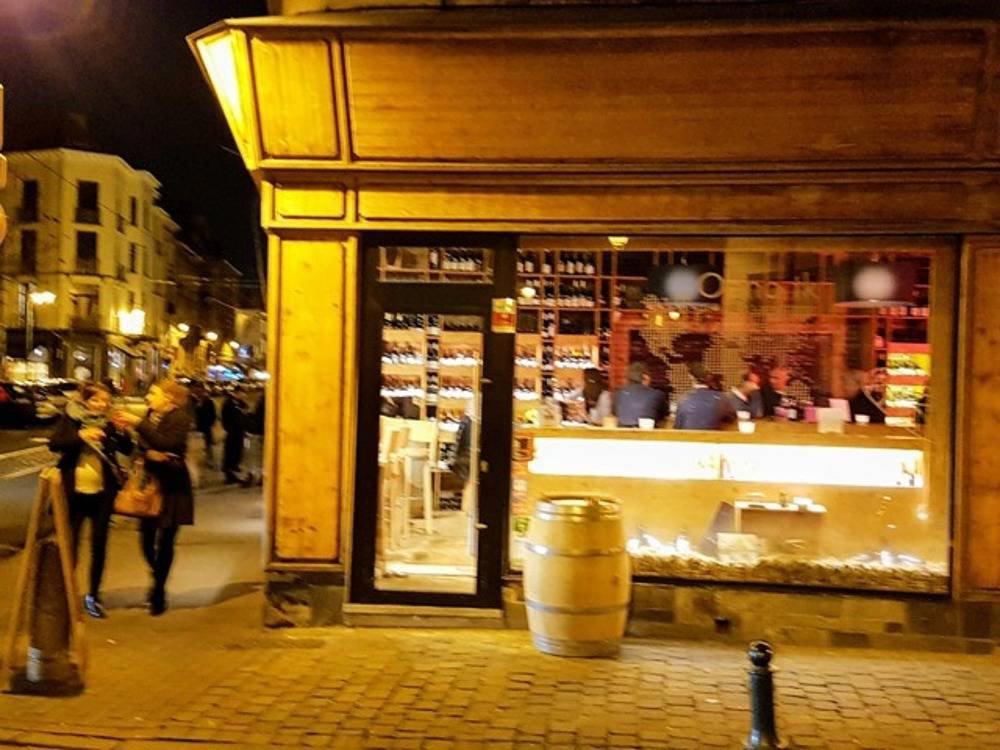
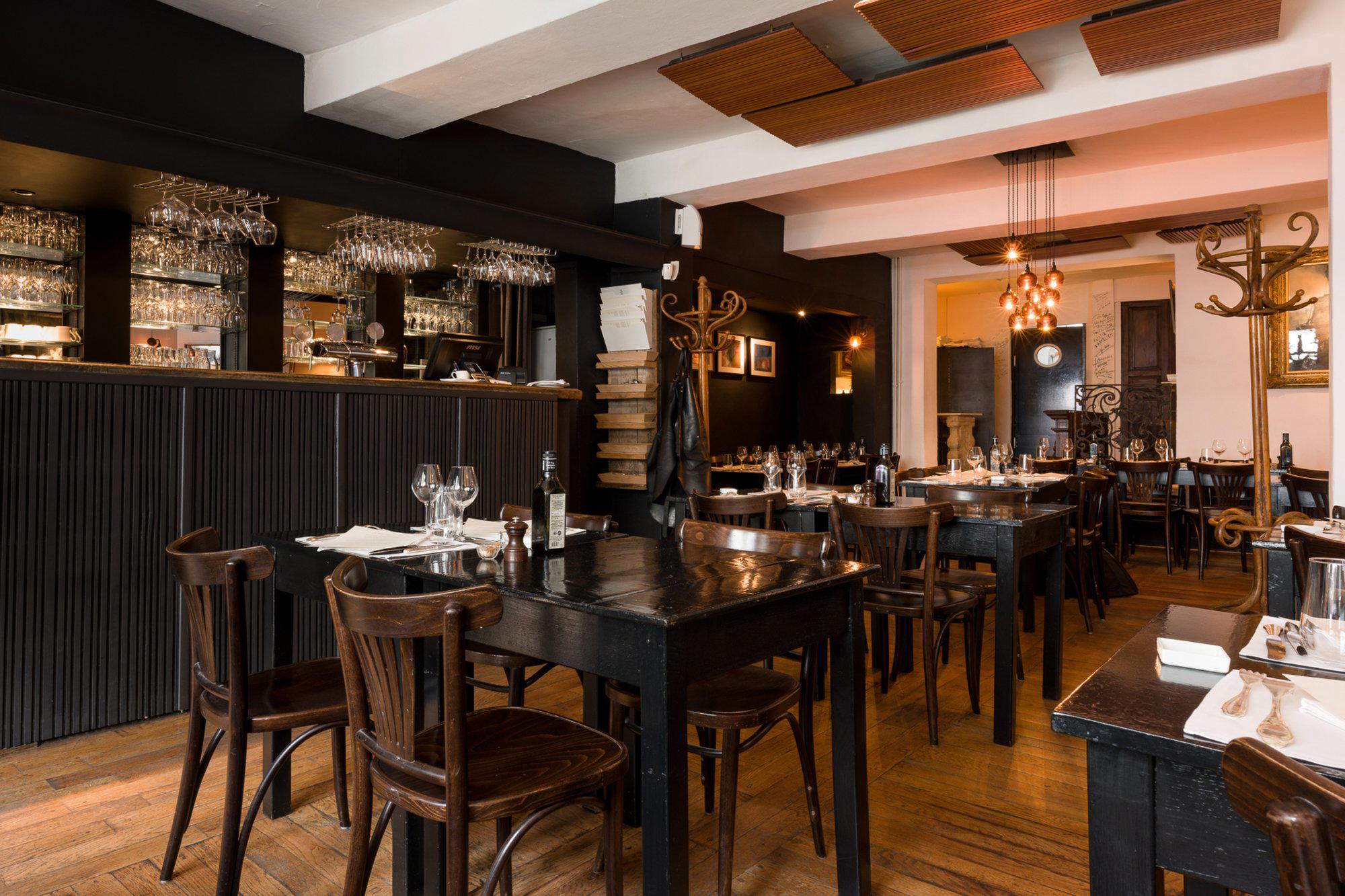
Luxurious rooftop setting featuring an ornamental gold-coloured tree, glazed wine cellar, and poetic decor with soft lighting overlooking the vines.