
Tabelog Bronze #229
Our verdict
La Blanche sits in Tokyo’s French conversation as a long-running Minami Aoyama address with Tabelog Bronze recognition and repeated inclusion in Tabelog French Tokyo 100. The appeal is not novelty; it is the durability of a classic French register in a city often rewarded for reinvention, precision, and high-pressure tasting formats.

Pearl is the En Primeur Club membership app, where members save venues, book tables and use the concierge.
The menu
What to order
- Sardine and Potato Terrine with Truffle
- Seared Hokkaido Scallop with Beurre Blanc
- Kuroge Wagyu à la Plancha
- Pork Rillettes
Minami Aoyama changes texture quickly: glassy fashion frontage, office calm, side-street apartment blocks, then quieter dining rooms that have outlasted cycles of Tokyo restaurant fashion. In that setting, La Blanche belongs to a Tokyo strand of French cooking less about imported Paris theatre than the Japanese habit of editing a tradition until room, service, and plate feel tightly controlled. The signal is longevity, repeat recognition, and a dining room scaled for concentration rather than spectacle.
Tokyo has several French identities at once: grand hotel mode, chef-led counter, natural-wine bistro, and formal dégustation room priced against Ginza sushi and Kyoto kaiseki. La Blanche sits apart from the flashier field. Its reputation is built around classic French cooking in Omote Sando and Minami Aoyama, with a fish-conscious kitchen and wine as the natural drinking language. In Tokyo, French restaurants often succeed by absorbing local produce discipline without becoming Japanese restaurants wearing French vocabulary.
Classic French cooking with Tokyo's preference for restraint
Read this address through category tension. French food in Tokyo is not simple replication; the city rewards technique and punishes excess. Sauces, portions, pacing, and room tone are judged against local expectations of balance. A restaurant described in classic French terms, yet repeatedly recognized by a Japanese dining audience, has usually found the middle ground: enough structure for diners seeking cuisine bourgeoise lineage, enough precision to compete with sushi counters, tempura counters, and kappo kitchens on the same night-out budget.
La Blanche’s recognition supports that reading. It holds The Tabelog Award 2026 Bronze and was listed as a Bronze winner in 2025, 2023, 2022, 2021, 2020, 2019, 2018, and 2017. It was also selected for Tabelog French Tokyo 100 in 2025, 2023, and 2021. These are not decorative badges in Tokyo; Tabelog’s audience is unusually granular, and sustained placement reflects consistency more than one burst of press. For a French restaurant outside the hotel circuit, that durability is the point.
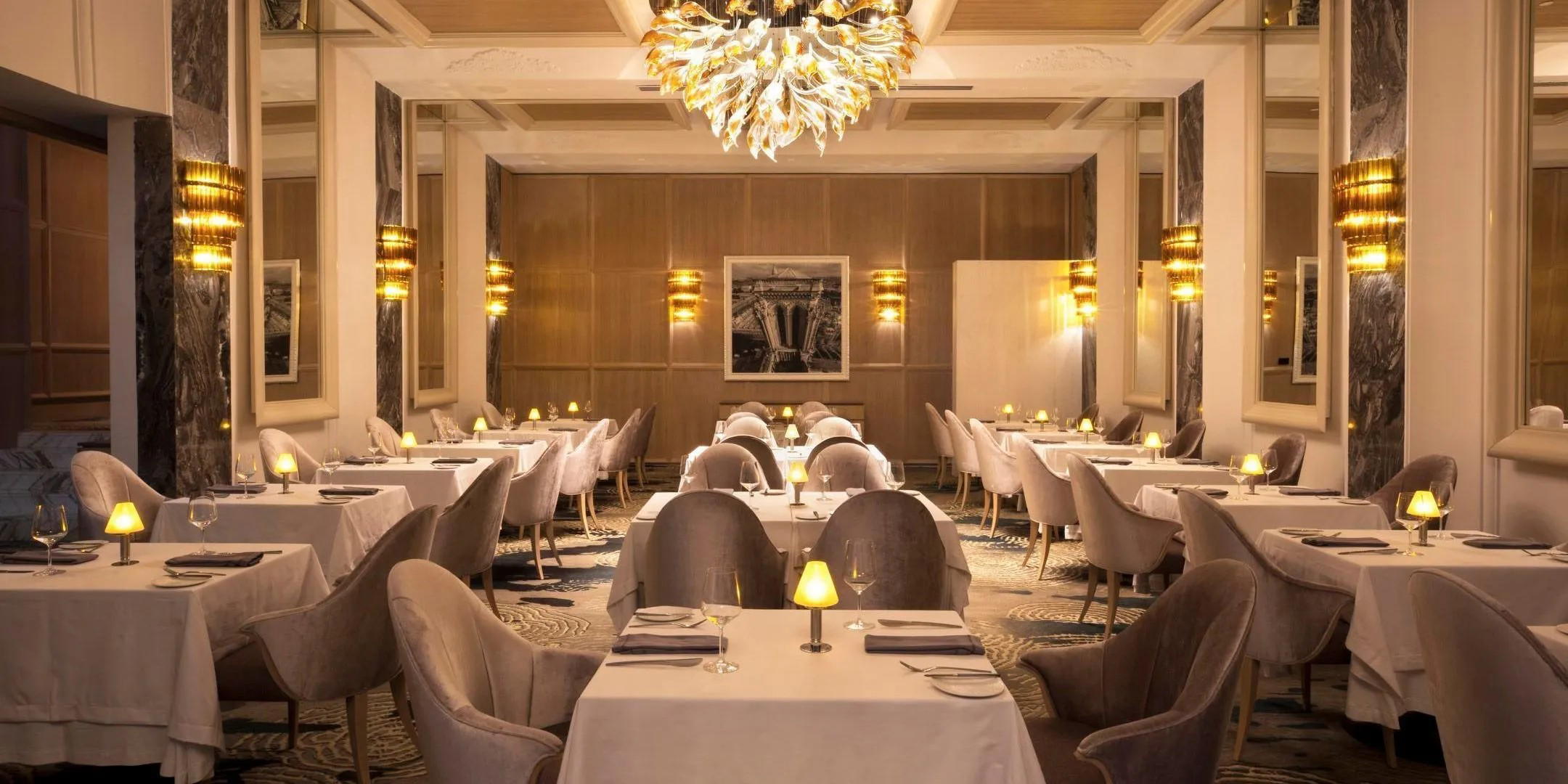
The room’s small scale reinforces the category. Eighteen seats put the experience closer to an intimate neighbourhood dining room than a destination dining hall. Private rooms are not part of the format, so the meal depends on the shared rhythm of the room rather than enclosure or ceremony. That scale sharpens the comparison with nearby French peers. MONOLITH, another Tokyo French address in the comparison set, sits in a related price-and-category conversation, but La Blanche reads more explicitly through classicism and long public memory. Night Market and Narukiyo point elsewhere, toward Southeast Asian energy and izakaya culture; their presence in the same city underlines how specialised Tokyo’s French lane has become.
Aoyama reputation rather than dining-room theatre
Minami Aoyama and Omote Sando fit this kind of restaurant. The area has enough money and design literacy to support serious dining, but is less rigid than Marunouchi’s corporate polish and less nightlife-driven than parts of Shibuya. Its better restaurants often feel built for regulars who know the evening they want: composed, adult, not performative. La Blanche fits that geography. Its reputation does not rely on a celebrity-chef narrative or one named dish, but on steadiness, a classic French frame, and a kitchen noted for fish within a wine-led meal.
That matters because Tokyo’s high-end dining culture can make novelty look mandatory: new counters, reservation systems, chef migrations, tasting-menu formats. The city absorbs them quickly. Yet some of its more revealing meals happen where continuity is the advantage. A Bronze award in 2026, paired with repeated French Tokyo 100 selection, places La Blanche in that group. It is not selling surprise as the main event; it is selling confidence that a familiar form can survive repeated judgment.
For readers mapping Tokyo across categories, this is the French counterweight to the city’s broader appetite. A day might move from curry to yakitori to French without leaving the logic of specialist dining. EP Club’s Tokyo coverage is built for that cross-reading: start with Our full Tokyo restaurants guide, then compare different registers such as 124. KAGURAZAKA (Yakitori), 3 Chome no Curry Ya San, 12/10 Shinjuku ten, . 鮪と炭火焼き うお炭 秋葉原店, and 2D Cafe. The point is not to flatten them into one ranking, but to see how Tokyo rewards focused formats across price points and cuisines.
How to place it in a Tokyo itinerary
La Blanche is stronger for diners who want Tokyo French with critical reception rather than spectacle. The format suits an evening carried by conversation, wine, and classic technique. It is also useful for travellers who have already planned sushi, kaiseki, or ramen-heavy itineraries and want to see how French dining has been localised in one of the world’s strictest restaurant cultures.
Tokyo planning works better when restaurants are grouped by mood, not neighbourhood alone. For the surrounding trip, EP Club’s city rails give the wider frame: Our full Tokyo hotels guide, Our full Tokyo bars guide, Our full Tokyo wineries guide, and Our full Tokyo experiences guide. Travellers extending beyond Tokyo can compare how Japanese dining formats change by city through -Grilled beef Sukiyaki- KAMAKURA TANUKIAN 鎌倉 たぬき庵 in Kamakura.cafe in Osaka.know in Kumamoto, (Shoku) Vietnam in Kawasaki, [Curry Senmon Ten] Maruyama Kyoju. in Sapporo, and [ki:] in Kyoto. For a trans-Pacific contrast in Japanese-adjacent drinking and casual formats, Jōdo Saké Bar in Los Angeles and Onigiri Time in Pasadena show how different the same reference points become outside Japan.
The editorial case is clear: choose La Blanche for classic French cooking filtered through Tokyo’s discipline, backed by repeated Tabelog recognition and a small-room format that keeps attention on the meal rather than the performance around it. In a city crowded with new openings, that continuity is not conservative by default. Here, it is the evidence.
Frequently asked questions
When can I go to La Blanche?
Hours at La Blanche: Mon, Thu, Fri, Sat, Sun 12:00 - 14:00 L.O. 13:30 18:00 - 21:00 L.O. 20:00.
Where is La Blanche located?
La Blanche is located in Tokyo.
What's the defining dish or idea at La Blanche?
The defining idea is classic French cooking in Tokyo, with the kitchen listed as particularly focused on fish and wine. That frame suits its repeated Tabelog Bronze awards, including 2026, and its selection for Tabelog French TOKYO "Tabelog 100" in 2025.
What is La Blanche known for?
La Blanche is primarily known for its core concept and execution in Tokyo.
Side-by-Side Snapshot
Comparable venues by cuisine and price in the same metro.
| Venue | Cuisine | Price | Awards | Notes |
|---|---|---|---|---|
| La BlancheThis venue (the venue you are viewing) | Contemporary French | $150–200 | Tabelog Bronze #229 | Not listed |
| Naturam | Seasonal French with Japanese Ingredients | $50–100 | We're Smart World 3 Radishes | Setagaya |
| Restaurant Aladdin | Classic French | $50–100 | Tabelog 100 #17 | Shibuya |
| Chez Matsuo | Classic French Fine Dining | Not listed | Not listed | Shibuya |
| à table | Classic French Bistro | $100–150 | Michelin Plate · Tabelog 100 #96 | Bunkyō |
| l' Equator | Innovative French Fusion | Not listed | Not listed | Minato |
Recognition history
Dated appearances from independent guides and award organizations, with the underlying list record or original source where available.
Tabelog Bronze #229
Tabelog
Full recognition history (3 entries)
Tabelog 100 #99 · No. 99
Tabelog · Tabelog 100 - French - TOKYO - 2025
Tabelog Bronze
Tabelog
Continue exploring
More in Tokyo
Restaurants in Tokyo
All restaurants in Tokyo →



Bars in Tokyo
All bars in Tokyo →






Details
- Classic
- Elegant
- Intimate
- Quiet
- Sophisticated
- Date Night
- Business Dinner
- Celebration
- Special Occasion
- Historic Building
- Standalone
- Extensive Wine List
- Local Sourcing
- Farm To Table
- Tasting Menu
- Prix Fixe
- A La Carte
- Wine
Current opening hours
- Monday
- 12–2 PM, 6–9 PM
- Tuesday
- Closed
- Wednesday
- Closed
- Thursday
- 12–2 PM, 6–9 PM
- Friday
- 12–2 PM, 6–9 PM
- Saturday
- 12–2 PM, 6–9 PM
- Sunday
- 12–2 PM, 6–9 PM
Hours can change for holidays and private events. Last verified .
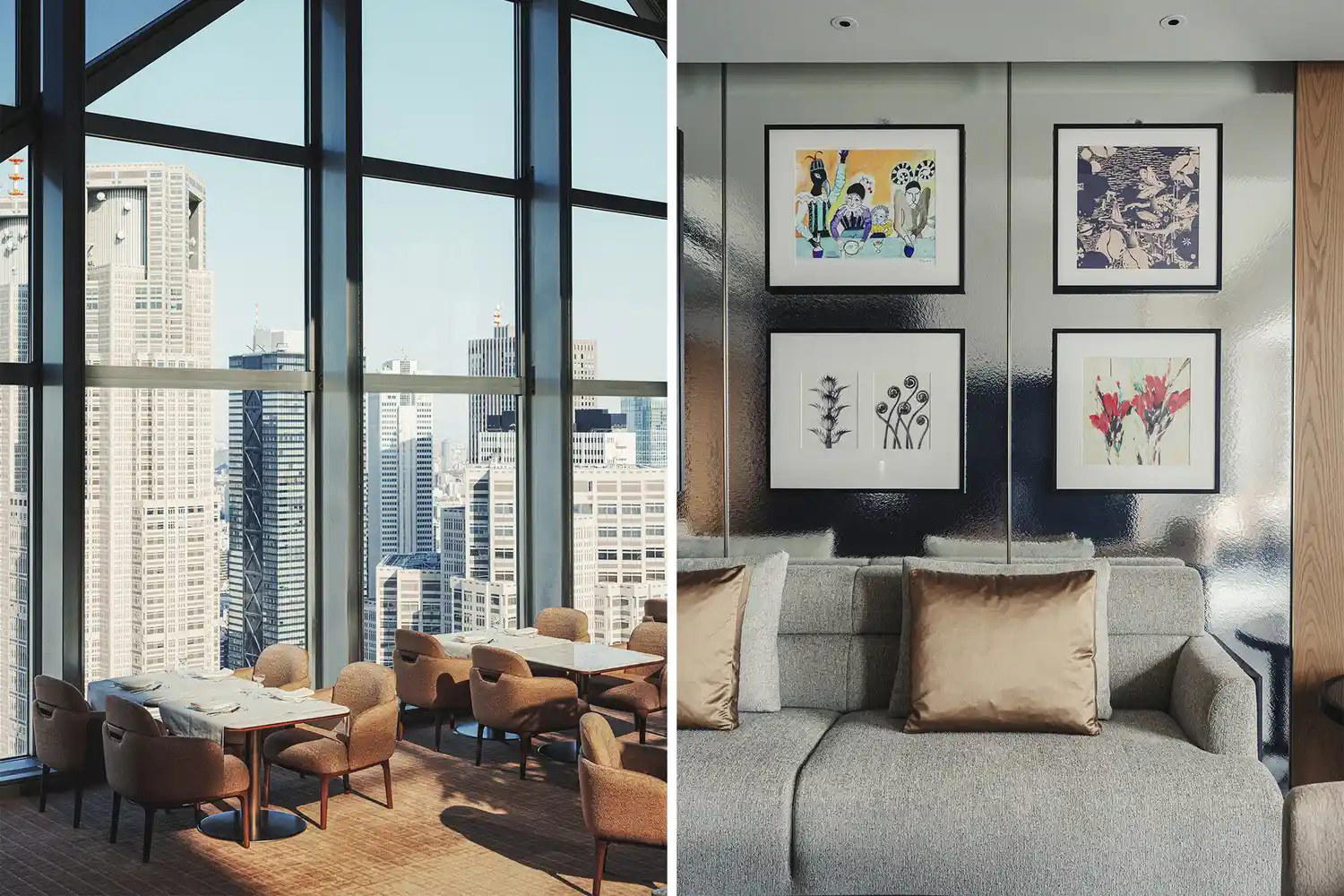
Warm, polished second-floor dining room with understated neutral decor, soft warm lighting, and carefully paced service that emphasizes food over spectacle; calm formality suited for intimate meals.