On Gran Vía, Madrid's busiest commercial corridor, La Arepera brings Venezuelan arepa culture to the Spanish capital. The format is direct: corn-dough rounds, split and filled, served in a city where South American street food traditions are gaining serious traction. A practical, affordable counter in a neighbourhood that otherwise skews toward high-volume tourist dining.
Pearl is the En Primeur Club membership app — saves, bookings, and concierge access live there. Same editors, same standards.
- Address
- Gran Vía, 73, Centro, 28013 Madrid, Spain
- Phone
- +34679888721
- Website
- laarepera.es
- Directions
- Get directions
 Saves & bookings on Pearl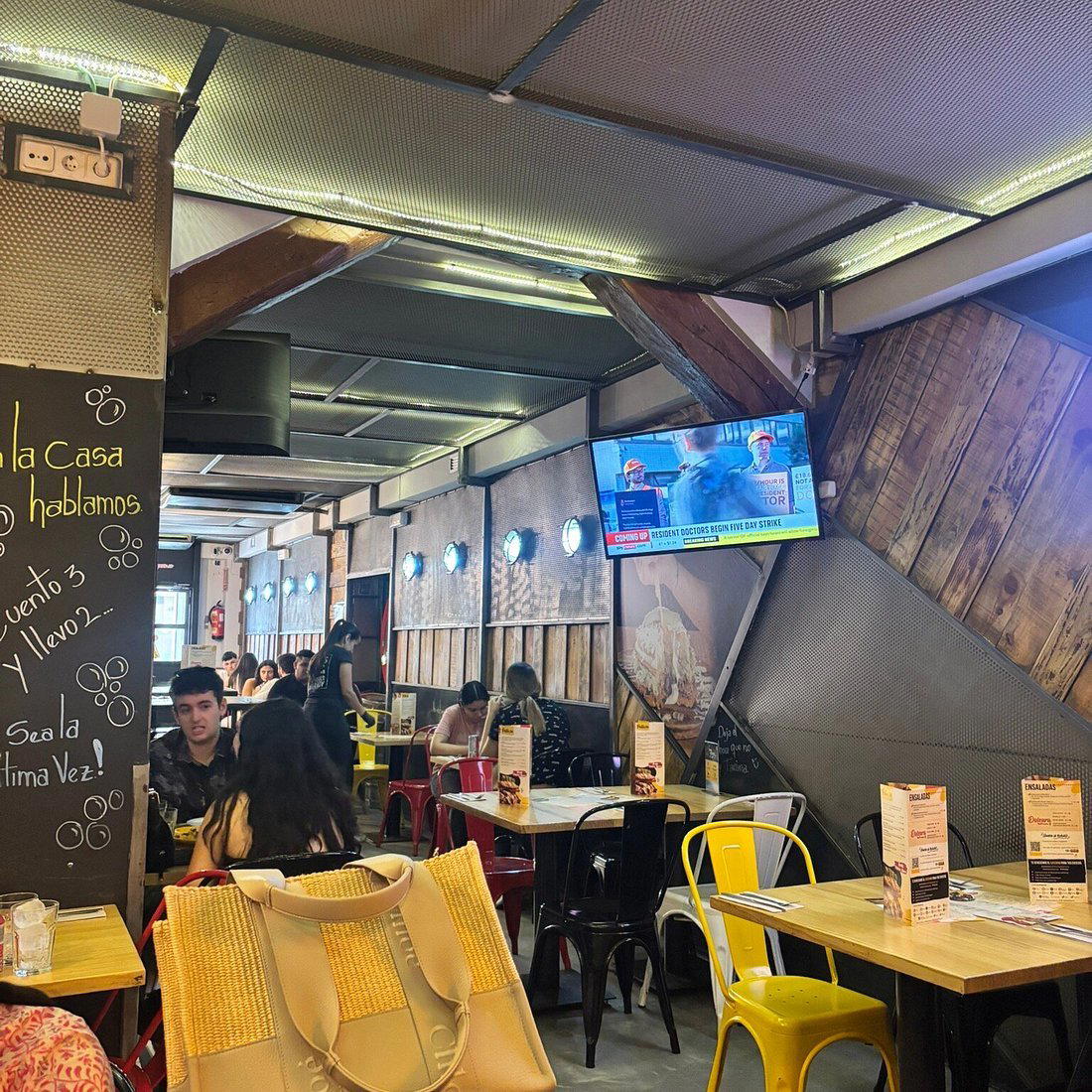
Gran Vía and the Question of What Belongs
Madrid's Gran Vía is not a street that rewards patience. The pavements run wide and loud, department stores anchor every other block, and the dining options within a five-minute radius tilt heavily toward international chains and tourist-facing menus. Against that backdrop, La Arepera at number 73 represents something that the strip does not produce naturally: a focused, single-format operation built around a specific regional food tradition rather than a catch-all proposition.
The arepa itself is worth understanding before the room. A disc of pre-cooked white corn flour, pressed and griddled or baked until the exterior firms into a thin crust while the interior stays soft, the arepa is the foundational carbohydrate of Venezuelan daily life in the way that bread is in Spain or rice is across much of East Asia. It is not a snack or a novelty. In Caracas, Valencia, or Maracaibo it functions as breakfast, lunch, and a late-night meal, split open and filled with combinations that range from simple butter and white cheese to pulled beef, black beans, avocado, and fried plantain. The fillings are not garnishes — they are the point.
South American Food in Madrid: A Shifting Tier
Madrid has absorbed significant Latin American immigration over the past three decades, and the city's South American food scene has tracked that demographic shift in complicated ways. The first wave of Venezuelan restaurants that opened during and after the political and economic crisis of the mid-2010s brought arepas to a wider Spanish audience, but many of those early operations prioritised volume over sourcing rigour. The more interesting development in recent years has been a quiet consolidation: a smaller number of spots doubling down on ingredient quality, specifically on the corn flour, the cheese, and the protein sourcing that determine whether an arepa reads as a convenience food or something with genuine regional identity.
The corn question matters more than it might initially appear. Authentic Venezuelan arepas depend on harina PAN or its equivalents: pre-cooked, finely milled white corn that hydrates quickly and produces a specific texture. Substituting standard polenta or rough cornmeal produces a structurally similar but categorically different result. For operations in Madrid, sourcing that flour either through specialist importers or through the network of Latin American wholesale suppliers concentrated in districts like Lavapiés and Carabanchel is a logistical commitment that signals intent. Establishments that make that sourcing commitment tend to sit in a different tier from those that approximate the format.
This ingredient discipline extends to the fillings. The reina pepiada, perhaps the most internationally recognised Venezuelan arepa filling, combines shredded chicken with avocado and mayonnaise. Its quality is almost entirely determined by the avocado ripeness and the chicken preparation. Similarly, the domino, filled with black beans and white cheese, is a study in contrast: the earthiness of the caraotas against the salinity of the queso blanco. When those components are properly sourced, the combination is complete on its own terms. When they are approximated, the whole thing collapses into undifferentiated stodge.
The Gran Vía Location as Context
Positioning a venue at Gran Vía 73 brings footfall that most independent food operations in Madrid would not otherwise access. The street draws an enormous mix of domestic visitors, international tourists, office workers, and shoppers, and a format like the arepa, which is portable, affordable, and quick to produce, fits the rhythm of that pedestrian flow. The practical logistics for a visitor are direct: the address sits toward the western end of Gran Vía, within walking distance of Plaza de España and the Malasaña neighbourhood boundary, and is reachable directly from the Gran Vía metro station on line 5.
For context on how Madrid's higher-end dining scene operates at the other end of the spectrum: the city's leading creative tables, including DiverXO, Coque, Deessa, DSTAgE, and Paco Roncero, operate on tasting-menu formats at the €€€€ tier and require advance booking. La Arepera occupies a completely different structural position: walk-in friendly, single-dish format, priced for daily consumption. Those are not competing propositions. They serve different functions in the same city. For a fuller map of where Madrid's dining sits across price points and styles, the EP Club Madrid restaurants guide covers the full range.
How La Arepera Sits Within Spain's Broader Food Conversation
Spain's national fine-dining conversation is dominated by a set of restaurants with long track records and serious Michelin recognition: El Celler de Can Roca in Girona, Arzak in San Sebastián, Azurmendi in Larrabetzu, Martin Berasategui in Lasarte-Oria, Mugaritz in Errenteria, Quique Dacosta in Dénia, Aponiente in El Puerto de Santa María, Cocina Hermanos Torres in Barcelona, Ricard Camarena in València, and Atrio in Cáceres. These are benchmark references for technically sophisticated Spanish cooking. La Arepera is not in that conversation, nor does it need to be. It belongs to a different but equally legitimate food tradition: the everyday, ingredient-led cooking of the Venezuelan kitchen transplanted to a European city. The comparison point for international visitors might be closer to the way Korean-American spots like Atomix in New York brought Korean culinary logic into a new city context, or how Le Bernardin in New York City maintained French technical discipline far from its source. Regional food traditions, when executed with fidelity to their ingredients and methods, travel on their own terms.
Planning a Visit
Gran Vía 73 is a high-traffic address, which means arriving during peak lunch or early evening hours on weekends will involve some wait. The format is designed for speed, so turnover is typically fast. There is no recorded booking system for a venue of this type, and given the walk-in nature of arepa counters, arriving slightly ahead of peak hours is the practical approach for visitors who prefer not to queue.
Continue exploring
More in Madrid
Restaurants in Madrid
Browse all →
Bars in Madrid
Browse all →
Hotels in Madrid
Browse all →

At a Glance
- Cozy
- Lively
- Rustic
- Casual Hangout
- Family
- Group Dining
- Standalone
Current opening hours
- Monday
- 12 PM–12 AM
- Tuesday
- 12 PM–12 AM
- Wednesday
- 12 PM–12 AM
- Thursday
- 12 PM–12 AM
- Friday
- 12 PM–1 AM
- Saturday
- 12 PM–1 AM
- Sunday
- 12 PM–12 AM
Hours can change for holidays and private events. Last verified .
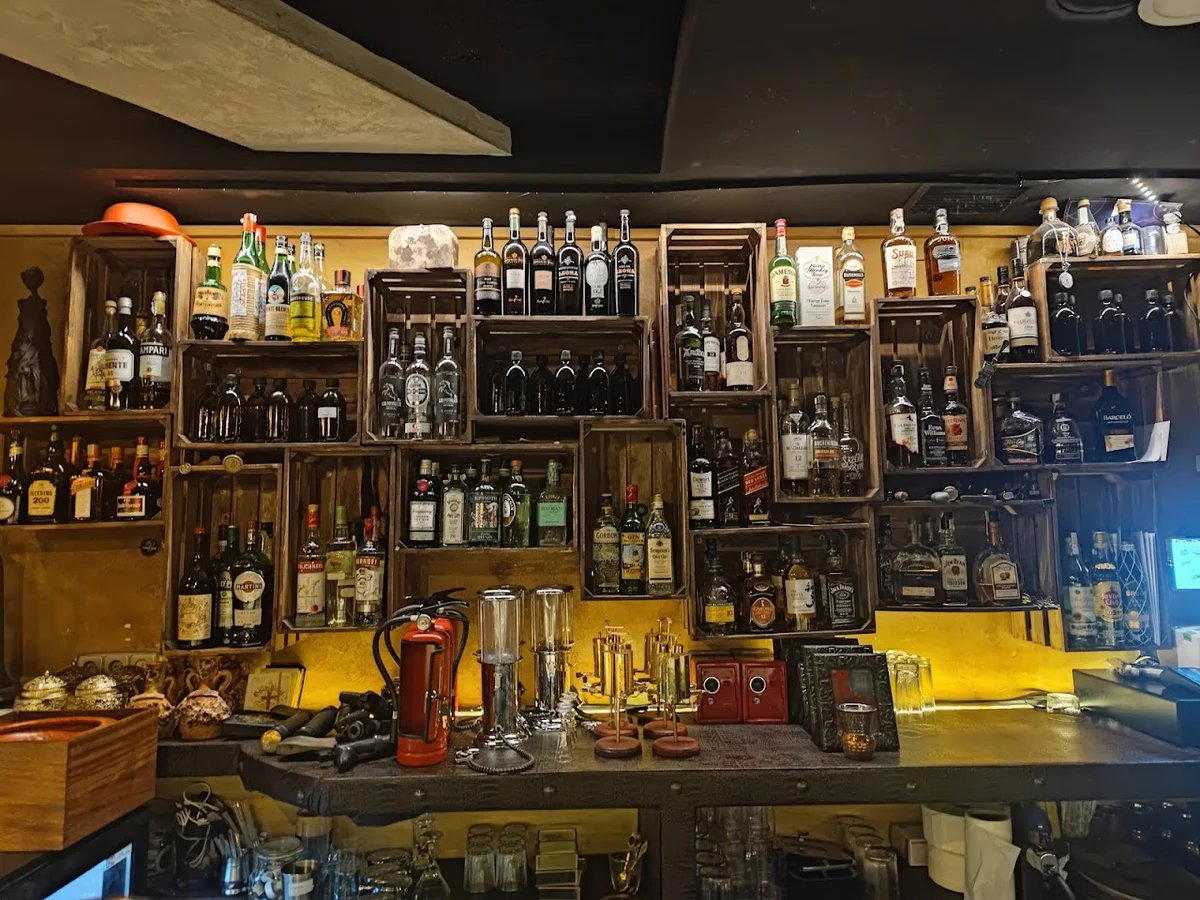
Relaxed and cozy atmosphere with friendly service in a small, animated space.
Know Before You Go
- Getting there
- Gran Vía, 73, Centro, 28013 Madrid, Spain