On Calle de José Ortega y Gasset in Madrid's Salamanca district, Best operates within one of the city's most concentrated corridors of high-end dining.
Pearl is the En Primeur Club membership app — saves, bookings, and concierge access live there. Same editors, same standards.
- Address
- C. de José Ortega y Gasset, 64, Salamanca, 28006 Madrid, Spain
- Phone
- +34697841582
- Website
- bestrestaurante.com
- Directions
- Get directions
 Saves & bookings on Pearl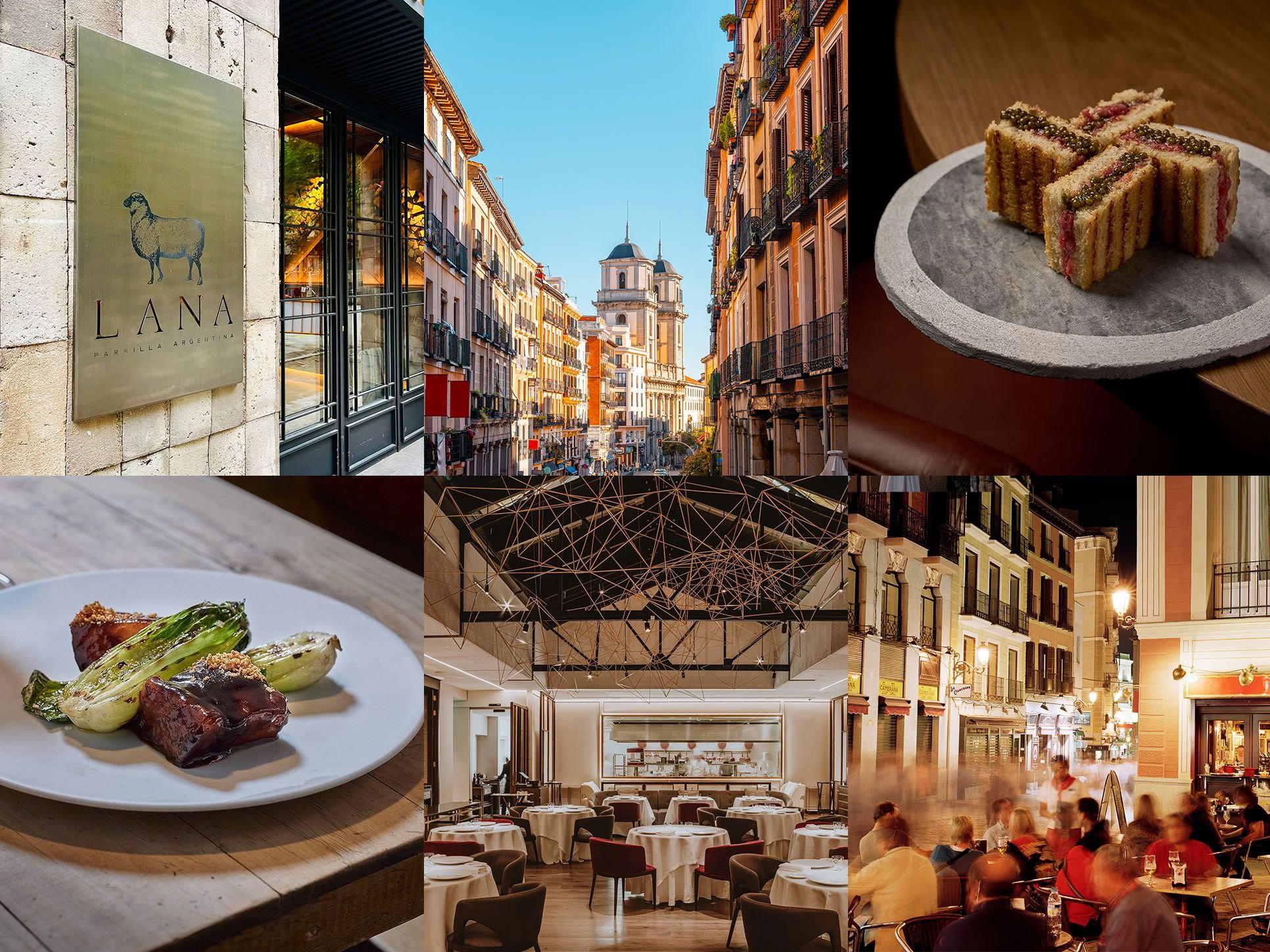
Where Salamanca's Dining Ambition Takes Shape
Madrid's Salamanca district has long carried a particular kind of pressure. The neighbourhood's grid of wide, tree-lined streets and high-end retail has historically attracted a dining clientele with specific expectations: polished service, serious wine, and cooking that reflects the effort of the reservation. Over the past decade, that pressure has produced a concentration of technically serious restaurants along and around Calle de José Ortega y Gasset that rivals any comparable street in Spain. Leading sits on that address, at number 64, inside a dining scene that has made the intersection of global culinary technique and Iberian ingredient sourcing its central preoccupation.
That intersection is not incidental. Spain's broader fine dining movement has been characterised, more than almost any other national scene, by a willingness to absorb methods from abroad and redirect them through local produce. The conversations happening in Madrid's leading kitchens connect directly to what Mugaritz in Errenteria has been doing with texture and fermentation, what El Celler de Can Roca in Girona demonstrated about synthesising classical French structure with Catalan identity, and what Aponiente in El Puerto de Santa María has pursued through marine ingredient research. Madrid, without the same regional agricultural mythology as the Basque Country or Catalonia, has answered by positioning itself as a city where technique is the argument and the produce arrives from across the peninsula.
Placing Leading within its competitive context requires understanding what Salamanca has become for Madrid dining. The neighbourhood operates differently from the more experimental pockets around Chueca or the market-adjacent restaurants near La Latina. Here, the expectation is for a certain finish: rooms that hold their composure, service teams that manage long tasting menus without losing pace, and wine lists that reflect serious cellar investment. DiverXO, Madrid's most internationally discussed restaurant, carries a three-Michelin-star designation and a progressive Asian-inflected creative format that has defined one end of the city's ambition spectrum. At the other, Coque operates a Spanish creative format at the same price tier, with a wine programme that draws serious collector attention. Paco Roncero and Deessa complete the picture of a city where creative Spanish cooking at the premium end commands the same pricing logic as comparable counters in Paris or Copenhagen.
Leading occupies this address context, on a street that functions as a kind of quality signal in itself. The location on Ortega y Gasset is not incidental to how the restaurant positions itself; in Madrid dining geography, the postcode carries meaning before a menu is read.
Local Ingredients Through an Imported Lens
The editorial angle that defines the most interesting restaurants in this part of Madrid is not exclusively Spanish nor exclusively international. It is the productive friction between the two. Spain's ingredient wealth is genuinely exceptional: Ibérico pork from Extremadura, seafood from Galicia's rías, vegetables from the market gardens of Valencia, wild game from Castile. The question that separates a technically serious restaurant from a merely expensive one is what happens to those ingredients when culinary methods drawn from French classical tradition, Japanese knife and temperature discipline, or Scandinavian fermentation logic are applied to them.
This conversation has been happening at the highest level across Spain for two decades. Arzak in San Sebastián established early that Basque produce could absorb avant-garde technique without losing its identity. Azurmendi in Larrabetzu extended that conversation toward sustainability and garden-to-table sourcing. Quique Dacosta in Dénia has made the Mediterranean coastline and its micro-ingredients the basis for some of Spain's most formally ambitious plates. Ricard Camarena in València has built an entire creative philosophy around Valencian produce cycles. Madrid's answer to this regional specificity is to function as the place where those conversations aggregate, where chefs from different Spanish traditions and international training backgrounds bring their methods to a single, cosmopolitan dining market.
For international visitors comparing this against restaurants with similar positioning in other cities, the reference points are worth holding: Le Bernardin in New York City represents the model of a technically precise kitchen built around a single ingredient category, while Lazy Bear in San Francisco demonstrates how a chef-driven tasting format can hold a loyal, repeat-visitor audience at premium pricing. Madrid's top-end restaurants compete in that same conversation, with Spanish produce as the differentiating argument.
Planning Your Visit
Madrid's premium dining tier has consolidated around a tasting menu format that typically runs between two and three hours. Salamanca restaurants at this level generally require reservations made well in advance, with the most sought-after tables booking out weeks to months ahead depending on season and recognition status. The neighbourhood is accessible by metro from central Madrid, with Núñez de Balboa and Lista stations both within reasonable walking distance of the Ortega y Gasset corridor. For visitors building a broader Spain itinerary that connects Madrid dining to the rest of the country's creative restaurant scene, Cocina Hermanos Torres in Barcelona, Martin Berasategui in Lasarte-Oria, and Atrio in Cáceres represent logical extensions of the same serious-dining circuit. See DSTAgE for another Madrid creative kitchen operating at comparable ambition before consulting our full Madrid restaurants guide for broader city coverage.
Know Before You Go
- Address: C. de José Ortega y Gasset, 64, Salamanca, 28006 Madrid, Spain
- Neighbourhood: Salamanca, Madrid's primary premium dining district
- Nearest Metro: Núñez de Balboa or Lista (Line 4)
- Booking: Contact directly; advance reservation recommended given district demand patterns
- Format: Tasting menu format standard for this address tier; confirm current format when booking
How Best Madrid Hours & Practical Verdict compares with similar nearby venues.
| Venue | Cuisine |
|---|---|
| Restaurante Colósimo | Spanish |
| Taberna Verdejo | Spanish |
Continue exploring
More in Madrid
Restaurants in Madrid
Browse all →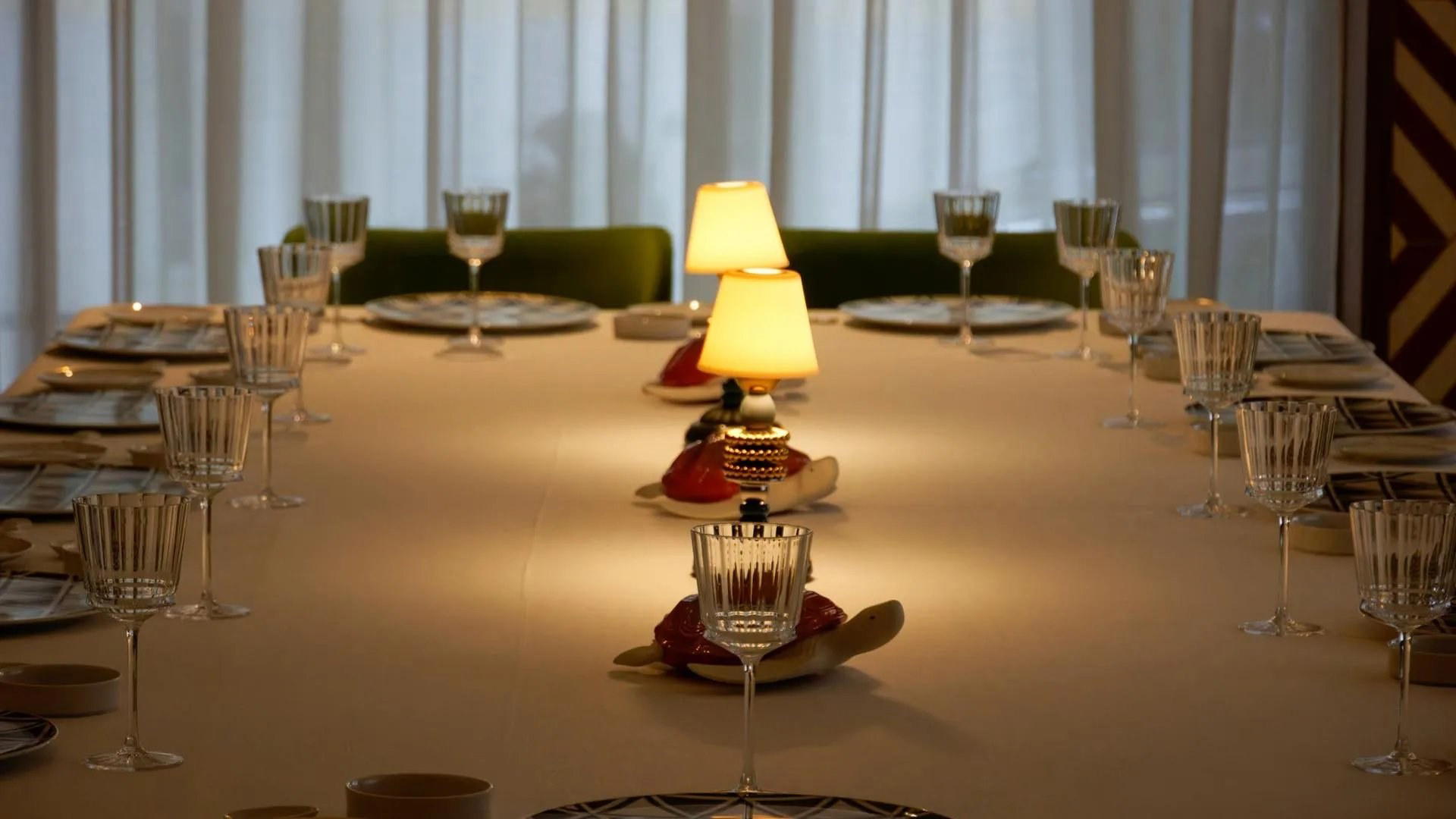
Bars in Madrid
Browse all →
Hotels in Madrid
Browse all →


At a Glance
- Casual Hangout
- After Work
- Standalone
Current opening hours
- Monday
- 9 AM–12 AM
- Tuesday
- 9 AM–12 AM
- Wednesday
- 9 AM–12 AM
- Thursday
- 9 AM–12 AM
- Friday
- 9 AM–12 AM
- Saturday
- 12 PM–12 AM
- Sunday
- 12 PM–12 AM
Hours can change for holidays and private events. Last verified .
Lively and bustling traditional tapas bar atmosphere.
Know Before You Go
- Getting there
- C. de José Ortega y Gasset, 64, Salamanca, 28006 Madrid, Spain