El Café de la Ópera occupies a corner of Madrid's Centro district steps from the Teatro Real, where the city's operatic tradition and its café culture have long occupied the same block. The address places it inside one of Madrid's most historically dense neighbourhoods, drawing an audience of theatre-goers, locals, and visitors who treat the area as a destination before or after a performance.
Pearl is the En Primeur Club membership app — saves, bookings, and concierge access live there. Same editors, same standards.
- Address
- C. de Arrieta, 6, Centro, 28013 Madrid, Spain
- Phone
- +34 915 42 63 82
- Website
- elcafedelaopera.com
- Directions
- Get directions
 Saves & bookings on Pearl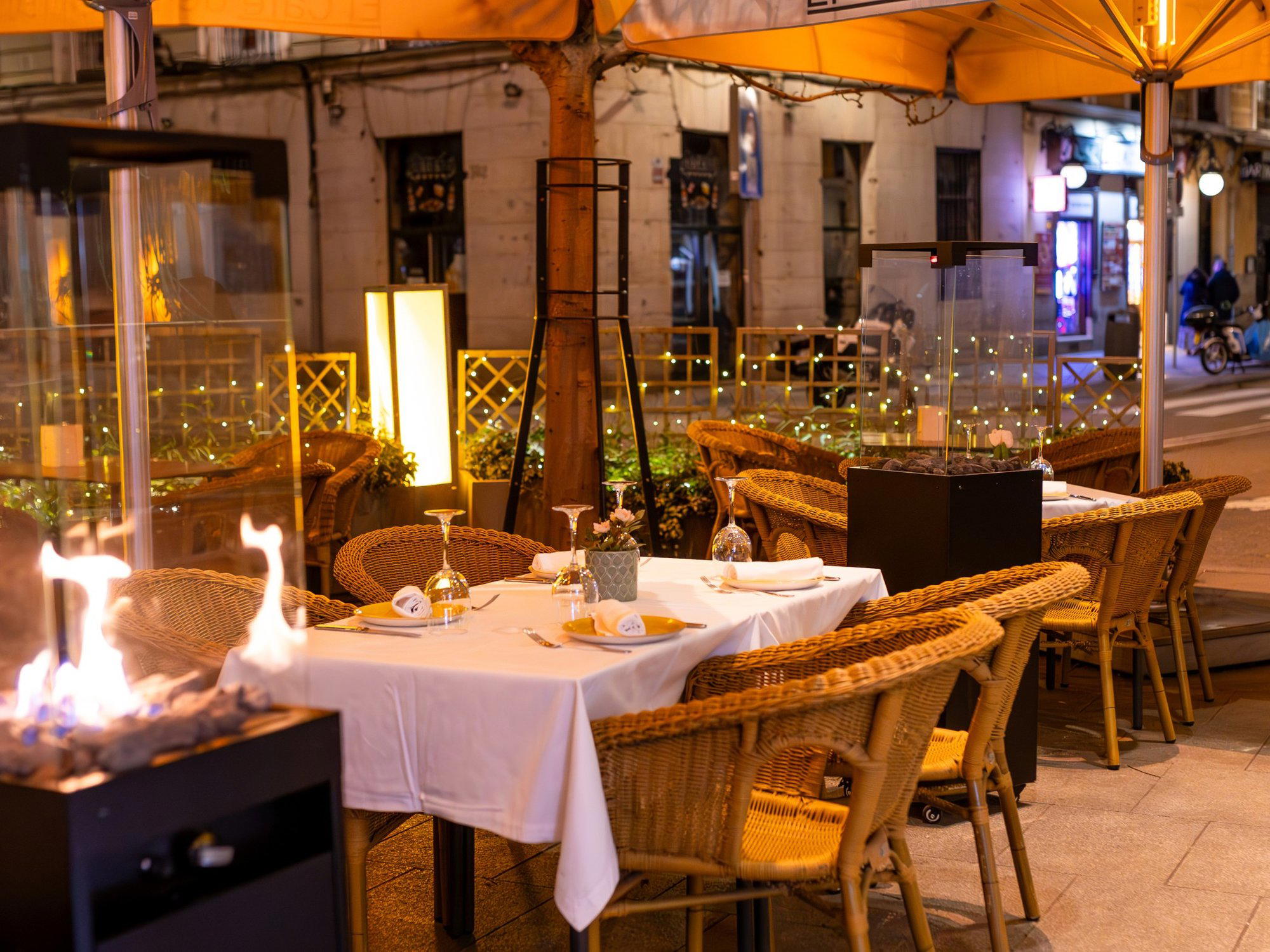
Opera Quarter, Corner Table
The streets around Madrid's Teatro Real carry a particular kind of civic weight. This is the Centro district at its most formal: broad pavements, 19th-century stonework, and the low hum of a neighbourhood that has spent two centuries accommodating the before-and-after rituals of an operatic audience. Calle de Arrieta, where El Café de la Ópera sits at number 6, runs along the theatre's flank, close enough that the architecture of the building is still in peripheral view as you approach. It is the kind of address that exists because of what surrounds it, and that specificity matters when you are thinking about where to eat in this part of the city.
The opera quarter was one of the original nodes of that tradition, and venues in this immediate area have historically served a mixed function: serious enough for a pre-curtain dinner, open enough to accommodate a single glass and a plate at the bar.
What the Address Tells You About the Cuisine
In European cities where café-restaurant culture developed alongside 19th-century performance institutions, the dining room and the theatre lobby operated as extensions of the same social occasion. Paris had its brasseries on the Boulevard du Temple; Vienna built its coffeehouses within walking distance of the Staatsoper. Madrid's equivalent tradition grew around the Teatro Real, which reopened in its current form in 1997 after decades as a concert hall, but whose surrounding streets retained the density of cafés and tabernas that predated the renovation by generations.
That history shapes what a venue at this address is implicitly expected to provide: a programme of Spanish cooking grounded in recognisable tradition, a format that accommodates the variable timing demands of a theatre evening, and a room that works as a destination in itself rather than merely a functional stop before curtain-up. The cultural expectations embedded in the location are, in this sense, as informative as any menu description.
For comparison, Madrid's leading avant-garde addresses, including DSTAgE and Paco Roncero, operate in neighbourhoods where the surrounding context is office and residential rather than cultural-institutional. The opera quarter pulls from a different kind of audience expectation, one shaped more by occasion and setting than by tasting-menu credentials.
Madrid in the Wider Spanish Dining Picture
To understand the role of a venue like this in the city's broader food culture, it helps to map where Madrid sits among Spain's dining regions. The country's highest-concentration fine-dining infrastructure runs through the Basque Country and Catalonia: Arzak in San Sebastián, Martin Berasategui in Lasarte-Oria, Mugaritz in Errenteria, and El Celler de Can Roca in Girona represent a category where innovation and regional identity are the explicit project. Andalusia has Aponiente in El Puerto de Santa María; the Levant has Ricard Camarena in València and Quique Dacosta in Dénia; Extremadura has Atrio in Cáceres; and Barcelona has the ambitious kitchen of Cocina Hermanos Torres.
Madrid's contribution to that national picture has historically been less about regional cuisine and more about being the city where Spanish cuisine from every other region converges. The capital imports its ingredients, its chefs, and its dining formats from across the country and serves them to an audience that expects range rather than specificity. A café-restaurant in the opera quarter sits within that logic: it serves the city's role as aggregator rather than making an argument for a single regional tradition.
Seasonal and Timing Considerations
During those months, the blocks around Calle de Arrieta operate at a different tempo from the summer lull, when the theatre goes dark and the neighbourhood reverts to a more residential pace. Visitors planning a dinner in this part of Centro would do well to align with the performance calendar, both because tables in the area are harder to secure on opening nights and because the pre-performance atmosphere in the surrounding streets is part of what the location delivers.
Madrid's café-restaurant culture also responds to the city's eating schedule more broadly. Lunch service in Spain remains a serious meal, typically running from 2pm to 4pm, and the dinner hour skews late by northern European standards, rarely beginning before 9pm. A venue positioned between a major opera house and a residential neighbourhood likely absorbs both rhythms: a lunch crowd that has nothing to do with the theatre and a dinner audience whose evening is structured around the evening performance schedule.
Planning Your Visit
| Venue | Cuisine / Format | Price Tier | Booking Lead Time |
|---|---|---|---|
| El Café de la Ópera | Spanish café-restaurant, Centro | Not confirmed | |
| DiverXO | Progressive Asian-Spanish | €€€€ | Months in advance |
| Coque | Spanish, Creative | €€€€ | Weeks to months |
| DSTAgE | Modern Spanish, Creative | €€€€ | Weeks ahead |
| Paco Roncero | Creative | €€€€ | Weeks ahead |
For reference points in other cities and countries, Le Bernardin in New York City and Lazy Bear in San Francisco illustrate how differently the fine-dining format plays out in an American context.
Peers You’d Cross-Shop
Comparable venues nearby, for context on price, style, and recognition.
| Venue | Cuisine | Price | Notes |
|---|---|---|---|
| El Café de la ÓperaThis venue — the venue you are viewing | Traditional Spanish with Opera | $$ | Not listed |
| el b_US | Spanish Tapas Dinner Show | $$ | Embajadores |
| perretxiCo Chueca | Modern Basque Pintxos Taberna | $$ | Chueca |
| LA ZAHURDA | Traditional Spanish Tapas | $$ | Almagro |
| Restaurante Jarritus | Traditional Spanish Tapas | $$ | Guindalera |
| El Tinglao | Spanish Andalusian | $$ | Piovera |
Continue exploring
More in Madrid
Restaurants in Madrid
Browse all →
Bars in Madrid
Browse all →
Hotels in Madrid
Browse all →


At a Glance
- Classic
- Elegant
- Well Known
- Intimate
- Special Occasion
- Brunch
- Date Night
- Live Music
- Terrace
- Historic Building
- Street Scene
Current opening hours
- Monday
- 8 AM–11 PM
- Tuesday
- 8 AM–11 PM
- Wednesday
- 8 AM–11 PM
- Thursday
- 8 AM–11 PM
- Friday
- 8 AM–11:30 PM
- Saturday
- 8 AM–11:30 PM
- Sunday
- 8 AM–11 PM
Hours can change for holidays and private events. Last verified .
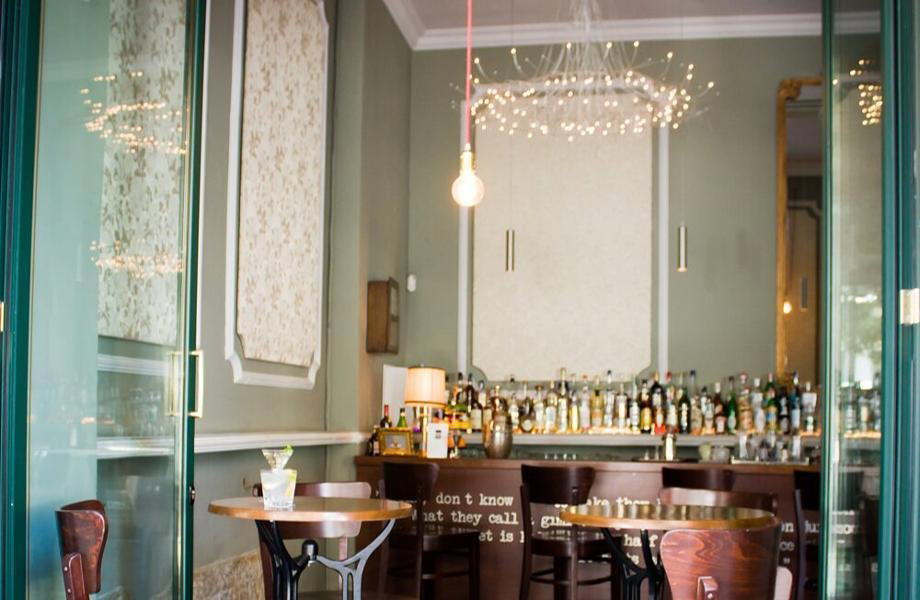
Elegant and acogedor atmosphere in a recently renovated space with contemporary design, high-end furniture, and excellent acoustics for immersive opera experiences.