L’Alchimista

On the main piazza of one of Umbria's most atmospheric hill towns, L'Alchimista makes a case for seasonal cooking rooted in place rather than trend. The kitchen draws directly from an on-site vegetable garden, and the wine list leans into Sagrantino di Montefalco, the grape that defines this corner of central Italy. Chef Patrizia's approach has earned the restaurant genuine local loyalty and the attention of serious Italian food travellers.
Pearl is the En Primeur Club membership app — saves, bookings, and concierge access live there. Same editors, same standards.
- Address
- Piazza del Comune, 14, 06036 Montefalco PG, Italy
- Phone
- +39 0742 378558
- Website
- ristorantealchimista.it
- Directions
- Get directions
 Saves & bookings on Pearl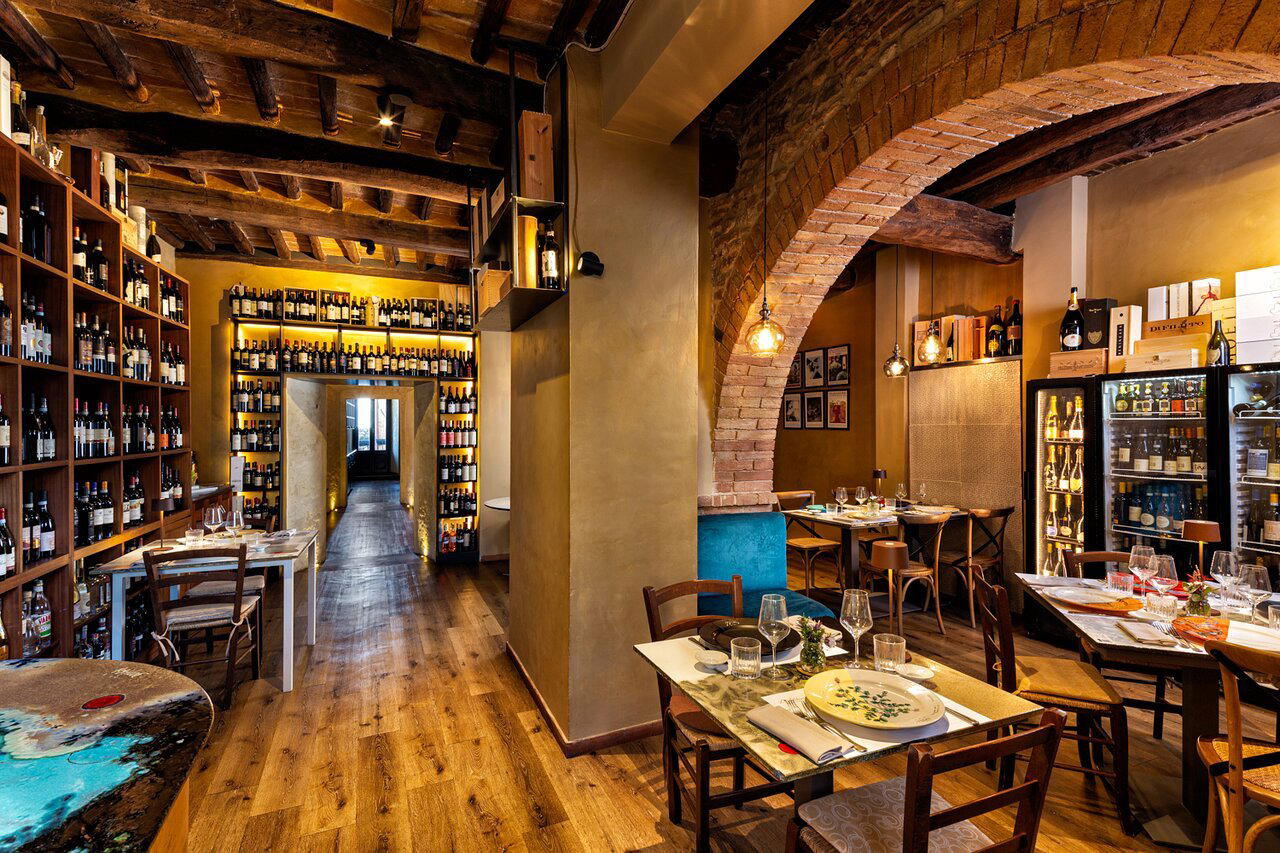
Where Montefalco Sets the Table
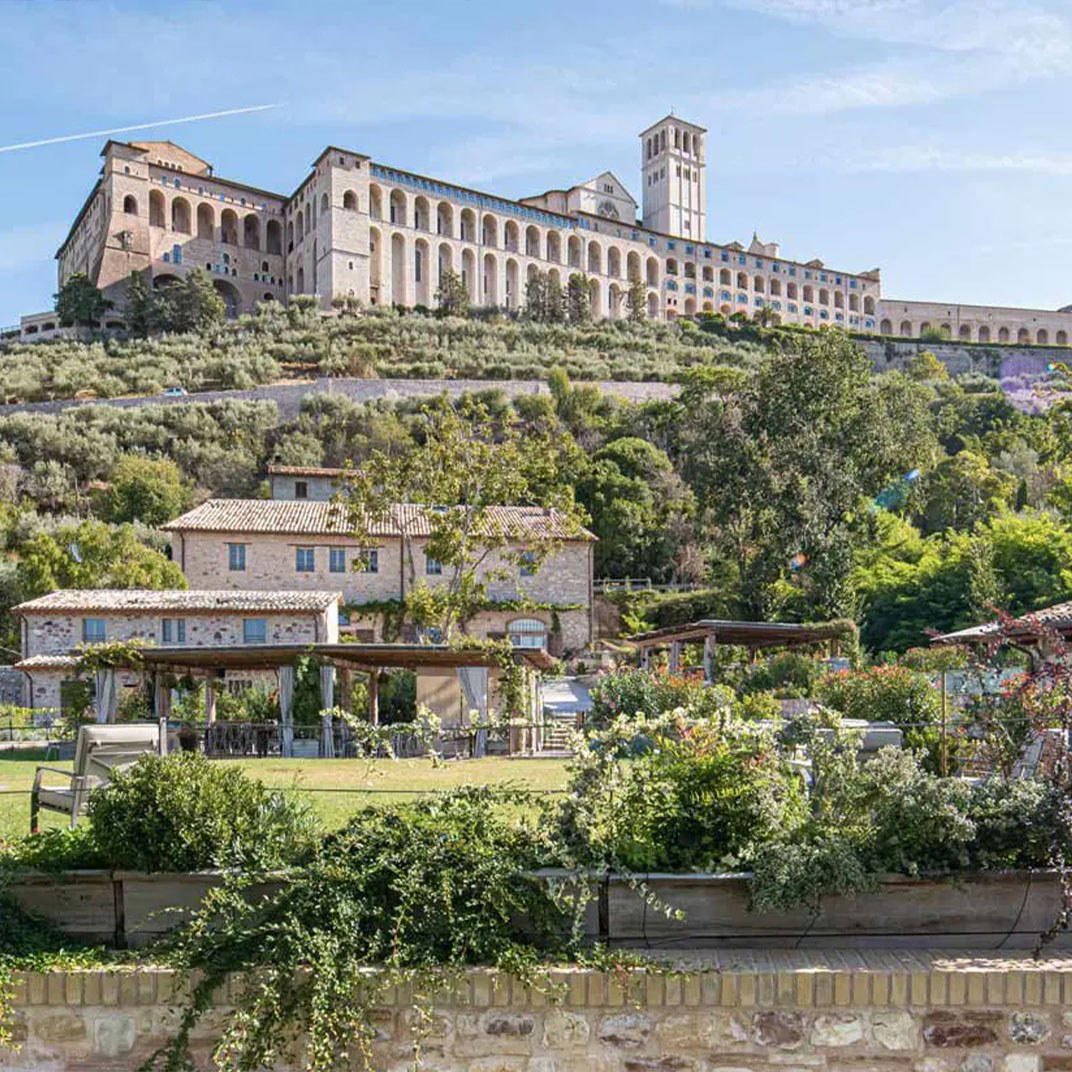
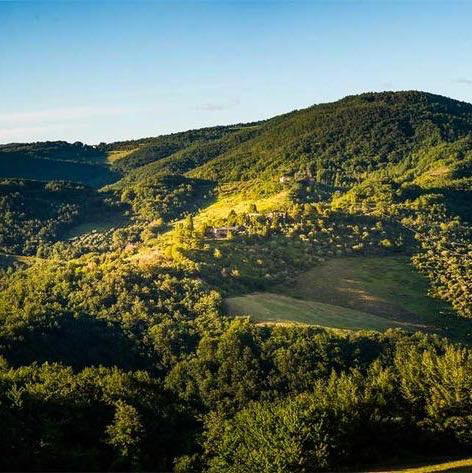
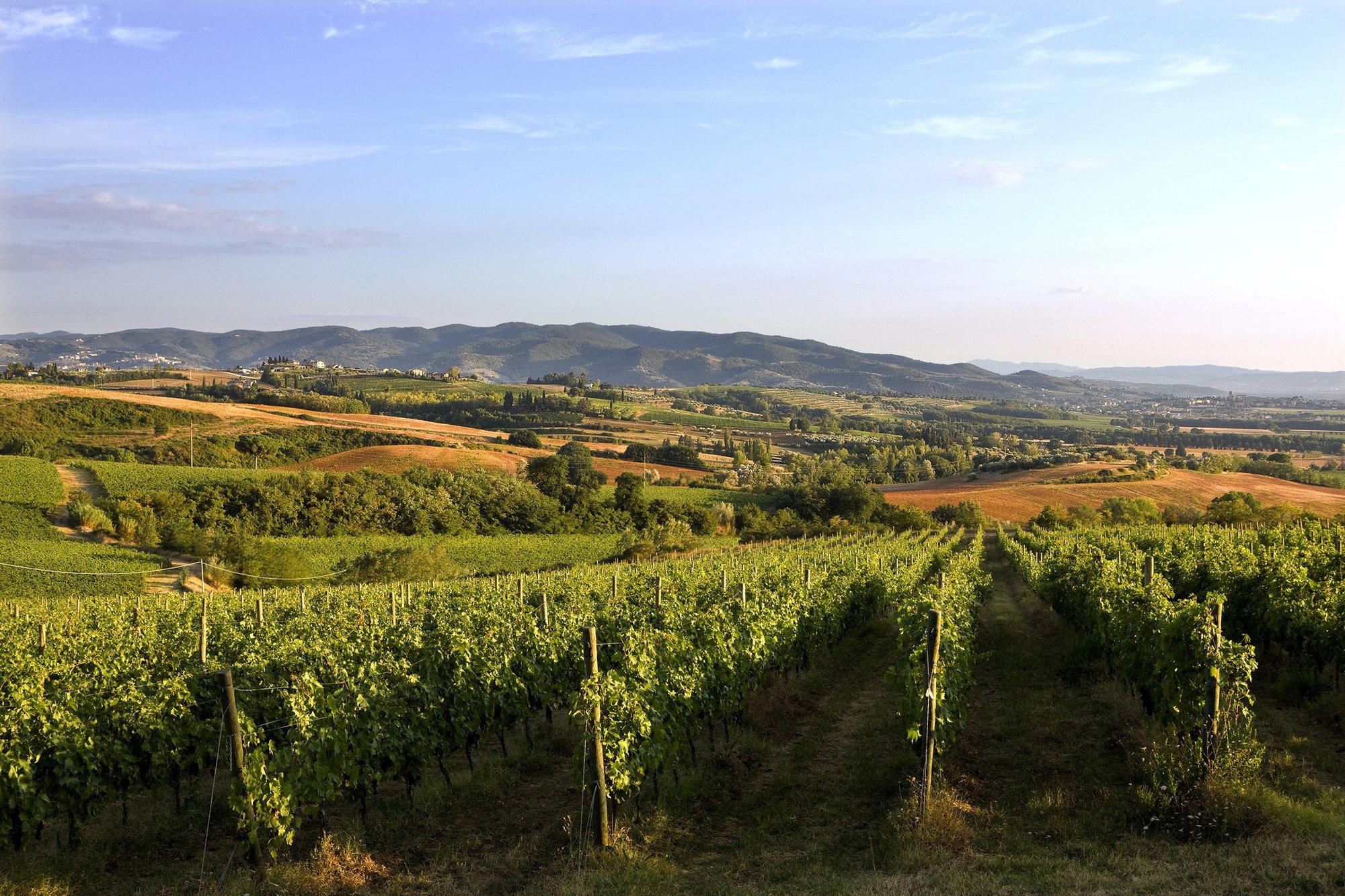
Piazza del Comune in Montefalco is one of those central Italian squares that earns its keep without trying: stone-paved, flanked by medieval civic architecture, and high enough above the Umbrian valley floor that the horizon line in every direction reads as olive grove and vineyard. It is the kind of setting that puts immediate pressure on whatever restaurant occupies it, because the promise of place is already so specific, and because any kitchen operating here is measured against it. L'Alchimista, which opens directly onto the piazza at number 14, meets that pressure by working with the landscape rather than decorating against it.
Montefalco itself sits in the triangle between Spoleto and Foligno, roughly two hours from Rome by car, and remains substantially less visited than the Chianti towns to the north or the Amalfi coast to the south. That relative quiet is the point. The town is compact enough to walk entirely in an afternoon, its walls intact, its population small. Restaurants here operate on local rhythms rather than tourist-season peaks, which tends to produce cooking that is calibrated for regulars as much as first-time visitors. For an orientation to the broader scene,
The Garden as Kitchen Logic
Across Italy's most serious regional kitchens, from Dal Pescatore in Runate to Reale in Castel di Sangro, particularly coherent menus tend to be those that solve a sourcing problem rather than follow a trend. The ingredient-first approach that now reads as fashionable in larger cities has been the functional reality of rural Central Italian cooking for generations: you cook what the season produces because the supply chain beyond your own land is limited and often unreliable.
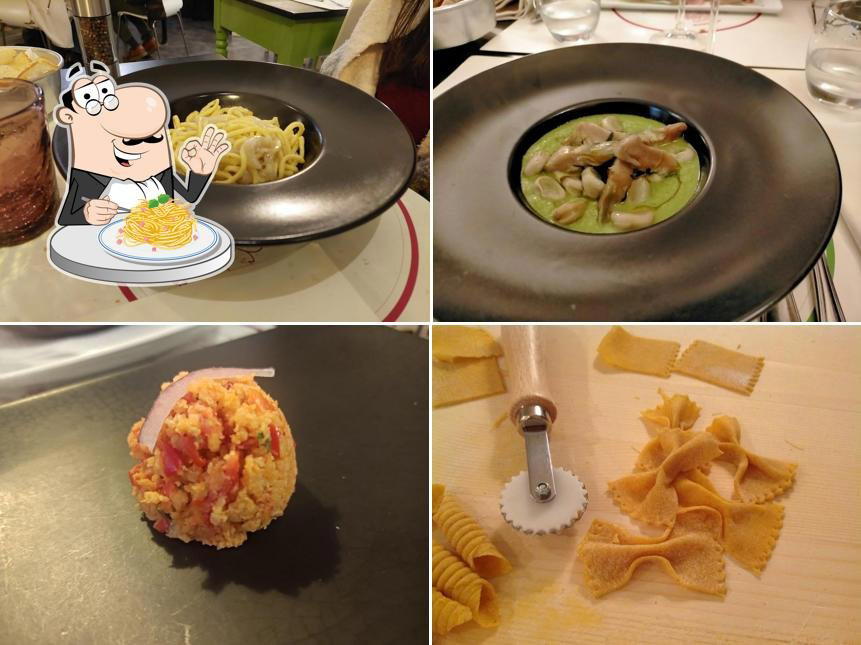
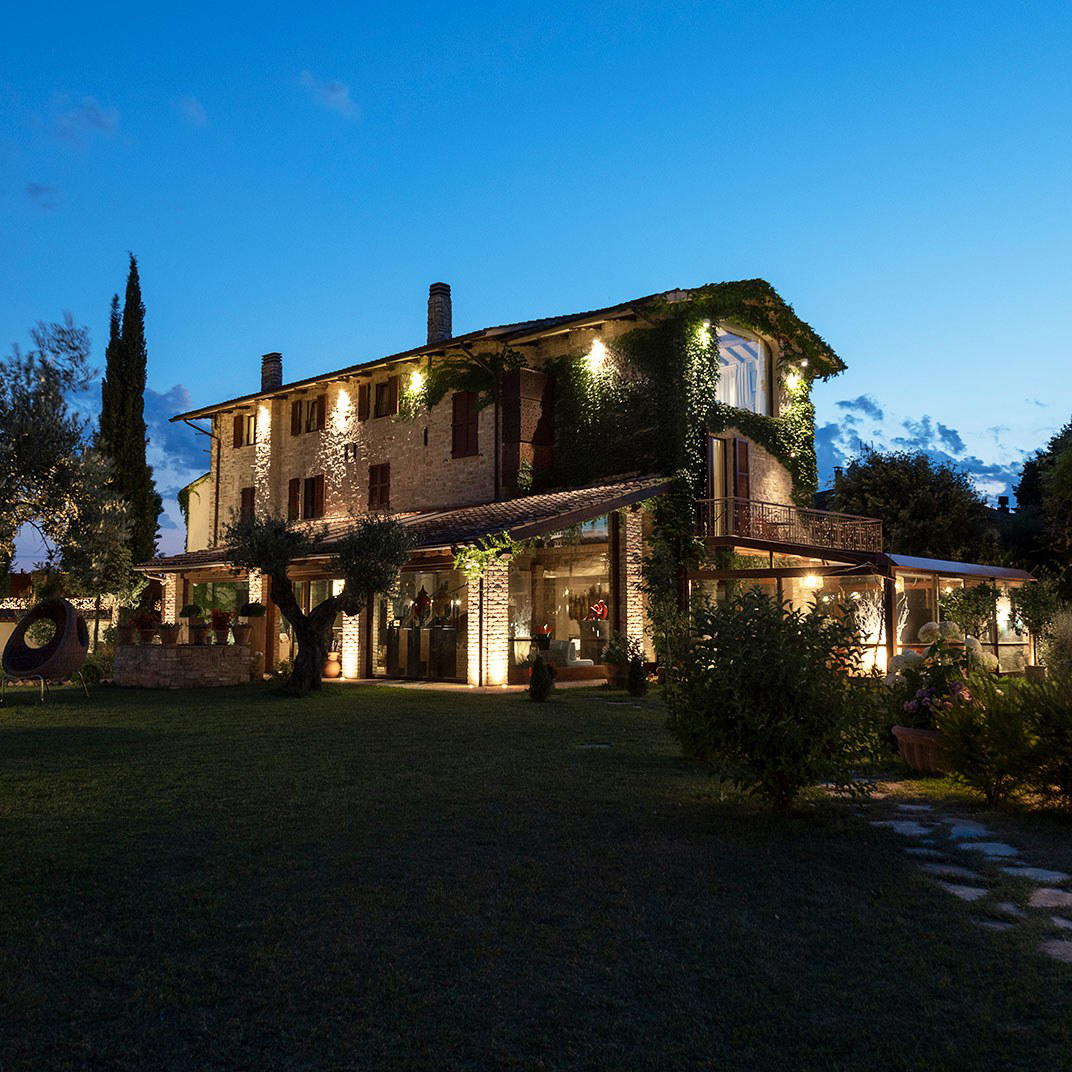
L'Alchimista operates an on-site vegetable garden, and that detail matters more than it might first appear. A kitchen garden at a restaurant is not merely a supply mechanism; it is an editorial constraint. What grows determines what is served. The cook who plans a menu around a garden is answering a different set of questions than one building around a wholesale order, questions about timing, about what is ready today rather than what can be ordered for Thursday, about what pairs with what because both happen to be peaking simultaneously. The result, when it works, is a coherence that feels less like curation and more like inevitability. Chef Patrizia's reputation at L'Alchimista is built on exactly this kind of discipline: an approach to Umbrian cooking that treats the seasons as the menu architecture, not just as decoration.
Umbrian cuisine does not carry the global recognition of its Emilian or Tuscan neighbours, but it has its own logic. Pulses, particularly lentils from Castelluccio, feature prominently. Black truffles from Norcia appear in winter months. Cured meats, especially local salumi, bridge seasons. The cooking tends toward restraint in technique and directness in flavour, a contrast to the more elaborated registers you find at places like Le Calandre in Rubano or Osteria Francescana in Modena. L'Alchimista sits within that Umbrian tradition, using the garden and the local supply network as its primary reference points.
Sagrantino and the Wine Argument
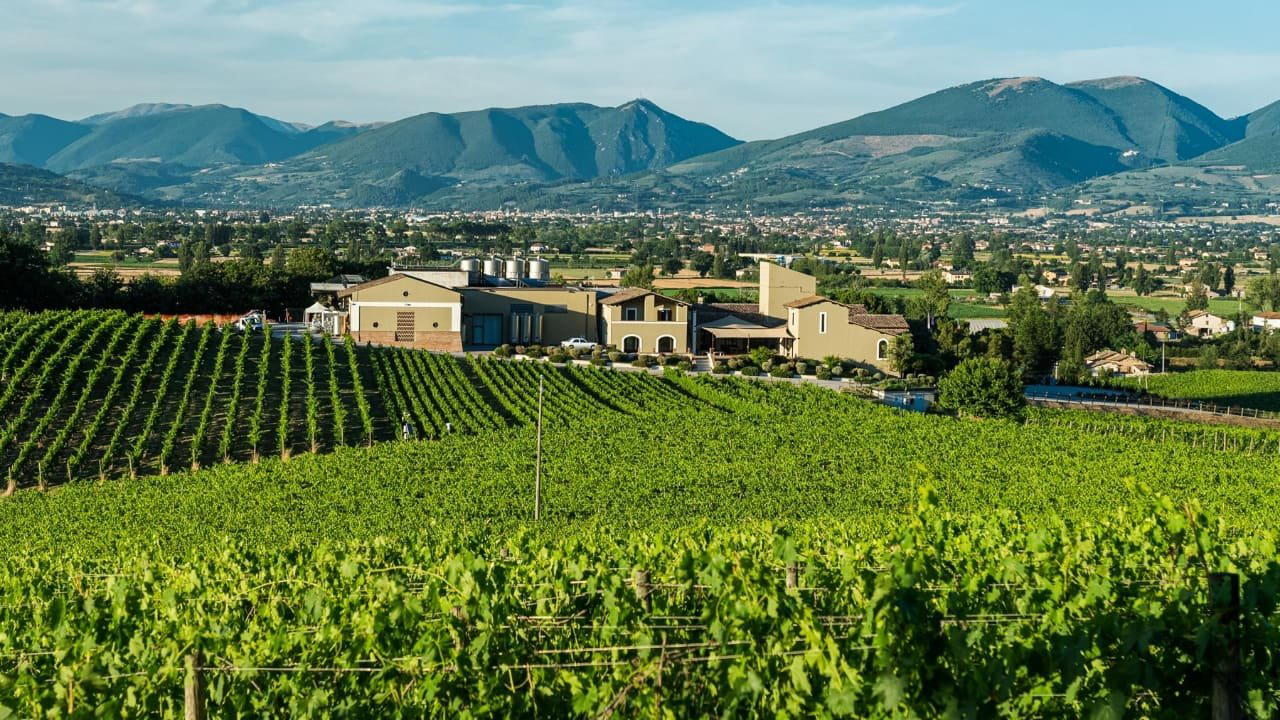
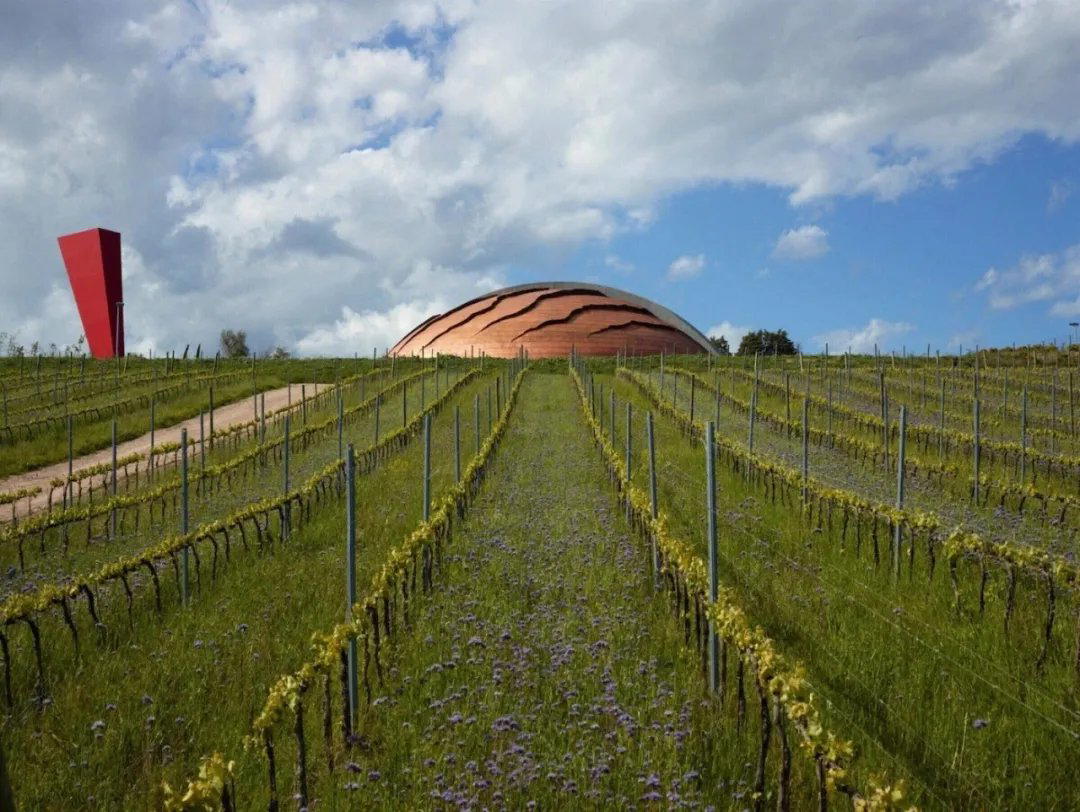
Any serious meal in Montefalco involves Sagrantino, and this is not optional in the way that regional wine pairing sometimes feels. Sagrantino di Montefalco DOCG is one of Italy's most tannic grape varieties, capable of producing wines that need years to open. The Montefalco zone grows it almost exclusively, giving this small hill town an outsized place in Italian fine wine geography. Arnaldo Caprai, the producer name referenced in the awards record associated with L'Alchimista, has been among the figures most responsible for establishing Sagrantino's international credibility since the 1990s. Encountering that name on a wine list in Montefalco is not incidental; it is a signal that the list is anchored in regional provenance rather than assembled from a national distributor's catalogue.
The Montefalco Rosso DOC, made with Sangiovese-dominant blends, offers an entry point into the region at a softer tannin profile than Sagrantino itself, and both styles appear across the better wine lists in town.
What to Know Before You Go
L'Alchimista occupies the central piazza address that makes it one visible restaurant in Montefalco, and that visibility, combined with the reputation Chef Patrizia has built over time, means the room fills. Reservations are essential, especially on summer weekends. The town's calendar includes events tied to the Sagrantino harvest in autumn, which concentrates demand further. Montefalco is reached most practically by car from Perugia (approximately 40 kilometres south) or from Spoleto (roughly 15 kilometres east); the town's hilltop position means parking is at the walls, and the piazza itself is a short walk from any of the main gates.
The town is small enough that a single overnight allows you to eat at L'Alchimista in the evening and use the following morning for a winery visit before leaving.
Those comparing L'Alchimista's style of rootedly regional Italian cooking against other reference points in the broader Italian dining context might also consider how different the format is from the more technically progressive kitchens covered in Enoteca Pinchiorri in Florence, Piazza Duomo in Alba, Enrico Bartolini in Milan, Uliassi in Senigallia, Quattro Passi in Marina del Cantone, Casa Perbellini 12 Apostoli in Verona, and Atelier Moessmer Norbert Niederkofler in Brunico. For international reference, the seasonal-ingredients discipline at L'Alchimista also invites comparison with the sourcing rigour you find at Le Bernardin in New York City or the regional conviction of Emeril's in New Orleans, even though the formats and price tiers differ considerably. L'Alchimista operates in a quieter register, Umbrian in its restraint, piazza-facing in its confidence.
Comparison Snapshot
Comparable venues nearby, for context on price, style, and recognition.
| Venue | Cuisine | Price | Awards | Notes |
|---|---|---|---|---|
| L’AlchimistaThis venue — the venue you are viewing | Modern Umbrian with Creative Interpretations | $$$ | Not listed | Not listed |
| Camiano Piccolo | Traditional Umbrian Agriturismo | $$ | Bib Gourmand | Montefalco |
| Terrazza dei papi | Italian Mediterranean Rooftop | $$$ | Not listed | Esquilino |
| Enoteca Bellini Roma | Modern Italian Enoteca | $$$ | Not listed | Ponte |
| Claudio Alvicolo | Experimental Gourmet Pizza | $$$ | Not listed | Orvieto pedestrian center |
| Antica Trattoria Belletti | Traditional Emilian Trattoria | $$$ | Not listed | Montepastore |
Recognition history
Dated appearances from independent guides and award organizations, with the underlying list record or original source where available.
We're Smart World 3 Radishes
We're Smart World
Continue exploring
More in Montefalco
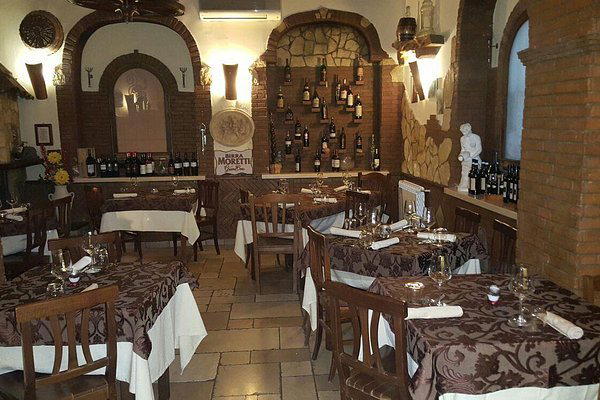
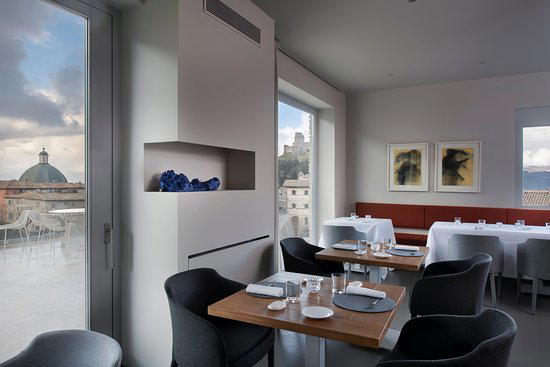
Restaurants in Montefalco
Browse all →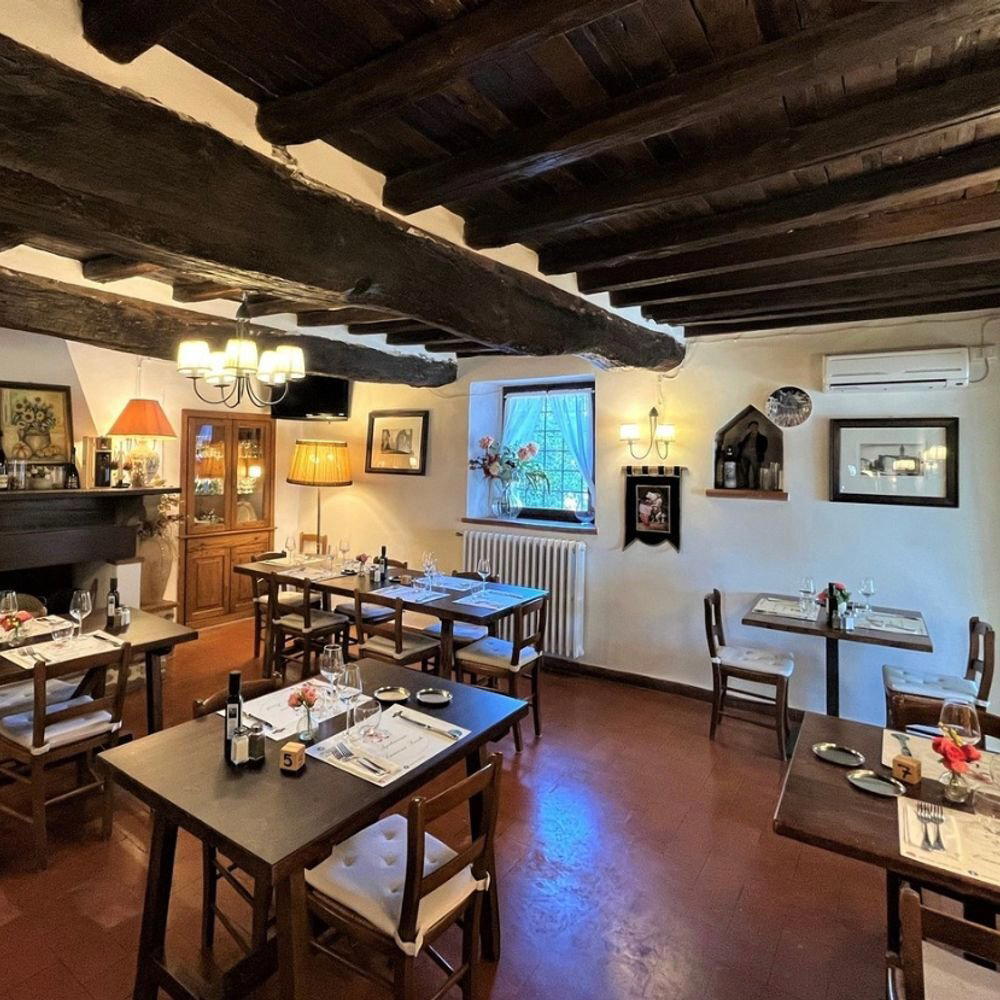
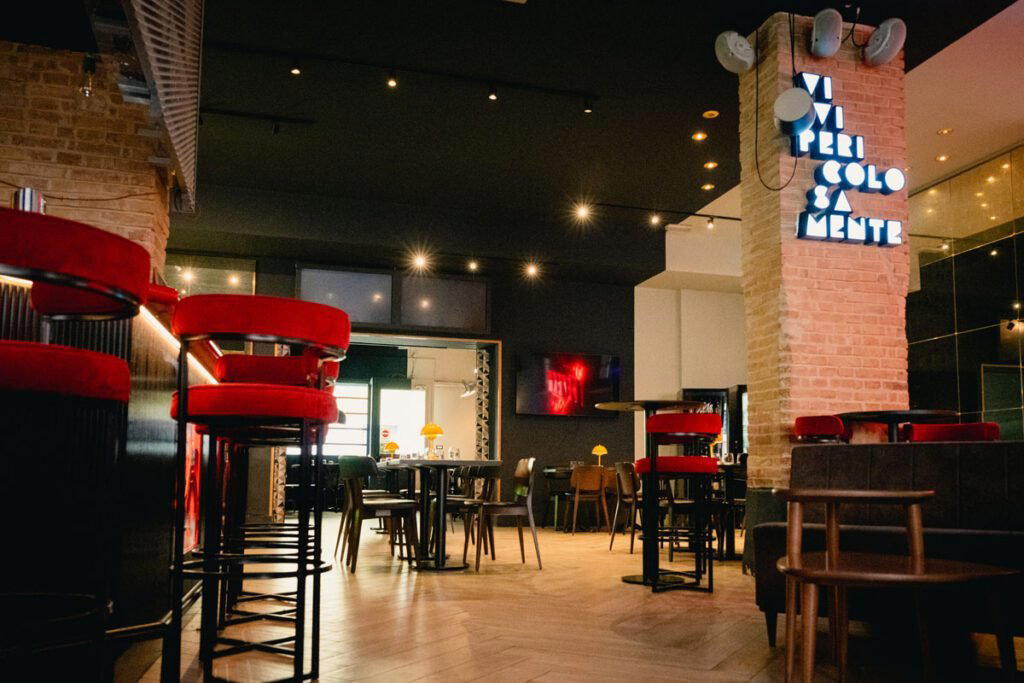
Bars in Montefalco
Browse all →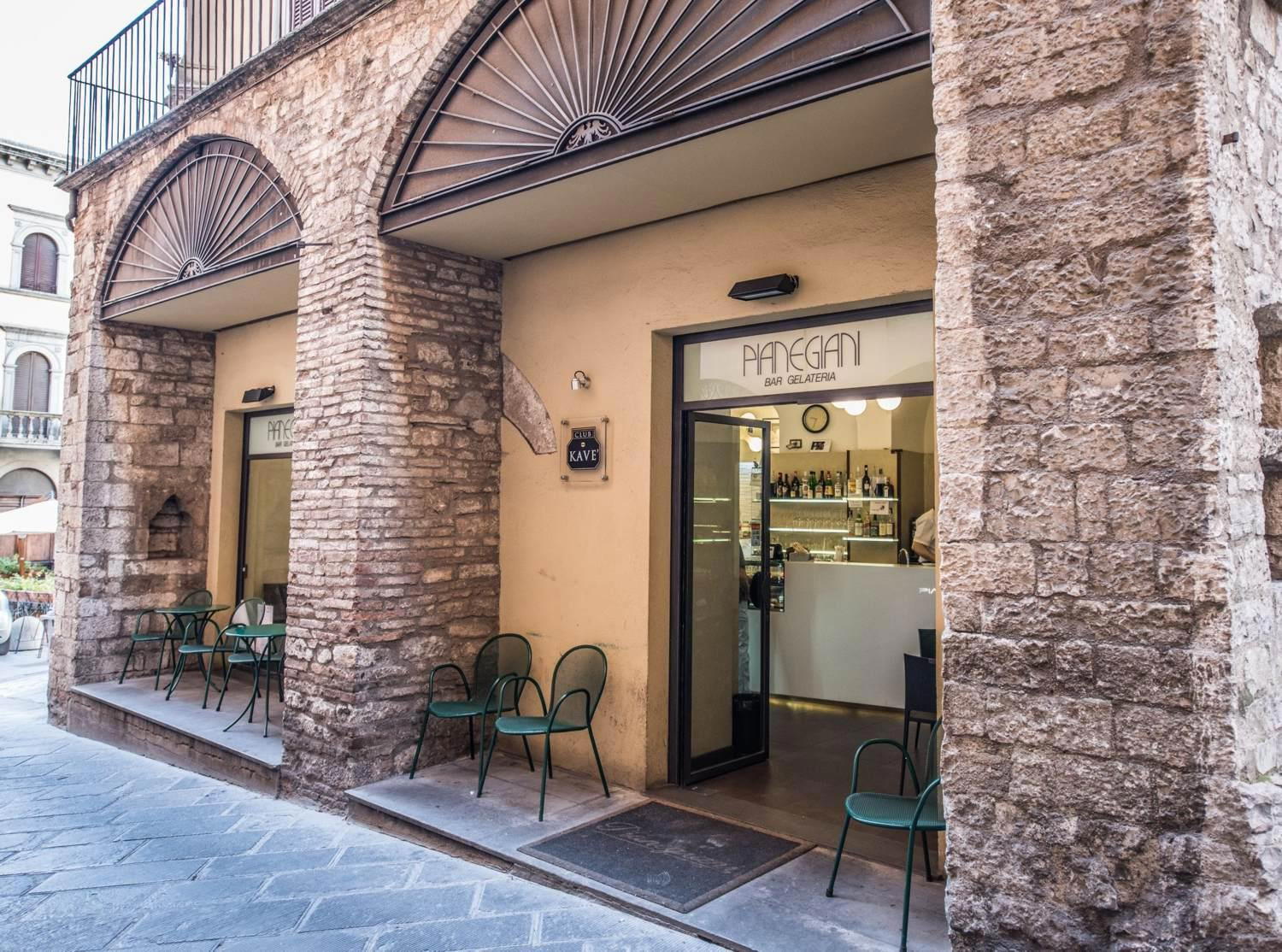
Hotels in Montefalco
Browse all →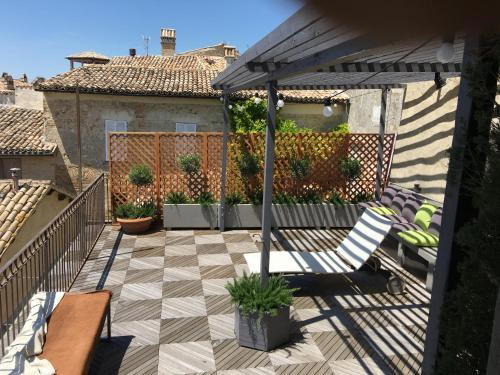
At a Glance
- Romantic
- Cozy
- Elegant
- Classic
- Intimate
- Date Night
- Celebration
- Special Occasion
- Group Dining
- Wine Cellar
- Terrace
- Standalone
- Historic Building
- Extensive Wine List
- Sommelier Led
- Local Sourcing
- Farm To Table
- Street Scene
Current opening hours
- Monday
- 12:15–2:45 PM, 7:15–9:45 PM
- Tuesday
- Closed
- Wednesday
- 5–9:45 PM
- Thursday
- 12:15–2:45 PM, 7:15–9:45 PM
- Friday
- 12:15–2:45 PM, 7:15–9:45 PM
- Saturday
- 12:15–2:45 PM, 7:15–9:45 PM
- Sunday
- 12:15–2:45 PM, 7:15–9:45 PM
Hours can change for holidays and private events. Last verified .
Cozy and inviting with elegant touches, located on the charming main square of Montefalco with a romantic wine cellar option; warm lighting and refined but comfortable atmosphere.