Une


Une holds a Michelin star and occupies a 17th-century mill in Capodacqua, a hamlet in Umbria's Foligno territory where springs fed the original millworks. Chef Giulio Gigli runs tasting menus anchored to produce sourced within 20 kilometres, alongside a wine list weighted toward organic and biodynamic labels. The setting, the sourcing radius, and the price tier place it firmly in Italy's serious rural fine-dining circuit.
Pearl is the En Primeur Club membership app — saves, bookings, and concierge access live there. Same editors, same standards.
- Address
- Via Fiorenzuola, 37, 06034 Capodacqua PG, Italy
- Phone
- +39 334 885 1903
- Website
- ristoranteune.com
- Directions
- Get directions
 Saves & bookings on Pearl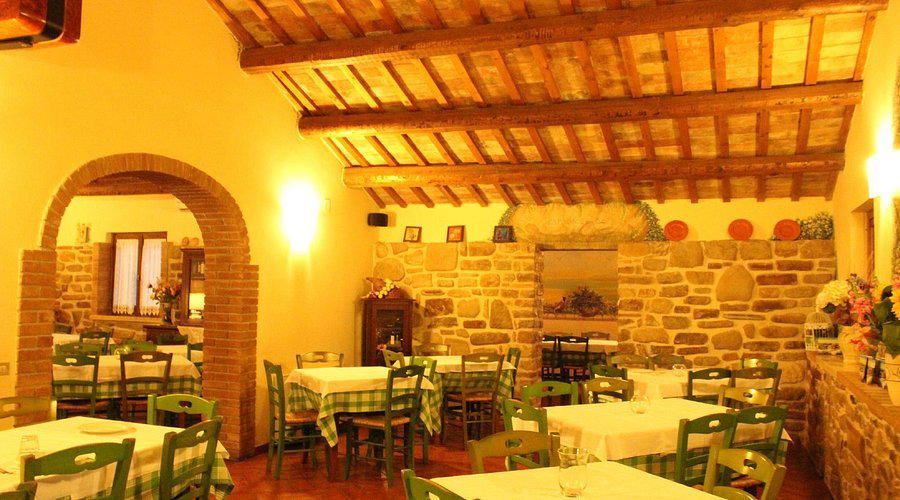
Water, Stone, and a 20-Kilometre Larder
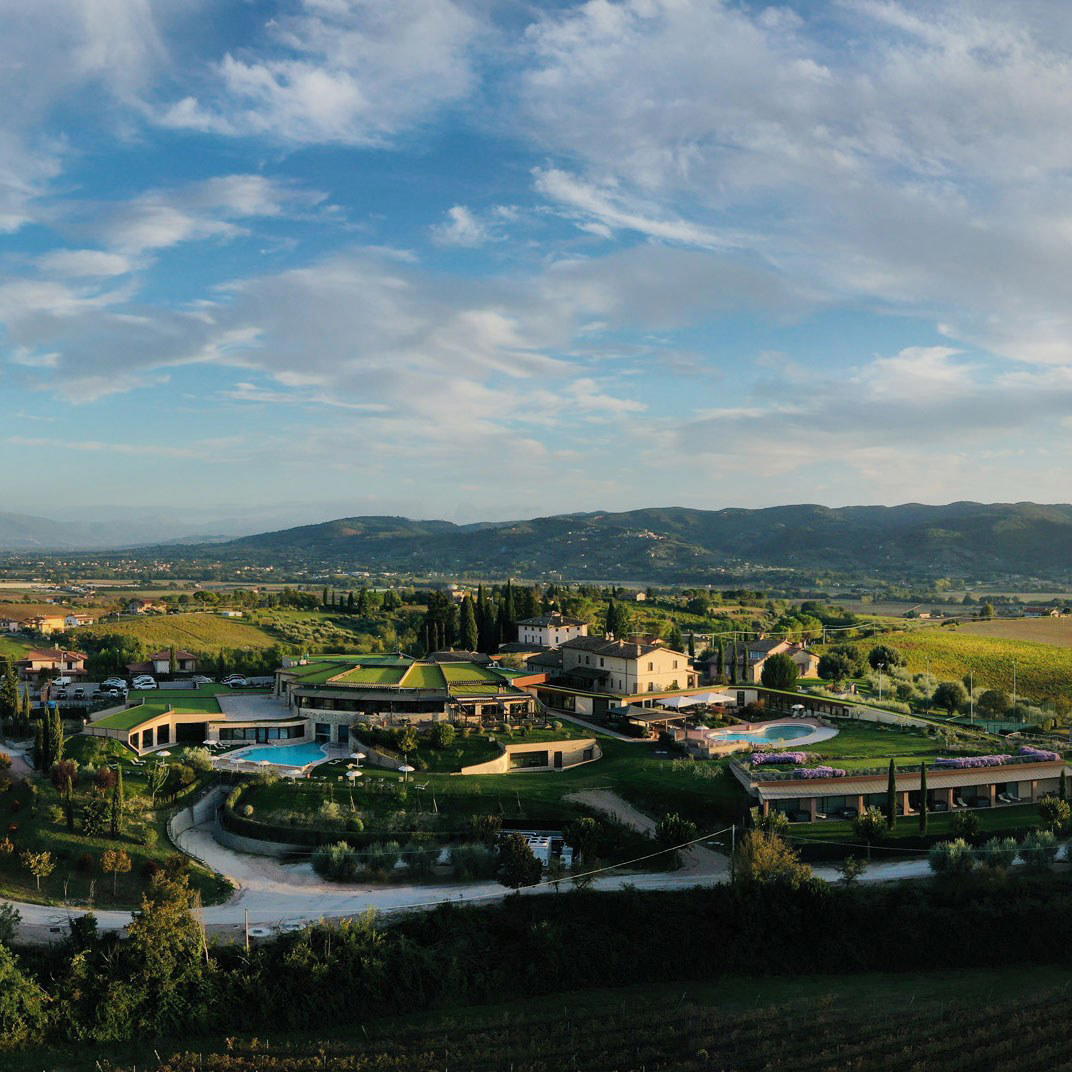
Arrive in Capodacqua and the first thing you notice is water moving through the landscape. The hamlet sits in a fold of the Umbrian hills east of Foligno, criss-crossed by springs and streams that fed the mills here for centuries. Une is the word for water in the old language of Umbria, and the name tells you something important about how this restaurant positions itself: rooted in a specific place, drawing meaning from what the land and the water here have always produced.
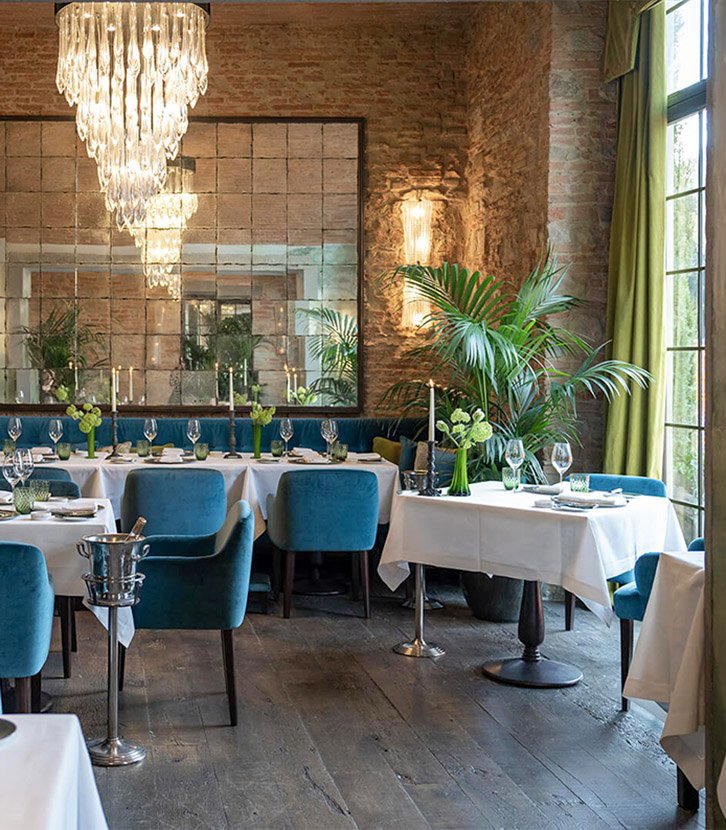
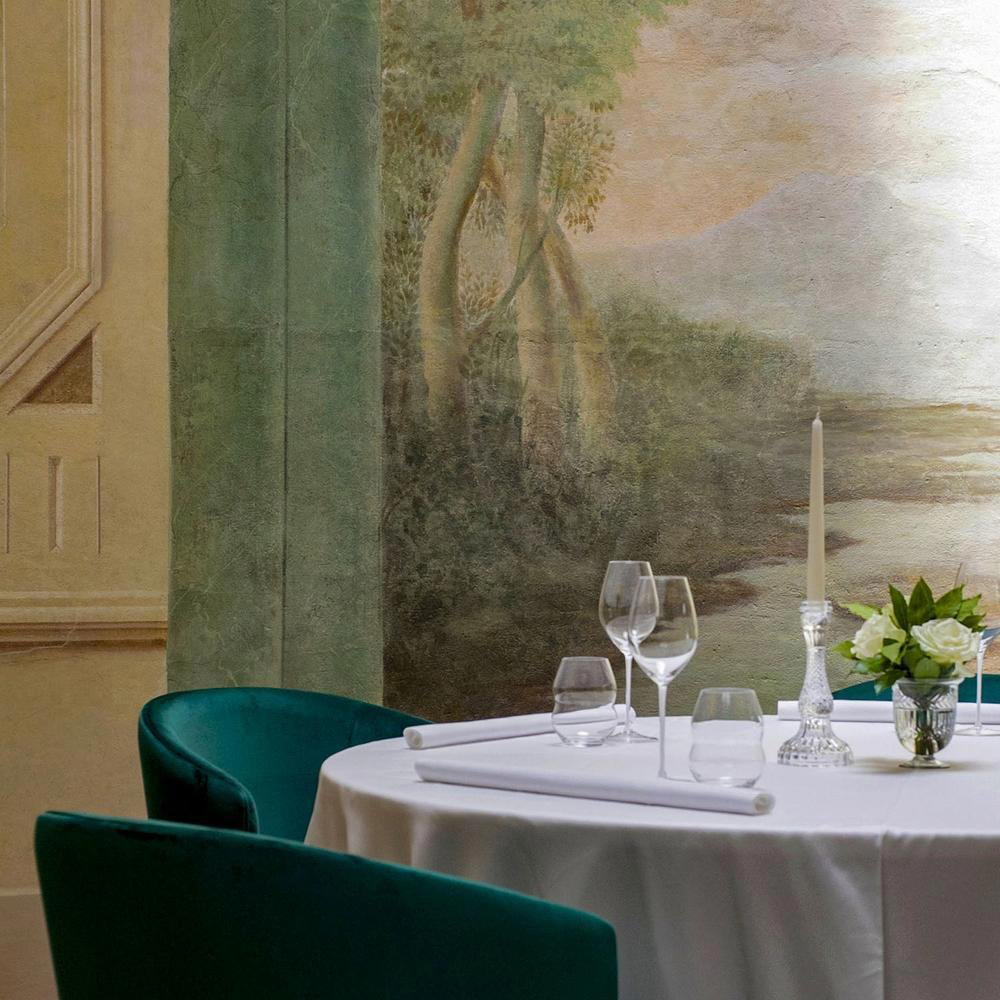
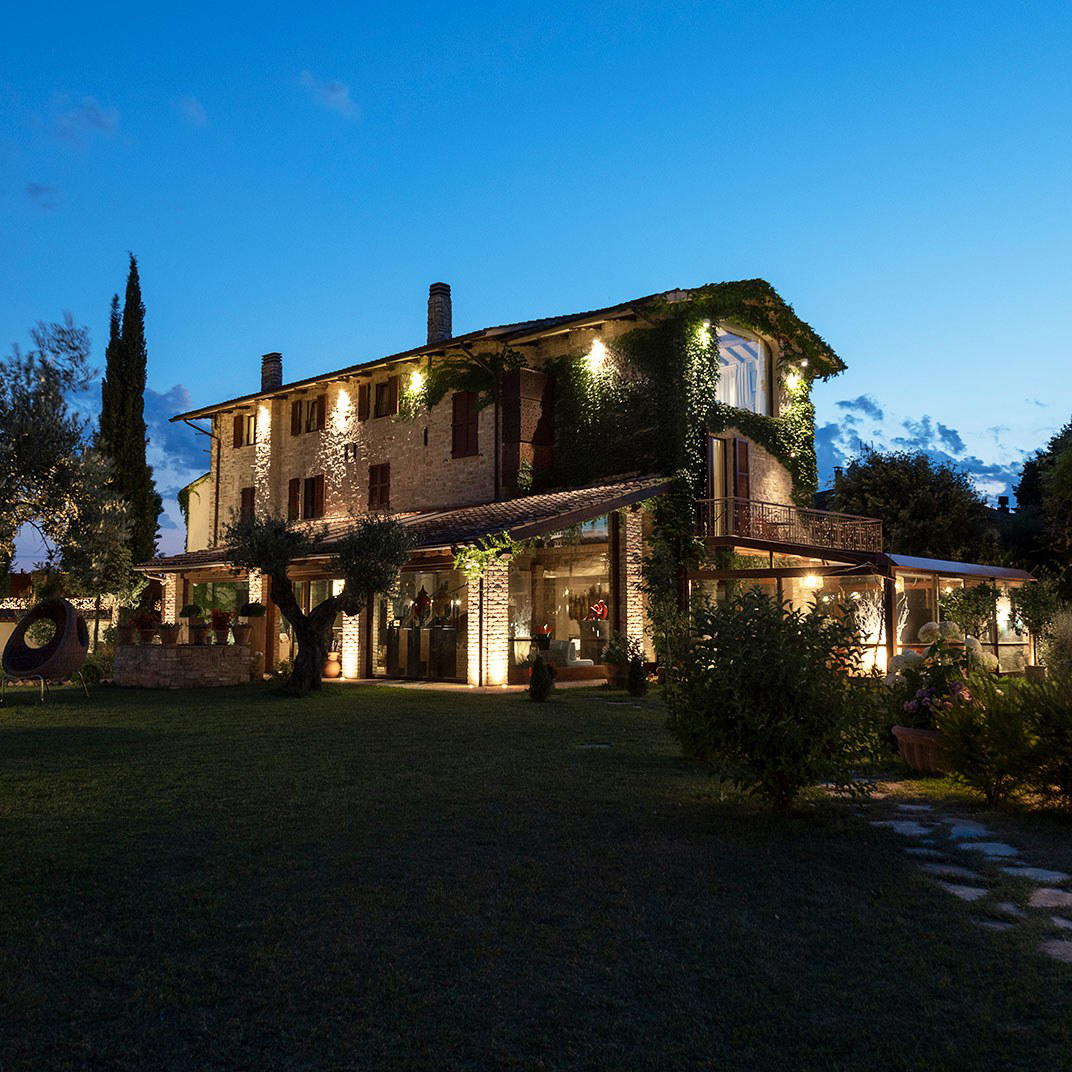
The building is a 17th-century mill, and the dining room carries that history without performing it. The original structure, once used for milling cereals and later for pressing olive oil, has been preserved rather than renovated into abstraction. Stone, rural proportion, a sense of weight and age. For a certain tier of Italian fine dining, especially outside the major cities, the physical setting does significant editorial work before a single dish arrives, and here it earns its keep.
Umbria's Place in Italy's Rural Fine Dining Circuit
Italian fine dining outside the major urban centres has developed a recognisable grammar over the past two decades. Restaurants like Reale in Castel di Sangro and Atelier Moessmer Norbert Niederkofler in Brunico have established that serious creative cooking need not happen in Milan or Florence. The model involves a defined geographic identity, close producer relationships, and tasting menus that argue for a specific territory rather than showcase technique for its own sake.
Umbria has been slower than neighbouring Tuscany to accumulate international recognition in this register, which makes Une's Michelin star, awarded in the 2024 guide, meaningful as a marker. It signals that the Foligno territory, already known for its olive oil and black truffles, is now producing a restaurant capable of making a coherent creative case for its own ingredients. The comparison set is not the osterie and trattorias that handle Umbrian tradition with comfort and competence, but the generation of Michelin-recognised Italian restaurants, from Piazza Duomo in Alba to Le Calandre in Rubano, that use regional identity as creative raw material rather than as constraint.
The Sourcing Argument
The 20-kilometre sourcing radius that defines Une's kitchen is not an unusual claim in contemporary fine dining, but the specificity of this one matters. A 20-kilometre circle drawn around Capodacqua takes in the Topino valley, the Martani hills, and the edges of the Sibillini mountain territory. This is not generic central Italian countryside. It is a zone with distinctive soil conditions, micro-climates, and a farming tradition that includes heritage grain cultivation, small-scale livestock, and wild forage of the kind that Umbrian cooking has always absorbed quietly without ever making a fuss about it.
The philosophy on the plate connects to a broader Italian creative-fine-dining approach: Umbrian tradition acts as the grammatical structure, and elaboration is deployed where it genuinely extends meaning. Restaurants like Osteria Francescana in Modena built an international reputation on precisely this kind of structured dialogue between a region's culinary inheritance and a contemporary kitchen's capacity to reinterpret it. Une operates at a different scale and price tier, but the underlying argument is comparable.
Sustainability here runs past the sourcing radius into kitchen process: vegetable and garden waste is reused rather than discarded, the relationship with producers is ongoing rather than transactional, and the vegetable dimension in every dish is handled as a primary register rather than as garnish. A dedicated vegetarian tasting menu is available, which places Une among the minority of Michelin-starred Italian restaurants where plant-based eating is treated as a full creative option rather than an accommodation.
What the Tasting Menus Argue
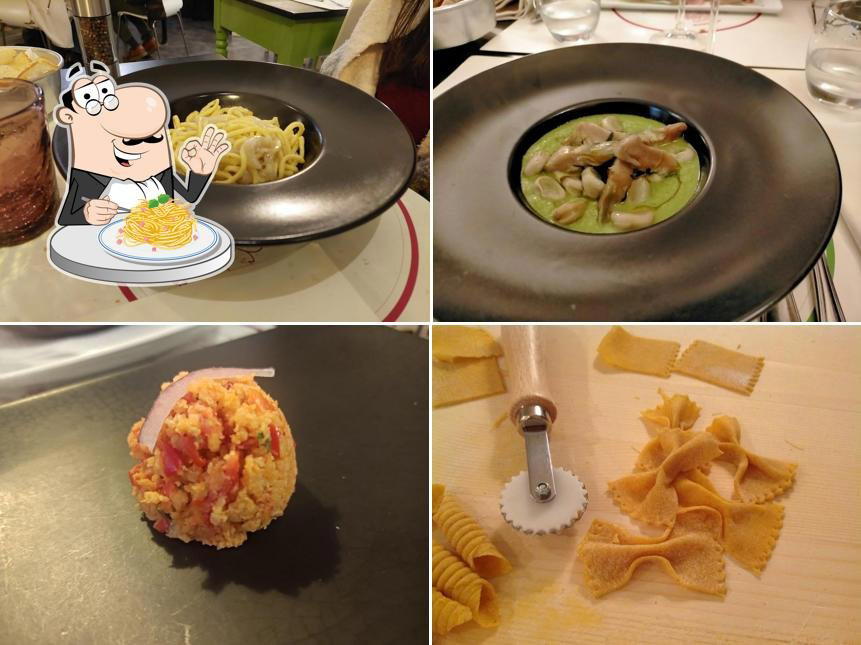
Two tasting menus structure the experience. The format is standard for this tier of Italian fine dining, and it serves the sourcing philosophy: a tasting menu is the appropriate vehicle for an argument about ingredients and territory, because it controls the sequence and allows the kitchen to demonstrate range within a defined set of materials. Guests who arrive expecting a particular Umbrian dish will find instead a kitchen that uses the region's produce as its starting point and builds from there.
At this level of specificity, a high aggregate score with a substantial review count suggests consistent execution rather than occasional brilliance. The price tier of €€€€ places Une in the higher end of Italian fine dining, in line with its Michelin-starred status and reservation-only service.
The Wine List as a Parallel Argument
The wine program follows the same sourcing logic as the kitchen. Umbrian labels anchor the list, with coverage extending to other Italian regions and international producers, all selected from small wineries with a focus on organic, biodynamic and natural production methods. This approach is increasingly common among serious Italian restaurants, but it is still more the exception than the rule in rural central Italy, where conventional regional lists dominate. The coherence between the kitchen's producer relationships and the wine team's sourcing criteria gives the list editorial integrity: it is a continuation of the same argument rather than a separate department.
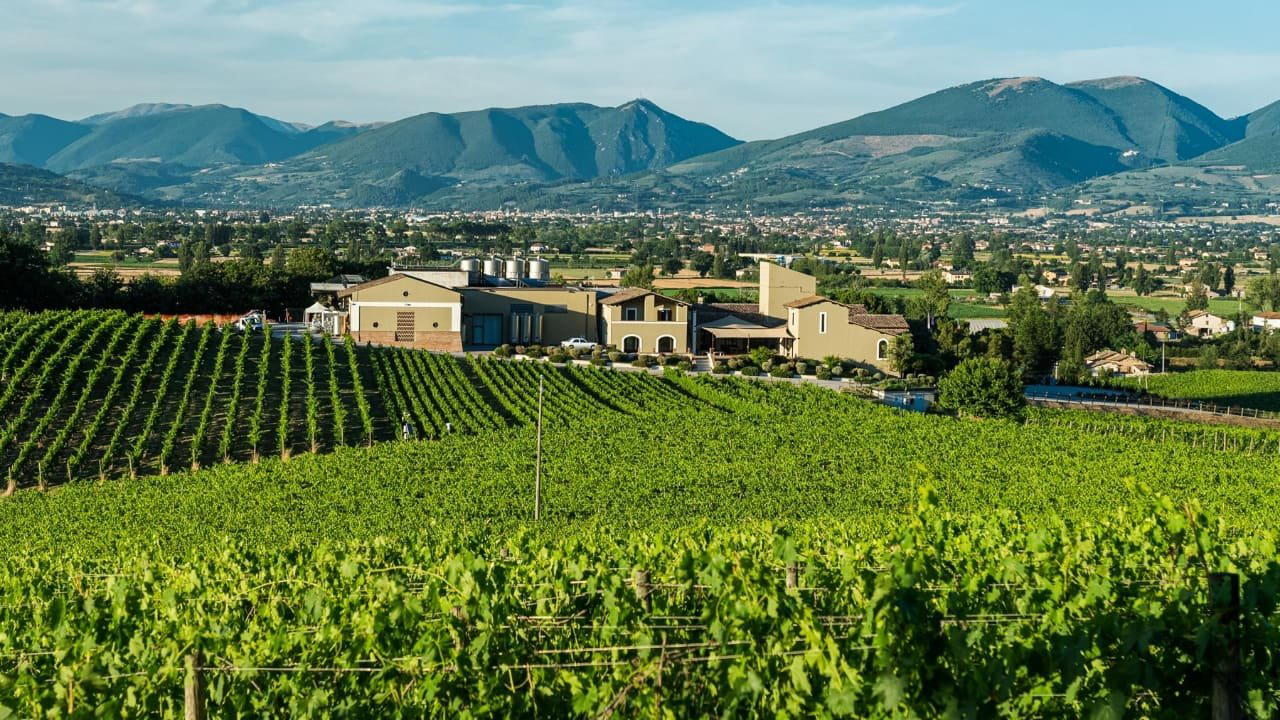
For wine-oriented travellers, Une fits naturally into an Umbrian itinerary that might also include visits to the Montefalco DOC zone, where Sagrantino producers have been doing serious small-production work for decades. See our full Capodacqua wineries guide for more on the region's producers.
Getting There and Planning Your Visit
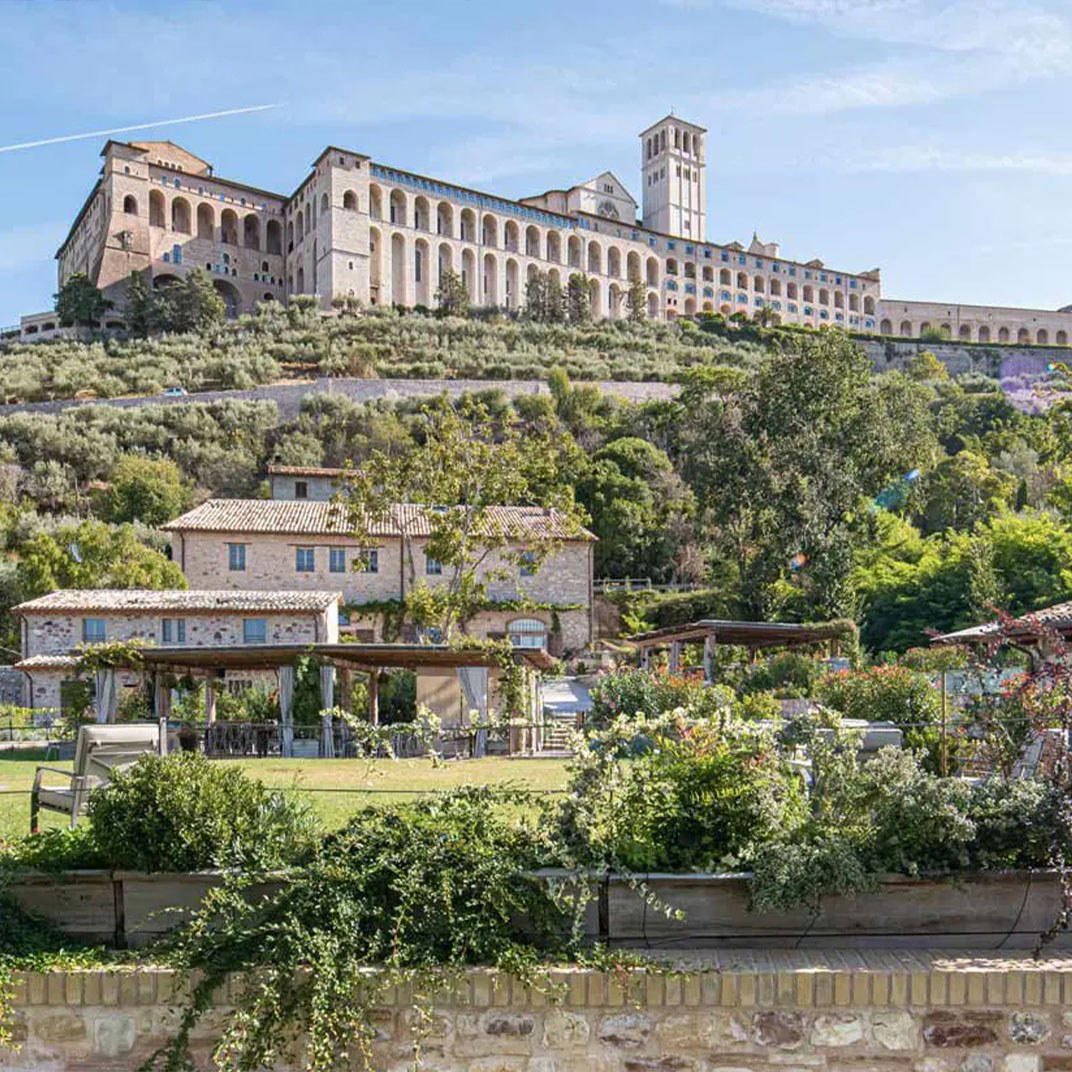
Capodacqua is a small settlement a few kilometres from Assisi, which means it is reachable by car from Perugia in under an hour and from Florence in approximately two. This is not a city restaurant with a convenient transport network; the experience is destination dining in the literal sense, and the approach through the Umbrian countryside is part of the frame. Une is open for lunch on Monday, Saturday and Sunday (1 PM to 2 PM) and for dinner on Monday, Thursday, Friday, Saturday and Sunday (8 PM to 9 PM). Tuesday and Wednesday are closed. The tight service windows, particularly the one-hour dinner sitting, are worth noting: arrive on time, and plan the evening around the restaurant rather than around other commitments. Booking ahead is advisable, especially for weekend lunch, which combines the accessible slot with the strongest demand from visitors based in Assisi and Perugia.
Fast Comparison
Comparable venues nearby, for context on price, style, and recognition.
| Venue | Cuisine | Price | Awards | Notes |
|---|---|---|---|---|
| UneThis venue — the venue you are viewing | Modern Umbrian Fine Dining | $$$$ | Michelin 1 Star | Not listed |
| Il Falconiere | Michelin-Starred Tuscan Fine Dining | $$$$ | Michelin 1 Star | San Martino |
| Al Madrigale | Nuova Cucina Rurale | Nuova Cucina Rurale | $$$$ | Michelin 1 Star | Tivoli |
| Casa Bertini | Modern Italian Fine Dining | $$$$ | Michelin 1 Star | Recanati |
| Gucci Osteria da Massimo Bottura | Contemporary Italian with Japanese and Mexican Influences | $$$$ | Michelin 1 Star | San Niccolo |
| Il Pievano | Modern Italian Fine Dining | $$$$ | Michelin 1 Star | Gaiole in Chianti |
Recognition history
Dated appearances from independent guides and award organizations, with the underlying list record or original source where available.
Michelin 1 Star
Michelin
Michelin 1 Star
Michelin
We're Smart World 3 Radishes
We're Smart World
Michelin 1 Star
Michelin
Continue exploring
More in Capodacqua
Restaurants in Capodacqua
Browse all →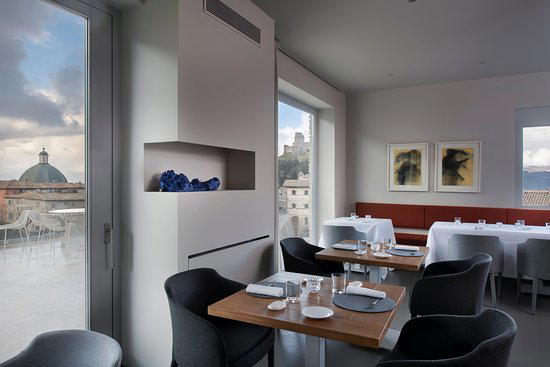
Bars in Capodacqua
Browse all →
Hotels in Capodacqua
Browse all →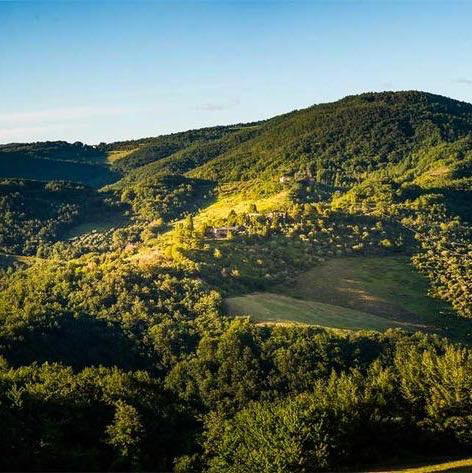

At a Glance
- Intimate
- Elegant
- Rustic
- Cozy
- Sophisticated
- Date Night
- Special Occasion
- Celebration
- Standalone
- Extensive Wine List
- Local Sourcing
Current opening hours
- Monday
- 1–2 PM, 8–9 PM
- Tuesday
- Closed
- Wednesday
- Closed
- Thursday
- 8–9 PM
- Friday
- 8–9 PM
- Saturday
- 1–2 PM, 8–9 PM
- Sunday
- 1–2 PM, 8–9 PM
Hours can change for holidays and private events. Last verified .
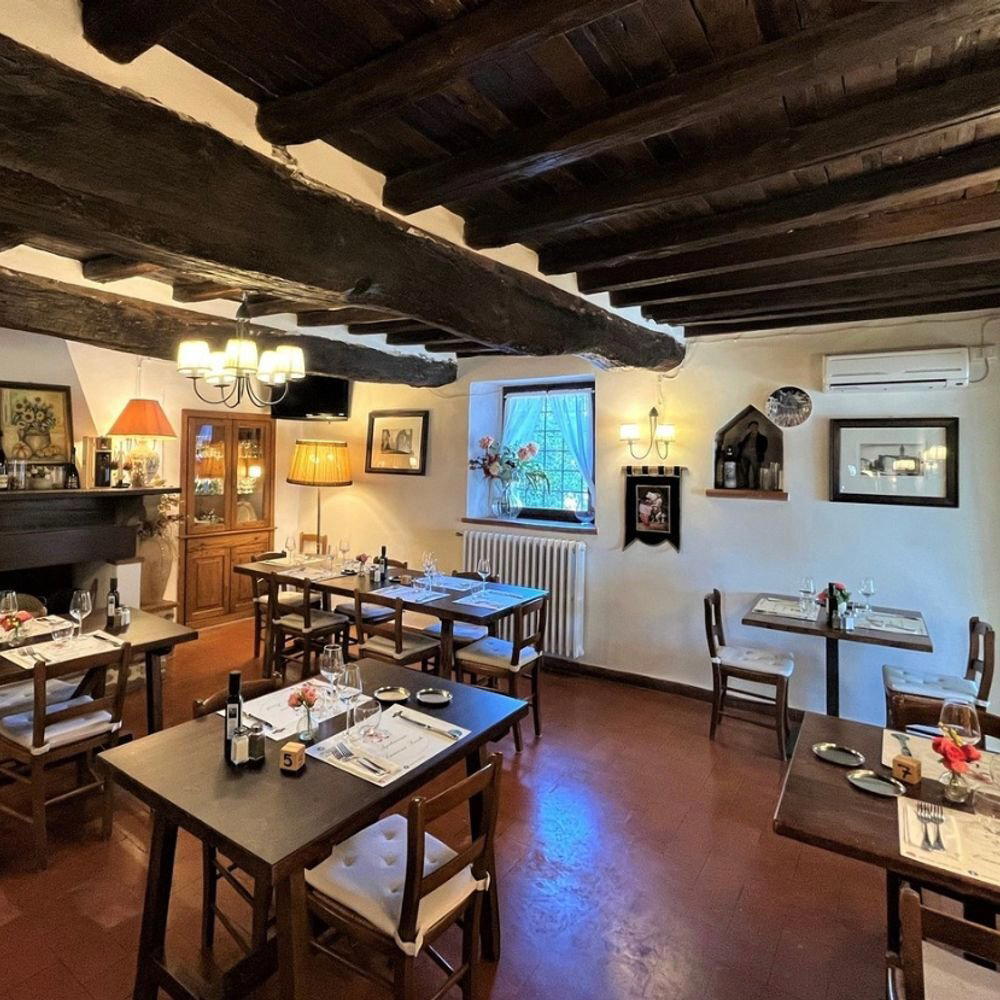
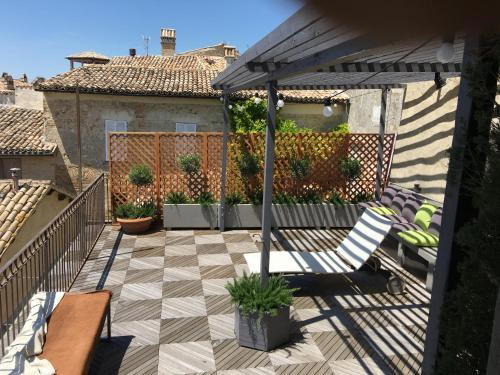
Rustic yet refined interiors with a calm, relaxing, and welcoming atmosphere, surrounded by greenery in the Umbrian countryside.