Rangoon Burmese kitchen
Burmese cuisine occupies one of the most underrepresented positions in Hawaiian dining, and Rangoon Burmese Kitchen on Nuuanu Avenue addresses that gap directly. Sitting in a Honolulu neighbourhood better known for its Chinese and Japanese dining corridors, the restaurant brings Southeast Asian fermented, sourced, and spiced cooking to a city whose multicultural palate runs deeper than its menus typically suggest.
Pearl is the En Primeur Club membership app — saves, bookings, and concierge access live there. Same editors, same standards.
- Address
- 1131 Nuuanu Ave, Honolulu, HI 96817
- Phone
- +18083670645
- Website
- opentable.com
- Directions
- Get directions
 Saves & bookings on Pearl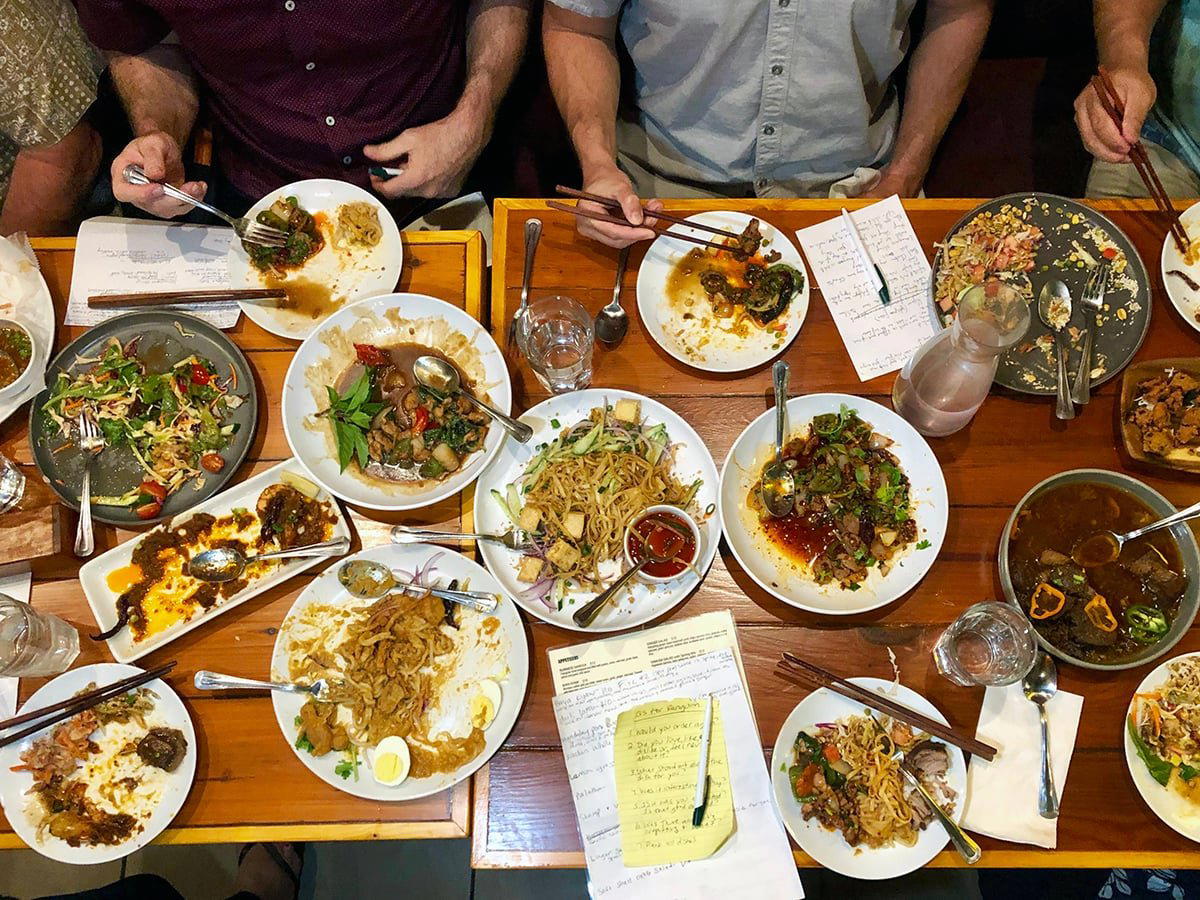
Where Burmese Cooking Fits Inside Honolulu's Multicultural Dining Scene
Honolulu's restaurant identity has long been shaped by its Japanese, Chinese, Korean, and Hawaiian traditions, with Southeast Asian cooking filling a comparatively thin slice of the city's dining map. That imbalance makes venues like Rangoon Burmese Kitchen on Nuuanu Avenue worth paying attention to, not as curiosities, but as indicators of where the city's appetite is expanding. Burmese food sits at a geographic and culinary crossroads — drawing from Indian spice traditions to the west, Chinese noodle and fermentation culture to the north and east, and Thai herb-forward cooking to the south — and that layered inheritance rarely surfaces in American restaurant markets outside of a handful of cities. Honolulu, with its deep history of Pacific migration, is better positioned than most to receive it.
Nuuanu Avenue itself anchors part of Honolulu's older urban core, running through a stretch of the city that carries more neighbourhood character than the resort-oriented strips further south. Restaurants along this corridor tend to serve local regulars more than tourist foot traffic, and that demographic shapes what ends up on the plate. Rangoon Burmese Kitchen sits in that context: a spot oriented toward the residents and workers of a city that eats seriously, even when it eats modestly.
The Sourcing Logic Behind Burmese Cuisine
Burmese cooking is built on a sourcing philosophy that differs structurally from most Southeast Asian traditions that have found wider audiences in the United States. Where Thai and Vietnamese cuisines arrived with dishes that translated relatively smoothly into mainstream American dining, fresh herbs, bright citrus, clean broths, Burmese food relies more heavily on fermented and preserved ingredients that require either specialist supply chains or proximity to producers who maintain them. Fermented tea leaves (laphet), shrimp paste, dried fish, and a specific register of toasted-and-ground spices form the backbone of a cuisine whose complexity is largely invisible until you understand what you're tasting.
For a restaurant operating in Honolulu, the sourcing context matters in a practical sense. Hawaii's position in the Pacific gives it access to Asian import channels that mainland American cities sometimes lack, and its strong local agricultural sector means that fresh produce, particularly leafy vegetables and aromatics, can arrive with less transit time and degradation than ingredients sourced from the continental United States. The Burmese kitchen tradition also incorporates coconut, turmeric, and lemongrass in ways that overlap with the Hawaiian-grown ingredient base, which creates natural alignment between what the cuisine demands and what the island can supply.
This is the sourcing logic that sits beneath any serious Burmese restaurant operating outside Myanmar's home geography: the cuisine rewards ingredient fidelity in a way that shortcuts make immediately apparent. Fermented tea leaf salads, for instance, are not convincing without laphet that has been properly aged and prepared, the dish is essentially the fermentation process made visible on the plate. A restaurant willing to source that correctly signals something meaningful about its kitchen discipline.
Burmese Cuisine as a Distinct Category, Not a Sub-Genre
American diners who encounter Burmese food for the first time frequently try to locate it within a more familiar Southeast Asian reference frame, assuming it will taste like Thai, or Vietnamese, or some hybrid of the two. The comparison fails almost immediately. Burmese cooking uses a distinct palette of dried and fermented elements that produces a different flavour register: earthier, heavier on umami depth from preserved proteins, and less reliant on the acid-brightness that defines much of the Thai and Vietnamese canon. The noodle tradition alone, mohinga, a fish-based breakfast soup that functions as Myanmar's de facto national dish, or ohn no khao swe, a coconut chicken noodle preparation with clear Indian influence, demonstrates how the cuisine synthesises regional inputs into something with its own internal logic.
That distinctiveness is precisely what makes Burmese restaurants a structurally different dining proposition from the broader Southeast Asian category. In cities where Indonesian, Filipino, or Burmese restaurants operate, they tend to hold their own niche rather than competing directly with Thai or Vietnamese establishments. Honolulu's dining scene, for all its multicultural depth, has not historically had a surplus of Burmese options, which means Rangoon Burmese Kitchen occupies a position that doesn't require it to win a comparison so much as establish a reference point.
How It Positions Against Honolulu's Broader Restaurant Field
Honolulu carries a restaurant scene with considerable range at both ends of the price spectrum. The city supports formal American fine dining at venues like 3660 On the Rise and event-driven dining formats like Ahaaina Luau, as well as the newer New American energy at Fête. At the water-facing premium end, 53 By The Sea and venues like 855-ALOHA serve a tourist and special-occasion market with different pricing logic and service expectations.
Rangoon Burmese Kitchen operates in a separate tier entirely, neighbourhood-facing, cuisine-specific, and priced for regular use rather than occasion dining. That positioning is not a limitation; it is a different kind of value proposition. The restaurants most responsible for expanding a city's culinary range are rarely the ones with water views and tasting menus. They tend to be the spots that hold consistent territory in a specific tradition, serving a loyal local customer base while remaining accessible to visitors who know to look beyond the resort corridors.
For diners who have explored Burmese food in cities like New York, Los Angeles, or San Francisco, Rangoon Burmese Kitchen represents Honolulu's entry into a conversation those cities have been having for longer. For diners encountering the cuisine for the first time, it offers a point of entry that carries the sourcing and cooking discipline the tradition requires to make sense.
Honolulu's broader restaurant scene, covered in our full Honolulu restaurants guide, extends across a wide range of cuisines and formats. For reference points in other serious American dining cities, venues like Lazy Bear in San Francisco, Providence in Los Angeles, and Addison in San Diego illustrate what the West Coast's premium tier looks like, while Atomix in New York City shows how a cuisine-specific restaurant operating with deep sourcing discipline can anchor an entire category within a competitive market. Ingredient-sourcing-led restaurants like Blue Hill at Stone Barns in Tarrytown and Single Thread Farm in Healdsburg have made the case at a national level that sourcing fidelity is a form of culinary argument. The same logic applies in a more vernacular register at a Burmese kitchen on Nuuanu Avenue.
Know Before You Go
- Address: 1131 Nuuanu Ave, Honolulu, HI 96817
- Neighbourhood: Nuuanu corridor, urban Honolulu
- Cuisine: Burmese
- Phone: Listed contact information not available at time of publication
How Rangoon Burmese Kitchen Honolulu compares with similar nearby venues.
| Venue | Cuisine |
|---|---|
| Yakitori Hachibei | Yakitori |
At a Glance
- Cozy
- Casual Hangout
- Local Sourcing
Current opening hours
- Monday
- 11 AM–2 PM, 5–10 PM
- Tuesday
- 11 AM–2 PM, 5–10 PM
- Wednesday
- 11 AM–2 PM, 5–10 PM
- Thursday
- 11 AM–2 PM, 5–10 PM
- Friday
- 11 AM–2 PM, 5–10 PM
- Saturday
- 11 AM–2 PM, 5–10 PM
- Sunday
- 5–10 PM
Hours can change for holidays and private events. Last verified .
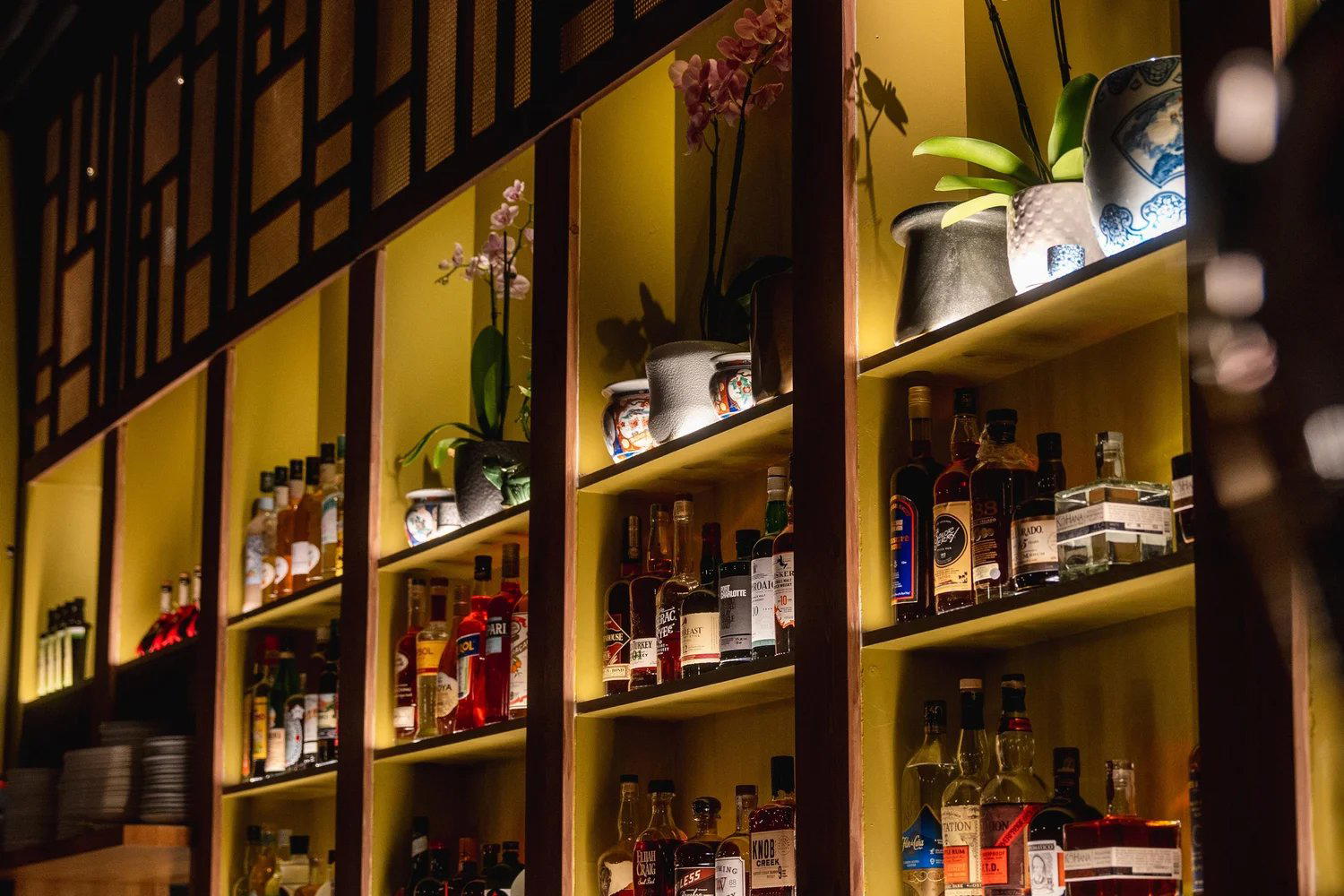
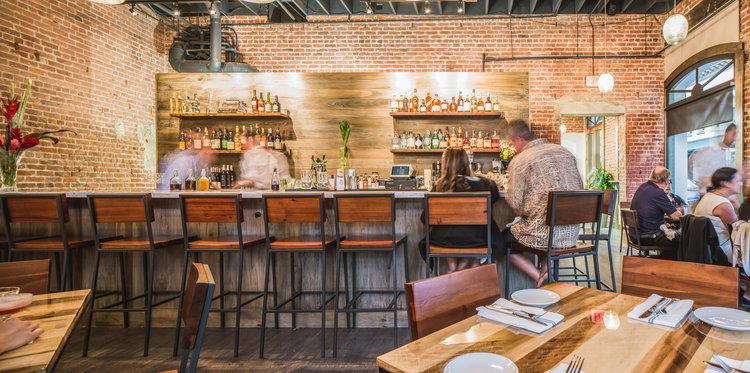
Cozy, colorful, and inviting atmosphere.
Know Before You Go
- Getting there
- 1131 Nuuanu Ave, Honolulu, HI 96817