
1 Michelin Star
Our verdict
Kyo Seika sits in Kyoto’s Okazaki cultural district, an area where museum-going, shrine routes, and formal dining intersect rather than compete. The restaurant is temporarily closed from May 1, 2026 for maintenance and training, with reopening planned for September 2026, so its value for travelers is less about instant access and more about how it fits Kyoto’s serious, reservation-led dining culture.
- Address
- 2F, 36-3 Okazaki Enshojicho, Sakyo-ku, Kyoto, Kyoto, 606-8344, JPN
- Phone
- +81 75-752-8521
- Website
- kyoseika.com
- Directions
- Get directions
The menu
What to order
- Seasonal fish stir-fried with chili peppers
- Course dishes inspired by classical Chinese literature
Kyoto changes the pace of dining. Across the city, meals often sit within a day of cultural appointments rather than late-night wandering, with timing, access, and reservation discipline shaping the experience before the first course. Kyo Seika belongs to that Kyoto: slower scheduling, sharper occasion.
The restaurant is listed as open, so travelers should verify its current status before building an itinerary around it. In Kyoto, that is not a footnote. Serious dining rooms may follow narrow calendars, renovation cycles, chef-led schedules, or seasonal resets, so travelers building itineraries around one table should treat timing as part of the experience. For the city’s wider dining range, use Our full Kyoto restaurants guide alongside hotel planning through Our full Kyoto hotels guide.
Kyoto gives formal dining a different rhythm
Kyoto’s restaurant culture is often framed through seasonality, tea traditions, and small-room formats, but city context changes the meal before any course appears. Some parts of Kyoto reward efficiency, with easy daytime eating and compact evening plans. Other dining rooms work differently, creating a quieter sense of destination, reservation, and deliberate scheduling.
That setting explains why a restaurant here can feel connected to Kyoto’s older habits without theatrical nostalgia. The city’s formal dining tradition rests on seasonality, pacing, and restraint, but its expression shifts by room and occasion. In Kyoto, a meal often reads against a broader cultural day: gardens, temples, craft, hotels, and the careful sequencing of travel.
Nearby Kyoto comparisons show the spread of serious dining registers. Kyo Seika, Suzue, Shunseki Suzue, ristorante DONO, 京、静華, and ルーラ all point to a city where premium restaurants are not one lane, but small rooms competing through format, timing, and intent.
For a wider Kyoto table map, casual and specialist addresses sharpen the contrast. Other Kyoto dining rooms speak to central convenience, local familiarity, and older snack traditions in very different ways. Such contrasts keep the city from being flattened into one formal dining image.
The meal belongs to Kyoto's reservation-led culture, not casual drop-in eating
Kyo Seika’s temporary closure places it among restaurants that require calendar awareness. That is common in Kyoto’s serious dining circuit, where a meal is often planned around the day’s geography rather than squeezed between sightseeing stops. Kyoto is easy to understand as a destination, but it rewards clean sequencing: cultural appointments first, dinner after, then bars or a hotel return, not a cross-city sprint.
With no confirmed public-facing detail here on price, chef, service format, or dress code, the safer editorial reading is contextual rather than speculative. In Kyoto, preparation often separates a comfortable evening from a strained one: check reopening status, align the meal with the city, and avoid assumptions based on cuisine labels alone. Counter dining, private rooms, set menus, and à la carte formats can sit close together yet operate by different rules.
That planning mindset shapes how to pair the restaurant with a Kyoto trip. Guests already staying in Kyoto can fold the meal into a calmer itinerary; those moving across the city should allow for slower evening transfers. Drinks and after-dinner plans should follow geography, not aspiration. For that part of the night, Our full Kyoto bars guide is more useful than a generic city list.
Kyoto’s depth extends beyond restaurants. Travelers who see the city only as meals miss how tea, craft, temple precincts, and small cultural formats inform restaurants’ restraint and seasonality. Our full Kyoto experiences guide and Our full Kyoto wineries guide help frame that wider context, even when dinner remains the anchor.
How Kyo Seika fits a wider Japan itinerary
Kyoto is often paired with Tokyo and Osaka, but its dining logic differs. Tokyo rewards density and specialization at extreme scale; Osaka leans into appetite and commercial tempo; Kyoto puts more pressure on season, room, and timing. Through its Kyoto setting and closure-led planning demands, Kyo Seika fits the Kyoto pattern: the meal as part of a constructed day, not a spontaneous detour.
That distinction sharpens against other Japanese references. Other dining rooms elsewhere in Japan can reflect different rhythms tied to transit, specialization, casual formats, or regional expectation. Kyoto works by another logic: before cuisine type or menu structure, the city asks travelers to think about timing, calm, and the shape of the day.
International Japanese dining adds another contrast. Outside Japan, restaurants may translate Japanese references through diaspora demand, service speed, and local drinking culture. Kyoto needs no such translation. Its restaurants ask travelers to adjust to the city’s tempo.
The practical verdict is clear: Kyo Seika is a Kyoto planning decision as much as a dining decision. Its temporary closure makes status-checking essential for itineraries, and its recognition as a One MICHELIN Star restaurant gives it a clear place in the city’s premium dining conversation. Until reopening details are confirmed, it usefully reminds travelers that Kyoto rewards thinking in seasons and formats rather than chasing a table name in isolation. For nearby contrast in contemporary Kyoto dining, the city’s other serious dining rooms round out the range.
Frequently asked questions
Is Kyo Seika suitable for children?
Kyo Seika’s listing gives no children-specific policy, so family suitability will depend on the service format when the restaurant is operating. Because it is listed as open, confirm current details directly before planning a visit with children.
What's the vibe at Kyo Seika?
Kyo Seika belongs to Kyoto’s more deliberate, reservation-led dining culture rather than casual drop-in eating. Its temporary closure also means guests should treat timing and current operating status as part of the planning process.
What's Kyo Seika known for in terms of accolades?
Kyo Seika is recognized with One MICHELIN Star in the MICHELIN Guide.
Where do I go for Kyo Seika?
Kyoto.
Do I need a reservation for Kyo Seika?
Yes, once it is operating, reservations should be treated as standard. In Kyoto, serious dining is often organized around fixed seating, limited availability, and timed services, so confirm current status before making plans.
Budget Reality Check
Comparable venues by cuisine and price in the same metro.
| Venue | Cuisine | Price | Awards |
|---|---|---|---|
| Kyo SeikaThis venue — the venue you are viewing | Seasonal Chinese Fine Dining in Kyoto | Not listed | 1 Michelin Star |
| 京、静華 | Modern Chinese Fine Dining | $200–300 | Not listed |
| Suzue | Kaiseki | $300–500 | Tabelog Bronze #411 |
| ristorante DONO | Vegetable-Focused Seasonal Italian | $100–150 | Michelin Plate · Wine Spectator Best of Award of Excellence |
Recognition history
Dated appearances from independent guides and award organizations, with the underlying list record or original source where available.
Michelin 1 Star
Michelin
Continue exploring
More in Kyoto
Restaurants in Kyoto
Browse all →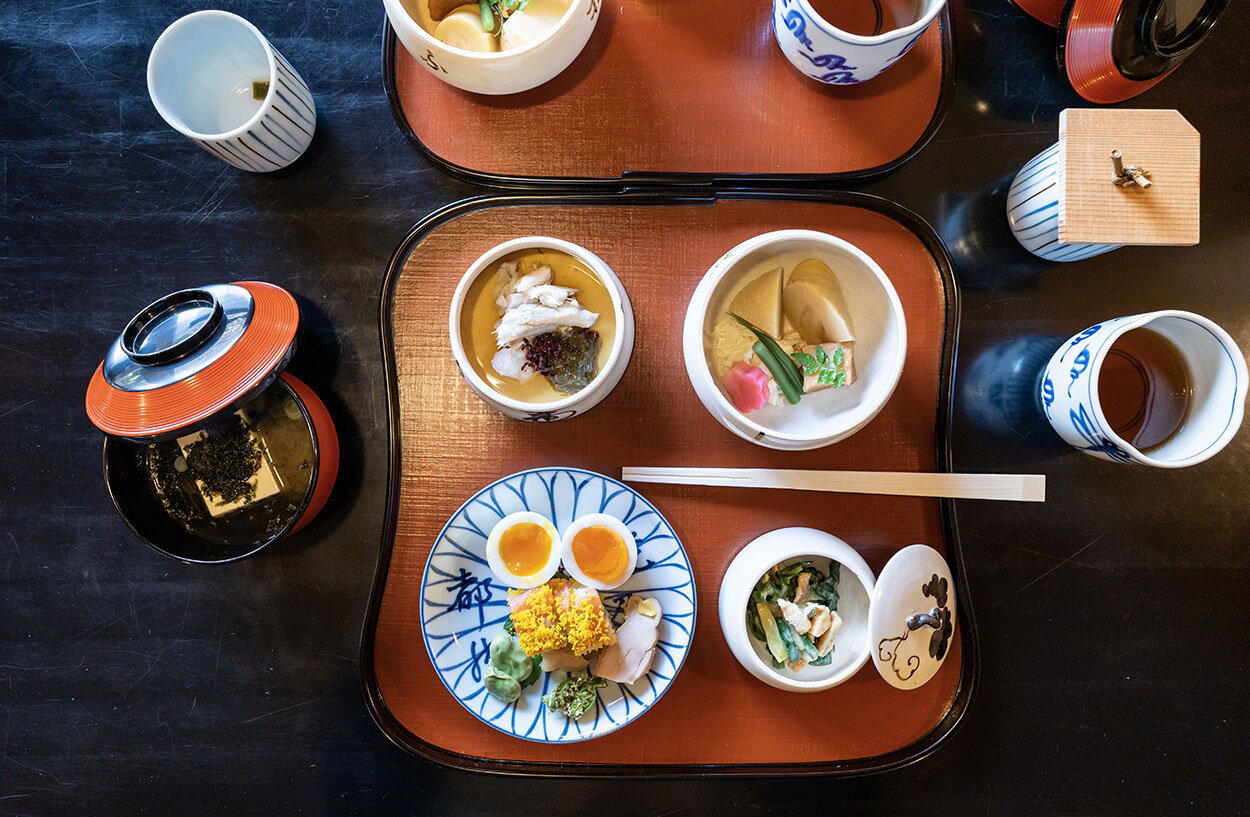
Bars in Kyoto
Browse all →
Hotels in Kyoto
Browse all →
Wineries in Kyoto
Browse all →
Details
- Intimate
- Elegant
- Cozy
- Sophisticated
- Date Night
- Special Occasion
- Business Dinner
- Solo
- Standalone
- Design Destination
- Sake Program
- Local Sourcing
- Tasting Menu
- Set Menu
- Sake
- Wine
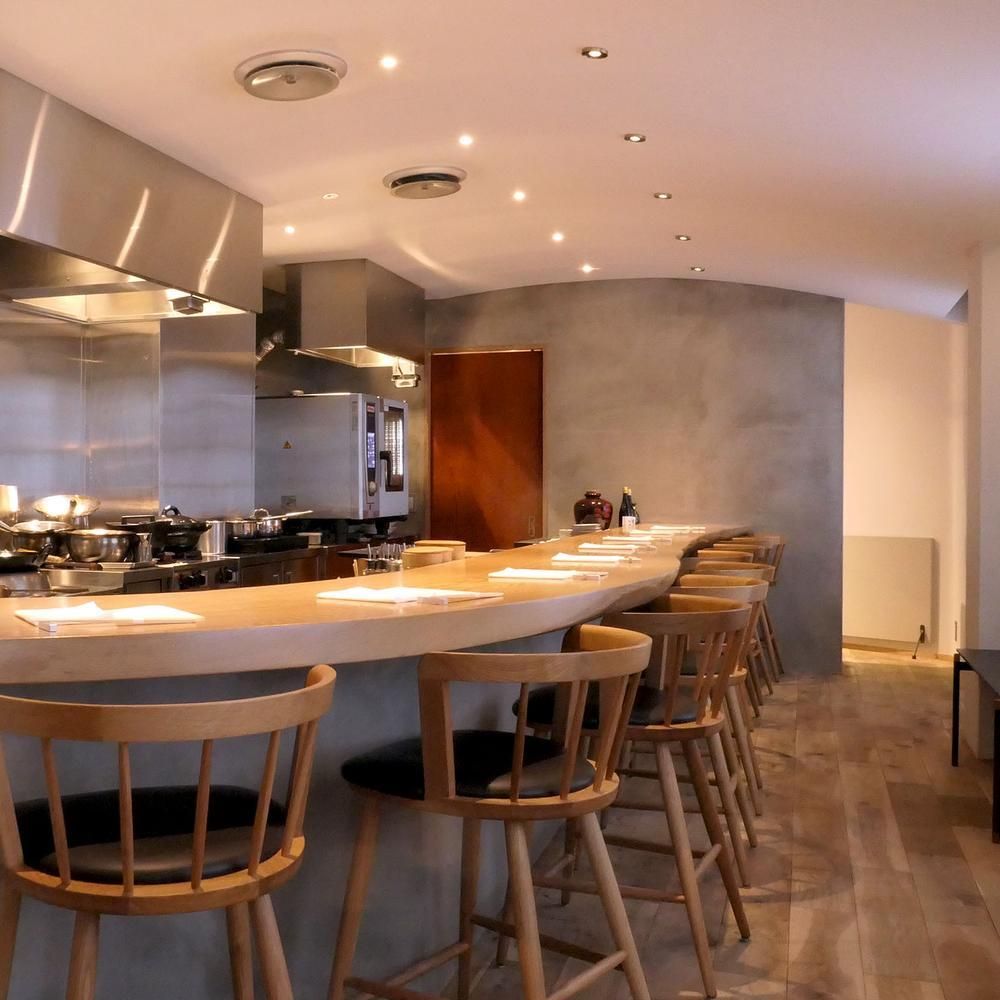
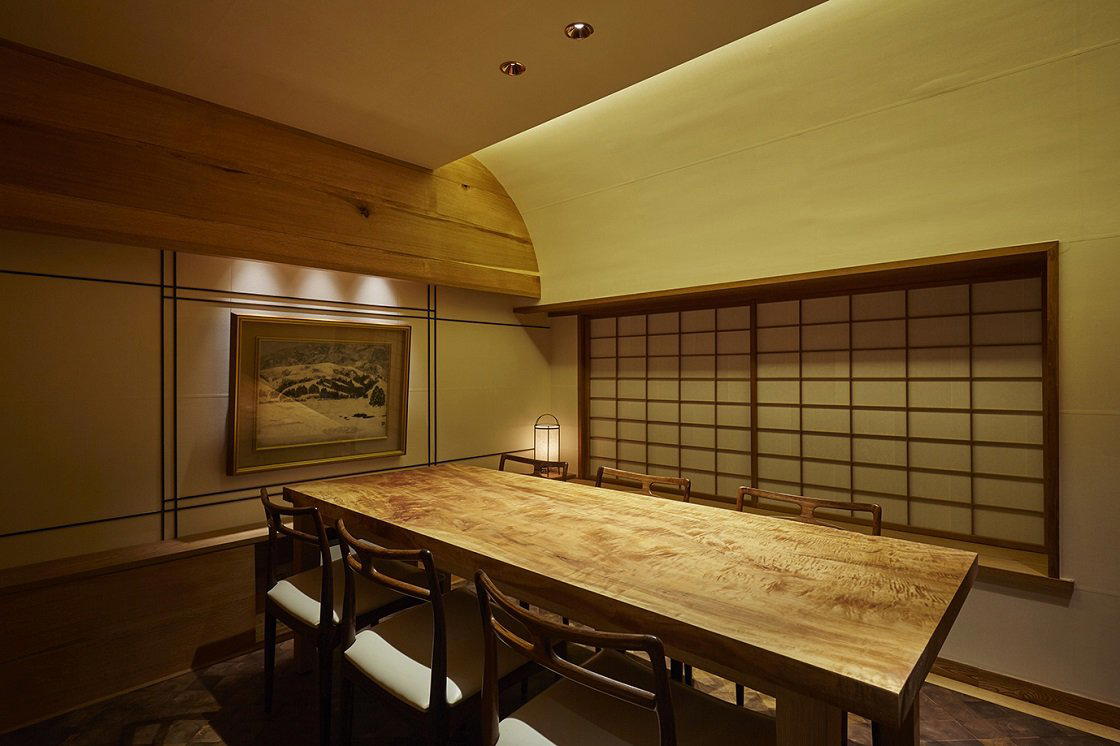
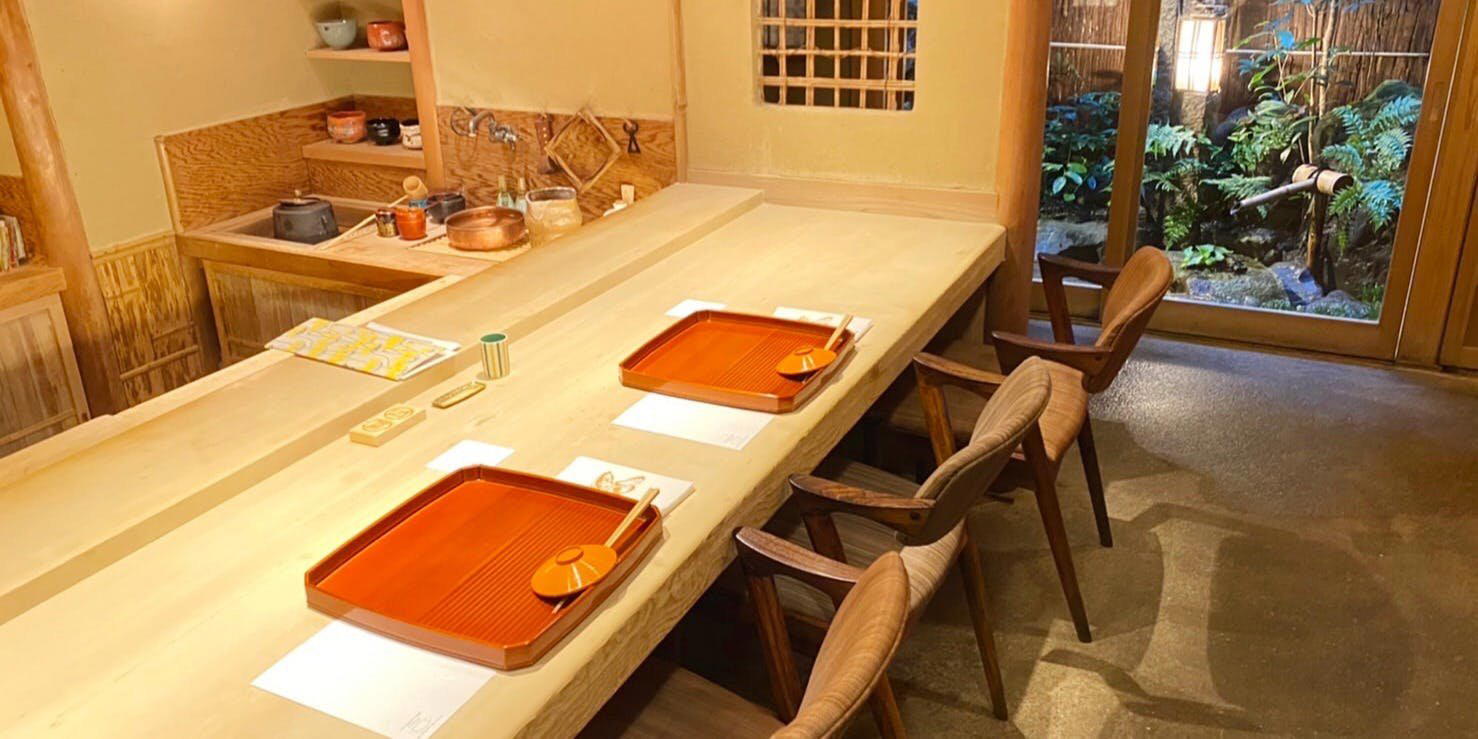
A small, softly lit dining room with just one round table and a few small tables, creating a serene, refined atmosphere that feels more like a private salon than a typical Chinese restaurant, encouraging quiet, contemplative dining.