Tabelog Bronze #411
Our verdict
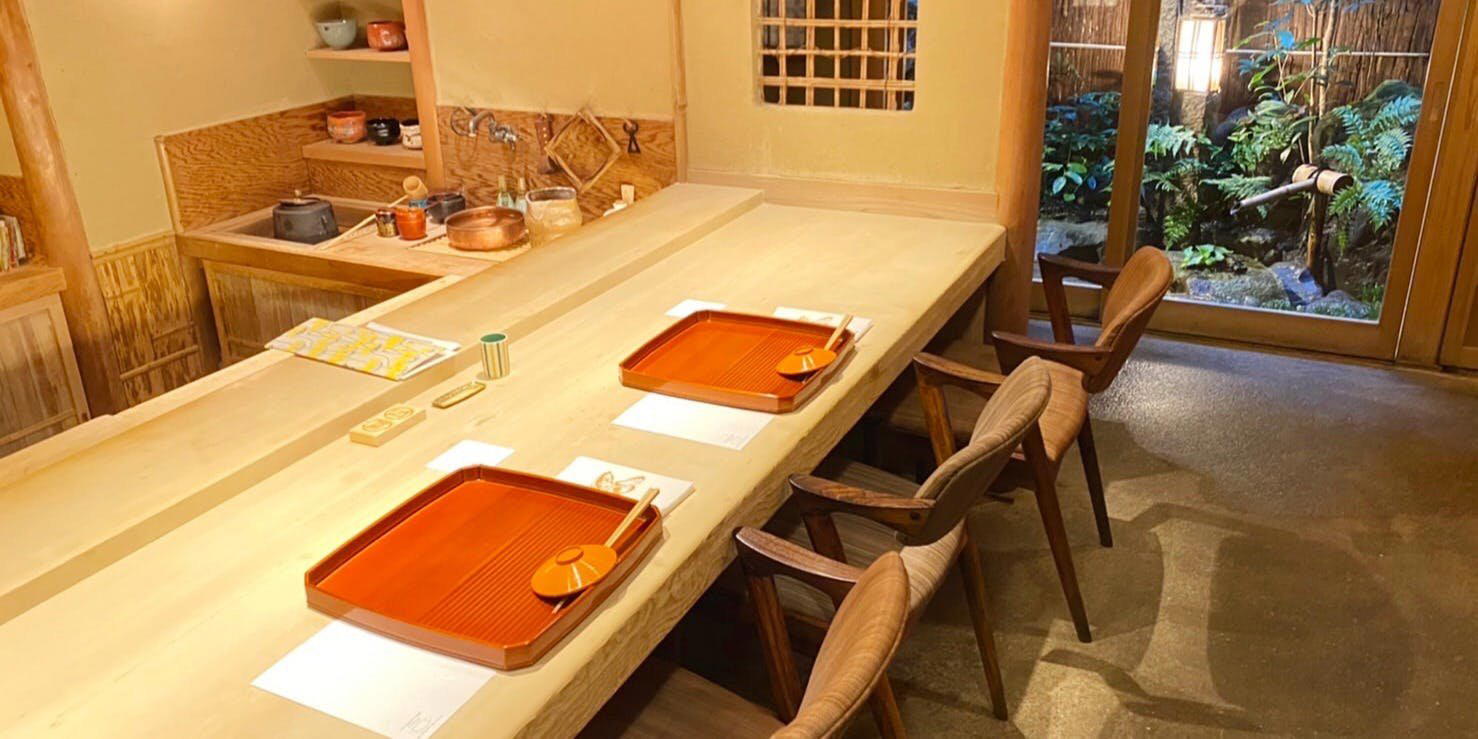
Suzue occupies a quiet stretch of Okazaki in Sakyo Ward, where the canal-lined streets and proximity to Heian Shrine set a particular register for what follows inside. Chef Yoshihito Suzue's kaiseki counter has held a place in Opinionated About Dining's Japan rankings for three consecutive years, reaching #97 in 2024. Evenings only, seven nights a week.

Pearl is the En Primeur Club membership app, where members save venues, book tables and use the concierge.
Okazaki After Dark
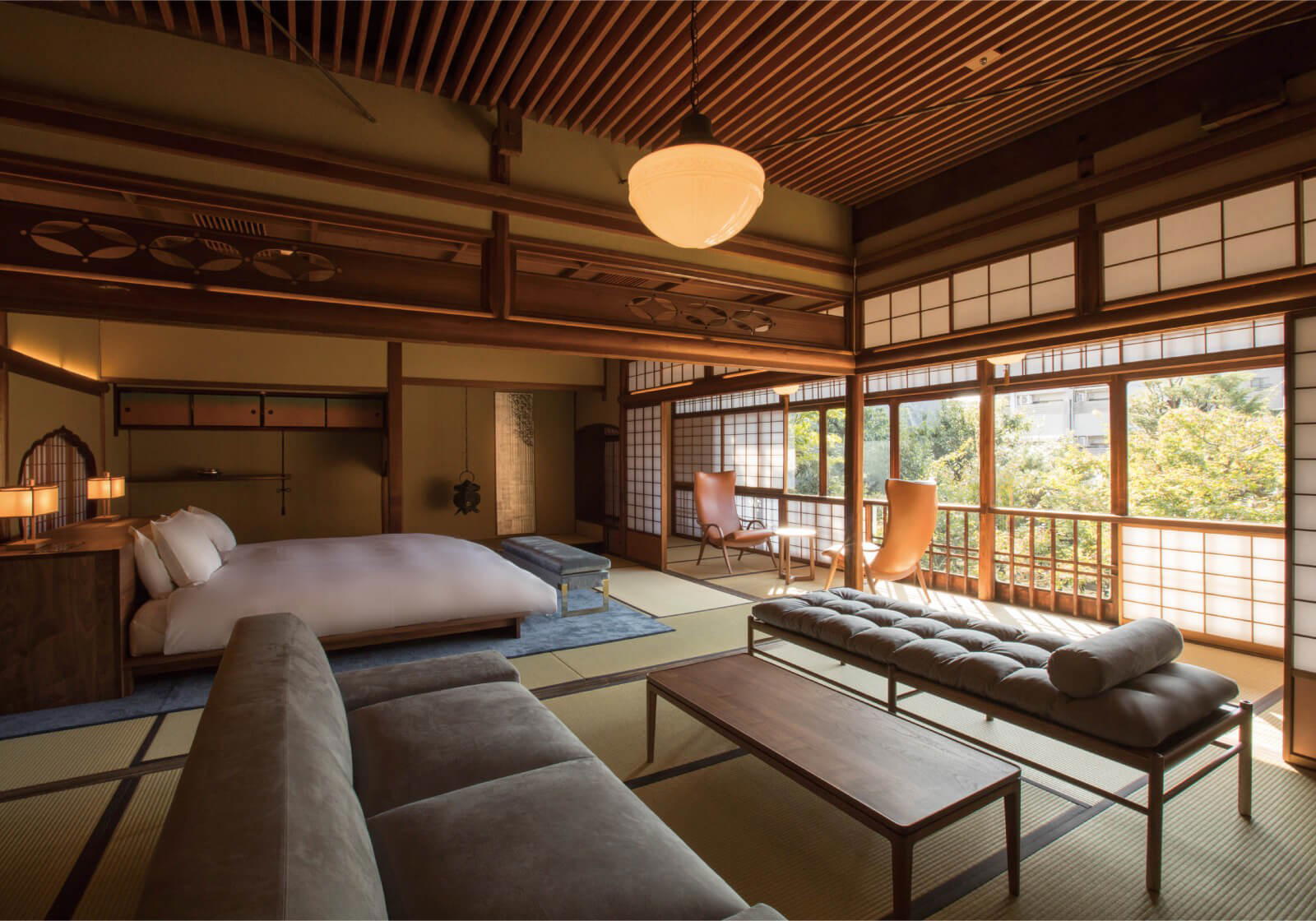
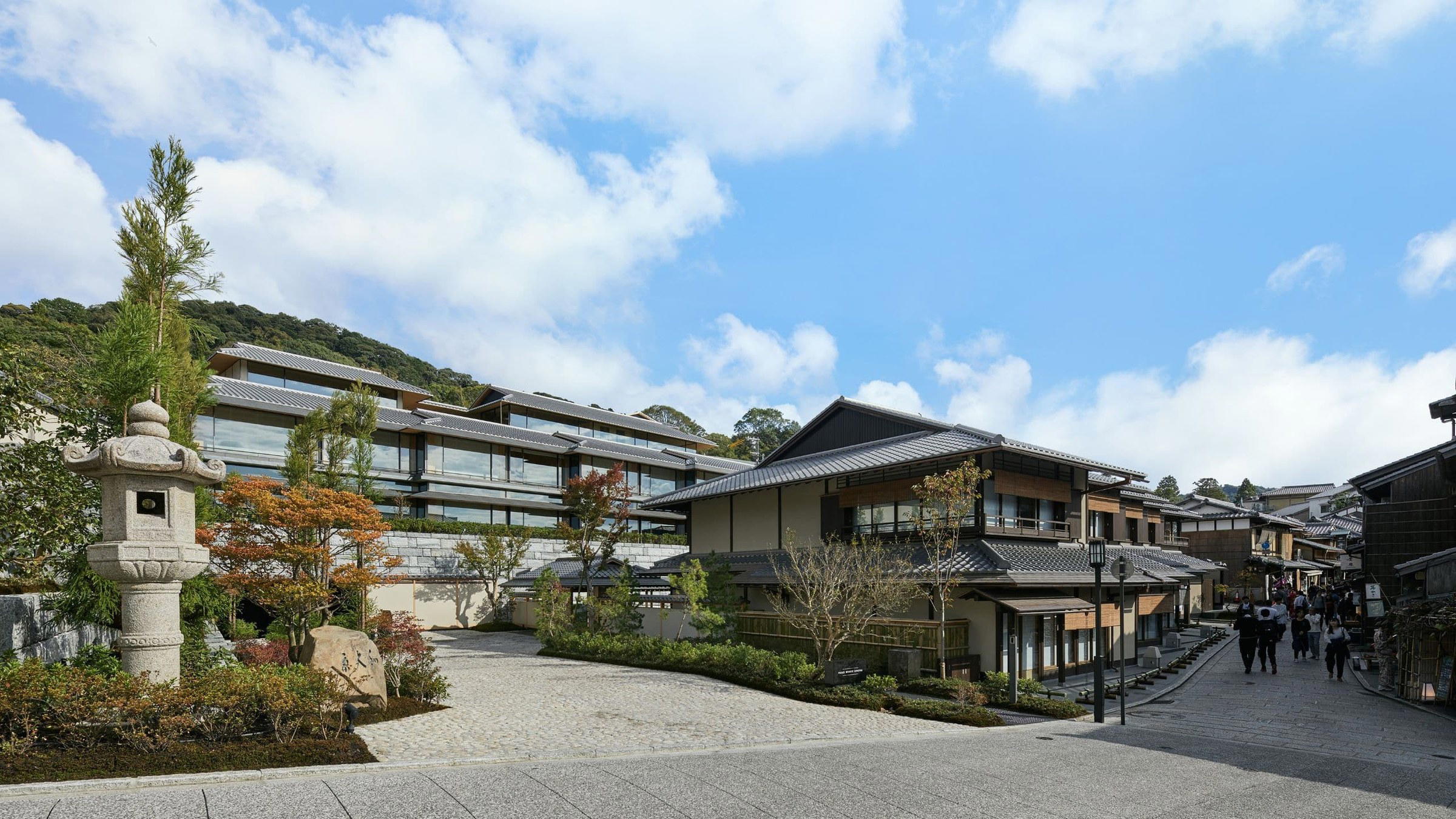
Sakyo Ward's Okazaki district is not Gion, and that distinction matters. Where Gion's machiya alleys operate under the weight of their own reputation, drawing visitors who arrive already anticipating the experience, Okazaki moves at a different pace. The neighbourhood is defined by its museums, Heian Shrine's vast forecourt, and the Biwako Canal waterway that runs through it with a quiet insistence. By early evening, the day-tripping crowds have largely dispersed toward Gion or Higashiyama, and what remains is a residential composure that few parts of inner Kyoto manage to preserve. It is into this context that Suzue, at 58-1 Okazaki Enshojicho, positions itself.
Kaiseki restaurants in Kyoto exist across a wide spectrum of neighbourhood registers. The Gion and Higashiyama concentrations, where venues like Gion Suetomo and Chihana operate, carry the symbolic weight of the city's most photographed corridors. Establishments further north in Sakyo Ward, by contrast, tend to attract a dinner crowd that is already oriented toward the neighbourhood for its own reasons, not pilgrims working a checklist. That self-selection shifts the atmosphere inside. The formality of kaiseki service remains intact, but the sense of performance that can attach itself to hyper-visible Gion addresses is softer here.
Three Years in the Rankings
Opinionated About Dining, which aggregates assessments from a defined community of informed diners rather than anonymous crowdsourcing, has listed Suzue in its Japan rankings in each of the past three years: #98 in 2023, #97 in 2024, and #126 in 2025. Consistency at that level over multiple cycles carries more weight than a single high placement, because OAD rankings are not awarded by inspectors on fixed criteria but reflect repeated returns by the same community of engaged eaters. Holding inside the top 130 nationally across three consecutive years, in a country where the kaiseki category alone contains dozens of internationally recognised counters, places Suzue within a specific and demanding peer tier.
For calibration: the OAD Japan list in any given year sits alongside Michelin Tokyo and Osaka, 50 Best Asia, and a handful of independent critical voices as the primary reference points for the country's serious dining community. A venue that registers on that list, and holds its position, has been found by the kind of repeat visitor who compares notes across cities and travels specifically to eat. That is not a demographic that needs persuading; it is one that is already evaluating fit.
Within Kyoto's kaiseki spectrum, Suzue's OAD position places it in a comparable bracket to venues such as Ifuki and Ankyu, both operating at the ¥¥¥¥ tier. Broader Kyoto kaiseki comparisons also include Gion Sasaki and Kyokaiseki Kichisen at the same price tier. Across Japan, those making multi-city itineraries often triangulate between Kyoto kaiseki, HAJIME in Osaka, regional expressions like Goh in Fukuoka, and Tokyo counters including Kikunoi in Tokyo and Hirosaku. Suzue belongs to the Kyoto portion of that circuit.
The Kaiseki Frame
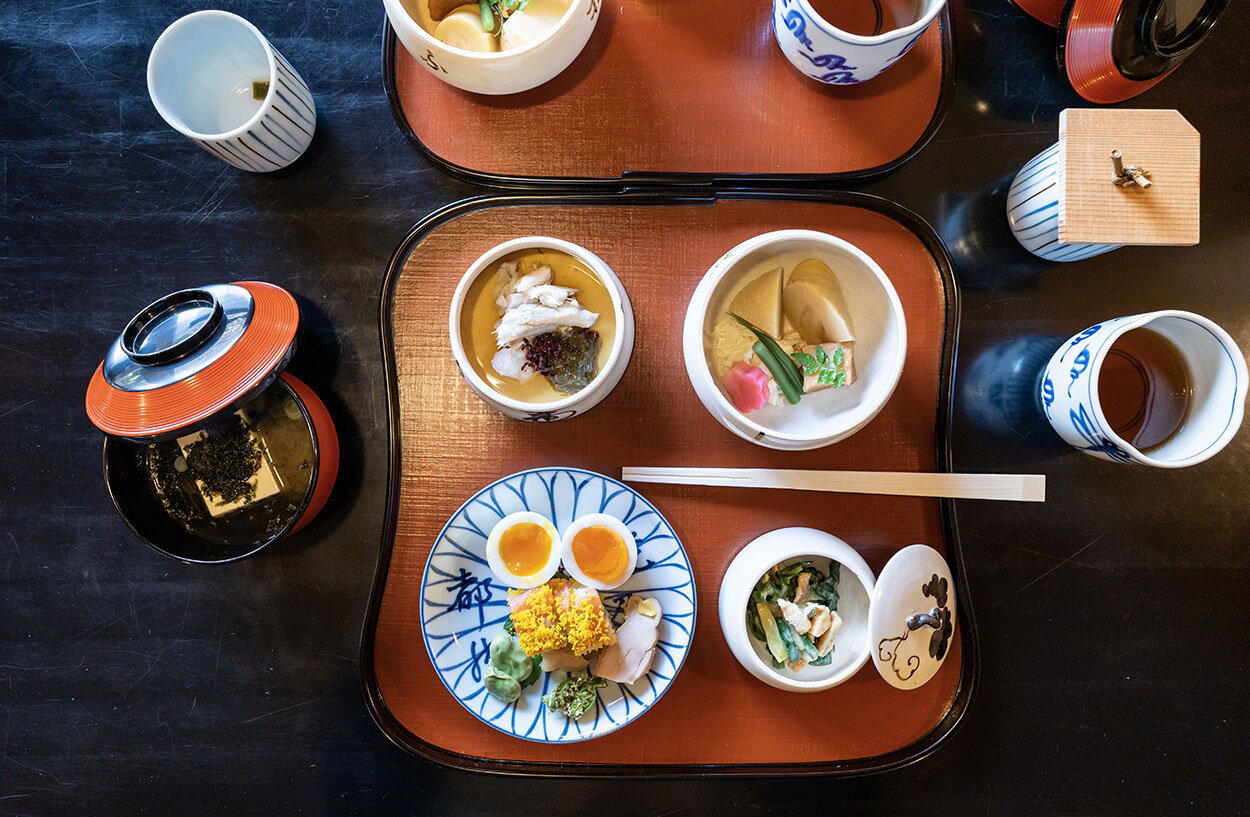
Kaiseki in its formal sense is a sequence cuisine: courses governed by season, technique, and ingredient succession rather than by volume or showmanship. Its logic is additive and restrained. A dish that arrives early in the sequence, a small soup, a sliver of pickled vegetable, carries meaning not because of what it is alone but because of what it prepares the palate for. The tradition is rooted in the tea ceremony's approach to hospitality, where timing and proportion matter as much as the quality of any individual element.
Kyoto remains the acknowledged home of this tradition. The city's proximity to Nishiki Market, to the farms of the surrounding basin, and to a centuries-old culture of seasonal precision gives its kaiseki practitioners a material and cultural infrastructure that other cities approximate but rarely replicate. Chef Yoshihito Suzue works within that tradition at Suzue, which operates as an evenings-only counter from 5 to 10 pm across all seven days of the week. The all-evening format is consistent with kaiseki pacing, where the sequence is designed to take time.
For those comparing kaiseki across formats and cities, akordu in Nara offers a different expression of regional Japanese hospitality from a Western-trained chef perspective, while Doujin in Kyoto represents a younger entry point into the city's formal dining scene. The kaiseki canon itself, at the level Suzue operates, tends toward chef-led counters where the sequence reflects the practitioner's seasonal reading rather than a fixed house style.
Google Signal and What It Implies
A 4.4 average from a self-selecting group of visitors who navigated a booking process, travelled to Okazaki specifically, and paid kaiseki prices represents a different signal than a 4.4 from a high-turnover tourist restaurant.
Placing Suzue on a Kyoto Itinerary
Okazaki's geography makes it a sensible evening anchor for visitors staying in the northern or eastern parts of the city. Heian Shrine sits within walking distance; the Nanzenji complex is accessible on foot to the south. An early-evening arrival in the neighbourhood, before dinner, after the last wave of temple visitors has cleared, allows the area's character to register before the meal begins. Sakyo Ward's relative calm at that hour is part of what Suzue's address offers, distinct from the compressed intensity of a dinner reservation in central Gion.
Those building a wider Kyoto stay should reference, which covers the city's dining by neighbourhood and format. For accommodation in proximity to this part of the city maps options across price tiers., and for those building broader Japan itineraries, coverage extends to Harutaka in Tokyo, 1000 in Yokohama, and 6 in Okinawa. Additional city guides cover Kyoto wineries and Kyoto experiences for those extending beyond restaurants.
Planning Your Visit
Address: 58-1 Okazaki Enshojicho, Sakyo Ward, Kyoto, 606-8344, Japan. Hours: Monday to Sunday, 5–10 pm (evenings only). Reservations: Budget: Price range not confirmed; ¥¥¥¥ is the standard tier for kaiseki at comparable OAD-ranked Kyoto venues. Dress: Formal or smart casual is conventional for kaiseki at this level; the tradition of the format sets the expectation.
Frequently asked questions
Which chef is Suzue associated with?
The chef associated with Suzue is Yoshihito Suzue.
What's Suzue's location?
Suzue is located at 58-1 Okazaki Enshojicho, Sakyo Ward, Kyoto, 606-8344, Japan, Kyoto.
What dish is Suzue famous for?
Kaiseki as a format resists signature dishes by design: the menu is rebuilt around seasonal ingredients and shifts course by course throughout the year. Suzue, ranked #97 in Japan by Opinionated About Dining in 2024, operates within that tradition. No single dish defines the counter; what repeats is the structural logic of the sequence itself, shaped by chef Yoshihito Suzue's reading of the season.
What type of food is Suzue known for?
What are Suzue's hours?
Hours at Suzue: Hours: Monday 5–10 pm Tuesday 5–10 pm Wednesday 5–10 pm Thursday 5–10 pm Friday 5–10 pm Saturday 5–10 pm Sunday 5–10 pm.
Reputation First
| Venue | Cuisine | Price | Awards | Notes |
|---|---|---|---|---|
| SuzueThis venue (the venue you are viewing) | Kaiseki | $300–500 | Tabelog Bronze #411 | Not listed |
| Gion Sasaki | Modern Kaiseki | $300–500 | 3 Michelin Stars · La Liste Top Restaurants | Kaiseki, Japanese |
| cenci | Innovative Italian-Japanese Fusion | $100–150 | 1 Michelin Star · World's 50 Best #76 | Italian |
| Ifuki | Sumibi Kappo Kaiseki | $200–300 | 2 Michelin Stars · La Liste Top Restaurants | Kaiseki |
| Kyokaiseki Kichisen | Kyoto Kaiseki | $200–300 | 2 Michelin Stars · La Liste Top Restaurants | Japanese |
| Kyo Seika | Modern Chinese Fine Dining | $150–200 | 1 Michelin Star · Tabelog Bronze #216 | Chinese |
Recognition history
Dated appearances from independent guides and award organizations, with the underlying list record or original source where available.
Opinionated About Dining Top Restaurants in Japan Highly Recommended
Opinionated About Dining
Tabelog Bronze #411
Tabelog
Full recognition history (7 entries)
Opinionated About Dining Top Restaurants in Japan Ranked #126
Opinionated About Dining
Tabelog 100 #12 · No. 12
Tabelog · Tabelog 100 - Japanese cuisine - WEST - 2025
Tabelog Silver
Tabelog
Opinionated About Dining Top Restaurants in Japan Ranked #97
Opinionated About Dining
Opinionated About Dining Top Restaurants in Japan Ranked #98
Opinionated About Dining