Set on Rue Saint-Paul in Old Montreal, Kwizinn brings a distinctly Creole sensibility to one of the city's most historically loaded streets. The kitchen draws on Caribbean technique and Quebec produce to stake out a position that few addresses in the neighbourhood occupy. For a city as culinarily plural as Montreal, it represents the kind of cultural intersection the Vieux-Port dining scene rarely surfaces so directly.
Pearl is the En Primeur Club membership app — saves, bookings, and concierge access live there. Same editors, same standards.
- Address
- 311 Rue Saint-Paul E, Montréal, QC H2Y 1J3, Canada
- Phone
- +14388071005
- Website
- kwizinn.ca
- Directions
- Get directions
 Saves & bookings on Pearl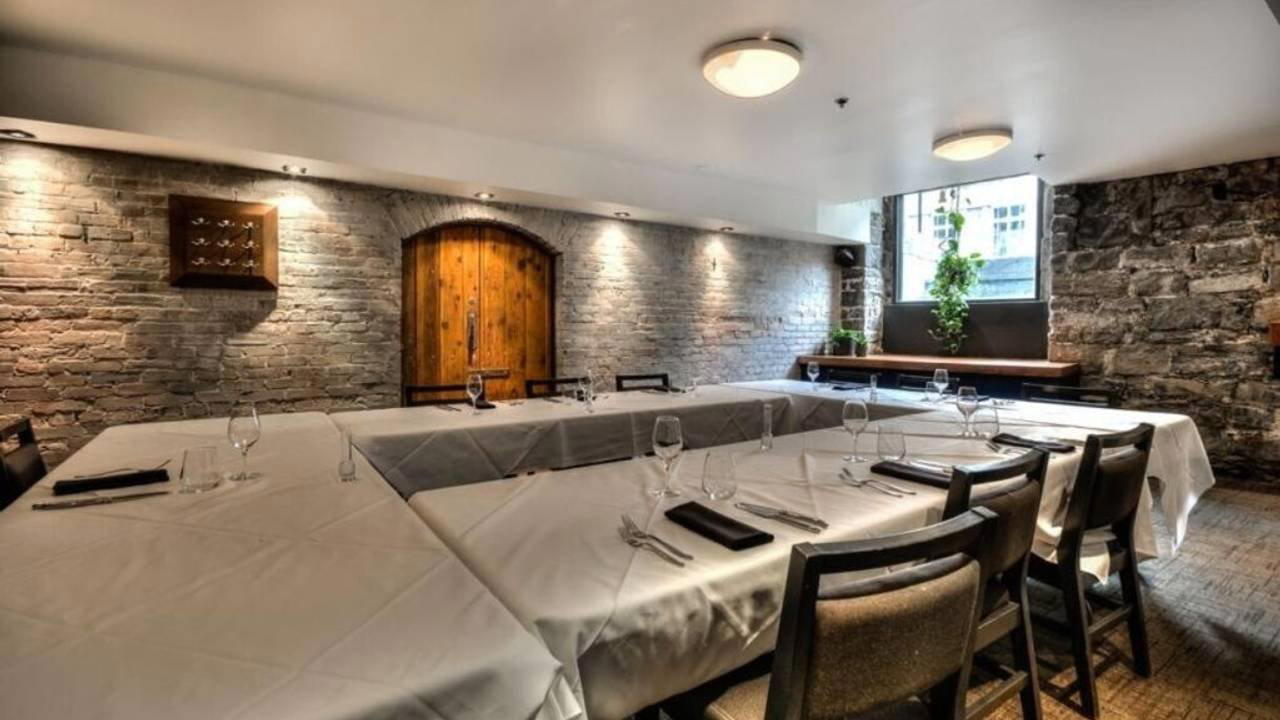
Where Old Montreal Meets the Caribbean Table
Rue Saint-Paul Est runs through the oldest part of Montreal, flanked by stone buildings that date to the French colonial period and a dining scene that ranges from tourist-facing brasseries to quietly serious kitchens. The street does not lack for ambition, but it skews heavily toward European reference points: French bistro cooking, Quebecois heritage fare, modern cuisine rooted in classical technique. Kwizinn operates from a different set of coordinates. The name signals intent: Creole spelling, Caribbean register, a deliberate departure from the dominant culinary grammar of the neighbourhood.
That positioning matters. Old Montreal's restaurant density is high, and the competition for attention on any given block includes addresses that have been refining their offer for decades. To hold a distinct lane in that context, a kitchen has to do more than serve food from a different latitude. It has to make a coherent argument for why those flavours belong in this particular room, on this particular street, in this particular city. The case Kwizinn makes rests on the intersection of imported methods and Quebec's own larder, the editorial angle that defines interesting cooking happening in Canadian cities right now.
The Creole-Quebec Intersection in Practice
Montreal is one of the few Canadian cities where the logic of Creole cooking actually has cultural roots. The city's Haitian community is among the largest in North America outside the Caribbean itself, and that demographic presence has shaped the food city in ways that extend well beyond community-specific restaurants. What the leading kitchens in this space do is treat Creole technique not as exotic flavouring but as a structural approach: the layering of aromatics, the slow building of heat through spice, the use of tropical acids and ferments to cut through rich proteins.
When that technique meets Quebec product, the province's cold-water fish, its forest mushrooms, its aged dairy, its maple-cured anything, the results can be genuinely surprising. The same tension that makes Canadian chefs from other traditions interesting (consider what Tanière³ in Quebec City does with hyperlocal Northern ingredients through fine-dining form, or what Narval in Rimouski constructs from the St. Lawrence basin) applies here in a different register. The point is that Quebec ingredients have enough character to hold their own against assertive seasoning traditions, and Creole cooking is assertive in ways that reward confident sourcing.
Across Canada, this mode of cooking, local produce filtered through a non-European technique set, has become one of the more generative directions in serious kitchens. AnnaLena in Vancouver does it with Pacific Rim reference points; Alo in Toronto works French classical precision onto Canadian product; Restaurant Pearl Morissette in Lincoln takes it to the winemaking region itself. Kwizinn's position in Old Montreal sits in that broader current, just with a Caribbean compass rather than a European or pan-Asian one.
Reading the Neighbourhood Context
The Vieux-Port dining tier is worth understanding before you book anything on this block. At the formal end, addresses like Jérôme Ferrer's Europea define what four-dollar-sign modern cuisine looks like in this city, architectural plating, significant wine programs, the full apparatus of high-end hospitality. A step down, kitchens like Mastard and Sabayon occupy the serious-but-accessible middle tier, where the cooking is technically considered without the ceremony of a $200-per-head tasting format.
Kwizinn's price positioning and format are distinct from both of those tiers. The kitchen is not chasing Michelin validation or competing directly with the city's modernist flagships. Its comparable set is closer to addresses that identify a specific cultural tradition and execute it with genuine craft, places like 3 Pierres 1 Feu or Abu el Zulof, which also make cultural specificity the organising principle of the dining experience. In a city where Montreal's restaurant range is genuinely plural across dozens of culinary traditions, that is a coherent and defensible position to occupy.
For historical French-Canadian context, the neighbourhood also contains Aux Anciens Canadiens in Quebec City as a reference point for what heritage Quebecois cooking looks like at full expression. Kwizinn's approach operates from the opposite premise: rather than reaching into the province's past, it draws a line between the Quebec present and the Caribbean diaspora that has shaped Montreal's contemporary character.
Planning Your Visit
The address, 311 Rue Saint-Paul Est, places Kwizinn in the eastern stretch of Old Montreal, within walking distance of the Champ-de-Mars metro station and the Bonsecours Market. The neighbourhood draws significant tourist foot traffic, particularly in the warmer months when the Vieux-Port waterfront fills up, which means popular addresses book faster than their size might suggest. Arriving without a reservation on a Friday or Saturday evening in summer or during the holiday season is a risk worth avoiding.
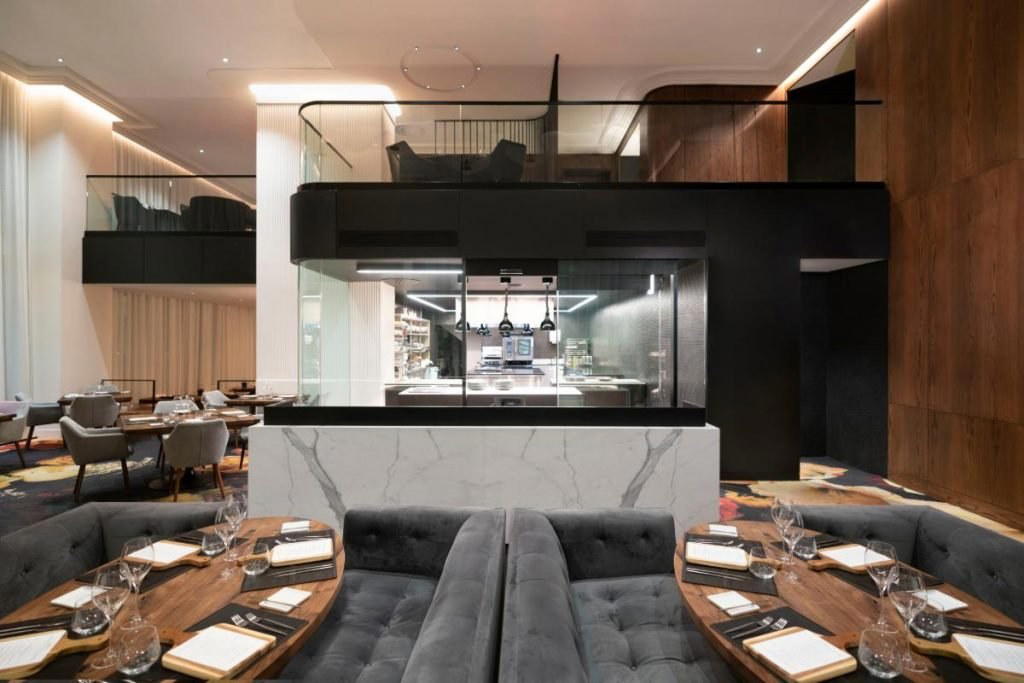
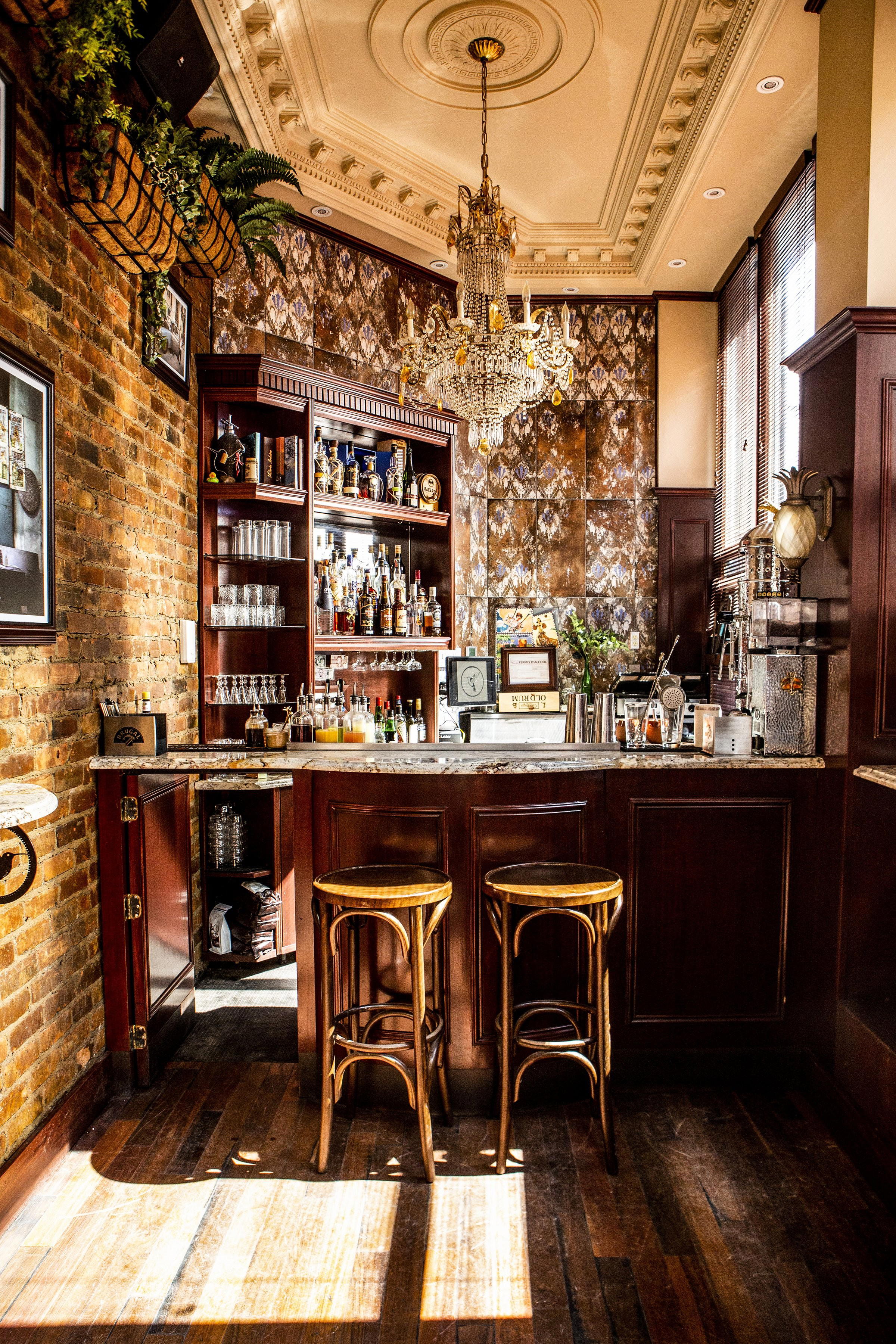
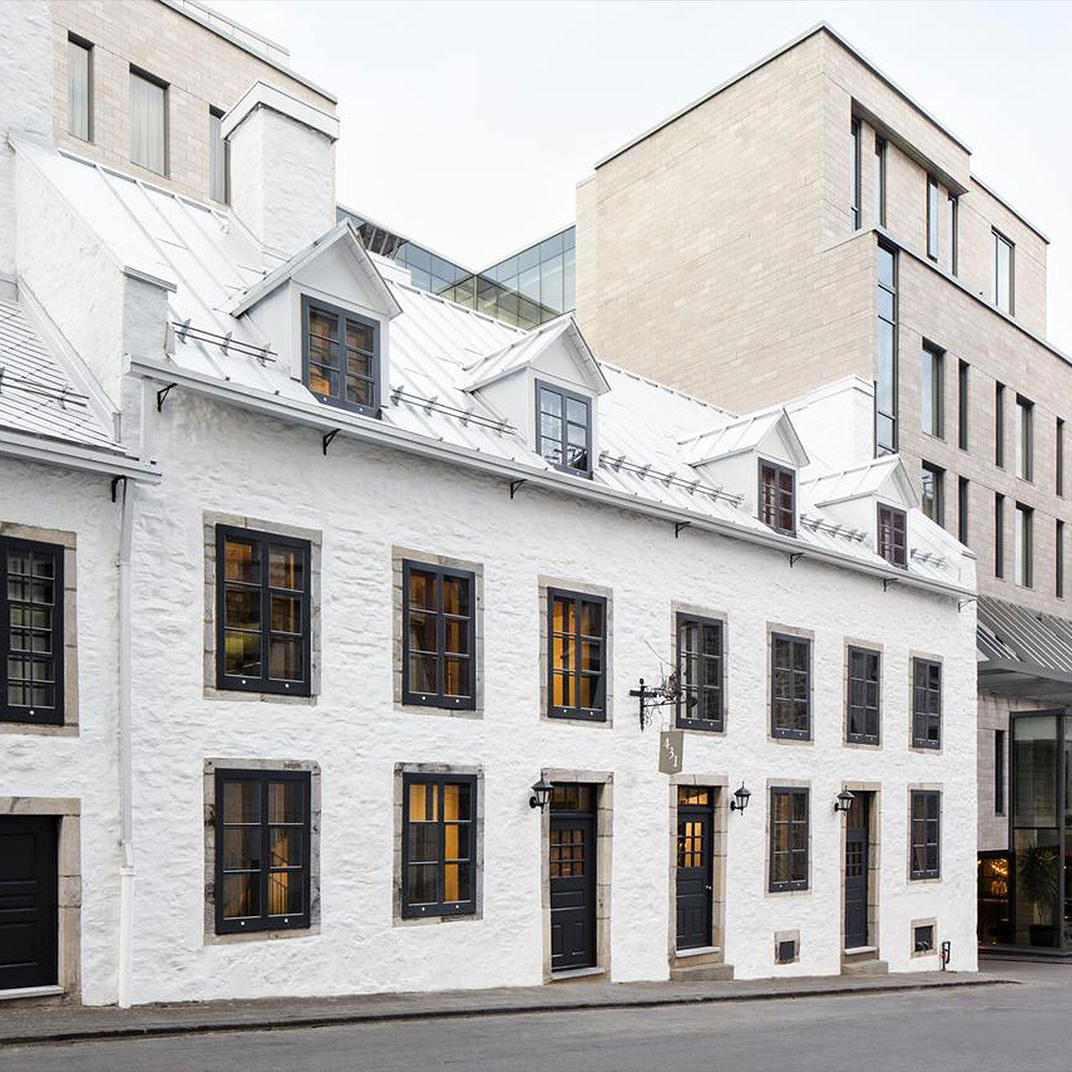
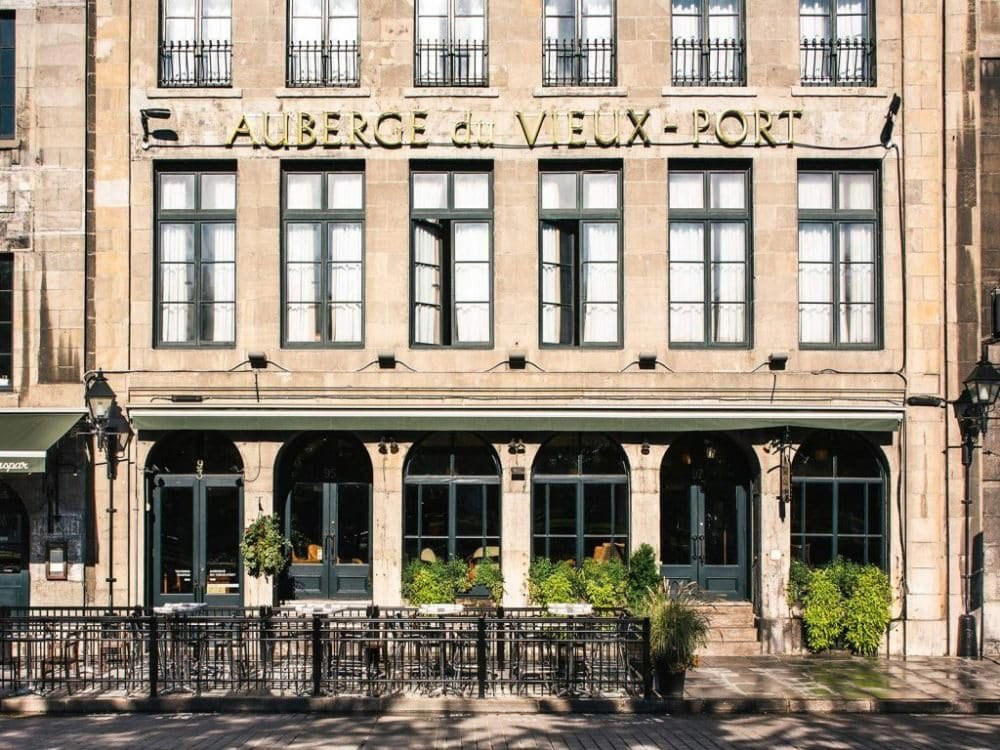
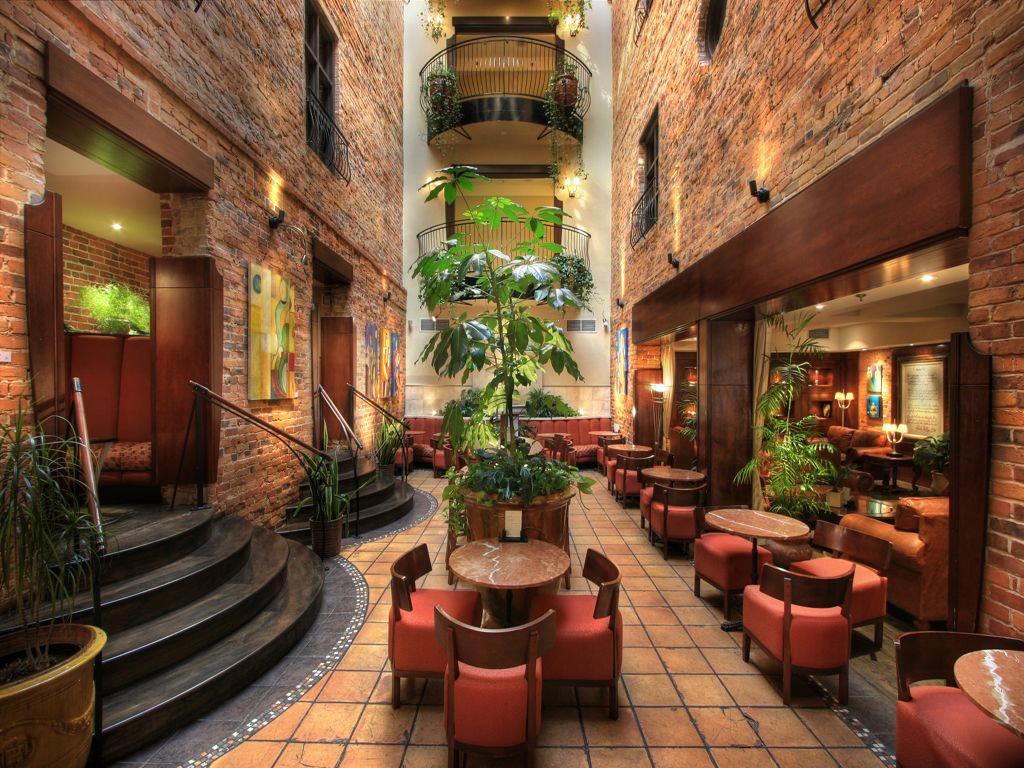
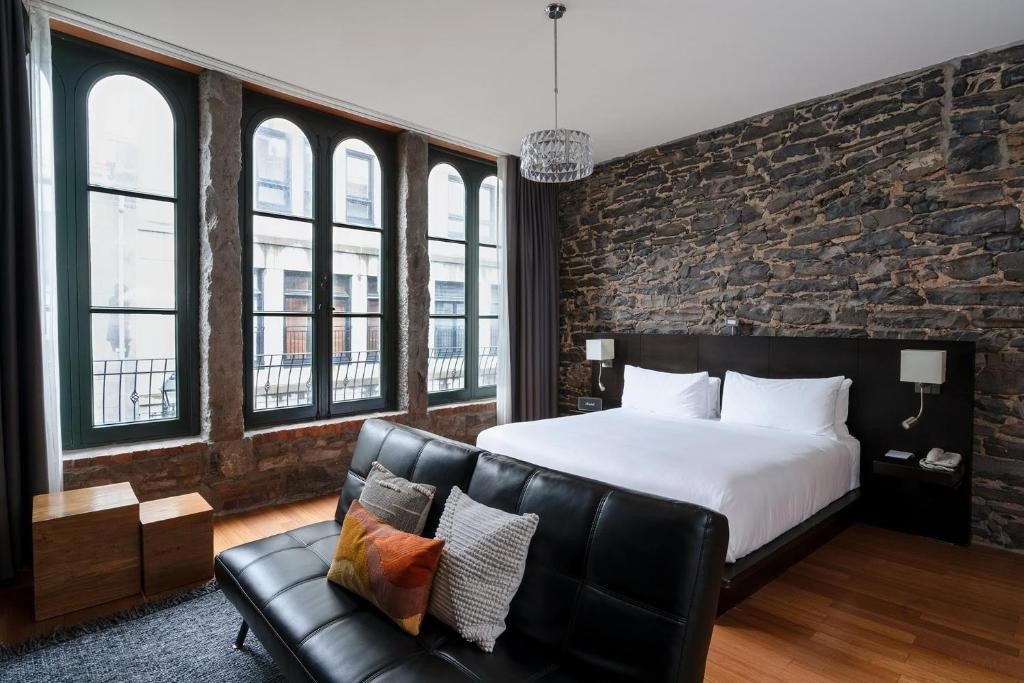
Old Montreal is walkable and compact enough that a Kwizinn dinner pairs naturally with a broader evening in the neighbourhood. The stone-street atmosphere of Rue Saint-Paul at dusk, before the post-theatre crowd arrives, is when the block feels most like itself. The room at 311 is set within the kind of heritage building fabric that gives the Vieux-Port its character: exposed stone, low ceilings, the physical memory of a city that predates the rest of the continent's urbanism by a century or more. Against that backdrop, Creole cooking lands with a particular kind of cultural resonance, two histories in the same room, not decoratively but structurally.
For readers building a broader Canadian itinerary, the local-meets-global-technique approach that Kwizinn represents surfaces in different forms at Eigensinn Farm in Singhampton, The Pine in Creemore, and even at internationally referenced addresses like Le Bernardin in New York City and Atomix in New York City, where technique and cultural identity are in deliberate conversation. At the scale of a single address on a single street in Montreal, Kwizinn is making the same argument, that cooking rooted in a specific culture, applied with skill to local product, produces something more interesting than either element would achieve alone.
Where the Accolades Land
Comparable venues nearby, for context on price, style, and recognition.
| Venue | Cuisine | Price | Notes |
|---|---|---|---|
| Kwizinn - Vieux PortThis venue — the venue you are viewing | Caribbean Fusion | $$ | Not listed |
| Bloom Sushi | Plant-Based Vegan Sushi | $$ | Quartier des Spectacles |
| La Buvette du Depï½Griffintown | French Natural Wine Bistro | $$ | Griffintown |
| Brasserie Harricana / Restaurant & Boutique | Canadian Brasserie with Craft Beer | $$ | Parc-Jarry |
| La Habanera | Cuban Fusion Tapas | $$ | Centre-Ville |
| La Cantina | Modern Mexican Taqueria | $$ | Golden Square Mile |
At a Glance
- Lively
- Trendy
- Energetic
- Group Dining
- Brunch
- Late Night
- Celebration
- Open Kitchen
- Craft Cocktails
- Natural Wine
- Street Scene
Current opening hours
- Monday
- 5–10 PM
- Tuesday
- 5–10 PM
- Wednesday
- 5–10 PM
- Thursday
- 5–10 PM
- Friday
- 11:30 AM–11 PM
- Saturday
- 11:30 AM–11 PM
- Sunday
- 11:30 AM–10 PM
Hours can change for holidays and private events. Last verified .
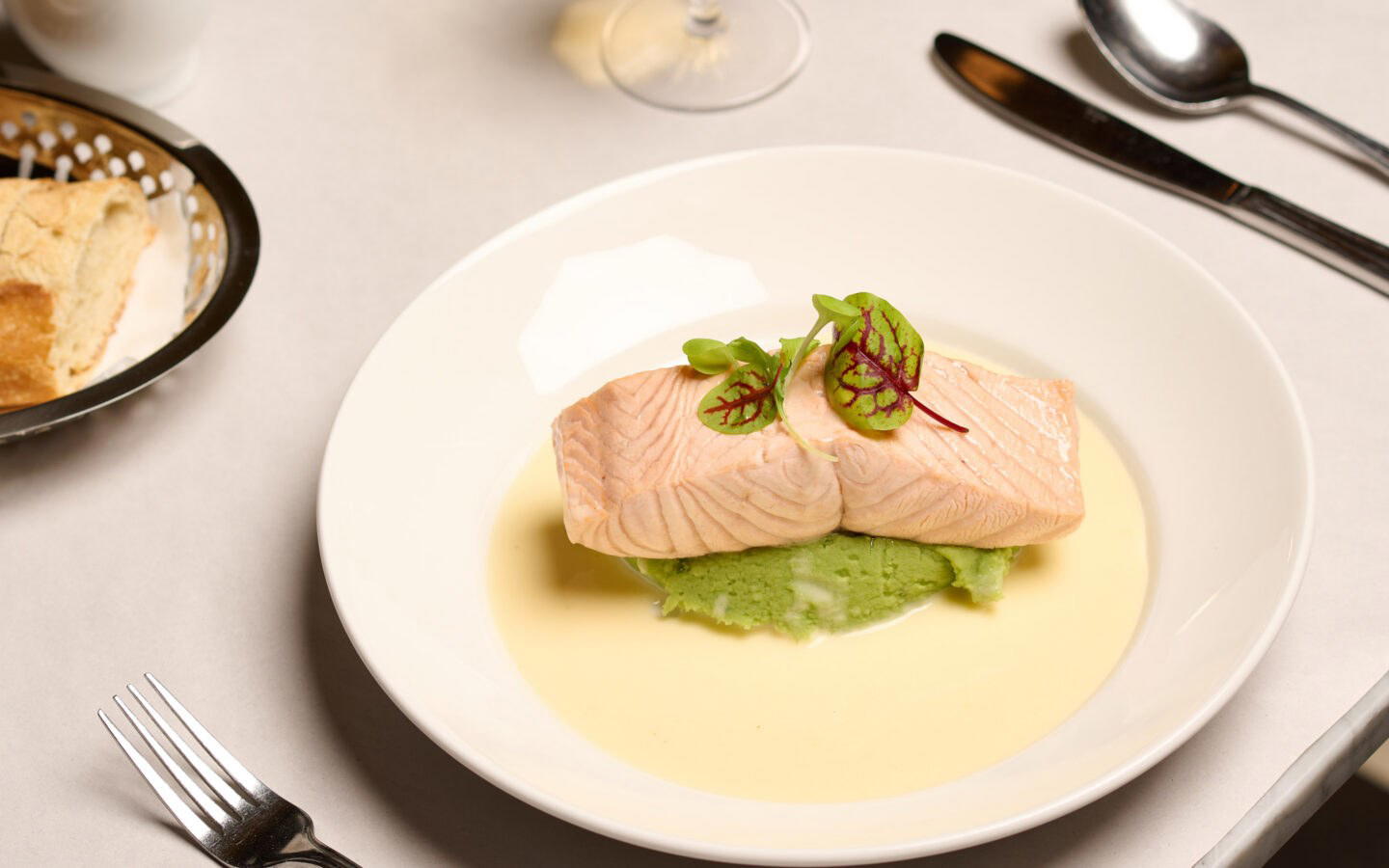
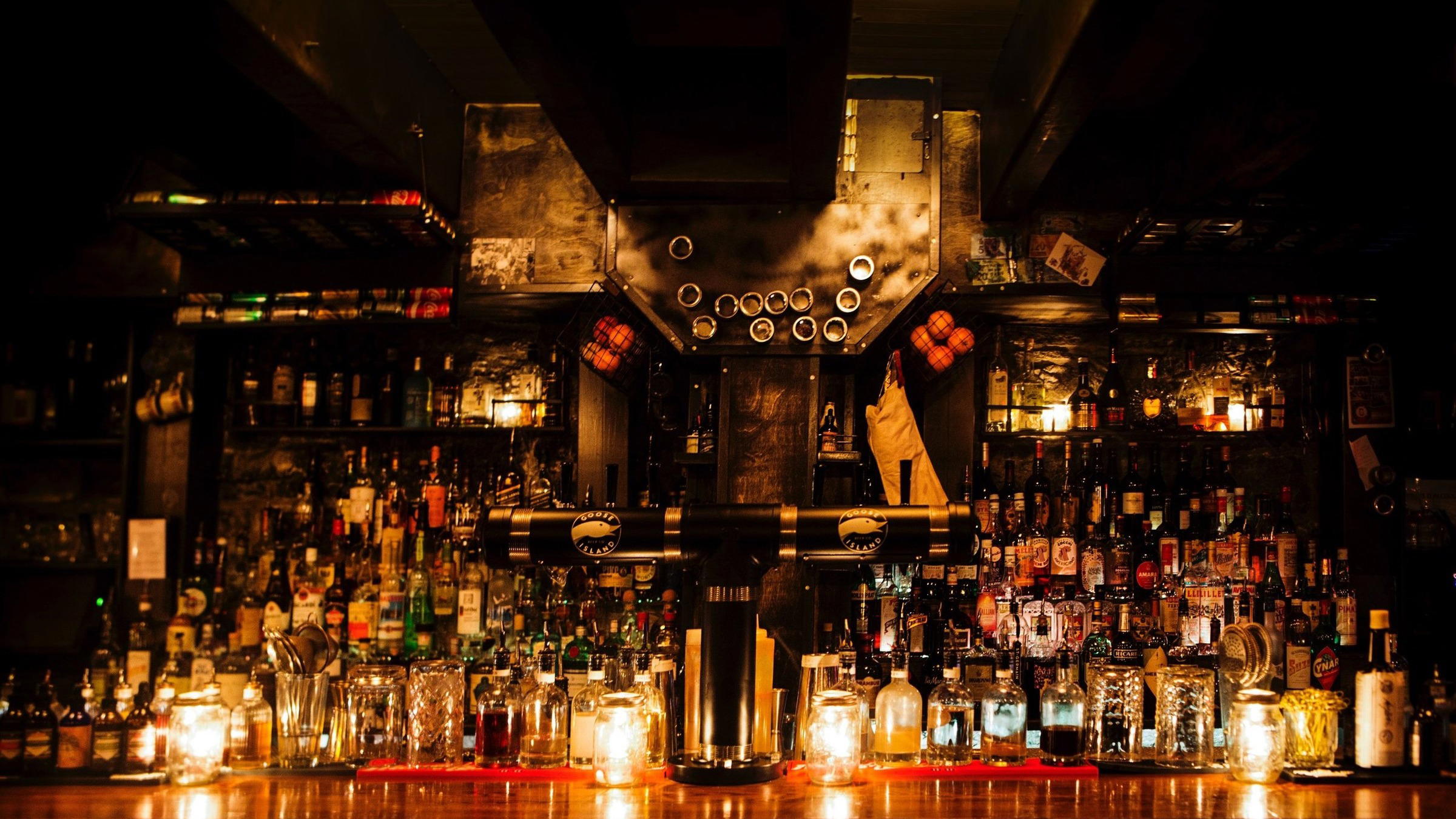
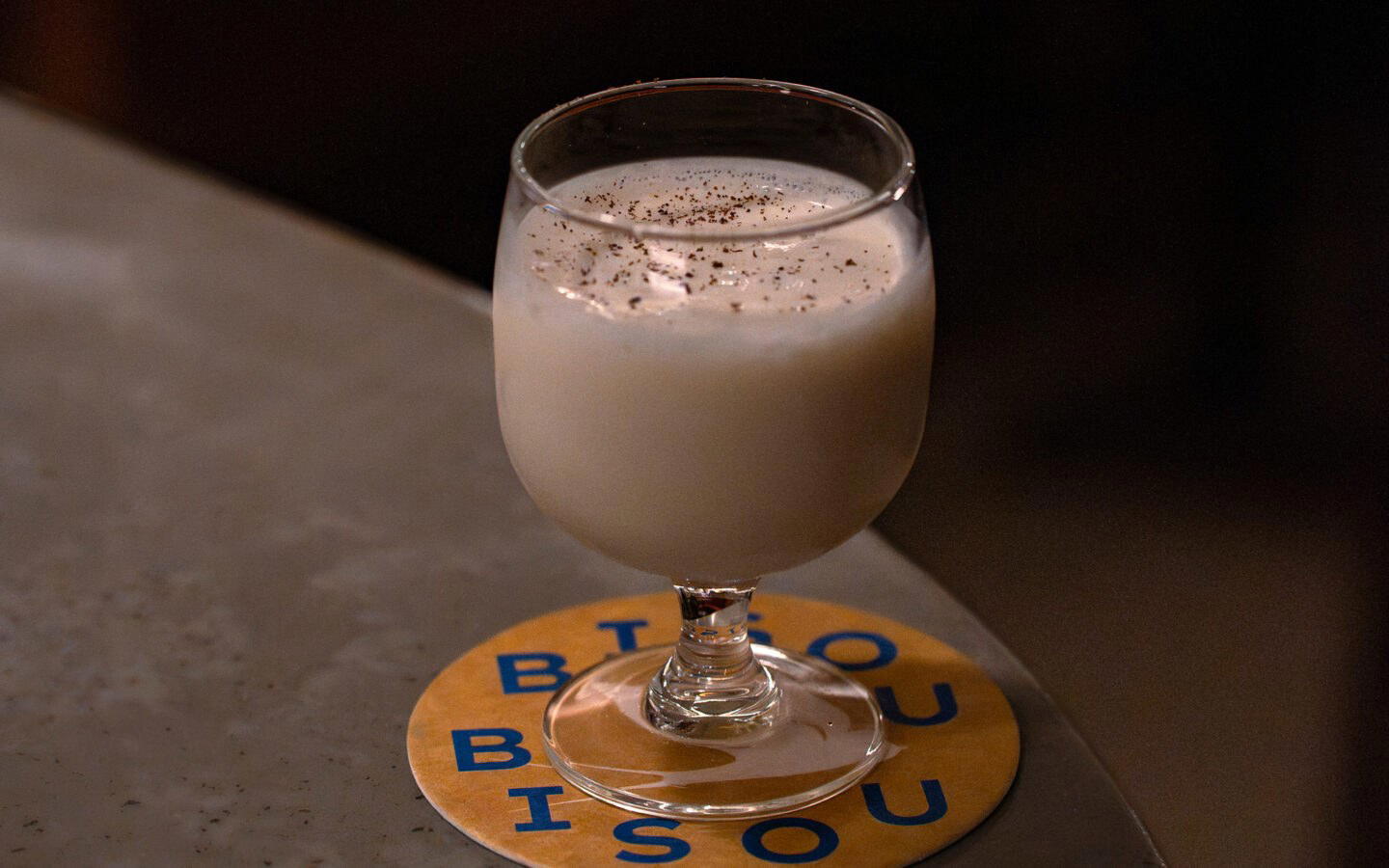
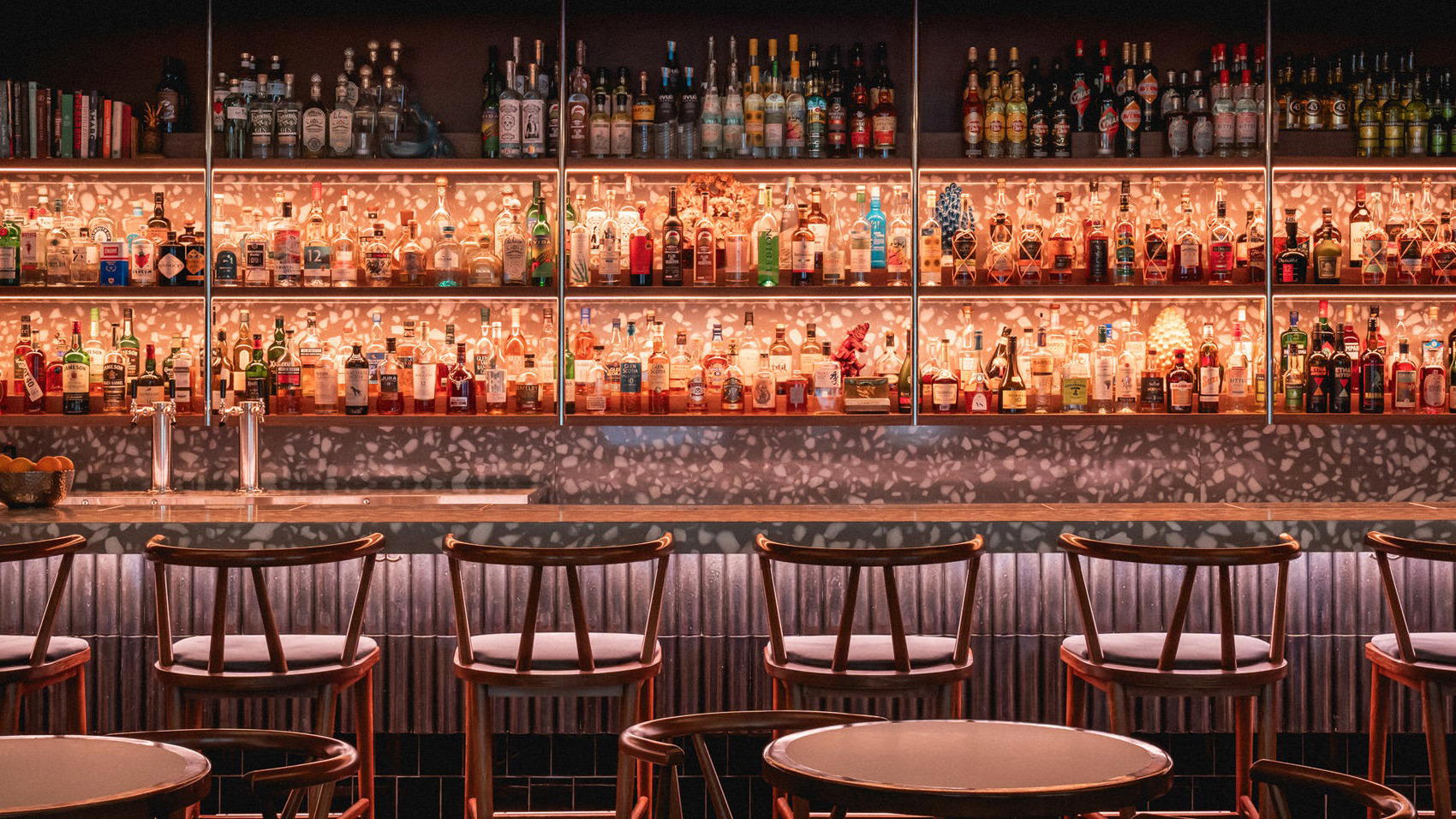
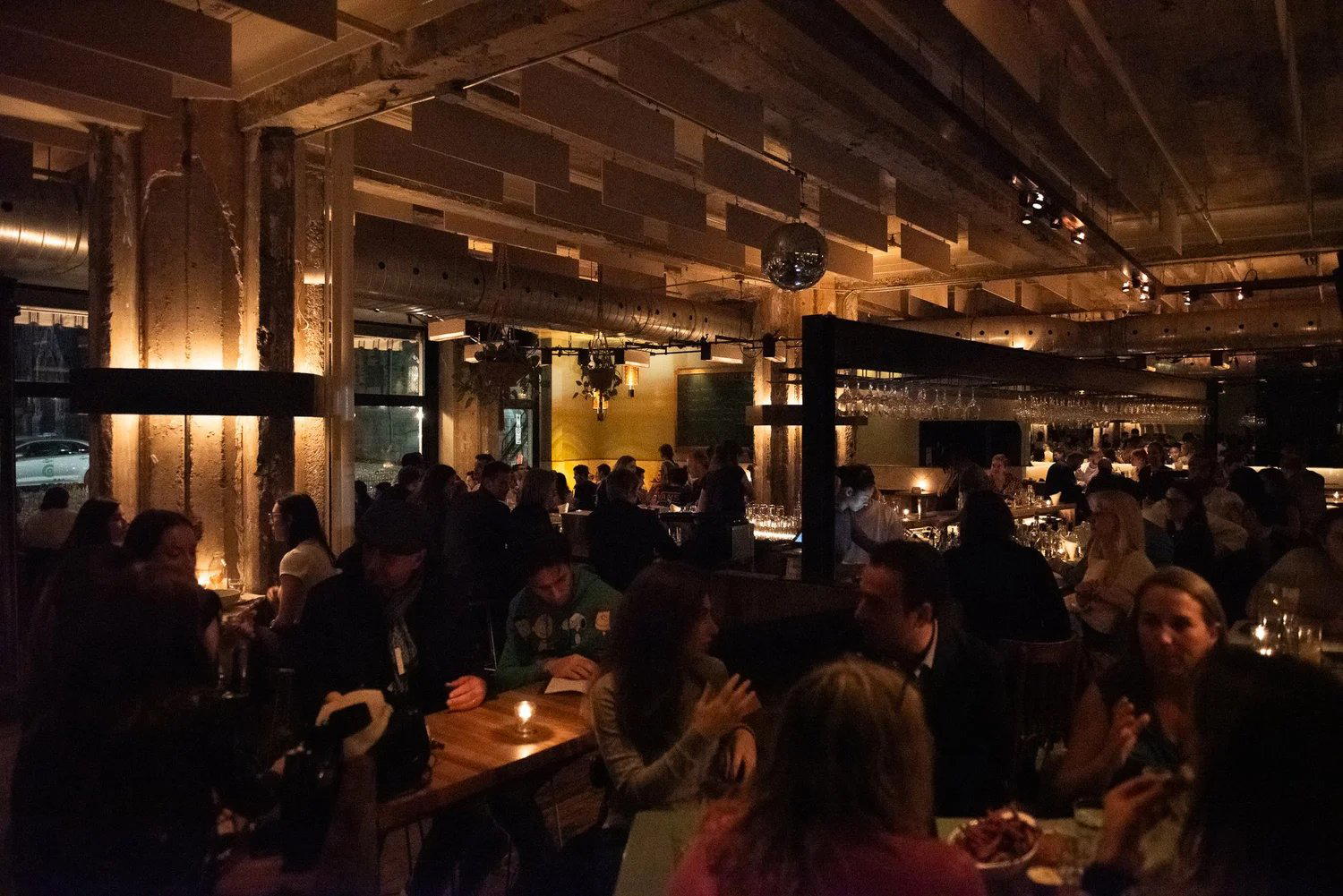
Elegant decor with fun island vibes, lively atmosphere enhanced by jazz nights, DJs, and cultural events.