Brasserie Harricana occupies a distinctive corner of Montreal's Jean-Talon corridor, pairing a restaurant with an integrated boutique in a format that reflects the neighbourhood's appetite for producer-driven goods and thoughtful hospitality. The wine program sits at the centre of the experience, with a curation that leans toward natural and small-production bottles rarely found on conventional lists. For those already exploring the city's dining scene, this address adds a dimension that most brasseries in the category do not attempt.
- Address
- 95 Rue Jean-Talon O, Montréal, QC H2R 2W8, Canada
- Phone
- +1 514 303 3039
- Website
- brasserieharricana.com
- Directions
- Get directions
Jean-Talon's Dual Identity: Market Neighbourhood, Drinking Culture
The blocks immediately west of the Jean-Talon Market carry a specific energy that sets them apart from the more polished dining corridors of the Plateau or Old Montreal. Rue Jean-Talon Ouest, in particular, has become a landing spot for operators who want proximity to producers without the foot-traffic theatre of the market itself. The clientele is local, the pace is deliberate, and the expectation is that what arrives at the table will have a traceable provenance. Brasserie Harricana at number 95 is a restaurant and boutique under the same roof.
The brasserie format has particular resonance in Montreal. Unlike the stripped-down wine bar or the chef's-table tasting counter, a brasserie carries a social contract: it promises accessibility alongside seriousness, a place where you can linger over a glass without committing to a full menu. When that format is layered with a boutique offering, the result is a space that rewards multiple visits and multiple modes of engagement. You might arrive for dinner and leave with a bottle you hadn't encountered before. That dual structure is a deliberate positioning move in a city where the gap between restaurant and specialty retailer has been narrowing for years.
The Wine Program as Editorial Point of View
In Montreal's current drinking culture, the wine list is increasingly the thing that separates genuinely curious operators from those simply following a trend. The city has moved well past the point where listing a handful of natural wines constitutes a statement. What distinguishes the more considered programs is curation with a point of view: a selection that reflects a coherent aesthetic, that introduces producers the diner hasn't encountered, and that changes often enough to reward return visits.
Brasserie Harricana's integration of a boutique into the restaurant space signals a wine program with clear intent. The boutique component implies a buying operation with enough depth to sustain retail sales alongside service, which in turn suggests relationships with importers and producers rather than reliance on standard distributor catalogues. Addresses in Quebec that manage to offer genuinely rare or limited bottles are doing so against a structural headwind that makes the achievement more notable, not less.
The brasserie-and-boutique model, when executed well, also changes how guests interact with the wine program. A bottle visible on a retail shelf carries a different psychological charge than one listed by name on a laminated card. Guests can examine the label, read the back, ask questions that aren't mediated by table formality. That informality tends to produce more adventurous ordering, and a clientele that is genuinely interested in what they're drinking rather than simply selecting a price point. For comparison, more formal counterparts in the city's upper tier, including Jérôme Ferrer - Europea and Mastard, operate wine programs that are more structured and sommelier-led. Harricana positions itself differently: less ceremony, more access.
Where It Sits in Montreal's Brasserie Spectrum
Montreal's brasserie category covers an enormous range. At one end sits L'Express on Saint-Denis, a French bistro that has operated for decades as a reliable, slightly formal anchor of the Plateau, its wine list composed primarily of recognizable appellations and its crowd a mix of regulars and deliberate visitors. At the other end, newer neighbourhood brasseries have absorbed the influence of the natural wine movement and the farm-to-table sourcing ethic that remade a generation of North American restaurant programs after 2010.
Brasserie Harricana's address in the Jean-Talon corridor places it geographically and conceptually closer to that newer cohort. The neighbourhood context matters: proximity to the market means access to seasonal Quebec produce and a clientele primed to value provenance. The boutique component pushes it further into a specialist tier that L'Express, Schwartz's, and the conventional brasserie category do not occupy. Sabayon and 3 Pierres 1 Feu represent adjacent modern cuisine operations in the city, while a different kind of neighbourhood anchor can be found at Abu el Zulof, which speaks to how diverse Montreal's dining fabric has become across arrondissements.
Montreal in Canadian Context
For visitors arriving from elsewhere in Canada or internationally, Montreal's dining scene has long been distinct from Toronto or Vancouver. The city's European structural inheritance, longer meals, wine as a given rather than a premium add-on, the brasserie as a social institution rather than a category, means that an address like Harricana reads as more culturally embedded than it might in another city. Alo in Toronto and AnnaLena in Vancouver operate at different registers, and the comparison underlines that Montreal's mid-tier and brasserie category carry ambitions that in other Canadian cities tend to be reserved for destination restaurants.
Further afield, the Quebec regional scene produces serious wine-forward and produce-led operations, including Narval in Rimouski and the destination-dining benchmark set by Tanière³ in Quebec City. Nationally, operations like Restaurant Pearl Morissette in Lincoln, which pairs a winery with a serious kitchen, demonstrate that the restaurant-boutique hybrid has precedents across the country, each adapted to its regional context. For a different kind of off-grid ambition, Eigensinn Farm in Singhampton and Fogo Island Inn Dining Room set the outer edge of what Canadian destination dining looks like when proximity to source material becomes the defining constraint.
Planning a Visit
Brasserie Harricana sits at 95 Rue Jean-Talon Ouest, accessible from the Acadie metro station on the Orange Line or by a short taxi or rideshare from the Plateau or Mile End. The Jean-Talon Market operates on a seasonal schedule, with peak activity from late spring through autumn, timing a visit to coincide with market hours allows for a morning spent among producers before settling in for lunch or an early evening meal. The restaurant-boutique format suggests that arriving with time to browse the retail offering, rather than simply occupying a table and departing, will produce a more complete sense of what the address is doing.
International reference points for the kind of technically rigorous, produce-anchored cooking that this neighbourhood supports include Le Bernardin in New York City and Lazy Bear in San Francisco, both of which demonstrate what happens when a clear sourcing philosophy meets a serious beverage program, the combination tends to attract a guest who is genuinely curious rather than simply status-driven. That, in the end, is the clientele Brasserie Harricana is positioned to serve.
At-a-Glance Comparison
Comparable venues nearby, for context on price, style, and recognition.
| Venue | Cuisine | Price | Notes |
|---|---|---|---|
| Brasserie Harricana / Restaurant & BoutiqueThis venue — the venue you are viewing | Canadian Brasserie with Craft Beer | $$ | Not listed |
| L'Gros Luxe Plateau | Canadian Comfort Food | $$ | La Fontaine Park |
| Patati Patata Friterie de Luxe | Canadian Friterie Diner | $ | Saint-Louis |
| Poutineville | Canadian Poutine Specialist | $ | Pere-Marquette |
| Gourmet ÉH -PÂTÉ | :null | Not listed | Pere-Marquette |
| Ristorante La Cantina | Modern Mexican Taqueria | $$ | Domaine-Saint-Sulpice |
At a Glance
- Lively
- Modern
- Trendy
- Cozy
- Casual Hangout
- Group Dining
- Brunch
- Open Kitchen
- Terrace
- Beer Program
- Local Sourcing
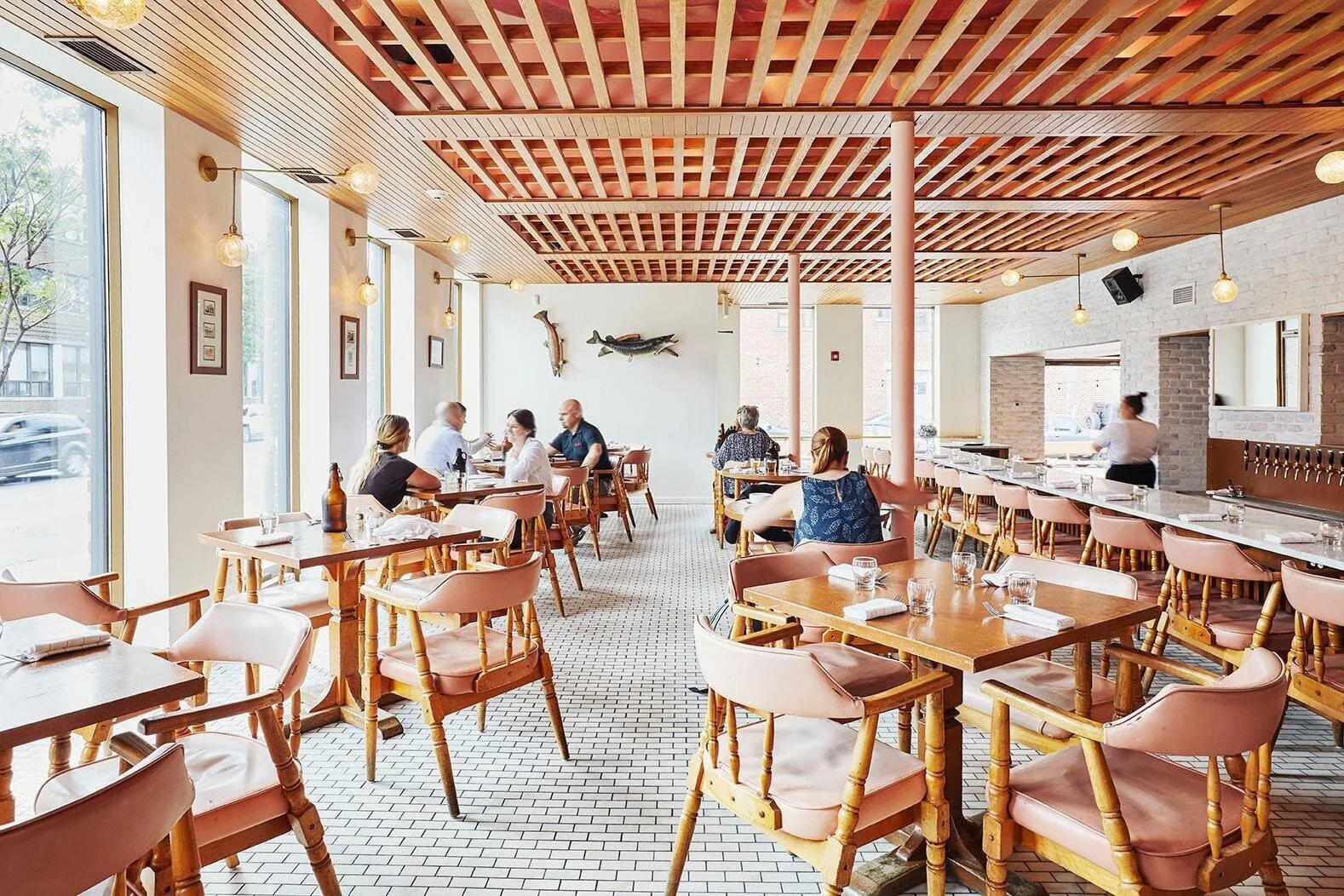
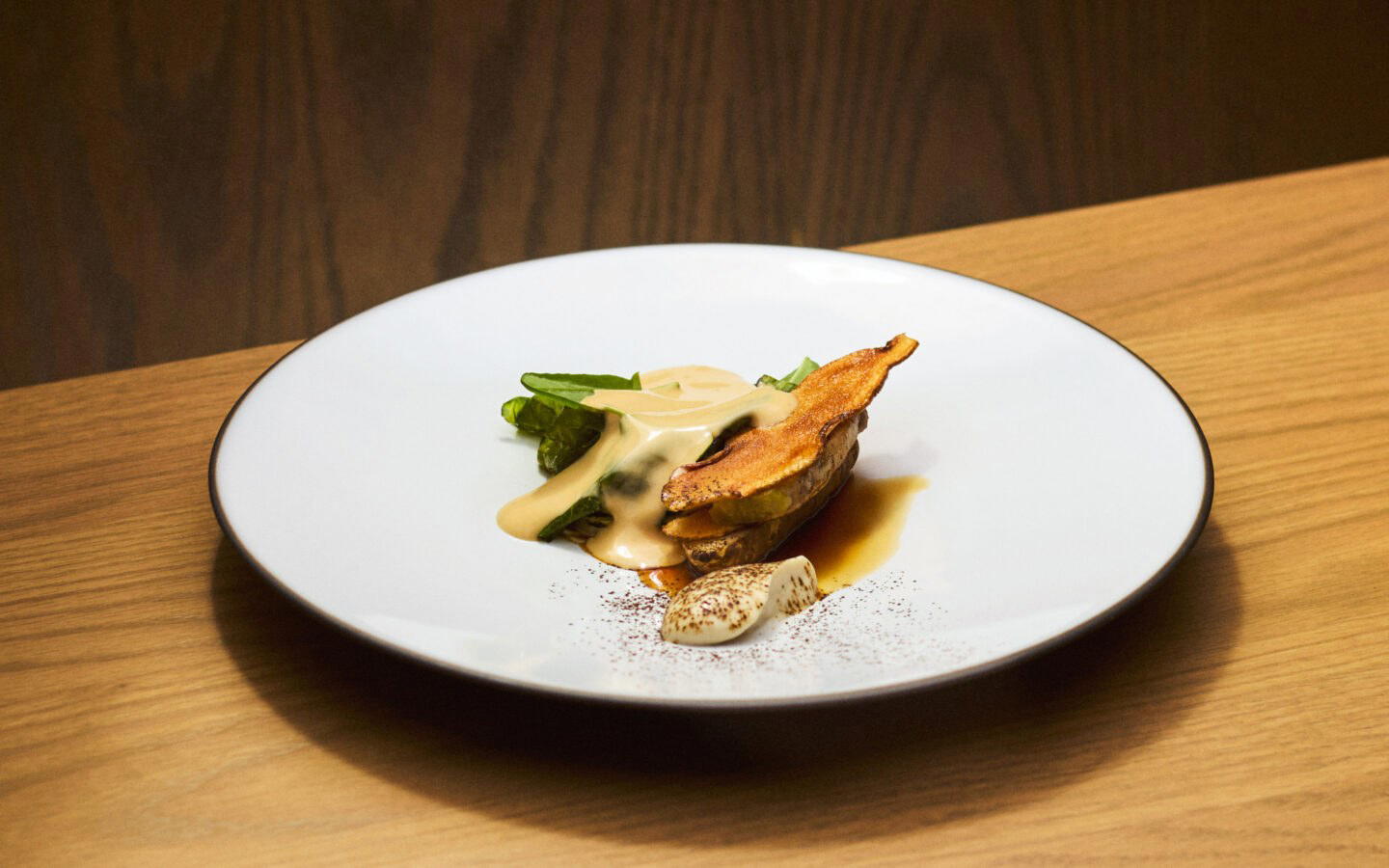
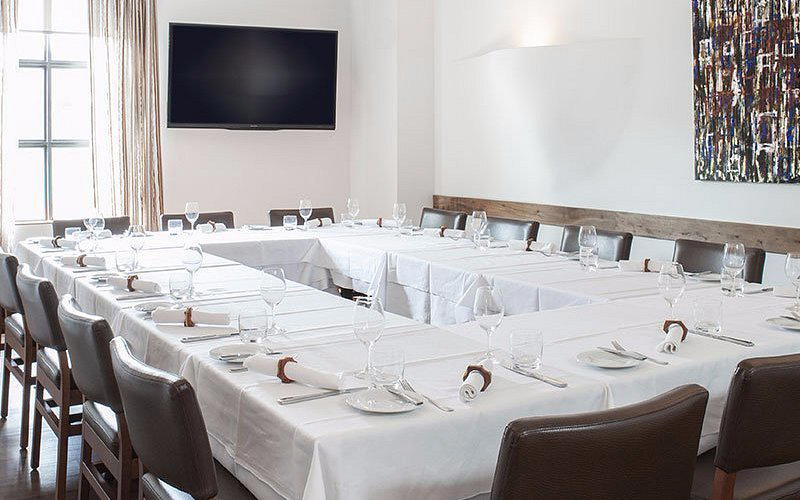
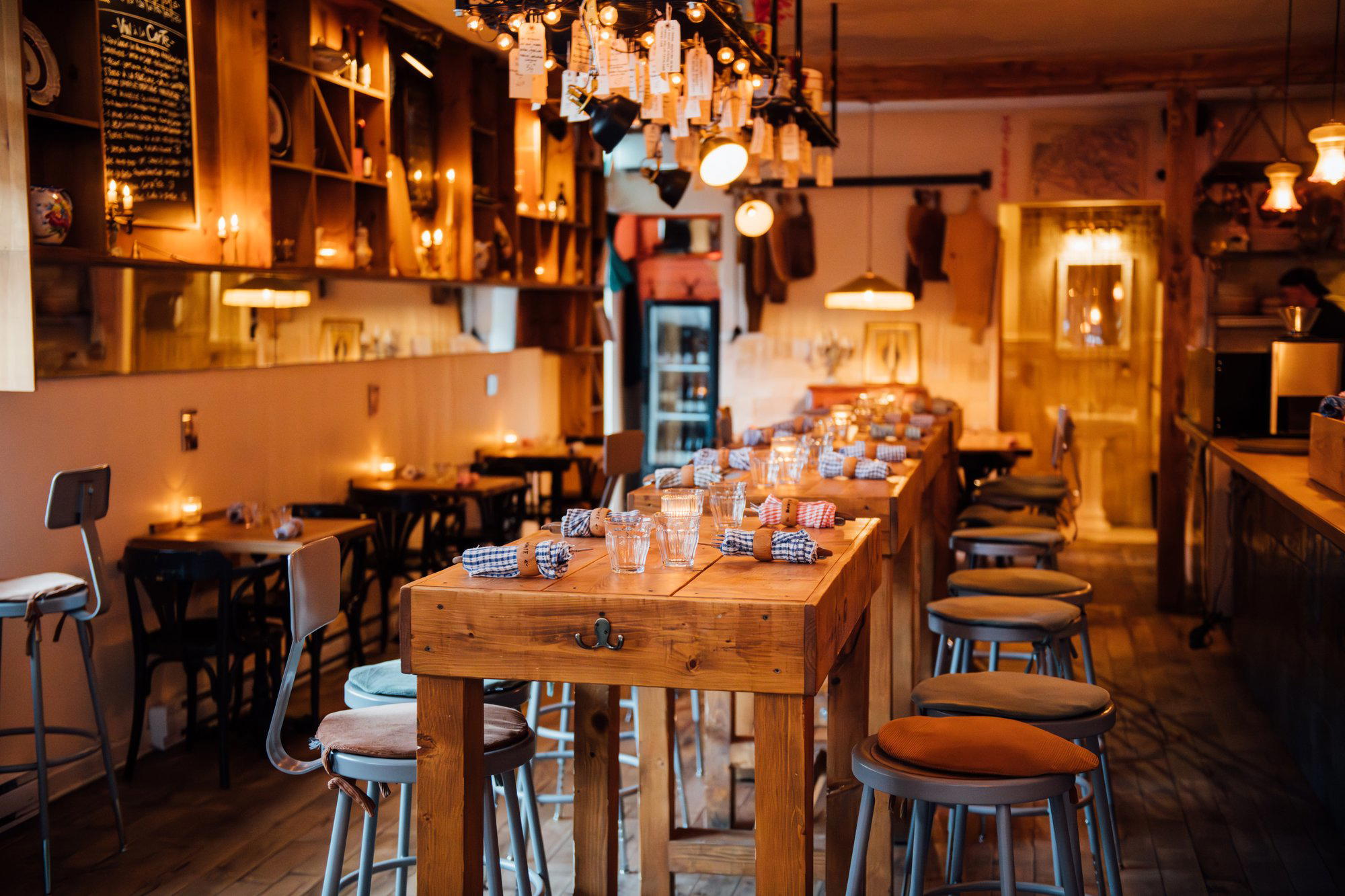
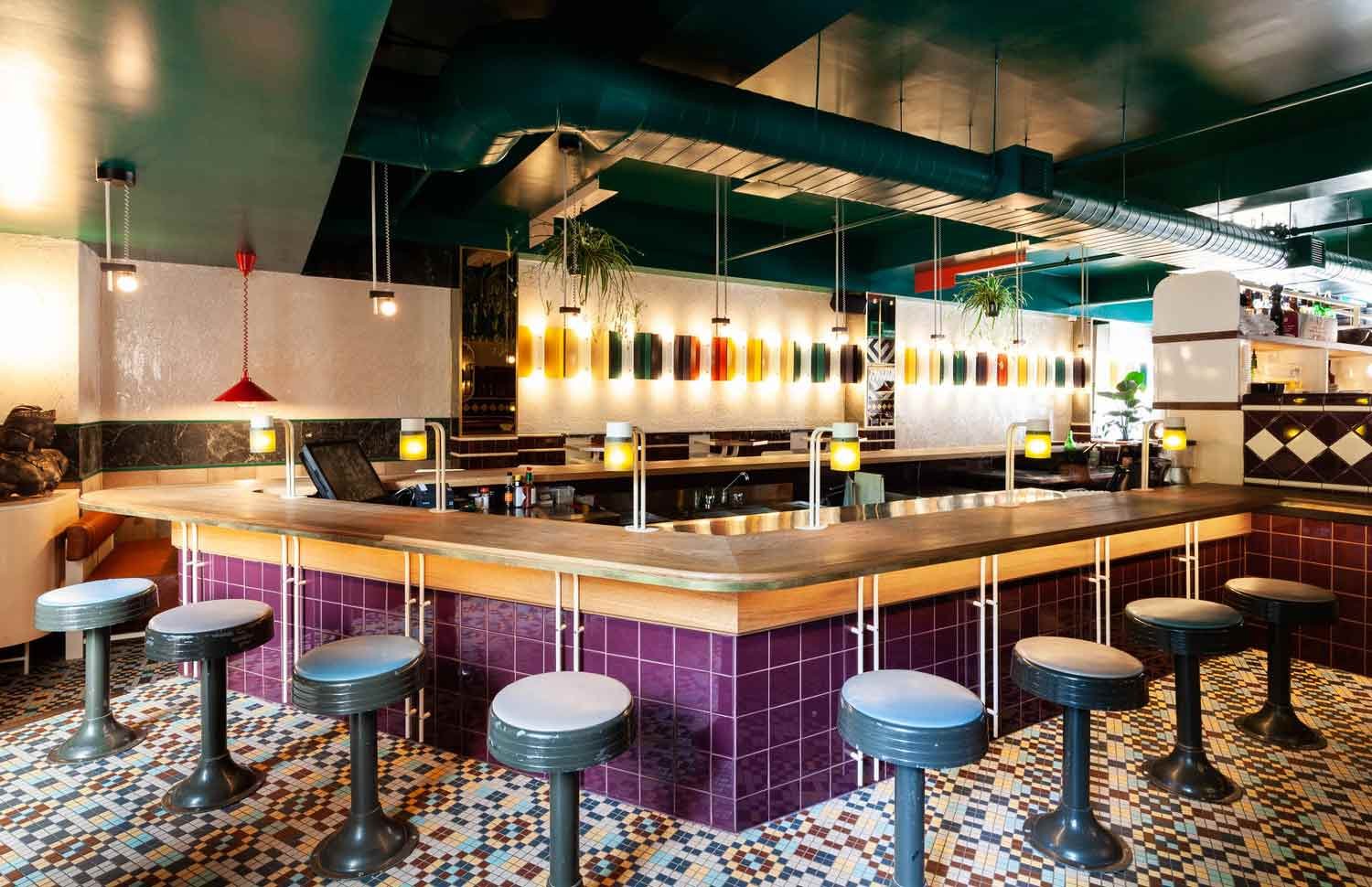
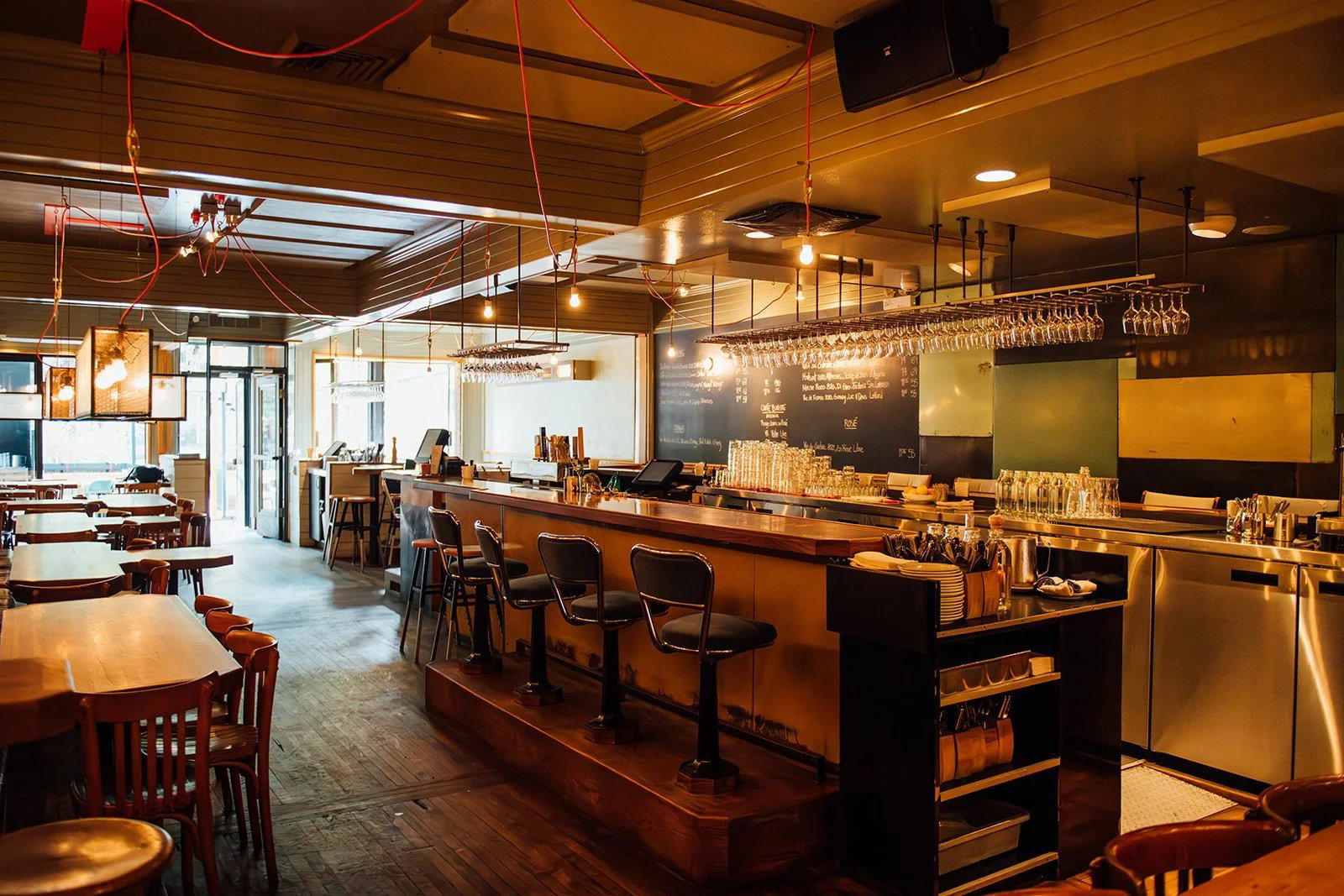
Airy, light-filled interior with retro touches, handsome Douglas Fir ceilings, gleaming white Carrara marble, and a spacious sunny outdoor terrace.