


Michelin Plate · Star Wine List · Canada's 100 Best Restaurants #73
Our verdict
Established in 1980 on rue Saint-Denis, L'Express is the reference point for French bistro dining in Montreal — a room where os à moelle, tartare frites, and an extensive francophile wine list have remained largely unchanged for over four decades. The same professional service, the same mid-range pricing, and the same open hours until 2 am seven days a week make it a rare constant in a city that cycles through restaurant generations quickly.

Pearl is the En Primeur Club membership app — saves, bookings, and concierge access live there. Same editors, same standards.
- Address
- 3927 R. Saint-Denis, Montréal, QC H2W 2M4, Canada
- Phone
- (514) 845-5333
- Hours
- Daily 11:30 AM–1 AM
- Website
- restaurantlexpress.com
- Directions
- Get directions
- Booking
- Book on the venue's website
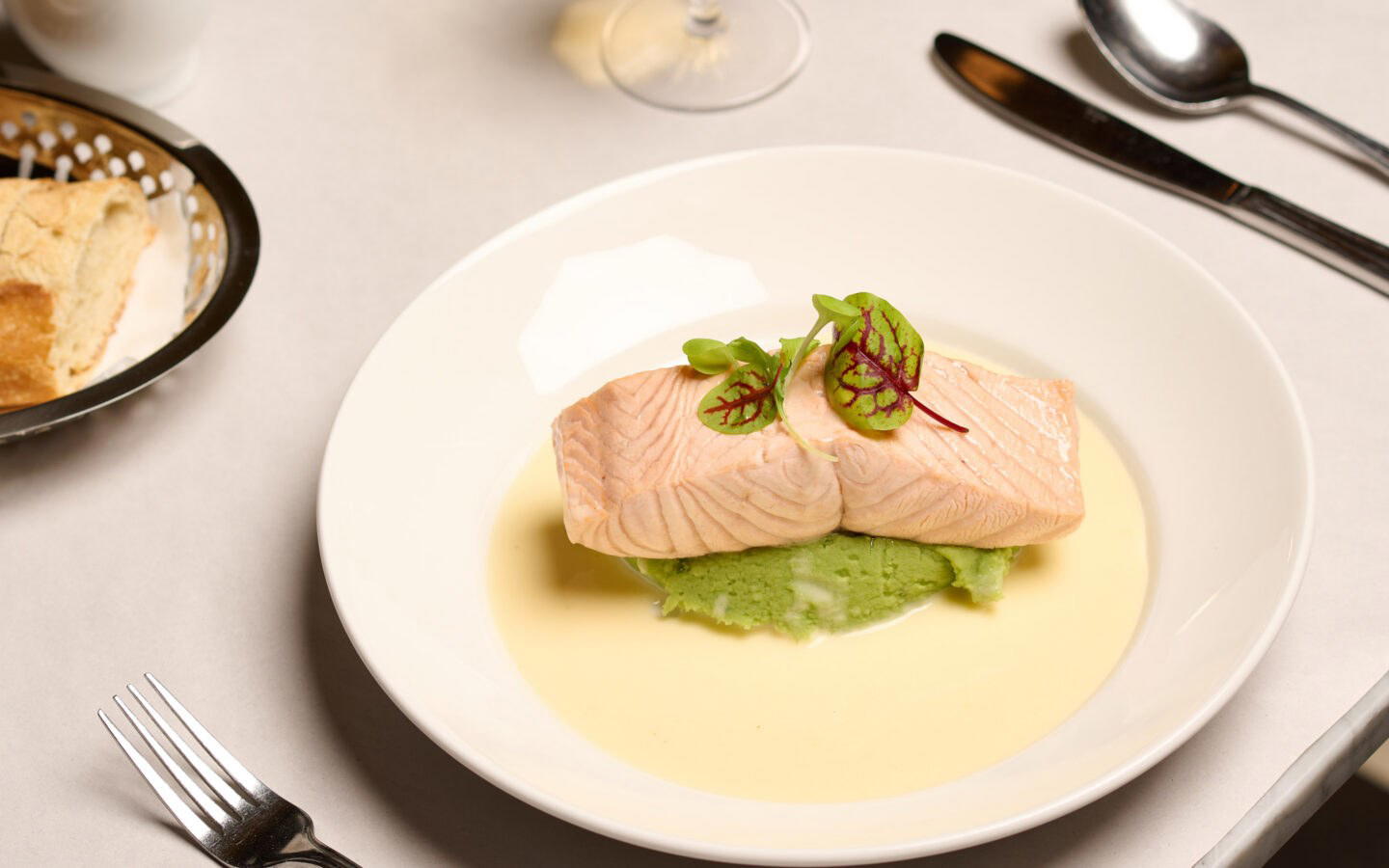
The menu
What to order
- Steak frites
- Beef tartare
- Bone marrow
- Veal kidneys
- Profiteroles
The Bistro Standard on Rue Saint-Denis
There is a particular kind of restaurant that French cities produce and North American cities rarely sustain: the bistro that functions simultaneously as a neighbourhood canteen, a late-night refuge, and a serious eating destination, all without adjusting its register for the hour or the company. On rue Saint-Denis in Montreal's Plateau-Mont-Royal, L'Express has occupied that position since 1980. The tiled floor, the mirrored walls, the paper-covered tables — almost none of it has changed in over forty years, and that stability is not neglect. It is the point.
Montreal's French bistro category is a competitive one. Leméac holds a comparable position on Laurier with a similarly professional room and francophone wine program. Further up the ambition scale, Jérôme Ferrer - Europea and Mastard operate in Michelin-starred modern French territory at price points that sit well above the double-dollar range. L'Express prices against neither of those tiers.
What the Room Feels Like Before You Order
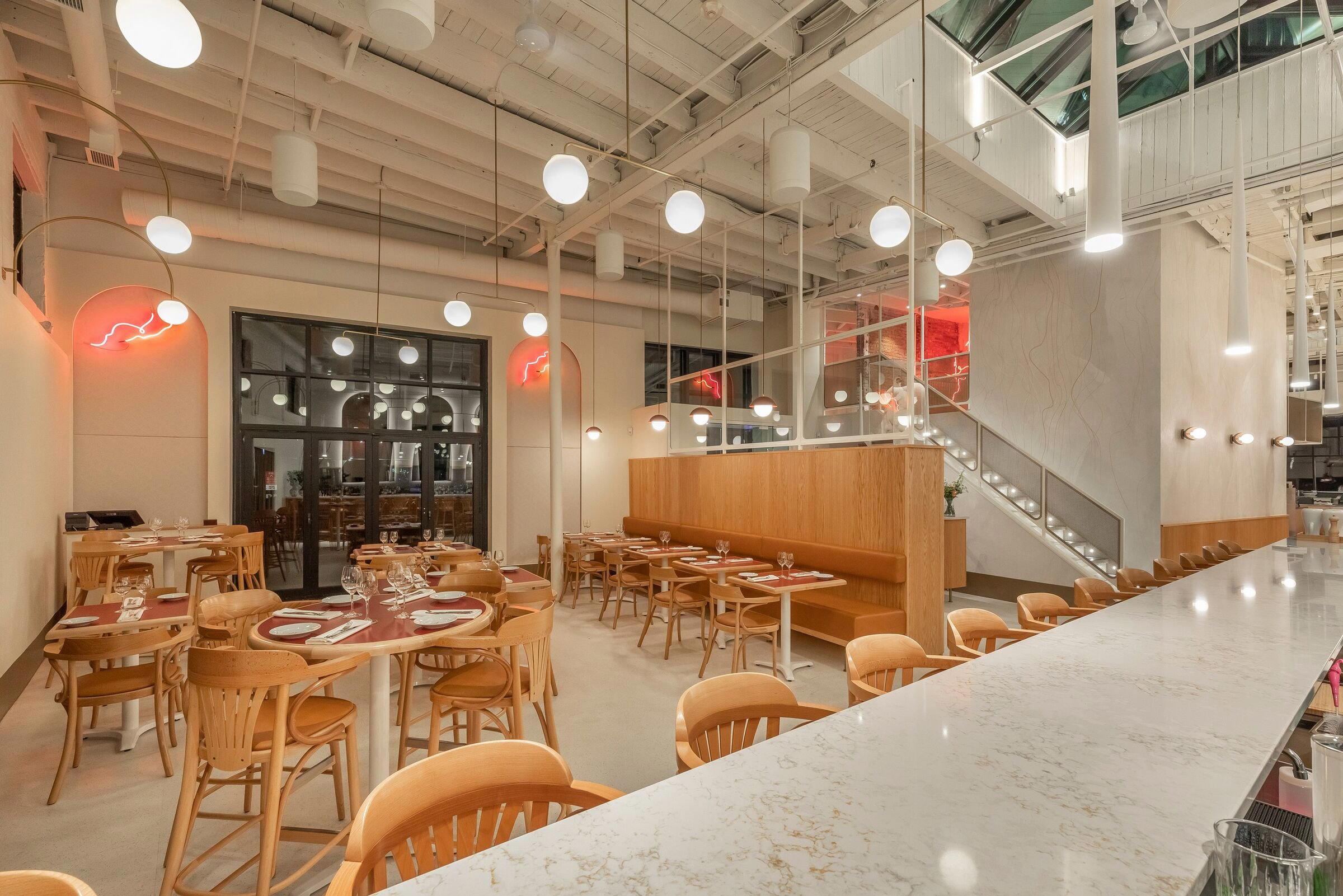
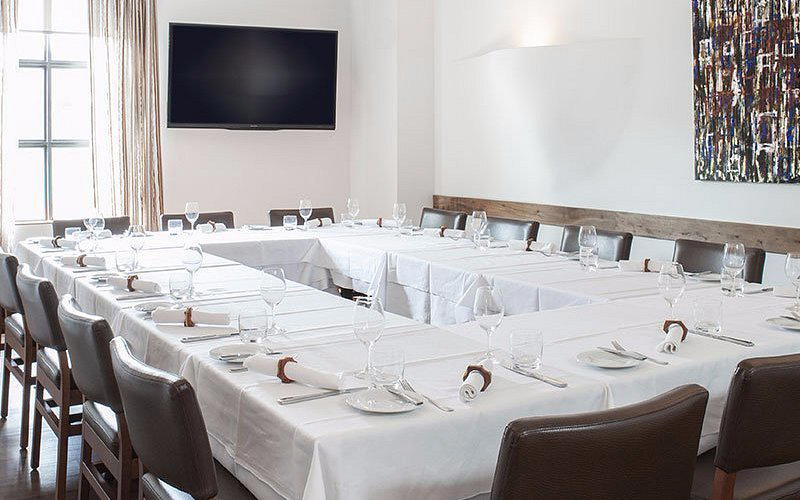
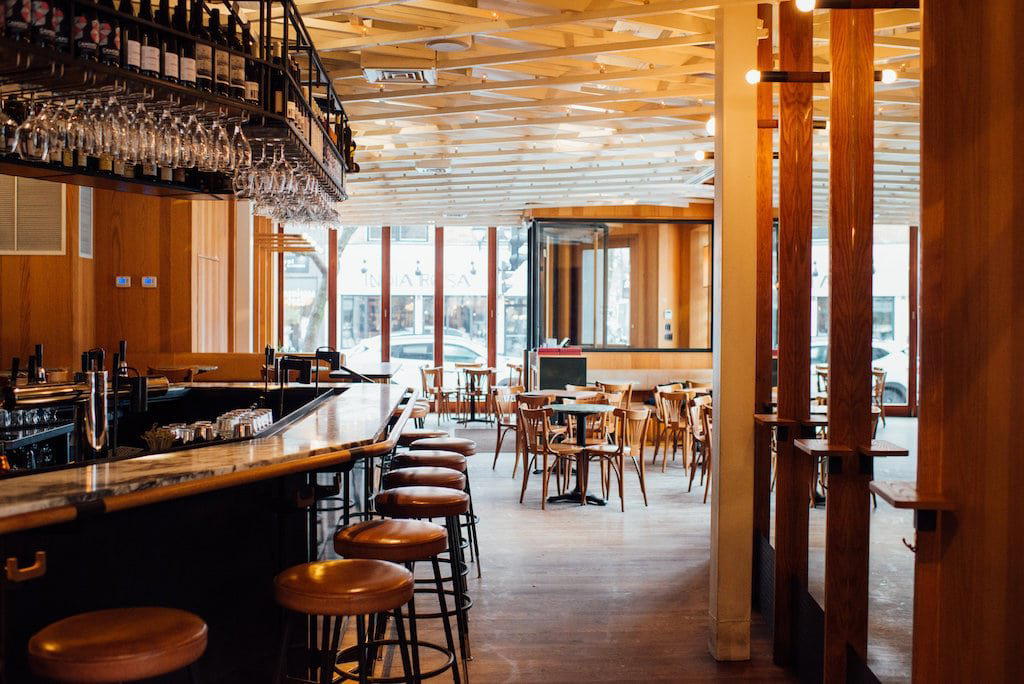
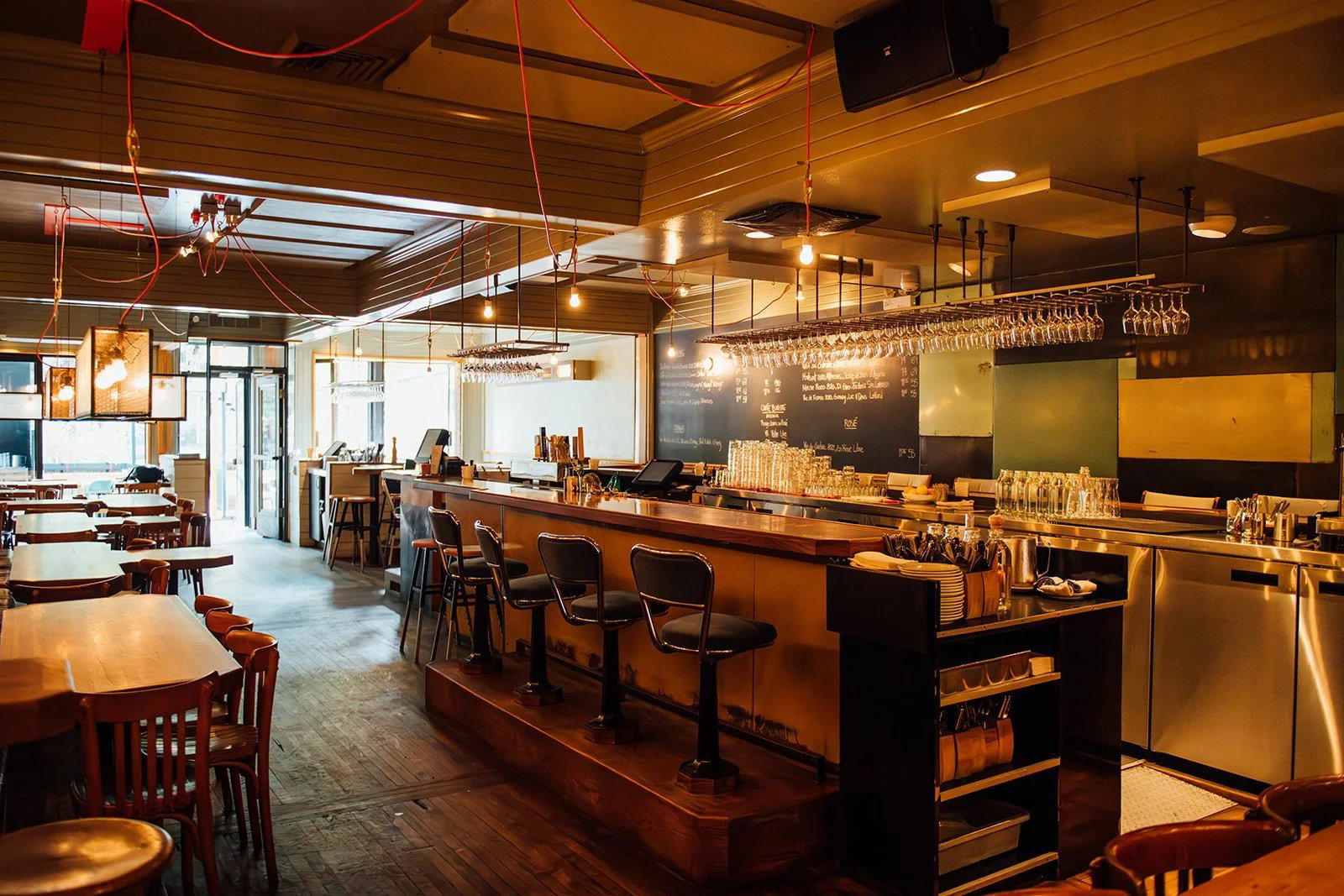
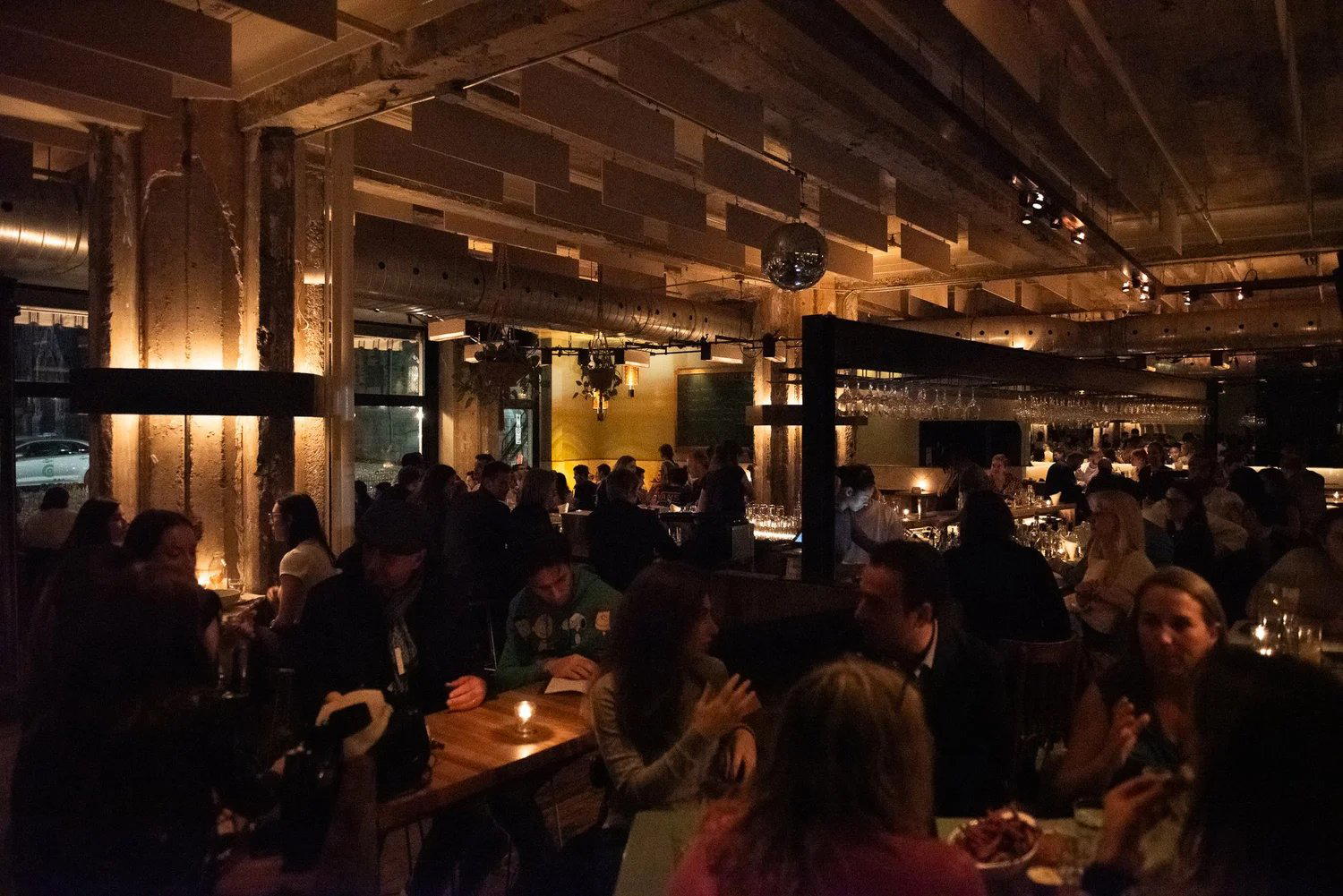
The approach from the street gives little away. The façade on Saint-Denis is narrow and undemonstrative, which is precisely the bistro idiom. Inside, the room is louder than it looks from outside, animated by close tables and tile surfaces that do nothing to dampen conversation. The open kitchen contributes ambient heat and noise. A glazed wine cellar is visible from the dining room, less for theatre than for orientation, a signal that the list is worth attention. High tables near the front work for drop-in drinks or a quick lunch; the main dining room is better suited to a longer evening.
The service is professional in the specific French sense: attentive without hovering, knowledgeable without performing. There is no sommelier on the floor. The server handles the wine list, and given that the francophile selection is extensive and reasonably priced, this is a workable arrangement, it demands that you ask questions, and the staff are equipped to answer them.
Lunch vs. Dinner: The Same Menu, Two Different Restaurants
Editorial angle that defines L'Express most clearly is not the menu, which changes modestly, but the way the room shifts across the day. The kitchen opens at 11:30 am and the last orders extend to 2 am every day of the week, a span that covers at least four distinct service moods across a single day.
Lunch on a weekday is the entry point for value. The $$ price range operates most favourably here: the bistro classics, os à moelle with fleur de sel, tartare frites, are available at a pace that suits a ninety-minute break. The room at noon is more deliberate than the evening version, populated by locals who have been eating here for years and by office workers from the surrounding blocks of the Plateau. This is not a tourist-discovery lunch. It is a locals' institution operating on its own schedule.
By evening, the same room accelerates. The mirrors multiply the candlelight and the noise level climbs. This is when the kitchen's broader range, the curveball items alongside the classics, including a Japanese coleslaw that has become a minor talking point among regulars, comes into sharper relief. The wine list, reasonably priced in both sessions, reads differently against a longer evening; the depth of the francophone selection rewards exploration when you are not watching a clock.
Late night is a third register entirely. The 2 am closing means L'Express absorbs the city's post-theatre and post-concert crowd from 10 pm onward, which no equivalent-priced bistro on the street replicates with the same consistency. The kitchen does not abbreviate for the late window. That full-hours commitment across seven days is operationally unusual for a room of this format, and it is one of the reasons the institution has maintained relevance across generations of Montreal diners.
The Menu as a Document of Consistency
French bistro menus in North America tend to drift. The pressure to modernise, to add locally sourced tasting elements, or to pivot toward whatever the current dining moment demands is difficult for most operators to resist. L'Express has resisted it. The core of the menu, os à moelle, tartare frites, the shareable preparations built around quality sourced ingredients, reads as a record of what the bistro has always done. The occasional addition, the Japanese coleslaw among them, arrives as a counterpoint rather than a replacement.
This approach positions L'Express in a different competitive set from Sabayon or Alma Montreal, both of which operate in modern-inflected registers that prioritise evolution. It also separates L'Express from the Quebec regional tradition explored at venues like Tanière³ in Québec City or the farm-driven sourcing model at Restaurant Pearl Morissette in Lincoln. L'Express is not a contemporary project. It is a preservation, not of nostalgia, but of a specific set of bistro values that have aged without becoming dated.
For comparison outside Canada, the closest reference points are Republique in Los Angeles and Au Cheval in Chicago, French-influenced rooms that hold a city-institution status in their respective markets. The difference is that L'Express has held this ground for over forty years, which in North American restaurant terms is a structural achievement, not merely a sentimental one.
Planning a Visit
L'Express is at 3927 rue Saint-Denis, in the heart of the Plateau-Mont-Royal, accessible by foot from the Mont-Royal or Sherbrooke metro stations. The restaurant opens at 11:30 am and closes at 2 am, seven days a week, a schedule that makes it one of the more flexible serious dining options in the city. The $$ price range makes the tartare frites and a glass from the francophone wine list a reasonable midweek option, while a full dinner with a bottle from the extended list remains below the threshold of the city's $$$$ tier. For the city's broader dining and nightlife context, our full Montreal restaurants guide, bars guide, and hotels guide cover the surrounding options in detail. Those planning further across Quebec and Canada might also reference AnnaLena in Vancouver, Alo in Toronto, Narval in Rimouski, or The Pine in Creemore for the range of what serious French-influenced and regional dining looks like across the country. Our Montreal wineries guide and experiences guide round out the broader picture for visitors spending more than a day in the city.
What Regulars Order
What do regulars order at L'Express?
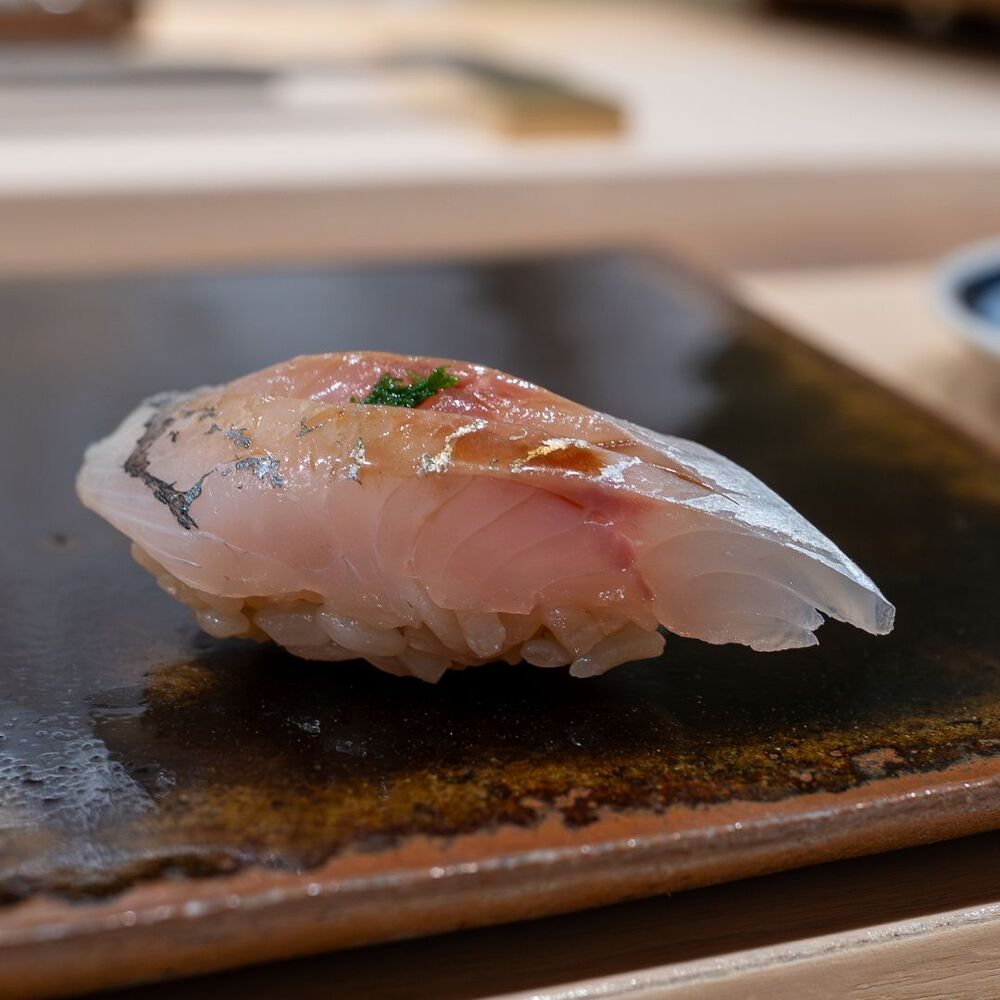
The os à moelle with fleur de sel and the tartare frites are the anchors, dishes that have been on the menu long enough that ordering them functions as a kind of membership signal among long-term regulars. The Japanese coleslaw, an unlikely addition to an otherwise classically framed menu, has become a genuine point of curiosity for first-timers who discover it and a source of mild affection for those who have been coming since before it appeared.
Frequently asked questions
What do regulars order at L'Express?
The os à moelle with fleur de sel and the tartare frites are the two dishes that have defined the menu long enough to function almost as loyalty markers. The francophile wine list is extensive and reasonably priced, and servers are trained to guide wine selection — there is no sommelier on the floor. The kitchen also runs a few less expected items alongside the bistro anchors, including a Japanese coleslaw that has earned its place on a menu otherwise committed to French continuity.
At a Glance
A quick snapshot of similar venues for side-by-side context.
| Venue | Cuisine | Price | Awards | Notes |
|---|---|---|---|---|
| L’ExpressThis venue — the venue you are viewing | Classic French Bistro | $50–100 | Michelin Plate · Star Wine List | Not listed |
| Schwartz’s | Montreal Smoked Meat Deli | $20–30 | Michelin Plate | Delicatessen |
| Toqué | Modern Quebecois Fine Dining | $100–150 | Michelin Plate · La Liste Top Restaurants | French |
| Jérôme Ferrer - Europea | Modern French Fine Dining with Quebec Influences | $150–200 | 1 Michelin Star · Relais Chateaux Award | Modern Cuisine |
| Mastard | Modern Quebec Terroir Fine Dining | $50–100 | 1 Michelin Star · Canada's 100 Best Restaurants #63 | Modern Cuisine |
| Au Pied de Cochon | French-Canadian Brasserie | $100–150 | Michelin Plate · Canada's 100 Best Restaurants #78 | Regional Cuisine |
Recognition history
Dated appearances from independent guides and award organizations, with the underlying list record or original source where available.
Michelin Plate
Michelin
Star Wine List
Star Wine List
Canada's 100 Best Restaurants #73
Canada's 100 Best
Full recognition history (5 entries)
Canada's 100 Best Restaurants #61
Canada's 100 Best
Michelin Bib Gourmand
Michelin
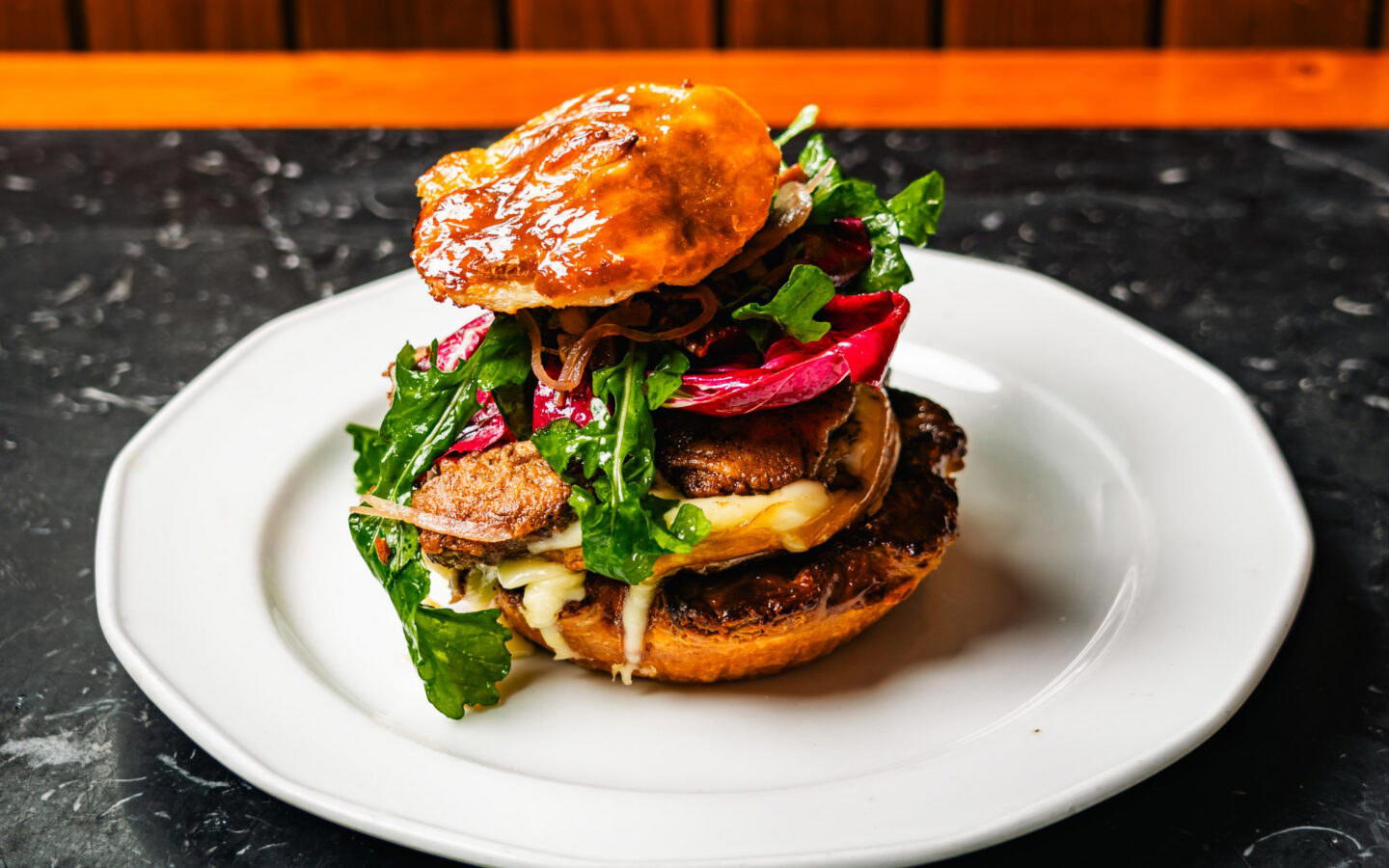
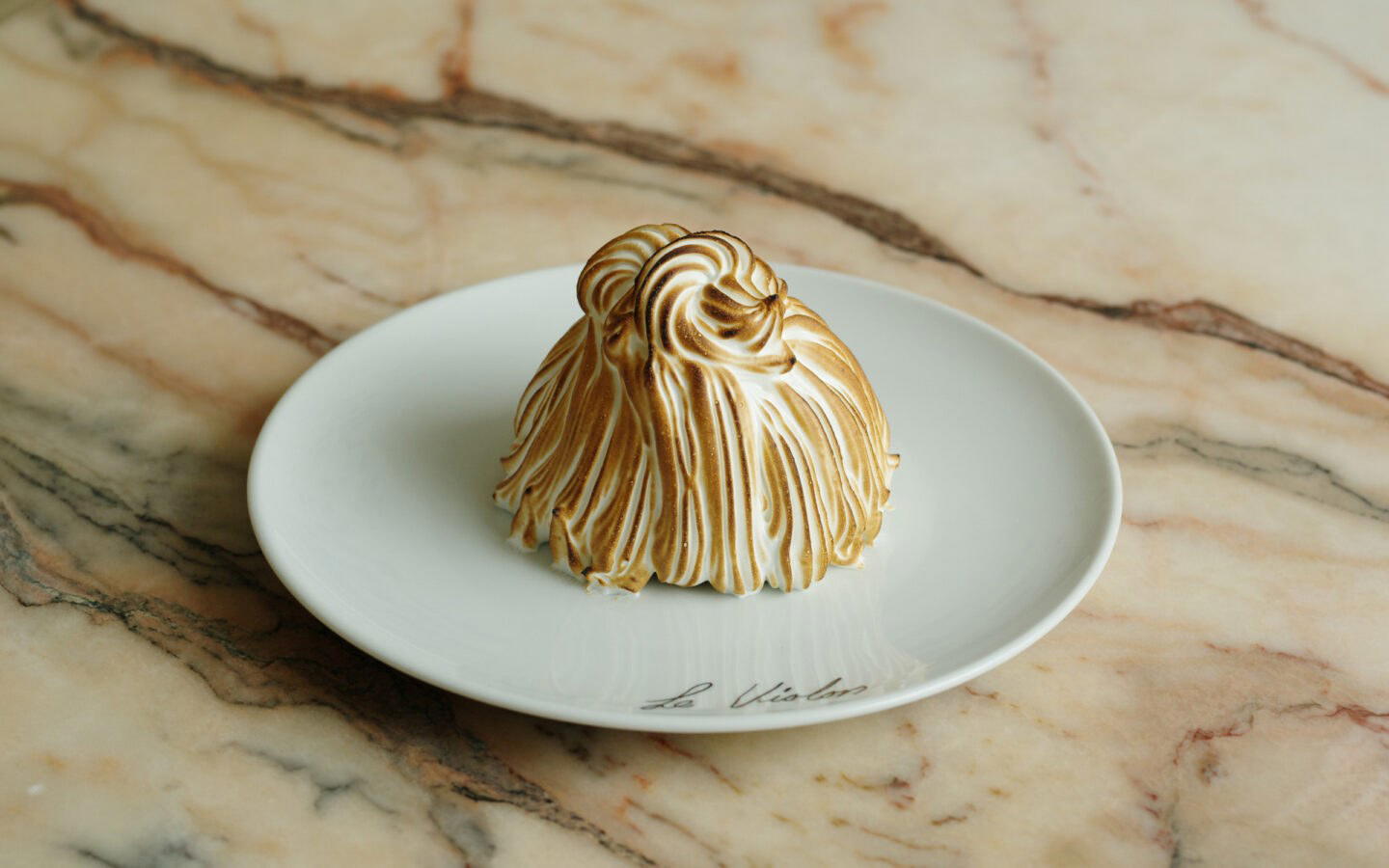
Details
- Classic
- Lively
- Cozy
- Elegant
- Well Known
- Date Night
- Special Occasion
- Business Dinner
- Historic Building
- Extensive Wine List
- A La Carte
- Vegetarian Friendly
Current opening hours
- Monday
- 11:30 AM–1 AM
- Tuesday
- 11:30 AM–1 AM
- Wednesday
- 11:30 AM–1 AM
- Thursday
- 11:30 AM–1 AM
- Friday
- 11:30 AM–1 AM
- Saturday
- 11:30 AM–1 AM
- Sunday
- 11:30 AM–1 AM
Hours can change for holidays and private events. Last verified .
Buzzy and lively with tightly packed tables, checkered floors, brass fixtures, and walls with a distinctive sheen, evoking an authentic Parisian brasserie.