La Cantina occupies a Stanley Street address in downtown Montreal, positioning it within the city's dense concentration of evening dining options. Travellers cross-referencing Montreal's broader modern-cuisine scene should consult our full city guide before booking.
Pearl is the En Primeur Club membership app — saves, bookings, and concierge access live there. Same editors, same standards.
- Address
- 2022 Stanley St, Montreal, Quebec H3A 1N4, Canada
- Phone
- +15143572173
- Website
- lacantinamtl.com
- Directions
- Get directions
 Saves & bookings on Pearl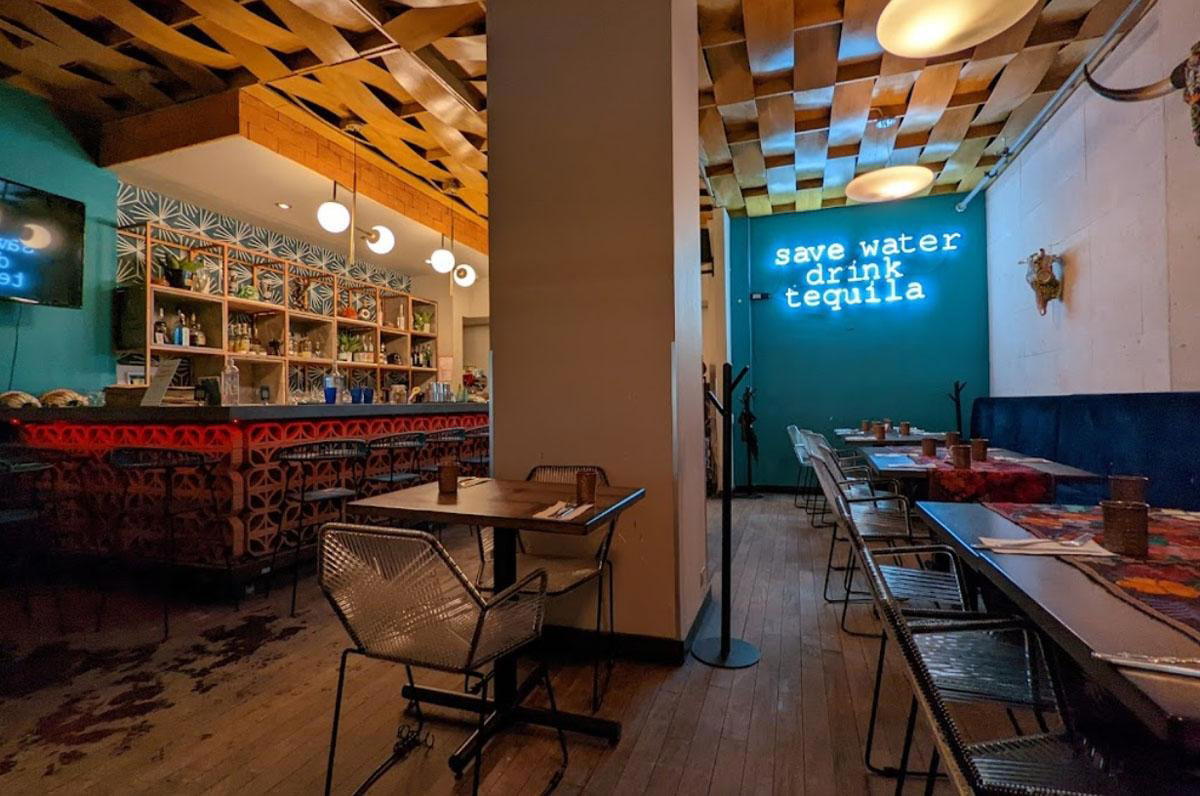
Stanley Street and the Downtown Dining Equation
Downtown Montreal's dining corridor along Stanley Street sits between the commercial density of Peel and the quieter residential gradient climbing toward Sherbrooke. The address — 2022 Stanley — places La Cantina in a stretch where the competition is not one restaurant but an entire neighbourhood proposition: proximity to the Bell Centre events crowd, a lunch-to-dinner transition that most venues in the area manage awkwardly, and a clientele that shifts between business travellers, local regulars, and convention overflow. In that context, a restaurant's ability to hold its identity across multiple dayparts matters more than in a destination-dining neighbourhood where the visitor arrives with clear intent.
Italian cantina formats in Canadian cities have historically occupied a specific niche: more generous than a trattoria in portion logic, less theatrical than a modern tasting-format room, and anchored by a wine list that does at least some of the editorial work the menu leaves open. That positioning sits comfortably in the $$ to $$$ tier where most downtown Montreal dining happens outside the flagship rooms. For reference, the city's flagship modern-cuisine tier, represented by venues like Jérôme Ferrer's Europea and Mastard, commands $$$$, while bistro and cantina formats operate with more accessible price architecture.
Local Ingredients, Continental Technique
The tension that defines serious cooking in Quebec is not between French and Italian traditions, both arrived early enough to feel native, but between classical European method and the pressure to work with what the province actually produces. Quebec's agricultural calendar is compressed: the growing season runs roughly May through October, and the winters that shape the other half of the year have historically pushed kitchens toward cured, preserved, and root-heavy pantries. The cantina format, with its Italian roots in cucina povera, is better adapted to that constraint than most people acknowledge. Cured meats, preserved vegetables, aged cheeses, and long-braised proteins are not concessions to geography, they are the format's structural vocabulary.
Where Montreal's more technically ambitious rooms, such as Sabayon, apply precision technique to local product, the cantina register tends to let technique recede behind abundance. That is a different editorial proposition, not a lesser one. The question for any cantina operating in this city is whether the sourcing reflects genuine regional engagement, Quebec lamb, Charlevoix pork, St-Lawrence fish, or defaults to imported commodity product dressed in Italian-adjacent plating. The former places a restaurant in conversation with Tanière³ in Quebec City's hyper-local philosophy; the latter keeps it comfortably generic.
Across Canada, the most compelling examples of local-ingredient, imported-technique cooking tend to be found outside major urban centres, at places like Pearl Morissette in Lincoln or Eigensinn Farm in Singhampton, where proximity to production forces the issue. Urban cantina formats have to make that choice deliberately rather than inevitably, which is what separates the credible ones from the decorative ones.
The Montreal Modern-Cuisine Context
Montreal has developed a recognizable tier of restaurants that use European classical training as infrastructure while building menus around Quebec product and season. That tier is well-documented and includes venues across the price spectrum, from 3 Pierres 1 Feu to more globally referenced addresses. The cantina format sits adjacent to that movement rather than inside it, it draws on Italian rather than French structural logic, and it typically prioritises conviviality over technical demonstration.
That is not a criticism. Montreal's restaurant culture has always had room for both registers, and the city's Italian-inflected rooms have a longer history here than the modern-cuisine wave. What has shifted in the last decade is the expectation: guests who eat at Alo in Toronto on one trip and a neighbourhood cantina in Montreal on the next bring a comparative frame that the cantina has to account for, even if the formats are not directly competing. The baseline expectation for sourcing transparency, wine list coherence, and room quality has risen across the board.
For travellers who want to map Montreal's full range before committing to a booking, our full Montreal restaurants guide organises the city's options by neighbourhood, price tier, and format. The Stanley Street area is covered in the downtown section, which also notes the logistical differences between pre-theatre dining near the Bell Centre and the slower-paced evening service further up the hill.
What the address does confirm is the operating environment: a downtown block where the immediate neighbours include both quick-service lunch operations and evening-focused rooms, where the foot traffic varies sharply between weekdays and weekends, and where the proximity to hotels means a meaningful share of covers will come from guests without strong local knowledge of the city's dining options.
In that environment, the rooms that hold long-term credibility tend to be the ones with a clear identity: a specific cuisine executed with consistency, a wine list that reflects genuine expertise rather than distributor defaults, and service that can read a mixed room. Venues like Abu el Zulof demonstrate that a distinct culinary identity can anchor a downtown address even without major-award recognition. The cantina format, when executed with discipline, has the same potential, it is a legible genre with clear guest expectations, which is an advantage in a neighbourhood where legibility matters.
For travellers building a broader Canadian dining itinerary, the Quebec regional context connects naturally to Narval in Rimouski for coastal product, or westward to AnnaLena in Vancouver for a different take on local-ingredient modern cooking. Those with a particular interest in French-Canadian culinary tradition might also reference Aux Anciens Canadiens in Quebec City, which approaches regional product through an entirely different historical lens. Further afield, Barra Fion in Burlington and Bearspaw Golf Club in Calgary represent the range of formats that EP Club tracks across the country. For pure technical ambition at the international level, Le Bernardin in New York City and Atomix set the benchmark against which ambitious North American rooms are increasingly measured. And for visitors interested in how The Pine in Creemore approaches the rural-local format that urban cantinas often try to evoke, that comparison is instructive.
Know Before You Go
- Address: 2022 Stanley St, Montreal, Quebec H3A 1N4, Canada
- Neighbourhood: Downtown Montreal, between Peel and Sherbrooke
- Awards on record: None confirmed
- Price tier: Not confirmed, verify directly before booking
- Booking: Contact method not confirmed, check current status via Google or the venue directly
- Hours: Not confirmed, verify before travel
- Dress code: Not confirmed
At a Glance
- Lively
- Trendy
- Group Dining
- Casual Hangout
- Private Dining
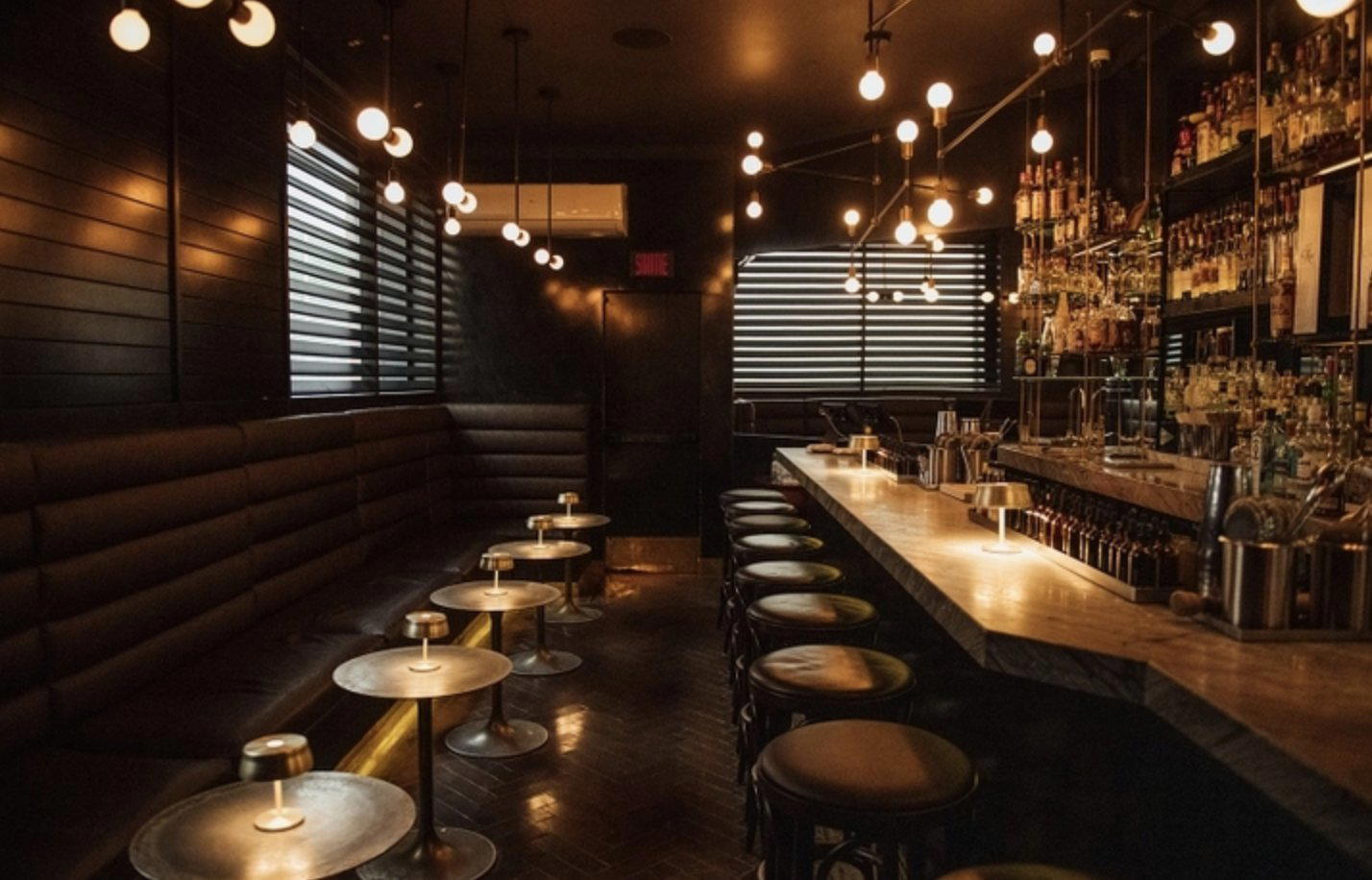
- Craft Cocktails
Current opening hours
- Monday
- 11:30 AM–10 PM
- Tuesday
- 11:30 AM–10 PM
- Wednesday
- 11:30 AM–10 PM
- Thursday
- 11:30 AM–10 PM
- Friday
- 11:30 AM–11 PM
- Saturday
- 12–11 PM
- Sunday
- Closed
Hours can change for holidays and private events. Last verified .
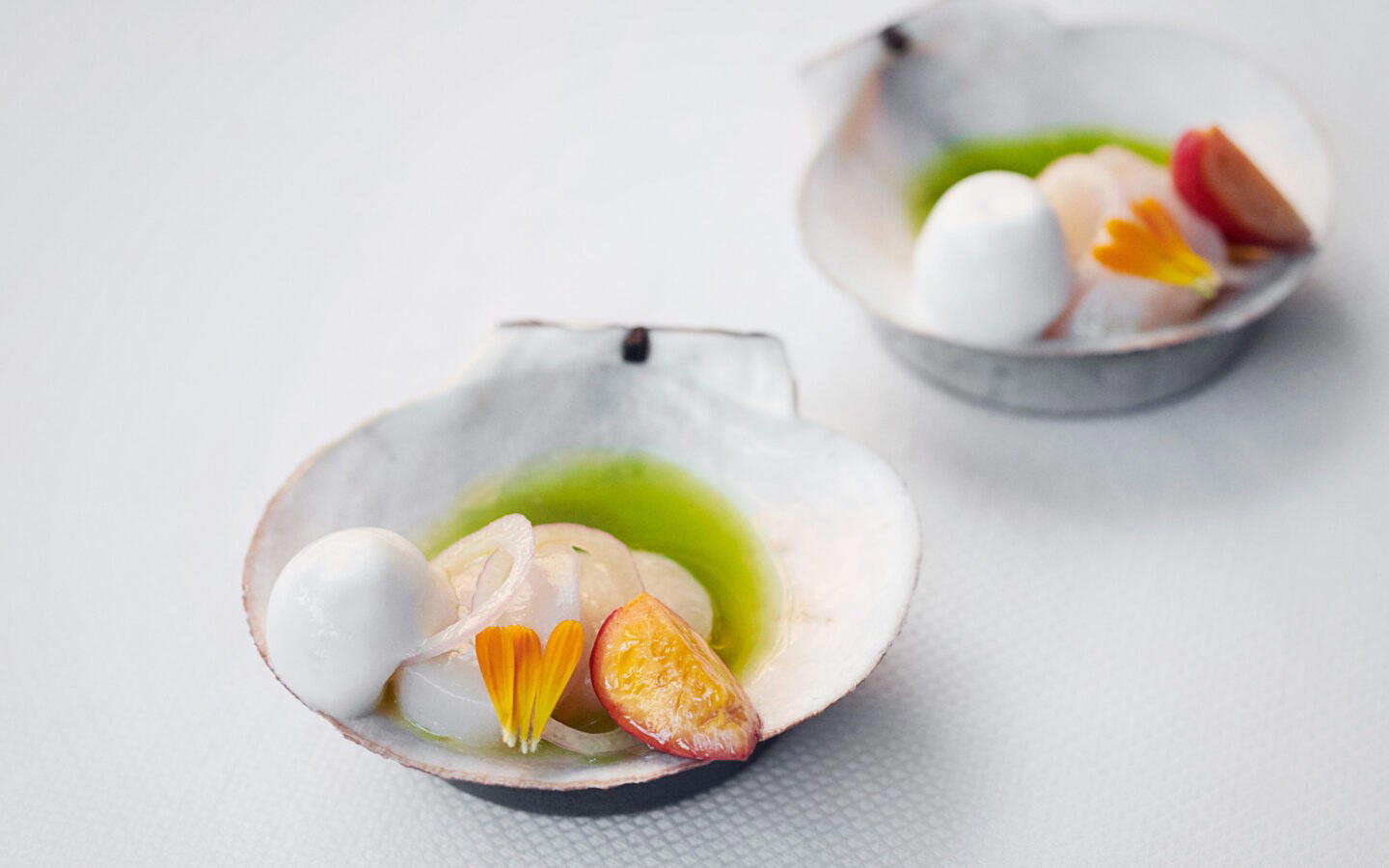
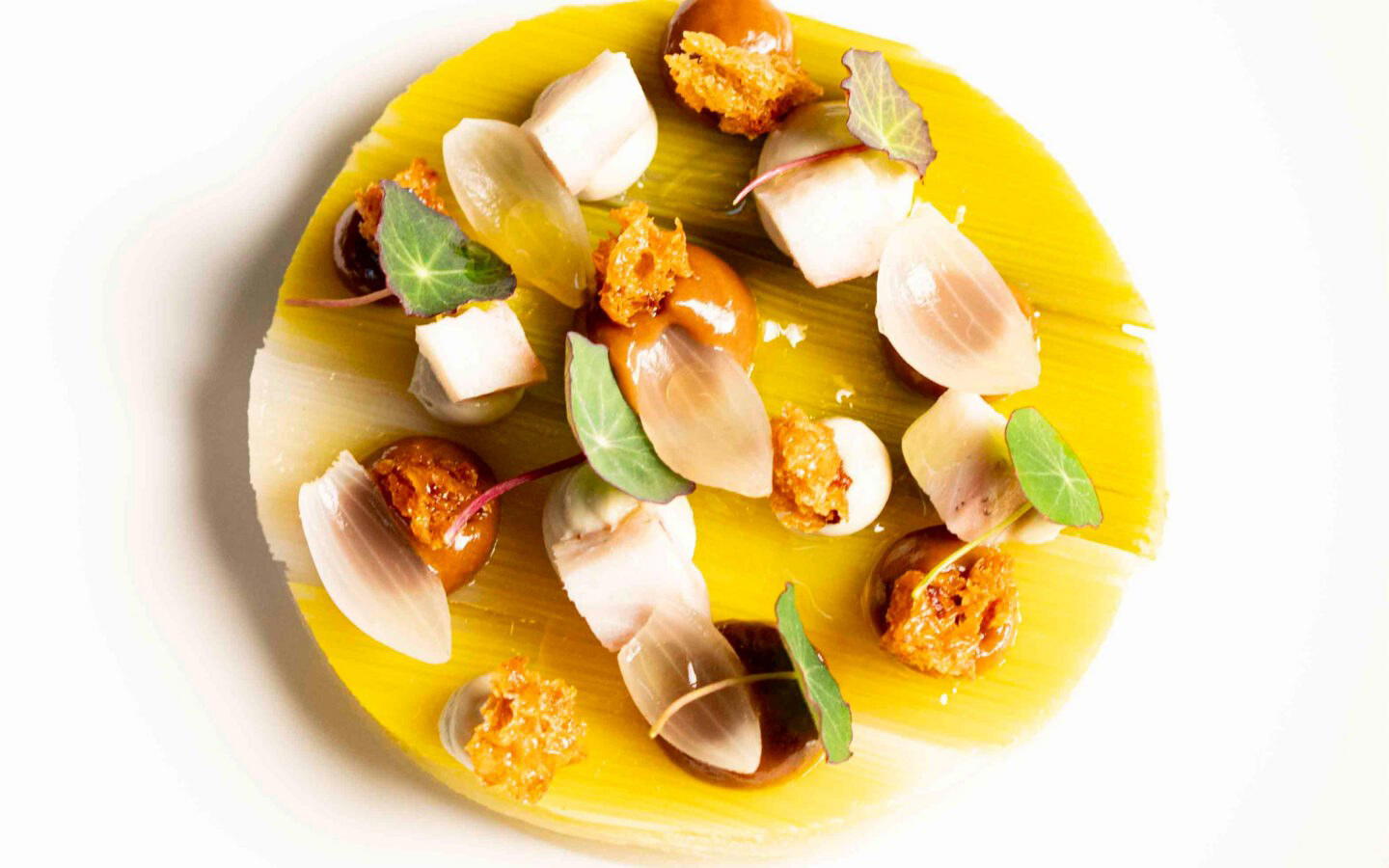
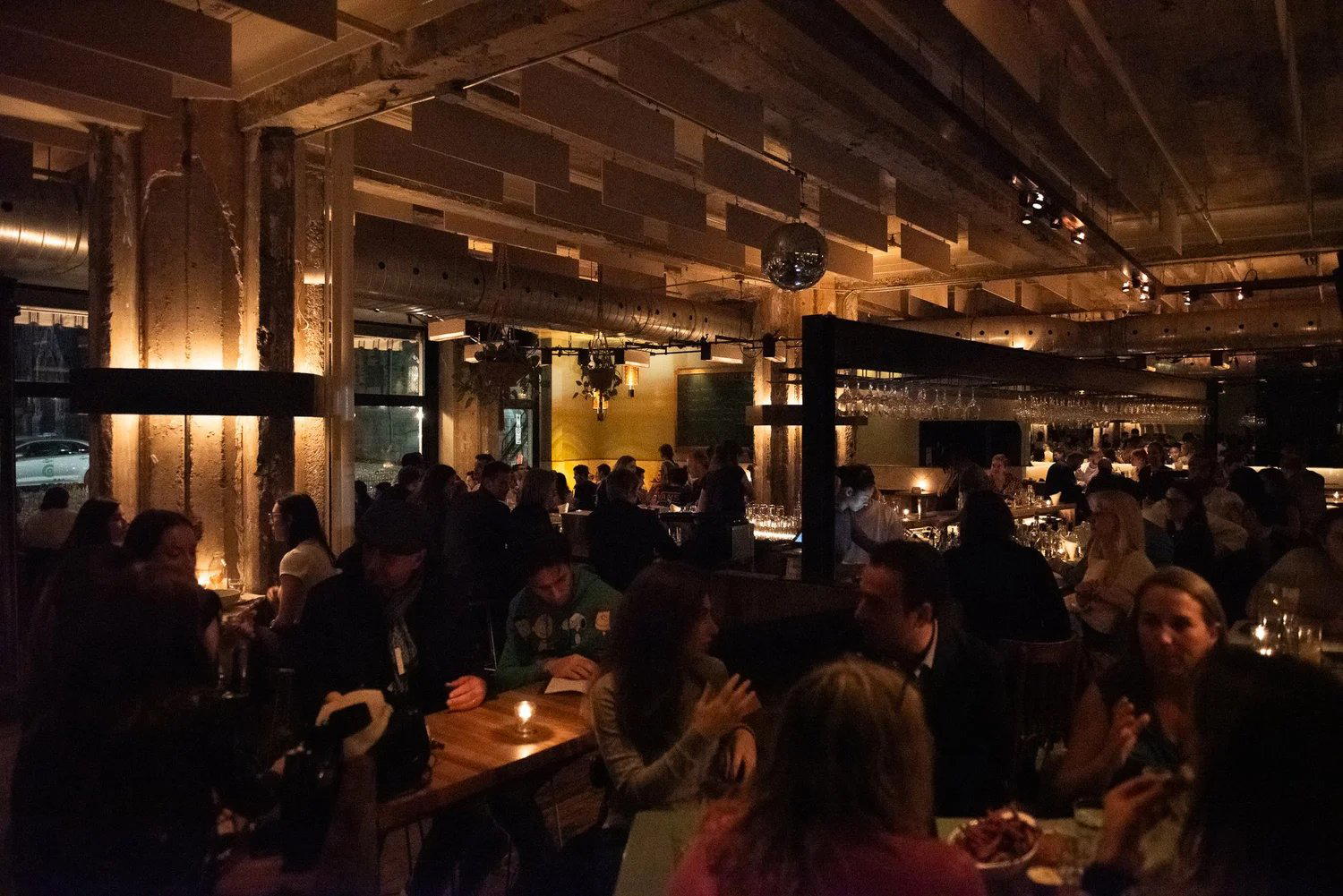
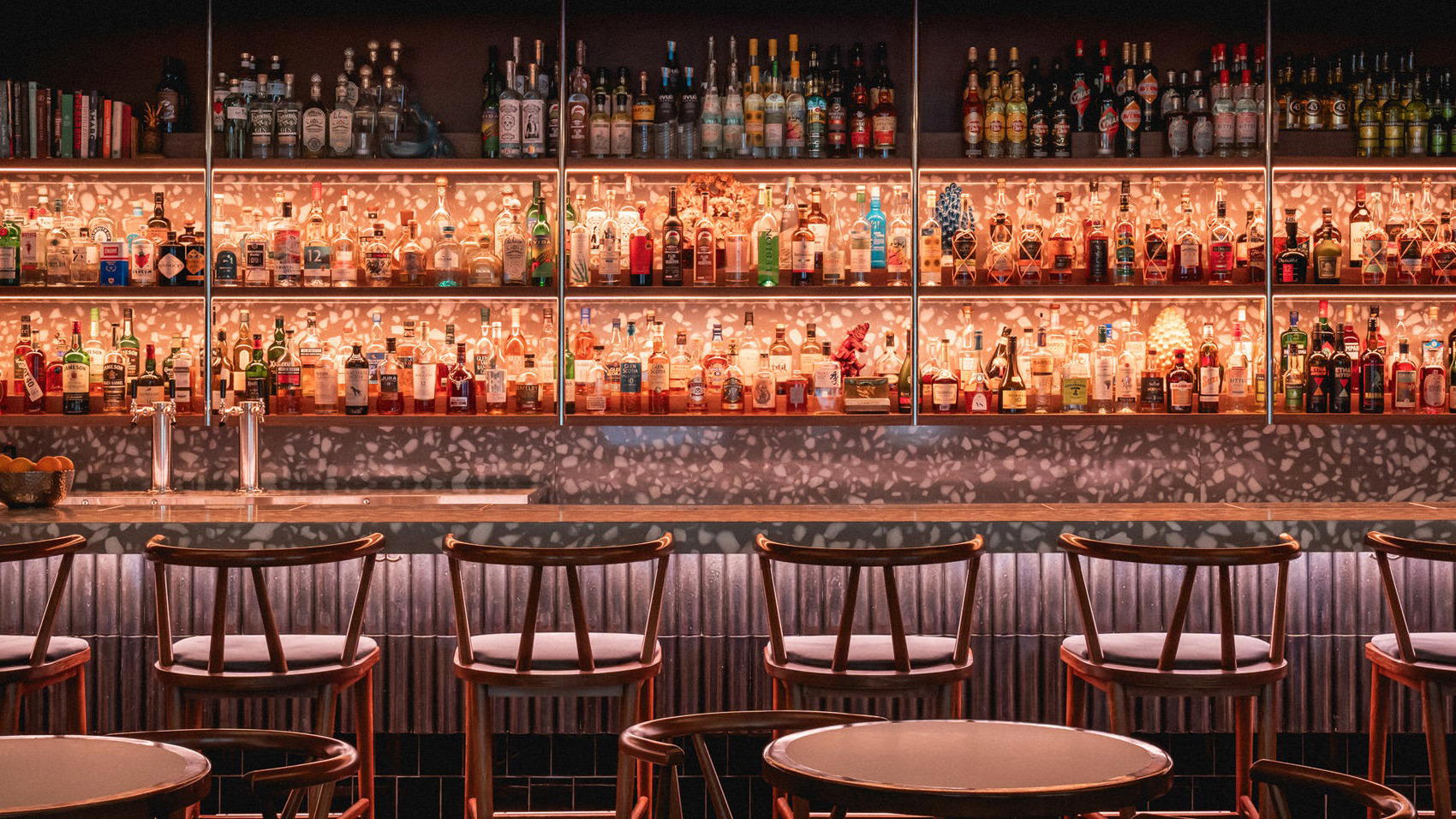
Friendly and lively atmosphere with front and back rooms suitable for groups, featuring Mexican decor and a lively energy.
Know Before You Go
- Getting there
- 2022 Stanley St, Montreal, Quebec H3A 1N4, Canada