Bloom Sushi occupies a Sainte-Catherine address that puts it inside one of Montreal's busiest dining corridors, where sushi has gradually claimed space alongside the city's French-leaning restaurant identity. The format draws a loyal clientele who return for consistency rather than novelty, positioning it within the accessible mid-range sushi tier that Montreal has developed over the past decade.
Pearl is the En Primeur Club membership app — saves, bookings, and concierge access live there. Same editors, same standards.
- Address
- 288 Rue Sainte-Catherine O, Montréal, QC H2X 2A1, Canada
- Phone
- +15143701261
- Website
- bloomsushi.com
- Directions
- Get directions
 Saves & bookings on Pearl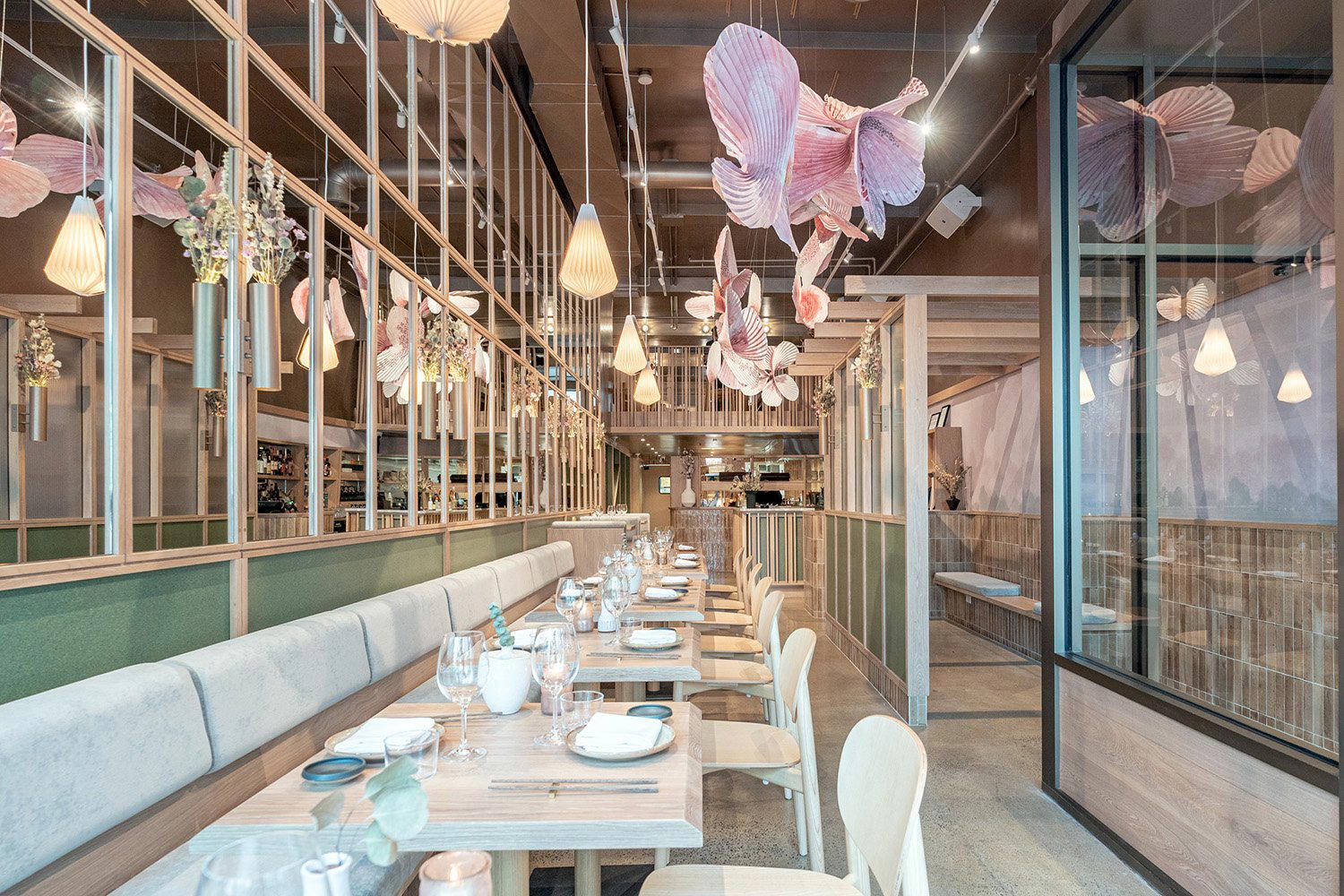
Sushi on Sainte-Catherine: What the Regulars Know
Montreal's dining identity has long been framed around its French bistro heritage, the zinc bars of L'Express, the cathedral-ceilinged rooms of Jérôme Ferrer - Europea, the technically serious kitchens of Mastard and Sabayon. But over the past fifteen years, Japanese cuisine has quietly built a second tier of loyal regulars across the city, particularly along the commercial corridors of downtown and the Plateau. Bloom Sushi, located at 288 Rue Sainte-Catherine Ouest, sits inside that pattern: a sushi address on one of Montreal's highest-traffic dining streets, returning a clientele that tends to be neighbourhood-aware and format-comfortable rather than occasion-driven.
Sainte-Catherine Ouest at this stretch operates as a transitional zone, not quite the theatre district density further east, not quite the residential calm of the blocks toward Atwater. The foot traffic is steady across lunch and dinner, and the surrounding dining mix runs from quick-service to mid-range sit-down, which positions a sushi restaurant here differently than it would on a quieter street in Outremont or Verdun. Regulars at venues along this corridor tend to make repeat visits on habit rather than destination logic, and that pattern shapes what a sushi address needs to deliver: reliability, reasonable pacing, and a menu deep enough that a third or fourth visit doesn't feel repetitive.
How Montreal's Sushi Scene Developed Its Regulars
Canadian cities outside Vancouver and Toronto built their sushi audiences later and differently. Montreal's sushi culture grew partly through the city's large student population, partly through the downtown lunch trade, and partly through a broader shift in the 2010s when mid-market Japanese restaurants began competing seriously on fish quality rather than just on price. The result is a city where sushi operates across a wide spectrum, from fast-casual delivery-optimized formats to omakase counters that price against peers in New York or San Francisco, much as Le Bernardin in New York set the benchmark for serious seafood presentation that trickled through to how other cities frame premium fish-focused dining.
Bloom Sushi occupies the accessible middle of that spectrum, on a street where the customer base arrives with familiarity rather than first-timer curiosity. That demographic, the regular rather than the tourist, the weeknight diner rather than the special-occasion party, is, in practice, the more demanding one. They notice when the rice temperature shifts, when a roll's proportions change, when the pacing between courses slows. The venues that hold this audience across multiple years tend to be those that prioritize consistency over ambition, a discipline that is harder to maintain than it appears.
For broader context on how Montreal's dining scene maps across neighborhoods and price tiers, the EP Club Montreal restaurants guide covers the full range, from casual addresses like Abu el Zulof and 3 Pierres 1 Feu to the higher end of the city's formal dining rooms.
The Unwritten Menu and What Draws People Back
In sushi restaurants that develop a loyal local audience, the menu that matters most is rarely the printed one. It is the knowledge that accumulates through visits: which preparations hold up better at peak service hours, which items represent the kitchen's current strengths, when to arrive to avoid a wait. This is the editorial angle that reveals most about a neighbourhood sushi address.
Rue Sainte-Catherine restaurants in this price bracket face specific pressures, higher foot traffic means higher table-turn expectations, and the mix of tourists and locals creates a split between customers who need guidance and those who arrive knowing exactly what they want. Venues that manage this split well tend to organise their menus with a clear hierarchy: approachable entry points for the unfamiliar, and enough depth in the specialty or seasonal section to reward the returning guest. Bloom Sushi's menu structure should be assessed through recent diner accounts rather than generalisation.
What the address and format do suggest is alignment with the casual-to-mid-range sushi tier that Montreal has developed most successfully, a tier that sits below the omakase price point of cities like Tokyo or the kind of precision tasting-menu sushi that Alo in Toronto or Tanière³ in Quebec City represent in the broader Canadian fine dining canon, but above the purely transactional formats that dominate delivery apps.
Placing Bloom Sushi in Its Competitive Set
Montreal's mid-range sushi addresses compete on a relatively tight set of variables: fish sourcing quality, rice execution, service pace, and value relative to the downtown dining average. The city's leading end is anchored by Toqué at the $$$ to $$$$ level for French-influenced contemporary cooking; the sushi tier maps slightly differently, with fewer clear price anchors than the French dining tradition that Montrealers have used as a reference point for decades.
The restaurant's Sainte-Catherine Ouest location places it in the company of restaurants that serve a mixed professional and student clientele, priced to compete with the mid-range across cuisines rather than only within the Japanese category. That competitive context means the venue's loyal return rate, when it exists, is genuinely earned rather than driven by a lack of alternatives, downtown Montreal has enough dining options that no single block functions as a captive market.
For those building a broader Canadian dining itinerary, the EP Club network covers formats that range considerably in scale and ambition: from the ingredient-led intensity of Eigensinn Farm in Singhampton and the seafood-anchored menu of Fogo Island Inn Dining Room to more accessible addresses like Busters Barbeque in Kenora, Cafe Brio in Victoria, and the coastal-focused Narval in Rimouski. Wine-forward dining options include Restaurant Pearl Morissette in Lincoln and AnnaLena in Vancouver, while The Pine in Creemore and Lazy Bear in San Francisco represent the communal-format dining approach that has gained ground across North America since 2015.
Know Before You Go
- Address: 288 Rue Sainte-Catherine Ouest, Montréal, QC H2X 2A1
- Neighbourhood: Downtown Montreal, between Guy and Mackay streets
- Getting there: The closest metro station is Guy-Concordia on the green line, approximately a five-minute walk west along Sainte-Catherine
- Pricing: About $50 per person
- Hours: Mon: 5–9 PM; Tue: 11:30 AM–2:30 PM, 5–9 PM; Wed: 11:30 AM–2:30 PM, 5–9 PM; Thu: 11:30 AM–2:30 PM, 5–9 PM; Fri: 5–9:30 PM; Sat: 5–9:30 PM; Sun: 5–9 PM
- Awards: No current Michelin recognition
Reputation Context
Comparable venues nearby, for context on price, style, and recognition.
| Venue | Cuisine | Price | Notes |
|---|---|---|---|
| Bloom SushiThis venue — the venue you are viewing | Plant-Based Vegan Sushi | $$ | Not listed |
| Restaurant nozy | Teishoku-Style Japanese | $$ | La Petite-Italie |
| Restaurant Sho-dan | Authentic Japanese Sushi with Fusion | $$$ | Golden Square Mile |
| Ryu | Modern Japanese Sushi & Omakase | $$$ | Golden Square Mile |
| Pl. Jacques-Cartier | Italian Trattoria | $$ | Vieux Montréal |
| Montréal poutine | Canadian Poutine | $$ | Vieux Montréal |
At a Glance
- Modern
- Minimalist
- Elegant
- Intimate
- Date Night
- Special Occasion
- Open Kitchen
- Sake Program
- Craft Cocktails
- Local Sourcing
Current opening hours
- Monday
- 5–9 PM
- Tuesday
- 11:30 AM–2:30 PM, 5–9 PM
- Wednesday
- 11:30 AM–2:30 PM, 5–9 PM
- Thursday
- 11:30 AM–2:30 PM, 5–9 PM
- Friday
- 5–9:30 PM
- Saturday
- 5–9:30 PM
- Sunday
- 5–9 PM
Hours can change for holidays and private events. Last verified .
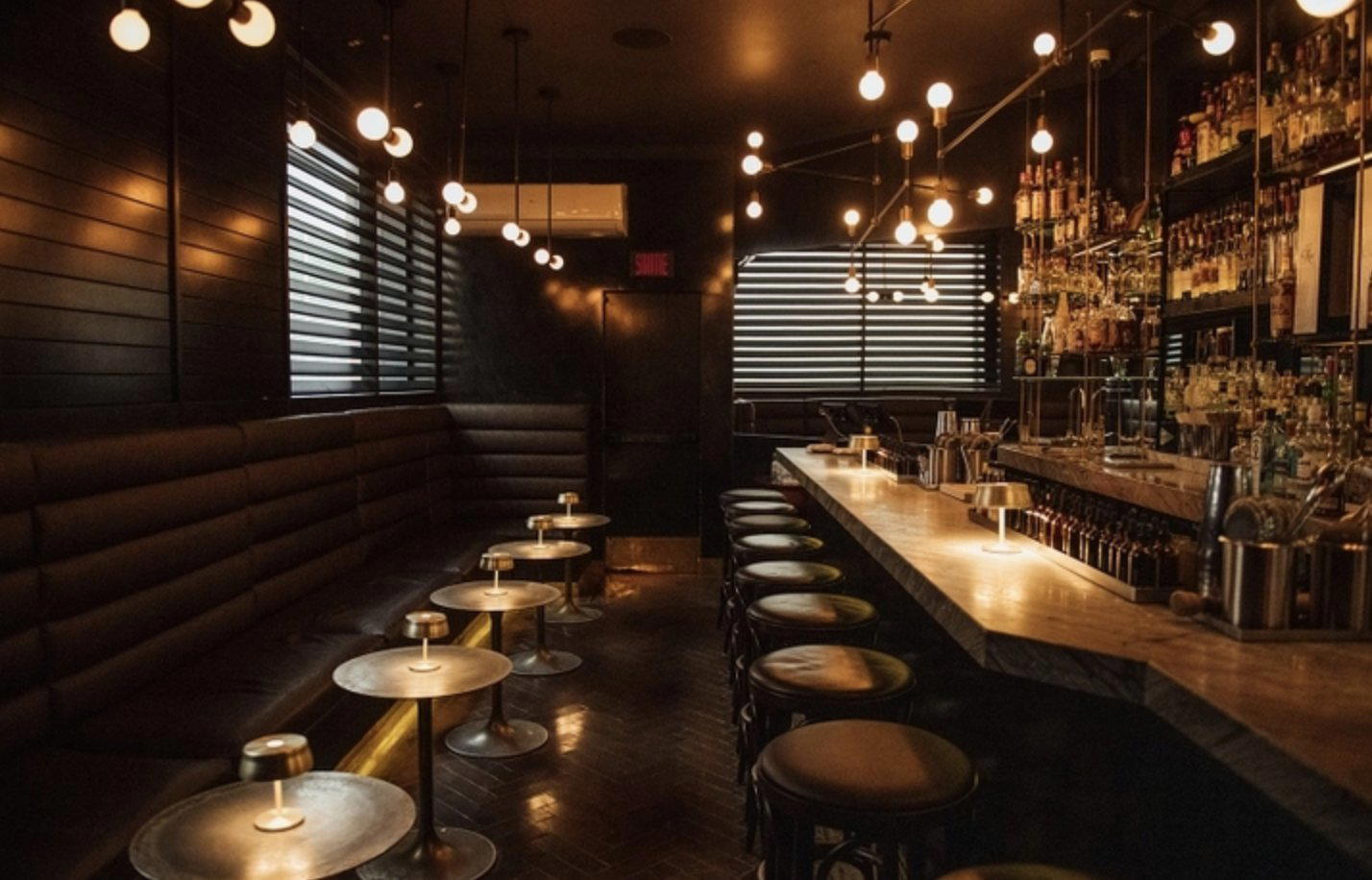
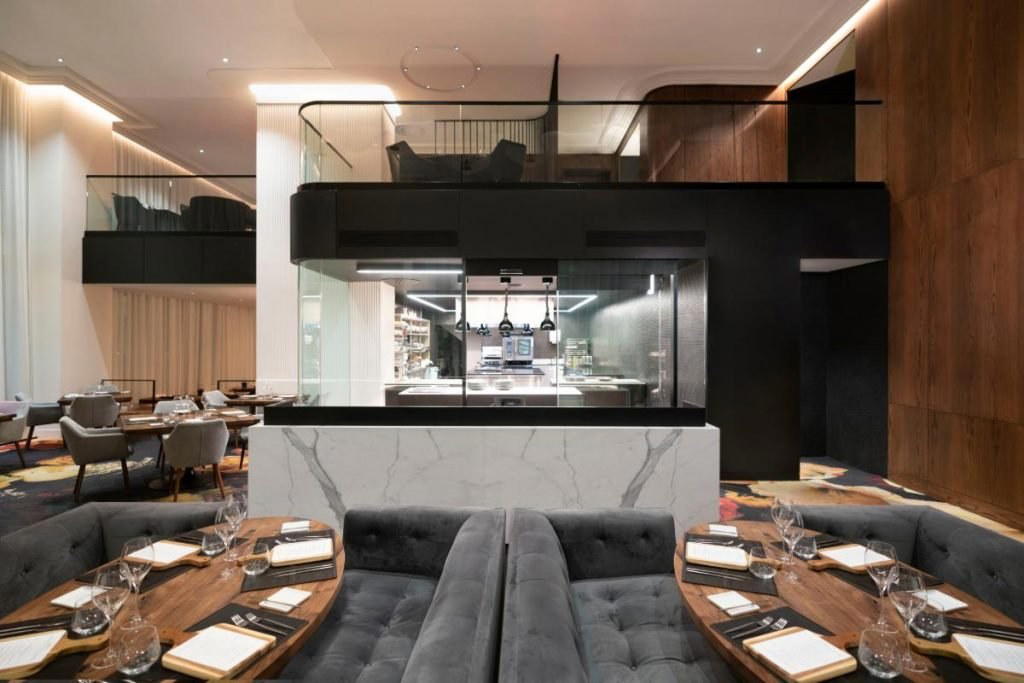
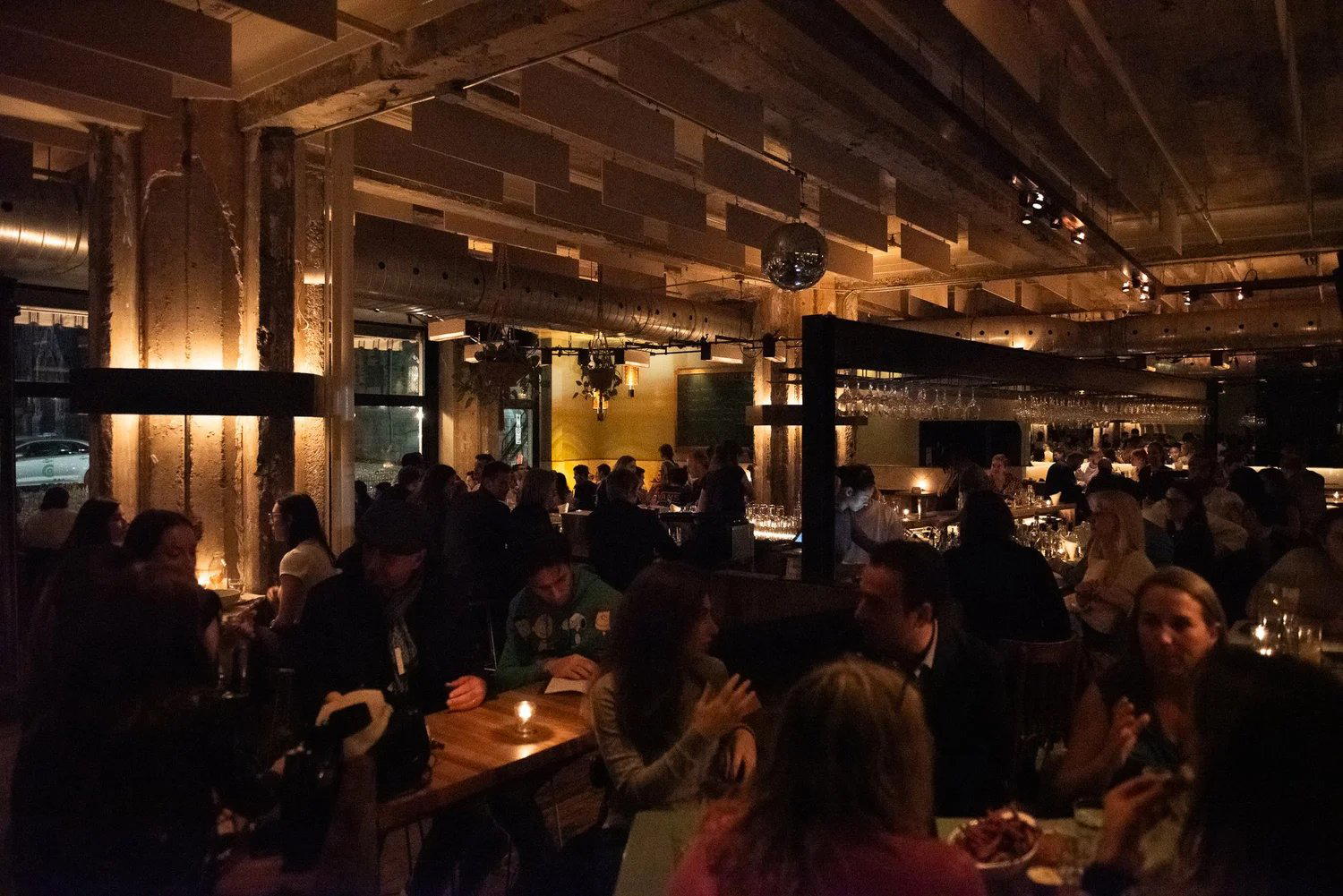
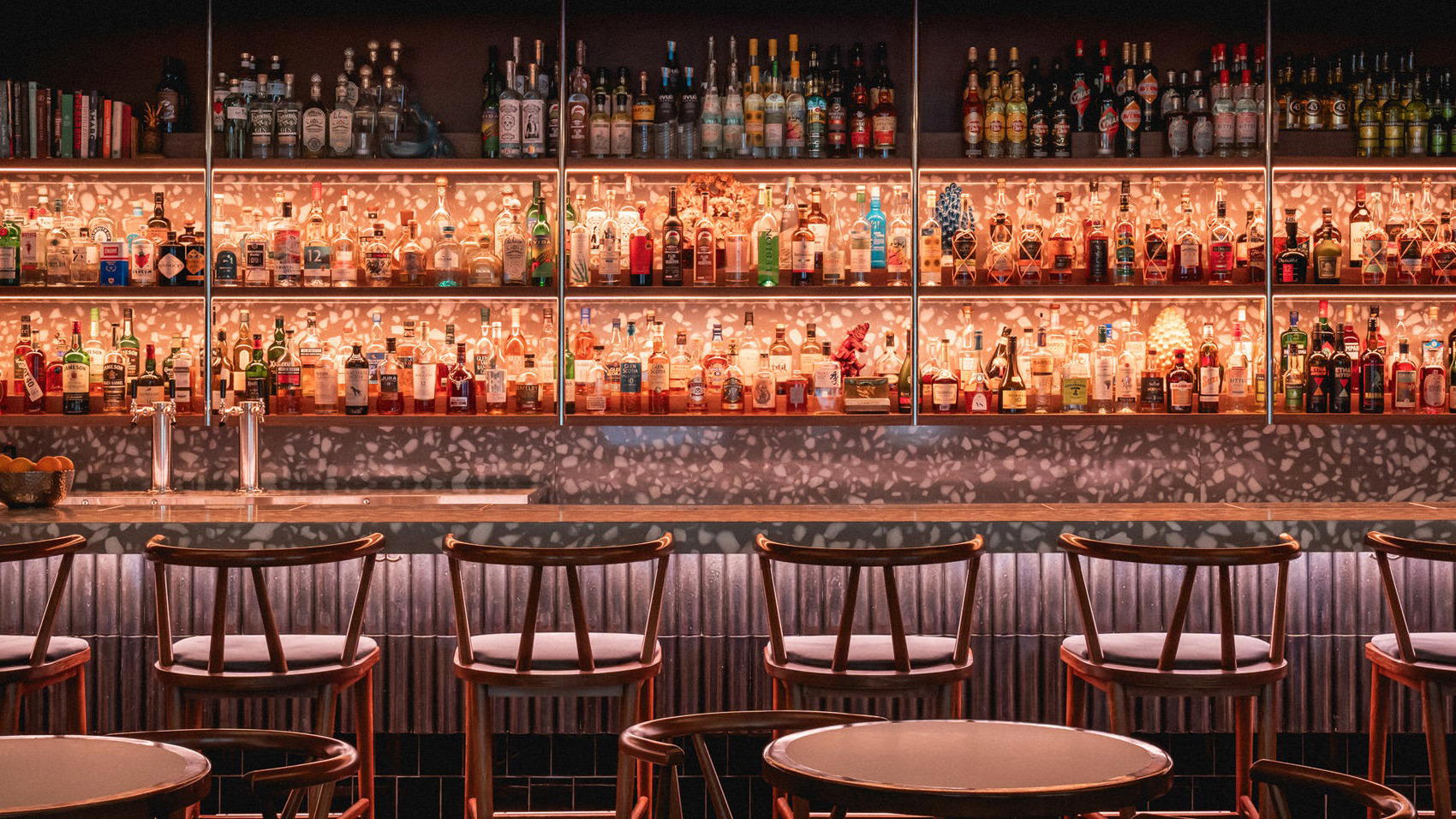
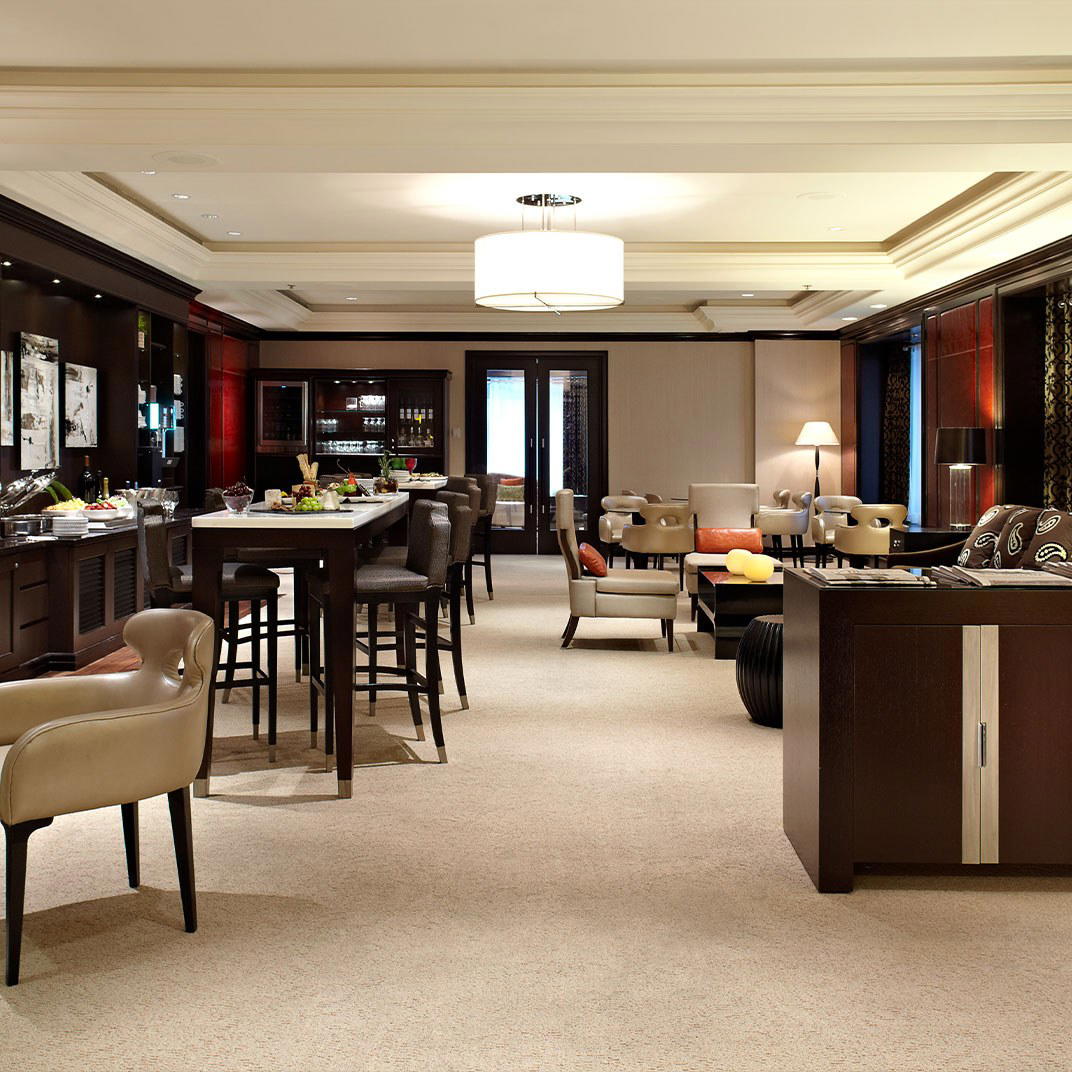
Sleek, minimalist decor with muted, calming tones creating an enveloping and elegant atmosphere.