On Avenue Union in downtown Montreal, La Habanera occupies a slice of the city where French-influenced formality and Latin warmth have long traded places. The address places it within reach of the commercial core, yet the room operates at its own register. For Montreal diners tracking the city's mid-to-upper dining tier, it belongs on the shortlist alongside the neighbourhood's established options.
Pearl is the En Primeur Club membership app — saves, bookings, and concierge access live there. Same editors, same standards.
- Address
- 1216 Av. Union, Montréal, QC H3B 3C4, Canada
- Phone
- +1 514 375 5355
- Website
- lahabanera.ca
- Directions
- Get directions
 Saves & bookings on Pearl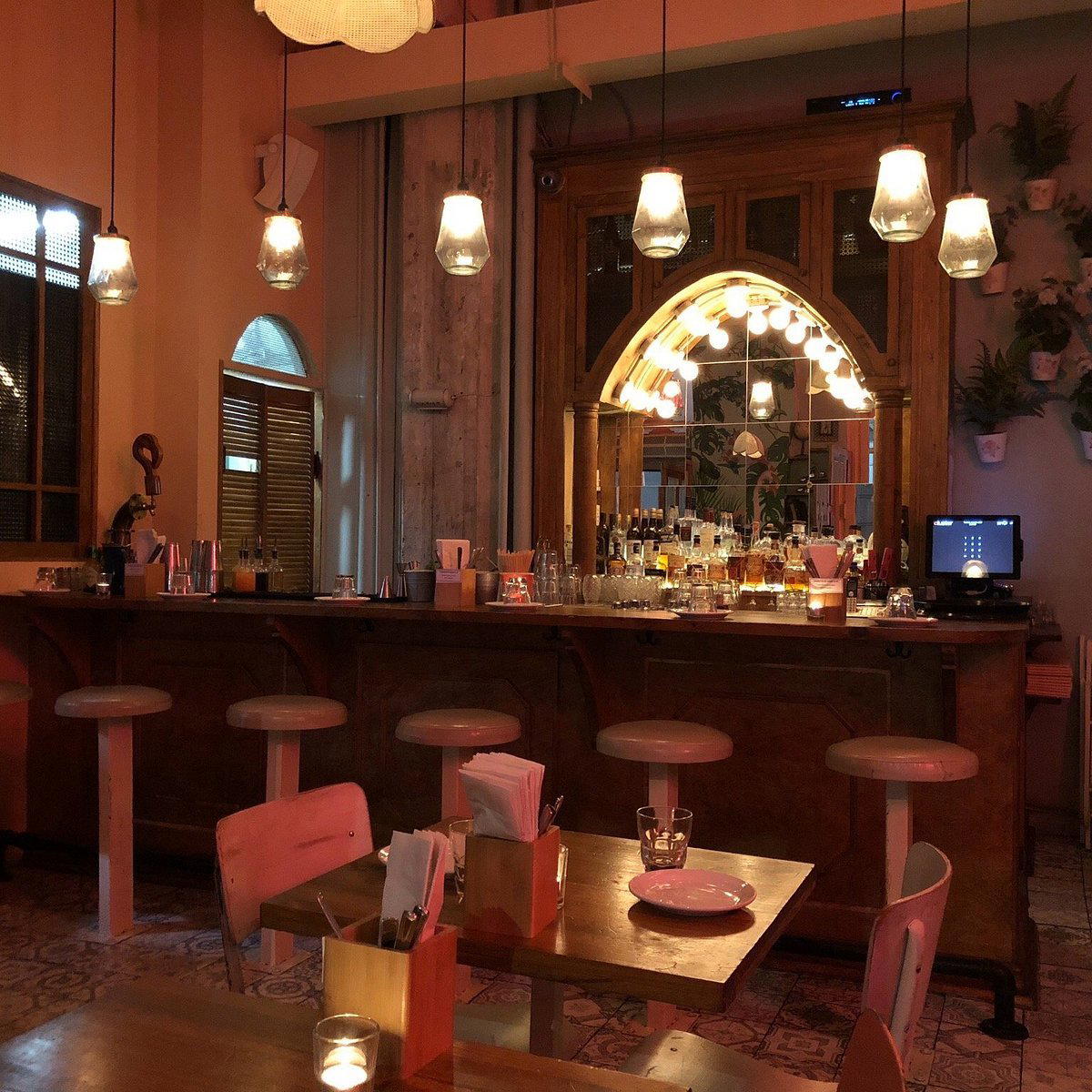
A Room That Sets Its Own Terms
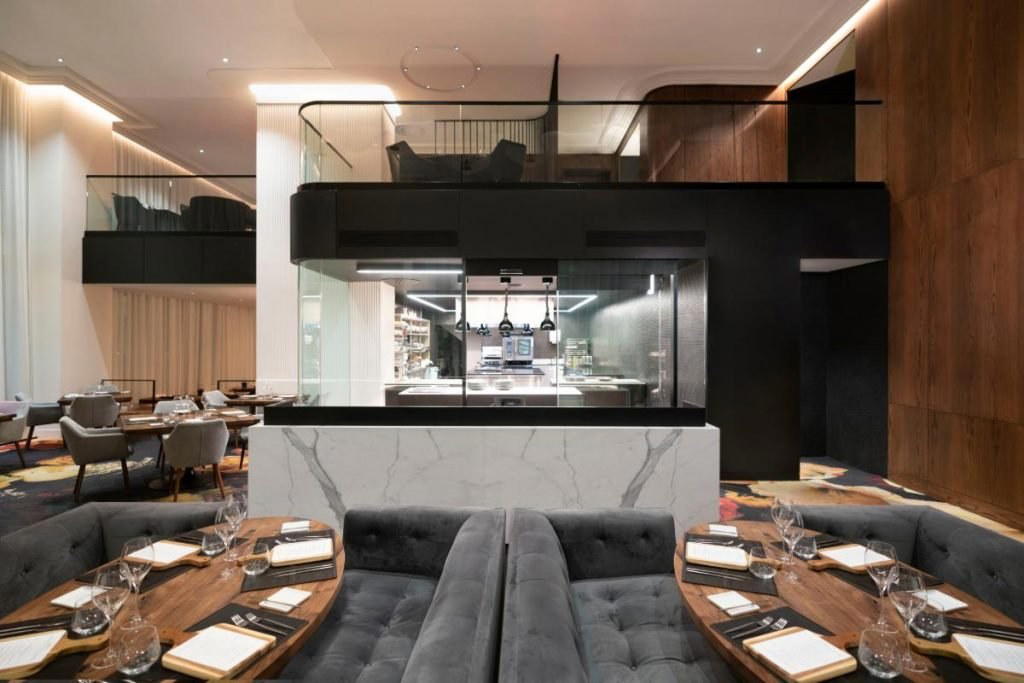
Avenue Union runs through a part of downtown Montreal where the built environment tends toward the austere: glass towers, corporate lobbies, pavements that empty fast after five. La Habanera, a Cuban Fusion Tapas restaurant in Montreal at 1216 Av. Union, sits in deliberate contrast to that rhythm. The address alone signals something: a street-level presence in a district that rewards those who look past the office-block facades. Before you register anything about the menu, the physical space makes the first argument for your attention.
In Montreal's dining scene, where a handful of rooms have become pilgrimage points for their design as much as their food, the interior experience matters as a filter. Venues at the upper end of the city's spectrum, from the polished formality of Jérôme Ferrer - Europea to the considered modernism of Mastard, have learned that a room's architecture shapes expectations before a single plate arrives. La Habanera enters that conversation from its own angle, drawing on associations the name carries: the Cuban capital's layered, colour-saturated interiors, the sense of a space that has absorbed decades of use without apology.
Downtown Montreal's Dining Geography
To understand where La Habanera sits, it helps to map how downtown Montreal's restaurant tier has distributed itself. The corridor between the business district and the old port has traditionally split between expense-account French, fast-casual lunch, and the occasional outlier willing to hold a more particular identity. The mid-to-upper bracket, where Sabayon and 3 Pierres 1 Feu have carved distinct positions, is competitive and unforgiving. Diners in this zone are comparing consciously, often choosing between a French bistro inheritance (L'Express remains the canonical reference point at the $$ tier) and something that breaks from that tradition entirely.
The restaurant's position on Avenue Union places it within walking distance of the McGill metro station, which makes it logistically accessible from multiple neighbourhoods without being buried in the Plateau or Mile End dining clusters where foot traffic does the marketing work. Downtown venues carry more of their own weight in drawing repeat custom. That context sharpens the question of what the room offers beyond convenience.
The Space as Editorial Statement
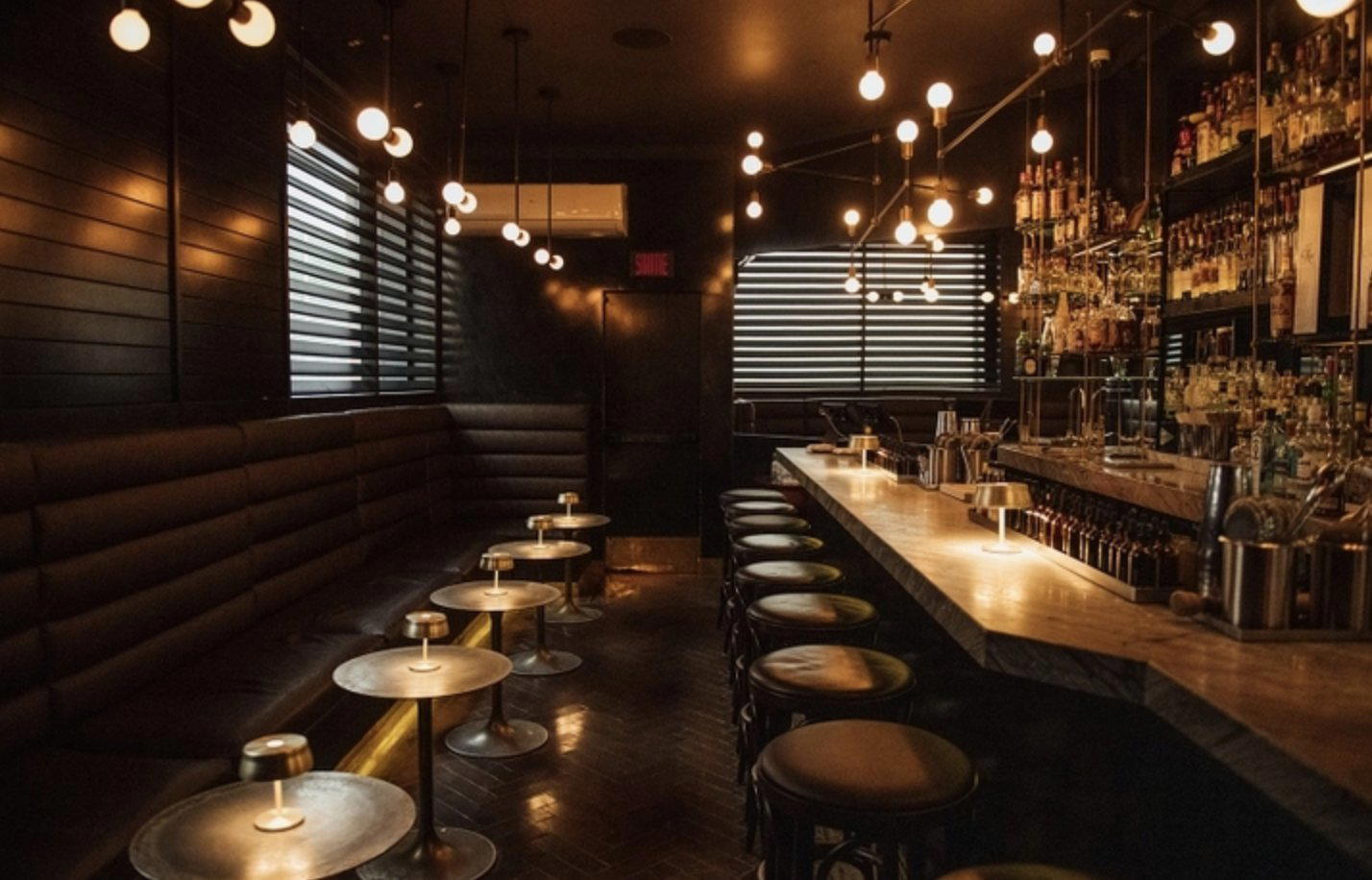
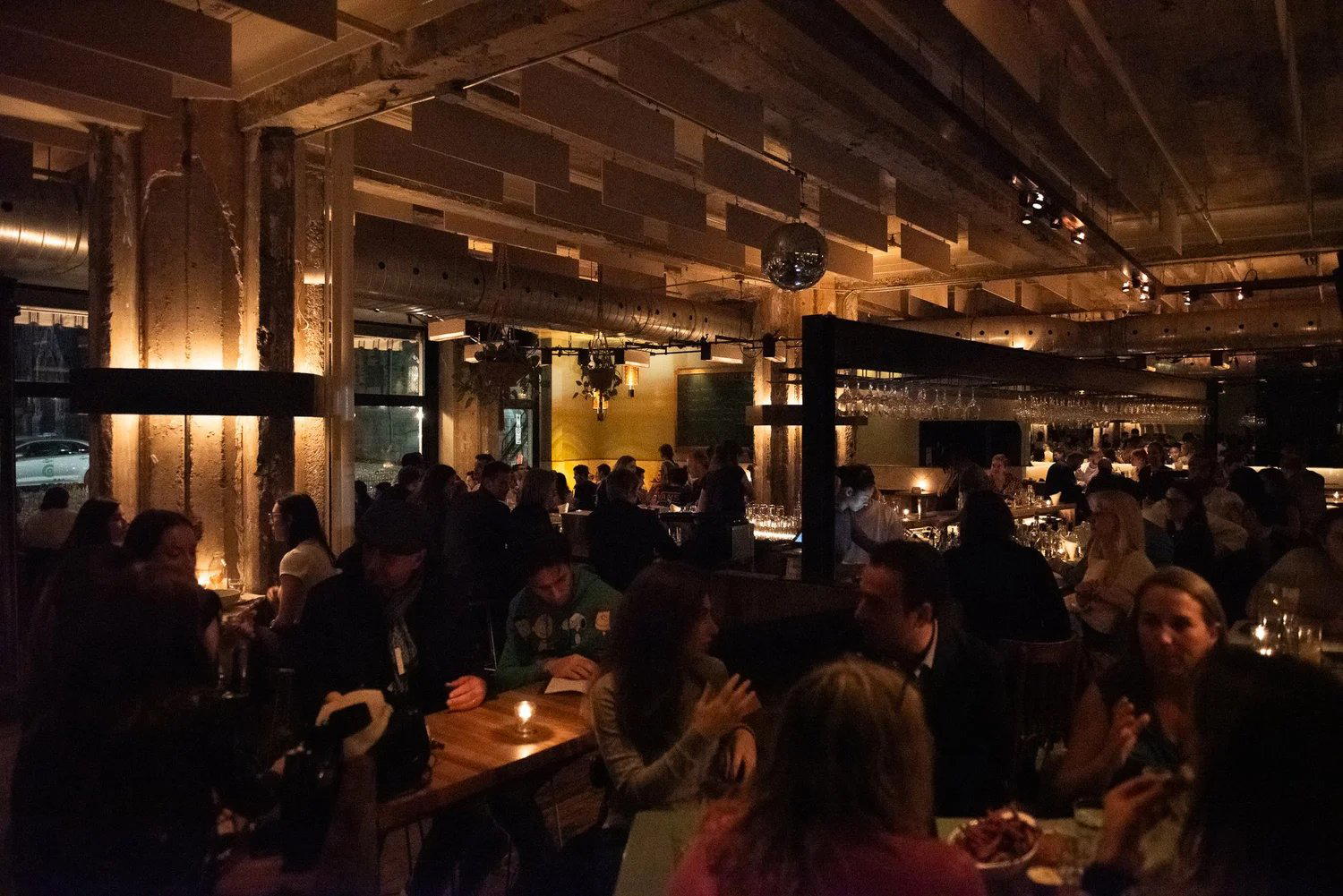
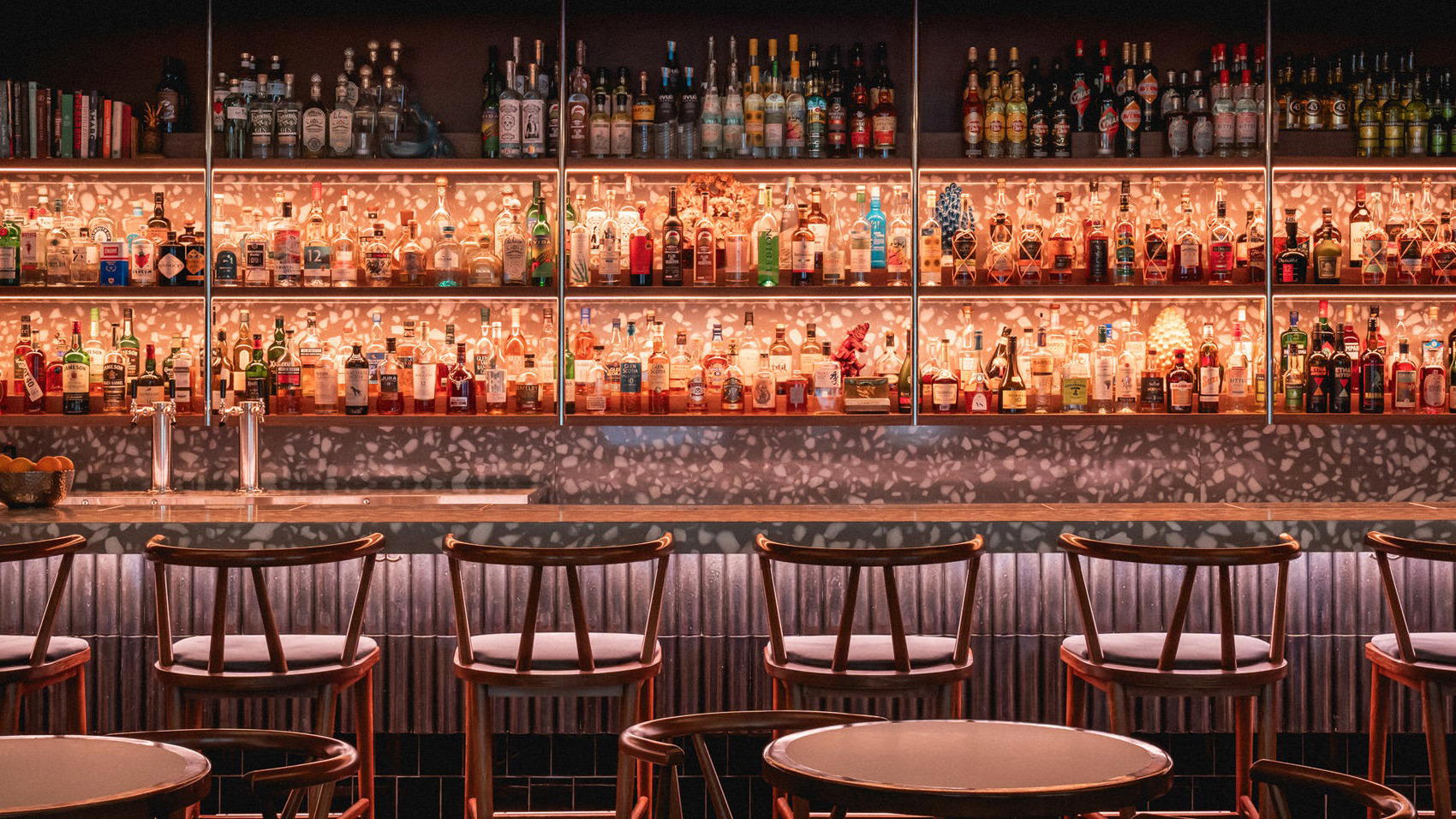
The design approach matters here as a functional signal, not merely aesthetic preference. In cities where dining has fragmented into micro-niches, the physical container tells diners which register a room is operating in. A room that references Havana, whether through colour palette, material warmth, or acoustic choice, is making a deliberate bet that Montreal diners want something that reads differently from the prevailing French-leaning formal aesthetic. That bet has precedent: Abu el zulof and others in the city have demonstrated that rooms built around a non-European cultural reference can hold serious dining credibility without conceding to novelty.
Seating arrangement and sight lines within a restaurant communicate hierarchy and intention. A room designed around warmth rather than display, around conversation rather than spectacle, tends to attract a different kind of regular than a room built for occasion. What can be observed is the address itself: a mid-scale commercial building on a quiet stretch of Union suggests an intimate footprint rather than a ballroom-scale operation. That scale, if it holds, aligns the restaurant with the direction Montreal's more considered rooms have been moving, toward fewer covers, more controlled service ratios, and a dining pace that resists the turnover logic of larger operations.
Where It Sits in the Canadian Dining Picture
Montreal occupies a specific position in Canada's restaurant hierarchy. It has long produced technically accomplished cooking at a price point below comparable work in Toronto or Vancouver, partly because rent structures and a culture of dining out as a daily habit, rather than a special occasion, have kept the market honest. At the summit of the national tier, rooms like Alo in Toronto and Tanière³ in Quebec City have established what Canadian fine dining can look like at its most ambitious. Montreal has its own answer to that ambition, spread across venues that range from Toqué's longstanding authority at the $$$$ tier to newer rooms still building their records.
The restaurant enters that picture. It earns its place through the experience itself rather than through credential-first marketing. For diners who track AnnaLena in Vancouver or Restaurant Pearl Morissette in Lincoln precisely because those rooms operate outside the mainstream validation circuit, that profile may be a reason to look harder rather than a reason to look elsewhere.
Beyond Montreal, the broader Canadian dining scene rewards patience with rooms that have not yet accumulated the institutional weight of venues like Eigensinn Farm in Singhampton or Fogo Island Inn Dining Room. The restaurant belongs to that category of rooms worth watching on their own terms. For international reference points, the discipline of rooms like Le Bernardin in New York City or the communal format intelligence of Lazy Bear in San Francisco illustrate how committed spatial identity sustains a dining room across market cycles. For Canadian counterparts at different scales, Narval in Rimouski, The Pine in Creemore, Busters Barbeque in Kenora, and Cafe Brio in Victoria each demonstrate that dining identity rooted in place and consistency outlasts any single season of press attention.
Planning Your Visit
The restaurant is located at 1216 Avenue Union in downtown Montreal, a short walk from the McGill metro station on the green line. The Avenue Union location is accessible from multiple transit lines and within reach of most central hotels.
Cuisine and Awards Snapshot
Comparable venues nearby, for context on price, style, and recognition.
| Venue | Cuisine | Price | Notes |
|---|---|---|---|
| La HabaneraThis venue — the venue you are viewing | Cuban Fusion Tapas | $$ | Not listed |
| Kwizinn - Vieux Port | Caribbean Fusion | $$ | Vieux Montréal |
| Vices & Versa | Canadian Gastropub with Quebec Craft Beer | $$ | District de Saint-Édouard |
| 3 Pierres 1 Feu | Afro-Caribbean-Texan BBQ | $$$ | La Petite-Italie |
| Bazarette | Market Cuisine & Shareable Plates | $$ | Centre-Ville |
| Deville Dinerbar | Modern American Diner | $$ | Golden Square Mile |
At a Glance
- Cozy
- Lively
- Trendy
- Date Night
- Casual Hangout
- Group Dining
- Open Kitchen
- Craft Cocktails
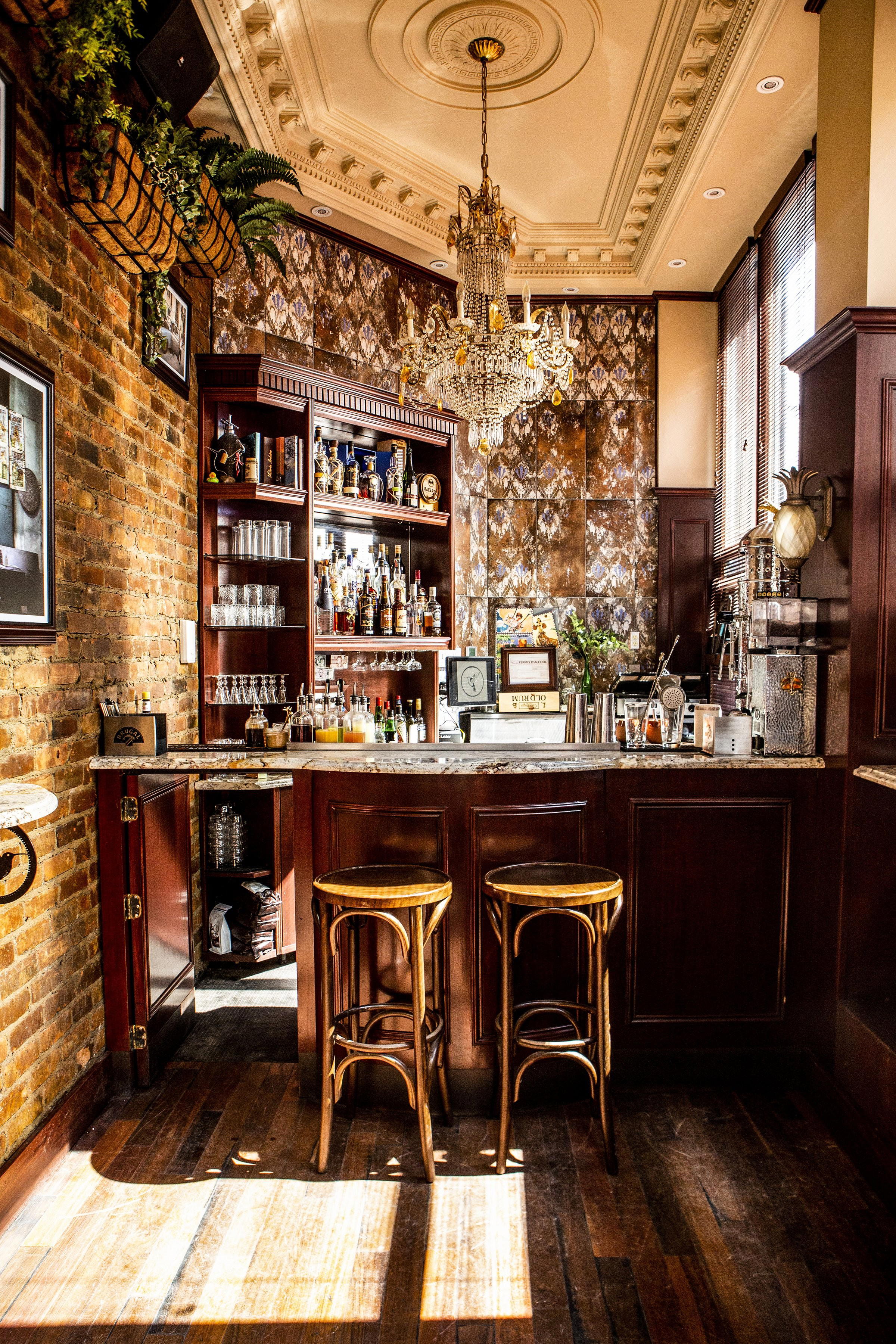
Cozy and charming with colorful decor, Latin music, photographs of Cuba, and a lively yet intimate atmosphere.