Kwan Kee Claypot Rice
Kwan Kee Claypot Rice has anchored Sai Ying Pun's Queen's Road West for decades, serving the neighbourhood's defining dish in the old-school Cantonese tradition. Coal-heated clay pots, long queuing lines, and a no-frills room place it firmly in the category of working Hong Kong institutions that visiting food-focused travellers actively seek out.
 Discover on Pearl
Pearl is the En Primeur Club membership app — saves, bookings, and concierge access live there. Same editors, same standards.
- Address
- 西環, 263號 Queen's Rd W, Sai Ying Pun, Hong Kong
- Phone
- +85228037209
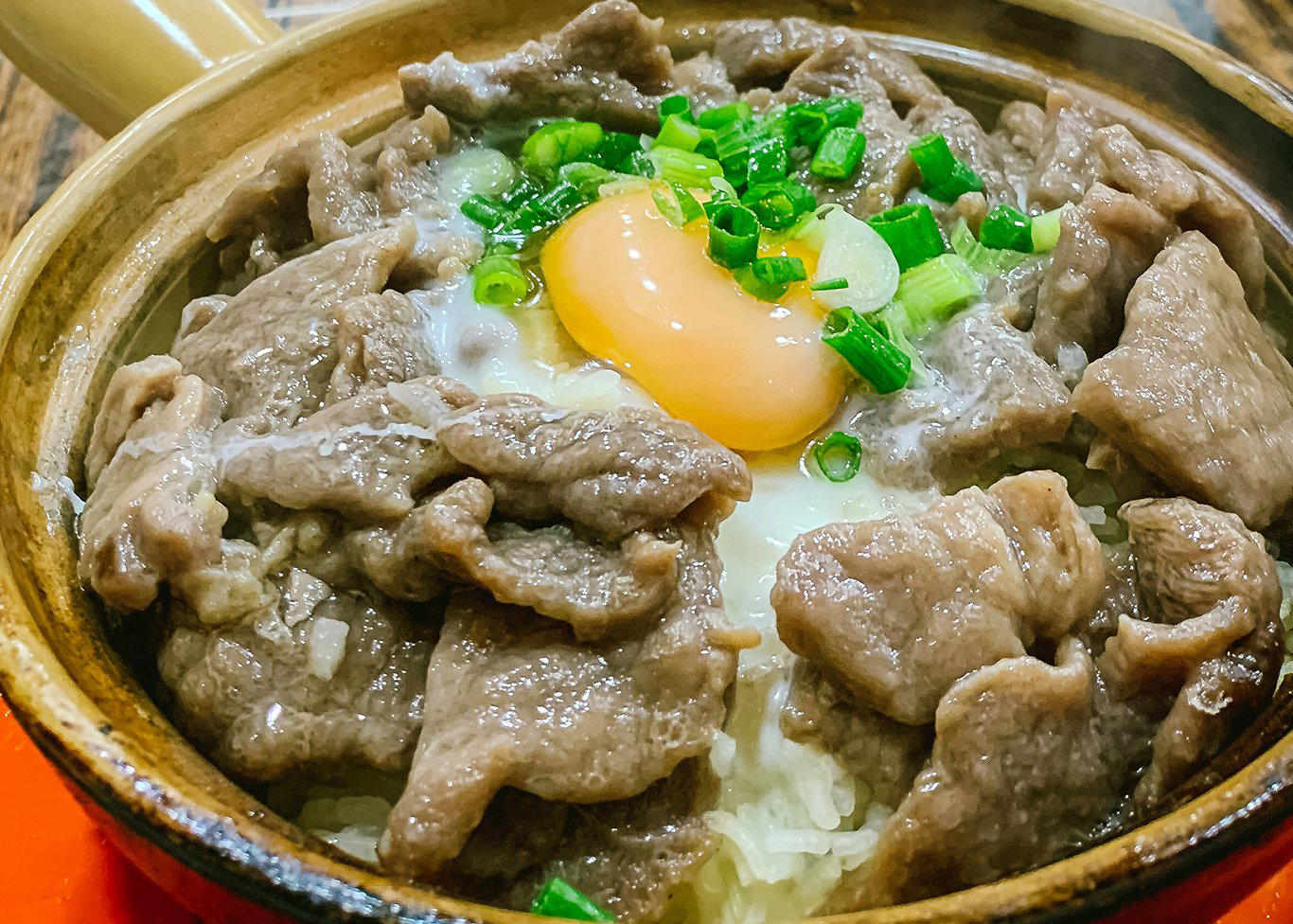
Queen's Road West and the Claypot Tradition
Sai Ying Pun sits at the western edge of Hong Kong Island's urban spine, a neighbourhood that has absorbed waves of gentrification without fully surrendering its older commercial and residential character. Queen's Road West, the long arterial road running through it, has long been lined with dried seafood merchants, herbal medicine shops, and the kind of Cantonese restaurants whose menus have not changed in a generation. Kwan Kee Claypot Rice, at number 263, is a casual Cantonese claypot rice restaurant in Sai Ying Pun, Hong Kong, where the cooking method is the point, not the plating.
Claypot rice as a discipline sits apart from most Cantonese restaurant formats. The dish demands patience: raw rice and ingredients are loaded into individual unglazed clay pots and cooked slowly over direct heat, typically charcoal or gas burners set into the counter. The pot conducts and holds heat in a way that aluminium or stainless steel cannot replicate, producing a crust of slightly charred, fragrant rice at the base, the fan chiu, that regulars consider the most important part of the meal. In the broader Hong Kong dining context, where fast turnover and efficiency define most casual restaurants, claypot rice sits at the slow end of the spectrum. A single pot can take twenty minutes or more to cook, which shapes everything about how these restaurants operate.
The Sai Ying Pun Context
To understand Kwan Kee, it helps to understand where Sai Ying Pun sits in the Hong Kong dining map. The neighbourhood lacks the density of Michelin-starred rooms found in Central, where 8½ Otto e Mezzo BOMBANA operates, or the international breadth of Aaharn and AMMO further east. What it has instead is a concentration of neighbourhood restaurants whose authority comes from continuity and local use rather than accolades and reservation systems. Kwan Kee is among the most referenced examples of that type in the district.
The restaurant's position on Queen's Road West places it within walking distance of the Sai Ying Pun MTR station on the Island Line.
How the Format Works
The operational format at Hong Kong claypot rice specialists is worth understanding before arrival. Unlike a dim sum house or a roast meat restaurant, where food arrives quickly, claypot rice requires the kitchen to cook each order to order, in the individual pot it will be served in. This means queuing is normal, waiting after being seated is expected, and the dining rhythm is slower than most Hong Kong casual restaurants. The compression of space and communal pace create a particular atmosphere that is difficult to replicate in formats built around speed.
Claypot rice tradition in Hong Kong is not uniform. Toppings vary by restaurant and by what the kitchen decides to offer that day, typically including combinations of Chinese sausage (lap cheong), preserved meats, salted fish with minced pork, and seasonal vegetables. Soy sauce, mixed at the table or poured by staff into the hot pot, carries the seasoning. The discipline is in the rice itself: consistent heat control, the right moisture level, and the willingness to let the base catch without burning. It is a narrower technical range than a roasting kitchen or a dim sum station, but executed well it produces a dish with a complexity of texture that simpler preparations cannot achieve.
Hong Kong dining has diversified considerably, with international formats represented across the city. Restaurants like 8 1/2 Otto e Mezzo Bombana (Hong Kong) in Hong Kong operate at the high end of that international tier, while neighbourhood institutions like Kwan Kee represent the city's working culinary infrastructure. Both are worth understanding as part of a complete picture of Hong Kong's food culture. Across the wider city, further points of reference include Bayi and cafe TOO for contrasting Central and Western district formats, and Lei Garden in Sha Tin for a different register of Cantonese cooking across the harbour.
Planning Your Visit
Kwan Kee operates in the walk-in, queue-and-wait tradition common to Hong Kong's old-school Cantonese restaurants. Arriving early in the dinner service, before the post-work crowd builds, reduces waiting time. The neighbourhood around Queen's Road West and the adjacent Second and Third Streets offers other dining options to combine into the same evening.
Just the Basics
Comparable venues nearby, for context on price, style, and recognition.
| Venue | Cuisine | Price | Notes |
|---|---|---|---|
| Kwan Kee Claypot RiceThis venue — the venue you are viewing | Sai Ying Pun, Cantonese Claypot Rice | $ | |
| Sun Yuen Hing Kee | $ | Sheung Wan, Cantonese Roast Meats (Siu Mei) | |
| Cuisine Cuisine 國金軒 | , | Central And Western, Cuisine Cuisine National Gold Award | |
| Ying Kee Noodle | $ | Sai Ying Pun, Traditional Cantonese Noodle Soup | |
| Bayi | Sai Wan, Authentic Xinjiang | $$ | |
| Dragon Academy HK | $$$ | Central, Modern Cantonese Noodles & Dim Sum |
Continue exploring
More in Central And Western
Restaurants in Central And Western
Browse all →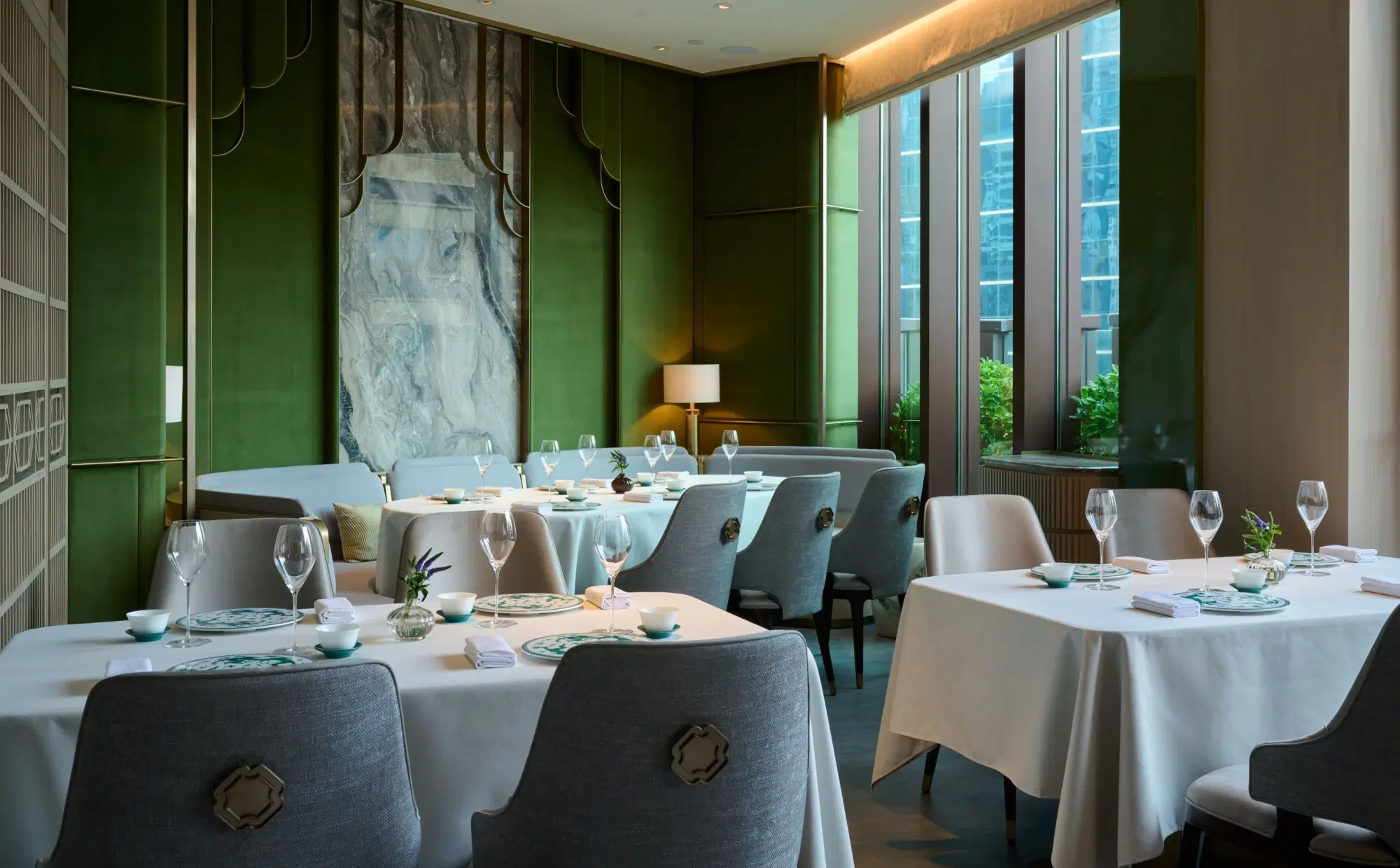
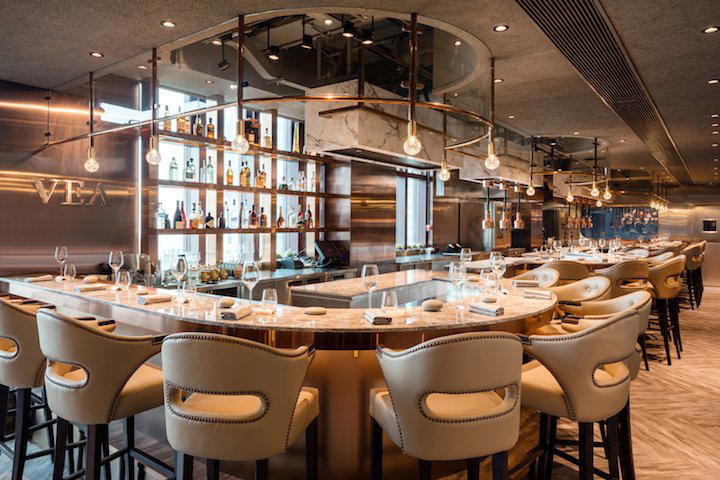
Bars in Central And Western
Browse all →
At a Glance
- Classic
- Cozy
- Rustic
- Casual Hangout
- Group Dining
- Open Kitchen
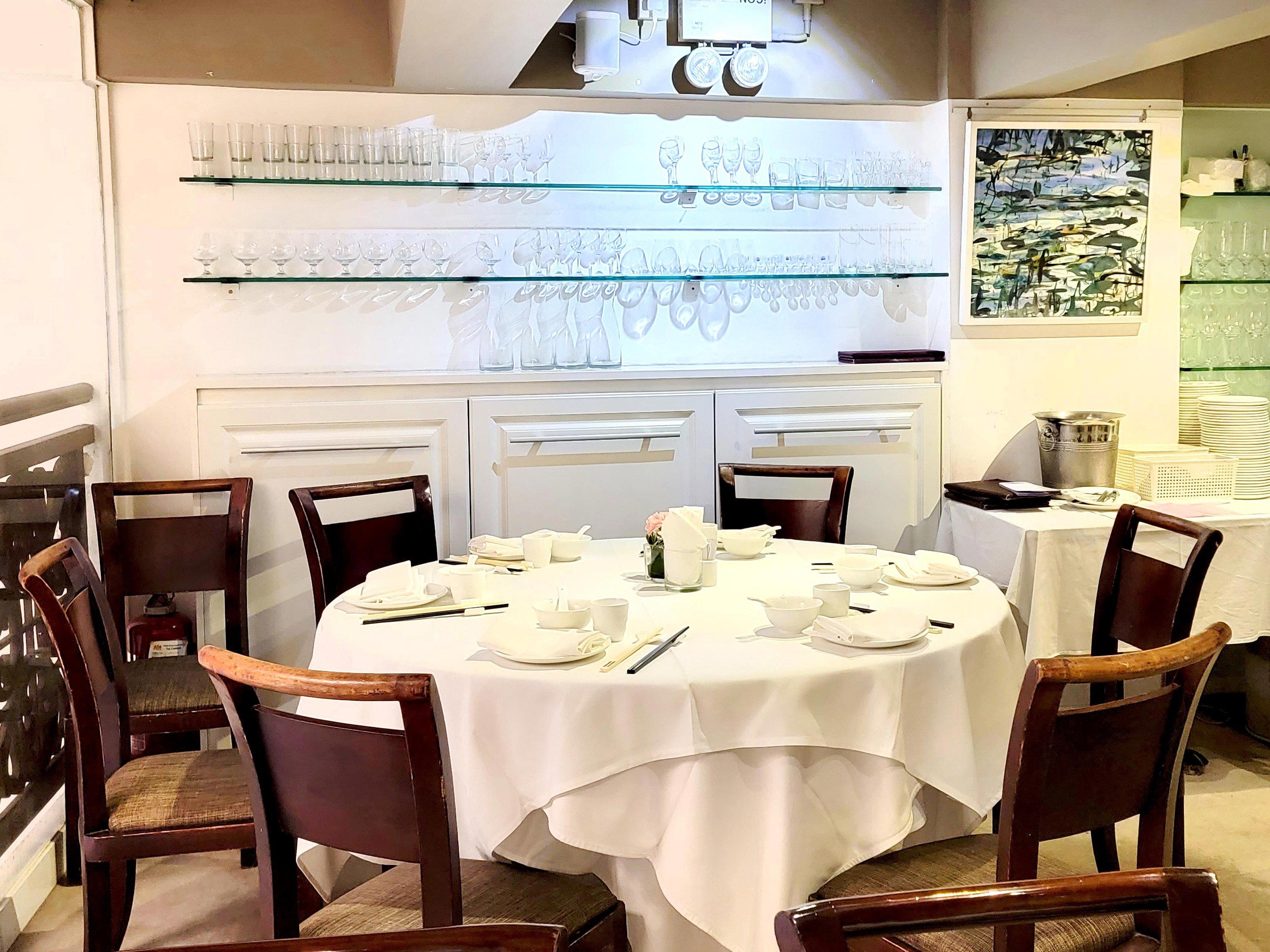
Basic interior with red sign, bustling traditional Hong Kong atmosphere and lively service.