Ying Kee Noodle
A longstanding noodle shop on High Street in Sai Ying Pun, Ying Kee Noodle occupies the kind of position in its neighbourhood that no amount of marketing can manufacture: a regular's place, built through repetition and reliability. The clientele skews local, the hours run by demand rather than design, and the draw is the kind of cooking that rewards familiarity over novelty.
Pearl is the En Primeur Club membership app — saves, bookings, and concierge access live there. Same editors, same standards.
- Address
- 28 High St, Sai Ying Pun, Hong Kong
- Phone
- +85225407950
- Directions
- Get directions
 Saves & bookings on Pearl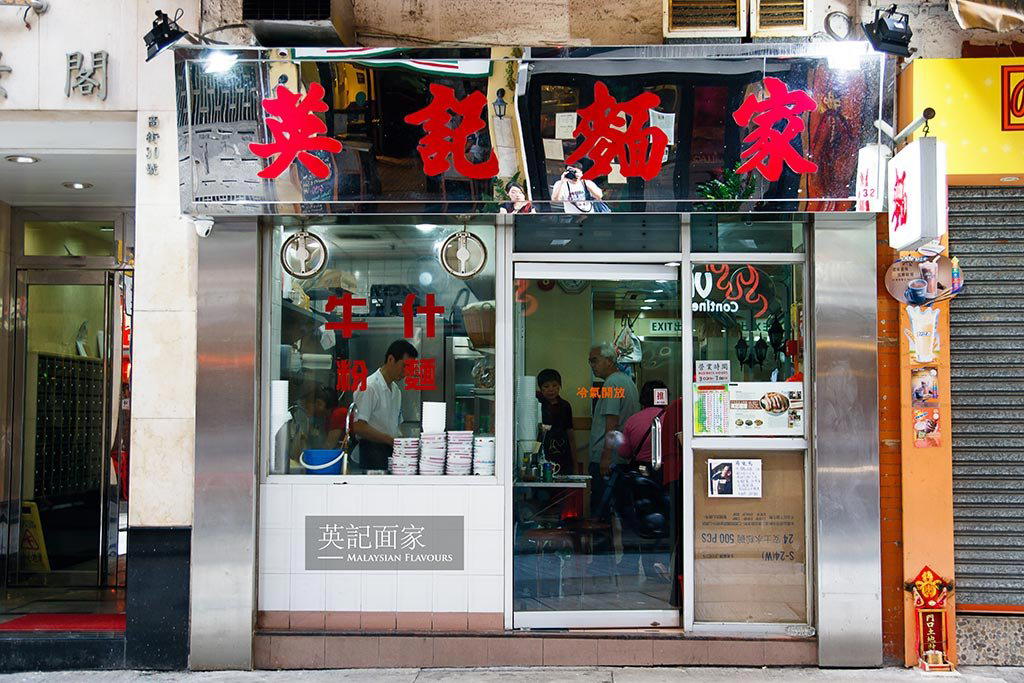
A Street-Level Institution in Sai Ying Pun
High Street in Sai Ying Pun runs through one of Hong Kong Island's most layered neighbourhoods, a district that has absorbed waves of change without surrendering its working character. The tram lines, the wet market rhythm, the clusters of dai pai dong holdouts: Sai Ying Pun has kept more of its pre-gentrification texture than most of Central and Western district, and the noodle shops along its residential streets are part of that texture. Ying Kee Noodle at number 28 sits inside that tradition, operating in the register that Hong Kong's noodle culture has sustained for generations: a short menu, fast service, and a clientele that doesn't need to consult a menu because they already know what they're ordering.
That dynamic, regulars who arrive with their order already decided, is the clearest signal of a neighbourhood institution. It is also the hardest thing to manufacture. For visitors exploring beyond the Michelin-studded dining of Central's core, or the fine-dining corridors represented by venues like 8½ Otto e Mezzo BOMBANA and Aaharn, Sai Ying Pun offers a completely different register of eating, one where the measure of quality is not a star on a plaque but whether the same faces return every morning.
What Keeps the Regulars Coming Back
Hong Kong's noodle shop culture has a specific grammar. The broth is the foundation, typically a pork bone or shrimp roe base, simmered over hours and adjusted by muscle memory rather than recipe card. The noodles themselves carry significant weight in a city where texture is a primary consideration: wonton noodles are expected to have a firm, almost snappy bite, achieved through a lye water content that distinguishes Hong Kong-style from mainland variants. The toppings rotate through a familiar vocabulary, char siu, wonton dumplings, beef brisket, but the arrangement and proportion matter enormously to the people who eat this food daily.
Regulars at a place like Ying Kee are not necessarily loyal because the food is flawless by some abstract standard. They are loyal because the food is consistent, because the bowl arrives the way they expect it to, and because the experience is frictionless. In a city as dense and fast-moving as Hong Kong, that frictionlessness, the ability to sit down, eat well, and leave without ceremony, is itself a form of value. The neighbourhood noodle shop fills a role that no amount of tasting-menu refinement can replicate.
The contrast with the western end of the district is sharp. Venues like AMMO and Bayi serve a different purpose and a different clientele, longer bookings, broader menus, a different pace. The noodle shop operates on an entirely separate axis, where speed and familiarity are the product, not indicators of a lesser experience. Understanding both tiers is part of reading Hong Kong's food culture accurately.
Sai Ying Pun as a Dining Neighbourhood
The neighbourhood context matters here. Sai Ying Pun is not a dining destination in the way that Wan Chai or Sheung Wan have been branded, it has not been packaged for visitors. That relative quietness is precisely why its everyday eating places have survived more or less intact. The streets around High Street still support the kind of foot traffic that keeps a cash-based, no-reservation noodle shop viable: morning commuters, elderly residents doing their market rounds, construction workers on a twenty-minute break. This is the clientele that sustains Hong Kong's most genuine street-level food culture.
For context, the city's dining range extends from casual noodle shops like this one up through mid-range neighbourhood restaurants, to the multi-course experiences at places such as cafe TOO, and into full fine-dining territory at venues like 8 1/2 Otto e Mezzo Bombana. Ying Kee sits at the base of that range in price terms, but the category carries its own standards, standards that are enforced daily by regulars who have decades of reference points and no patience for a bad bowl. Hong Kong's noodle shop audience is among the more demanding in the world, precisely because the eating is so habitual and the comparisons so immediate.
That context also extends across the broader Hong Kong dining map. From Aberdeen's storied waterfront to neighbourhood staples like Hoi Tin Garden in Tuen Mun and Lei Garden in Sha Tin, the city sustains an enormous range of everyday eating traditions alongside its headline fine-dining addresses. Understanding Ying Kee means understanding where it sits in that spectrum: not as an outlier, but as a representative of a category that Hong Kong has refined over a century. See our full Central and Western restaurants guide for the broader picture.
Planning Your Visit
Sai Ying Pun is served by the MTR Island Line, with Sai Ying Pun station a short walk from High Street. The neighbourhood is also accessible by tram along Des Voeux Road West, which runs parallel to the waterfront. For a venue of this type, a local noodle shop operating on foot traffic and repeat custom, there is no booking infrastructure, and no dress consideration beyond comfort. Arriving during the morning peak or at midday will likely mean queuing or sharing a table; this is standard practice throughout Hong Kong's dai pai dong and noodle shop culture, and refusing to engage with it means missing a significant portion of what the city actually eats. The price point for noodle shops of this category in Hong Kong is among the more accessible on the island, making it a rational counterpoint to the higher expenditure that a full exploration of Central and Western's dining range will otherwise require. For international comparison points on what sustained critical recognition looks like at the other end of the dining spectrum, venues like Le Bernardin in New York and Atomix operate in a completely different register, but they share with the leading noodle shops a commitment to consistency that regulars can depend on.
Cost Snapshot
Comparable venues nearby, for context on price, style, and recognition.
| Venue | Cuisine | Price | Notes |
|---|---|---|---|
| Ying Kee NoodleThis venue — the venue you are viewing | Not listed | $ | Not listed |
| Sun Yuen Hing Kee | Not listed | $ | Sheung Wan, Cantonese Roast Meats (Siu Mei) |
| Chilli Fagara | Central, Authentic Sichuan Ma-La-Tang | $$ | Not listed |
| Cuisine Cuisine 國金軒 | Not listed | Not listed | Central And Western, Cuisine Cuisine National Gold Award |
| MIAN | Central, Modern Regional Chinese | $$$ | Not listed |
Continue exploring
More in Central And Western
Restaurants in Central And Western
Browse all →
Bars in Central And Western
Browse all →
At a Glance
- Classic
- Rustic
- Casual Hangout
- Late Night
- Solo
- Standalone
Current opening hours
- Monday
- 9:30 AM–7 PM
- Tuesday
- 9:30 AM–7 PM
- Wednesday
- 9:30 AM–7 PM
- Thursday
- 9:30 AM–7 PM
- Friday
- 9:30 AM–7 PM
- Saturday
- 9:30 AM–7 PM
- Sunday
- 9:30 AM–7 PM
Hours can change for holidays and private events. Last verified .