Michelin Plate
Our verdict
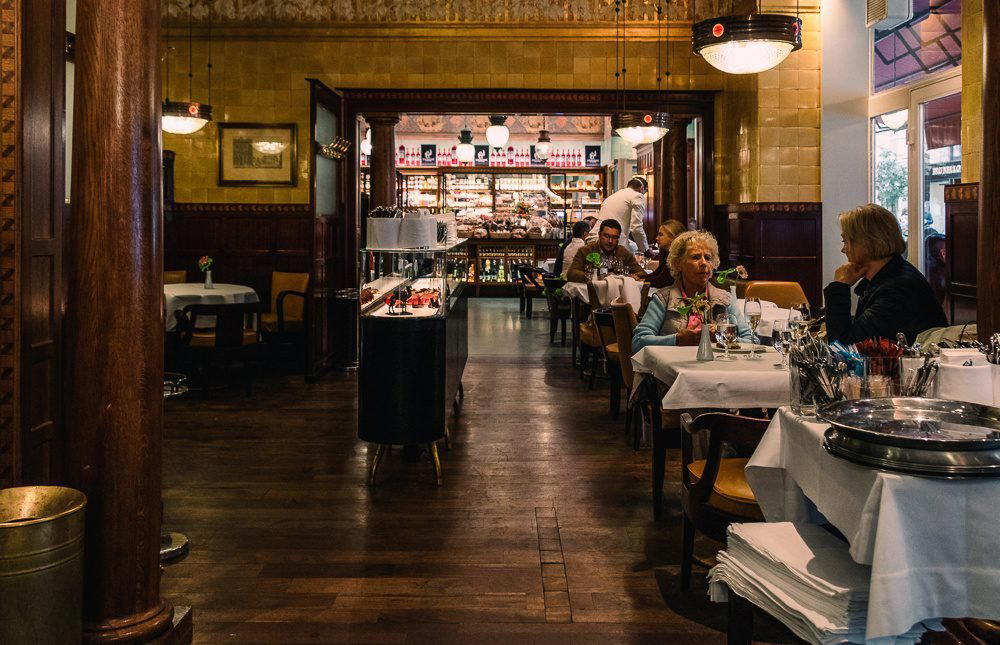
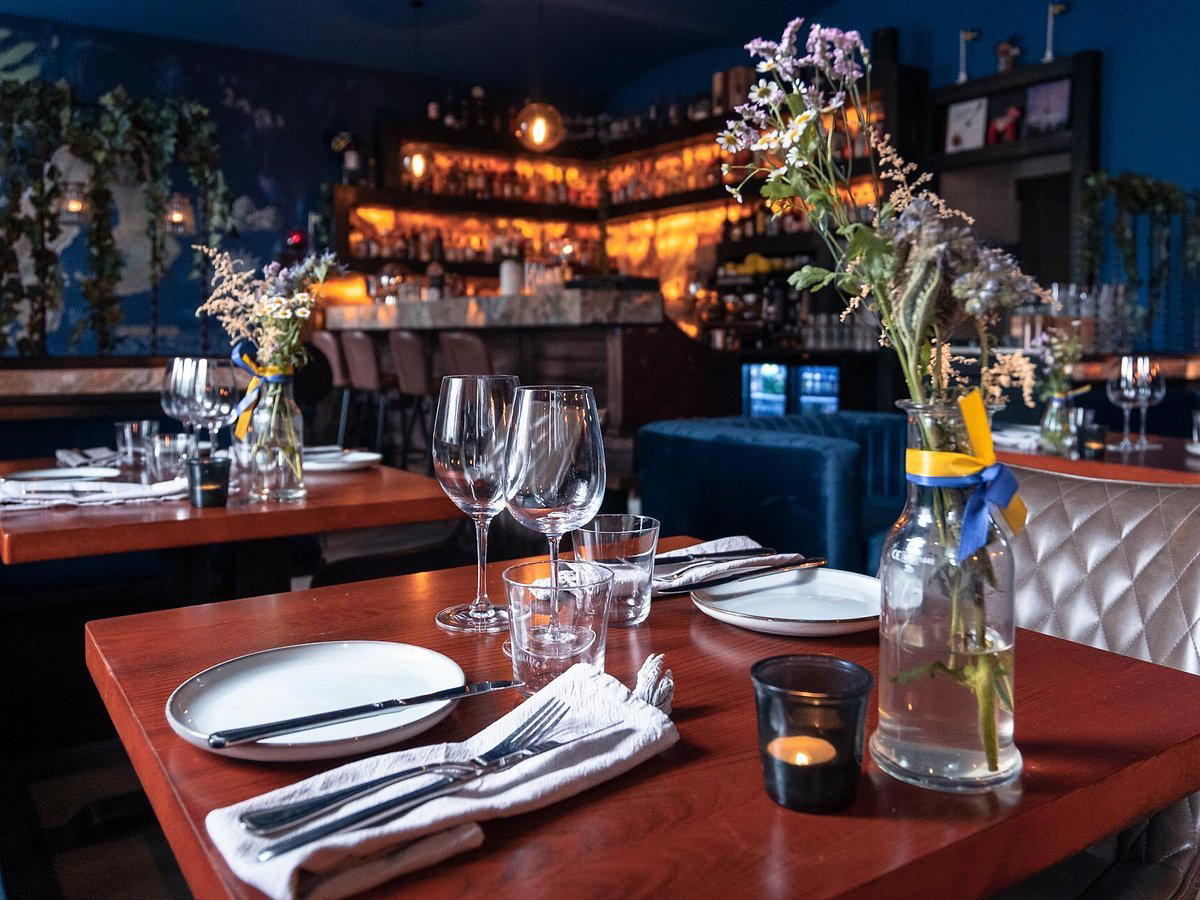
A Michelin Plate holder in Vienna's residential 18th district, Kutschker 44 operates at the more affordable end of the city's recognised dining scene. The kitchen works in traditional Austrian register, drawing a loyal neighbourhood following that returns for honest cooking rather than spectacle.

Pearl is the En Primeur Club membership app, where members save venues, book tables and use the concierge.
The menu
What to order
- Black Angus rib-eye steak
- Chanterelle terrine
- Deer liver patty
The Street That Feeds the Neighbourhood
Kutschkergasse sits in the 18th district of Vienna, Währing, where the weekly farmers' market along the same street sets the culinary register for everything around it. This is not the city's grand-café belt, nor the dense tourist circuit of the first district. It is a residential quarter where people shop for vegetables on Saturday mornings, know their butcher by name, and eat dinner a few streets from home. Kutschker 44 inhabits that world with apparent ease, a Michelin Plate recipient in 2024 and 2025, positioned not as a destination for visiting food writers but as the kind of place a neighbourhood depends on.
Vienna's dining scene has bifurcated sharply in recent years. At one end sit the ambitious creative houses: Steirereck im Stadtpark, Amador, and Konstantin Filippou, all working at the €€€€ price point with multi-course formats and international aspirations. At the other end, the city retains a tradition of genuinely good, unfussy cooking tied to Austrian ingredients and established technique. Kutschker 44, priced at the single euro-sign tier, occupies that second category with Michelin recognition to give it credibility within it. It sits closer in spirit to the neighbourhood-rooted end of the Austrian canon than to the progressive kitchens that dominate conversation in international food media.
What Keeps Regulars Returning
The regulars' perspective is the most reliable measure of a neighbourhood restaurant, and at Kutschker 44, the pattern of return visits speaks to consistency rather than novelty. In a district with no shortage of options, sustained loyalty at this price point is harder to earn than a single strong review.
What the Michelin Plate signals, across both 2024 and 2025, is that the kitchen meets a consistent technical standard within its chosen register. The Plate is awarded for good cooking rather than complexity or invention, which suits a traditional cuisine format well. At Kutschker 44, the appeal is rooted in familiar preparations done with care: Austrian cooking that references the same larder as the market a few steps away. Regulars are not arriving for surprise or theatre. They are arriving because the kitchen does what it does reliably, and because the price point means they can afford to come back.
This pattern is not unusual in European cities where strong neighbourhood restaurants survive by serving their immediate community rather than chasing destination traffic. In Vienna specifically, the tradition of the Beisl, an informal, often family-run restaurant tied to the rhythms of its street, creates an expectation that certain restaurants belong to their neighbourhood rather than to the broader dining public. Kutschker 44 fits that model closely, even as the Michelin recognition places it slightly above the purely informal tier. For comparison, traditional-format restaurants with similar community anchoring elsewhere in Austria include Landhaus Bacher in Mautern an der Donau, though that venue operates at a different scale and price point. Closer in format are neighbourhood-anchored traditional houses like Liebsteinsky within the city itself.
Where It Sits in the Vienna Hierarchy
Vienna's Michelin-recognised restaurants cluster heavily at the upper end of the price spectrum. Venues like Doubek and the multi-starred houses operate with tasting menus and wine pairings that price out the casual midweek dinner. Kutschker 44's single euro-sign designation makes it a rarity in the recognised tier: a place where Michelin's quality signal coexists with everyday accessibility. That combination is increasingly uncommon in European cities where recognition tends to accelerate price inflation.
The Plate award itself does not imply starred complexity. It reflects a judgment that the cooking is worth your attention within its own parameters. For traditional Austrian cuisine, those parameters include sourcing discipline, textural precision in long-cooked dishes, and the kind of seasoning confidence that only comes from a kitchen that has made the same preparations hundreds of times. Across Austria, the Michelin Plate has been awarded to a range of traditional and regionally grounded kitchens, from Ikarus in Salzburg to Gourmetrestaurant Tannenhof in Sankt Anton am Arlberg, signalling that the guide takes the traditional register seriously rather than treating it as a lesser category. Internationally, the same recognition at the traditional end of the spectrum appears at venues like Auberge Grand'Maison in Mûr-de-Bretagne and Auga in Gijón, both working within inherited regional forms rather than chasing contemporary novelty.
The Seasonal Rhythm of Währing
The Kutschkergasse market runs year-round but shifts character with the seasons. Autumn brings root vegetables, game, and the mushroom varieties that anchor Austrian cooking in the colder months. Spring opens up asparagus and the first greens. These seasonal pulses are not a marketing construct in this part of Vienna, they are simply how the neighbourhood eats, and a kitchen embedded in the market's street has every logistical reason to follow them. For visitors arriving in autumn or early winter, the timing aligns well with Austrian cuisine at its most characteristic: heavier preparations, deeper flavours, the kind of cooking that suits the city's evening architecture.
Reaching the 18th district requires a tram or U-Bahn ride from central Vienna. The area is not a tourist quarter, and that is part of its value, the restaurant operates on neighbourhood time rather than tourist time, which affects service pace and atmosphere in ways that experienced travellers tend to prefer. Booking in advance is advisable given the venue's recognition and the loyalty of its local clientele, though the single euro-sign price point means the barrier to a spontaneous visit is lower than at most Michelin-recognised addresses in the city.
Planning Your Visit
For a broader survey of where Kutschker 44 sits within Vienna's dining ecosystem, our full Vienna restaurants guide maps the city's recognised venues across price tiers and cuisines. If you are building a longer stay around the Austrian dining calendar, our Vienna hotels guide covers the accommodation options that leading position you for the city's neighbourhoods. Beyond the restaurant, our Vienna bars guide, Vienna wineries guide, and Vienna experiences guide round out the picture. For those planning a wider Austrian itinerary, Döllerer in Golling an der Salzach, Griggeler Stuba in Lech, and Kräuterreich by Vitus Winkler in Sankt Veit im Pongau represent the range of recognised cooking across the country's regions.
Frequently asked questions
What should I budget for a meal at Kutschker 44?
Pricing at Kutschker 44 is listed as €.
Where do I go for Kutschker 44?
Kutschker 44 is located at Kutschkergasse 44, 1180 Wien, Austria, Vienna.
Does Kutschker 44 have a Michelin star or similar recognition?
Kutschker 44 has received recognition including: Michelin Plate (2025); Michelin Plate (2024).
What do regulars order at Kutschker 44?
Kutschker 44 holds a Michelin Plate for 2024 and 2025, which recognises consistent cooking quality rather than a single signature dish. The kitchen follows a traditional cuisine format, and given the restaurant's position adjacent to the Kutschkergasse farmers' market in Währing, seasonal produce shapes what appears most frequently on the menu.
What kind of cuisine does Kutschker 44 serve?
How hard is it to get a table at Kutschker 44?
Kutschker 44 operates at the budget end of Vienna's Michelin-recognised tier, with a price range of €, which drives consistent demand from locals in the 18th district. No reservation data is published, but Michelin Plate recognition at an accessible price point typically creates pressure on weekend sittings in particular. Booking ahead, rather than walking in, is the more reliable approach.
Nearby-ish Comparables
A quick peer list to put this venue’s basics in context.
| Venue | Cuisine | Price | Awards | Notes |
|---|---|---|---|---|
| Kutschker 44This venue (the venue you are viewing) | Modern Austrian | $50–100 | Michelin Plate | Not listed |
| Steirereck im Stadtpark | Modern Austrian Fine Dining | $200–300 | 3 Michelin Stars · World's 50 Best #33 | Creative |
| Mraz & Sohn | Contemporary Austrian Fusion | $150–200 | 2 Michelin Stars · La Liste Top Restaurants | Modern Austrian, Creative |
| Silvio Nickol Gourmet Restaurant | Modern Austrian Fine Dining | $300–500 | 2 Michelin Stars · La Liste Top Restaurants | Modern Cuisine |
| Konstantin Filippou | Modern Fish-Led Fine Dining | $200–300 | 2 Michelin Stars · La Liste Top Restaurants | Modern European, Modern Cuisine |
| APRON | Modern Austrian Fine Dining | $150–200 | 1 Michelin Star · Falstaff Restaurant - 95 Falstaff Points | Austrian, Creative |
Recognition history
Dated appearances from independent guides and award organizations, with the underlying list record or original source where available.
Michelin Plate
Michelin
Full recognition history (3 entries)
Michelin Plate
Michelin
Michelin Plate
Michelin