
Michelin Plate
Our verdict
A six-table restaurant occupying a former Viennese coffee house in the 2nd district, Das Kraus earns its Michelin Plate recognition through a six-course seasonal menu that weaves subtle Asian influences into a European framework.

Pearl is the En Primeur Club membership app, where members save venues, book tables and use the concierge.
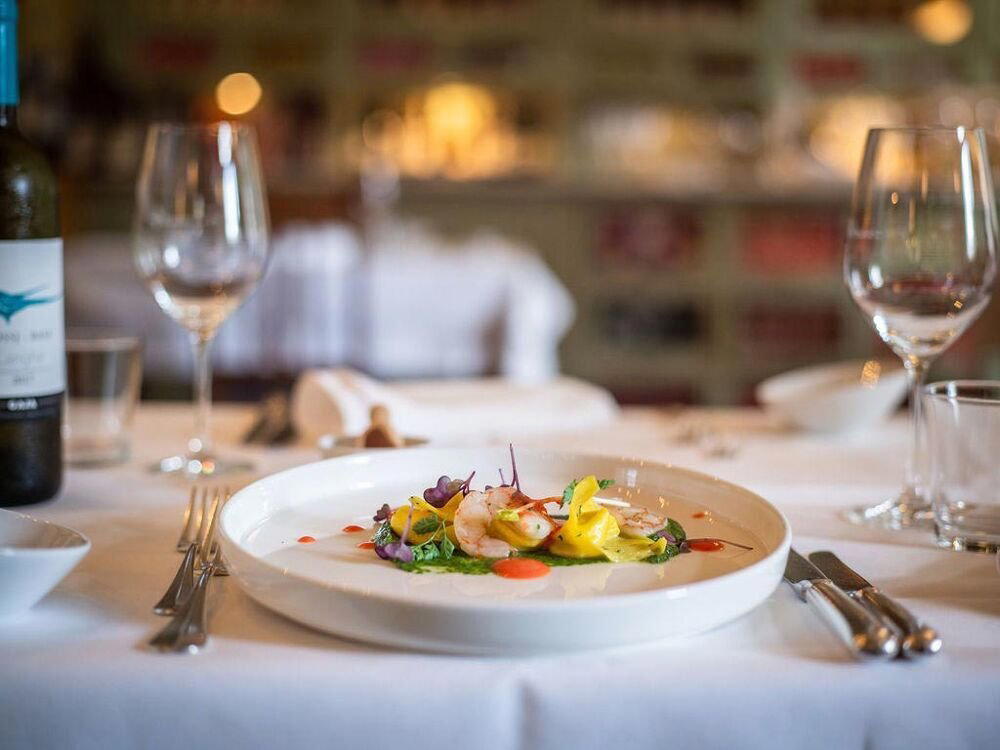
A Former Coffee House, Quietly Reimagined
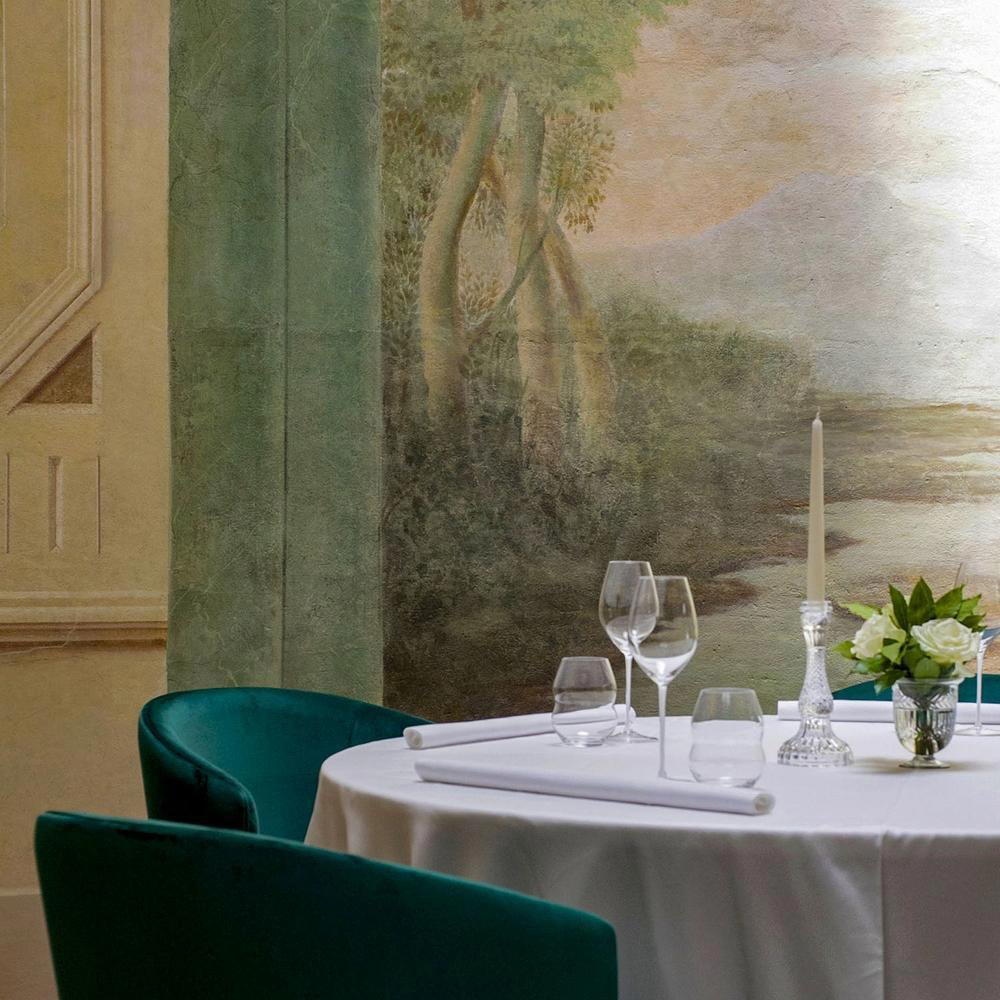
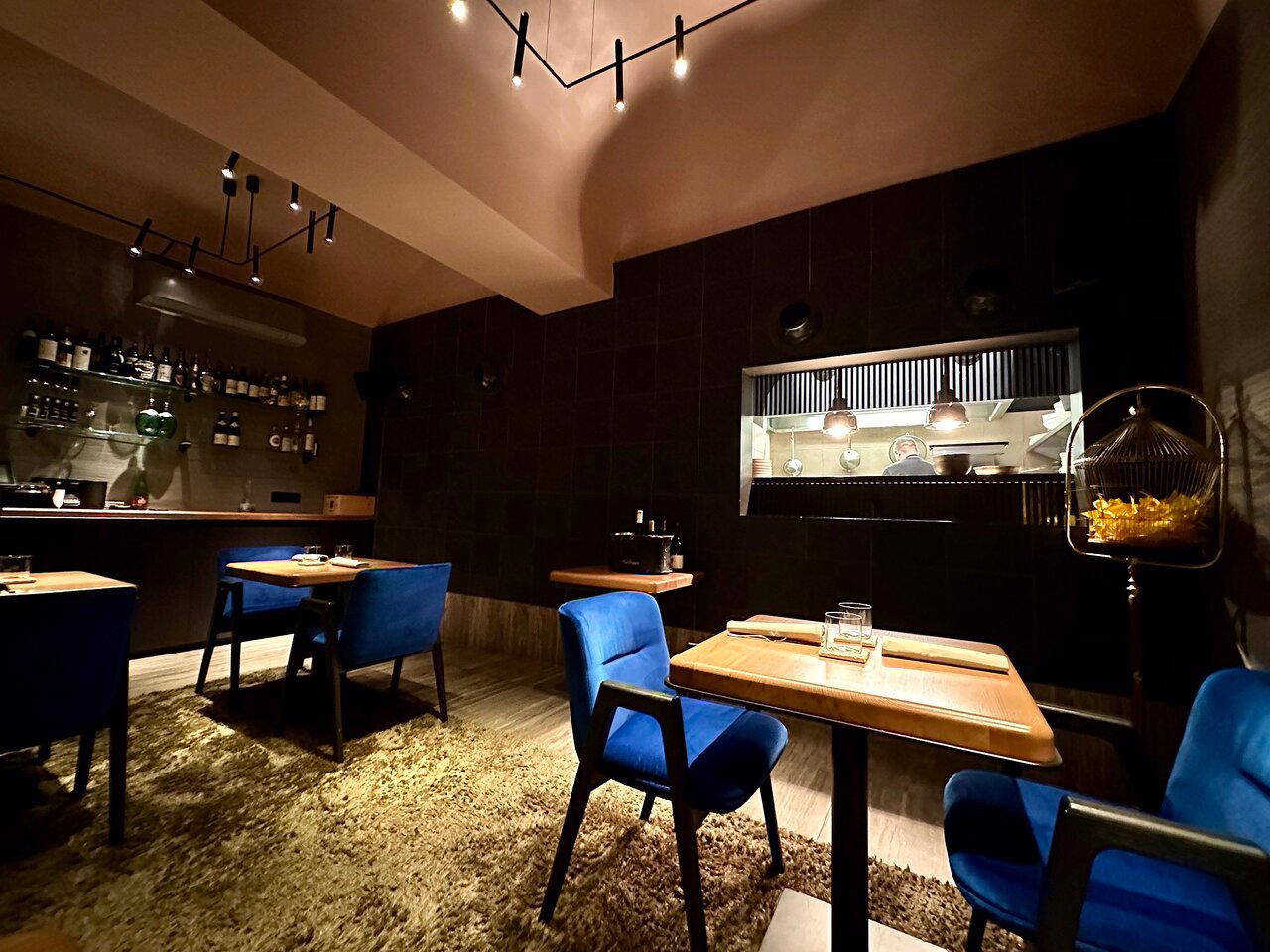
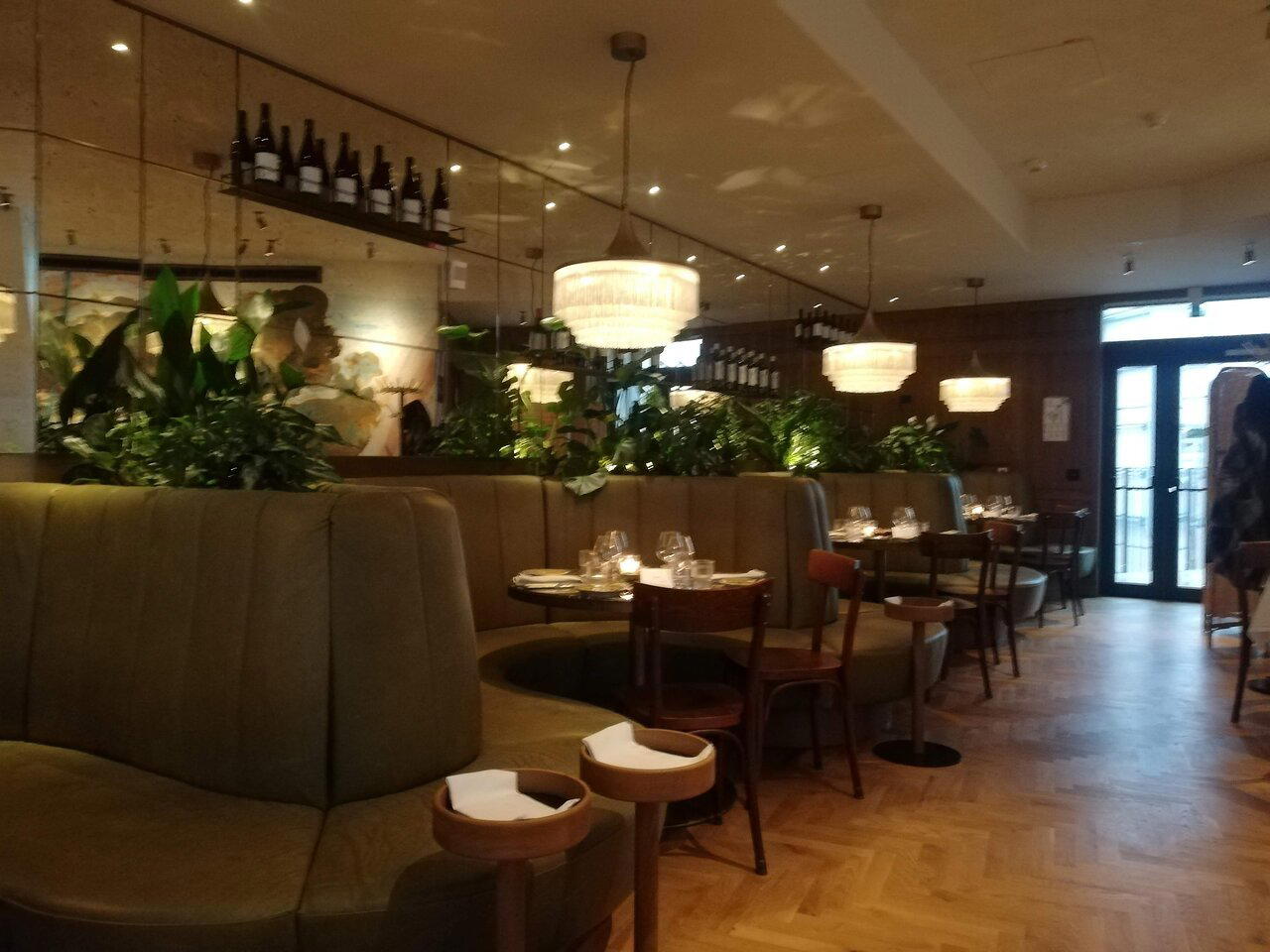
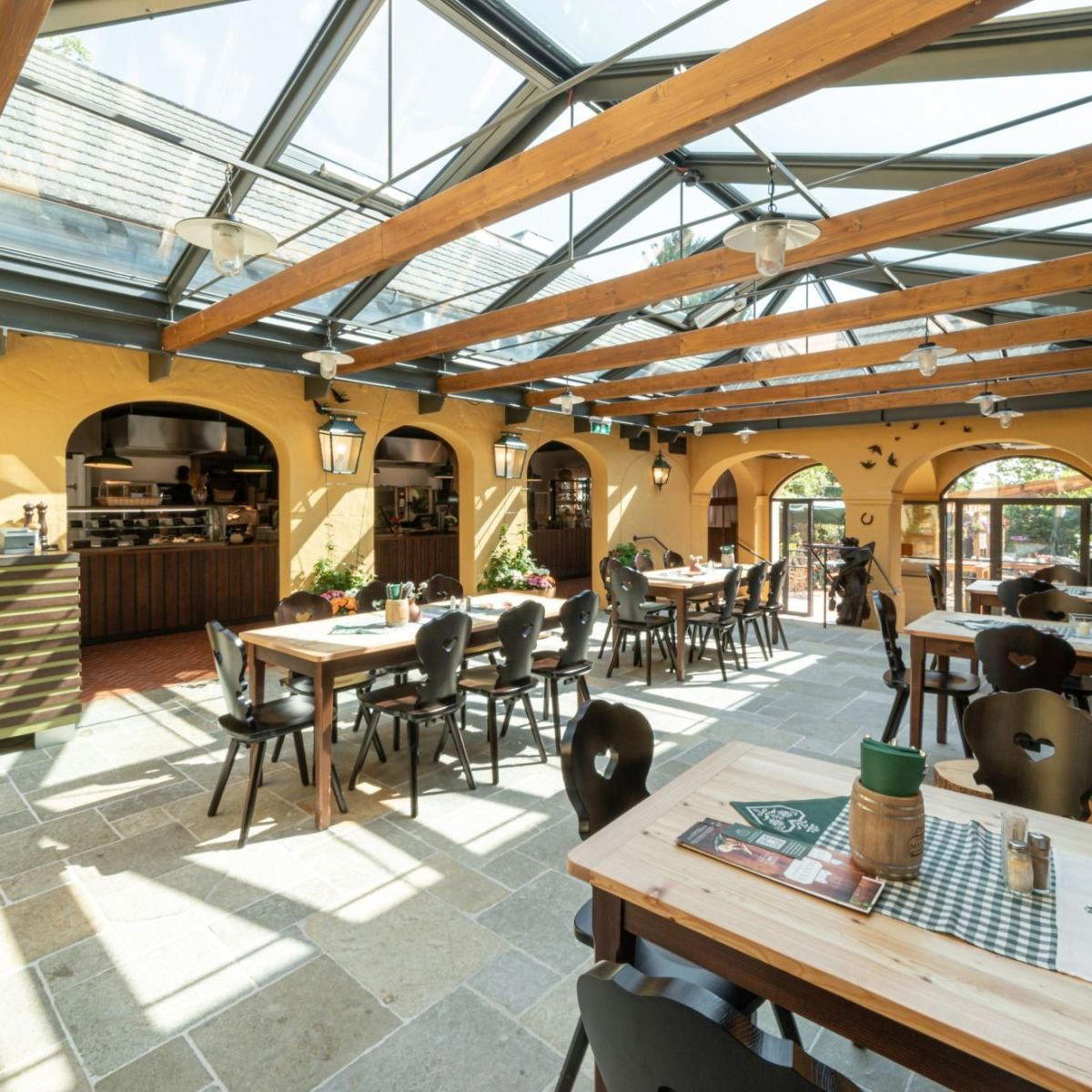
The sign outside says nothing except "K." No full name, no cuisine descriptor, no awards decal in the window. The interior follows the same logic: an industrial frame softened with retro detail, six tables arranged without ceremony, and a room that reads as chic without advertising the fact. In summer, the terrace extends the experience onto the pavement. The building's coffee house past is present in the bones of the space, though the programming inside has moved decisively elsewhere.
Das Kraus sits in Vienna's broader tier of serious, small-format modern restaurants, a cohort that has grown meaningfully over the past decade as the city's dining culture shifted away from grand institution dining toward precision-led rooms with small teams and tightly controlled menus. At the €€€€ price point and with a Michelin Plate for 2024, it positions itself alongside venues like Z'SOM and Buxbaum rather than in the starred bracket occupied by Silvio Nickol Gourmet Restaurant or Esszimmer - Everybody's Darling. That positioning matters: it describes a category of restaurant where the ambition is clear but the atmosphere is deliberately unguarded.
The Six-Course Format and What It Asks of the Kitchen
A fixed six-course set menu built on seasonal ingredients is a format that tolerates no structural padding. Every course must carry its weight, and the kitchen's culinary vocabulary needs to be coherent enough to sustain a full arc without repetition. The challenge is amplified when a secondary influence, in this case a strand of Japanese technique and flavour drawn from chef Daniel Horner's time as sous-chef at Mochi, is woven in at intervals rather than applied as a theme across the whole menu. That approach, using Asian flavour cues as punctuation rather than premise, has become a recognisable mode in European modern cuisine. When it works, it produces dishes where a moment of acidity, umami, or textural contrast sharpens a European base without displacing it. When it doesn't, the result reads as incongruous.
The comparison set here is instructive. Vienna's starred tier, from the creative intensity of Steirereck im Stadtpark to the formal modern European codes at Konstantin Filippou or Mraz & Sohn, operates with larger teams, deeper sourcing networks, and menus that are often more architecturally complex. Das Kraus operates with six tables and a format that keeps the kitchen focused. That constraint, rather than limiting the ambition, sharpens it.enprimeurclub.com/restaurants/dllerer-golling-an-der-salzach-restaurant">Döllerer in Golling an der Salzach or Ikarus in Salzburg, both of which operate within a similar framework of seasonal precision while working from different regional and conceptual starting points.
The Team at the Table: Chef, Sommelier, and the Logic of the Room
In a six-table room, the dynamic between kitchen and floor matters in a way that larger venues can obscure. Sommelier Vanessa Schober's role at Das Kraus is not peripheral. The decision to frame the wine program around domestic producers positions the restaurant within a broader movement in Vienna dining: a deliberate return to regional identity at the table, even in restaurants whose kitchens work with global technique.
The availability of a non-alcoholic tea accompaniment alongside the standard wine pairing extends that editorial logic in a different direction. Tea pairing as an alternative to wine is still a minority format in European fine dining, but it has gained traction among kitchens that want to offer a parallel experience rather than a lesser one. That it exists here, in a six-table room, suggests a team that has thought carefully about the full range of its guests rather than defaulting to convention.
The temporary art exhibitions, drawn from the proprietor's gallery practice, add a further layer to the room's identity. This is not decoration for decoration's sake. Gallery programming on a rotating basis means the space changes over time, and repeat visits carry a different visual context. It also positions Das Kraus within a tradition of Viennese cultural overlap between table and art that runs deep in the city's history, a city where the coffee house was always as much a cultural institution as a hospitality one. Planning ahead is advisable. Hours and direct booking details are not published through standard channels, which reinforces the sense that Das Kraus operates on its own terms and rewards guests who seek it out rather than stumbling across it.
The pavement terrace opens in summer, adding a seasonal dimension to the experience that makes warm-weather visits worth timing deliberately. For those building a broader Vienna dining itinerary, Herzig represents another smaller-format option worth considering, while the full Vienna restaurants guide maps the city's range from neighbourhood bistros to multi-starred dining rooms. Beyond food, the Vienna bars guide, hotels guide, wineries guide, and experiences guide offer further context for building a complete trip.
For reference points outside Vienna, the format and sensibility at Das Kraus shares certain qualities with the approach at Kräuterreich by Vitus Winkler in Sankt Veit im Pongau and Frantzén in Stockholm and FZN by Björn Frantzén in Dubai represent how the fixed-format tasting menu model operates at the highest tier, while Gourmetrestaurant Tannenhof in Sankt Anton am Arlberg and Griggeler Stuba in Lech show how Alpine settings shape the same seasonal-produce philosophy in distinctly different directions.
Frequently asked questions
What kind of recognition has Das Kraus received?
Das Kraus has received recognition including: This small restaurant comprising six tables is housed in what used to be a coffee house – the sign outside simply reads "K". They serve a six-course set menu made using seasonal ingredients, into which chef Daniel Horner (previously sous-ch….
What dish is Das Kraus famous for?
Das Kraus does not publish a fixed signature dish. The six-course set menu rotates with seasonal produce, and the kitchen's recurring identity lies in chef Daniel Horner's integration of subtle Asian inflections into a Central European seasonal framework, a technique carried over from his time as sous-chef at Mochi. Returning guests track the menu's evolution rather than a single recurring plate.
How much does it cost to eat at Das Kraus?
Pricing at Das Kraus is listed as €€€€.
How hard is it to get a table at Das Kraus?
Six tables at the €€€€ price point puts Das Kraus among Vienna's smallest serious dining rooms, and capacity alone makes walk-ins unrealistic. The restaurant holds a 2024 Michelin Plate recognition, which sustains demand at that scale. Booking ahead is advisable, particularly on weekend evenings.
A Tight Comparison
| Venue | Cuisine | Price | Awards | Notes |
|---|---|---|---|---|
| Das KrausThis venue (the venue you are viewing) | Modern European with Japanese Accents | $100–150 | Michelin Plate | Not listed |
| Steirereck im Stadtpark | Modern Austrian Fine Dining | $200–300 | 3 Michelin Stars · World's 50 Best #33 | Creative |
| Mraz & Sohn | Contemporary Austrian Fusion | $150–200 | 2 Michelin Stars · La Liste Top Restaurants | Modern Austrian, Creative |
| Silvio Nickol Gourmet Restaurant | Modern Austrian Fine Dining | $300–500 | 2 Michelin Stars · La Liste Top Restaurants | Modern Cuisine |
| Konstantin Filippou | Modern Fish-Led Fine Dining | $200–300 | 2 Michelin Stars · La Liste Top Restaurants | Modern European, Modern Cuisine |
| APRON | Modern Austrian Fine Dining | $150–200 | 1 Michelin Star · Falstaff Restaurant - 95 Falstaff Points | Austrian, Creative |
Recognition history
Dated appearances from independent guides and award organizations, with the underlying list record or original source where available.
Michelin Plate
Michelin
Full recognition history (3 entries)
Michelin Plate
Michelin
Michelin Plate
Michelin
Continue exploring
More in Vienna
Restaurants in Vienna
All restaurants in Vienna →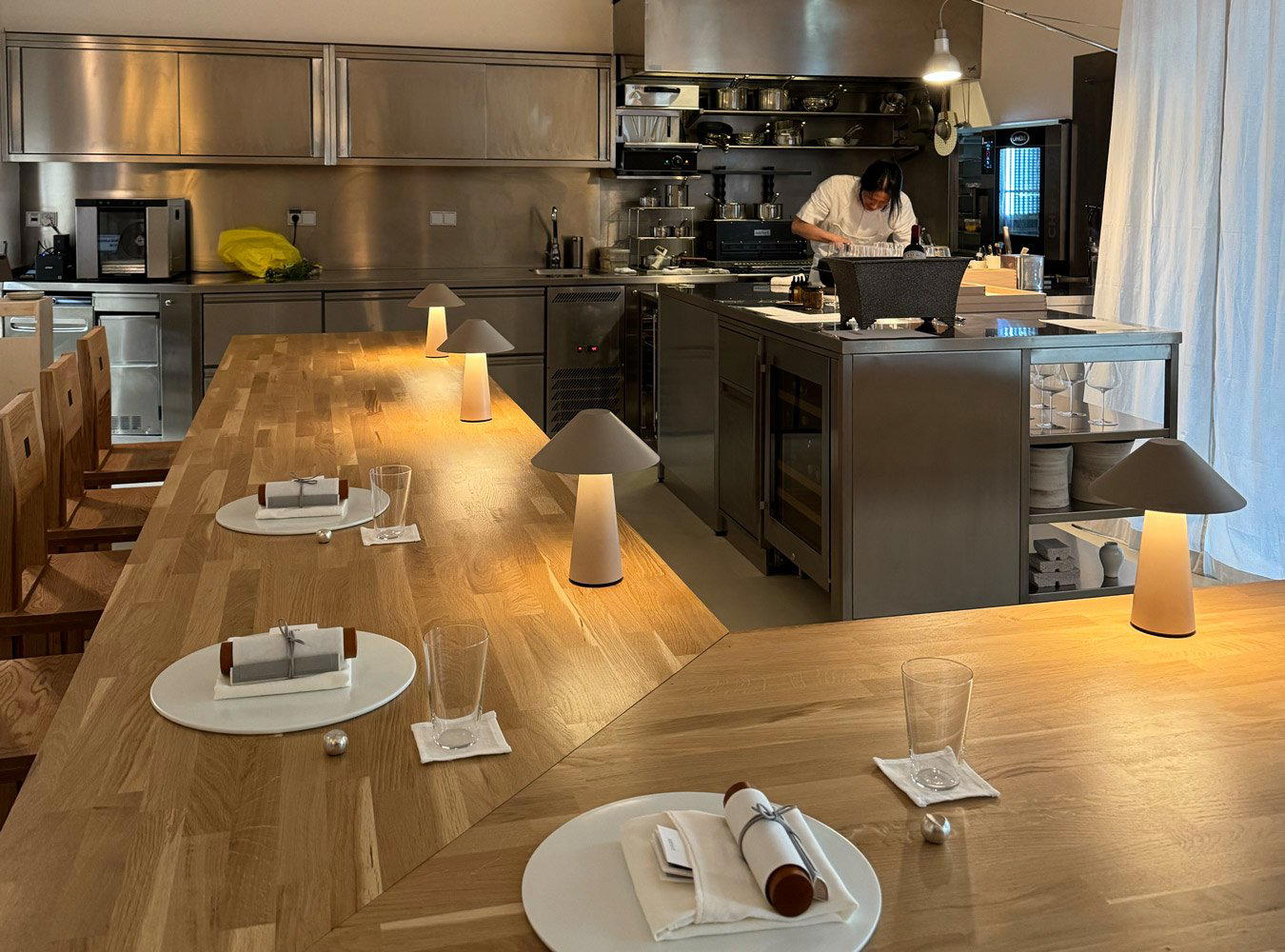
Bars in Vienna
All bars in Vienna →
Details
- Cozy
- Elegant
- Modern
- Intimate
- Sophisticated
- Date Night
- Special Occasion
- Open Kitchen
- Extensive Wine List
- Local Sourcing
- Tasting Menu
- Set Menu
Current opening hours
- Monday
- Closed
- Tuesday
- Closed
- Wednesday
- 6 PM–12 AM
- Thursday
- 6 PM–12 AM
- Friday
- 6 PM–12 AM
- Saturday
- 6 PM–12 AM
- Sunday
- Closed
Hours can change for holidays and private events. Hours as of .
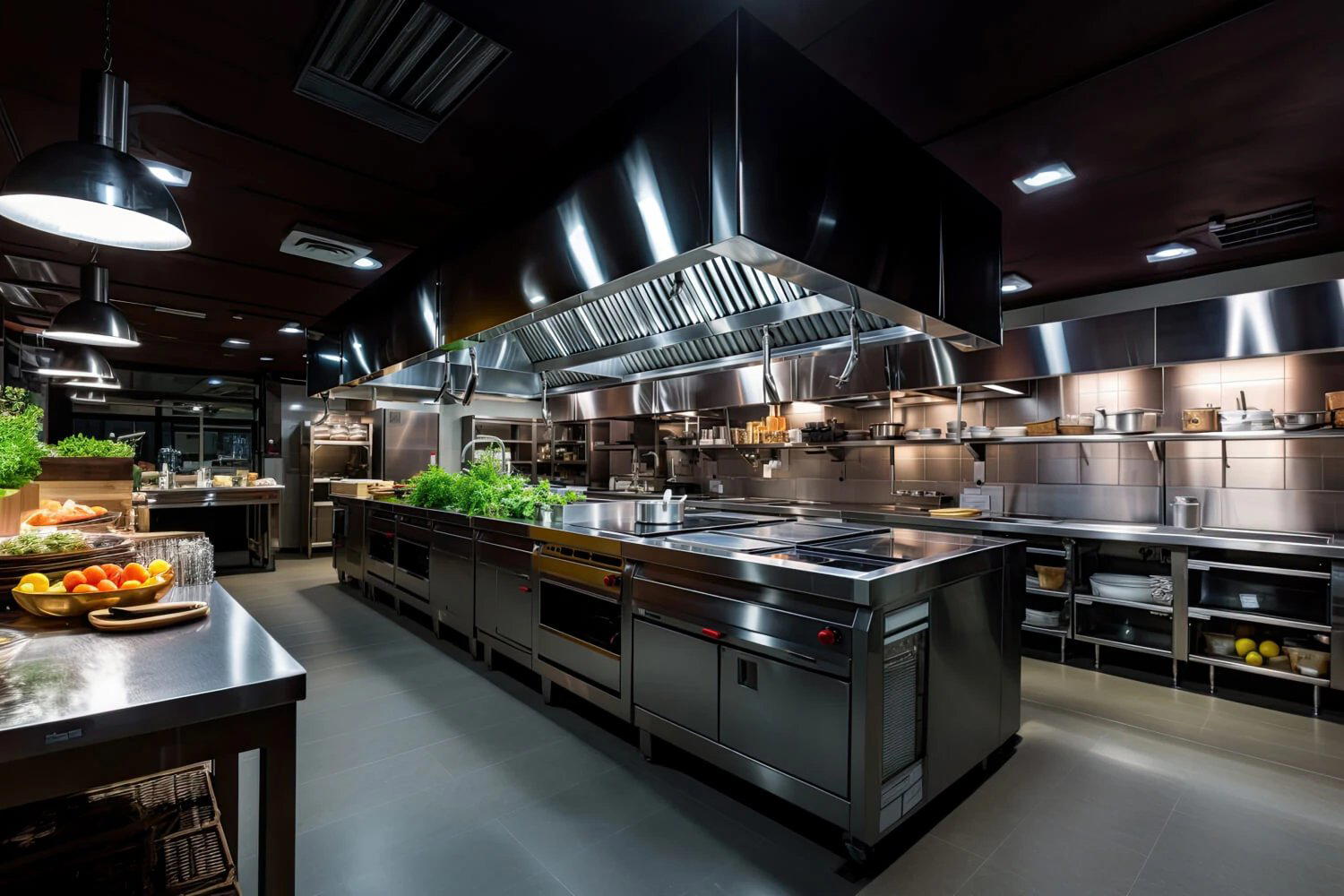
Modern-urban interior with cozy atmosphere, accent lighting, few tables for intimacy, blending industrial style and retro flair.