Michelin Plate
Our verdict
Liebsteinsky holds consecutive Michelin Plate recognition (2024 and 2025), placing it among the more consistently regarded traditional-cuisine addresses on Vienna's Ringstrasse corridor. The kitchen works in the register of classical Austrian cooking rather than the creative-tasting formats that dominate the city's top tier, making it a grounding counterpoint to Vienna's more experimental fine-dining scene.

Pearl is the En Primeur Club membership app, where members save venues, book tables and use the concierge.
The menu
What to order
- Wiener_schnitzel
- Venison_tenderloin_with_pumpkin
- Vitello_tonnato
The Ringstrasse Setting and What It Signals
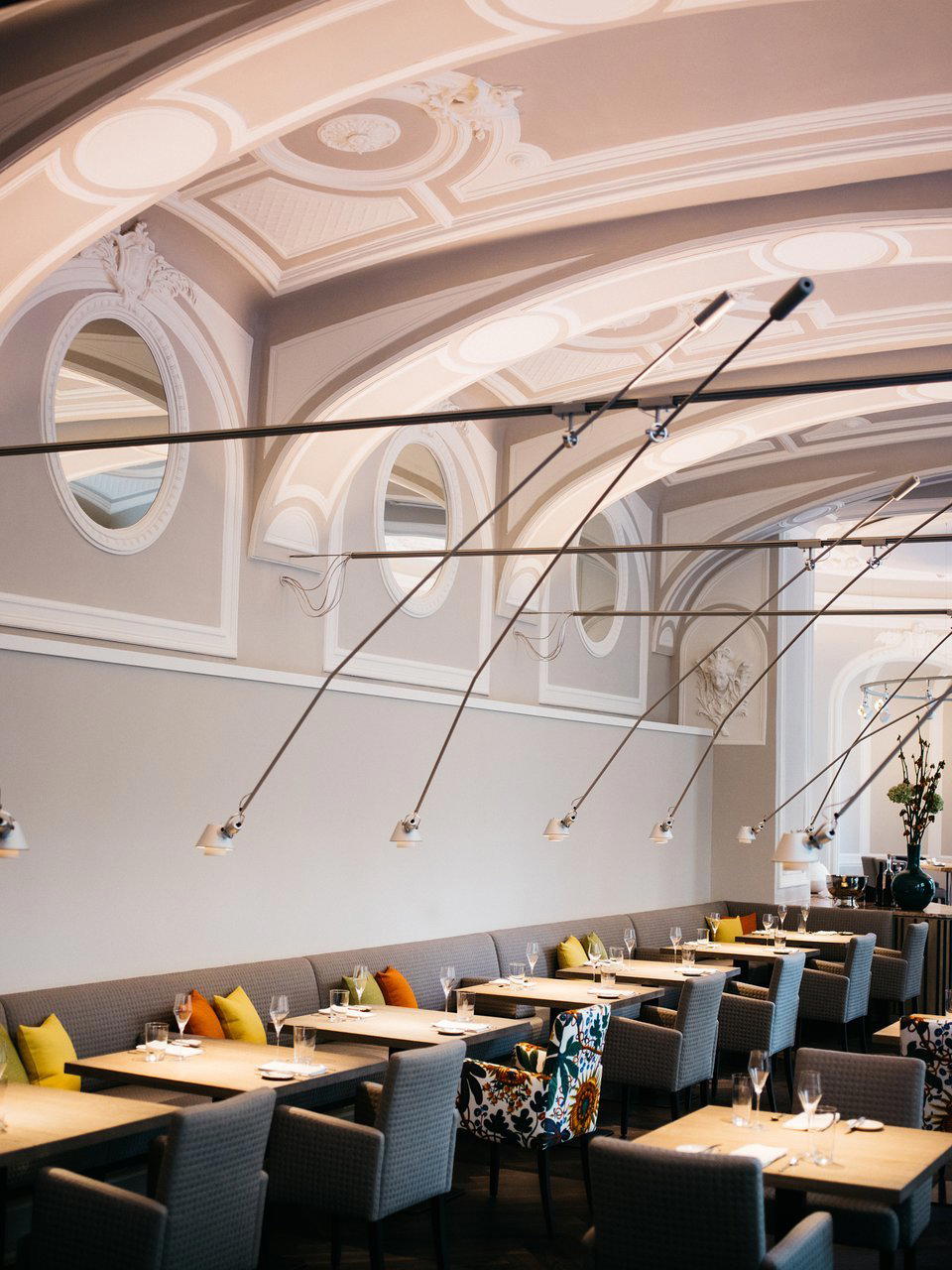
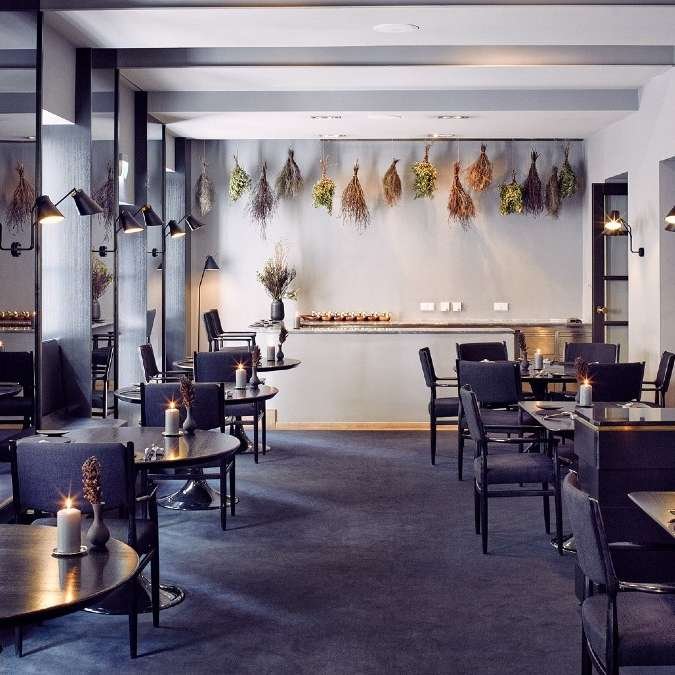
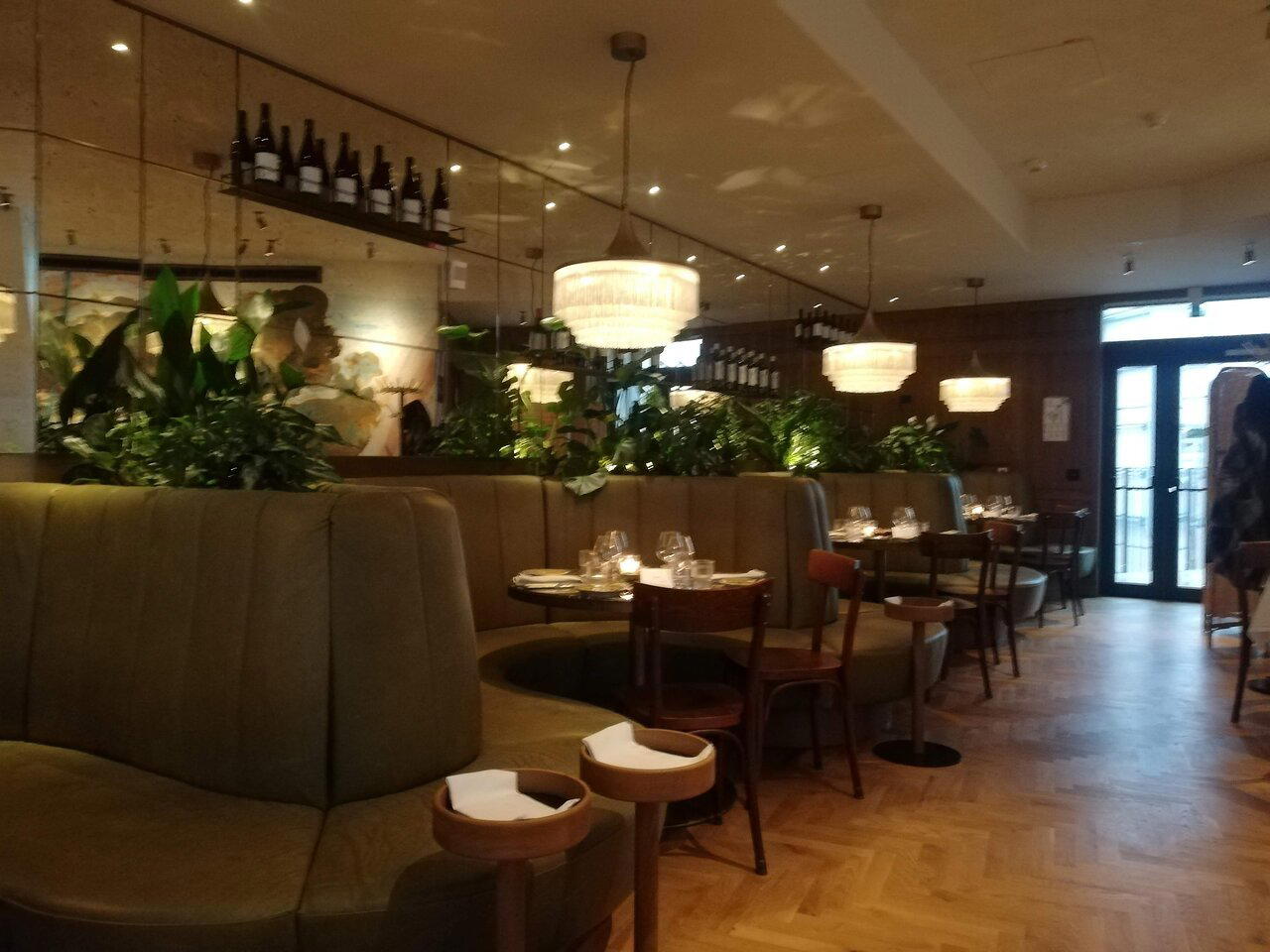
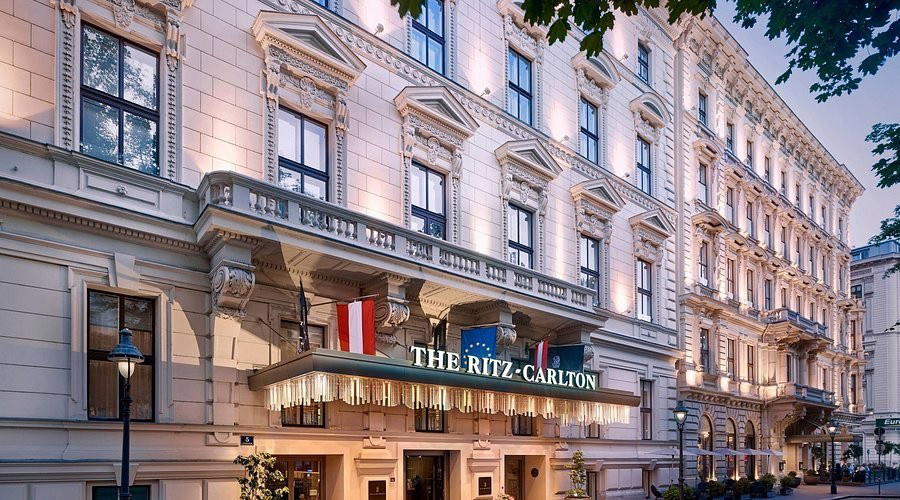
Vienna's first district carries a specific kind of architectural weight. Schubertring 6 sits on the inner ring road, a stretch of the city where the built environment itself sets expectations: grand facades, proximity to the Stadtpark, the hum of a capital that has never quite stopped performing its own history. Restaurants in this corridor tend to attract a mix of business travellers, hotel guests from nearby properties, and Viennese who want cooking that feels anchored rather than experimental. Liebsteinsky fits that context. The address alone positions it within a dining corridor that rewards formality and depth over novelty.
For broader context on where to eat, drink, and stay across the city, see our full Vienna restaurants guide, our full Vienna hotels guide, and our full Vienna bars guide.
Traditional Cuisine in a City Divided by Format
Vienna's recognised restaurant scene has split sharply in recent years. The upper tier, houses like Steirereck im Stadtpark, Amador, and Konstantin Filippou, operates largely in the creative and modern-European register, with multi-course tasting menus and price points at the €€€€ bracket. Below that, a smaller cohort holds the traditional-cuisine category: kitchens that take Austrian and Central European culinary conventions seriously without trying to reframe them as something else.
Liebsteinsky occupies that second position, priced at €€ and recognised with Michelin Plate status in both 2024 and 2025. The Michelin Plate is not a star, but it is a deliberate editorial signal from the guide, a marker that the kitchen is producing food worth the detour, without yet reaching or aspiring to the starred tier. Consecutive years of that recognition suggest consistency rather than a single strong inspection cycle.
The traditional-cuisine category in Vienna carries specific obligations. It implies classical technique, Austrian product sourcing, and a menu that references the broader Central European larder: game, freshwater fish, root vegetables, cured meats, and pastry traditions that predate the current wave of fine-dining minimalism. Whether a kitchen in this category succeeds depends less on invention than on execution and material quality. Liebsteinsky's dual Michelin recognition suggests that the execution here clears the threshold Michelin sets for plate-level acknowledgement.
The Wine Angle: Traditional Formats and the Austrian Cellar
Austria's wine story is, by international standards, still underappreciated relative to its quality ceiling. The country produces Grüner Veltliner and Riesling from the Wachau, Kamptal, and Kremstal that sit comfortably against leading Burgundy and Alsace equivalents in blind tastings, and a red programme from Burgenland, primarily Blaufränkisch and Zweigelt, that has attracted serious collector attention over the past decade. For a traditionally oriented Vienna restaurant at the €€ price point, the wine list is often where the value proposition sharpens most clearly.
In this category, the leading cellars tend to pair Austrian regional depth with selective international coverage. A traditional-cuisine kitchen at Liebsteinsky's price level is well-placed to list wines from producers like Prager, Knoll, or FX Pichler alongside Burgenland reds without the markup premium that starred restaurants in the €€€€ bracket apply. The food-wine alignment in traditional Austrian cooking is direct: the acidity and mineral structure of Wachau whites cut through rich sauces and braised meats in the way that more overtly international lists sometimes miss.
Guests approaching the list at a house like this should look to the Austrian regional section first. The domestic producers at this price tier tend to offer better value per bottle than the imported alternatives, and the flavour logic is stronger. If the list includes older vintages of Grüner Veltliner Smaragd or Kamptal Riesling, those are worth prioritising: they age unusually well and rarely appear at accessible prices outside Austria. For those building a broader sense of Austrian wine geography, our full Vienna wineries guide maps the key regional producers.
Within Vienna's traditional and Austrian-leaning kitchens, Liebsteinsky sits in a middle tier defined by Michelin recognition without starred ambition. Doubek and Kutschker 44 occupy adjacent territory in the city's recognisable mid-range. Above the Liebsteinsky price point, the creative kitchens apply Austrian product logic to more technically elaborate formats, a different proposition, not a better version of the same one.
The distinction matters for how you book and what you expect. A creative tasting menu at the €€€€ tier runs two to three hours and requires advance planning; the traditional-cuisine format at €€ is more flexible in both duration and booking lead time, and the kitchen's goal is different: to cook classical dishes well rather than to propose a novel experience. Those are legitimate and separate objectives, and Liebsteinsky's consecutive Michelin Plate recognitions suggest it is meeting its objective with regularity.
For context on how traditional-cuisine kitchens at this recognition level operate elsewhere in Austria and in comparable European settings, the comparison set extends outward: Döllerer in Golling an der Salzach and Obauer in Werfen represent the regional Austrian counterpart, kitchens where classical technique and local product carry equal weight. Further afield, Auberge Grand'Maison in Mûr-de-Bretagne and Auga in Gijón occupy analogous positions in their own traditional-cuisine categories.
Those planning a broader Austrian itinerary around fine dining might also consider Ikarus in Salzburg, Gourmetrestaurant Tannenhof in Sankt Anton am Arlberg, Griggeler Stuba in Lech, and Kräuterreich by Vitus Winkler in Sankt Veit im Pongau, each representing a distinct regional approach to Austrian cooking. The Vienna experiences guide covers the city's broader cultural programming for those building a multi-day itinerary.
Planning Your Visit
Liebsteinsky is located at Schubertring 6 in Vienna's first district, on the inner ring road close to the Stadtpark and the Stadtpark U-Bahn station on the U4 line. The €€ price positioning places it at a meaningful step below Vienna's starred tier, making it accessible for repeat visits rather than single-occasion dining.
What Should I Eat at Liebsteinsky?
Liebsteinsky operates in the traditional-cuisine category, which in the Vienna context means cooking grounded in Austrian and Central European conventions: classical technique applied to regional produce rather than reinterpreted through a contemporary fine-dining lens. The kitchen's consecutive Michelin Plate recognition in 2024 and 2025, awarded to restaurants producing food worth a specific visit, indicates that the kitchen is executing this format at a consistent level. As a general orientation: traditional-cuisine kitchens in this price bracket in Vienna tend to centre the menu on seasonal Austrian produce, with the wine list offering the strongest value in domestic Austrian bottles.
Frequently asked questions
Is Liebsteinsky award-winning?
Liebsteinsky has received recognition including: Michelin Plate (2025); Michelin Plate (2024).
What style of cooking does Liebsteinsky do?
What should I eat at Liebsteinsky?
Liebsteinsky operates in the traditional-cuisine category, which in Vienna means cooking grounded in Austrian and Central European convention rather than contemporary tasting-menu formats. The kitchen holds a Michelin Plate for both 2024 and 2025, a designation that recognises cooking quality without the architectural ambition of starred houses. Given the price range sits at €€, the menu likely centres on the kind of Austrian standards, roasted meats, seasonal produce, classic sauces, that define this genre in the first district. Specific dishes change seasonally, so checking directly with the restaurant on arrival is the most reliable approach.
What should I budget for a meal at Liebsteinsky?
Pricing at Liebsteinsky is listed as €€.
What's Liebsteinsky's location?
Liebsteinsky is located at Schubertring 6, 1010 Wien, Austria, Vienna.
The Essentials
| Venue | Cuisine | Price | Awards | Notes |
|---|---|---|---|---|
| LiebsteinskyThis venue (the venue you are viewing) | Modern Austrian Bistro | $50–100 | Michelin Plate | Not listed |
| Steirereck im Stadtpark | Modern Austrian Fine Dining | $200–300 | 3 Michelin Stars · World's 50 Best #33 | Creative |
| Mraz & Sohn | Contemporary Austrian Fusion | $150–200 | 2 Michelin Stars · La Liste Top Restaurants | Modern Austrian, Creative |
| Silvio Nickol Gourmet Restaurant | Modern Austrian Fine Dining | $300–500 | 2 Michelin Stars · La Liste Top Restaurants | Modern Cuisine |
| Konstantin Filippou | Modern Fish-Led Fine Dining | $200–300 | 2 Michelin Stars · La Liste Top Restaurants | Modern European, Modern Cuisine |
| APRON | Modern Austrian Fine Dining | $150–200 | 1 Michelin Star · Falstaff Restaurant - 95 Falstaff Points | Austrian, Creative |
Recognition history
Dated appearances from independent guides and award organizations, with the underlying list record or original source where available.
Michelin Plate
Michelin
Full recognition history (3 entries)
Michelin Plate
Michelin
Michelin Plate
Michelin