
A Michelin Bib Gourmand counter in Nakagyo Ward where kushiage takes an inventive, rapid-fire form. The prix fixe format, called 'Ippo Tsuko' or 'one way', places skewers directly in front of guests without consultation, moving through combinations like mushroom with soy butter and steamed wheat gluten with yuzu miso. At ¥¥ pricing, it sits well below Kyoto's kaiseki ceiling while earning consecutive Michelin recognition in 2024 and 2025.
Pearl is the En Primeur Club membership app — saves, bookings, and concierge access live there. Same editors, same standards.
- Address
- 310-10 Uradeyamacho, Nakagyo Ward, Kyoto, 604-8155, Japan
- Phone
- +81 75-222-0054
- Website
- kushitanaka.com
- Directions
- Get directions
 Saves & bookings on Pearl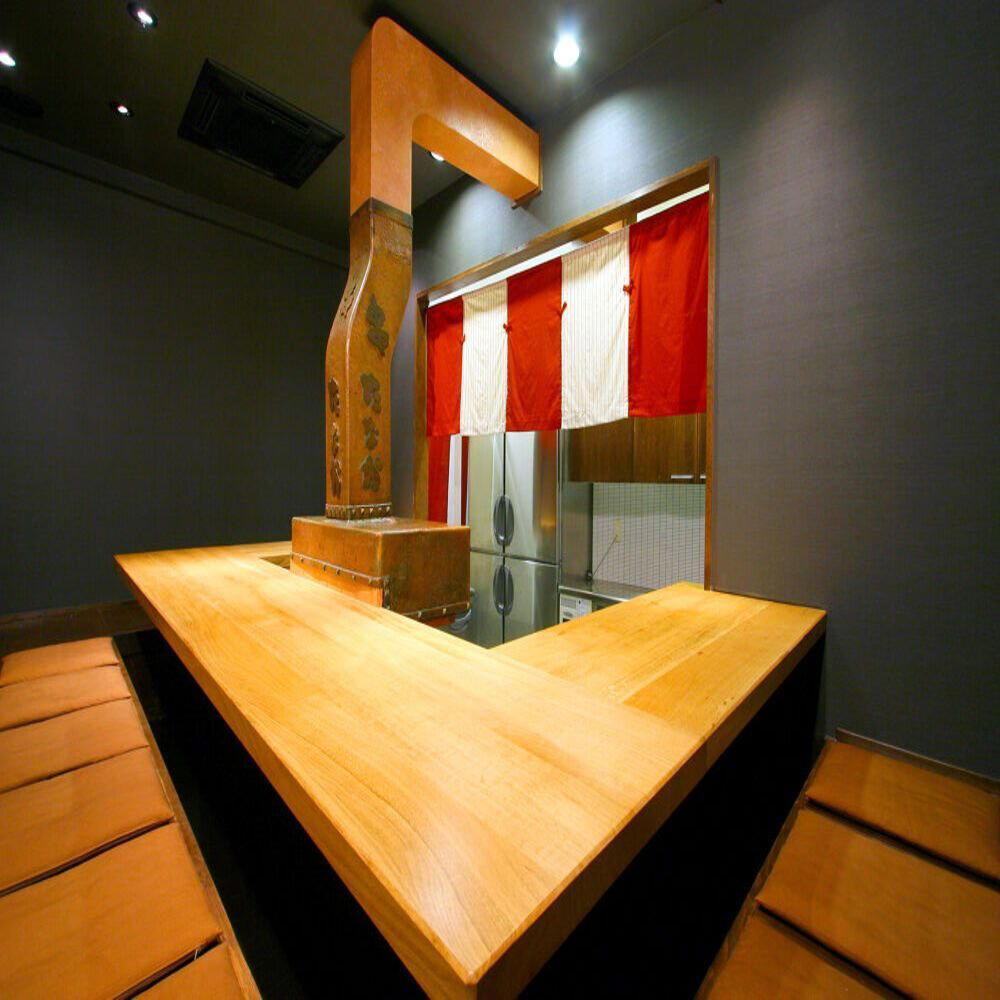
A Counter Where the Format Does the Talking
Kyoto's dining scene sorts itself into recognisable tiers: the kaiseki houses with decades of lineage, the Michelin-starred multi-course rooms priced at ¥¥¥¥, and a smaller category of counter restaurants where technical cooking meets accessible pricing. Kushi Tanaka belongs to that third group, and it earns consecutive Michelin Bib Gourmand recognition in 2024 and 2025 by doing something the kaiseki rooms rarely attempt: compressing creativity into a skewer format and moving at pace. The address is 310-10 Uradeyamacho in Nakagyo Ward, a central district that sits between the tourist corridors of Gion and the calmer residential streets to the west, giving the restaurant a neighbourhood quality that the more formal dining rooms in the city rarely project.
The Logic of 'Ippo Tsuko'
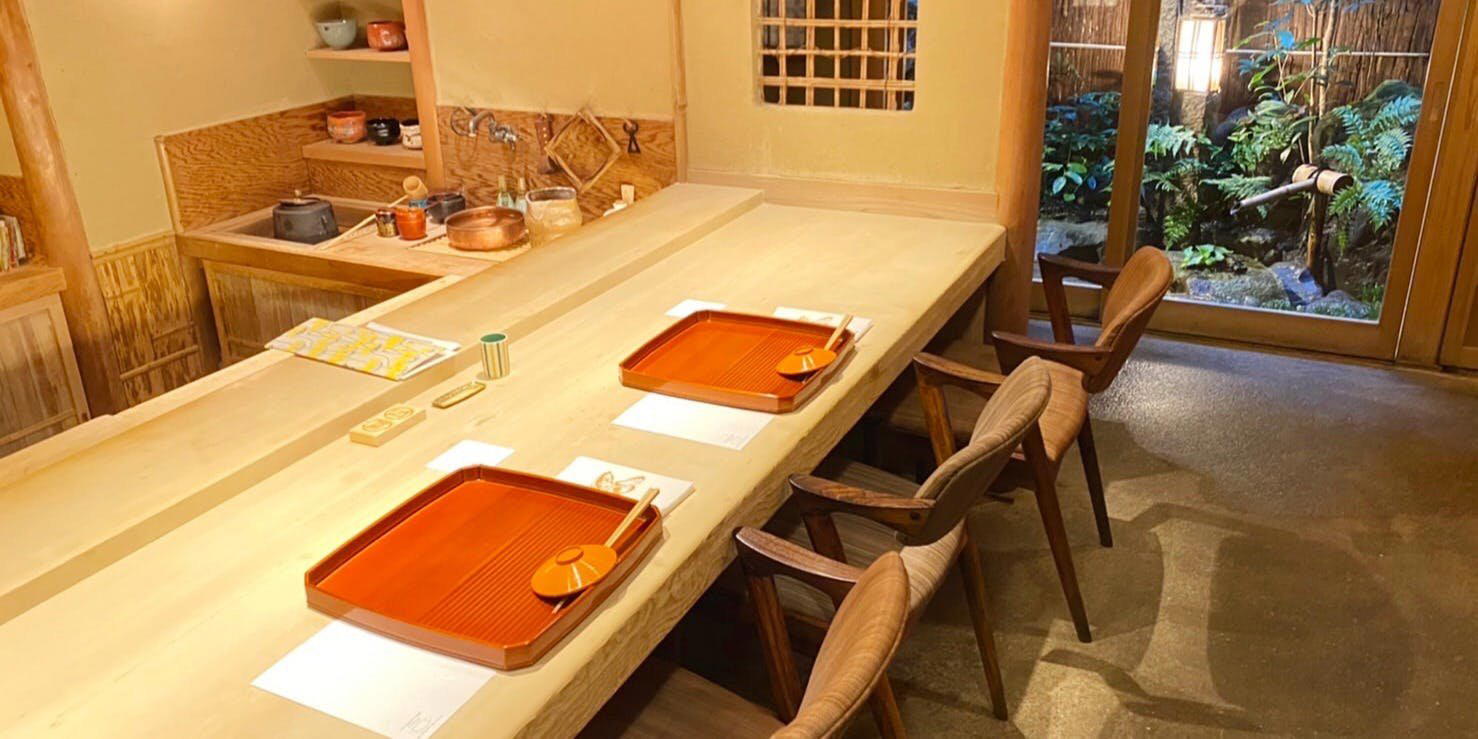
Kushiage as a category has a reputation for informality, battered, deep-fried skewers eaten at standing bars or casual izakayas, primarily associated with Osaka rather than Kyoto. What makes the format at Kushi Tanaka worth discussing in editorial terms is the deliberate inversion of that expectation. The prix fixe structure is named 'Ippo Tsuko', a Japanese phrase meaning 'one way', and it operates exactly as the name implies: skewers arrive in front of each guest without consultation, in a sequence determined entirely by the kitchen. There is no menu to deliberate over, no opportunity to reorder or redirect. The counter format, a tight C-shape that keeps the owner-chef within constant sight of every seat, reinforces that contract between cook and guest.
In the broader context of how Japanese tasting menus function, the no-consultation structure sits closer to omakase tradition than to Western prix fixe, but kushiage adds a tempo that omakase sushi rarely has. Skewers appear in rapid succession, and the variety documented by Michelin's inspectors is considerable: mushrooms with soy butter, steamed wheat gluten with yuzu miso, bread filled with cream cheese. That last combination signals something important about the kitchen's reference points. Cream cheese in a kushiage sequence is not a Japanese-French fusion gesture performed for novelty; it is evidence of a cook thinking across categories to find what actually works on a skewer at a specific moment in a sequence.
Where This Sits Against Kyoto's Dining Tiers
To understand what Kushi Tanaka is doing, it helps to map it against what surrounds it. Gion Sasaki and Hyotei represent Kyoto kaiseki at its most celebrated: multi-hour, multi-course, priced at ¥¥¥¥, operating with the kind of institutional weight that comes from decades of recognition. Kikunoi Honten and Isshisoden Nakamura occupy similar territory. At ¥¥ pricing, Kushi Tanaka sits in a structurally different competitive set, one where the Michelin Bib Gourmand is the relevant benchmark rather than the star system. The Bib Gourmand recognises good cooking at moderate prices, and consecutive recognition across two years indicates the kitchen is maintaining consistency rather than producing a one-season performance.
For a visitor whose itinerary already includes a kaiseki dinner at one of Kyoto's three-star rooms, the restaurant offers a different register entirely: faster, less ceremonial, more conversational. For a visitor who finds the ¥¥¥¥ tier prohibitive, it offers Michelin-recognised cooking at a price point that makes a second visit plausible.
The Editorial Angle: Drinks at a Kushiage Counter
Kushiage's natural pairing has historically been beer or highball whisky: the carbonation and clean finish cut through batter cleanly, and the informality of the format suits it. Japanese craft beer has expanded that conversation in the past decade, and sake pairings at kushiage counters have become more common as the format has moved upmarket.
What can be said with confidence is that the drink question at a kushiage counter matters sequentially. The rapid succession of skewers, each with distinct flavour logic, benefits from a drink that resets the palate without overwhelming individual preparations. That is a consideration worth raising with the restaurant directly at the time of booking. The C-shaped counter and the direct relationship between owner-chef and guest make that kind of conversation easier than it would be in a larger room. For visitors interested in sake at a more structured level, pairing a dinner at the restaurant with an afternoon at one of Kyoto's specialist sake bars provides the depth that the restaurant's format is not designed to deliver alone.
Kushiage Beyond Kyoto: The Regional Context
Kushiage as a serious dining format has advocates across Japan and in other parts of Asia. In Osaka, where the tradition is strongest, Kitashinchi Kushikatsu Bon operates in a different register within the same category. Beyond Japan, Hidden Kitchen in Hong Kong works within a similar counter-format logic. The category has also produced adjacent creative work at other Kansai addresses: HAJIME in Osaka operates in a different format entirely but reflects the same regional appetite for technically precise counter dining. akordu in Nara and Goh in Fukuoka offer useful comparison points, as does Harutaka in Tokyo for counter-format seriousness in a different cuisine register.
Planning Your Visit
The restaurant sits in Nakagyo Ward, central Kyoto, accessible in Kyoto's Nakagyo Ward. Our full Kyoto hotels guide covers accommodation options in the central wards. For visitors building a wider Kansai itinerary, our Kyoto experiences guide and Kyoto wineries guide extend the trip beyond the restaurant circuit.
How Kushi Tanaka Compares Logistically
| Venue | Category | Price Tier | Recognition | Format |
|---|---|---|---|---|
| The restaurant | Kushiage | ¥¥ | Michelin Bib Gourmand 2024, 2025 | Prix fixe counter, no consultation |
| Gion Sasaki | Kaiseki | ¥¥¥¥ | Michelin 3 Stars | Multi-course, formal |
| Ahbon | Japanese | Varies | EP Club listed | Counter dining |
| 1000, Yokohama | Japanese | Varies | EP Club listed | Counter format |
| 6, Okinawa | Japanese | Varies | EP Club listed | Small counter |
What to Know Before You Go
What's the must-try dish at the restaurant?
The format at the restaurant removes that question from the guest's hands by design. The 'Ippo Tsuko' structure means skewers arrive in a sequence set by the kitchen, without consultation. Among the preparations documented by Michelin inspectors, the mushrooms with soy butter and the steamed wheat gluten with yuzu miso represent the kitchen's range across umami-forward and citrus-bright registers. The cream cheese-filled bread skewer has been noted as evidence of the kitchen's willingness to move outside strictly Japanese reference points. The must-try is the full run rather than any single skewer. The counter format and the owner-chef's presence make it possible to ask about the night's sequence as it unfolds.
Nearby-ish Comparables
Comparable venues nearby, for context on price, style, and recognition.
| Venue | Cuisine | Price | Notes |
|---|---|---|---|
| Kushi TanakaThis venue — the venue you are viewing | Traditional Japanese Kushi-age | $$ | Not listed |
| Choshoku Kishin | Traditional Japanese Breakfast | $$ | Higashiyama |
| Jukuseibuta Kawamura | Aged Pork Tonkatsu | $$ | Yamashina |
| Izugen | Traditional Kyoto Sushi | $$ | Shimogyō |
| Sumiyakisosaitoriya Hitomi | Traditional Yakitori | $$ | Sakyō |
| KORISU | Yoshoku (Japanese-style Western) | $$ | Higashiyama |
Recognition history
Dated appearances from independent guides and award organizations, with the underlying list record or original source where available.
Michelin Bib Gourmand
Michelin
Michelin Bib Gourmand
Michelin
Michelin Bib Gourmand
Michelin
Continue exploring
More in Kyoto
Restaurants in Kyoto
Browse all →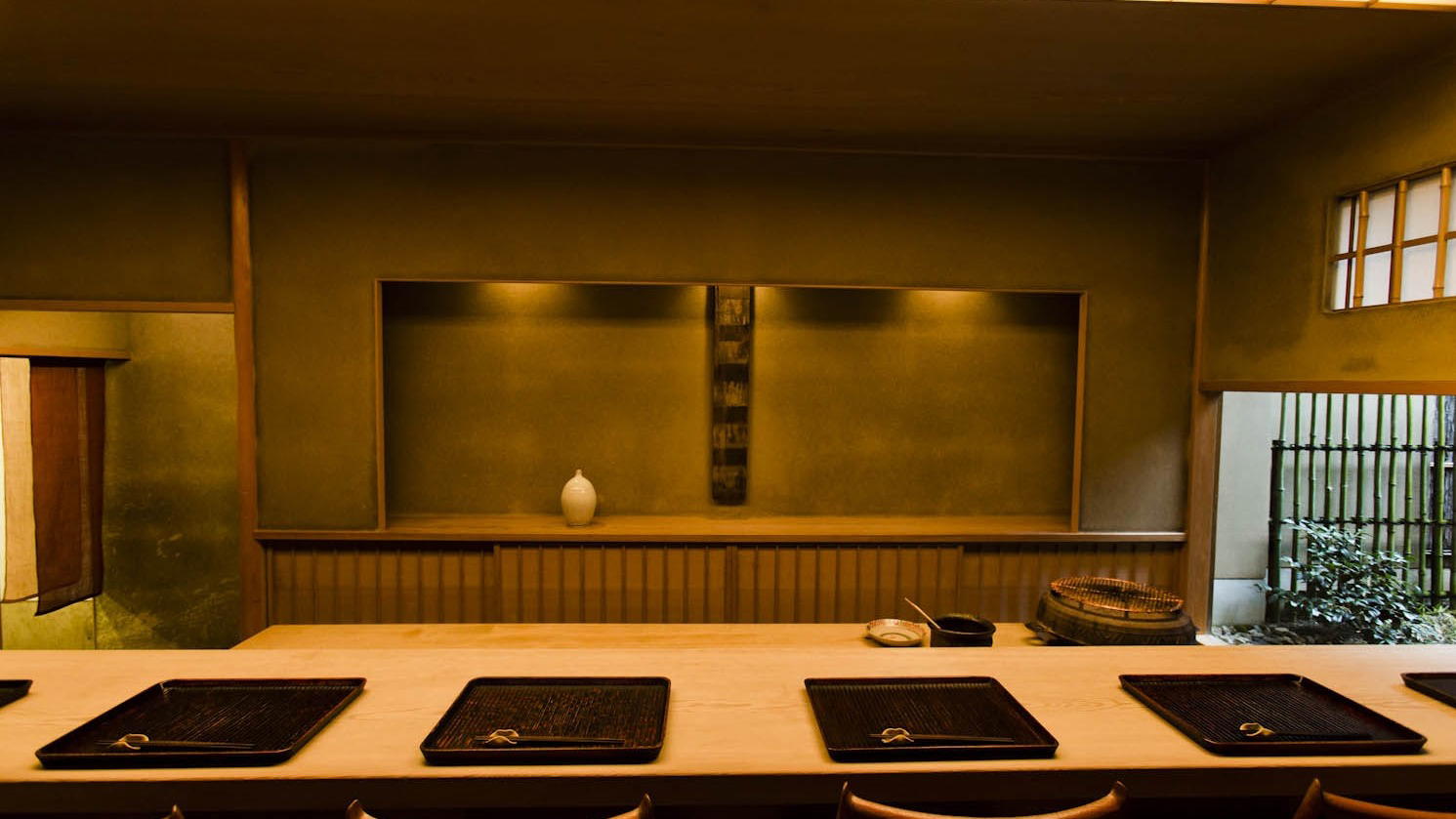
Bars in Kyoto
Browse all →
Hotels in Kyoto
Browse all →

Wineries in Kyoto
Browse all →
At a Glance
- Intimate
- Cozy
- Date Night
- Solo
- Sake Program
Current opening hours
- Monday
- Closed
- Tuesday
- Closed
- Wednesday
- Closed
- Thursday
- 5:30–10 PM
- Friday
- 5:30–10 PM
- Saturday
- 5:30–10 PM
- Sunday
- 5:30–10 PM
Hours can change for holidays and private events. Last verified .
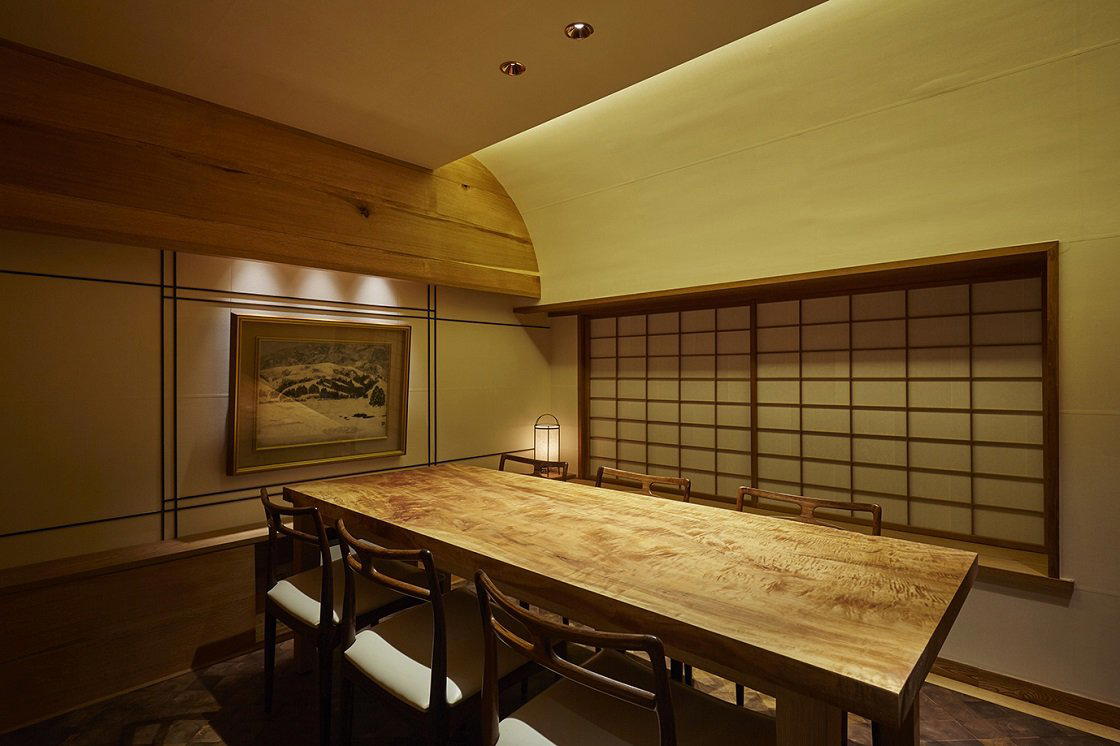
Warm and intimate setting with dim lighting, U-shaped counter surrounding the chef, and traditional tatami room upstairs.