On Szewska Street in Kraków's Old Town, KUKU occupies a position in the city's growing tier of ingredient-led casual dining, places where sourcing decisions carry as much weight as technique. The address places it within walking distance of the main market square, making it a practical choice for those moving between the old city's historic core and its increasingly serious restaurant corridor.
 Discover on Pearl
Pearl is the En Primeur Club membership app — saves, bookings, and concierge access live there. Same editors, same standards.
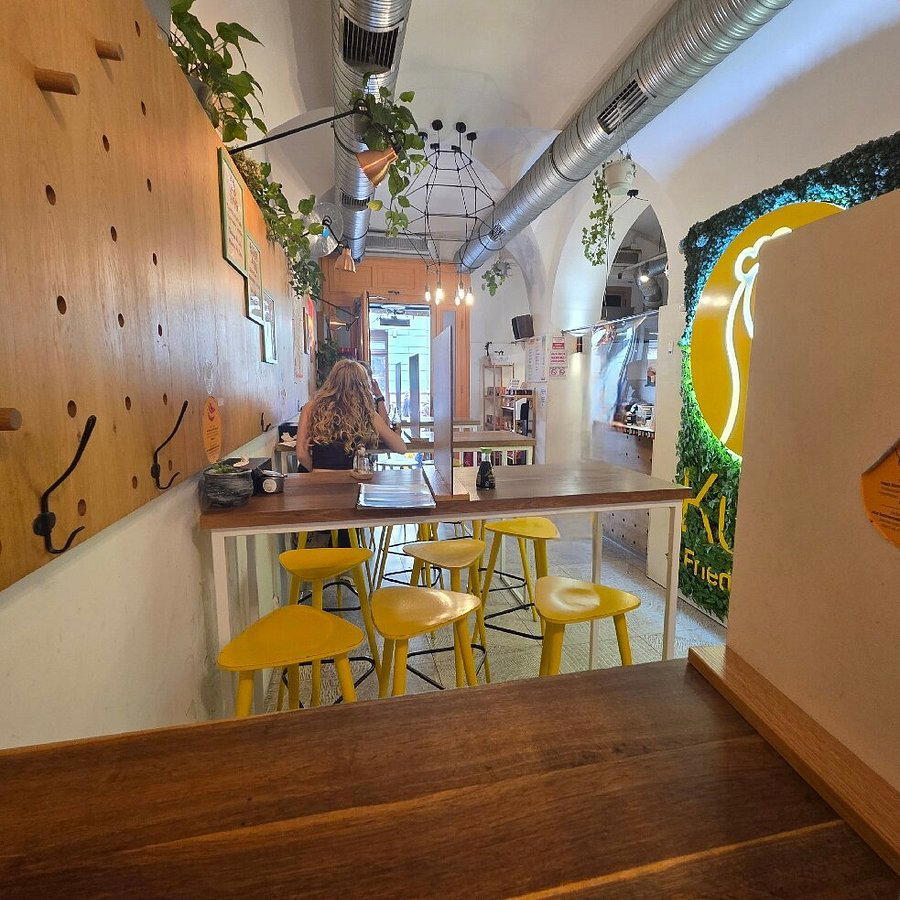
Szewska Street and the Sourcing Shift in Kraków Dining
Szewska Street runs south from the Rynek Główny, Kraków's main market square, and for much of the last decade it has functioned as a transitional zone between tourist-facing food and the city's more considered dining options. KUKU sits at Szewska 6, Kraków, and serves Authentic Taiwanese Noodles & Bubble Tea at a casual, walk-in-friendly spot. That positioning matters because it reflects something broader happening in Kraków's restaurant culture: a slow but measurable shift toward ingredient provenance as a primary editorial statement, rather than an afterthought.
Polish dining, in its serious contemporary form, has never been entirely divorced from the land. The country's agricultural regions produce ingredients, game from the Carpathian foothills, freshwater fish from Mazury, highland dairy from Podhale, that form the backbone of a culinary tradition built on seasonal necessity. What has changed in cities like Kraków, Warsaw, and Gdańsk over the past decade is the degree to which restaurants make that provenance explicit, treating supplier relationships and regional sourcing as part of the narrative rather than simply a fact of geography. At the more formal end of this movement, places like Bottiglieria 1881 Restaurant have built modern Polish tasting menus around precisely this logic. KUKU operates at a different register, but the underlying principle, that the ingredient's origin shapes the dish's meaning, holds across both.
Where KUKU Sits in Kraków's Dining Tiers
Kraków's restaurant scene has expanded considerably since the mid-2010s, and it now contains a more legible hierarchy than it once did. At the upper end, creative tasting-menu formats, represented locally by Artesse at the €€€€ tier, compete on technique, chef profile, and producer relationships that span multiple regions. Mid-range venues occupy a more contested space, where the difference between a genuinely food-serious operation and a well-designed tourist trap is not always obvious from the outside.
KUKU's address on Szewska places it in proximity to this competitive middle ground. Venues operating at this level in Kraków increasingly use ingredient sourcing as a differentiating signal, not because it is fashionable, but because Polish consumers and visiting guests with serious food interests have learned to read it as a proxy for kitchen discipline. A restaurant that can name its suppliers, specify its regions, and let that specificity show in what arrives on the table is making a statement about priorities that goes beyond décor or price point. This is the frame through which KUKU is best understood, as part of a cohort of Kraków addresses committed to that kind of transparency, alongside places like Amarylis and Bufet, which operate within similar sourcing-conscious logic at varying formats and price points.
The Broader Polish Context: Ingredient-Led Dining Across the Country
The ingredient-sourcing movement in Polish restaurants is not a Kraków-only phenomenon. Across the country, a generation of chefs has reoriented around domestic producers in ways that would have seemed uncommercial fifteen years ago. Arco by Paco Pérez in Gdańsk brings a similar producer-focused discipline to the Baltic coast, while Muga in Poznań has built a reputation on regional ingredient specificity in the west of the country. In the mountains, Giewont in Kościelisko draws directly on Podhale's highland produce. In Warsaw, hub.praga represents a different expression of the same underlying interest in provenance-led cooking.
For a city-by-city reference point further afield, Kwestia Czasu in Białystok and Cudne Manowce in Olsztyn each represent how ingredient sourcing translates into regional identity outside the main urban centers. The cumulative effect of these operations, working at different price tiers and formats across Poland, is a national dining conversation increasingly anchored in where food comes from rather than which international technique has been applied to it.
Kraków, with its proximity to the Małopolska agricultural belt and the Tatra mountain region to the south, is particularly well-positioned to benefit from this shift. The city's restaurants have shorter supply chains to domestic producers than their Warsaw counterparts, and that geographic advantage is one reason why the sourcing-led approach has taken hold with particular consistency here.
Eating at KUKU: What to Expect
The venue's Szewska Street location means it draws from both the tourist flow off the Rynek and the local audience that increasingly populates this corridor in the early evening. That dual audience is common among Old Town addresses that have crossed into food-serious territory, venues like Górnik in Krakow move through the same dynamic. The practical implication is that the kitchen tends to balance accessibility with specificity: dishes that read clearly to a first-time visitor while still carrying the sourcing and technique signals that a returning guest or local food-interested diner will recognise.
For those comparing Kraków's ingredient-led options against international reference points, the logic here connects to something visible in the better casual-format rooms in other food cities, the idea that serious sourcing doesn't require a tasting-menu format or a Michelin frame to be credible. At the higher end of global dining, venues like Le Bernardin in New York City and Atomix in New York City have built their reputations partly on producer relationships that predate any formal recognition. KUKU operates at a different scale and ambition level, but the underlying discipline of treating sourcing as primary is recognisable across formats and tiers.
Kraków's dining scene also rewards exploration beyond Polish cooking. Akita Ramen represents the city's growing international food range, while visitors with broader Polish itineraries might cross-reference Hashi Sushi in Gdansk, Hattori Hanzo in Czestochowa, or Włoska Restauracja Bellanuna in Rzeszow for a sense of how food culture is evolving across Polish cities at different scales.
Planning a Visit
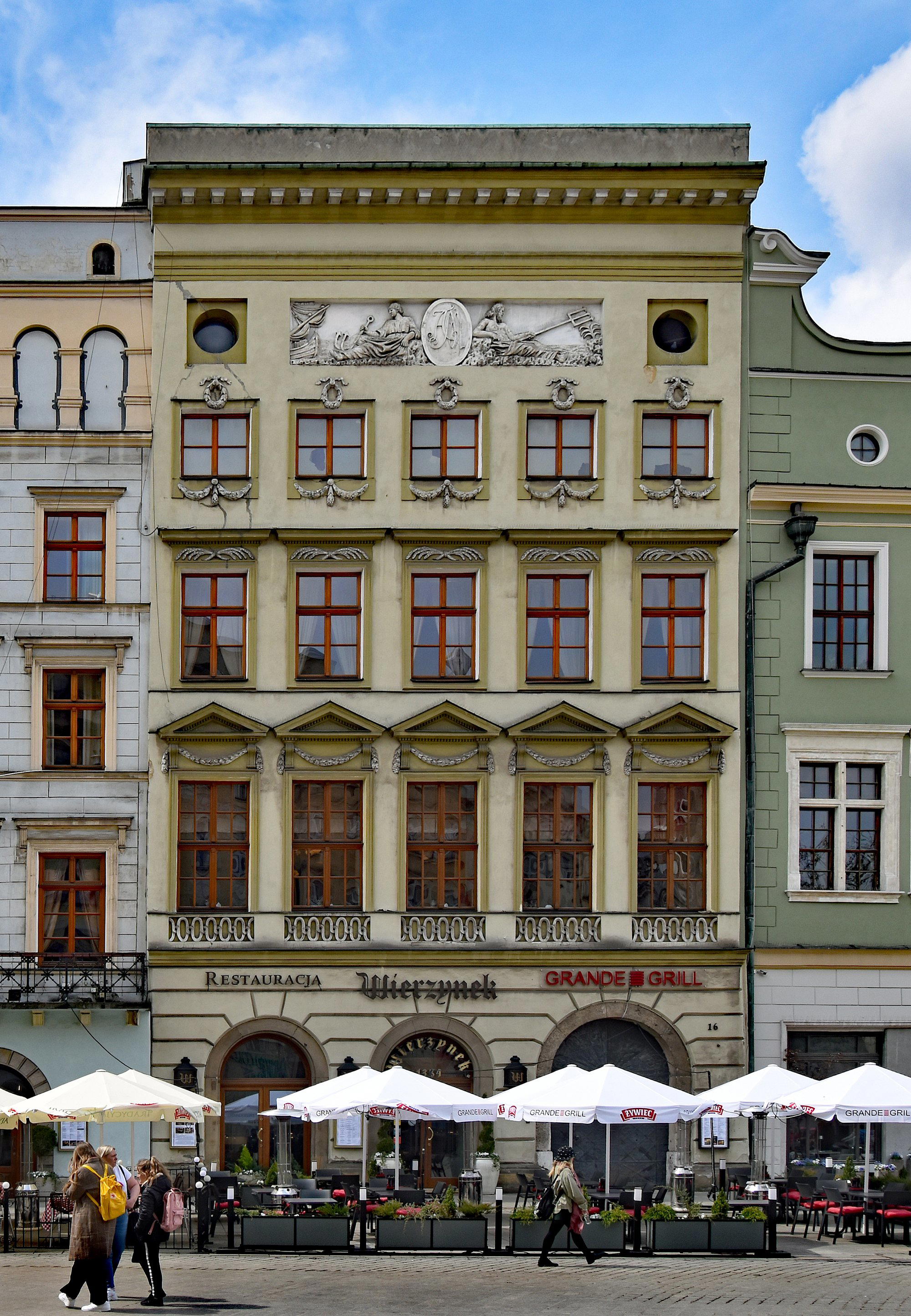
KUKU is located at Szewska 6, in the Old Town, within a few minutes' walk of the Rynek Główny. The address is direct to reach on foot from the main square and sits on a street that is generally walkable year-round. Given the Old Town's density during peak summer months, Kraków is among Poland's most-visited cities, drawing several million visitors annually, reservations at ingredient-led venues in this corridor are advisable, particularly for evening sittings from Thursday through Saturday. KUKU is open daily from 11:30 AM to 9:30 PM and is walk-in friendly.
Side-by-Side Snapshot
Comparable venues nearby, for context on price, style, and recognition.
| Venue | Cuisine | Price | Awards | Notes |
|---|---|---|---|---|
| KUKUThis venue — the venue you are viewing | Authentic Taiwanese Noodles & Bubble Tea | $$ | , | |
| Czarna Kaczka | Traditional Polish | $$ | , | Stare Miasto |
| 3 Rybki | Modern Polish with Seafood Focus | $$$ | , | Stare Miasto |
| Górnik | Traditional Polish Milk Bar | $ | , | Śródmieście |
| Restauracja Cechowa | Traditional Polish | $$ | , | Old Town |
| TAG | Modern Classic Cocktails | $$ | , |

At a Glance
- Casual
- Trendy
- Cozy
- Casual Hangout
- Group Dining
- Solo
- After Work
- Late Night
- Standalone
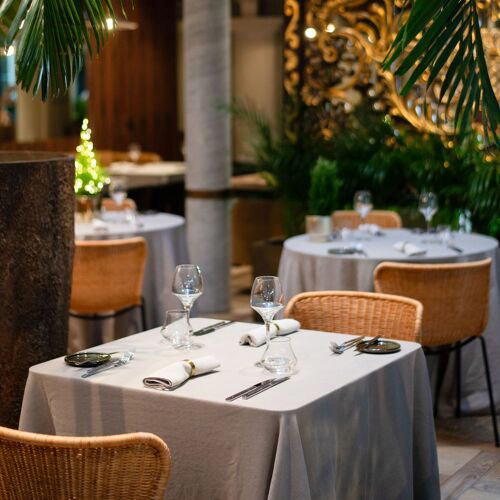
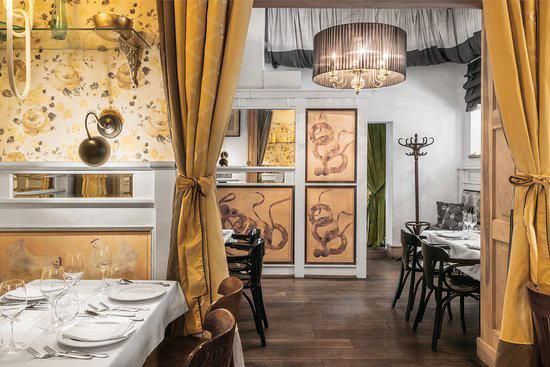
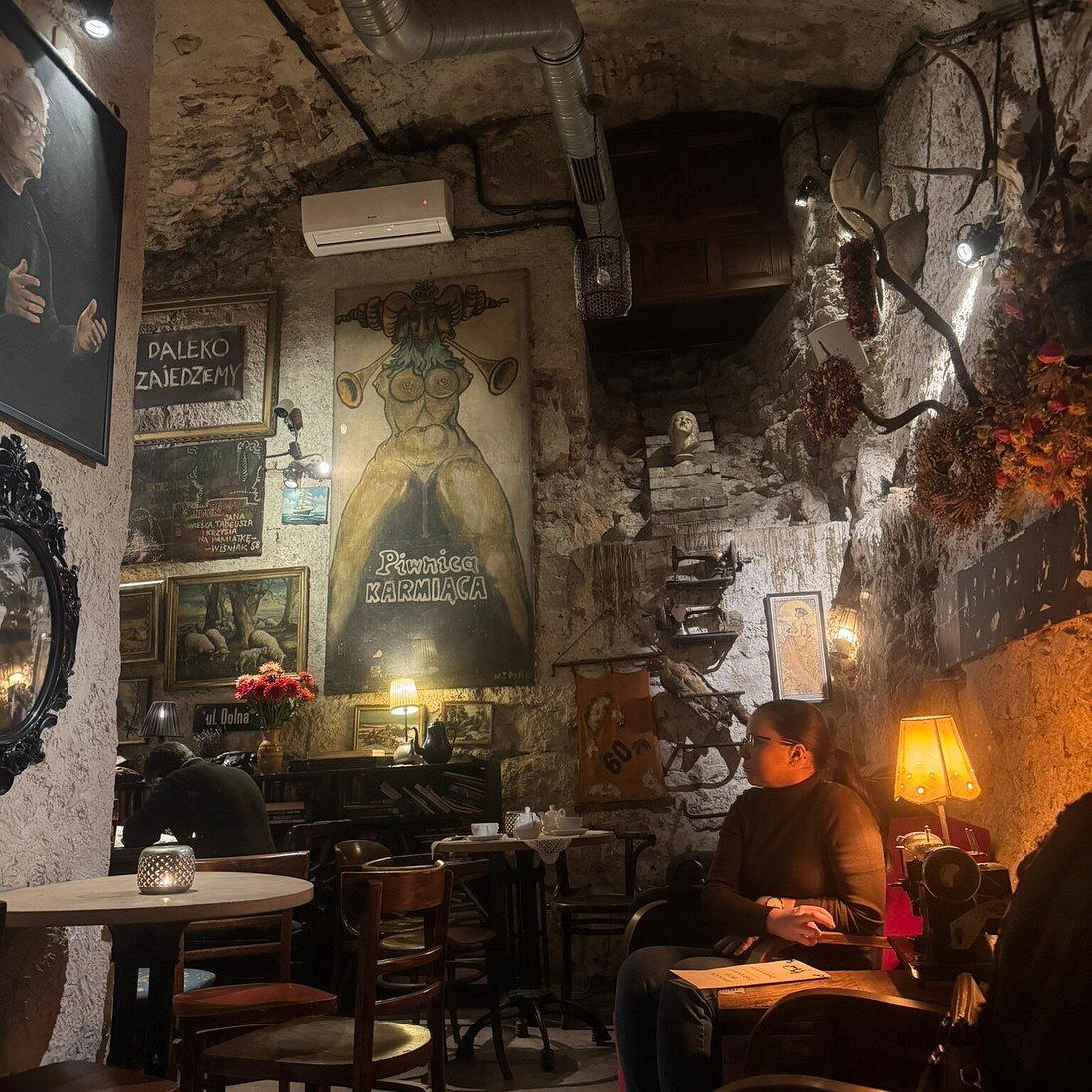
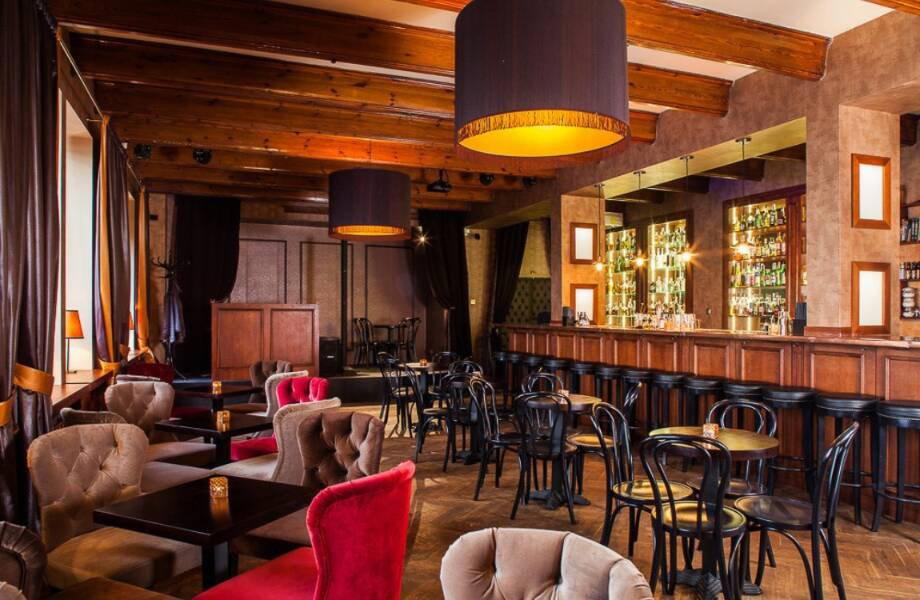
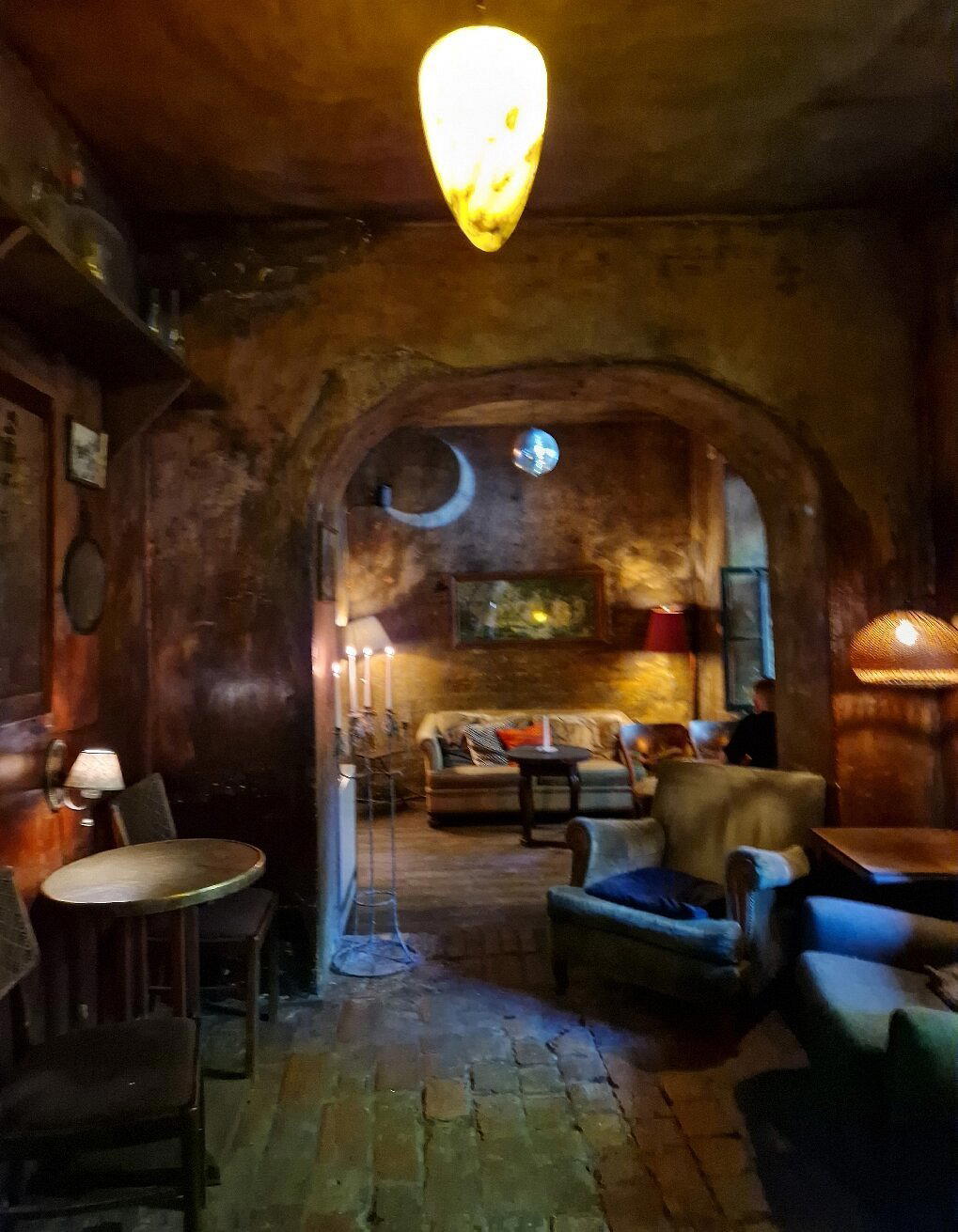
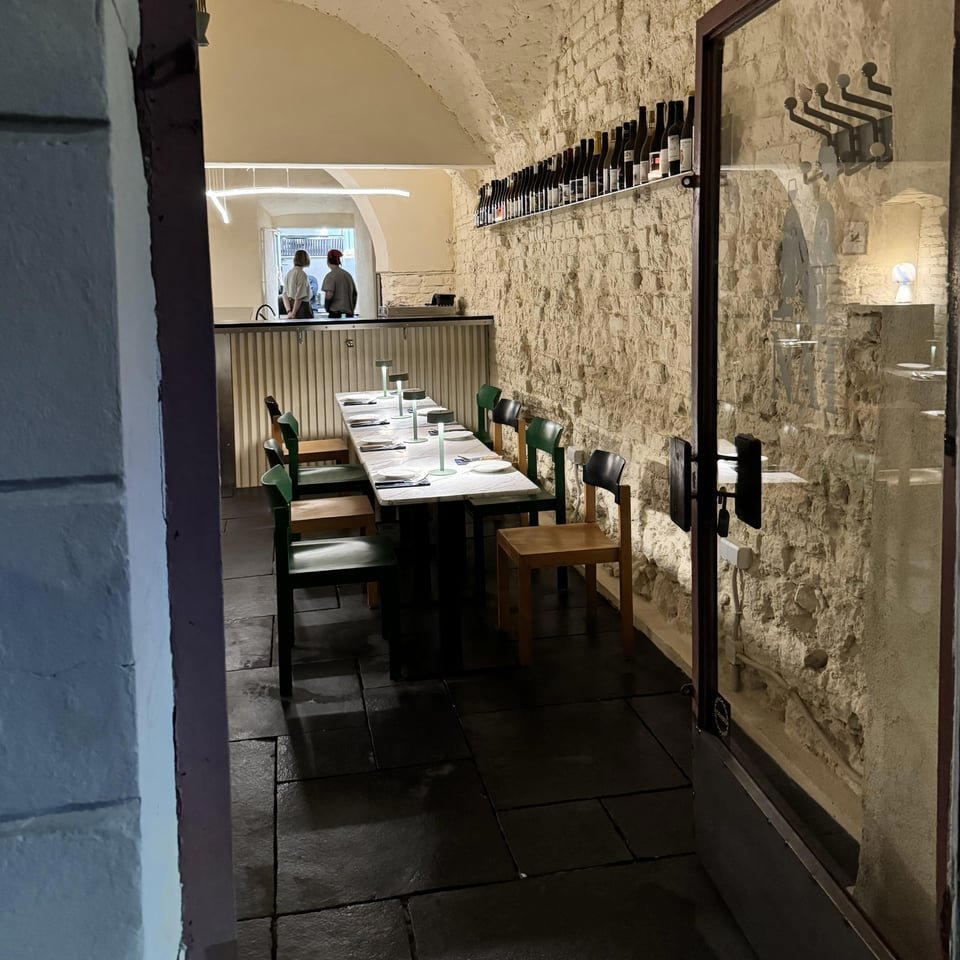
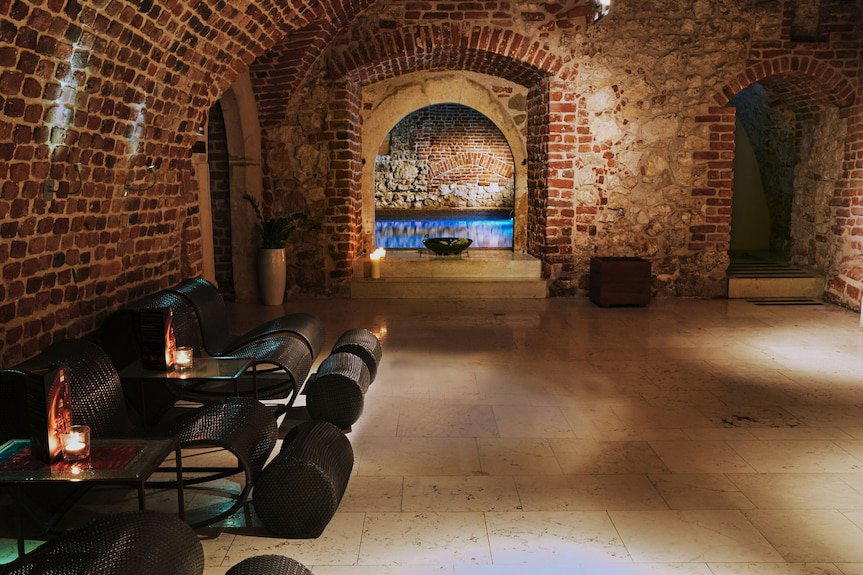
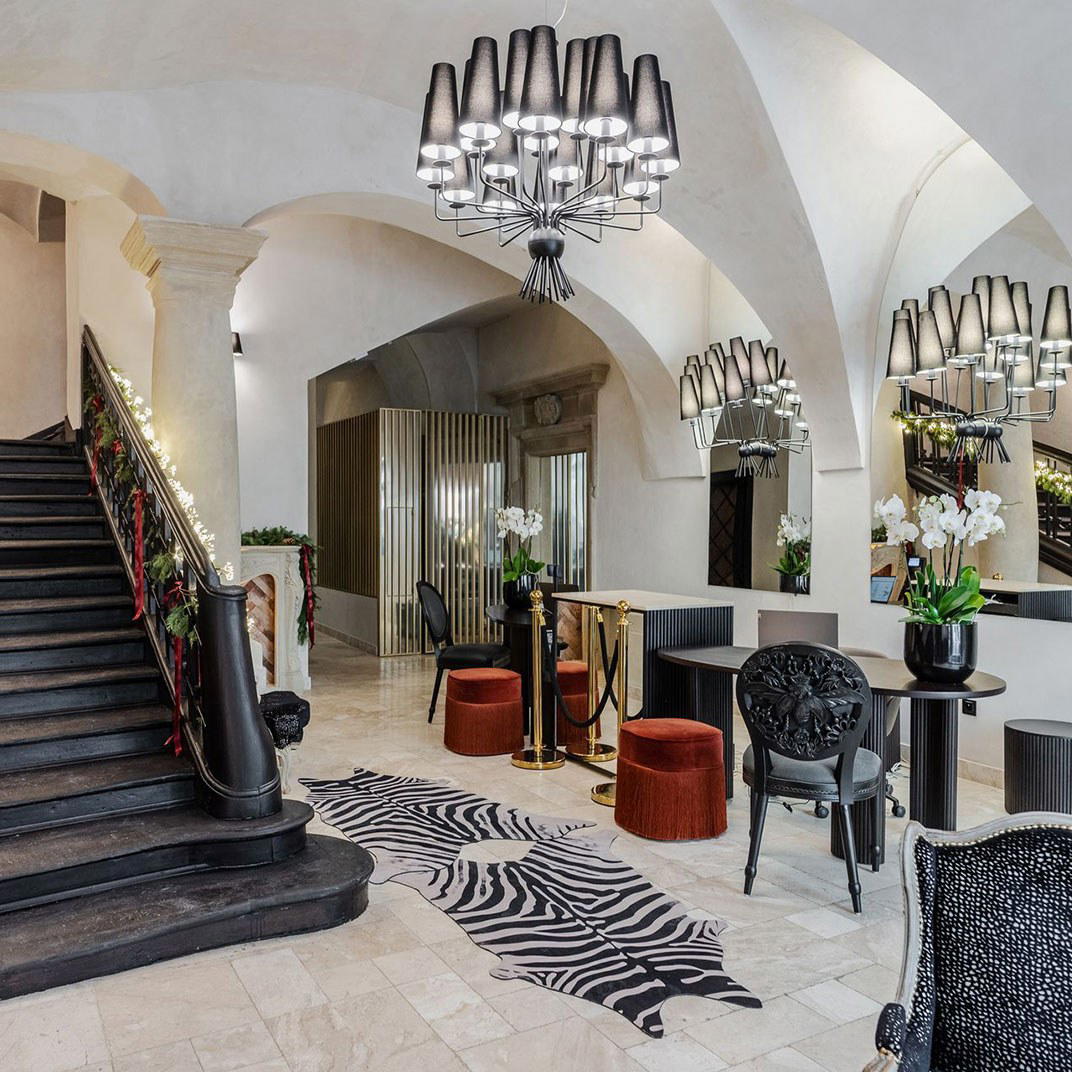
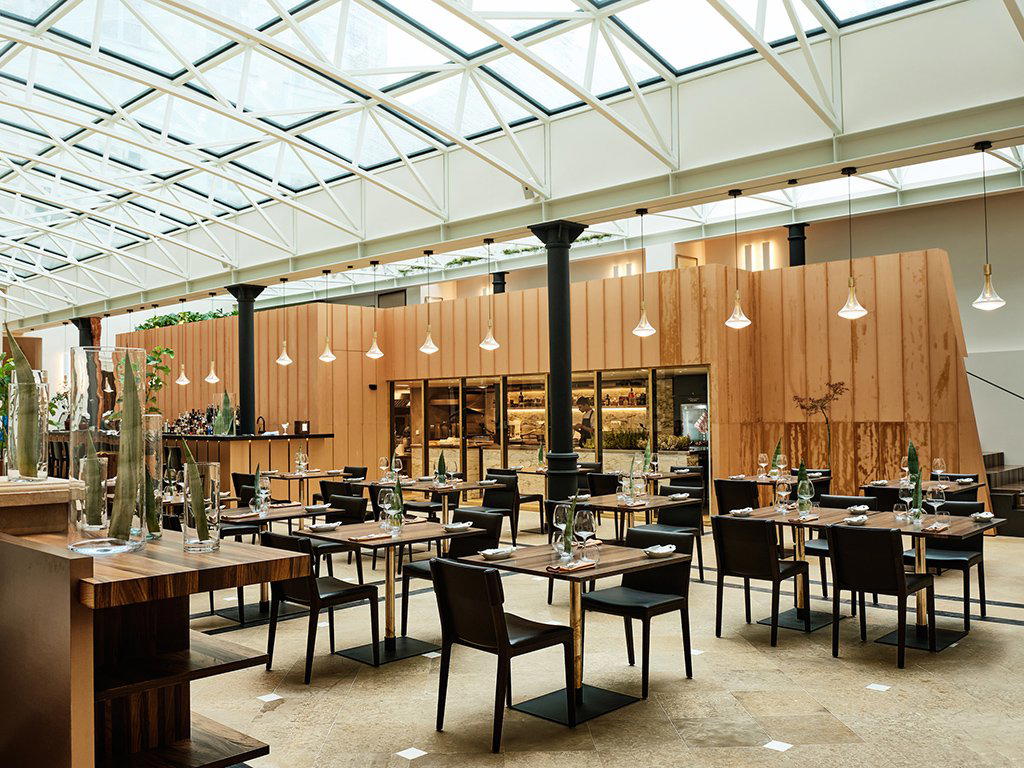
Casual, welcoming atmosphere with a focus on authentic Taiwanese dining experience; bright and informal setting suitable for quick meals or leisurely dining.