Our verdict
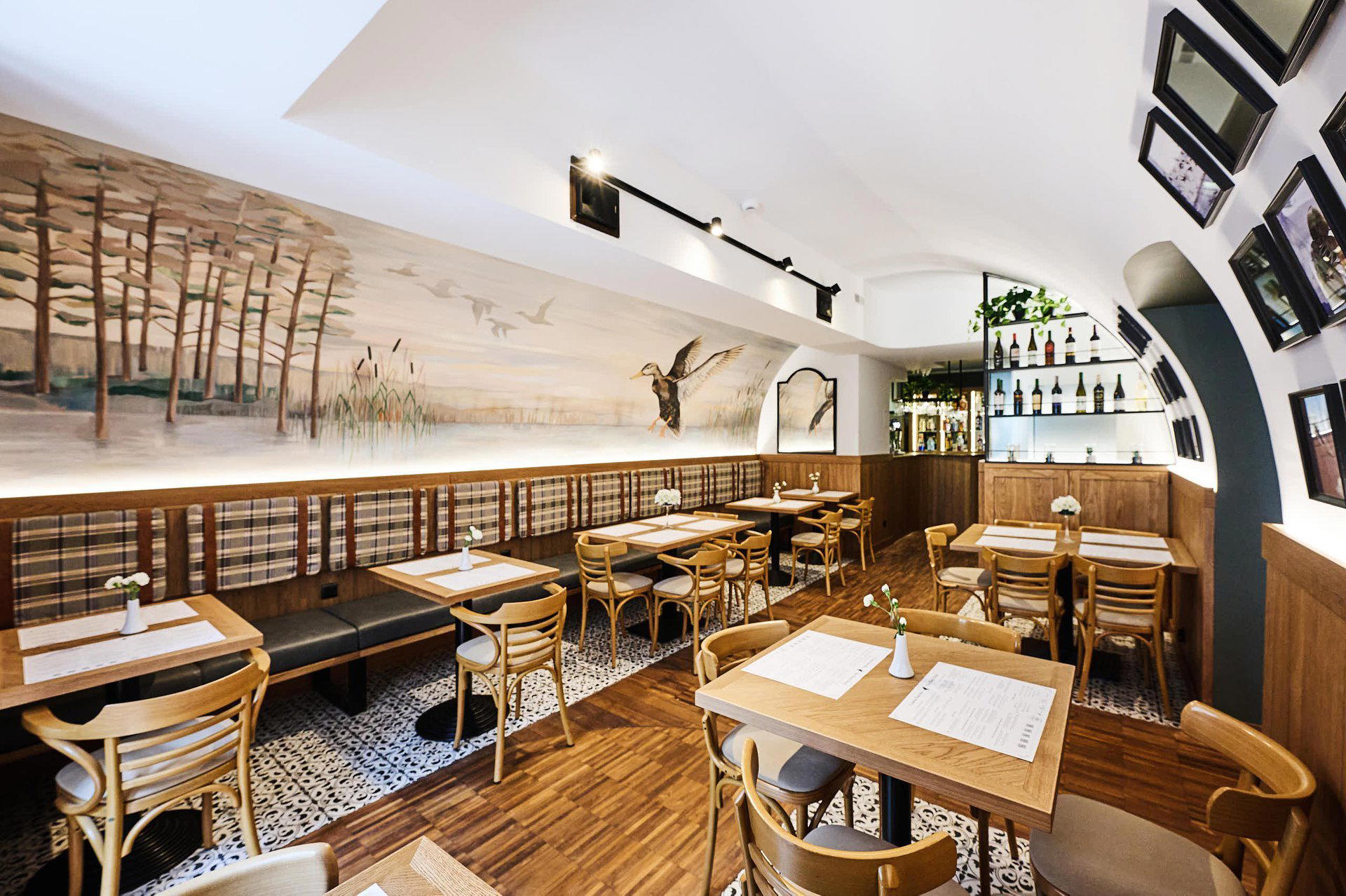
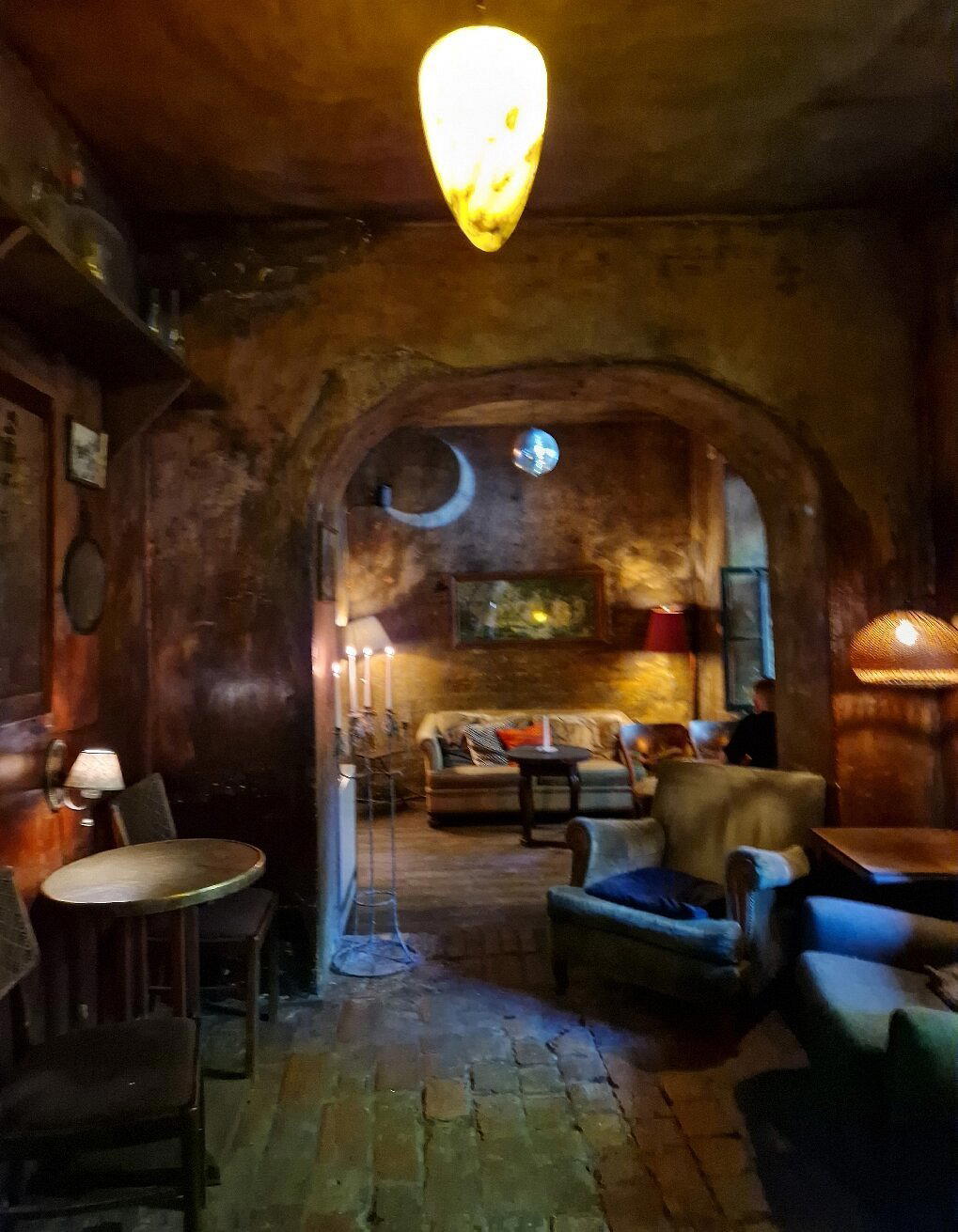
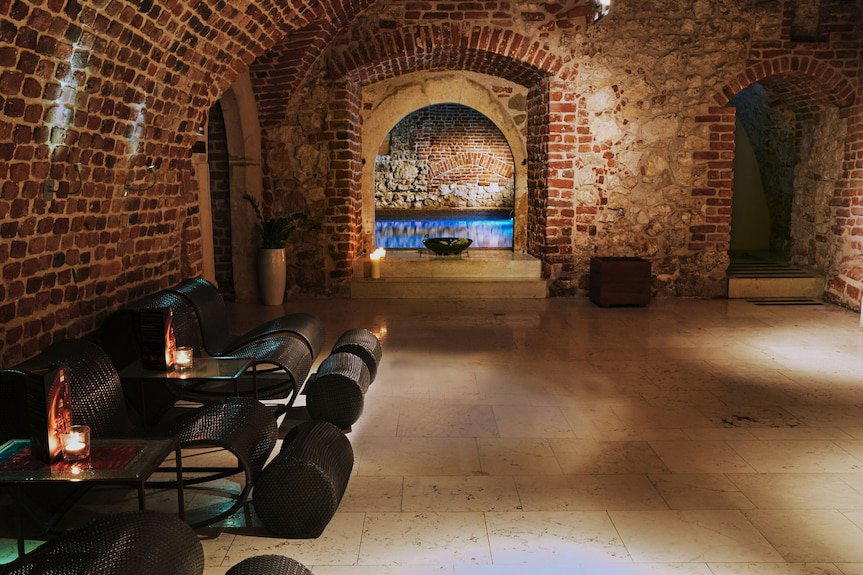
On Poselska Street in Kraków's Old Town, Czarna Kaczka occupies the kind of cellar space that the city does particularly well: vaulted brick, candlelight, and a wine list that rewards attention. The kitchen leans into Polish and Central European tradition without nostalgia, and the room carries the quiet confidence of a place that has earned its regulars rather than chased them.

Pearl is the En Primeur Club membership app, where members save venues, book tables and use the concierge.
The menu
What to order
- Pieczona kaczka
- Żurek Staropolski
- Pierogi
Poselska Street and the Cellar Dining Tradition
Kraków's Old Town has more vaulted cellar restaurants per square kilometre than almost any comparable European city centre, and the format has produced both tourist traps and genuinely serious dining rooms. The difference, in most cases, comes down to what goes into the glass. Czarna Kaczka sits at Poselska 22, a short walk from the Wawel Castle escarpment, in a part of the city where the street-level address says very little about what happens below it. The descent into a well-run cellar dining room is a particular Kraków pleasure, and this address delivers it with less ceremony than some neighbours and more substance than most.
The cellar dining tradition in this city stretches back centuries, but the contemporary iteration has had to work out what it actually stands for. The easier path is Gothic atmosphere on leading, generic European menu underneath. The harder path is using the room as a genuine frame for serious food and wine. For context on how Kraków's dining scene breaks down across formats and price points, the full Krakow restaurants guide maps the city's options in detail.
The Wine Approach
In a city where wine lists at traditional restaurants often default to bulk-produced Central European labels and a handful of French imports, a genuinely cellar is worth marking. Polish dining has been through a significant shift over the past decade, with a generation of sommeliers and restaurateurs importing the habits of natural wine culture, grower Champagne allocation, and regional European discovery that have reshaped lists in Warsaw and Gdańsk alongside Kraków. Czarna Kaczka's wine positioning reflects this broader evolution in the Polish premium dining market rather than sitting apart from it.
For comparison, Aqua e Vino in Kraków has built its identity almost entirely around Italian wine depth, while Bottiglieria 1881 Restaurant in Kraków approaches the list as a fine dining programme in its own right, with Michelin recognition to match. Czarna Kaczka operates in a different register: the atmosphere is warmer and less formal, and the wine list reads as the work of someone with genuine taste rather than a procurement exercise. That distinction matters when you are deciding where to spend an evening in this city.
Across Poland more broadly, the serious wine bar and bistro format has been gaining ground. OK Wine Bar in Wrocław represents one version of the format at its most stripped back, while Muga in Poznań anchors its list within a more explicitly modern European kitchen. Czarna Kaczka belongs to the same conversation, even if Kraków's tourist density and cellar-format heritage give it a different operating context.
Kitchen and Menu Character
The name translates directly as Black Duck, which gives a reasonable signal about the kitchen's register: Polish and Central European in its instincts, without being a folk museum. The dishes that define a room like this are the ones that treat local ingredients with enough technical confidence to satisfy a regular who has eaten here forty times, not just a visitor looking for authenticity signals. That is a different brief from what drives the menu at, say, Ariel, which operates within Kazimierz's Jewish heritage dining tradition, or 3 Rybki, which has built a longer-standing reputation in the Old Town market.
The Central European kitchen has been one of the more interesting sites of reinvention in the past decade. Chefs working in Budapest, Prague, Warsaw, and Kraków have moved away from the heavy reduction school and toward a lighter, more ingredient-led approach that still reads as regional without being retrofitted nostalgia. Czarna Kaczka sits within that shift, and the physical setting reinforces the sense that the room has been here long enough to have earned its own aesthetic rather than adopted one.
For visitors arriving from outside the region with a reference point in mind, the analogy is less to the destination-restaurant tier that Le Bernardin in New York City or Lazy Bear in San Francisco occupy, and more to the confidently local mid-tier that every serious food city needs more of: places where the cooking is grounded, the list is thought through, and the atmosphere does genuine work.
Neighbourhood and Practical Context
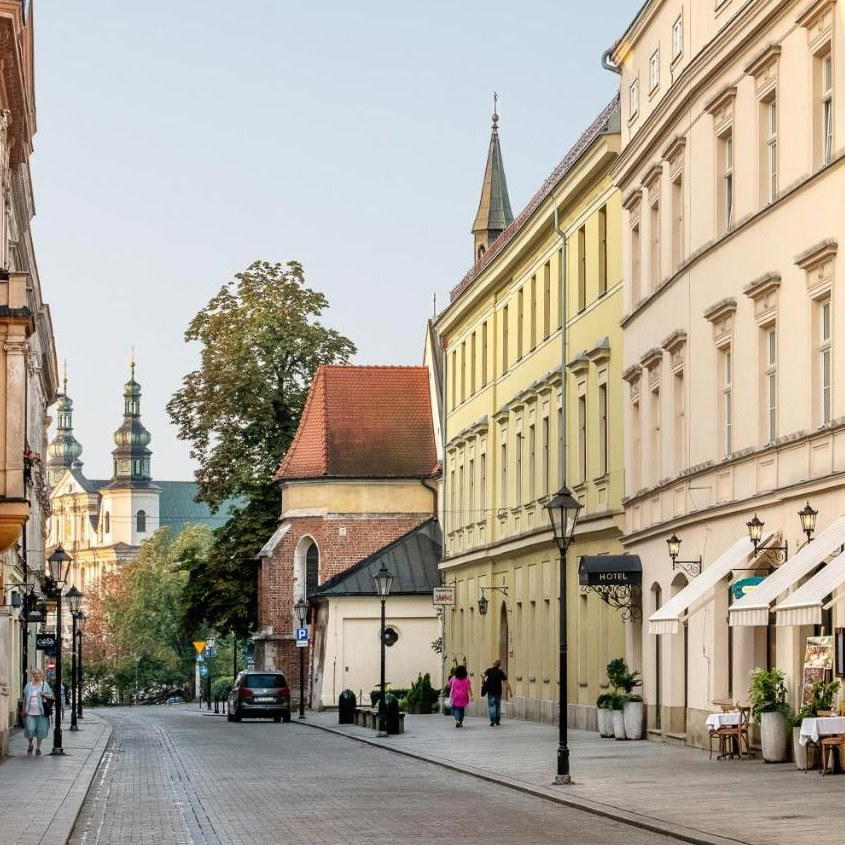
Poselska runs parallel to the Royal Road through the Old Town, south of the Main Market Square and close to the Dominican church. The street sits within the densest part of Kraków's historic centre, which means the address benefits from foot traffic but also competes within a highly concentrated restaurant market. The cellar location provides acoustic separation from the street, which matters in a neighbourhood that can run loud on weekend evenings.
Planning-wise, Kraków's Old Town dining operates on a relatively compressed booking window compared to Warsaw's top tier. A table here is unlikely to require the same lead time as Kraków's most decorated address, but arriving without a reservation on a Friday or Saturday evening in high season carries real risk. The city draws significant tourist volume from April through October, and Poselska-area restaurants fill quickly once the post-Wawel evening crowd moves toward dinner. Midweek visits or early evening timing in shoulder season give more flexibility. For restaurant options across different parts of the city and in different formats, Akita Ramen and Alchemia represent the more informal end of Kraków's dining range, useful reference points for calibrating what kind of evening you are planning.
Visitors extending a Polish itinerary beyond Kraków can use Czarna Kaczka as a baseline for comparing dining character across cities. Arco by Paco Pérez in Gdańsk occupies a completely different price and format tier, as does hub.praga in Warsaw. For coastal comparison, Bar Przystań in Sopot and La Cucina Ristorante in Gdansk operate within their own regional traditions. The broader Polish dining map also includes Giewont in Kościelisko and, at the more specialist end, Nare Sushi in Skórzewo and Luneta and Lorneta Bistro Club in Ciekocinko, each anchored in a different regional context.
Frequently asked questions
What part of town is Czarna Kaczka in?
Czarna Kaczka is located at Poselska 22, 31-002 Kraków, Poland, Krakow.
Is Czarna Kaczka a good choice for a wine-focused dinner in Kraków's Old Town?
Among Kraków's traditional cellar restaurants, Czarna Kaczka has developed a wine approach that goes beyond the bulk Central European labels and standard French imports that typically populate this category of venue in Poland. Poselska 22 puts it within easy reach of the Main Market Square, making it a practical option for visitors already spending time in the Old Town. For a city with a dense concentration of vaulted dining rooms, a genuinely considered wine list is a differentiating factor worth noting.
What do regulars order at Czarna Kaczka?
The name translates as Black Duck, which signals the kitchen's orientation toward Polish and Central European cooking rather than international crossover. Duck preparations are a reasonable expectation given that framing, alongside the broader canon of Central European meat-centred dishes that define the cellar dining tradition on Poselska. Confirming current menu specifics directly with the restaurant is advisable, as dish availability follows seasonal kitchen logic.
How far ahead should I plan for Czarna Kaczka?
Kraków's Old Town cellar restaurants hold a limited number of covers by design, and Poselska 22 sits in one of the most visited corridors of the Old Town, close to the Main Market Square and the Dominican church. Weekend tables during peak season fill several days in advance at comparable venues in this neighbourhood. Contacting Czarna Kaczka directly for current reservation availability is the most reliable approach.
What has Czarna Kaczka built its reputation on?
Czarna Kaczka operates within Kraków's established cellar dining tradition, a format the Old Town has sustained across centuries of hospitality culture. The wine approach distinguishes it further in a city where serious wine lists at traditional restaurants are comparatively rare.
A Quick Peer Check
Comparable venues nearby, for context on price, style, and recognition.
| Venue | Cuisine | Price | Notes |
|---|---|---|---|
| Czarna KaczkaThis venue (the venue you are viewing) | Traditional Polish | $20–30 | Not listed |
| Restauracja Cechowa | Traditional Polish | $10–20 | Old Town |
| 3 Rybki | Modern Polish with Seafood Focus | $50–100 | Stare Miasto |
| Alchemia | International Gastropub | $10–20 | Kazimierz |
| KUKU | Authentic Taiwanese Noodles & Bubble Tea | $10–20 | Stare Miasto |
| Ramen People | Authentic Japanese Ramen | $10–20 | Stare Miasto |
Continue exploring
More in Kraków
Restaurants in Kraków
All restaurants in Kraków →
Bars in Kraków
All bars in Kraków →
Details
- Cozy
- Classic
- Intimate
- Casual Hangout
- Family
- Group Dining
- Garden
- Historic Building
- A La Carte
- Vegetarian Friendly
- Gluten Free Options
Current opening hours
- Monday
- 1–10 PM
- Tuesday
- 1–10 PM
- Wednesday
- 1–10 PM
- Thursday
- 1–10 PM
- Friday
- 1–11 PM
- Saturday
- 1–11 PM
- Sunday
- 1–10 PM
Hours can change for holidays and private events. Hours as of .
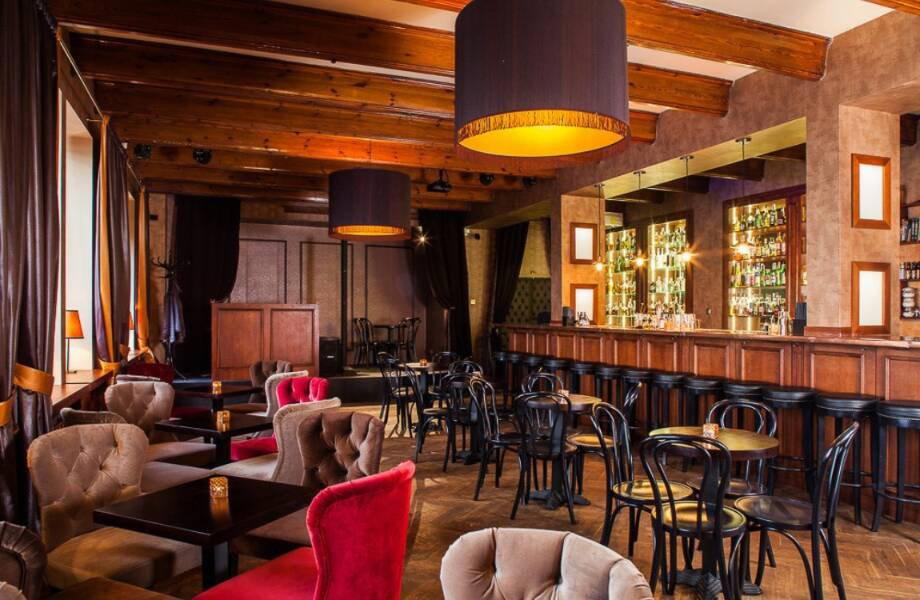
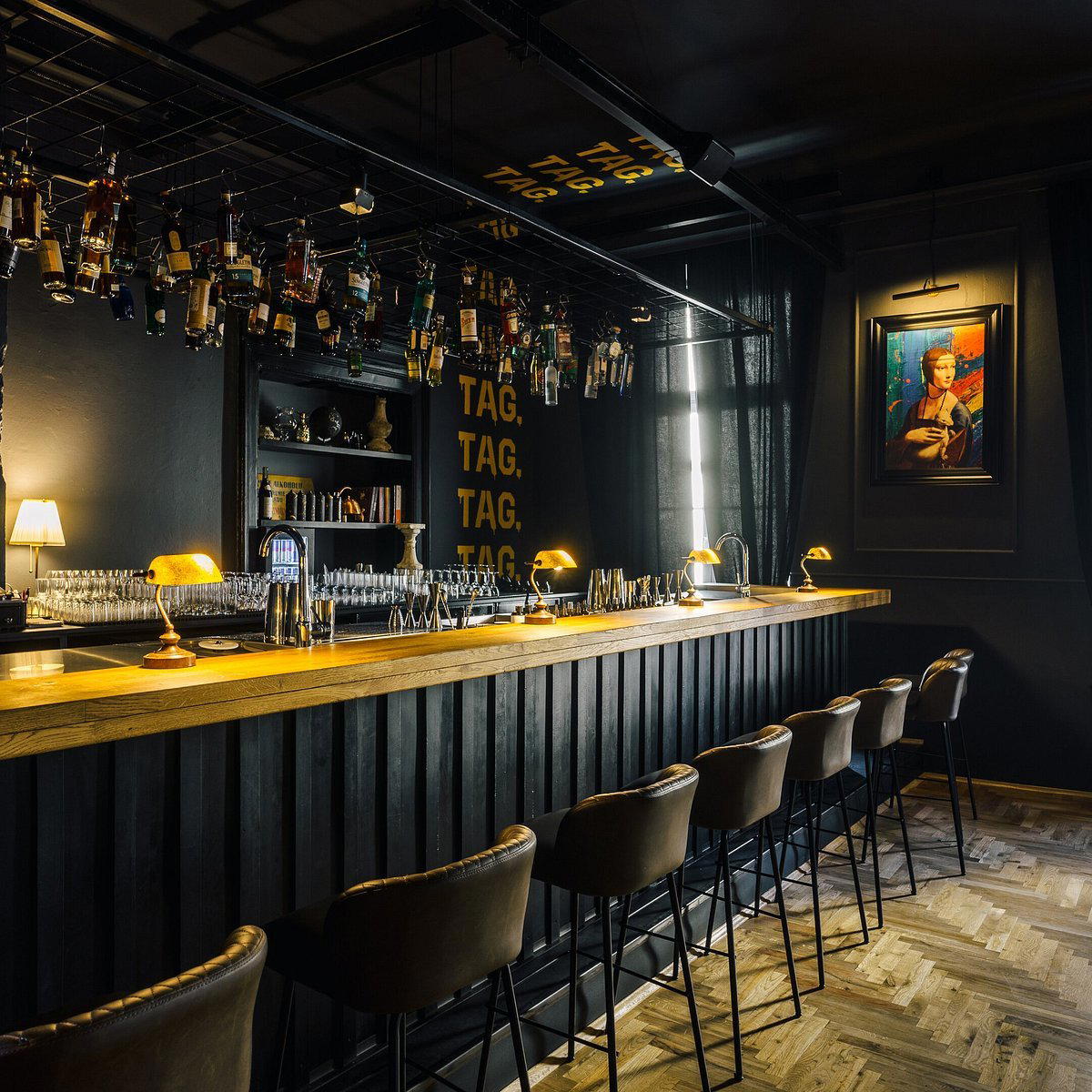
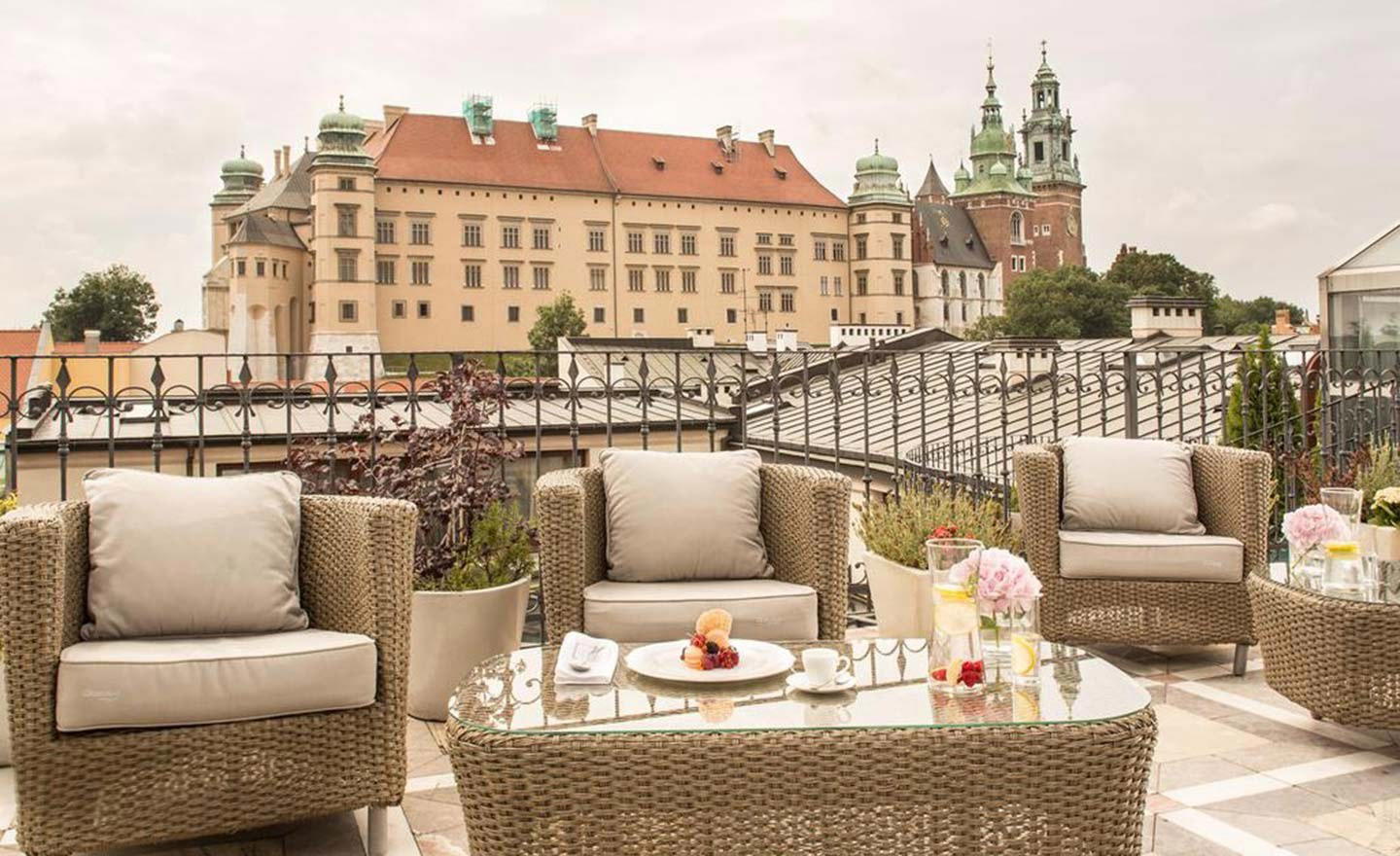
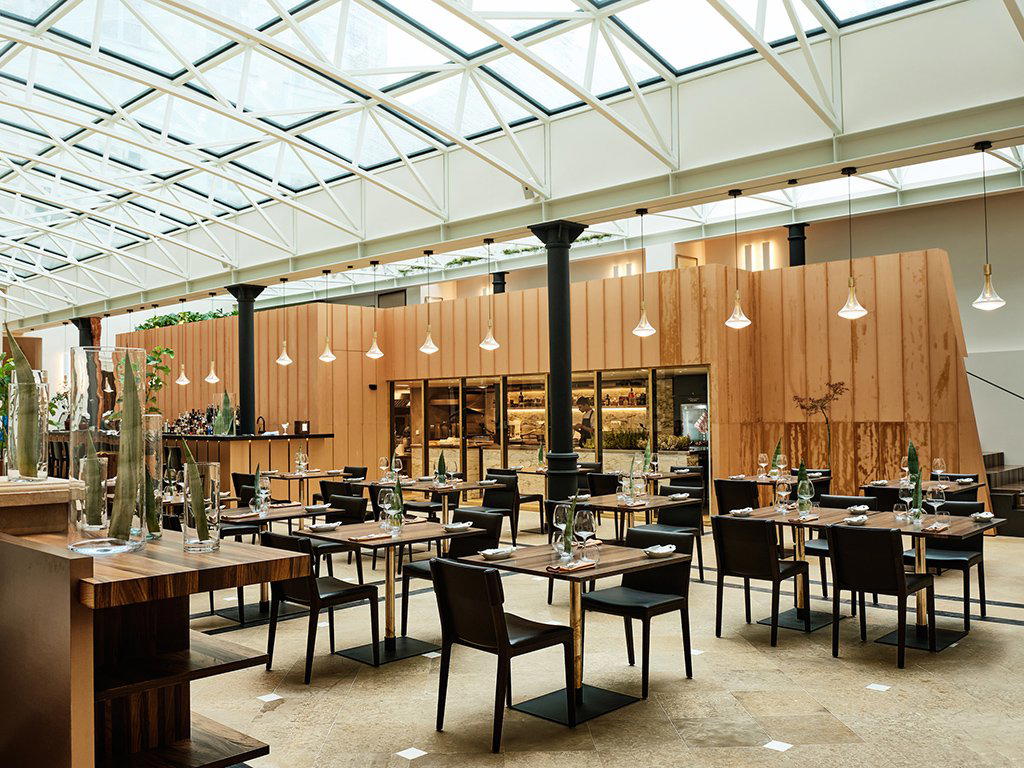
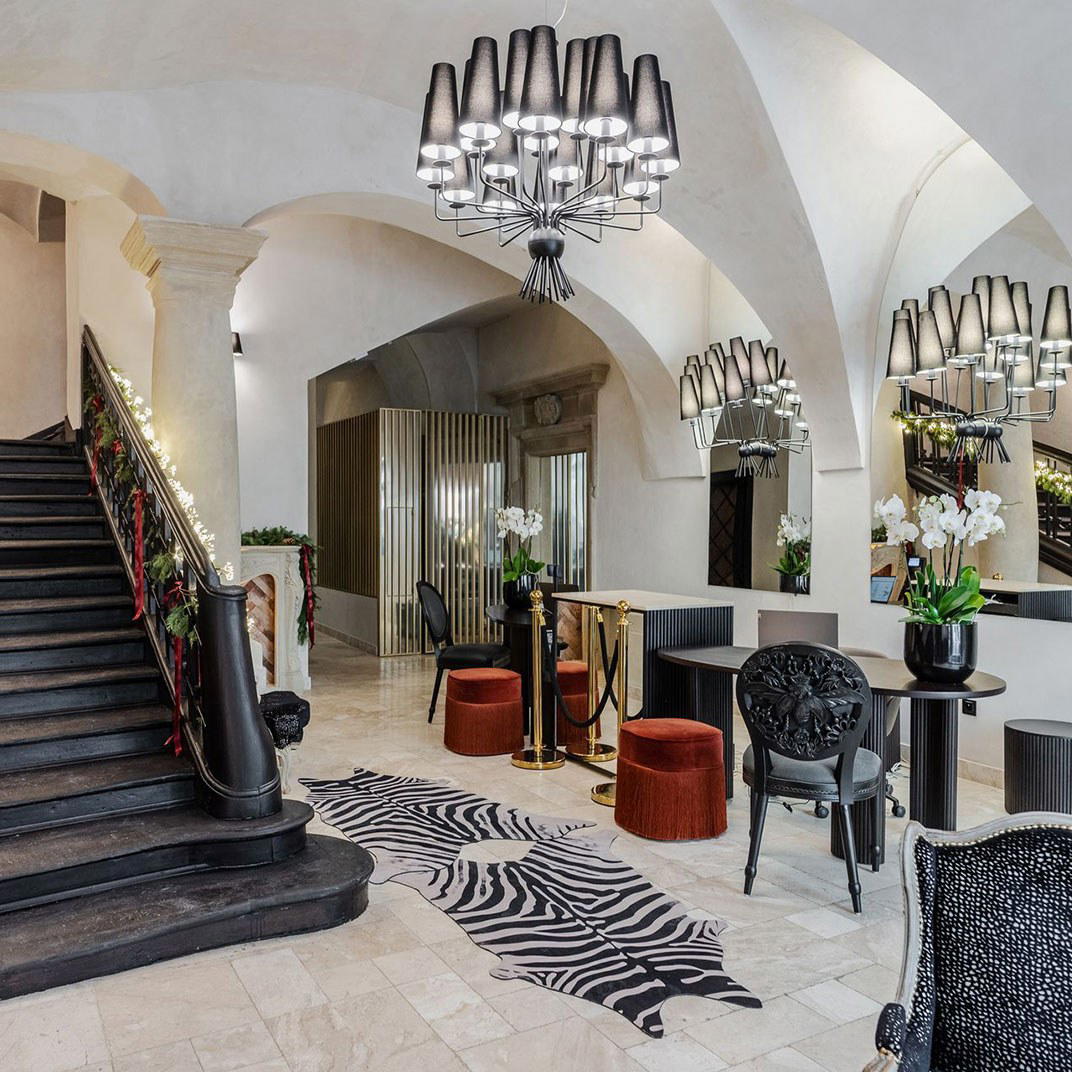
Warm, informal, and cozy atmosphere with three mood-lit rooms and a peaceful patio.