Krazy Kitchen serves authentic Thai street food on Landstraßer Hauptstraße in Vienna, with Pad Thai and Massaman Curry among the named dishes.
Pearl is the En Primeur Club membership app — saves, bookings, and concierge access live there. Same editors, same standards.
- Address
- Landstraßer Hauptstraße 92-94, 1030 Wien, Austria
- Phone
- +434317107249
- Website
- krazykitchen.at
- Directions
- Get directions
 Saves & bookings on Pearl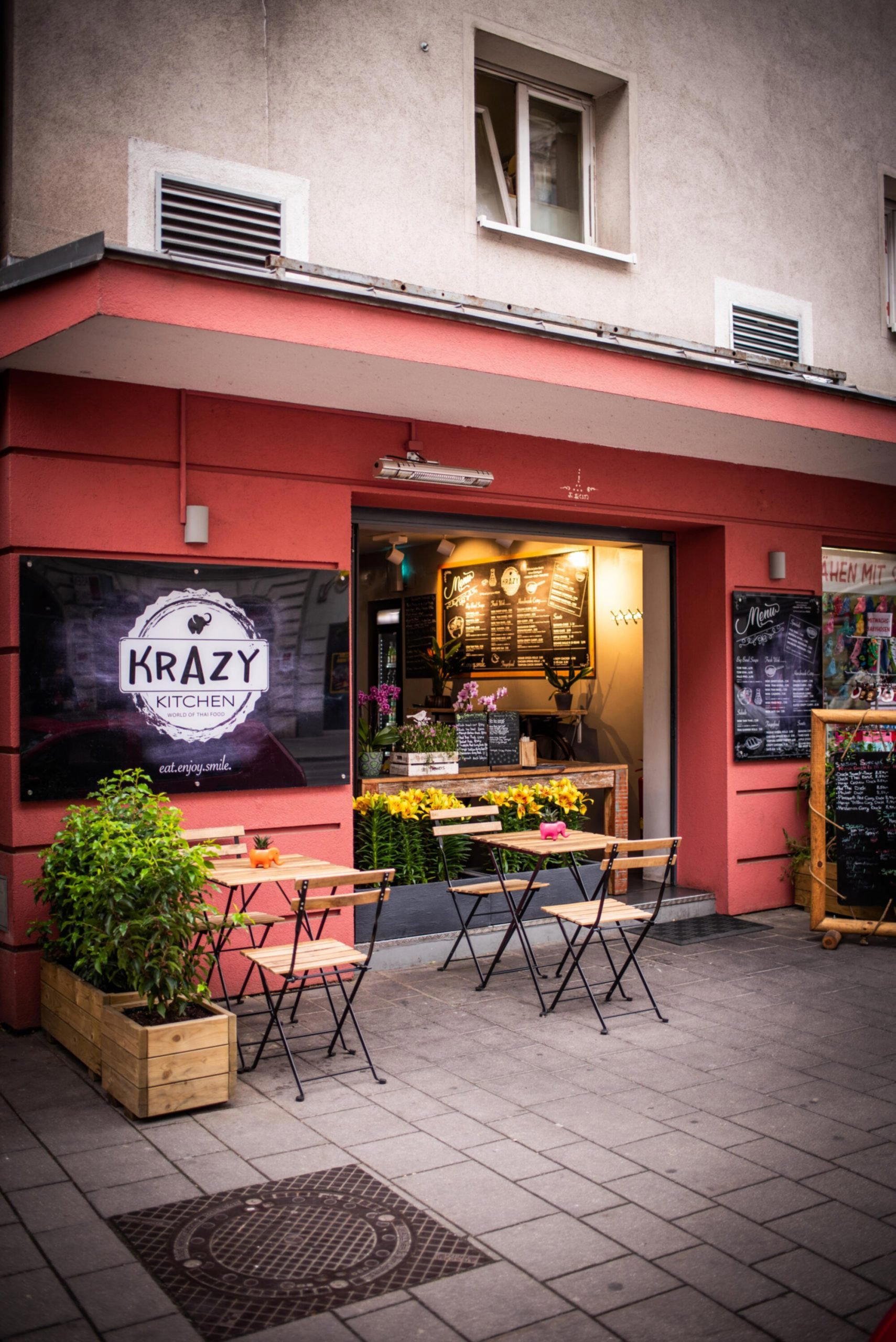
Landstraße After Dark: What the Third District Says About Vienna Dining Right Now
Landstraßer Hauptstraße runs east from the Ringstraße into one of Vienna's more understated residential and commercial districts, a stretch where the architectural formality of the first district gives way to something considerably less performative. The address at number 92-94 places Krazy Kitchen in Vienna's third district. That positioning matters, because it signals something about the room before you walk through the door: this is a place that depends on a returning local constituency, not foot traffic from visitors checking attractions off a list.
Vienna's dining scene has, over the past decade, split increasingly between the formal tasting-menu circuit and a more informal middle tier where the cooking ambition does not necessarily announce itself through white tablecloths and pre-meal amuse sequences. The city's leading end is well documented: Steirereck im Stadtpark and Konstantin Filippou represent the Michelin-anchored tier where the ritual of the meal is as considered as the food itself. Further along the creative spectrum, Amador and Mraz and Sohn position themselves at the intersection of Austrian produce and international technique. Krazy Kitchen occupies a different register in this conversation, one shaped more by neighbourhood character than by competition for star recognition.
The Ritual Before the Food: How Vienna Eats in the Third District
Austrian dining culture retains a particular relationship with pacing that is worth understanding before sitting down anywhere in Vienna. The meal is not a transaction to be completed efficiently; it is the evening's primary activity. Tables are typically held for the duration, and the expectation on both sides is that courses will arrive with intervals long enough to permit conversation. This rhythm, which visitors from faster-paced dining cultures sometimes mistake for slow service, is deliberate and structural. It reflects a hospitality tradition in which the guest's comfort in the room is considered as important as the quality of the plate.
In a neighbourhood like Landstraße, removed from the pressures of tourist-facing service, this tradition holds more naturally than in restaurants that must turn covers to cover the cost of prime central locations. The result, in practical terms, is that a dinner in the third district tends to unfold at a pace that rewards patience and punishes the assumption that you are on a schedule. Plan accordingly.
Situating the Name: What "Krazy" Signals in a City of Formality
Vienna's dining vocabulary tends toward the serious. A name like Krazy Kitchen, with its deliberate misspelling and casual register, is a positioning statement in a city where restaurant nomenclature often leans on heritage, family names, or the language of classical technique. The choice reads as a signal of intent: this is not a room asking to be assessed against the tasting-menu canon. It is worth placing that signal in context.
That shift mirrors movements visible in other European cities with strong culinary traditions. The question, in each case, is whether informality of tone corresponds to informality of ambition in the kitchen, or whether it is purely a branding decision that leaves the cooking unchanged. The answer varies considerably from venue to venue, and it is the kind of distinction that only repeated visits to a neighbourhood can reliably answer.
The Wider Austrian Table: What Context Adds
Understanding any Vienna restaurant requires some familiarity with the broader Austrian dining context. Austria's serious cooking increasingly draws from a tradition of regional produce specificity: the Wachau valley's wines and vegetables, Styrian pumpkin oil, alpine dairy, and freshwater fish from rivers and lakes that would be considered luxury imports anywhere else in Europe. The country's most celebrated addresses outside Vienna demonstrate how far that produce-first approach can travel: Döllerer in Golling an der Salzach has built an international reputation on alpine ingredients; Obauer in Werfen has been a benchmark for Austrian regional cooking for decades; and Ikarus in Salzburg has taken the concept of guest chef programming to a scale that makes it one of the more structurally unusual restaurants on the continent.
Within Vienna itself, the question of how to handle Austrian culinary identity ranges from the classical Viennese format of Doubek to the more internationally inflected approaches of the city's creative tier. Against that spread, a restaurant in Landstraße with an informal name occupies its own position, one that is more likely shaped by the practical demands of a neighbourhood clientele than by a thesis about Austrian cuisine's evolution.
Comparison restaurants further afield, such as Griggeler Stuba in Lech, Landhaus Bacher in Mautern an der Donau, or Kräuterreich by Vitus Winkler in Sankt Veit im Pongau, illustrate how Austria's regional dining culture operates at some remove from the capital's concerns. The contrast is instructive: Vienna restaurants, regardless of register, operate within a city dining ecosystem that includes residents, business travellers, and international visitors with some awareness of the European fine dining circuit. That mix shapes expectations in ways that rural Austrian restaurants do not have to accommodate. Other notable addresses across the country worth knowing include Gourmetrestaurant Tannenhof in Sankt Anton am Arlberg, Schwarzer Adler in Hall in Tirol, Restaurant 141 by Joachim Jaud in Mieming, and Ois in Neufelden.
For those mapping Vienna's dining scene against international reference points, the city's leading creative restaurants compare with ambitious urban addresses in any major European capital. The global tasting-menu tier, represented elsewhere by restaurants like Le Bernardin in New York City or Atomix, reminds you how much ritual and pacing vary across culinary cultures. Vienna's own version of that ritual remains distinctly Central European in its assumptions about time, service, and the relationship between host and guest.
For a fuller map of where Krazy Kitchen sits within Vienna's broader dining options, the EP Club Vienna restaurants guide covers the city's full range across formats and price points.
Planning a Visit
The restaurant is located at Landstraßer Hauptstraße 92-94 in the third district, accessible by U-Bahn via the Stadtpark or Rochusgasse stations. The restaurant is open daily from 11 AM to 9 PM and is walk-in friendly.
Quick Reference: the restaurant, Landstraßer Hauptstraße 92-94, 1030 Wien. Third district, Vienna. Open daily from 11 AM to 9 PM.
Comparable Spots, Quickly
Comparable venues nearby, for context on price, style, and recognition.
| Venue | Cuisine | Price | Notes |
|---|---|---|---|
| Krazy KitchenThis venue — the venue you are viewing | Authentic Thai Street Food | $ | Not listed |
| Kantine Thai Kitchen | Authentic Thai Kitchen | $$ | Franz Josefs Bahnhof |
| Bier & Bierli | Traditional Austrian Beer Hall | $ | Staatsoper |
| Öncü Döner | Turkish Döner Kebap | $ | Favoriten |
| Yong Streetfood | Authentic Asian Street Food | $ | Wieden |
| Coconut Curry | Asian Fusion (Thai, Sushi, Vietnamese) | $$ | Praterstern Wien Nord |
Continue exploring
More in Vienna
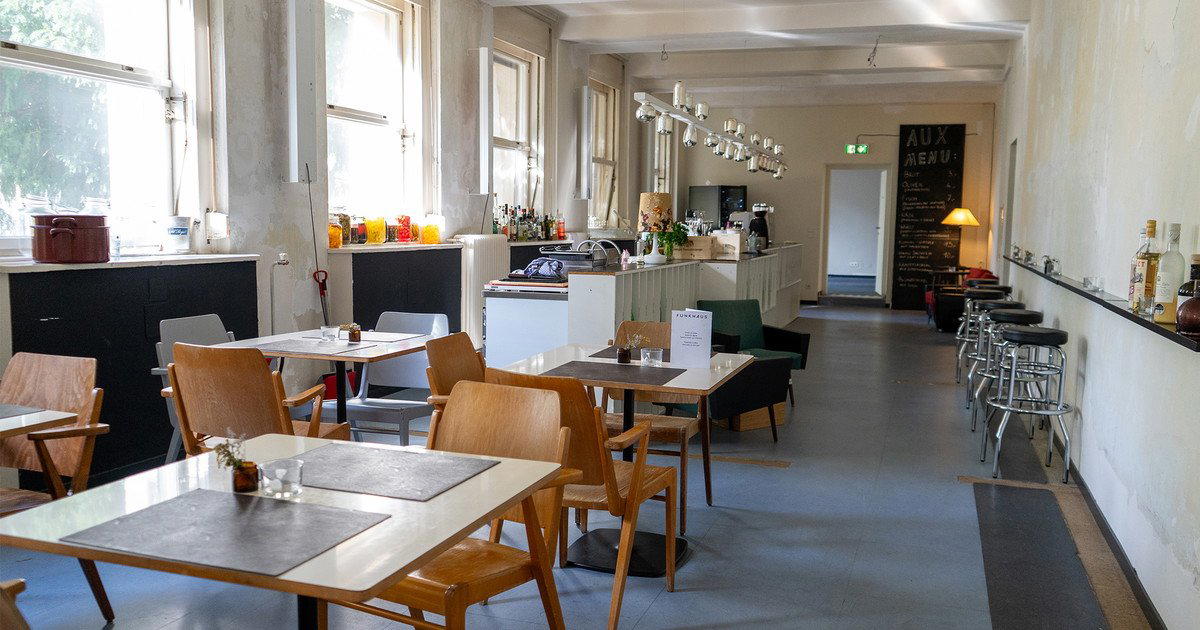
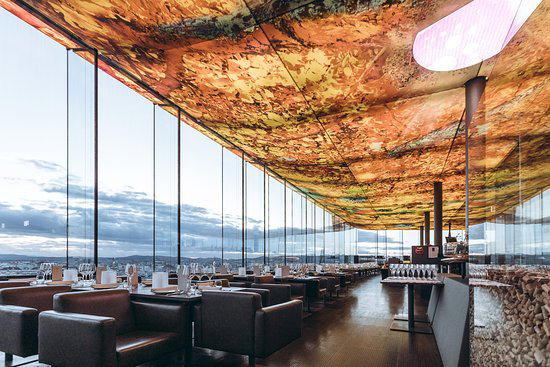
Restaurants in Vienna
Browse all →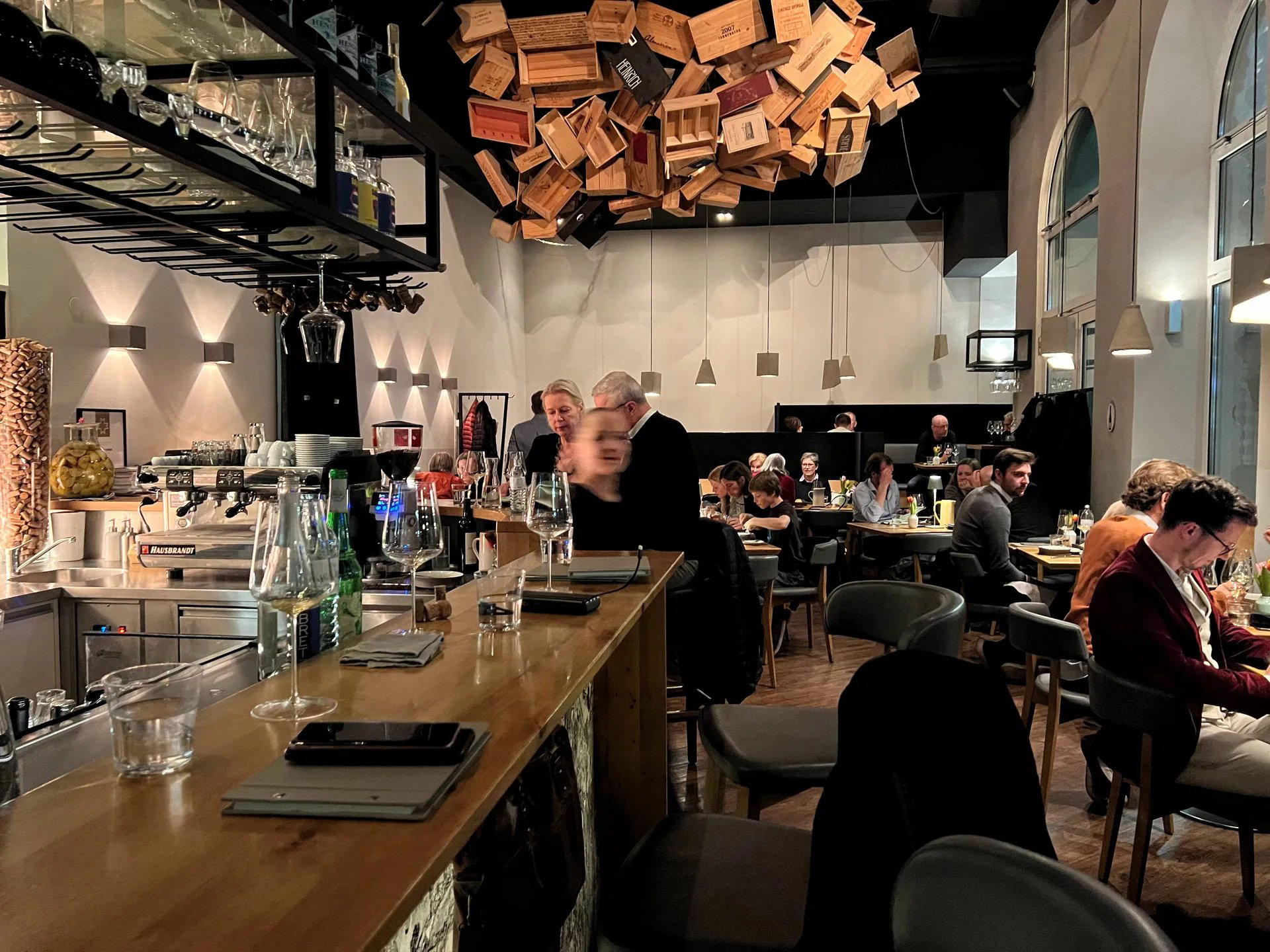
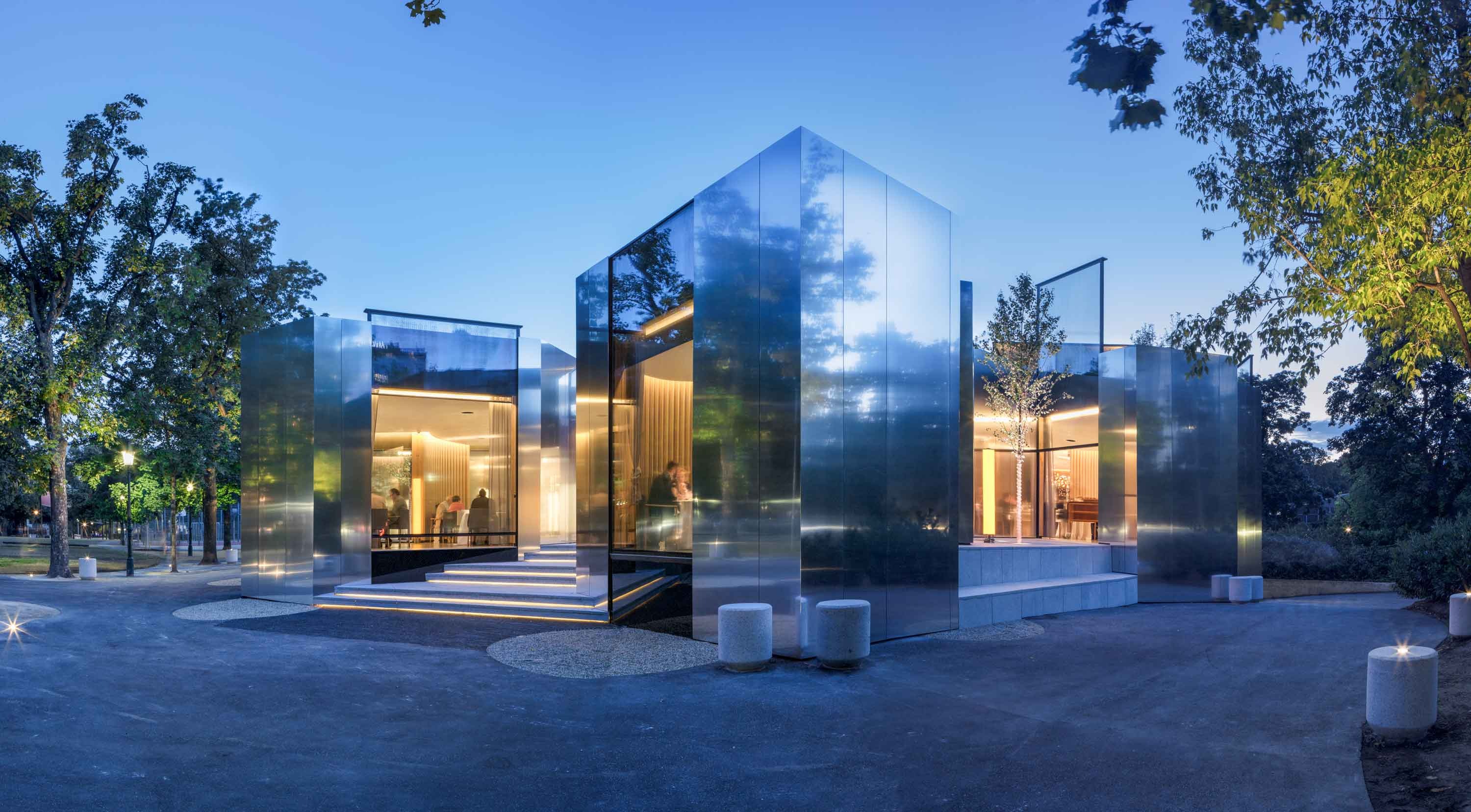
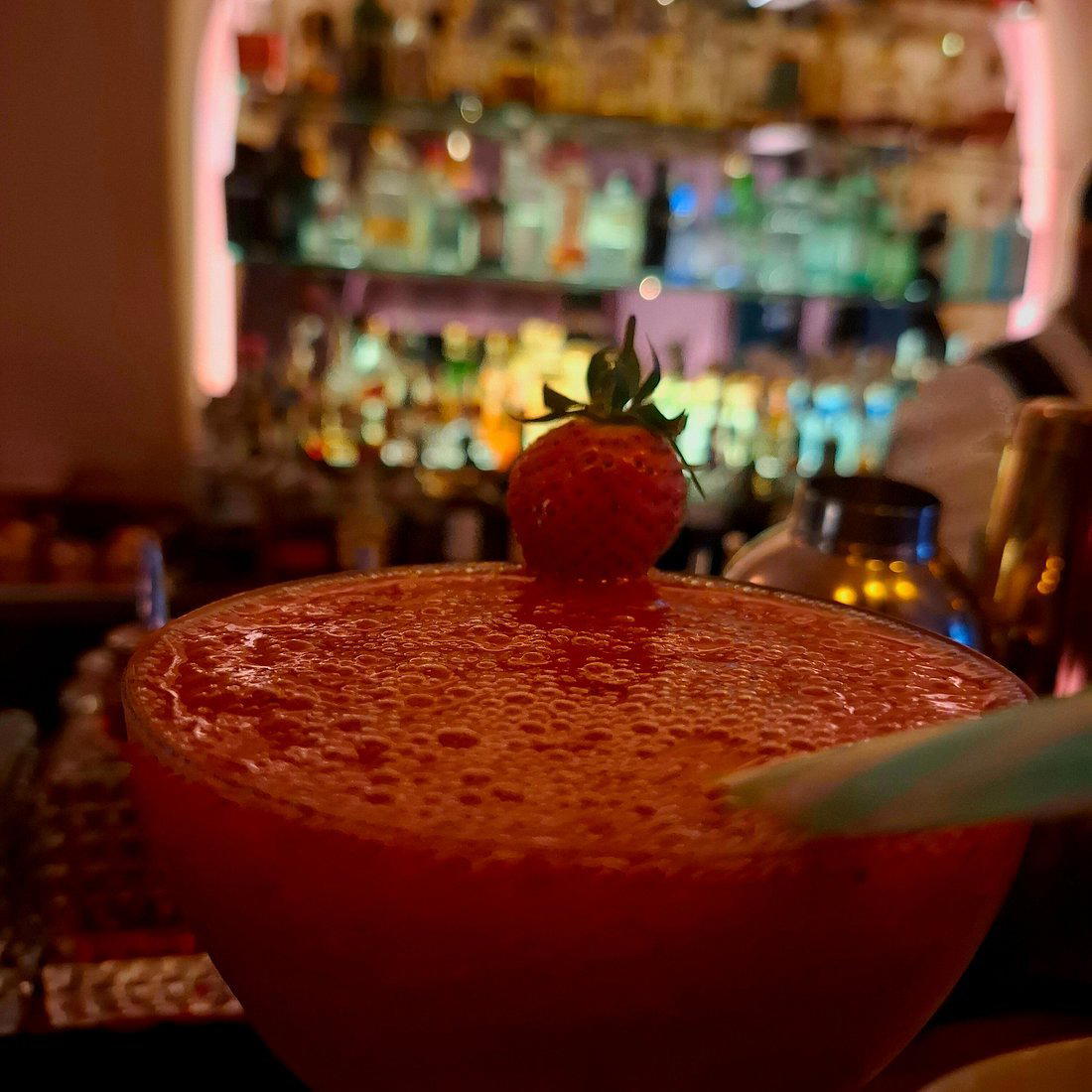
Bars in Vienna
Browse all →
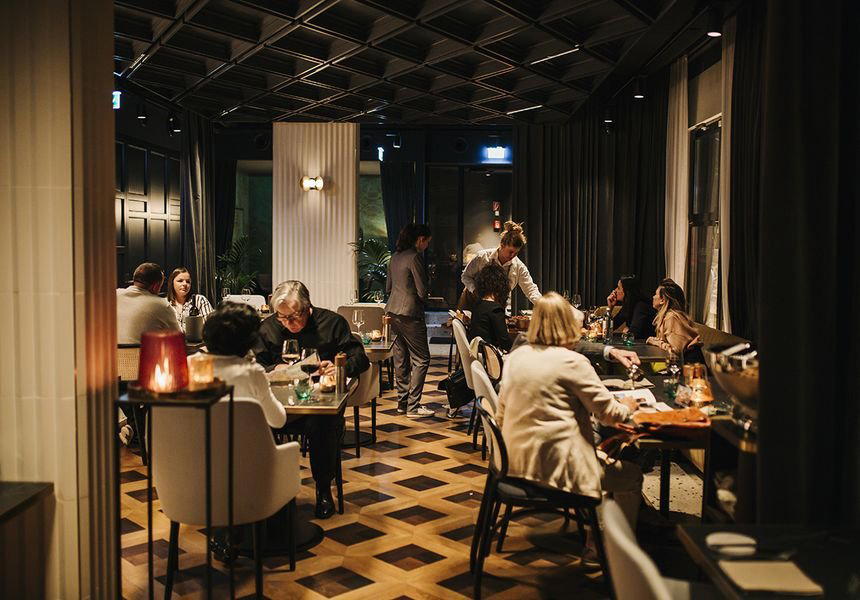
Hotels in Vienna
Browse all →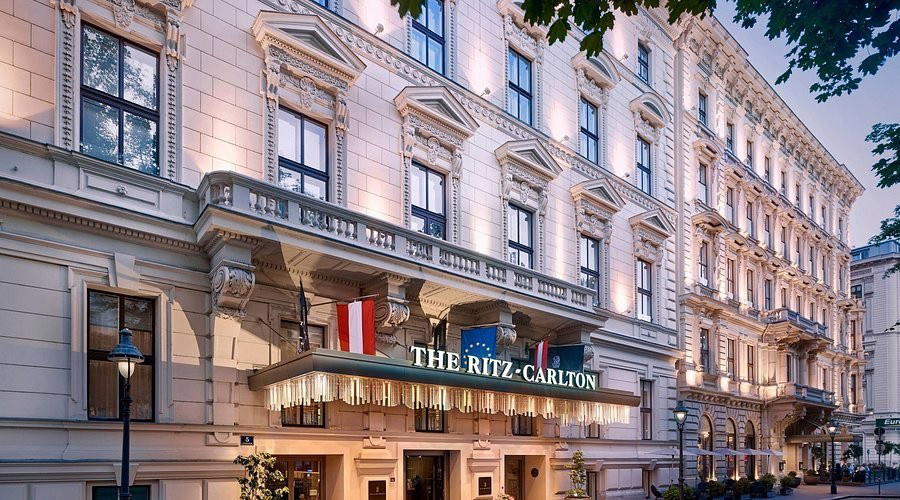
At a Glance
- Trendy
- Casual
- Casual Hangout
- Solo
- Standalone
- Open Kitchen
Current opening hours
- Monday
- 11 AM–9 PM
- Tuesday
- 11 AM–9 PM
- Wednesday
- 11 AM–9 PM
- Thursday
- 11 AM–9 PM
- Friday
- 11 AM–9 PM
- Saturday
- 11 AM–9 PM
- Sunday
- 11 AM–9 PM
Hours can change for holidays and private events. Last verified .
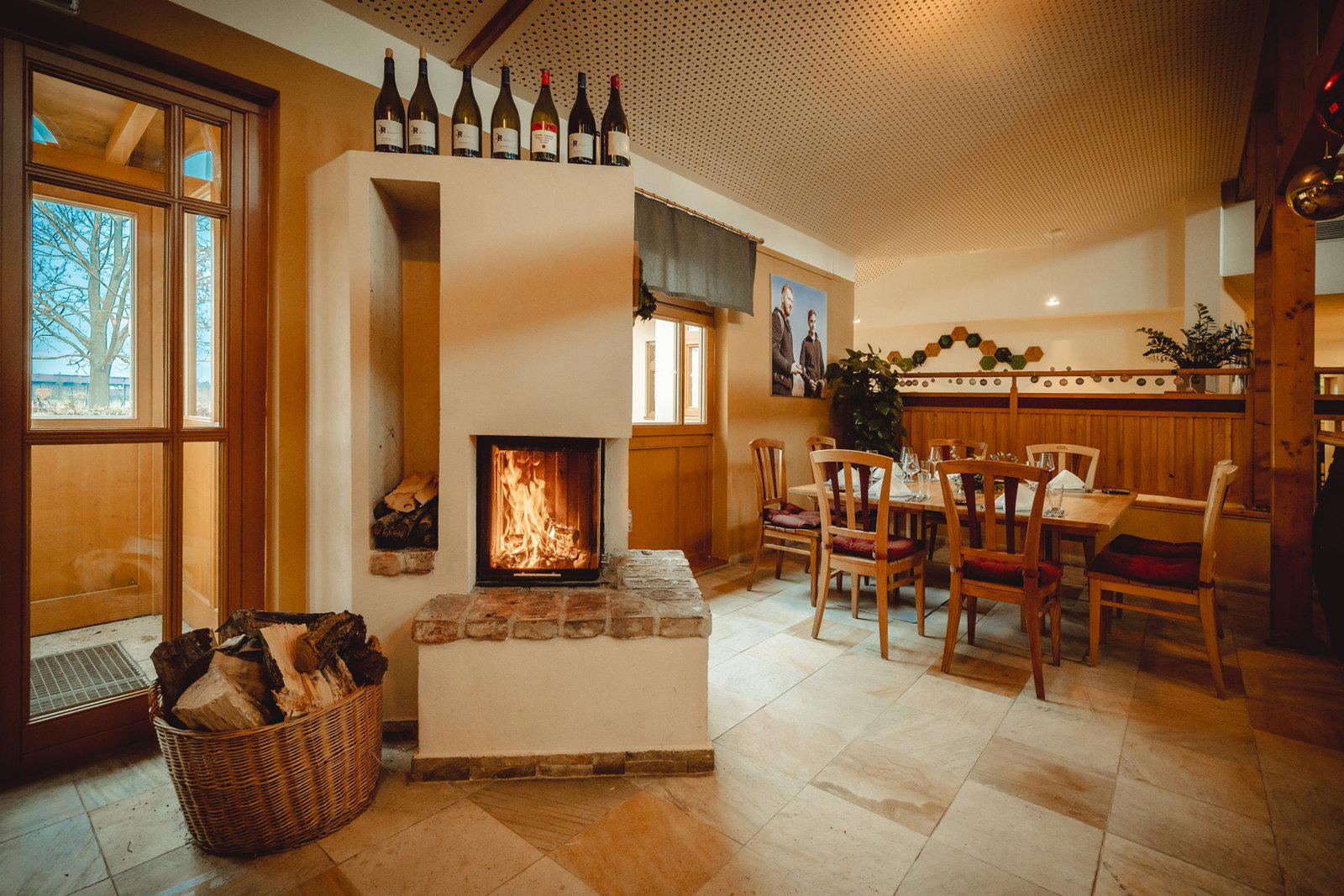
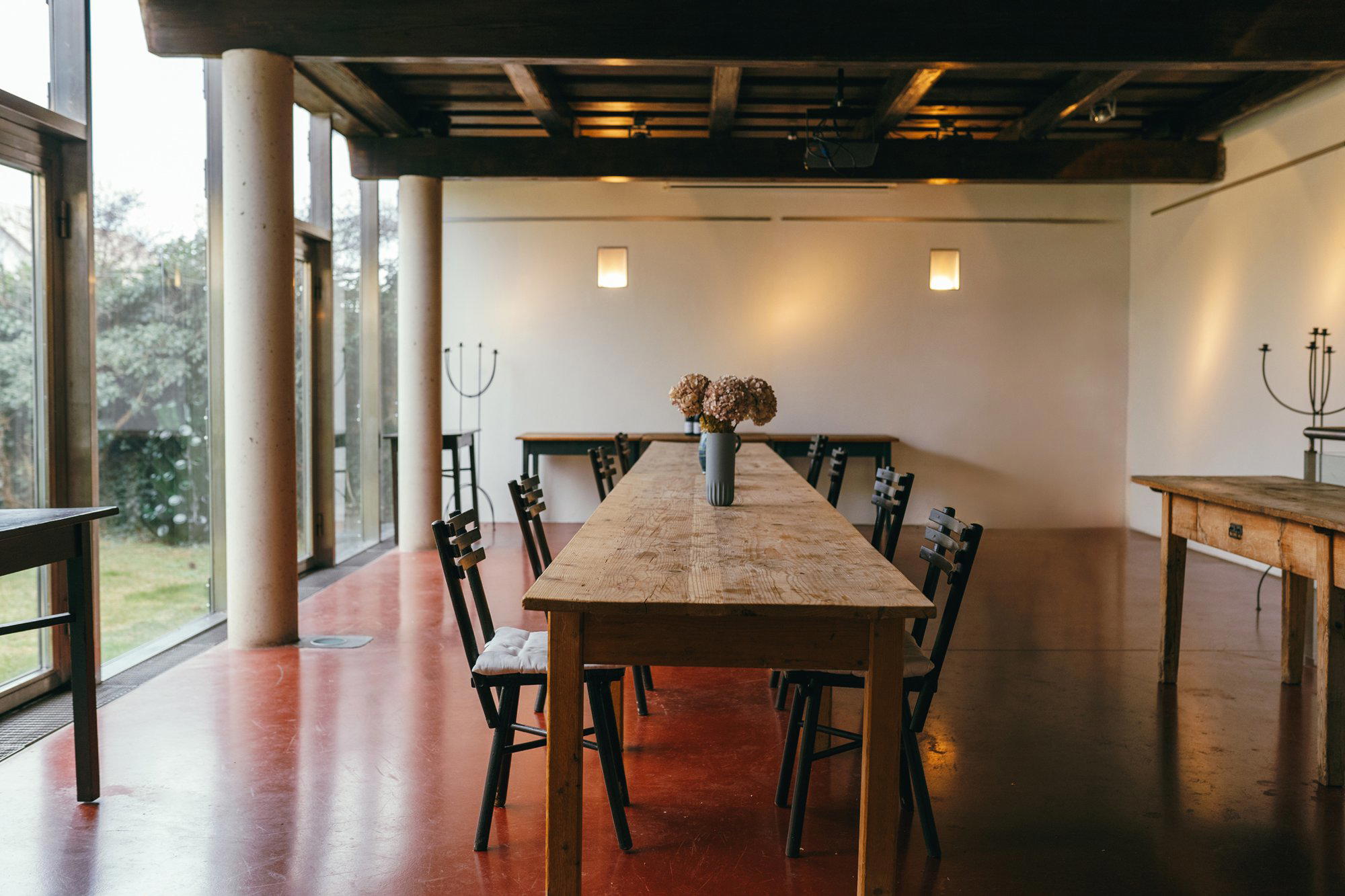
Casual, energetic street food atmosphere with friendly staff and a welcoming vibe; described as a small but fine establishment.