Yong Streetfood sits on Rechte Wienzeile in Vienna's fourth district, a stretch that bridges the Naschmarkt's daily trade with the quieter residential blocks of Wieden. Where Vienna's fine-dining rooms trend toward formal European frameworks, Yong occupies a different register: fast, informal, and rooted in Asian street-food traditions. It offers an accessible entry point into a city whose casual dining scene is less documented than its Michelin tier.
Pearl is the En Primeur Club membership app — saves, bookings, and concierge access live there. Same editors, same standards.
- Address
- 1040, Rechte Wienzeile 9A, 1040 Wien, Austria
- Phone
- +436763686856
- Website
- yongstreetfood.at
- Directions
- Get directions
 Saves & bookings on Pearl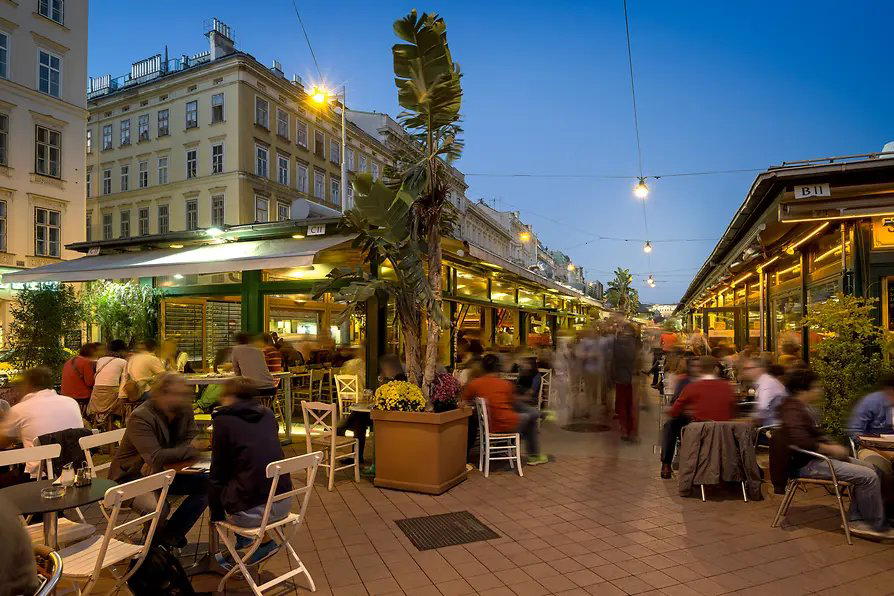
Wieden and the Street That Feeds Vienna
Rechte Wienzeile is one of those streets that serious food cities tend to produce without much ceremony. Running parallel to the Naschmarkt, Vienna's principal open-air market, it carries the everyday commercial logic of the fourth district: butchers, grocers, takeaway counters, and the kind of casual lunch spots that serve a neighbourhood rather than a tourism circuit. Yong Streetfood operates within that frame. Its address at number 9A places it squarely in Wieden, a district that sits close enough to the first to attract foot traffic from the centre, but far enough that its dining culture runs on repeat local custom rather than destination searches.
That geographical position matters more than it might appear. Vienna's most discussed restaurants, the creative kitchens at Steirereck im Stadtpark, Amador, and Konstantin Filippou, occupy the first and second districts or the city's green public spaces. They operate in a register of formal service, tasting menus, and multi-hour pacing. The fourth district hosts an entirely different kind of eating: faster, cheaper, less ceremonious, and in many cases more directly connected to the ingredient chain running through the Naschmarkt just metres away. Yong is part of that secondary infrastructure.
Asian Street Food in a Central European Context
Vienna's relationship with Asian cuisine has evolved considerably over the past two decades. The city's position as a transit hub for eastern and southeastern Europe, combined with sustained immigration from East and Southeast Asia, has produced a more varied informal dining scene than Austria's culinary reputation suggests. This is not a city without reference points for Asian cooking: Vietnamese sandwich counters, Korean grocery-adjacent restaurants, and ramen formats have each established small but consistent presences across the inner districts.
Street food as a format occupies a specific niche within that picture. It signals speed, informality, and value-for-money, characteristics that sit at a distance from the €€€€ fine-dining tier represented by venues like Mraz & Sohn or the creative Austrian kitchens further up the prestige hierarchy. Where those rooms price against peer counters across European capitals and ask diners to commit to an evening, the street-food format asks for considerably less. That compression of commitment, time and money, is its own kind of value proposition in a city where formal dining has historically dominated the food conversation.
The Naschmarkt Adjacency
What the Naschmarkt provides to the blocks around Rechte Wienzeile is a kind of ambient food culture that most European city centres have lost. The market operates six days a week, running from early morning through mid-afternoon on weekdays and into the early afternoon on Saturdays. Its stalls cover everything from Austrian charcuterie and Styrian pumpkin oil to Turkish meze, Persian dried fruit, and Southeast Asian sauces. The cumulative effect on the surrounding streets is that ingredients are proximate and fresh supply is consistent.
This context gives street-food operations in the area a natural advantage that venues in more sterile commercial zones cannot replicate. The cultural promiscuity of the Naschmarkt, its willingness to hold Austrian and pan-Asian products in the same physical market, mirrors the kind of cooking that street-food formats in this part of Vienna tend to reflect. Yong's position a short walk from that supply chain is not incidental to what it represents as a dining option.
Where Yong Sits in Vienna's Wider Eating Hierarchy
Vienna's premium dining identity is well-documented. The city holds multiple Michelin stars across its fine-dining tier, and several of its creative restaurants have sustained international recognition over years. Doubek represents the city's commitment to considered Austrian cooking, while the broader Austrian landscape extends that rigour to destination restaurants like Döllerer in Golling an der Salzach, Ikarus in Salzburg, and Obauer in Werfen. Alpine Austria maintains its own distinct track through venues such as Griggeler Stuba in Lech, Gourmetrestaurant Tannenhof in Sankt Anton am Arlberg, and Schwarzer Adler in Hall in Tirol. Rural Austrian cooking finds expression at Landhaus Bacher in Mautern an der Donau, Ois in Neufelden, Kräuterreich by Vitus Winkler, and Restaurant 141 by Joachim Jaud in Mieming.
Yong does not compete in that tier and does not attempt to. Its competitive set is narrower: other casual Asian formats in the inner districts, quick-service counters drawing on the Naschmarkt's cultural breadth, and the handful of streetfood-oriented operations that have emerged in Vienna's fourth and fifth districts over recent years. In global terms, the street-food format has its own prestige markers, from hawker stalls holding Michelin recognition in Singapore to the ambitious Korean cooking at Atomix in New York City demonstrating how informal Asian food traditions can hold space at the highest level of critical recognition. Vienna has not yet produced that crossover moment in its Asian casual sector, but the conditions, a well-supplied market corridor, a dense inner-city population, and growing familiarity with Asian flavour profiles, are in place.
A Minimal comparable set
Comparable venues nearby, for context on price, style, and recognition.
| Venue | Cuisine | Price | Notes |
|---|---|---|---|
| Yong StreetfoodThis venue — the venue you are viewing | Wieden, Authentic Asian Street Food | $ | Not listed |
| Laolao – Herrengasse | Not listed | $ | Stephansdom, Traditional Chinese Hand-Pulled Noodles & Dumplings |
| Aming Dim Sum Profi | Not listed | $$ | Margareten, Authentic Cantonese Dim Sum & Sichuan |
| LiuLiu | Wahring, Asian Fusion | $$ | Not listed |
| Chinacy | Innere Stadt, Modern Chinese Tapas | $$ | Not listed |
| China Kitchen | Wieden, Authentic Sichuan Chinese | $$ | Not listed |
Continue exploring
More in Vienna
Restaurants in Vienna
Browse all →
Bars in Vienna
Browse all →
Hotels in Vienna
Browse all →
At a Glance
- Cozy
- Casual
- Casual Hangout
- Solo
- Open Kitchen
Current opening hours
- Monday
- 11:30 AM–7:30 PM
- Tuesday
- 11:30 AM–7:30 PM
- Wednesday
- 11:30 AM–7:30 PM
- Thursday
- 11:30 AM–7:30 PM
- Friday
- 11:30 AM–7:30 PM
- Saturday
- 11:30 AM–3:30 PM
- Sunday
- Closed
Hours can change for holidays and private events. Last verified .
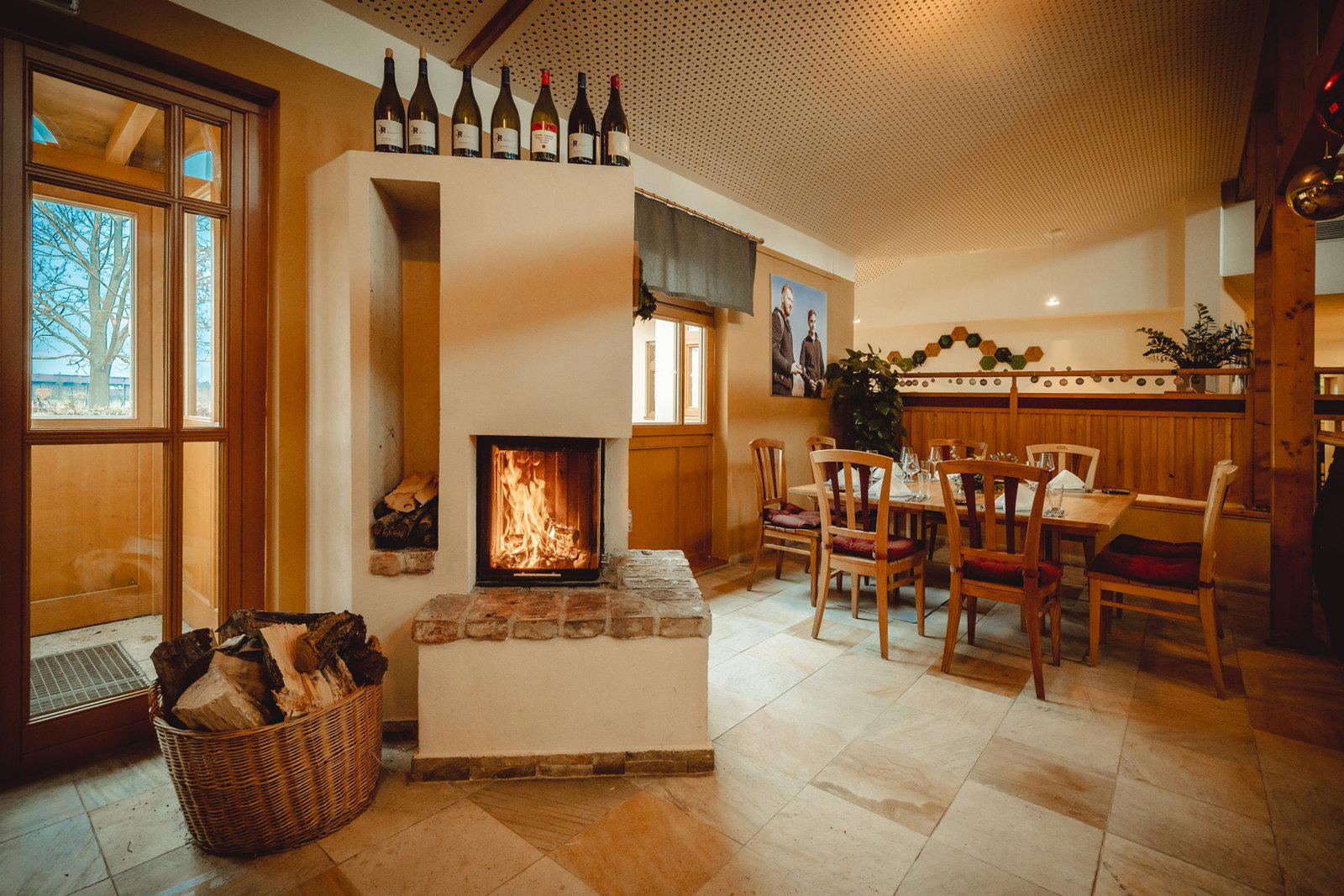
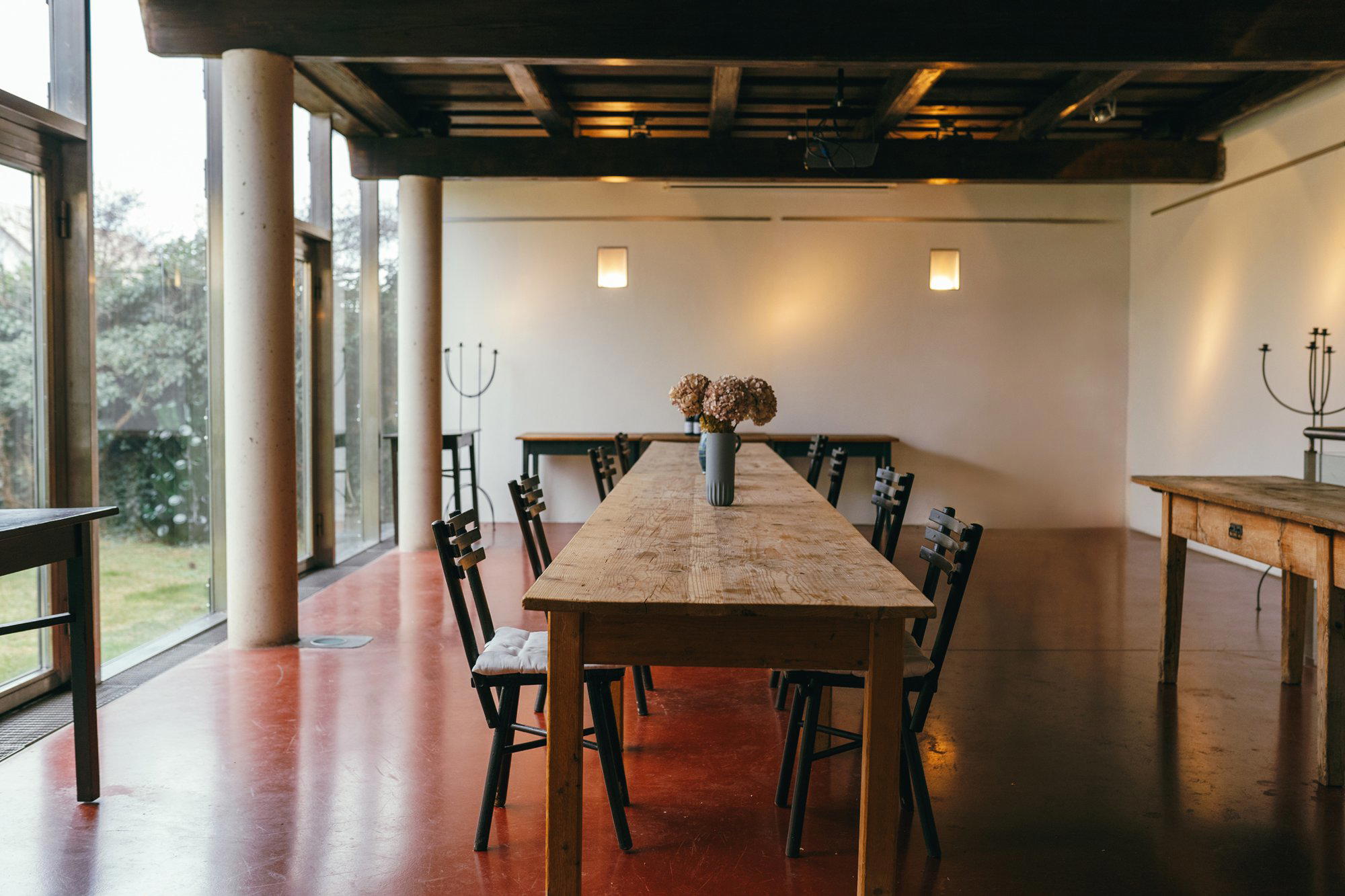
Intimate, cozy counter-service environment with minimal seating (approximately 10 seats total), relaxing jazz music, and an open kitchen where diners can watch food being prepared.