
Kishiya places Nagoya’s everyday noodle culture in a smaller, more focused frame: udon, kishimen, ramen and curry udon served from a 20-seat room in Chikusa Ward’s Ikeshita area. Its Tabelog Udon EAST 100 selections in 2020, 2022 and 2024 put it in a serious regional noodle bracket without pushing the meal into luxury territory.
Pearl is the En Primeur Club membership app — saves, bookings, and concierge access live there. Same editors, same standards.
- Address
- Japan, 〒464-0074 Aichi, Nagoya, Chikusa Ward, Nakata, 2 Chome−17−7 池下タワーズ 1F
- Phone
- +81 52-752-7114
- Website
- instagram.com
 Saves & bookings on Pearl
Ikeshita is not Nagoya’s station-hotel dining rooms or department-store food floors. Around Nakata in Chikusa Ward, the city feels residential, with the Higashiyama Line bringing local office workers, families and students into compact restaurants built for repeat use rather than occasion dining. Kishiya belongs to that Nagoya: a small, non-smoking noodle shop with counter seats, tables and a format where lunch and dinner carry equal weight.
That matters because Nagoya’s noodle identity is not one dish. The city is known for kishimen, its flat wheat noodles, but local appetite also embraces curry udon, ramen-adjacent bowls and dashi-led variations between quick meal and regional comfort. Here, the useful distinction is not glamour but whether a shop makes a daily category feel deliberate. Kishiya’s repeated selection for Tabelog’s Udon EAST 100 list in 2020, 2022 and 2024 gives it a measurable place in the regional udon conversation, especially in a city where many stronger meals sit far from the international hotel circuit.
Ikeshita noodle culture, not station-district spectacle
Nagoya rewards diners who leave the obvious central corridors. The station area is efficient, Sakae is broad, and the eastern subway neighbourhoods often have a different register: smaller rooms, narrower menus, less ceremony. Kishiya’s Chikusa Ward setting gives the experience that shape, closer to a specialist local address than to the polished, reservation-led restaurants defining higher-budget dining elsewhere in the city.
The comparison helps. In Nagoya, Bistro Den Den and Kitchen Cho sit in accessible restaurant territory, while Yama no I and Japanese cuisine Kashizuki occupy much higher spend categories. Kishiya works in another lane: a noodle house whose award signal comes from consistency within a humble category rather than luxury cues. That is why the Tabelog Udon EAST 100 recognition matters. It places a modestly priced, compact shop beside serious udon specialists across eastern Japan, not just casual neighbourhood lunch counters.
For travellers building a Nagoya food itinerary, this address fills the gap between marquee meals and gives a cleaner read on local dining habits than another formal dinner might. Pair it with broader city research: Our full Nagoya restaurants guide gives the restaurant context, while Our full Nagoya hotels guide, Our full Nagoya bars guide, Our full Nagoya wineries guide and Our full Nagoya experiences guide place the meal inside a wider stay rather than as an isolated stop.
Dashi, flat noodles and the Nagoya comfort register
The menu categories tell the story: udon, ramen and curry udon, with kishimen at the centre of the Nagoya association. Kishimen’s appeal is partly textural. The flatter noodle changes how broth clings and cools, making it a local counterpoint to thicker sanuki-style chew or Tokyo’s familiar soba-and-ramen dominance. In Nagoya, it also carries civic meaning. It appears in station platforms and old-line shops, but stronger versions depend on broth discipline and noodle timing rather than nostalgia alone.
Kishiya’s public description emphasizes honkarebushi dashi and noodles that are not pre-cooked. Those are not decorative claims. Honkarebushi, the matured form of dried bonito, points to a more deliberate stock base, while cooking noodles to order protects texture in a dish that can turn slack when handled casually. The named house recommendation is Shiro, a clear soup made without soy sauce, using salt, kombu and dashi. The emphasis is clarity rather than the darker, soy-driven profile many visitors associate with Japanese noodle bowls.
Curry udon and curry ramen broaden the read. Nagoya likes assertive, sauce-rich comfort food, but curry noodles can become heavy or sweet without structure. In a dashi-led shop, curry should bring warmth and body, not mask weak broth. The drinks list, including sake, shochu and wine, also signals the room is not only a lunch utility. It can work as a relaxed evening noodle stop, especially for diners wanting something more grounded than a tasting menu after crossing the city.
This Japanese regional specificity is easy to miss when itineraries chase the same omakase and beef counters. Across EP Club’s wider Japan and Japanese-influenced coverage, readers will find different expressions of casual precision at -Grilled beef Sukiyaki- KAMAKURA TANUKIAN 鎌倉 たぬき庵 in Kamakura, . 鮪と炭火焼き うお炭 秋葉原店 in Tokyo, .cafe in Osaka, .know in Kumamoto, (Shoku) Vietnam in Kawasaki and [Curry Senmon Ten] Maruyama Kyoju. in Sapporo. Outside Japan, Jōdo Saké Bar in Los Angeles and Onigiri Time in Pasadena show how Japanese formats translate when the cultural setting changes.
How to read the room
A 20-seat layout changes expectations. Four counter seats and a handful of tables absorb solo diners, pairs and small family groups without making the meal a long-form event. Children and strollers are welcomed, private rooms are not part of the setup, and takeout is available. Those details point to a restaurant embedded in local routine rather than engineered for destination dining performance.
That is the editorial case for Kishiya. It is not trying to compete with Nagoya’s high-budget Japanese rooms or French-influenced dining addresses. It competes in a narrower, more revealing category: the specialist neighbourhood noodle shop with enough technical seriousness to earn regional recognition. For travellers, the appeal is proportion. The meal is compact, the category is local, and the setting pulls attention east of the usual city-centre orbit.
Within EP Club’s Nagoya map, it sits well beside more formal or genre-crossing research. Nearby city entries such as 1022, 451, Aaron, Alan. and All Day Dining Montmartre show how broad the city’s restaurant spread becomes once the search moves beyond one cuisine or price tier. Kishiya’s value is more specific: a direct encounter with Nagoya’s noodle grammar in the part of town where that grammar feels lived-in.
At a Glance
Comparable venues in the metro at similar price points.
| Venue | Cuisine | Price | Notes |
|---|---|---|---|
| KishiyaThis venue — the venue you are viewing | Chikusa, Nagoya kishimen & ramen | $ | Not listed |
| Wagashi Karyo ocobo | Chikusa, Japanese Wagashi Cafe | $ | Not listed |
| Gin no Kura Honten | Higashi, Nagoya-style Ramen Shop | $ | Not listed |
| Kourai Dojo | Chikusa, Nagoya Kourai-kei ramen | $ | Not listed |
| Oosu Bakery | Naka, Japanese Bakery Café | $ | Not listed |
| O Dashi to Ginshari Chuka Soba Nito | Not listed | $ | Nakamura, Ramen & chuka soba near Nagoya Station |
Recognition history
Dated appearances from independent guides and award organizations, with the underlying list record or original source where available.
Tabelog 100 #32 · No. 32
Tabelog · Tabelog 100 - Udon - EAST - 2024
Continue exploring
More in Nagoya
Restaurants in Nagoya
Browse all →


At a Glance
- Cozy
- Solo
- Casual Hangout
- Group Dining
- After Work
- Late Night
- Standalone
Current opening hours
- Monday
- 11 AM–2 PM, 5:30–9 PM
- Tuesday
- 11 AM–2 PM, 5:30–9 PM
- Wednesday
- Closed
- Thursday
- 11 AM–2 PM, 5:30–9 PM
- Friday
- 11 AM–2 PM, 5:30–9 PM
- Saturday
- 11 AM–2 PM, 5:30–9 PM
- Sunday
- 11 AM–2 PM, 5:30–9 PM
Hours can change for holidays and private events. Last verified .
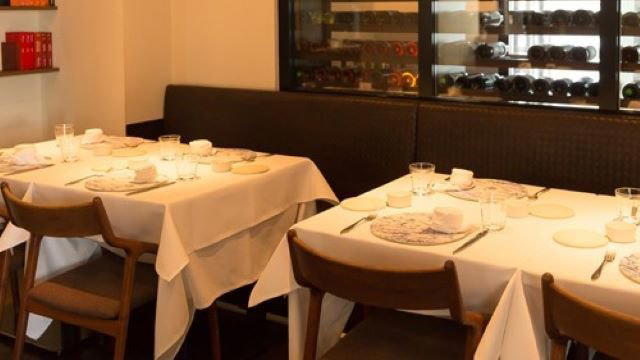
Reviews describe a compact, Japanese-style space with a warm, relaxed atmosphere, counter and small tables, and a low-key local feel suited to casual meals rather than formal dining.