

Michelin Plate · Tabelog 100 #23
Our verdict
Positioned in the mid-range tier, it occupies the Sonezakishinchi district, where the concentration of dining options makes occasion dining a competitive proposition. A credentialed option for those seeking Chinese cooking at a considered but accessible price point in central Osaka.

Pearl is the En Primeur Club membership app, where members save venues, book tables and use the concierge.
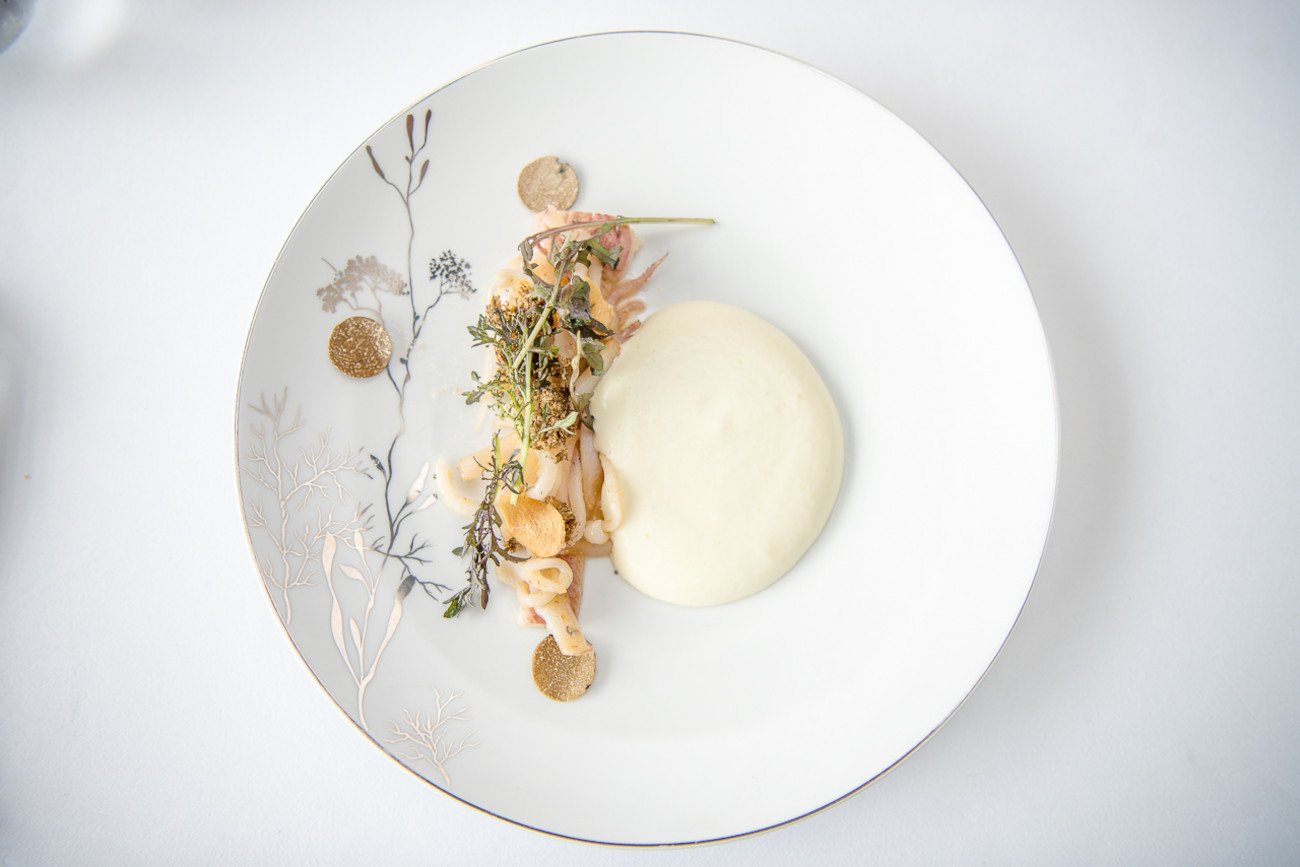
Chinese Dining in Sonezakishinchi: Reading the Room
The streets around Sonezakishinchi in Osaka's Kita Ward run a particular kind of gastronomic logic: proximity to serious drinking culture, late hours, and a clientele that moves between izakayas, counter bars, and restaurants with the ease of people who know the neighbourhood well. It is not the district you go to for ceremony. Which makes the presence of a Michelin Plate-recognised Chinese restaurant here all the more worth pausing on. Kosai Fukumimi sits inside that texture, a mid-range Chinese table that has earned formal recognition without migrating to the higher-priced tiers where most of Osaka's starred Chinese restaurants operate.
That price positioning matters. The mid-range Chinese tier in Japanese cities tends to divide into two groups: informal neighbourhood spots that prioritise throughput, and tighter operations that apply more craft but keep pricing accessible. Michelin Plate recognition in the 2024 guide signals the latter category. The Plate, awarded to restaurants offering good cooking without star-level complexity or pricing, is a meaningful credential in the context of Osaka's broader dining map, where the Chinese category runs from casual Chinatown-style to the Chugokusai S. Sawada end of high-concept, multi-course Chinese at ¥¥¥¥ price points.
Where Occasion Dining Finds Its Register
In Osaka, choosing a venue for a celebration or milestone meal is partly a question of register. The city's ¥¥¥¥ tier atelier HANADA by Morimoto or the French-driven ceiling set by operations like HAJIME at three Michelin stars, demands a kind of formal seriousness that not every occasion calls for. The two-star French of La Cime and the kaiseki registers of Taian or Kashiwaya Osaka Senriyama similarly carry a weight of expectation: long evenings, pre-set menus, a dress code implied if not stated.
Kosai Fukumimi occupies different territory. At ¥¥, it is a venue where marking a birthday, a promotion, or a small gathering does not require treating dinner as a financial event. That accessibility is itself a kind of editorial point. Some of the most satisfying occasion meals in Japan happen at the ¥¥ level, where the cooking is recognisably skilled but the evening does not become a performance.
For visitors planning an Osaka itinerary around dining, it is worth thinking about how Chinese fits alongside the city's Japanese and kaiseki options. Osaka's dining identity is built around Japanese forms, but the Chinese restaurant category here carries its own depth. Kamigatachuka SHINTANI and Chi-Fu represent different price points and styles within the same broader category. Across the Kansai region, the Chinese dining conversation extends further: Gion Sasaki in Kyoto and akordu in Nara anchor different ends of the fine dining spectrum entirely, and a multi-city itinerary might use Osaka's Chinese options as a counterpoint to the kaiseki-heavy programmes those cities tend to produce.
The Broader Chinese Restaurant Conversation in Japan
Japanese-Chinese cooking, often called chuka ryori, occupies a specific and frequently underrated position in the country's food culture. Unlike Chinese-American or Chinese-European adaptations, Japanese-Chinese cooking has evolved over more than a century of immigration and adaptation, producing dishes and techniques that feel distinct from both mainland Chinese originals and Western-market Chinese cooking. Michelin's engagement with the category in Japan is correspondingly serious: the guides for Tokyo, Osaka, and Kyoto include Chinese restaurants at every level from Bib Gourmand to multiple stars.
The Plate designation at Kosai Fukumimi places it in the most accessible tier of that recognition system, but it still marks a threshold. Not every Chinese restaurant in Osaka receives Plate designation, and the guide's inclusion signals that inspectors found the cooking worth noting. For the occasion dining context, that credential does specific work: it provides the reassurance that the meal will hold up, which is what a birthday dinner or a family gathering actually needs from a restaurant. The riskier choices, the places with no formal recognition, are easier to absorb on a solo weeknight than when five people have planned around a table.
Globally, the question of what Chinese cooking looks like when it operates outside China continues to generate interesting answers. Restaurant Tim Raue in Berlin and Mister Jiu's in San Francisco represent the Western end of that conversation, Chinese-influenced fine dining adapted for local markets. Japan's version is quieter about its hybridity but no less distinctive. Kosai Fukumimi's ¥¥ positioning and Sonezakishinchi address suggest a restaurant operating within local Japanese-Chinese tradition rather than positioning itself as a concept-driven departure from it.
Planning Around Kosai Fukumimi
Sonezakishinchi is a compact area within Kita Ward, well-connected to Osaka's central transit infrastructure and walkable from the main Umeda hub. The neighbourhood's evening character, dense with dining and bar options, means arriving without a plan is possible but arriving with a reservation is measurably better, particularly for groups.
For those building a wider Osaka dining programme, the city's range covers enough ground to anchor several days. Az represents a different register entirely, and the full spectrum from casual to starred is documented across our full Osaka restaurants guide. For the rest of a trip, our full Osaka hotels guide, our full Osaka bars guide, and our full Osaka experiences guide cover the supporting infrastructure. Those extending into other Japanese cities will find additional reference points at Harutaka in Tokyo, Goh in Fukuoka, 1000 in Yokohama, and 6 in Okinawa. For winery and wine-focused options in the city, our full Osaka wineries guide rounds out the picture.
Know Before You Go
- Address: 1 Chome-1-8 Sonezakishinchi, Kita Ward, Osaka, 530-0002, Japan
- Cuisine: Chinese
- Price range: ¥¥ (mid-range)
- Awards: Michelin Plate (2024)
- Booking: Contact directly or via Japanese dining platforms; reservation recommended for groups
- Getting there: Kita Ward is served by Osaka's central rail and subway network; Umeda station is the main local hub
What Do People Recommend at Kosai Fukumimi?
Kosai Fukumimi holds a Michelin Plate (2024) award, which positions it among Osaka's recognised Chinese restaurants without crossing into the higher-priced starred tier. No specific dishes are documented in the available public record, and no signature plates have been confirmed through a verified source. The most reliable route to current menu intelligence is checking recent Japanese-language reviews on platforms like Tabelog, where the reviewer base for Osaka's Chinese category is considerably larger than the English-language record. What the Michelin Plate credential does confirm is that the cooking met inspector standards for quality, a reasonable baseline expectation for an occasion meal at this price point.
Frequently asked questions
What should I budget for a meal at Kosai Fukumimi?
Pricing at Kosai Fukumimi is listed as ¥¥.
Where do I go for Kosai Fukumimi?
Kosai Fukumimi is located at 1 Chome-1-8 Sonezakishinchi, Kita Ward, Osaka, 530-0002, Japan, Osaka.
Is Kosai Fukumimi award-winning?
Kosai Fukumimi has received recognition including: Michelin Plate (2024).
What do people recommend at Kosai Fukumimi?
Kosai Fukumimi earned a Michelin Plate in 2024, which places it among Osaka's recognised Chinese restaurants at the ¥¥ price point, a tier that rewards repeat visits rather than single occasion spending. The Michelin Plate designation signals consistent cooking quality without the formality of a starred room, making it a practical choice for Chinese food in the Sonezakishinchi area of Kita Ward.
Standing Among Peers
Comparable venues nearby, for context on price, style, and recognition.
| Venue | Cuisine | Price | Awards | Notes |
|---|---|---|---|---|
| Kosai FukumimiThis venue (the venue you are viewing) | Authentic Chinese | $20–30 | Michelin Plate · Tabelog 100 #23 | Not listed |
| MATO | Modern Shanghai Chinese | Not listed | Michelin Plate · Tabelog 100 #58 | Kita |
| xiang hua | Seasonal Regional Chinese Fine Dining | $100–150 | Michelin Plate · Tabelog 100 #61 | Kita |
| Mashino Ken | Modern Cantonese-Sichuan Chinese | $500+ | Michelin Plate | Chūō |
| Hinotori | Classical Chinese Fine Dining | $100–150 | Tabelog Bronze #115 | Chūō |
| Gessen | Modern Seasonal Chinese | $100–150 | Tabelog Silver #26 | Kita |
Recognition history
Dated appearances from independent guides and award organizations, with the underlying list record or original source where available.
Michelin Plate
Michelin
Tabelog 100 #23 · No. 23
Tabelog · Tabelog 100 - Chinese cuisine - WEST - 2026
Continue exploring
More in Osaka
Restaurants in Osaka
All restaurants in Osaka →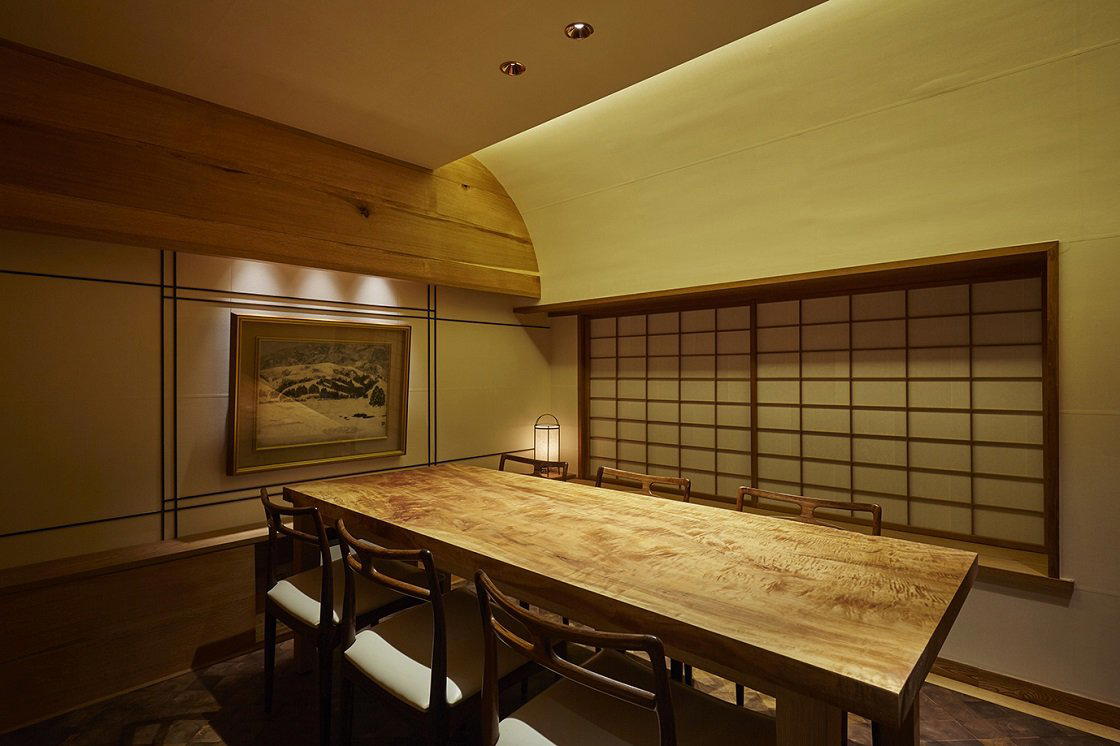

Bars in Osaka
All bars in Osaka →
Hotels in Osaka
All hotels in Osaka →




Wineries in Osaka
Browse all →
Details
- Cozy
- Business Dinner
- Date Night
- Private Dining
- Sake Program
- A La Carte
Current opening hours
- Monday
- 6 PM–2 AM
- Tuesday
- 6 PM–2 AM
- Wednesday
- 6 PM–2 AM
- Thursday
- 6 PM–2 AM
- Friday
- 6 PM–2 AM
- Saturday
- 6 PM–2 AM
- Sunday
- Closed
Hours can change for holidays and private events. Hours as of .
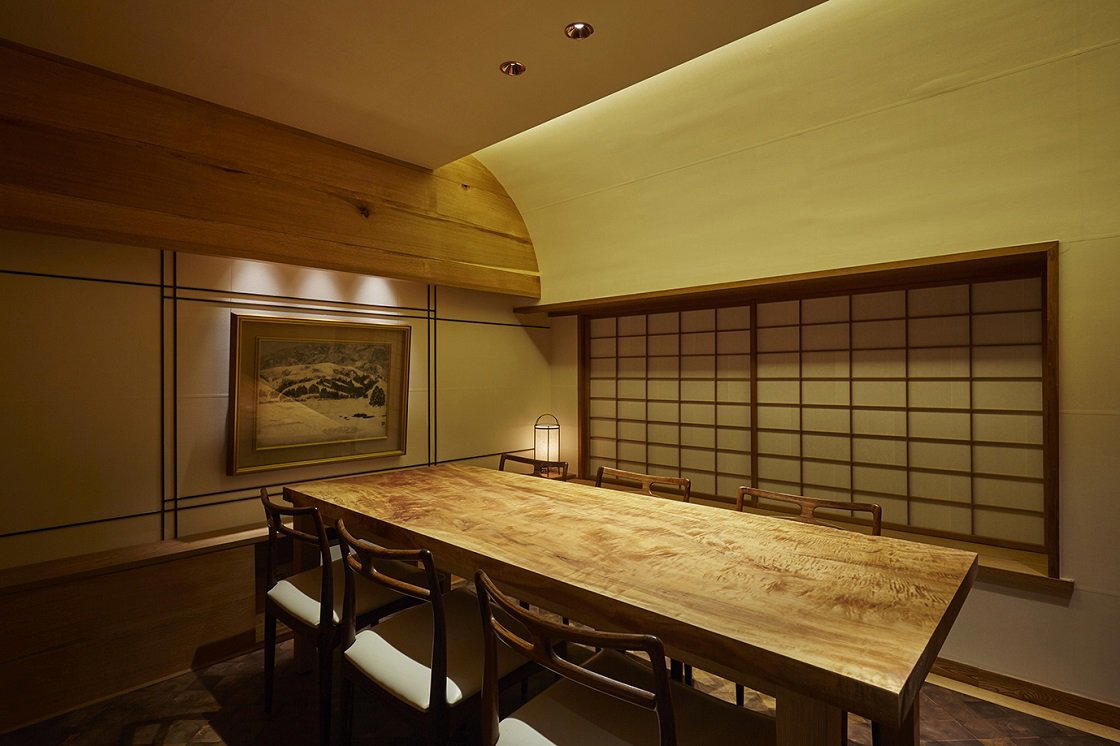
Cozy ambiance suitable for intimate dining.