

Osaka’s Chinese dining tier has grown more technical and more Japanese in its precision, and Gessen belongs in that conversation rather than the casual chuka category. The Nishitenma restaurant, led by Mitsushiro Okada, carries Tabelog Award Silver recognition in 2026, a 4.40 Tabelog score, and an 18-seat format that makes high-heat Chinese cooking feel disciplined rather than theatrical.
Pearl is the En Primeur Club membership app — saves, bookings, and concierge access live there. Same editors, same standards.
- Address
- 1 Chome-6-4 Nishitenma, Kita Ward, Osaka, 530-0047, Japan
- Phone
- +81 6-6366-0055
- Website
- gessen.osaka
- Directions
- Get directions
 Saves & bookings on Pearl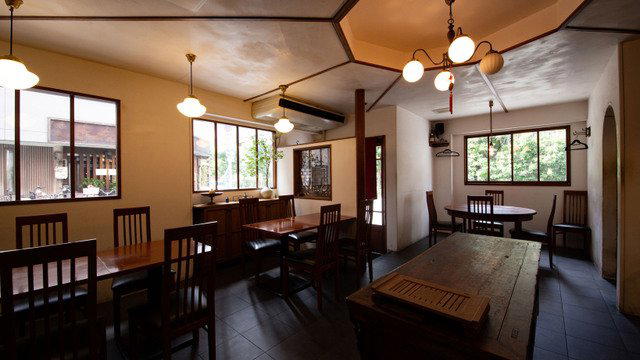
Nishitenma is a useful setting for serious Chinese cooking in Osaka: near office districts and Nakanoshima’s quieter riverfront, yet outside tourist dining circuits, so a small room can earn repeat local demand. Gessen feels less like a showpiece than a controlled workshop for flame, timing, and sauce. Its 18 seats, split between a six-seat counter and tables, put diners close to the kitchen’s tempo without turning dinner into performance theater.
Chinese cooking at this tier in Japan is not just luxury ingredients or long menus. It is speed with restraint: wok heat as structure, not volume; layered seasoning; movement between Cantonese clarity, Sichuan accent, and Japanese seasonality without collapsing into fusion. Gessen’s Tabelog Award Silver status for 2026, alongside a 4.40 score, places it among the narrow band of Osaka restaurants where Chinese technique is judged as seriously as sushi, kaiseki, tempura, or French tasting counters.
Osaka Chinese cooking, seen through heat rather than spectacle
Osaka has a long appetite for Chinese restaurants, but its serious end is smaller and more exacting than the city’s open-handed eating reputation suggests. The upper tier is defined less by banquet-room scale than by small kitchens, limited seats, careful course sequencing, and precise high-temperature cooking. Wok hei is often discussed as smoke and aroma; here it is judgment: too much heat erases delicacy, too little loses the dish’s line.
That is the useful way to read Gessen. Mitsushiro Okada is the named chef, but his category is more revealing. Japan’s contemporary Chinese restaurants often borrow Japanese fine dining’s pacing and ingredient discipline while retaining Chinese foundations: broths, oils, starch-thickened sauces, steamed preparations, deep-frying, and rapid wok finishing. The result may be subtle or forceful, but the question is constant: can the kitchen make speed look composed?
Recognition separates serious operators from pleasant neighborhood Chinese rooms. Gessen appears in the 2026 OAD Top Restaurants in Japan Recommended list and was selected for Tabelog Chinese WEST “Tabelog 100” in 2026. Its Tabelog Award progression matters: Bronze from 2021 through 2024, then Silver in 2025 and 2026. That suggests durability, not a single spike, especially where diners reward consistency across repeated meals.
Within Osaka, the comparison set is tight. Chi-Fu has long shaped the city’s refined Chinese conversation with a more internationally legible fine-dining frame, while Chugokusai S. Sawada points toward a high-end Chinese register for diners who already know the cuisine’s grammar. Hinotori sits in the same broad Osaka Chinese conversation, as does xiang hua, though each occupies a different point between counter intimacy, wine-led dining, and refined chuka comfort. Gessen is strongest for diners who want technique and sequence over room drama.
The counter changes the way the cuisine is read
Counter seating is not neutral in Japanese fine dining. It changes the contract between kitchen and diner, putting rhythm, portioning, and final seasoning under scrutiny. In sushi or tempura, that intimacy is expected. In Chinese cooking, it carries a different charge because so much power comes from fast heat, larger pans, and service momentum. Compressing that energy into a small Osaka room sharpens the lens on execution.
The 18-seat format defines the audience. This is not a loud group-dinner Chinese room built around communal abundance. It is dinner-only, with a limited window and no lunch service since September 2015, making it a planned evening rather than a casual drop-in. Average dinner spend sits in the JPY 15,000 to JPY 19,999 range, with review-based spend also appearing higher in some listings. That places it above everyday chuka and below Japan’s rarefied luxury extremes: a useful middle-high bracket for travelers wanting serious Osaka Chinese without making the night only about status.
Wine is part of the listed drink identity, notable because Japan’s fine Chinese restaurants increasingly treat wine as more than an imported luxury signal. Pairing wine with Chinese food requires acidity, texture, and temperature discipline; sweetness, chile, vinegar, and fermented flavors do not forgive lazy matches. A wine-aware Chinese restaurant in Osaka signals pace and balance, not merely bottles for expense-account dining.
The neighborhood helps. Nishitenma and nearby Kitahama avoid the blunt nightlife energy of Namba and the department-store polish of Umeda’s upper floors. They suit restaurants that reward intent. For a wider map of the city’s dining spread, Our full Osaka restaurants guide is the better starting point; for travelers building a full itinerary, Our full Osaka hotels guide, Our full Osaka bars guide, Our full Osaka wineries guide, and Our full Osaka experiences guide cover the surrounding decisions.
Who should choose it over Osaka's other serious tables
Gessen is strongest for diners who understand that Chinese fine dining in Japan is not a side category. Osaka’s restaurant identity is often reduced to takoyaki, okonomiyaki, kushikatsu, and counter omakase, but its Chinese rooms show a technical, adult side less interested in exportable imagery. The awards profile supports a destination meal, while the price band keeps it grounded beside Japan’s more extreme luxury counters.
It is also sensible for travelers comparing Japanese interpretations of Chinese cuisine across cities. Tokyo offers a larger, more competitive field, including restaurants such as 4000 Chinese Restauranat, Chinese in Tokyo and 4000 Chinese Restaurant, Chinese in Tokyo. Kyoto tends to fold quietness and seasonality into almost every serious dining format, seen more broadly in places like [ki:] in Kyoto. Osaka’s advantage is directness: less ceremony than Kyoto, less scale than Tokyo, and a dining public that respects technical pleasure when delivered cleanly.
For cross-category planning, Osaka visitors may weigh French-inflected counters such as atelier HANADA by Morimoto or modern tasting formats such as Az. Those comparisons clarify the decision. Choose Gessen when the night calls for Chinese technique interpreted through Osaka restraint: a small room, serious heat control, and awards pointing to sustained local approval rather than novelty.
Readers building a wider Japan route can place it against regional dining choices with different aims, from -Grilled beef Sukiyaki- KAMAKURA TANUKIAN 鎌倉 たぬき庵 in Kamakura to. 鮪と炭火焼き うお炭 秋葉原店 in Tokyo.know in Kumamoto, (Shoku) Vietnam in Kawasaki, and [Curry Senmon Ten] Maruyama Kyoju. in Sapporo. These are not substitutes; they show how sharply Japan’s premium dining choices split by region, format, and cuisine. Gessen’s place is clear: Osaka Chinese for diners who care about heat, timing, and the discipline behind apparent simplicity.
At-a-Glance Comparison
Side-by-side context: comparable cuisine and price.
| Venue | Cuisine | Price | Awards | Notes |
|---|---|---|---|---|
| GessenThis venue — the venue you are viewing | Modern Seasonal Chinese | $$$$ | Not listed | Not listed |
| Chugokusai S. Sawada | Modern Hong Kong Chinese with Japanese Technique | $$$$ | Michelin Plate | Kita |
| Tanaka Yoshihide | Modern Cantonese with Japanese Seasonality | $$$$ | Not listed | Miyakojima |
| Chukashunsai Morimoto | Modern Sichuan Chinese | $$$ | Michelin Plate | Chūō |
| Kokyu | Modern Cantonese Fine Dining | $$$$ | Not listed | Kita |
| JIANG NAN CHUN | Authentic Cantonese | $$$$ | Michelin Plate | Kita |
Recognition history
Dated appearances from independent guides and award organizations, with the underlying list record or original source where available.
Opinionated About Dining Top Restaurants in Japan Recommended
Opinionated About Dining
Tabelog Silver #26
Tabelog
Tabelog 100 #75 · No. 75
Tabelog · Tabelog 100 - Chinese cuisine - WEST - 2026
Opinionated About Dining Top Restaurants in Japan Ranked #287
Opinionated About Dining
Tabelog Silver
Tabelog
Continue exploring
More in Osaka
Restaurants in Osaka
Browse all →
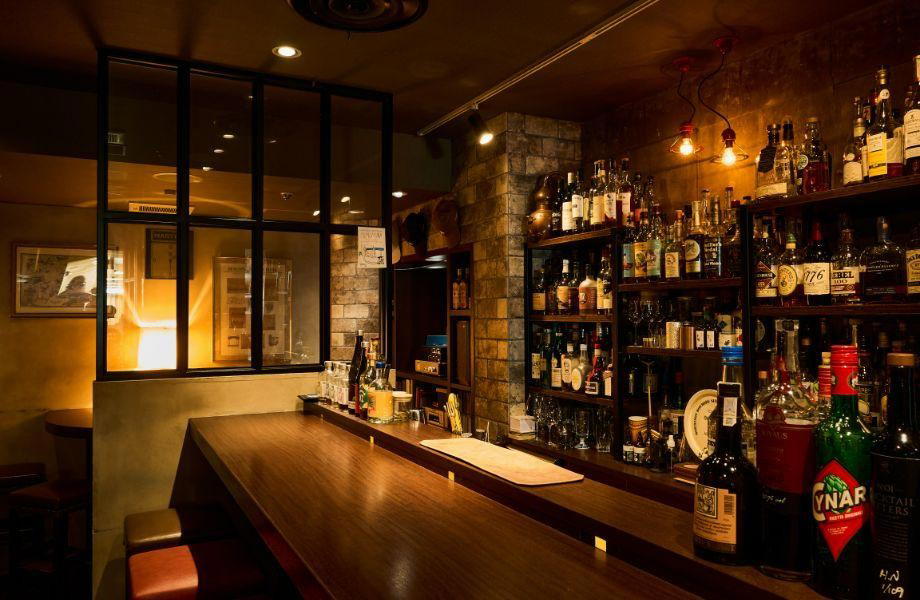
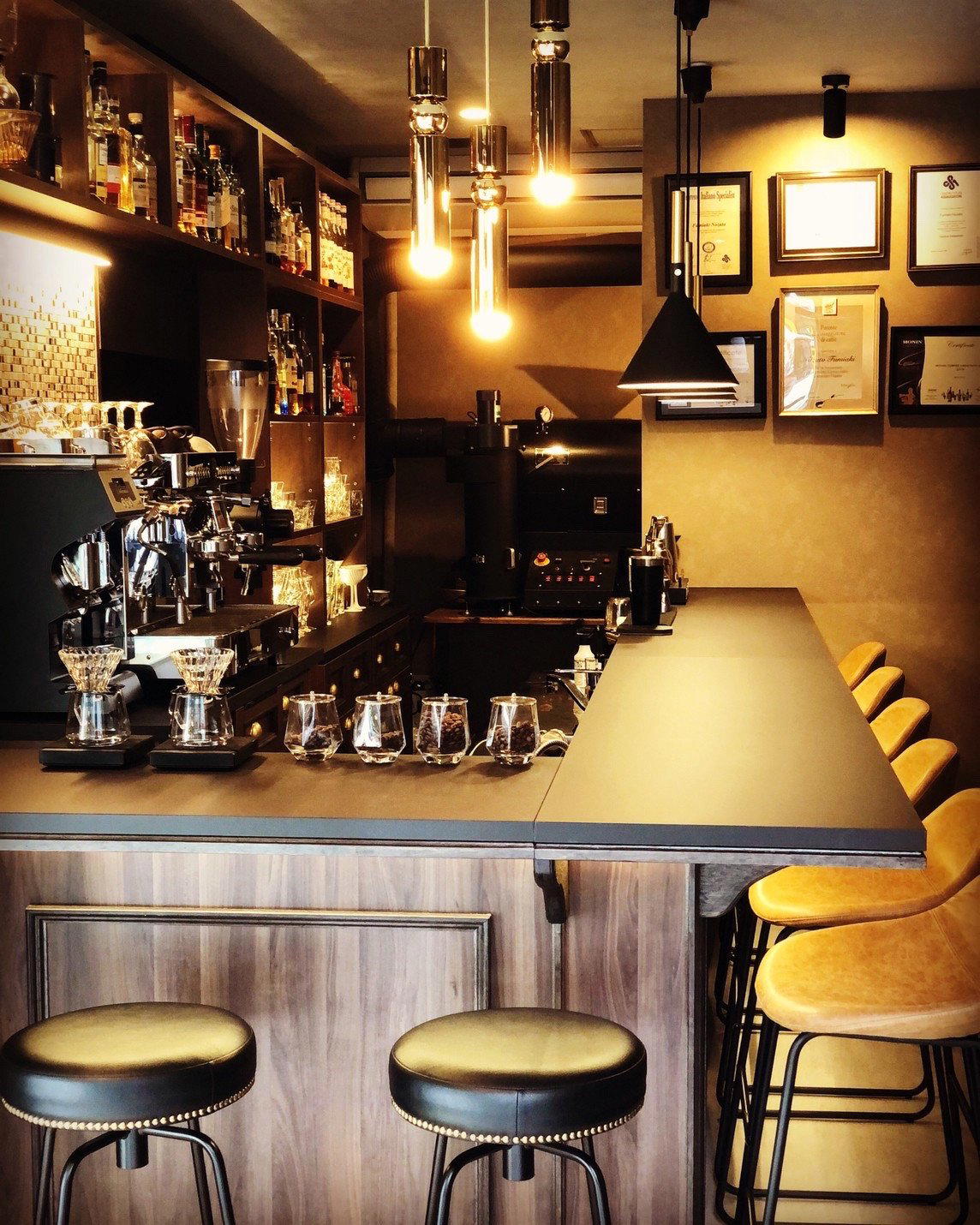
Bars in Osaka
Browse all →
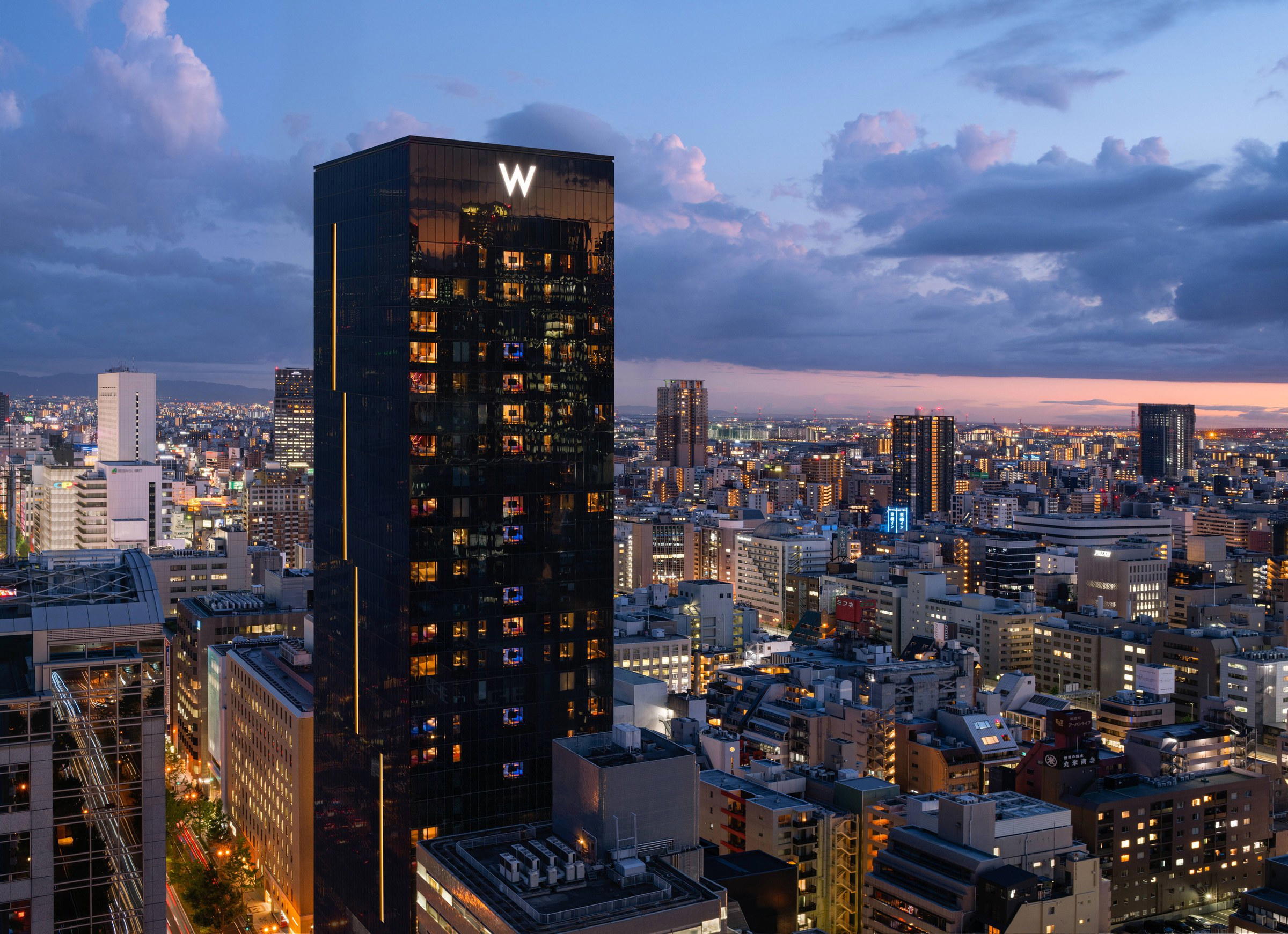
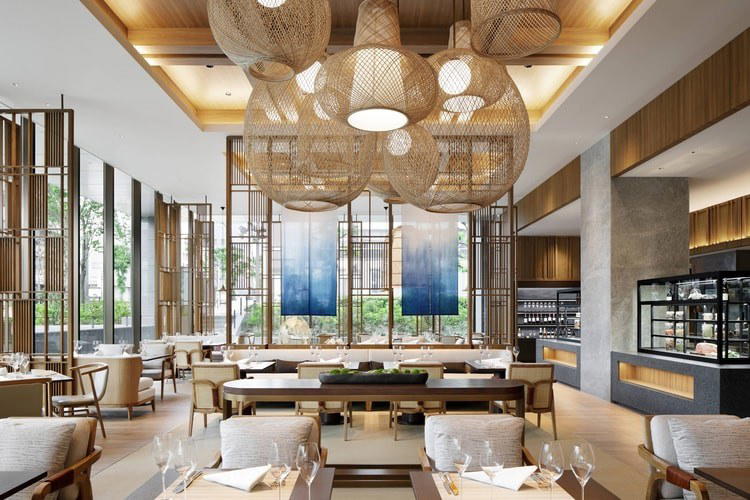
Hotels in Osaka
Browse all →


Wineries in Osaka
Browse all →
At a Glance
- Intimate
- Elegant
- Minimalist
- Sophisticated
- Quiet
- Date Night
- Special Occasion
- Chefs Counter
- Open Kitchen
- Natural Wine
Current opening hours
- Monday
- 6–9 PM
- Tuesday
- 6–9 PM
- Wednesday
- 6–9 PM
- Thursday
- 6–9 PM
- Friday
- 6–9 PM
- Saturday
- 6–9 PM
- Sunday
- Closed
Hours can change for holidays and private events. Last verified .
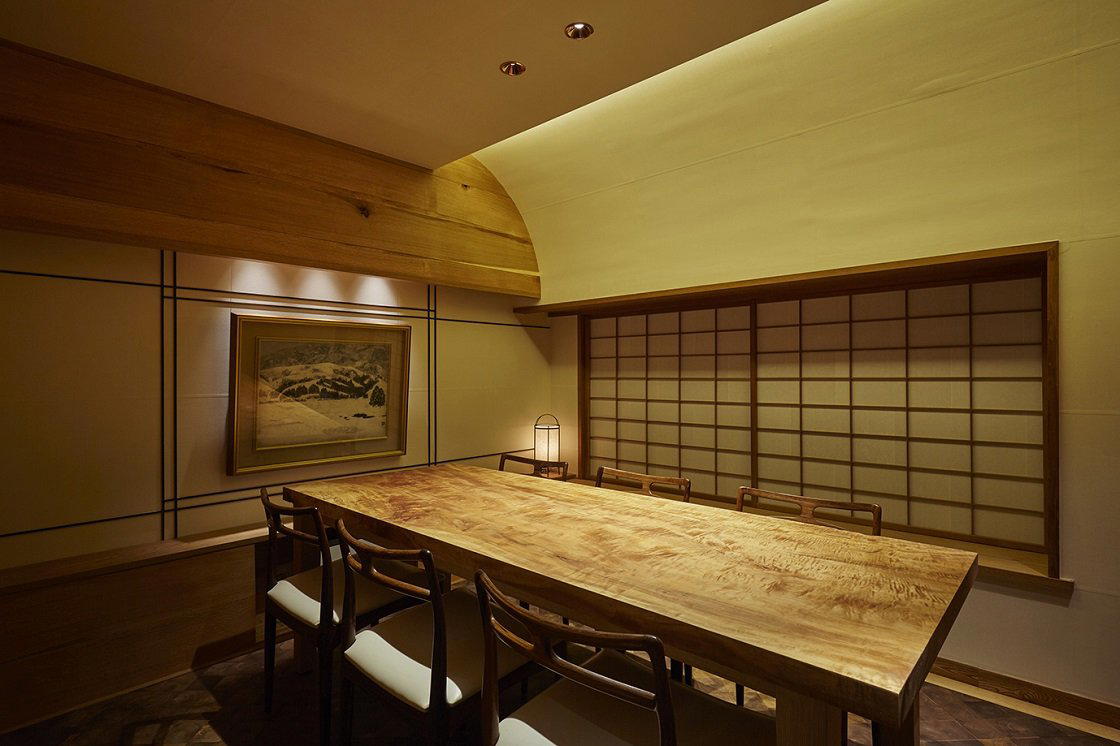
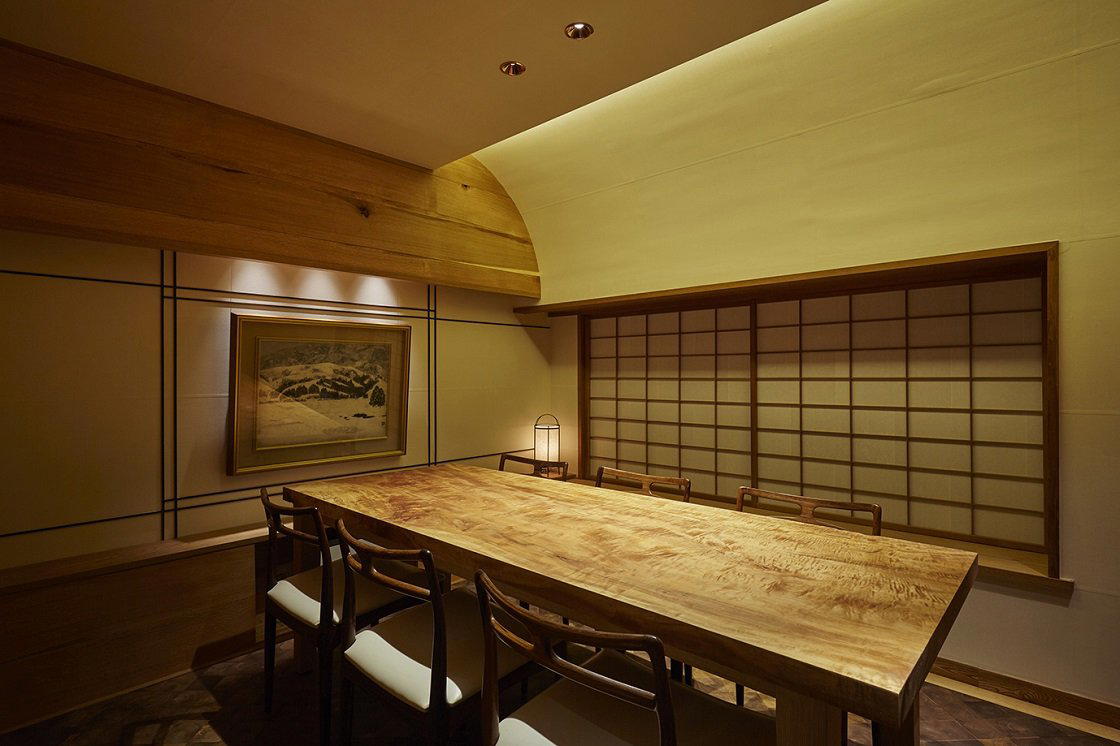
Warm, minimalist interior fostering quiet conversation and contemplative dining.