
Korean Kimya sits in Sakae’s after-work dining orbit, where Korean cooking, izakaya pacing, and group-friendly rooms overlap. Its selection for Tabelog’s Asian cuisine and Ethnic cuisine EAST 100 in 2024 gives it a clear signal beyond neighbourhood usefulness, especially for diners looking at Nagoya beyond sushi, hitsumabushi, and formal kaiseki.
Pearl is the En Primeur Club membership app — saves, bookings, and concierge access live there. Same editors, same standards.
- Address
- Japan, 〒460-0008 Aichi, Nagoya, Naka Ward, Sakae, 3 Chome−11−13 GKビル 1F
- Phone
- +81 52-263-3500
- Website
- tabelog.com
 Saves & bookings on Pearl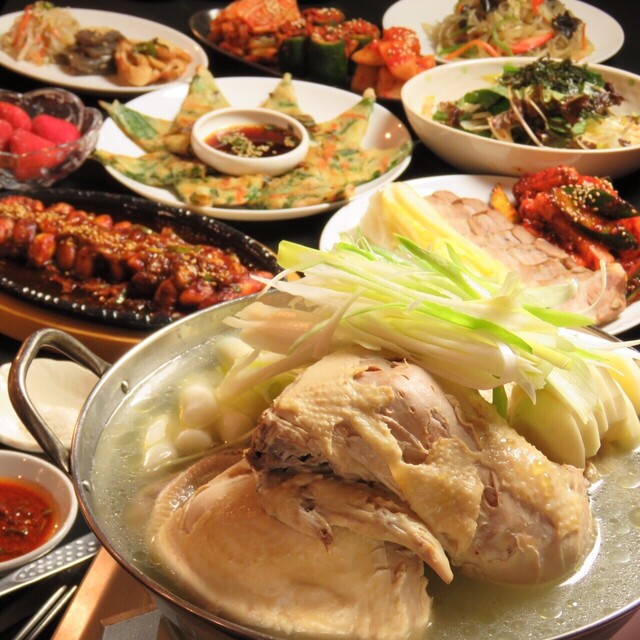
In Sakae, dinner starts in the flow of station exits, shopping streets, office towers, and late trains. Korean dining suits that rhythm: small shared plates, heat and broth, then drinks, noodles, and conversation. Korean Kimya belongs to this urban category: not a hushed destination counter or quick refuelling stop, but a room for staged dinners where groups eat seriously without surrendering the night to formality.
Nagoya’s restaurant identity is often reduced to local staples, but its stronger casual dining is broader. Sakae and Yaba-cho support izakaya, Korean, Chinese, yakiniku, wine bars, and chef-led counters, with diners shifting budget bands by occasion. Beside Meshiya Ukiyo Banare, Sakana To Nihonshu Atarayo, CHIBA SAKAE, Wiggo, and restaurant.m, this Korean-izakaya format occupies another lane: social, late-evening, and built around progression rather than one centrepiece course.
Korean pacing in an izakaya city
Read the meal as sequence. Korean cooking understands momentum: banchan-like starters, grilled or simmered mains, rice or noodles, and drinks that keep the table moving. In Japan, that rhythm often merges with izakaya habits, where ordering is iterative and the group sets the tempo. The listed categories, Korean cuisine, Korean cold noodles, and izakaya, explain the appeal better than any chef biography. The format gives several entry points: shared dinner with drinks, a noodle-led finish, or a larger table built around courses.
The Tabelog Asian cuisine and Ethnic cuisine EAST 100 selection in 2024 matters because this category is crowded and uneven. Korean restaurants in Japanese cities can lean grill-heavy and yakiniku-adjacent, casual-drinking, or specialist-regional. Recognition in a regional 100 list places the address among restaurants noticed beyond convenience. It does not make the meal formal; it makes the casual format more legible for travellers filtering a city with many similar-looking street options.
Menu’s public framing points to Korean comfort dishes with a Busan reference through nakgopsae, plus Korean drinks and shochu. That combination gives the meal its arc: seafood-and-spice depth, tavern-style drinking, and a noodle or rice finish rather than fine-dining choreography. The attraction is not precision plating but controlled abundance, the kind of dinner the table edits as it goes.
Why Sakae suits this kind of dinner
Sakae rewards restaurants that handle mixed occasions. The district pulls shoppers, office workers, visitors, and late-night diners into one grid, so a successful room must be flexible without turning anonymous. Korean Kimya’s seating mix, with counter, table, and tatami options, supports that range. Counter seats suit efficient pairs; tables and tatami suit slower group meals where plates arrive in waves.
That group logic is central. In many Japanese cities, Korean restaurants are about table management as much as menu identity: heat, steam, shared pans, cold noodles, and drinks need space and pacing. A small counter-only room can deliver intensity, but not the same social build. The Sakae location helps because the neighbourhood’s dining culture accepts volume, turnover, and later meals, letting Korean cooking operate with the looseness it needs.
Compared with Nagoya’s higher-priced chef-led rooms, the value proposition differs. Meshiya Ukiyo Banare and Sakana To Nihonshu Atarayo sit in a Japanese drinking-and-dining register, CHIBA SAKAE occupies a higher spend band, and Wiggo points to a more expensive evening format. Korean Kimya is best read as a confident mid-evening Korean option in the Sakae ecosystem, especially for diners wanting flavour, drinks, and group momentum rather than a quiet tasting counter.
How to plan the meal without overcomplicating it
Do not treat this as a checklist restaurant. Start broadly, let the table establish heat tolerance and appetite, then move toward the dishes that carry the meal. Korean cold noodles provide a natural closing register, while the izakaya structure allows another drink or small plate before the evening ends. For travellers, flexibility is the point: it can follow hotel check-in, precede a bar crawl, or anchor a casual Sakae night without the planning burden of a destination counter.
The public details also show logistics matter for groups. Seating time is managed, reservations are accepted, and party-size changes should not wait until arrival. These are not quirks; they signal a busy room designed around table flow. Larger parties should think in set formats and shared pacing rather than individual ordering freedom.
For a broader Nagoya plan, place this dinner beside the city’s stronger casual and specialist rooms rather than only formal Japanese dining. EP Club’s local restaurant coverage includes 1022, 451, Aaron, Alan., and All Day Dining Montmartre, each showing another way the city eats beyond a single culinary stereotype. Travellers building a wider itinerary can also use Our full Nagoya restaurants guide, Our full Nagoya hotels guide, Our full Nagoya bars guide, Our full Nagoya wineries guide, and Our full Nagoya experiences guide.
Nationally, the restaurant fits Japan’s wider pattern of specialist casual restaurants gaining serious digital recognition outside Tokyo’s luxury orbit. For comparison across cities and formats, EP Club’s Japan and international pages include -Grilled beef Sukiyaki- KAMAKURA TANUKIAN 鎌倉 たぬき庵 in Kamakura. 鮪と炭火焼き うお炭 秋葉原店 in Tokyo.cafe in Osaka.know in Kumamoto, (Shoku) Vietnam in Kawasaki, [Curry Senmon Ten] Maruyama Kyoju. in Sapporo, Jōdo Saké Bar in Los Angeles, and Onigiri Time in Pasadena. The thread is not luxury; it is specificity, a clearer reason to sit down than generic convenience.
A Quick Peer Check
Comparable venues at a glance for context.
| Venue | Cuisine | Price | Notes |
|---|---|---|---|
| Korean KimyaThis venue — the venue you are viewing | Homestyle Busan-style Korean Izakaya | $$ | Not listed |
| rokuhachikyuujuuba | Modern Sichuan Chinese Tavern | $$ | Higashi |
| CALA CARMEN | Authentic Catalan & Spanish Restaurant | $$ | Nakamura |
| China Sichuan Kinsui En | Authentic Sichuan Chinese | $$ | Kita |
| Tokugawa Cho Buta Fuku | Traditional Tonkatsu (Pork Cutlet) | $$ | Higashi |
| Buta Inagaki | Tonkatsu (Japanese pork cutlet) | $$ | Mizuho |
Recognition history
Dated appearances from independent guides and award organizations, with the underlying list record or original source where available.
Tabelog 100 #12 · No. 12
Tabelog · Tabelog 100 - Asian cuisine / Ethnic cuisine - EAST - 2024
Continue exploring
More in Nagoya
Restaurants in Nagoya
Browse all →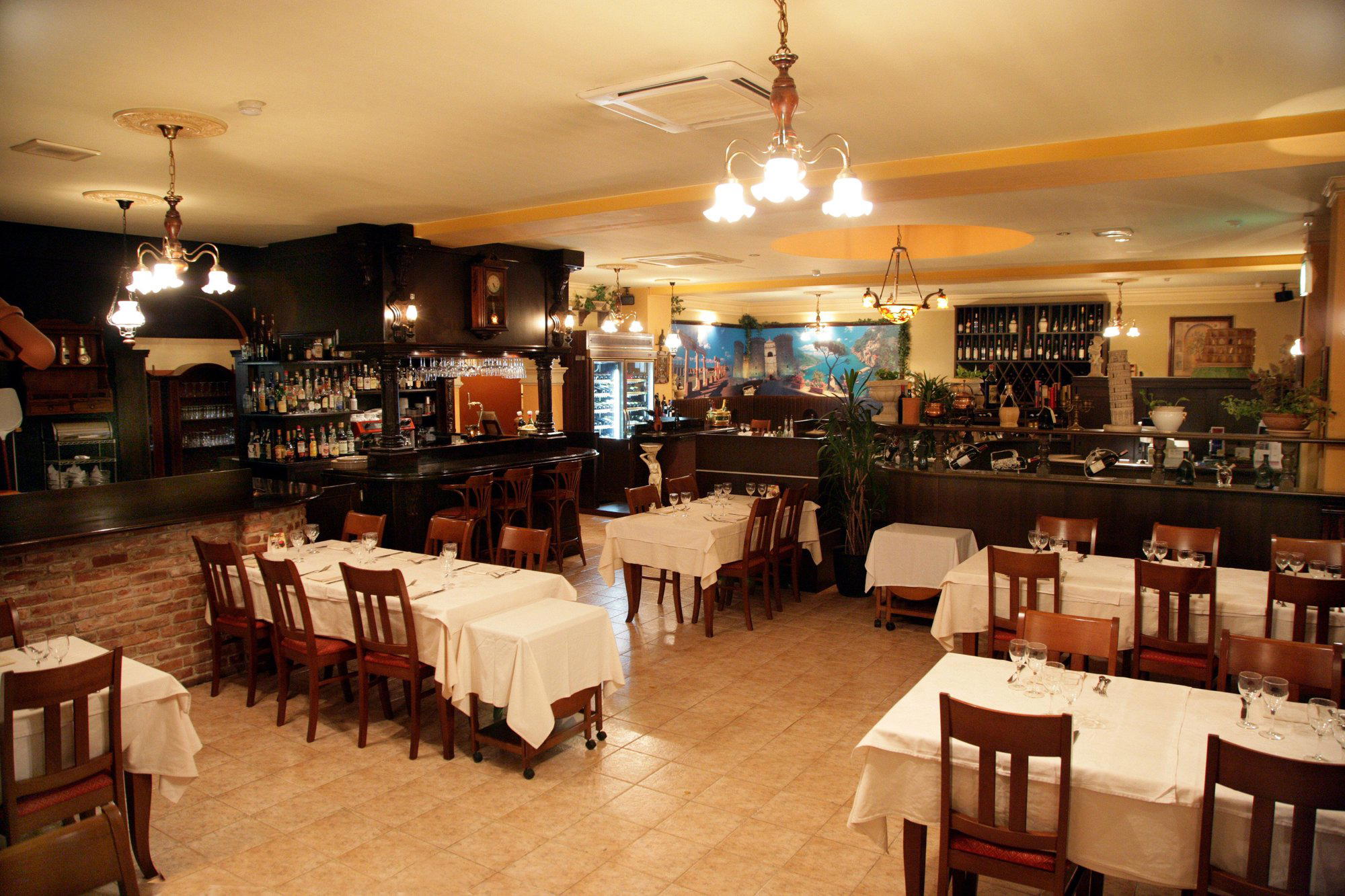
At a Glance
- Lively
- Cozy
- Energetic
- Group Dining
- Casual Hangout
- After Work
- Date Night
- Celebration
- Standalone
Current opening hours
- Monday
- Closed
- Tuesday
- 5 PM–12 AM
- Wednesday
- 5 PM–12 AM
- Thursday
- 5 PM–12 AM
- Friday
- 5 PM–12 AM
- Saturday
- 4 PM–12 AM
- Sunday
- 4 PM–12 AM
Hours can change for holidays and private events. Last verified .
Casual and at-home Korean izakaya feel with a bright, friendly atmosphere where guests can enjoy hot pots and Korean drinks in a lively, cozy space.