
Nagoya’s tonkatsu culture often sits below the city’s louder miso-katsu reputation, but Tokugawa Cho Buta Fuku belongs to the more exacting cutlet tier: counter seating, pork-specialist focus, and selection for Tabelog 100 Tonkatsu 2026. The appeal is less spectacle than coordination, with frying, pacing, drinks, and counter service working as one compact system.
Pearl is the En Primeur Club membership app — saves, bookings, and concierge access live there. Same editors, same standards.
- Address
- 愛知県名古屋市東区徳川町2418
- Website
- tabelog.com
 Saves & bookings on Pearl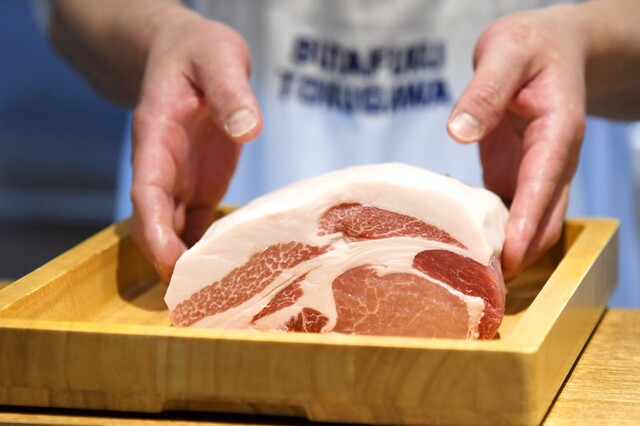
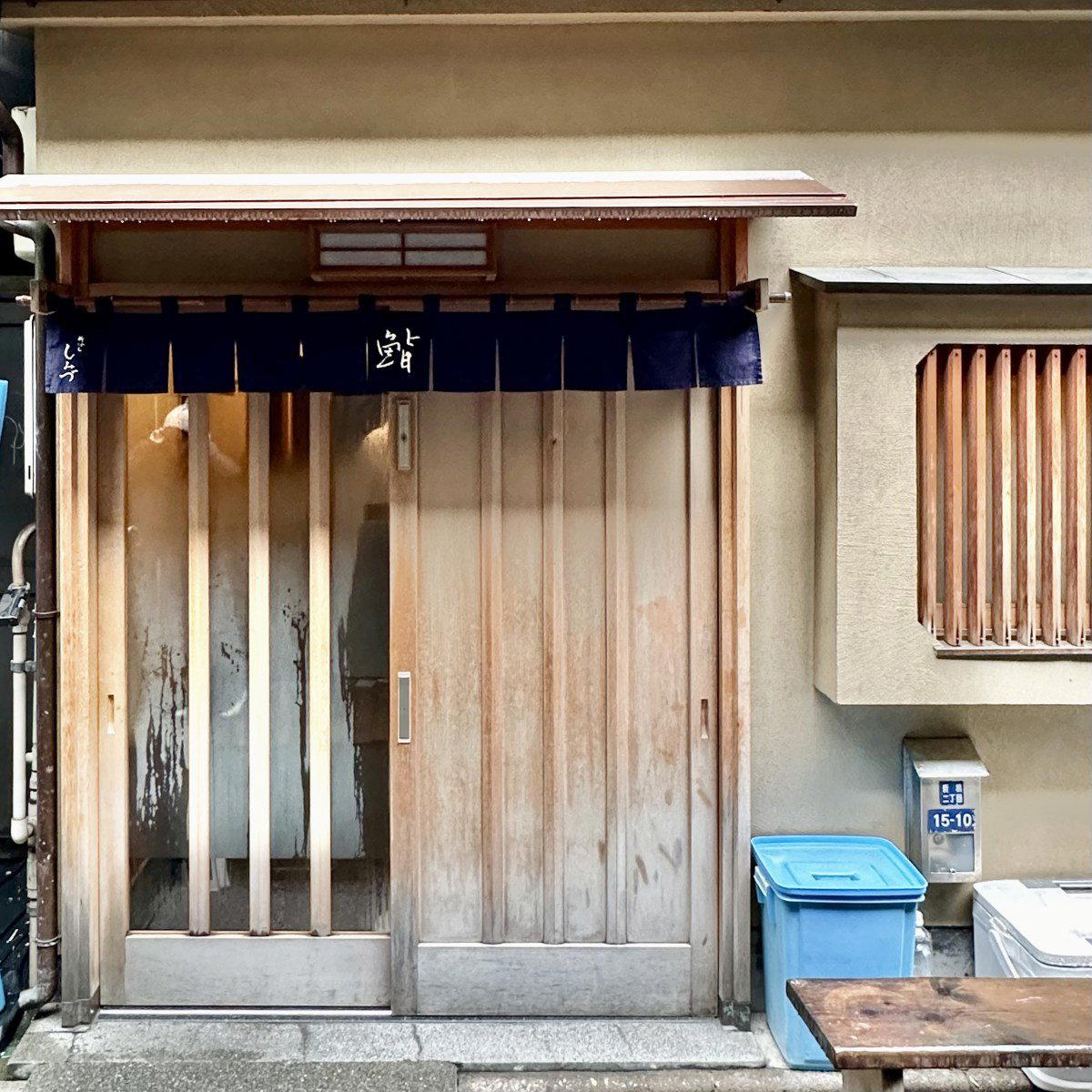
Approaching Tokugawa-en, Nagoya slows: commercial rhythm gives way to garden walls, low residential blocks, and Tokugawacho’s quieter formality. That setting matters for tonkatsu. Pork cutlet at this level is not a fast refuel; it is a short-format meal where room, fryer, rice, cabbage, condiments, and drink service must land in sequence. Tokugawa Cho Buta Fuku sits in that specialist register, built around counter seating rather than banquet scale.
Nagoya is usually read through miso katsu, hitsumabushi, kishimen, and tebasaki, but its better pork-cutlet addresses show another appetite: precision over heaviness. The question for travellers is not whether tonkatsu is familiar, but whether a cutlet house merits planning like a serious restaurant, especially in a city where Japanese counters such as Kojitsu price dinner at JPY 20,000 to JPY 29,999, while French-leaning rooms such as LE PIGNON and Garden Restaurant Tokugawaen sit far above everyday lunch. Here, the category remains accessible, but the discipline is closer to a counter restaurant than a casual set-meal shop.
A 24-seat counter turns tonkatsu into a team sport
Read the room through coordination. With 24 counter seats, the meal depends on a tight relay: kitchen timing, front-of-house pacing, and drinks service must support the cutlet, not distract from it. The listed drinks lean Japanese and classic, with sake, shochu, and wine, placing the restaurant nearer the current specialist-tonkatsu mood than the older sauce-and-beer model. It is not formal dining; it is deliberate operation.
Selection for Tabelog 100 Tonkatsu 2026 gives the address a clear trust signal in a category hard to judge from abroad. Tabelog’s genre lists are useful in Japan because they separate craft categories that guidebooks can flatten into general “Japanese restaurant” coverage. A tonkatsu selection says something specific: pork sourcing, frying control, rice management, and the service rhythm around a short meal have been noticed by a Japanese dining audience.
That matters because tonkatsu is unforgiving. Sushi has ceremony and tempura theatre; tonkatsu has fewer places to hide. The cutlet must leave the fryer, rest, slice, and arrive while heat, crust, and meat texture stay balanced. Front-of-house is not decorative: it separates a meal that feels assembled from one that moves with intent. In a counter format, small hesitations are visible, so team dynamic becomes part of the experience.
Nagoya's pork-cutlet lane beyond miso katsu
For visitors, Nagoya shorthand often means sweet-savoury miso sauce over pork. That is a valid local reference, but it can obscure the wider cutlet tradition: regional pork, oil management, breading texture, cabbage refills, rice quality, and the choice between sauce, salt, mustard, or citrus-led seasoning. Tokugawa Cho Buta Fuku belongs to that conversation, where pleasure comes from restraint and control rather than volume.
The price position is central. Lunch is listed at JPY 2,000 to JPY 2,999 and dinner at JPY 3,000 to JPY 3,999, a bracket where travellers can treat tonkatsu as a planned meal without the budget of Nagoya’s higher-end kaiseki or French rooms. Seigetsu, another Nagoya comparison, sits in a similar JPY 3,000 to JPY 3,999 range, while Myoan moves into JPY 30,000 to JPY 39,999. The spread is useful: pork cutlet can be serious without becoming ceremonial.
The opening date, February 16, 2024, gives the restaurant a contemporary frame. Japan’s specialist comfort-food counters have grown more exacting over the last decade, treating fried foods less as nostalgia than technique. In that climate, a newer Nagoya tonkatsu counter gaining national category recognition in 2026 signals quick acceptance into a demanding field.
How to place it in a Nagoya dining itinerary
Address works well for travellers already building a day around Tokugawaen or the city’s eastern cultural corridor. The nearest station is Morishita, with Ozone also within walking range, so the meal fits a planned neighbourhood loop better than a spontaneous dash from Nagoya Station. Parking is not built into the experience, and the surrounding area rewards arriving with time rather than treating the booking as a commuter stop.
Reservations are unavailable, which changes the strategy. This is a counter restaurant with fixed physical limits and service that can close once sold out, so timing matters more than status. Lunch and dinner both operate, Monday is the regular closed day, and the practical play is to build slack into the schedule rather than stacking it before a train, museum slot, or hotel check-in. School-age children are accepted, but younger children are not, and each school-age guest is expected to order, making it better for older families than toddlers.
Payment follows Japanese restaurant norms in transition: major credit cards are accepted, while electronic money and QR payments are not. The room is non-smoking, private rooms are not part of the format, and private use is unavailable. This is not a flexible event space but a focused counter for a specific meal.
For a broader Nagoya itinerary, compare this pork-cutlet stop with other city entries in Our full Nagoya restaurants guide, then separate dinner planning from lodging through Our full Nagoya hotels guide, drinks through Our full Nagoya bars guide, regional producers through Our full Nagoya wineries guide, and cultural scheduling through Our full Nagoya experiences guide. Nearby editorial cross-checks include 1022, 451, Aaron, Alan., and All Day Dining Montmartre. For wider Japan and overseas context, see -Grilled beef Sukiyaki- KAMAKURA TANUKIAN 鎌倉 たぬき庵 in Kamakura. 鮪と炭火焼き うお炭 秋葉原店 in Tokyo.cafe in Osaka.know in Kumamoto, (Shoku) Vietnam in Kawasaki, [Curry Senmon Ten] Maruyama Kyoju. in Sapporo, Jōdo Saké Bar in Los Angeles, and Onigiri Time in Pasadena.
The Quick Read
Comparable venues by category and price.
| Venue | Cuisine | Price | Notes |
|---|---|---|---|
| Tokugawa Cho Buta FukuThis venue — the venue you are viewing | Not listed | $$ | Not listed |
| Murasakiya | Naka, Traditional Japanese Wagashi Cafe | $$ | Not listed |
| Kiwami | Nakamura, Standing Edomae Sushi Bar | $$ | Not listed |
| takumi | Not listed | $$ | Naka, Charcoal-grilled Yakiniku & Izakaya |
| 虹霓 | Nishi, japanese | Not listed | Not listed |
| Una Toyo | Not listed | $$ | Mizuho, Traditional Nagoya charcoal-grilled unagi |
Recognition history
Dated appearances from independent guides and award organizations, with the underlying list record or original source where available.
Tabelog 100 #7 · No. 7
Tabelog · Tabelog 100 - Tonkatsu - 2026
Continue exploring
More in Nagoya
Restaurants in Nagoya
Browse all →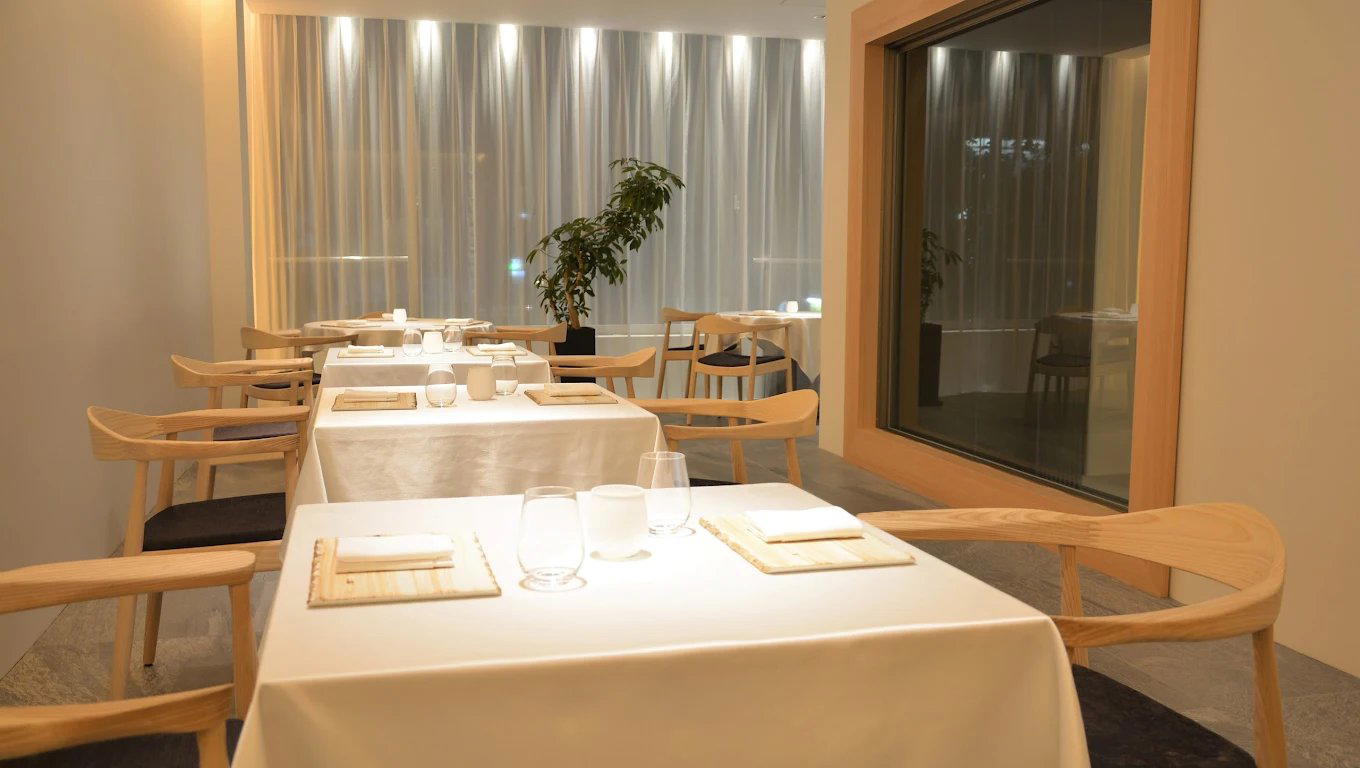
At a Glance
- Classic
- Cozy
- Rustic
- Solo
- Family
- Casual Hangout
- After Work
- Group Dining
- Chefs Counter
- Historic Building
- Standalone
- Sake Program
- Local Sourcing
A cozy, traditional house-restaurant with a stylish yet relaxed feel, counter seating and spacious layout, offering a warm, unpretentious atmosphere where guests wait patiently for freshly fried tonkatsu.